
Reviewed · ANGKOR WAT TEMPLE TOURS
2 Days | Angkor Wat Phnom Kulen & Beng Mealea Tour
Two days, and Angkor keeps talking. This tour is interesting because it stacks Cambodia’s most famous temple sights with lake life around Tonle Sap, all starting with a simple 8:00 AM hotel pickup and moving in an air-conditioned vehicle. One watch-out: the big entrances are not included, so you’ll need to budget for the Angkor Temple Pass (and the Phnom Kulen entrance fee).
I love how the plan makes the temples feel readable, not just scenic. With an English-speaking guide (notably Hok, known for being professional, courteous, and flexible), you get explanations that connect what you see—like Bayon’s four faces on each tower or Ta Prohm’s tree-and-stone drama—to the Khmer story behind them.
In This Review
- Key Highlights You’ll Actually Feel on This Tour
- How This Two-Day Plan Really Works for First-Time Angkor Trips
- Day 1 Morning: Starting at Raffles Grand and Getting Ready for Angkor Wat
- Bayon’s Smiling Faces: Four Directions of Meaning in One Stop
- Ta Prohm’s Jungle Temple Effect: Nature Meets Stone
- Ta Nei and Other Khmer Stops: How the Route Fills the Gaps
- Chong Kneas Floating Village: A Change of Scene on Tonle Sap
- Day 2: Phnom Kulen’s Sacred Mountain and Devaraja Connections
- Beng Mealea: Remote Jungle Ruins That Still Feel Untamed
- Banteay Srei’s Pink Stone: Precision Carving in a Smaller Package
- Guide and Comfort: Why Hok’s Style Makes the Stops Land
- Price and Value: Is $170 a Good Deal for This Two-Day Mix?
- Who This Tour Suits Best
- Quick Practical Notes Before You Book
- Should You Book This 2-Day Angkor Wat, Phnom Kulen, and Beng Mealea Tour?
- FAQ
- Do I get hotel pickup for this tour?
- Where does the tour start?
- How long is the tour?
- What is included in the price?
- Is the Angkor Temple Pass included?
- Do I need to pay for Phnom Kulen separately?
- How much time do you spend at Angkor Wat and Bayon?
- Is Chong Kneas Floating Village admission included?
- Is the tour private, or shared with strangers?
Key Highlights You’ll Actually Feel on This Tour
- Hotel pickup plus air-conditioned driving means less logistics stress between far-flung sites
- A guide who explains what you’re looking at (Hok’s style is detail-heavy and easy to follow)
- Angkor Wat + Bayon + Ta Prohm in one tight day so the “big icons” don’t get missed
- Chong Kneas Floating Village on Tonle Sap adds everyday Cambodian life to the temple overload
- Phnom Kulen + Beng Mealea + Banteay Srei mix sacred landscape and raw ruins in Day 2
Other ways to walk the great temple
- Angkor Wat Sunrise or Sunset Tour with Guide from Siem Reap★ 5.0 · 12,109 reviews
- Siem Reap: Angkor Wat: Small-Group Sunrise or Sunset Tour★ 5.0 · 9,444 reviews
- Siem Reap: Angkor Wat 2-Day Tour with Sunrise and Sunset★ 4.9 · 4,429 reviews
- Siem Reap: Full-Day Angkor Wat Guided Tour with Sunset★ 4.9 · 3,803 reviews
How This Two-Day Plan Really Works for First-Time Angkor Trips
If you only have a couple of days in Siem Reap, you’ll want two things: (1) a route that makes sense, and (2) someone who can point out the why behind the wow. This tour’s big strength is that it doesn’t stay trapped in one bubble of temples. You get Angkor’s center of gravity (Angkor Wat and Bayon), the famous jungle ruin vibe (Ta Prohm), then a very different scene on the Tonle Sap lake—before moving to Phnom Kulen and the remote-feeling Beng Mealea.
And because you’re riding between stops in a comfortable vehicle, the itinerary feels like a plan instead of a shuffle. You also get cool water and towels plus local snacks, which matters on days that run at real sightseeing pace.
Day 1 Morning: Starting at Raffles Grand and Getting Ready for Angkor Wat
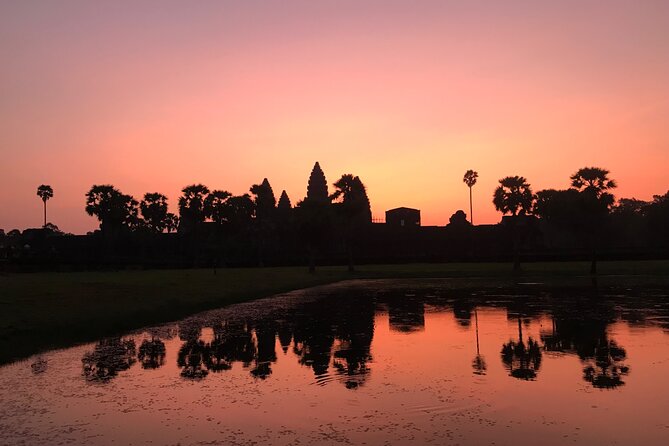
The day begins at 8:00 AM with pickup from the Raffles Grand Hotel d’AngkorKhum area. The tour includes time to purchase the three-day Angkor Temple Pass before you step into Angkor Wat. That’s an underrated detail: rather than worrying about where to buy and whether you picked the right ticket, you’re handled at the start of the experience.
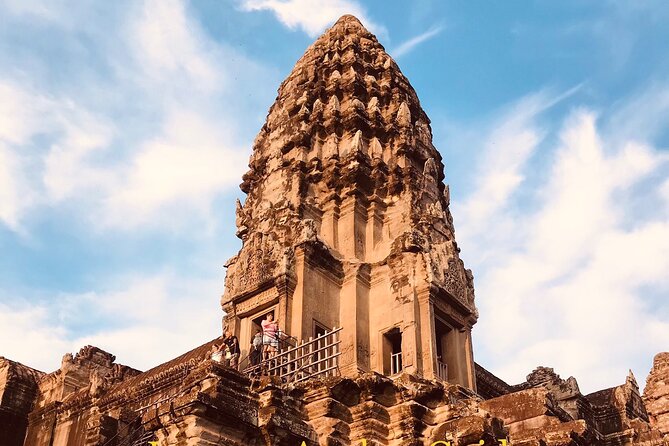
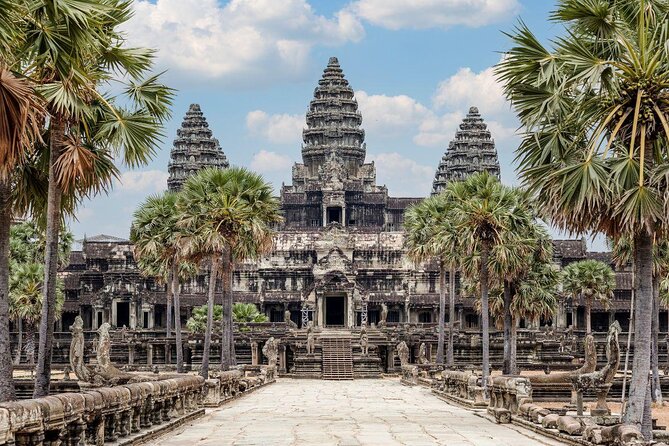
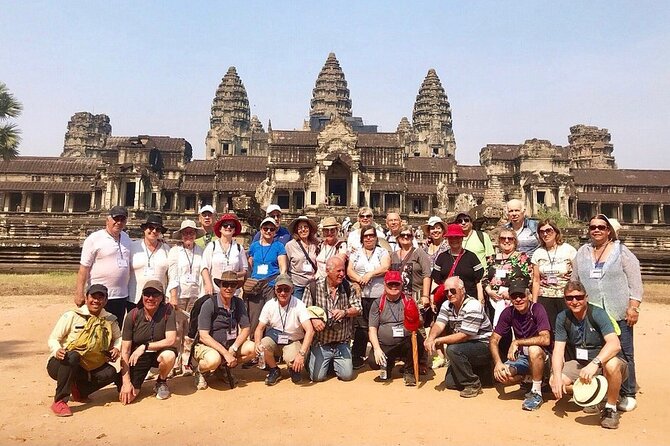
Angkor Wat is scheduled for about 2 hours, and it’s the obvious anchor stop. The monument is described as the largest religious monument in the world and also one of the best preserved—plus it’s known as an architectural masterpiece of the Khmer civilization. What your guide will help you notice is how Angkor Wat combines two Khmer temple design ideas: a temple-mountain concept and a later galleried temple design.
Practical tip: plan to bring your attention with you. Angkor Wat can feel overwhelming on your own, because there’s so much to see. With a guide explaining balance, proportions, relief, and sculpture, you get a mental map fast—so you’re not just collecting photos.
Bayon’s Smiling Faces: Four Directions of Meaning in One Stop
After Angkor Wat, you move to Bayon, located in the center of Angkor Thom. Bayon gets about 1 hour, which is short, but it fits the rhythm of the day.
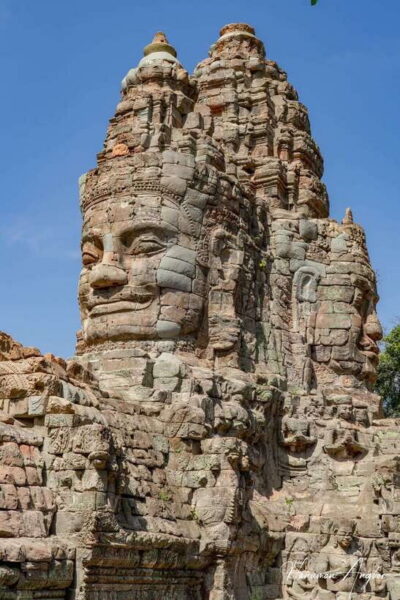
This is the temple people come for when they want the iconic Khmer facial symbolism. Bayon features 49 towers, each decorated with four smiling faces. The guide’s explanation is what makes it click: the faces are oriented to the main directions, tied to religious meanings across Shiva, Brahma, Vishnu, and Indra in the traditional framing you’ll hear. For Buddhism, the faces are linked to Lokesvara and to King Jayavarman VII.
Here’s why this stop is valuable in a short itinerary: it’s not just a pretty landmark. It’s one of the easiest temples to understand, because the design is literal. The faces aren’t subtle, and once you know what you’re seeing, the whole place reads better.
Ta Prohm’s Jungle Temple Effect: Nature Meets Stone
Ta Prohm is your next big hit, about 1 hour on the schedule. It’s known as Cambodia’s most renowned jungle temple, and it’s famous from the Hollywood film The Tomb Raider.
But the interest goes beyond movie fame. The temple was built by King Jayavarman VII in 1186 and dedicated to his mother in the form of Prachnabaramita, tied to Mahayana Buddhism themes of mercy and wisdom. The name and older name matter too: Ta Prohm translates as a way of referring to a Brahma-associated concept, while the older name Rajavihara points to it being a royal monastery.
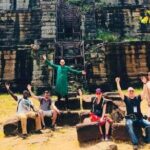
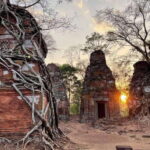
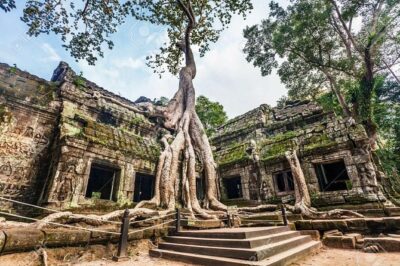
The real draw is the physical mix of trees and roots with the ruins. You’ll feel like you’re standing inside the argument between time and architecture. The tour description also points out that Ta Prohm is best in morning or afternoon, so your day timing is intentional.
If you’re temple-weary, Ta Prohm is still a good choice because it changes the look and mood. Angkor Wat and Bayon feel like carved order; Ta Prohm feels like the jungle took a seat at the table.
Deeper into the jungle temple
Ta Nei and Other Khmer Stops: How the Route Fills the Gaps
The tour is designed to cover the standout temple circuit around Siem Reap, and it specifically includes additional Khmer temple stops beyond the three headline names above—like Ta Nei. Even if you’re not hunting for every single lesser-known ruin, this kind of route is a smart use of limited time.
The guide’s value here is simple: when you’re moving fast between sites, explanations keep each stop from feeling repetitive. You’re not just walking from one big wall to another—you’re learning what each place was built for and why its layout matters.
Chong Kneas Floating Village: A Change of Scene on Tonle Sap
After the temple intensity of Day 1, you get a real shift: Chong Kneas Floating Village. This stop is about 90 minutes, and admission is listed as included here.
Tonle Sap Great Lake is the centerpiece. You’ll spend time on the water observing daily life tied to fishing and lake routines. The tour highlights traditional fishing practices and the scenic view of floating homes for families living on the lake.
This part matters because Angkor can make you forget that Cambodia’s living culture is right next door. Tonle Sap is presented as a major tourist attraction for a reason: it’s not just scenery. The lake is described as one of Southeast Asia’s largest freshwater systems and a UNESCO Biosphere Reserve, tied to wildlife and seasonal ecological change.
The itinerary then follows with a short Tonle Sap Lake stop (about 30 minutes). Even if it’s brief, it gives you a second look so the lake isn’t just a side trip.
Day 2: Phnom Kulen’s Sacred Mountain and Devaraja Connections
Day 2 moves into sacred nature territory with Phnom Kulen National Park, scheduled for about 2 hours. Phnom Kulen is described as a sacred mountain and also recognized for historical and archaeological importance.
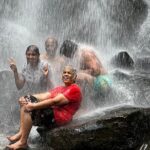
You’ll hear about several highlights at the park: holy waterfalls, a reclining Buddha, a sacred river adorned with thousands of lingas, plus Srash Damrei and Bat Cave. The name is also given meaning: Lychee Mountain, and the site is positioned as a major symbolic location for Cambodia.
What makes this stop more than a scenic detour is the claim that Phnom Kulen is tied to the birthplace of the ancient Khmer Empire. The tour notes that King Jayavarman VII proclaimed himself the God King here and initiated the Devaraja Cult, tying the religious politics of rulers to the landscape.
Important budget note: the Kulen entrance fee is not included, so you’ll want to plan cash or the expected payment method in advance.
Beng Mealea: Remote Jungle Ruins That Still Feel Untamed
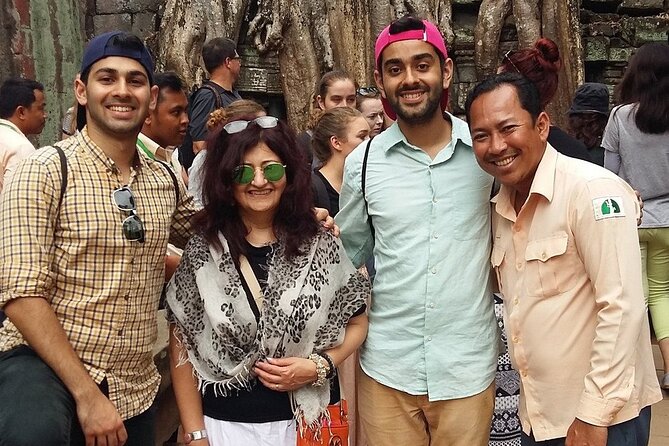
After Phnom Kulen, you head to Prasat Beng Mealea, about 66 km northeast of Siem Reap. This is scheduled for about 1 hour and is billed as the most popular remote jungle temple in Cambodia.
The description emphasizes something you can feel immediately when you’re there: the ruins exist in harmony with nature and remain in their original, unaltered condition. It also notes that the temple was opened to visitors in the early 2000s after landmines in the area were cleared. That detail matters, because it frames why the site still looks raw compared with more restored temples.
Beng Mealea was built by King Suriyavarman II and later completed by King Dharanindravarman II. The tour also calls out a sarcophagus-like urn, giving you a specific visual anchor while you’re exploring.
This stop is a great counterweight to Angkor Wat. If Angkor feels like precision, Beng Mealea feels like unfinished time, and that’s the point.
Banteay Srei’s Pink Stone: Precision Carving in a Smaller Package
The last temple stop is Banteay Srei, about 37 km north of Angkor Wat. You get about 1 hour here, and it’s described as the most beautiful pink stone temple in Cambodia.
It earns the nickname Lady Temple because of its remarkable preservation and the quality of its decoration. The tour also repeats the common local explanation: the fine carvings are so detailed that some people say it must have been built by women, which is why the name “Lady Temple” stuck. The original name Isvarapura is linked to dedication to Lord Shiva, built by King Rajendravarman II in 967.
Banteay Srei is also described as having an interesting modern story: it was discovered by a Frenchman in 1914, and it was not the place that visitors always rushed to first—so you may find it easier to slow down here than at Angkor’s biggest icons.
If you want Khmer art at close range, this is where the tour gives you that chance. Smaller scale means you can spend more of your hour noticing patterns, not just taking in the big silhouette.
Guide and Comfort: Why Hok’s Style Makes the Stops Land
A tour can include all the right temples and still feel like a bus ride through postcards. What changes the experience here is the guiding. The tour includes an English-speaking guide, and the provided feedback highlights Hok for being exceptional at connecting information to what you’re seeing.
In plain terms, Hok’s strengths show up in three ways:
- He’s professional and courteous, so the day stays calm.
- He shares flexible explanations, so you can ask questions without derailing the group.
- He points out nuances, which turns Bayon and Ta Prohm from famous names into specific visual stories.
You’ll also appreciate the practical support: cool water and towels plus local snacks are included. That’s not glamorous, but it’s real value—especially when the schedule is temple-heavy.
Price and Value: Is $170 a Good Deal for This Two-Day Mix?
At $170 per person, you’re paying for a structured two-day circuit with transport (air-conditioned vehicle), an English-speaking guide, and included extras like cool water, towels, and local snacks.
What’s not included is the big-ticket temple paperwork:
- Angkor Temple Pass (the tour includes a step to purchase the three-day pass at the start)
- Phnom Kulen entrance fee
- Accommodation (always separate)
- Admission details vary by stop, but Chong Kneas shows as included while other admission is noted as not included
So is it good value? It usually is if you were going to visit these sites anyway and you prefer not to plan the driving and ticket timing yourself. The tour’s mix also helps: you’re not just doing Angkor temples. You’re adding Tonle Sap floating village and a sacred park stop plus a remote jungle ruin. That variety tends to justify a packaged price.
The smartest move: treat the $170 as the “service and route” cost, then add the known entrance fees on top so you don’t get surprised at the counter.
Who This Tour Suits Best
This fits you if you:
- have limited time in Siem Reap and want the major highlights covered in about 2 days
- want a guide to explain meaning, not just point directions
- prefer comfort between far-apart sites, with pickup and AC transport
- like variety—temples plus Tonle Sap lake life plus Phnom Kulen nature
It might feel like a lot if you prefer slow mornings, long free time at each site, or you’re the type who wants to roam without structure.
Quick Practical Notes Before You Book
- Start time is 8:00 AM, and pickup is from Raffles Grand Hotel d’AngkorKhum.
- The Angkor Temple Pass is required and not included in the base price, but the tour plans time to purchase it.
- Kulen entrance fee is not included.
- You should expect a lot of walking around temples and ruins, since the stops are outdoors and spread across different sites.
- The tour mentions mobile ticket, so keep your phone ready for whatever format you’re given during booking.
Should You Book This 2-Day Angkor Wat, Phnom Kulen, and Beng Mealea Tour?
I’d recommend booking this if you want a tight, guided plan that gives you Angkor’s biggest moments plus two very different add-ons: Tonle Sap floating village and Phnom Kulen/Beng Mealea on Day 2. The comfort details—hotel pickup, air-conditioned driving, water, towels, snacks—make it easier to enjoy the sites instead of managing stress.
I’d think twice only if you dislike paying separate entrance fees on top of the tour price or if you want more unstructured time. If you’re okay with that, this is a strong way to see a lot of Cambodia in a short window without turning it into a do-it-yourself maze.
FAQ
Do I get hotel pickup for this tour?
Yes. Pickup is included each day, and the start time is listed as 8:00 AM.
Where does the tour start?
The meeting point listed is Raffles Grand Hotel d’AngkorKhum, Preah Sihanouk Ave, in Siem Reap.
How long is the tour?
It’s listed as 2 days (approx.).
What is included in the price?
The tour includes an air-conditioned vehicle, an English-speaking guide, cool water and towels, and local snacks.
Is the Angkor Temple Pass included?
No. The Angkor Temple Pass is not included, but the tour includes time early in the day to purchase the three-day pass.
Do I need to pay for Phnom Kulen separately?
Yes. The Kulen entrance fee is listed as not included.
How much time do you spend at Angkor Wat and Bayon?
Angkor Wat is scheduled for about 2 hours, and Bayon is scheduled for about 1 hour.
Is Chong Kneas Floating Village admission included?
For Chong Kneas Floating Village, admission is listed as included.
Is the tour private, or shared with strangers?
The information says this is a private activity, with only your group participating.
More Temple Circuits Around Siem Reap
- Angkor Wat Sunrise or Sunset Tour with Guide from Siem Reap
★ 5.0 · 12,109 reviews - Siem Reap: Angkor Wat: Small-Group Sunrise or Sunset Tour
★ 5.0 · 9,444 reviews - Siem Reap: Angkor Wat 2-Day Tour with Sunrise and Sunset
★ 4.9 · 4,429 reviews - Siem Reap: Full-Day Angkor Wat Guided Tour with Sunset
★ 4.9 · 3,803 reviews - Angkor Wat Sunrise tour with Small – Group and Guide tours
★ 5.0 · 3,655 reviews
Into the Jungle at Beng Mealea
- Siem Reap: Kulen Mountain, Beng Mealea and Tonle Sap Tour
★ 5.0 · 1,483 reviews - Kulen Mountain with Beng Mealea and Tonle Sap Small Group Tour
★ 5.0 · 780 reviews - Koh Ker Temple Group & Beng Mealea Full-Day Join-in Tour
★ 5.0 · 710 reviews - From Siem Reap: Koh Ker and Beng Mealea Temples Tour
★ 4.9 · 293 reviews - Banteay Srei, Kulen Waterfall & Beng Mealea Exploration
★ 5.0 · 185 reviews
Angkor Wat, a Few More Ways In
- Angkor Wat Sunrise or Sunset Tour with Guide from Siem Reap
★ 5.0 · 12,109 reviews - Siem Reap: Angkor Wat: Small-Group Sunrise or Sunset Tour
★ 5.0 · 9,444 reviews - Siem Reap: Angkor Wat 2-Day Tour with Sunrise and Sunset
★ 4.9 · 4,429 reviews - Siem Reap: Full-Day Angkor Wat Guided Tour with Sunset
★ 4.9 · 3,803 reviews - Angkor Wat Sunrise tour with Small – Group and Guide tours
★ 5.0 · 3,655 reviews
Just Added: Fresh Siem Reap Tour Reviews

Angkor Wat Temple Tours, compared.
 ★ 5.0Angkor Wat Sunrise or Sunset Tour with Guide from Siem ReapFrom $1812,109 reviews
 ★ 5.0Angkor Wat: Small-Group Sunrise or Sunset TourFrom $159,444 reviews
 ★ 4.9Angkor Wat 2-Day Tour with Sunrise and SunsetFrom $344,429 reviews
 ★ 4.9Full-Day Angkor Wat Guided Tour with SunsetFrom $153,803 reviews
 ★ 5.0Angkor Wat Sunrise tour with Small – Group and Guide toursFrom $143,655 reviews
 ★ 5.0Angkor Wat Highlights and Sunrise Guided Tour from Siem ReapFrom $233,213 reviews
 ★ 5.0Angkor Wat Sunset Small Group Tour with Lunch IncludedFrom $203,059 reviews
 ★ 5.0Full-Day Angkor Wat Sunrise Private Tour with Guide from Siem ReapFrom $602,920 reviews
Browse the lists this tour appears in