
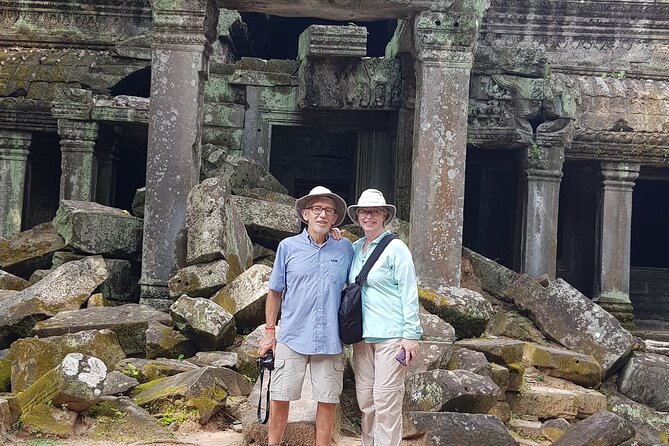
Reviewed · ANGKOR TEMPLE TOURS
2-Days in temples and other areas
Angkor can feel like a test of stamina. This 2-day private temple trip is built for a realistic pace and smoother navigating across major sites. I especially like having a friendly guide (Narin is a standout) who can steer you toward less-frenetic corners, and I like the way the plan mixes big names with smaller temples you might otherwise skip. You’ll still be walking a lot, so plan for real sun and temple stairs.
There is one catch: temple tickets, food, and the boat are not included, so you’ll budget those on top of the tour price. Also, you’ll want moderate fitness, since you’re spending long hours on foot during the hottest part of the day unless you go early.
In This Review
- Key Highlights You’ll Feel Immediately
- Why Two Days Beats Rushing Angkor
- Hotel Pickup, Private Ride, and the Simple Comforts
- Day 1: Angkor Thom, Angkor Wat, Bayon, and Ta Prohm
- Angkor Thom City and Bayon complex
- Angkor Wat
- Ta Phrom temples
- A Lunch Stop at the Angkor Archaeological Park
- Day 2: Preah Khan, Neak Pean (Island Temple), Preruk, and Banteay Srey
- Preah Khan and Jayavarman VII’s legacy
- Neak Pean, the island temple in Jayatataka baray
- Preruk, a state Hindu temple (Rajendravarman)
- Banteay Srey, Shiva and Parvati
- Lunch, Then Tonle Sap Floating Villages (Boat Is Extra)
- The Narin Factor: Why the Guide Really Matters
- A Powerful Bonus Stop: The Landmine Museum
- Price and What You’re Really Paying For
- Timing Tips: How to Make the Heat Work for You
- Who This Tour Fits Best
- Should You Book This 2-Day Angkor Temples Tour?
- FAQ
- What’s included in the $261 price?
- What costs extra during the tour?
- Is this a private tour or a shared group?
- What’s the approximate duration?
- Which temples and areas are visited over the two days?
- Do I need any particular physical ability?
- Are there any weather-related issues to know about?
Key Highlights You’ll Feel Immediately
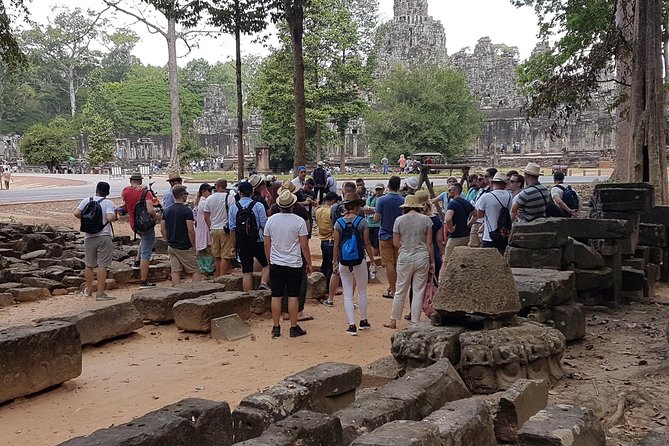
- Private guide + private vehicle means you set the pace, not the crowd.
- Day 1 hits the core sites (Angkor Wat, Bayon complex, Ta Prohm) with a sensible route.
- Day 2 adds the quieter temples around Angkor region (Preah Khan, Neak Pean, Preruk, Banteay Srey).
- Narin’s flexibility shows up in the timing and small choices that make days easier.
- Landmine museum stop adds a powerful, practical stop beyond pure sightseeing.
- Tonle Sap floating villages are the big optional finale, with the boat as an extra cost.
More temple circuits, set side by side
- Angkor Wat Sunrise by Vintage Jeep – Private Tour★ 4.8 · 91 reviews
- Angkor Temples Highlights Tour: 2 Days with Sunrise★ 4.2 · 43 reviews
- Angkor Wat: Guided Jeep Tour Inclusive lunch at local house★ 4.9 · 29 reviews
- Two Days Angkor Wat Park-Beng Mealea and Kampong Phluk Village★ 5.0 · 14 reviews
Why Two Days Beats Rushing Angkor
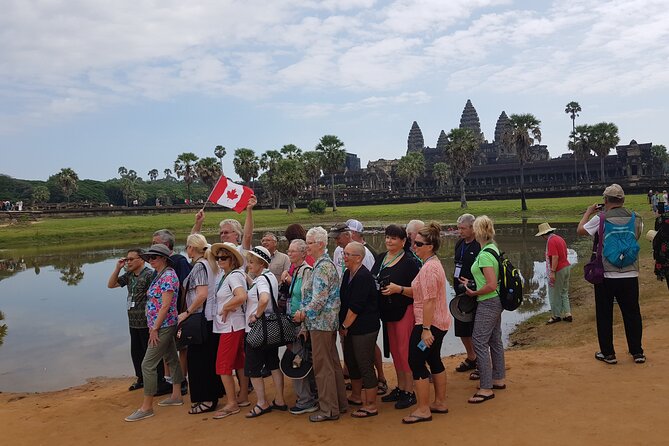
If you only have a day, you can see Angkor Wat. You can even check off a few others. But it usually turns into a photo sprint, where you barely catch your breath, much less understand what you’re looking at.
Two days gives you something better: time to connect the dots. You’ll move from the most famous highlights into temples that feel more lived-in and less boxed-in. The route also helps you avoid the worst of the heat by starting earlier when possible, which makes the walking feel less punishing.
Hotel Pickup, Private Ride, and the Simple Comforts
This is a private tour, so it’s just your group—no awkward stopping every five minutes for someone else’s pace. You get pickup from your hotel area, and the tour includes a guide, car/van, and water.
That practical combo matters more than it sounds. Angkor isn’t just one place. It’s a system of roads, ruins, courtyards, and long distances. Having a vehicle ready keeps you from burning your energy on logistics instead of temples.
Day 1: Angkor Thom, Angkor Wat, Bayon, and Ta Prohm
Day 1 is where the classic Angkor feeling shows up fast. You’ll start by visiting Angkor Thom City—an ancient walled area packed with temples—and then work through major temple stops.
Angkor Thom City and Bayon complex
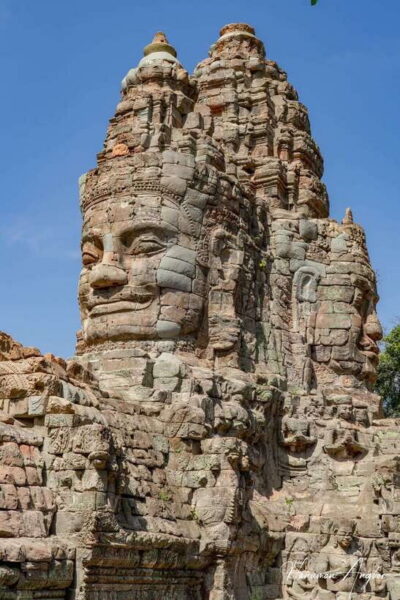
This is where the scale hits you. Even before you’re “impressed,” you’ll notice how the space is organized: gateways, courtyards, and stone faces that keep pulling your eyes deeper.
If Bayon is on your list (it should be), you’ll get there as part of a logical route rather than hopping randomly between sites. That order helps you understand how these places relate to each other.
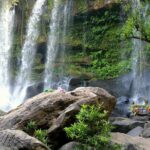
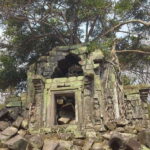
Angkor Wat
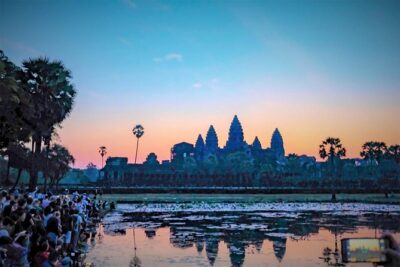
Angkor Wat is the headline, but the experience depends on how you move through it. The value here is not just checking the name—it’s getting time to explore without feeling shoved along.
Also, plan your clothing. At Angkor Wat, you need covered knees and shoulders. One traveler had to adjust after realizing shorts weren’t going to work, and the guide stepped in to help them cover up properly. That kind of quick fix can save your day.
Ta Phrom temples
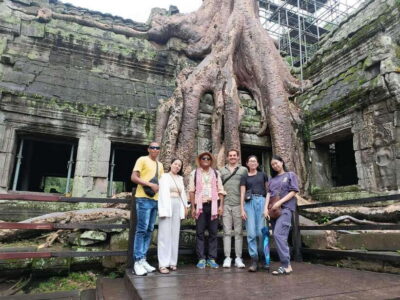
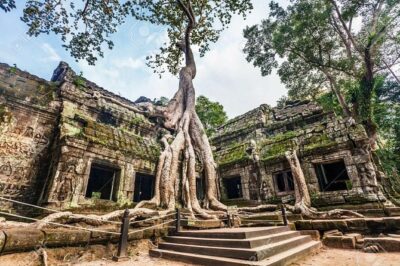
Ta Phrom is the temple people associate with roots wrapped around stone. It’s atmospheric and photogenic, but it can also get crowded. The benefit of a private setup is that your guide can work your timing so you’re not stuck doing the same slow shuffle every time you turn a corner.
A Lunch Stop at the Angkor Archaeological Park
You’ll stop for lunch in the Angkor Archaeological Park area on Day 1. The important part for your budget: lunch is paid by you.
I like this structure because it keeps you from hunting for food last-minute once you’re tired and sweaty. You’ll be able to refuel in a place designed for visitors rather than rolling dice on something nearby.
Day 2: Preah Khan, Neak Pean (Island Temple), Preruk, and Banteay Srey
Day 2 moves beyond the biggest names and into temples that reward patience. This is where you start to feel the region as more than a checklist.
Preah Khan and Jayavarman VII’s legacy
Preah Khan was built for King Jayavarman VII to honor his father. It’s located northeast of Angkor Thom, and it likely served as a temporary residence while Angkor Thom was being built. The central sanctuary was dedicated in AD 1191.
What you’ll notice on-site is the difference between “famous” ruins and “deep” ruins. Preah Khan tends to feel like a place you explore, not just a place you pass through.
Neak Pean, the island temple in Jayatataka baray
Neak Pean sits in the center of Jayatataka baray, as an island temple. Even without a long lecture, the layout makes sense: you’re seeing a sacred design that’s literally surrounded by water.
This stop is the one that often makes people slow down. It’s easier to appreciate when you’re not rushing from doorway to doorway.
Preruk, a state Hindu temple (Rajendravarman)
Preruk is a Hindu temple built as the state temple for Khmer King Rajendravarman, dedicated in 961 or early 962.
If you like seeing how different religious styles appear within the same overall Angkor world, this is one of the more satisfying stops. The temple’s purpose also helps explain the design choices.
Banteay Srey, Shiva and Parvati
Banteay Srey dates to the 10th century and is dedicated to the Hindu god Shiva and Parvati. For many visitors, this is a less-expected name, which is exactly why it’s worth including.
Smaller temples like this can feel more personal. You’ll spend time looking at details because nobody is forcing the pace around you.
Lunch, Then Tonle Sap Floating Villages (Boat Is Extra)
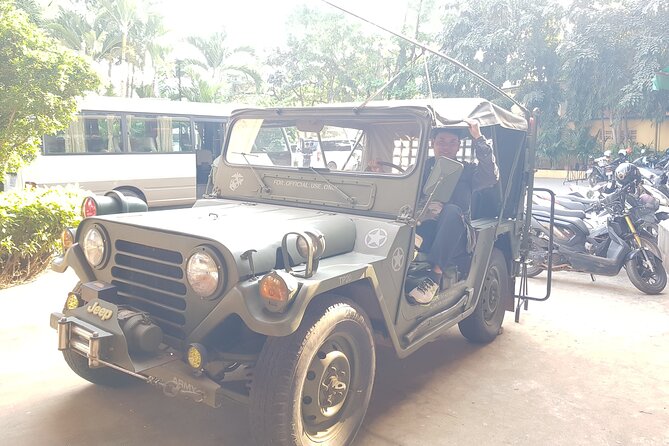
After lunch on Day 2, you’ll head to Tonle Sap Lake to visit floating villages. This part of the day is often where the trip shifts from ancient stone to living culture.
Two practical notes:
- Lunch on Day 2 is paid by you as well.
- The boat is an extra cost (paid by you).
If you want the full experience of Tonle Sap, take the boat option seriously. The floating village idea doesn’t land the same way from dry land.
The Narin Factor: Why the Guide Really Matters
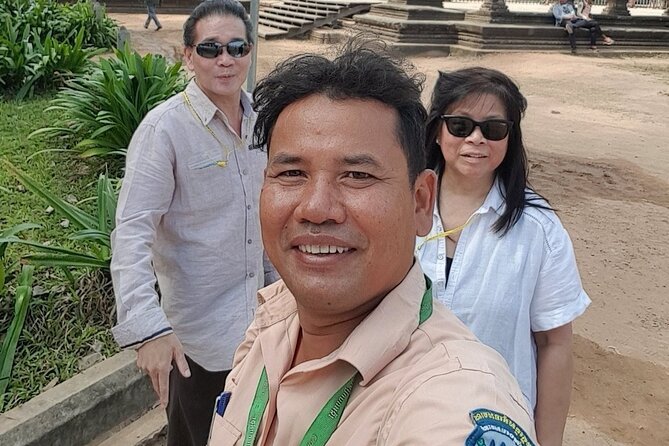
A good guide can turn a list of temples into an actual story you can follow. The standout here is Narin, and it’s not vague praise—it shows up in concrete ways.
Narin is described as friendly, knowledgeable about the area, and genuinely flexible. Flexibility is huge at Angkor because the day can change based on weather, crowd timing, and how your group feels physically.
One traveler also noted Narin helped them handle clothing requirements at Angkor Wat when they didn’t realize shorts wouldn’t work. That’s the kind of practical problem-solving you want from the start.
A Powerful Bonus Stop: The Landmine Museum
One of the most memorable add-ons mentioned in feedback is a landmine museum connected with finding and disarming landmines.
It’s not “just another stop.” It gives context to the region that goes beyond temples. If you’re the kind of person who likes history with real-world weight, this is the point that tends to stick with people.
If you’re short on time or feeling emotionally overloaded, you can also decide how long to spend there. A private guide makes that adjustment easier.
Price and What You’re Really Paying For
The tour price is $261 for about 2 days. It includes:
- Guide
- Car/van
- Water
- Pickup offered
- Paper ticket
Not included:
- Temple tickets
- Food (lunch)
- Boat
So is it good value? For me, the value depends on how you travel.
If you’re trying to do Angkor with public transport or piecing together separate hires, you’ll spend time and energy coordinating. Paying for a private guide and vehicle is what buys you flow: you’re moving efficiently, with someone planning the route and helping you manage the details. The temple tickets and lunches are the kind of extra costs you should expect on any Angkor-based tour, so the more useful question is whether the guide and routing make those costs worth it—and the feedback is strongly in favor of that.
Timing Tips: How to Make the Heat Work for You
Even with early starts, you’ll feel the sun. Angkor days reward smart timing.
Here’s what you should do:
- Wear the right temple clothing: covered knees and shoulders at Angkor Wat.
- Bring light layers for shade and breathability.
- Plan your water habits. The tour provides water, but you’ll still want to drink steadily.
- Use breaks. Lunch stops are built in, but short pauses between sites help.
One more small tip: ask your guide about when to hit the most crowded areas. With a private setup, you’re not locked into a rigid group schedule.
Who This Tour Fits Best
This 2-day plan is ideal if you:
- Want private guiding and an easier schedule than a big group tour
- Care about seeing both the major highlights and the quieter temples
- Like learning how temples relate to each other across centuries
- Prefer a day that feels organized without being rushed
It may be less ideal if you:
- Want a super relaxed pace with very little walking
- Don’t want to manage extra costs (tickets, meals, boat)
The tour states it’s best for moderate physical fitness, so be honest about your stamina.
Should You Book This 2-Day Angkor Temples Tour?
Book it if you want Angkor to feel like a guided experience, not a blur. The biggest strengths are the private pace, the ability to see a mix of major and lesser-visited temples, and the practical help that a good guide provides—especially when rules like temple clothing come into play.
Skip it or choose another option if you’re trying to keep costs to an absolute minimum or you dislike adding on extras like a boat ride.
If you’re ready for two intense, rewarding days, this is a solid way to do it.
FAQ
What’s included in the $261 price?
The tour price includes your guide, a car/van, and water. Pickup is offered, and you receive a paper ticket.
What costs extra during the tour?
Temple tickets, food (lunch), and the boat are not included, so you’ll pay for those separately.
Is this a private tour or a shared group?
It’s a private tour/activity, so only your group participates.
What’s the approximate duration?
It’s scheduled for about 2 days.
Which temples and areas are visited over the two days?
Day 1 focuses on Angkor Thom City and major temple highlights including Angkor Wat, the Bayon complex, and Ta Phrom. Day 2 includes Preah Khan, Neak Pean, Preruk, Banteay Srey, and then Tonle Sap Lake with floating villages.
Do I need any particular physical ability?
The tour notes that travelers should have a moderate physical fitness level.
Are there any weather-related issues to know about?
The tour requires good weather. If it’s canceled due to poor weather, you’ll be offered a different date or a full refund.
More Tour Reviews in Angkor Wat
- Angkor Wat Sunrise by Vintage Jeep – Private Tour
★ 4.8 · 91 reviews - Angkor Temples Highlights Tour: 2 Days with Sunrise
★ 4.2 · 43 reviews - Kulen National Park Ticket
★ 5.0 · 33 reviews - Angkor Wat: Guided Jeep Tour Inclusive lunch at local house
★ 4.9 · 29 reviews - Two Days Angkor Wat Park-Beng Mealea and Kampong Phluk Village
★ 5.0 · 14 reviews
More Days at the Temples
- Angkor Temples Highlights Tour: 2 Days with Sunrise
★ 4.2 · 43 reviews
More Temple Circuits Around Angkor Wat
- Angkor Wat Sunrise by Vintage Jeep – Private Tour
★ 4.8 · 91 reviews - Angkor Temples Highlights Tour: 2 Days with Sunrise
★ 4.2 · 43 reviews - Angkor Wat: Guided Jeep Tour Inclusive lunch at local house
★ 4.9 · 29 reviews - Two Days Angkor Wat Park-Beng Mealea and Kampong Phluk Village
★ 5.0 · 14 reviews
Just Added: Fresh Angkor Wat Tour Reviews
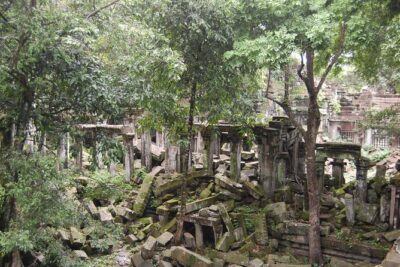
Angkor Temple Tours, compared.
 ★ 5.0Angkor Wat Sunrise or Sunset Tour with Guide from Siem ReapFrom $1812,109 reviews
 ★ 5.0Angkor Wat: Small-Group Sunrise or Sunset TourFrom $159,444 reviews
 ★ 4.9Angkor Wat 2-Day Tour with Sunrise and SunsetFrom $344,429 reviews
 ★ 4.9Full-Day Angkor Wat Guided Tour with SunsetFrom $153,803 reviews
 ★ 5.0Angkor Wat Sunrise tour with Small – Group and Guide toursFrom $143,655 reviews
 ★ 5.0Angkor Wat Highlights and Sunrise Guided Tour from Siem ReapFrom $233,213 reviews
 ★ 5.0Angkor Wat Sunset Small Group Tour with Lunch IncludedFrom $203,059 reviews
 ★ 5.0Full-Day Angkor Wat Sunrise Private Tour with Guide from Siem ReapFrom $602,920 reviews
Browse the lists this tour appears in