
Reviewed · ANGKOR WAT TEMPLE TOURS
3-Day Angkor Wat & All Interesting Major Temples & Kulen Mount Waterfall
Angkor in three days, without the chaos. This private tour strings together the big-name sights—Angkor Wat, Ta Prohm, Bayon, and Phnom Kulen National Park—plus a real chance to swim under the waterfall. I like that it starts with pickup from your hotel and uses an A/C vehicle, so you spend more time looking up at stone and less time baking in traffic.
I love the way the route balances Hindu and Buddhist temple layers, from the Victory Gate through Phimeanakas inside Angkor Thom. I also like that you’re not stuck in one zone: Day 2 gets you out of the Angkor park area for Kulen’s riverbed sculptures, then Day 3 brings sunrise and the older Rolous temples.
One thing to plan for: major entrance fees are not included, and you may have a long day on temple steps—especially if you choose to wait for sunset at Phnom Bakheng, which has limited access.
In This Review
- Key Highlights You’ll Actually Feel
- What This 3-Day Angkor + Kulen Tour Really Delivers
- Price and What You Still Pay: The Real Value Math
- Day 1: Angkor Wat to Angkor Thom’s Gates, Towers, and Sacred Platforms
- Ta Prohm: Trees, Roots, and Movie-Set Drama
- Ta Nei: A Quieter Temple Break
- Victory Gate and Bayon: Angkor Thom’s East Face
- Baphuon, Phimeanakas, and the Royal Enclosure Details
- Phnom Bakheng: Sunset Views, Limited Access, Optional Waiting
- Day 2: Phnom Kulen National Park, the 1000 Lingas, and Pink Sand at Banteay Srei
- Phnom Kulen: Waterfall Time and the 1000 Lingas Riverbed
- Banteay Srei: The Pink Sandstone Temple
- Banteay Samre and Pre Rup: Less Famous, Still Worth It
- Day 3: Angkor Wat Sunrise, Preah Khan, Rolous Temples, and Cambodia Crafts
- Preah Khan: King Jayavarman VII and Buddhist Temple Layers
- Neak Pean and Ta Som: A Calm Break Inside the Complex
- Eastern Mebon and Rolous Group: Older Khmer Power
- Artisans Angkor and Psar Chaa: Stop Buying Souvenirs Blind
- What to Watch For: Heat, Timing, and the “Too Much Temple” Problem
- Who This Tour Is Best For
- Should You Book It?
- FAQ
- What’s included in the tour price?
- Are meals included?
- How much are entrance fees?
- What time is pickup for sunrise at Angkor Wat?
- What time does the tour start on Day 1?
- Is this tour private?
- Do I need to buy temple passes?
- Where does the waterfall experience happen?
- Is Phnom Bakheng sunset mandatory?
- What is the cancellation policy?
Key Highlights You’ll Actually Feel
- Sunrise-at-Angkor-Wat option with an early pickup (5:00am on Day 3)
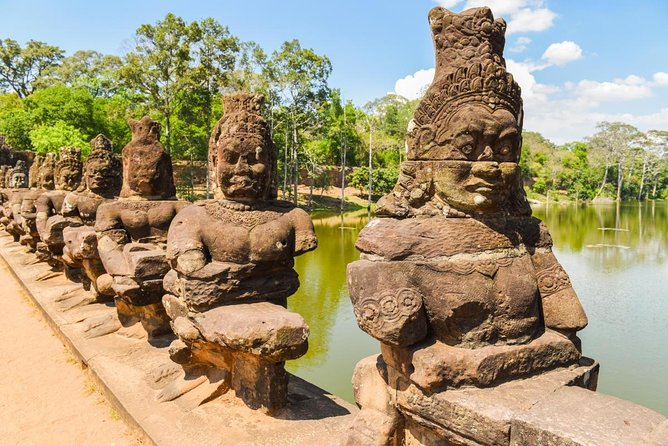
- Angkor Thom deep cut: Victory Gate, Bayon’s face towers, and Phimeanakas in the royal palace area
- Phnom Kulen waterfall swim plus the 1000 Lingas rock riverbed
- Hands-on Cambodia crafts time at Artisans Angkor
- Flexible Phnom Bakheng sunset plan (you can skip the waiting)
Other ways to walk the great temple
- Angkor Wat Sunrise or Sunset Tour with Guide from Siem Reap★ 5.0 · 12,109 reviews
- Siem Reap: Angkor Wat: Small-Group Sunrise or Sunset Tour★ 5.0 · 9,444 reviews
- Siem Reap: Angkor Wat 2-Day Tour with Sunrise and Sunset★ 4.9 · 4,429 reviews
- Siem Reap: Full-Day Angkor Wat Guided Tour with Sunset★ 4.9 · 3,803 reviews
What This 3-Day Angkor + Kulen Tour Really Delivers
This is a classic “see the best of Angkor” package, but it’s built with smart variety. You don’t just bounce between temples inside one fenced area. You get the emotional hit of Angkor Wat, the eerie jungle-friendship vibe at Ta Prohm, the carved density of Angkor Thom, and then a full nature day at Phnom Kulen.
What helps most is the pacing. The tour covers a lot, yes, but it’s organized so you’re not doing random backtracking across Siem Reap. You’ll also have cold drinking water and wet towels along the way, which sounds minor until you’re sweating on hot stone for the third hour.
Price and What You Still Pay: The Real Value Math
The tour price is $248.50 per person. That includes the private A/C vehicle with driver, an English-speaking licensed guide, bottled water and wet towels, parking and road tolls, and pickup from your hotel with drop-off back at your hotel.
What’s not included is the part you’ll see on arrival:
- Angkor admission (Angkor Wat + all temples): $62 per person
- Kulen mountain entrance: $20 per person
- Lunch: not included (typically $5 per person, depending on the menu you choose)
So you should budget roughly $310 to $330 per person if you’re doing everything listed (plus snacks and any shopping). For a 3-day private guide + car in Cambodia’s busiest temple region, that can still be good value—especially because admissions are a real cost driver here and you don’t have to manage the whole process alone.
Also worth noting: the tour uses a mobile ticket approach for temple access, and on Day 1 you’ll stop to buy the temple pass along the way. Translation: you’re not scrambling in the morning.
Day 1: Angkor Wat to Angkor Thom’s Gates, Towers, and Sacred Platforms
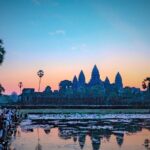
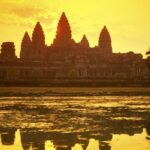
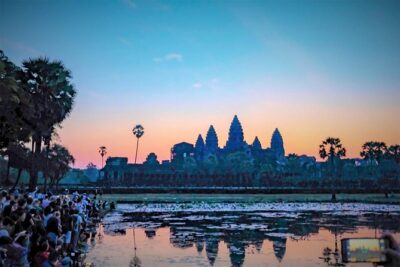
Day 1 starts at Angkor Wat with pickup around 8:00am from your accommodation. You get about 2.5 hours there. Even if you’ve seen photos a hundred times, Angkor Wat still has that effect where your brain takes a minute to catch up with the scale. This is your “set the baseline” day: walk the main spaces, learn how the site is organized, then you’ll be ready for the more chaotic feel of the next stops.
Ta Prohm: Trees, Roots, and Movie-Set Drama
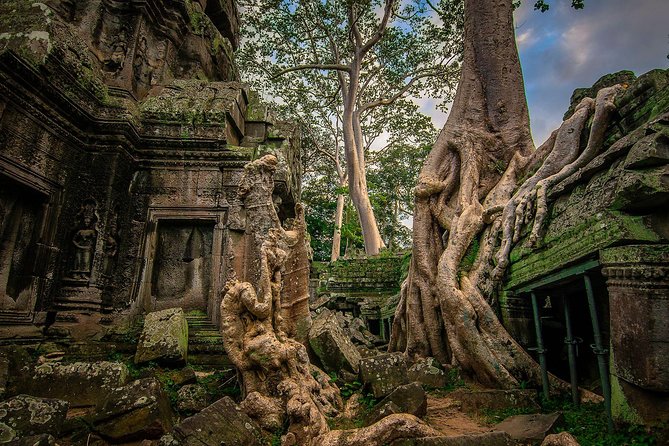
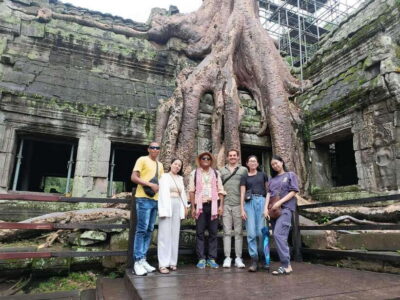
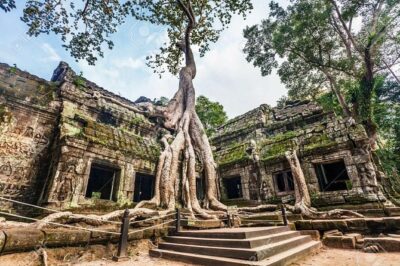
Next up is Ta Prohm (about 2 hours). It’s famous for a reason: massive tree roots spilling over stonework, giving the temple a living, tangled look. If you like atmosphere and storytelling, this is usually the favorite stop. You’ll also get a better read on why these ruins look the way they do, instead of only seeing a photo back-drop.
A small practical tip: go early enough to beat the loudest crush of the day, and don’t just rush for the iconic angles. Spend time walking through the outer areas too, where you’ll often find cleaner sightlines.
More temple circuits, set side by side
Ta Nei: A Quieter Temple Break
Then the tour shifts to Ta Nei (about 45 minutes). It’s smaller, and the restoration is lighter. That means it can feel calmer, and you’ll get to notice details without the same crowd pressure. If you want a breather from the big-ticket sites, this stop does the job.
Victory Gate and Bayon: Angkor Thom’s East Face
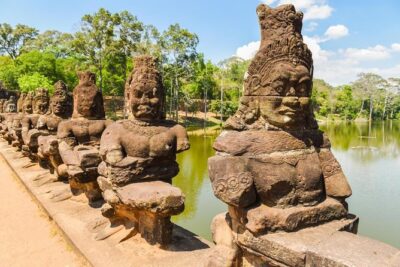
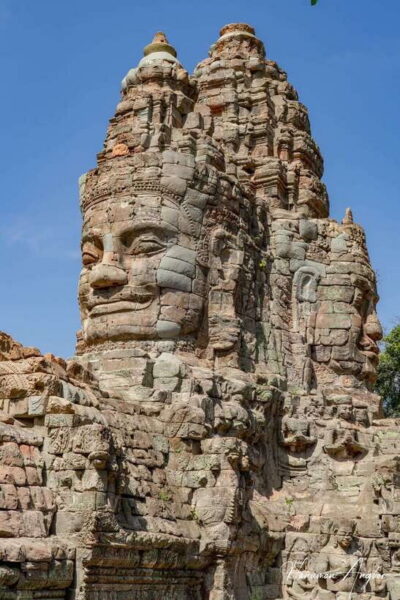
The afternoon portion leans into Angkor Thom. You’ll visit the Victory Gate on the east side for a quick photo stop (10 minutes), then continue into Bayon (45 minutes). Bayon’s claim to fame is its dense concentration of face towers—multiple directions, multiple expressions, lots of symbolism.
This is where a good guide really helps. The structure is complex, and it’s easy to get lost in the geometry. With an English-speaking licensed guide, you’ll spend more time understanding what you’re seeing and less time guessing.
Baphuon, Phimeanakas, and the Royal Enclosure Details
After Bayon, you’ll move through a cluster that reads like a guided tour through Angkor Thom’s royal world:
- Baphuon (about 30 minutes)
- Phimeanakas (about 15 minutes)
- Terrace of the Elephants (about 10 minutes)
- Terrace of the Leper King (about 10 minutes)
Phimeanakas is the Hindu pyramid temple tied to the royal palace center, and it’s a great counterpoint to Bayon’s Buddhist imagery. Meanwhile, the terraces are all about carving and narrative. Even a short stop can pay off if you’re told what you’re looking at.
Phnom Bakheng: Sunset Views, Limited Access, Optional Waiting
Finally, you’ll drive up to Phnom Bakheng for about 2 hours. This is the big sunset viewpoint area, but there’s a catch: access is limited based on the number of tourists allowed. The good news is the tour notes that if you don’t want to wait for sunset, you can skip the waiting and still catch the vibe.
Consider this: sunrise and sunset both bring long waits and more crowd pressure. If you’re traveling with kids, have mobility limits, or hate standing in lines, keep Phnom Bakheng as a “see what you can” stop.
Day 2: Phnom Kulen National Park, the 1000 Lingas, and Pink Sand at Banteay Srei
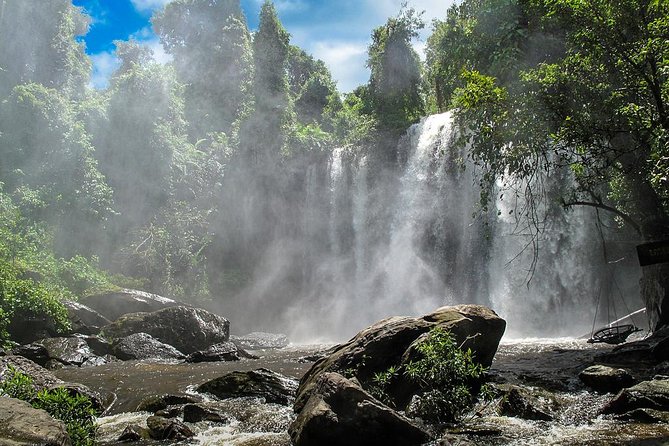
Day 2 is your nature and variety day. You’ll head to Phnom Kulen National Park, more than 60 km from Angkor.
Phnom Kulen: Waterfall Time and the 1000 Lingas Riverbed
Phnom Kulen lasts about 5 hours and includes the rock riverbed area known for the 1000 Lingas—carved symbols associated with Shiva. It’s not just walking through “pretty nature.” You’re looking at sacred stonework inside a landscape that feels wilder than Angkor’s main temple corridors.
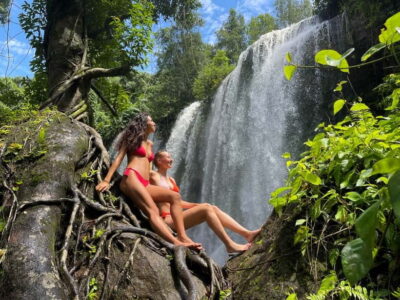
And yes, the headline here is the waterfall swim. The highlight is listed clearly, and this is one of the reasons this tour feels different from a pure temple checklist. Bring swimwear you’re comfortable with and expect to get wet in places you did not plan to get wet.
Banteay Srei: The Pink Sandstone Temple
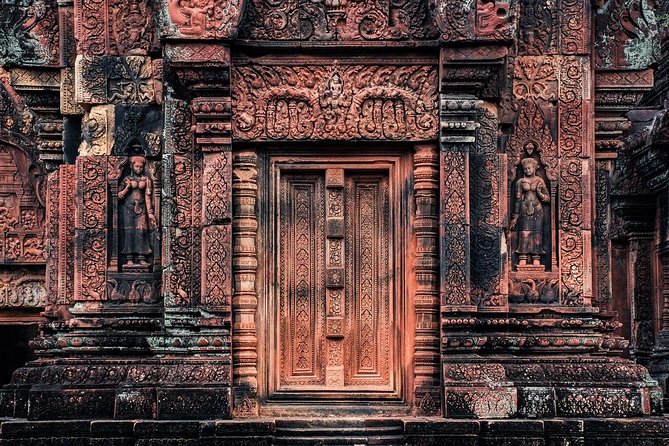
Next comes Banteay Srei (about 1 hour), often called the ladies temple. It’s built from pink sandstone and dates to the Hindu tradition, dedicated to the trinity gods under King Rajendravarman II.
This stop rewards slow looking. Pink stone can look almost dull in midday shade but turns lively when the light hits the carvings. If you’re the type who likes details, this is a good day to practice it.
Banteay Samre and Pre Rup: Less Famous, Still Worth It
Then you’ll visit:
- Banteay Samre (about 45 minutes)
- Pre Rup (about 30 minutes)
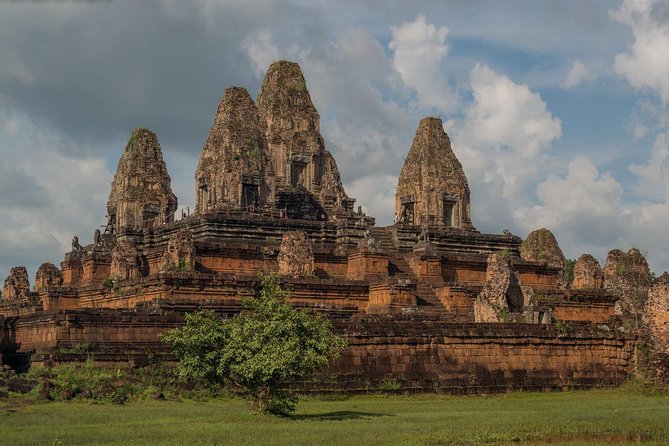
Banteay Samre has less visible restoration and a softer, quieter feel. Pre Rup is built for Hindu gods and is tied to funeral traditions in local belief. This is the kind of context a guide can make practical. Without it, temples can feel like architecture only. With it, they feel like living culture.
Day 3: Angkor Wat Sunrise, Preah Khan, Rolous Temples, and Cambodia Crafts
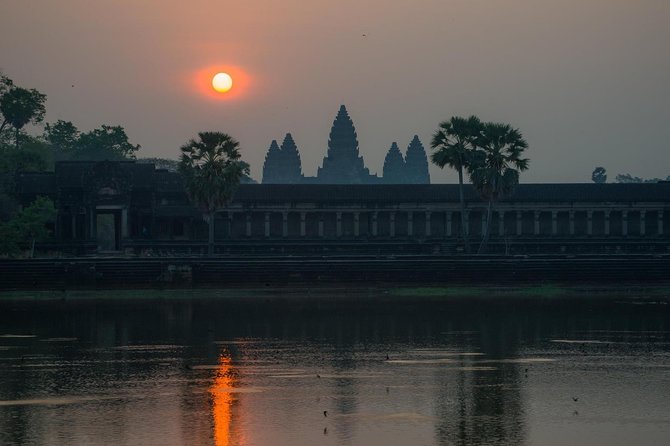
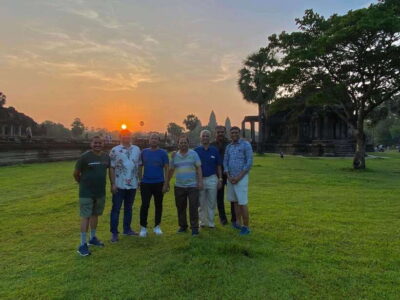
Day 3 starts earlier than you expect: pickup at 5:00am for sunrise at Angkor Wat. You’ll spend about 1 hour 45 minutes there. Sunrise is one of those experiences that’s hard to fake with a late start. Even if you’re tired, it’s worth it because the light changes how the temple reads, and the crowds behave differently early on.
Preah Khan: King Jayavarman VII and Buddhist Temple Layers
After breakfast, the tour moves to Preah Khan (about 1 hour). This is a Buddhist temple built by King Jayavarman VII, dedicated to his father. It’s described as huge and highly extensive, and it’s a strong example of how Khmer rulers kept reshaping sacred spaces over time.
Neak Pean and Ta Som: A Calm Break Inside the Complex
Next you’ll visit:
- Neak Pean (about 30 minutes)
- Ta Som (about 30 minutes)
Neak Pean sits on a small island temple inside a larger water system area. Ta Som is a smaller Buddhist temple on the east side of Neak Pean. These are good stops to reset your brain between larger ruins. If you’re temple fatigue-prone, this is the day’s softer landing.
Eastern Mebon and Rolous Group: Older Khmer Power
Then you’ll reach Eastern Mebon (about 1 hour), a temple-mountain ruin with three levels and five towers, plus elephant statues at corners. From there, the tour drives you toward Rolous (often spelled Rolous in the tour text), where you’ll visit:
- Lolei (about 15 minutes)
- Preah Ko (about 30 minutes)
- Bakong (about 45 minutes)
Bakong is described as the biggest temple mountain of the Rolous group and built from sandstone. This is also where you’ll break for lunch at a good restaurant along the way.
If you’ve only seen Angkor’s most famous temples, Rolous can feel like an origin story. It’s still dramatic, just less polished and less crowded.
Artisans Angkor and Psar Chaa: Stop Buying Souvenirs Blind
The last stretch blends culture and practical shopping:
- Artisans Angkor (about 30 minutes)
- Psar Chaa (Old Market) (about 30 minutes)
Artisans Angkor focuses on traditional craft skills—stone carving, wood carving, lacquering, gilding, and silk processing. Even if you don’t buy, this can help you understand why certain items cost what they do.
Then you get Psar Chaa, the old market in the center of Siem Reap. It’s a nice way to end the trip with everyday local life instead of temple stone.
What to Watch For: Heat, Timing, and the “Too Much Temple” Problem
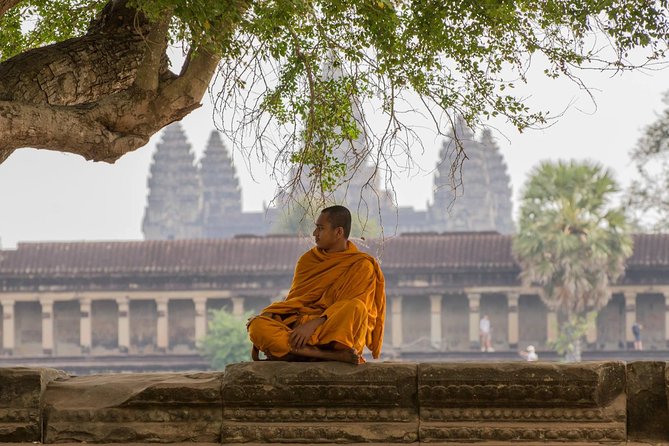
This tour is intense in a good way. But you should go in with the right expectations.
- You’ll walk and climb. Phnom Bakheng is a known climb and sunset time can mean waiting on uneven steps. If that’s a concern, the tour explicitly notes you can skip the waiting.
- You’ll need sunscreen and water habits. Cold water and wet towels are provided, but hydration is still on you. Reapply sunscreen anyway.
- Bring patience for ticket timing. Admission tickets for Angkor and Kulen are separate costs. Day 1 includes time to buy the temple pass along the way, which helps, but don’t plan to pay for everything at the very last minute.
- Choose your photo strategy. The tour includes short stops and longer temple sessions. If you’re chasing one perfect photo, you can miss the meaning. I suggest you grab a photo, then spend your next few minutes reading the carvings and layout.
Who This Tour Is Best For
I’d put this tour in the sweet spot for:
- First-timers to Angkor who want the “must-see” temples but also value meaningful context
- People who prefer a private guide and pickup/drop-off instead of managing tuk-tuks all day
- Travelers who want one nature day in their temple circuit, including a waterfall swim at Kulen
- Anyone who likes closing the loop with crafts and a real market, not just ruins
If you hate early starts, this may feel like a deal-breaker because Day 3 sunrise at 5:00am is a real commitment.
Should You Book It?
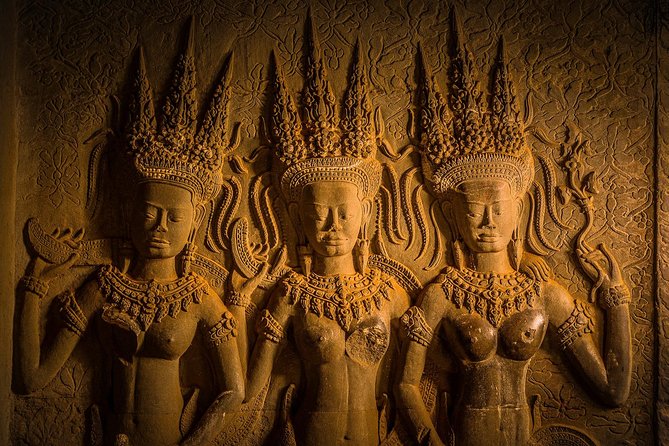
If your goal is maximum Angkor impact with a guide who can connect the dots—Hindu pyramid temples, Buddhist layers, royal enclosures, and Khmer storytelling—this tour is a strong choice. The big reasons to book are the private setup, the efficient coverage, the included comfort basics (water and wet towels), and the fact that Day 2 breaks the temple rhythm with Kulen’s carved riverbed and waterfall swim.
If you’re budget-tight or dislike paying add-on entrances at the last step, you’ll need to plan around the $62 Angkor admissions plus $20 Kulen entrance, and you’ll likely add lunch costs. For most people, it still makes sense because you’re essentially buying a full 3-day guide-and-car service across huge distances.
FAQ
What’s included in the tour price?
The tour includes a private A/C vehicle with driver, an English-speaking licensed guide, cool drinking water and wet towels, parking fees and road tolls, hotel pickup, and hotel drop-off. Temple and Kulen admissions, plus meals, are not included.
Are meals included?
Meals are not included. Lunch depends on the food in the menu and is listed as USD 5.00 per person.
How much are entrance fees?
Angkor Wat plus all temples are listed at USD 62.00 per person, and Kulen mountain entrance is listed at USD 20.00 per person.
What time is pickup for sunrise at Angkor Wat?
Pickup for sunrise is scheduled for 5:00am on Day 3.
What time does the tour start on Day 1?
Pickup is scheduled for 8:00am on Day 1 from your hotel or guest house lobby.
Is this tour private?
Yes. It’s described as a private tour/activity, with only your group participating.
Do I need to buy temple passes?
Temple admissions are not included in the tour price. On Day 1, the tour notes that you will stop to buy temples pass along the way, and it mentions a mobile ticket.
Where does the waterfall experience happen?
The tour takes you to Phnom Kulen National Park, and the highlight includes swimming at the waterfall.
Is Phnom Bakheng sunset mandatory?
No. The tour notes that you can skip waiting for sunset if you don’t want to be there for the wait.
What is the cancellation policy?
Free cancellation is offered if you cancel at least 24 hours in advance for a full refund. If you cancel less than 24 hours before the experience starts, the amount paid is not refunded.
Kulen Mountain and the Falls
- Kulen Waterfall Join-in Tour (local Picnic lunch)
★ 5.0 · 2,434 reviews - Kulen Mountain: Small-Group Tour and Picnic lunch
★ 4.9 · 1,802 reviews - Siem Reap: Kulen Mountain, Beng Mealea and Tonle Sap Tour
★ 5.0 · 1,483 reviews - Phnom Kulen Waterfall & the Sacred 1000 Lingas (with Lunch)
★ 4.8 · 974 reviews - Kulen Mountain with Beng Mealea and Tonle Sap Small Group Tour
★ 5.0 · 780 reviews
More Temple Circuits Around Siem Reap
- Angkor Wat Sunrise or Sunset Tour with Guide from Siem Reap
★ 5.0 · 12,109 reviews - Siem Reap: Angkor Wat: Small-Group Sunrise or Sunset Tour
★ 5.0 · 9,444 reviews - Siem Reap: Angkor Wat 2-Day Tour with Sunrise and Sunset
★ 4.9 · 4,429 reviews - Siem Reap: Full-Day Angkor Wat Guided Tour with Sunset
★ 4.9 · 3,803 reviews - Angkor Wat Sunrise tour with Small – Group and Guide tours
★ 5.0 · 3,655 reviews
Angkor Wat, a Few More Ways In
- Angkor Wat Sunrise or Sunset Tour with Guide from Siem Reap
★ 5.0 · 12,109 reviews - Siem Reap: Angkor Wat: Small-Group Sunrise or Sunset Tour
★ 5.0 · 9,444 reviews - Siem Reap: Angkor Wat 2-Day Tour with Sunrise and Sunset
★ 4.9 · 4,429 reviews - Siem Reap: Full-Day Angkor Wat Guided Tour with Sunset
★ 4.9 · 3,803 reviews - Angkor Wat Sunrise tour with Small – Group and Guide tours
★ 5.0 · 3,655 reviews
Just Added: Fresh Siem Reap Tour Reviews

Angkor Wat Temple Tours, compared.
 ★ 5.0Angkor Wat Sunrise or Sunset Tour with Guide from Siem ReapFrom $1812,109 reviews
 ★ 5.0Angkor Wat: Small-Group Sunrise or Sunset TourFrom $159,444 reviews
 ★ 4.9Angkor Wat 2-Day Tour with Sunrise and SunsetFrom $344,429 reviews
 ★ 4.9Full-Day Angkor Wat Guided Tour with SunsetFrom $153,803 reviews
 ★ 5.0Angkor Wat Sunrise tour with Small – Group and Guide toursFrom $143,655 reviews
 ★ 5.0Angkor Wat Highlights and Sunrise Guided Tour from Siem ReapFrom $233,213 reviews
 ★ 5.0Angkor Wat Sunset Small Group Tour with Lunch IncludedFrom $203,059 reviews
 ★ 5.0Full-Day Angkor Wat Sunrise Private Tour with Guide from Siem ReapFrom $602,920 reviews
Browse the lists this tour appears in