
Reviewed · ANGKOR WAT TEMPLE TOURS
3-Days Private Angkor Wat Sunrise/Sunset Tours & Floating Village
Angkor is best when you skip the stampede. This private 3-day plan spreads the big sights out, including sunrise viewpoints and a floating village day.
What I like most is the slower pace: instead of cramming everything into one marathon day, you get time to see details and still breathe. I also like that you travel with a professional historian & photographer guide, so you’re not just looking at stones—you’re learning how to read them and how to shoot them.
One thing to consider: a lot is timed around early starts and long temple days, and admission fees are extra (so the sticker price doesn’t include everything). Add the dress code rules too—no shorts or sleeveless tops, and knees and shoulders need covering.
In This Review
- Key things I’d circle before you book
- Why three days changes how you experience Angkor
- Price and value: what $370 per group really covers
- Getting ready: pickup, pass timing, and dress code rules
- Day 1 at Angkor Wat: start with the stones, then follow the story
- Bayon, Baphuon, and the carved terraces you can actually see
- Phnom Bakheng and the sunset viewpoint payoff
- Day 2: moving outward with Preah Khan, Neak Pean, and Pre Rup
- Eastern Mebon and Pre Rup: two ways to see temple function
- Banteay Srei: the pink sandstone temple detour you’ll remember
- Day 3: sunrise at Angkor Wat, Beng Mealea’s rubble, and Indiana Jones energy
- Kampong Phluk floating village: a real water-world day
- How the historian-photographer guide improves your photos and your understanding
- Logistics that can make or break your day
- Who this tour fits best
- Should you book this three-day private Angkor Wat sunrise/sunset tour?
- FAQ
- What time does pickup start?
- Is this tour private?
- How much does the tour cost?
- What are the main admission fees you should budget for?
- Are meals included?
- What’s included in the tour package?
- What should I wear to visit the temples?
- Is a mobile ticket included?
- What happens if weather is poor?
Key things I’d circle before you book
- Private guide and private vehicle mean your schedule can feel custom, not factory-made.
- Sunrise and sunset viewpoints are built into the days, not treated like an afterthought.
- Ta Prohm and Beng Mealea give you the jungle-ruin experience with Hollywood vibes and real rubble to wander.
- Angkor Thom highlights include Bayon’s many faces, Baphuon’s climb, and the Terrace of the Elephants/Leper King bas-reliefs.
- Kampong Phluk floating village is included with admission, so you get the water-town context without hunting tickets.
- Photo support is part of the package, not optional—help is included with tips for getting strong shots.
Other ways to walk the great temple
- Angkor Wat Sunrise or Sunset Tour with Guide from Siem Reap★ 5.0 · 12,109 reviews
- Siem Reap: Angkor Wat: Small-Group Sunrise or Sunset Tour★ 5.0 · 9,444 reviews
- Siem Reap: Angkor Wat 2-Day Tour with Sunrise and Sunset★ 4.9 · 4,429 reviews
- Siem Reap: Full-Day Angkor Wat Guided Tour with Sunset★ 4.9 · 3,803 reviews
Why three days changes how you experience Angkor
Angkor can feel like a visual hit-and-run if you only see it for a few hours. This tour’s format helps you slow down enough to notice what makes each temple different—style, layout, carvings, and how the light hits stone.
You also get a better rhythm. Day 1 leans into the Angkor Wat/Angkor Thom core, Day 2 goes wider across the outer temples, and Day 3 returns to the mood-light of sunrise before sending you out to Beng Mealea and then the floating village area.
And because it’s private, you’re not trapped behind a line of the same tour group every stop. If your guide can spot the best timing for fewer crowds, you’ll benefit.
Price and value: what $370 per group really covers
The tour price is $370 per group (up to 12 people). That’s what covers your private air-conditioned SUV/minivan, pickup and drop-off, parking and tolls, and the guide’s time with cold waters and wipes.
Then you add admission fees. The tour lists three main site costs for you: an Angkor 3-day park admission at $50 per person, Beng Mealea at $12 per person, and Kampong Phluk at $20 per person. On paper, that’s about $82 per person in additional entry fees, on top of the group price.
Is it good value? For me, it’s strongest when you’re traveling as a small group and want photography guidance plus a historian-style explanation. If you’re going solo, you’ll feel the extra entry fees more, and you’ll have less chance to split the group cost.
Getting ready: pickup, pass timing, and dress code rules
Pickup starts at 8:30 am from your hotel lobby. At the beginning, you’ll buy the 3 days Angkor temple pass, then head out for the Angkor Wat visit. That matters because it avoids a last-minute scramble later.
You’ll also want to plan around the dress code. You’ll need knees and shoulders covered for places of worship and selected museums, with no shorts or sleeveless tops. Bring something light and breathable—temples are warm, and “smart casual” shouldn’t mean uncomfortable.
Finally, this uses a mobile ticket, and confirmation is received at booking. It’s a nice touch for easy check-in, especially when you’re juggling multiple days and early mornings.
Day 1 at Angkor Wat: start with the stones, then follow the story
Day 1 is built around the big names of the Angkor circuit. You’ll start at Angkor Wat for about 3 hours, with a pass purchase at pickup and then time to explore the iconic early 12th-century temple. This is where you’ll see why Angkor Wat is the poster child—massive scale, careful design, and a layout that rewards slow walking.
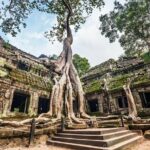
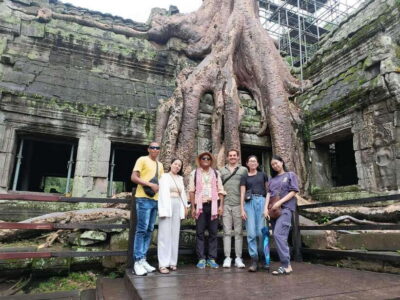
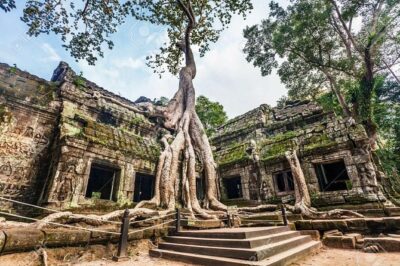
After Angkor Wat, you head to Ta Prohm (about 1 hour). This is the jungle-overgrown temple people associate with the Lara Croft Tomb Raider look, with trees and vines making the ruins feel alive. The practical upside: it’s one of the easiest stops to photograph because the textures do half the work for you.
Lunch break happens after exploring Angkor Thom (around 1 hour), one of the late 12th-century city-temples. Here you’ll hit key clusters like the South Gate, Bayon, Baphuon, and the Terrace areas. It’s a lot in one day, but the sequencing helps—think “arrive big, then read the city in sections.”
Chasing the light? More dawn and dusk runs
Bayon, Baphuon, and the carved terraces you can actually see
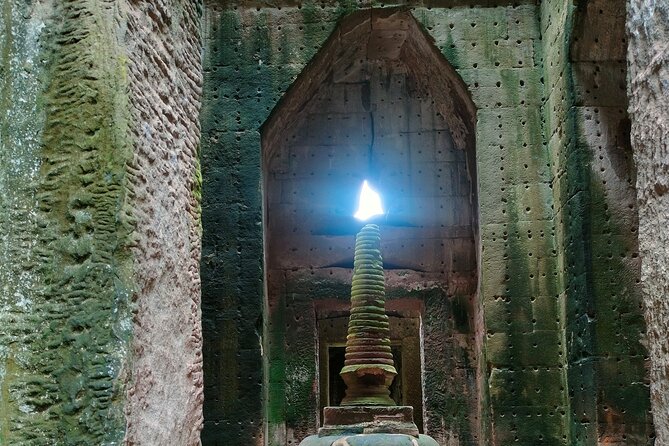
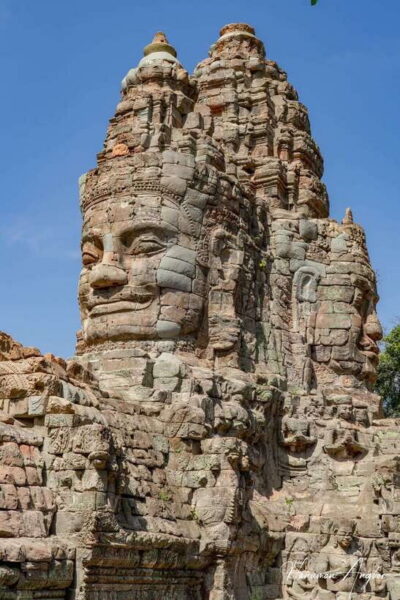
Inside Angkor Thom, the tour highlights Bayon (about 45 minutes). Bayon is known for the many smiling Buddha faces facing different directions, and that gives you a great way to understand movement and perspective. If you like photos, this is a stop where your guide’s timing and angle suggestions matter.
Next comes Baphuon (about 45 minutes). You can climb to the top, which changes the experience from “looking at carvings” to “feeling the temple’s height.” You’ll also see a huge reclining Buddha carving at the back of the temple, and it’s one of those details that looks different from different viewpoints.
Then you move to the Terrace of the Elephants (about 30 minutes) and the Terrace of the Leper King (about 20 minutes). The Elephants terrace focuses on action scenes—elephant flights, and other event-like carvings. The Leper King terrace leans into the dramatic bas-reliefs, including a 9-headed serpent and a statue locals describe as missing fingers and toes.
These terrace stops are where a historian-photographer guide earns its keep. Without context, you’ll see carved figures. With context, you start to notice how the stories were staged across the stone.
Phnom Bakheng and the sunset viewpoint payoff
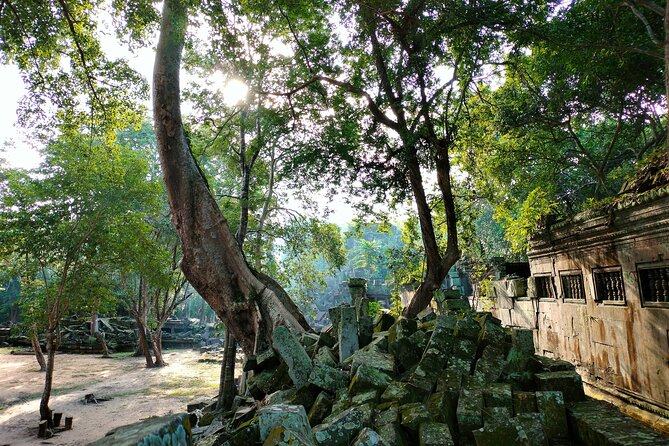
Day 1 finishes with Phnom Bakheng (about 1 hour). You’ll get views toward Angkor Wat and surrounding attractions from the viewpoint, with stunning sunset watching included.
This stop works best if you’re patient. The light changes fast, and it’s easy to rush when you’re tired. Let your guide guide your timing, especially if you want photos with reflections or a warmer sky.
Day 2: moving outward with Preah Khan, Neak Pean, and Pre Rup
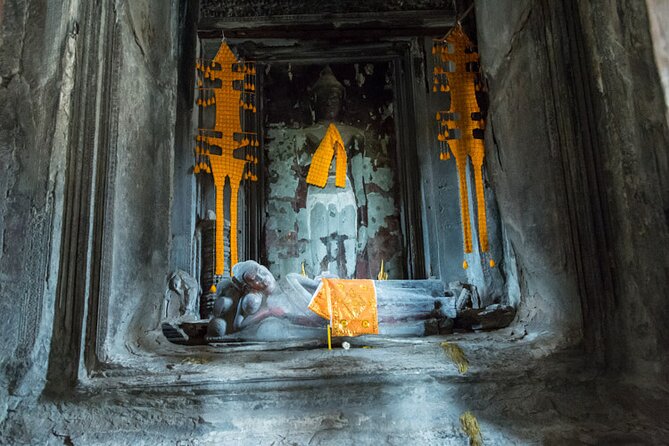
Day 2 shifts away from the main cluster and explores other major sites. You start at Preah Khan (about 1 hour), a large Buddhist temple dedicated to the king father, with overgrown vegetation that keeps the ruins feeling natural rather than “clean museum.”
Then it’s Neak Pean (about 50 minutes). This is described as an ancient hospital, using holy water for healing, and it sits on an island reached by a long wooden bridge over the Jaya Tataka reservoir. The bridge approach is a small thing, but it’s a nice moment to slow down and take in the water-and-stone setting before you look up close at the temple.
After that comes Ta Som (about 40 minutes), known for the four Buddha faces and the tree-overgrown look at the east gate. If you liked the jungle feel at Ta Prohm, you’ll likely enjoy how Ta Som mixes stone and living growth in a different style.
Eastern Mebon and Pre Rup: two ways to see temple function
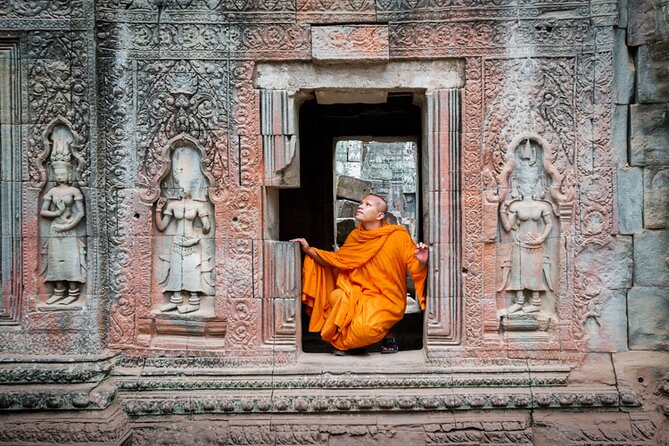
Next you’ll visit Eastern Mebon (about 45 minutes), a clay-brick temple mixed with lava and sandstone, with standing elephant statues. The site is also described as having once been an island temple in the Eastern Baray, but now the reservoir has dried up and the area became villages and rice fields. That change in environment makes the whole place feel more human and less fixed-in-time.
Then there’s Pre Rup (about 50 minutes), a mid-tenth-century clay-brick Shiva temple. The top viewpoint and the five spires still standing are the headline here, plus local stories about what the temple had to do with burial practices. Even if you’re not there for myths, the view and spires are enough reason to climb and look around.
Banteay Srei: the pink sandstone temple detour you’ll remember
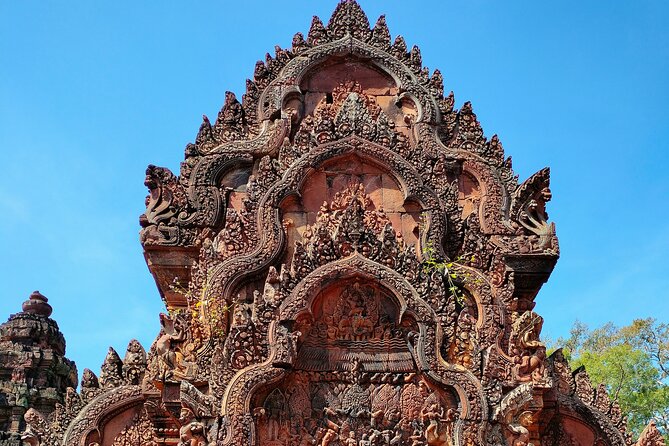
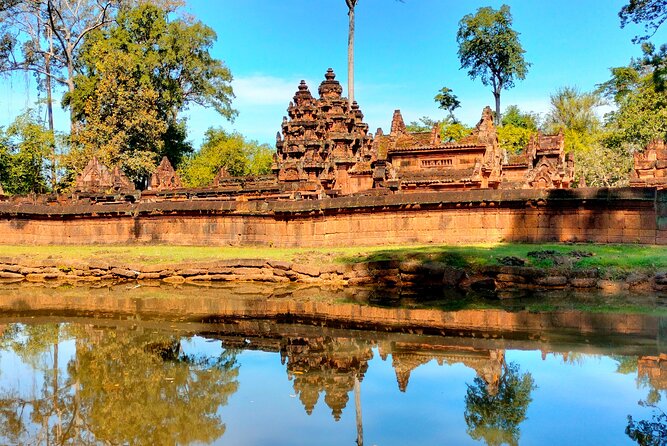
Day 2 includes Banteay Srei (about 2 hours total), described as a pink sandstone temple with intricate carvings. You’ll also have a bit of travel time—around 40 minutes each way—so this isn’t a quick stop.
But the payoff is that Banteay Srei is smaller, carved-fine, and often more about detail than mass. If you’re the type who enjoys looking closely at ornamentation and patterns, this is where the tour stops feeling repetitive.
Day 3: sunrise at Angkor Wat, Beng Mealea’s rubble, and Indiana Jones energy
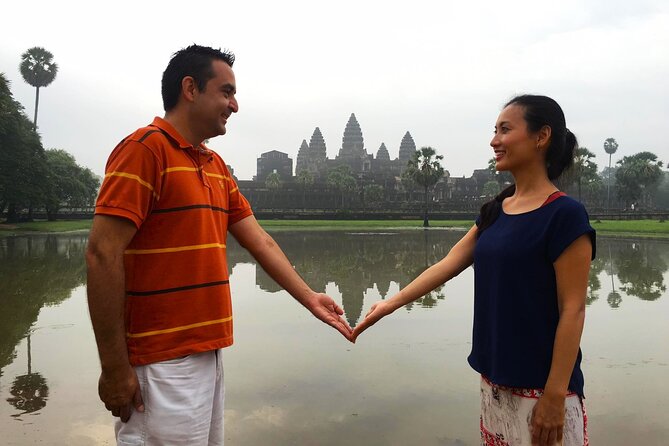
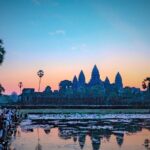
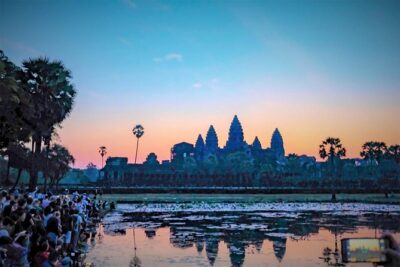
Day 3 starts early for sunrise at Angkor Wat (about 2 hours). This time, you’re arriving at the dawn light when the temple is bathed in golden color and reflections. Sunrise trips aren’t always worth it if the rest of the day is rushed. Here, the sunrise is paired with other parts, so it feels like a true theme rather than a checkbox.
After sunrise, you’ll travel to Prasat Beng Mealea (about 3 hours), about 68 km away. This one is described as a jungle temple that remains untouched, where you can roam over rubbles and vines. It’s the stop that gives you that Indiana Jones feeling, because you’re not just walking a smooth path—you’re exploring a ruin that hasn’t been smoothed into an attraction.
The consideration here is physical comfort. Beng Mealea means uneven ground and lots of wandering. The tour says you should have moderate physical fitness, and this is where that comes to the front.
Kampong Phluk floating village: a real water-world day
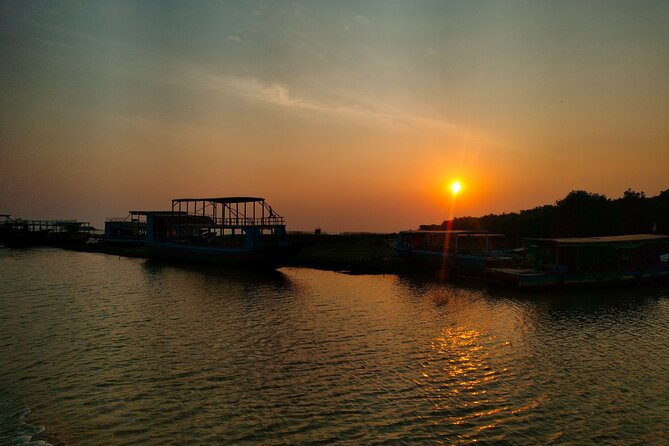
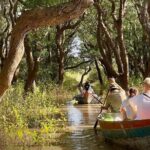
The floating village stop is Kampong Phluk on the bank of the Tonle Sap lake, with admission included and about 3 hours. This is one of the places that makes Angkor feel less like a bubble. You see how daily life works around the water—pagoda, schools, rice fields, cattle, and mangrove forests are all part of the village setting described here.
You should also know what this day looks like on the ground. It’s not a temple day with stone carvings at eye level. It’s more about understanding place and daily routine. If you go expecting a quick photo stop, you might miss what makes it meaningful.
How the historian-photographer guide improves your photos and your understanding
The guide isn’t just there to point at things. This tour specifically includes a professional historian & photographer guide, plus cold waters and wipes during the long temple hours. That combo matters because you get both context and technique.
On the photo side, you’ll likely get practical tips like where to stand for balanced compositions and how to manage crowds and angles during different times of day. One of the strongest review-style takeaways is that the early start to afternoon flow includes photo help that makes the difference between a decent picture and a strong one.
On the history side, the tour’s temple sequence gives you a story arc across the Angkor world—Angkor Wat, Ta Prohm, Bayon, and the terraces on Day 1, then the outer temples on Day 2, and the more adventurous ruin exploration on Day 3. If you like engineering and layout details, you’ll appreciate how individual temples each solve the problem of design in their own way.
Logistics that can make or break your day
You should plan for a lot of walking and climbing. Baphuon allows you to climb all the way to the top, and Beng Mealea is described as roving over rubbles and vines. Add humidity and sun into the mix, and the “moderate physical fitness” note starts to make sense.
Meals aren’t included—so you’ll want to budget for breakfast, lunch, and dinner on your own. Day 1 explicitly includes a lunch break after Angkor Thom, but the cost is on you.
Weather matters too. The tour notes it requires good weather, and if it’s canceled for poor conditions, you’ll be offered another date or a full refund. Sunrise days are especially sensitive to this.
Who this tour fits best
I’d point you toward this tour if you want a private experience that feels more like guided exploring than a checklist ride. It’s especially good for couples, families, or small friend groups (up to 12) who can share the group cost and prefer more personal attention.
If you love photography, the included photo coaching is a strong reason to choose this format. If you get tired easily by heat and crowds, the slower pace across three days can feel like a relief.
On the other hand, if you’re trying to keep costs minimal or you hate early starts, you may find the extra admission fees and early mornings a stretch.
Should you book this three-day private Angkor Wat sunrise/sunset tour?
Book it if you want Angkor at a human pace, with sunrise/sunset built in and a guide who can explain what you’re seeing while also helping you take better photos. The private vehicle, historian-photographer combo, cold waters and wipes, and the mix of temples plus Beng Mealea and Kampong Phluk make it feel like a complete storyline, not just a temple circuit.
Skip it (or at least compare alternatives) if sunrise mornings will be rough for you, or if you’re not interested in paying extra on-site entry fees. If you do book, do the simple prep: follow the dress code, bring a comfortable layer for temples, and plan your meals around long days.
FAQ
What time does pickup start?
Pickup is scheduled for 8:30 am from your hotel lobby.
Is this tour private?
Yes. It’s a private experience, and only your group participates.
How much does the tour cost?
The price is $370.00 per group for up to 12 people.
What are the main admission fees you should budget for?
The tour lists Angkor park admission for 3 days at $50.00 per person, Beng Mealea at $12.00 per person, and Kampong Phluk at $20.00 per person.
Are meals included?
No. Soft drinks and breakfast, lunch, and dinner are not included.
What’s included in the tour package?
Included items are hotel pickup and drop-off, a professional historian & photographer guide in an air-conditioned vehicle, cold waters & wipes, and transportation costs like gasoline, parking lots, and toll road.
What should I wear to visit the temples?
A dress code is required. No shorts or sleeveless tops, and knees and shoulders must be covered for places of worship and selected museums.
Is a mobile ticket included?
Yes. The tour includes a mobile ticket.
What happens if weather is poor?
The tour requires good weather. If canceled due to poor weather, you’ll be offered a different date or a full refund.
More Temple Circuits Around Siem Reap
- Angkor Wat Sunrise or Sunset Tour with Guide from Siem Reap
★ 5.0 · 12,109 reviews - Siem Reap: Angkor Wat: Small-Group Sunrise or Sunset Tour
★ 5.0 · 9,444 reviews - Siem Reap: Angkor Wat 2-Day Tour with Sunrise and Sunset
★ 4.9 · 4,429 reviews - Siem Reap: Full-Day Angkor Wat Guided Tour with Sunset
★ 4.9 · 3,803 reviews - Angkor Wat Sunrise tour with Small – Group and Guide tours
★ 5.0 · 3,655 reviews
Dawn and Dusk Over Angkor
- Angkor Wat Sunrise or Sunset Tour with Guide from Siem Reap
★ 5.0 · 12,109 reviews - Siem Reap: Angkor Wat: Small-Group Sunrise or Sunset Tour
★ 5.0 · 9,444 reviews - Sunset tour of Kampong Phluk stilts home village on the Tonle Sap
★ 5.0 · 4,865 reviews - Siem Reap: Angkor Wat 2-Day Tour with Sunrise and Sunset
★ 4.9 · 4,429 reviews - Siem Reap: Full-Day Angkor Wat Guided Tour with Sunset
★ 4.9 · 3,803 reviews
Angkor Wat, a Few More Ways In
- Angkor Wat Sunrise or Sunset Tour with Guide from Siem Reap
★ 5.0 · 12,109 reviews - Siem Reap: Angkor Wat: Small-Group Sunrise or Sunset Tour
★ 5.0 · 9,444 reviews - Siem Reap: Angkor Wat 2-Day Tour with Sunrise and Sunset
★ 4.9 · 4,429 reviews - Siem Reap: Full-Day Angkor Wat Guided Tour with Sunset
★ 4.9 · 3,803 reviews - Angkor Wat Sunrise tour with Small – Group and Guide tours
★ 5.0 · 3,655 reviews
Just Added: Fresh Siem Reap Tour Reviews

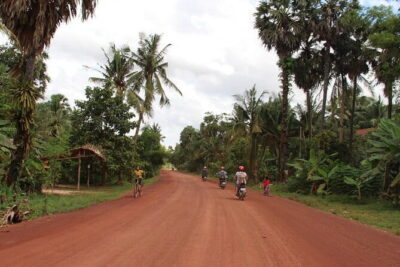
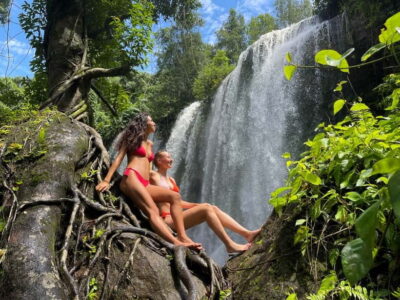
Angkor Wat Temple Tours, compared.
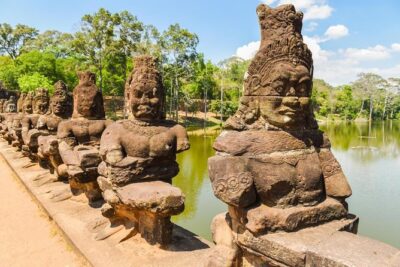 ★ 5.0Angkor Wat Sunrise or Sunset Tour with Guide from Siem ReapFrom $1812,109 reviews
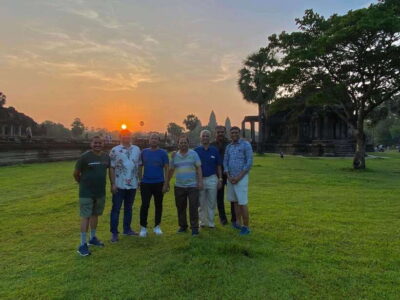 ★ 5.0Angkor Wat: Small-Group Sunrise or Sunset TourFrom $159,444 reviews
 ★ 4.9Angkor Wat 2-Day Tour with Sunrise and SunsetFrom $344,429 reviews
 ★ 4.9Full-Day Angkor Wat Guided Tour with SunsetFrom $153,803 reviews
 ★ 5.0Angkor Wat Sunrise tour with Small – Group and Guide toursFrom $143,655 reviews
 ★ 5.0Angkor Wat Highlights and Sunrise Guided Tour from Siem ReapFrom $233,213 reviews
 ★ 5.0Angkor Wat Sunset Small Group Tour with Lunch IncludedFrom $203,059 reviews
 ★ 5.0Full-Day Angkor Wat Sunrise Private Tour with Guide from Siem ReapFrom $602,920 reviews
Browse the lists this tour appears in