
Sunrise at Angkor feels unreal. This small-group tour is built around Angkor Wat at first light, then layers in Royal Bath breakfast and hands-on local food time. I love the early start because the temple mood is calm and the photos turn out better, and I love that you also get breakfast plus a short cooking moment instead of only temple photos. The main catch: you’re starting at 5:00 am, so plan for an early wake-up and some walking with a moderate fitness level.
What makes this one practical is the structure: you move through the key sites in a smart order, with an English-speaking guide who knows how to pace the day. You also get included meals (breakfast and lunch), bottled water, and a capped group size of up to 5 people, which helps keep things from turning into a stampede.
You’ll see the big three that people come for—Angkor Wat, Bayon, and Ta Prohm—plus a market stop and a chance to learn Num Pom. If you’re the type who likes history but also likes getting your hands involved and your stomach fed, this fits well.
In This Review
- Key highlights you’ll actually use
- Why 5:00 am at Angkor Wat is worth the alarm
- The temple trio: Angkor Wat, Bayon, Ta Prohm
- Royal Bath breakfast: a breather before the stone marathon
- Learning Num Pom and watching the local rhythm
- Lunch at a local restaurant: fueled, not stuffed
- The role of your guide (Mr. T and Mr. Tola got praised for a reason)
- Price and logistics: what $79 buys you in real terms
- How to make this sunrise day feel manageable
- The real vibe: more than sunrise photos
- Should you book this Angkor Sunrise tour?
- FAQ
- What time does the tour start?
- How long is the Angkor sunrise experience?
- Is pickup from hotels included?
- How many people are in the group?
- What’s included in the price?
- What’s not included?
- Do I need to buy an admission ticket?
- What places will I see during the day?
- Is the tour okay for people with limited mobility?
Key highlights you’ll actually use
- Sunrise timing at Angkor Wat to beat the toughest crowds and catch the temples in soft light
- Royal Bath breakfast as a calm, scenic pause before temple hopping
- Num Pom making lesson so you’re not just watching Cambodian food happen
- Up to 5 travelers for a more personal guide rhythm and easier photo stops
- English-speaking guide with strong photo instincts (Mr. T and Mr. Tola were praised for this)
Chasing the light? More dawn and dusk runs
- Angkor Wat Sunrise or Sunset Tour with Guide from Siem Reap★ 5.0 · 12,109 reviews
- Siem Reap: Angkor Wat: Small-Group Sunrise or Sunset Tour★ 5.0 · 9,444 reviews
- Sunset tour of Kampong Phluk stilts home village on the Tonle Sap★ 5.0 · 4,865 reviews
- Siem Reap: Angkor Wat 2-Day Tour with Sunrise and Sunset★ 4.9 · 4,429 reviews
Why 5:00 am at Angkor Wat is worth the alarm
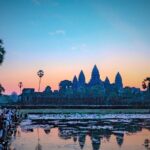
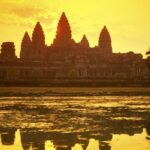
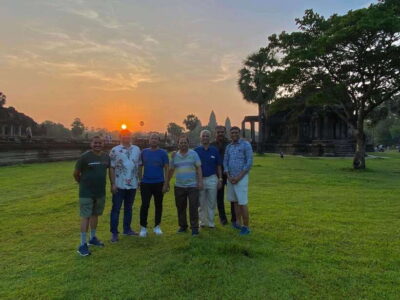
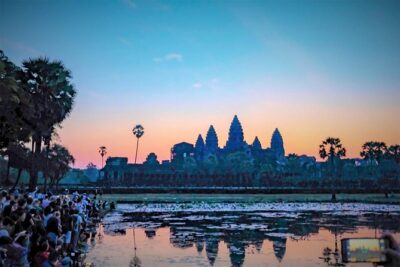
Angkor Wat at sunrise is one of those “you’ll understand when you’re there” experiences. The big advantage of going early is that the atmosphere changes. You’re walking in a cooler, quieter window while the light softens the stone and makes the carvings look less harsh and more dimensional.
Starting at 5:00 am also means the tour is efficient. You get meaningful time at the main temple before the day ramps up, and you’re not spending your morning stuck in long waits. For me, that’s the real value: you’re trading sleep for fewer headaches and better temple light.
One more thing I like here is that the experience doesn’t stop at the sunrise moment. You’ll still keep moving through the circuit afterward, so the early start doesn’t feel like you showed up, took pictures, and then got dragged around later.
The temple trio: Angkor Wat, Bayon, Ta Prohm
This tour focuses on the three names that anchor an Angkor visit. Angkor Wat is the world’s largest religious building, so it sets the tone immediately—scale, symmetry, and those long lines you want to see at their best. With a good guide, you’re not just wandering; you’re being pointed toward the most important viewpoints and the details people tend to miss when they’re on their own.
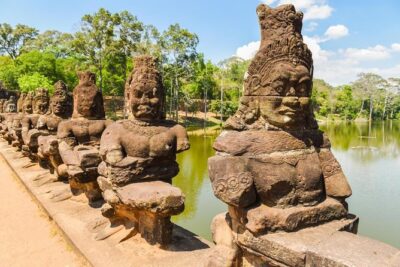
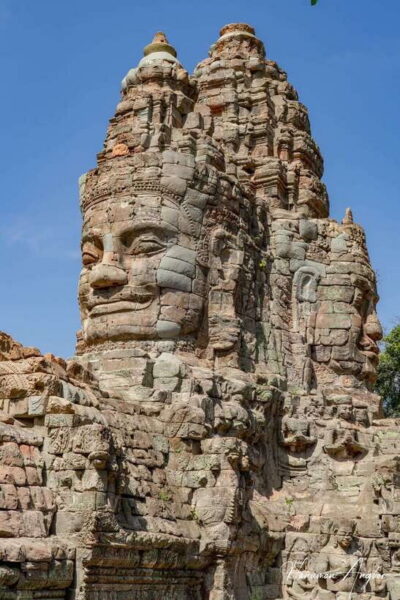
Then you move to Bayon, known for its smiling faces. This is the temple where you start noticing mood. The expressions can look different depending on where you’re standing and the angle of the light, which is why having a guide who helps you pick photo spots matters.
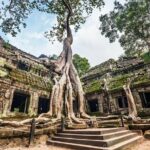
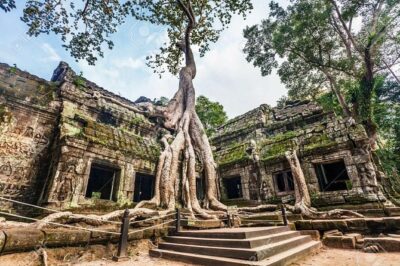
Finally comes Ta Prohm, the famous temple associated with the Tomb Raider look. The appeal isn’t just the “look.” It’s how the roots and stone create a natural framing effect, making the temple feel both old and alive. It’s also where you’ll likely slow down for photos and little scene-by-scene viewing.
Royal Bath breakfast: a breather before the stone marathon
Breakfast is included, and this one is specifically listed at Royal Bath. That matters because a lot of sunrise tours either skip breakfast or replace it with something quick and forgettable. Here, breakfast is positioned as a real pause before you go back into walking and exploring.
I like that the tour treats food as part of the day, not an afterthought. You’re up early; your body deserves something steady. Plus, breaking the day into a sunrise “wow” followed by a proper meal helps the rest of the route feel easier to enjoy.
Also, the setting tends to be more comfortable than a hurried street snack. You get a moment to reset—drink water, regain some energy, and then head back out ready to pay attention again.
Learning Num Pom and watching the local rhythm
One of the smartest parts of the plan is the chance to learn how to make Num Pom. This is exactly the kind of activity that helps you understand the culture without needing a long lecture. You’re handling ingredients, watching a process, and picking up context for why certain foods show up again and again in Cambodian life.
You also get a local market stop. Even if you only have short time, it’s useful because it gives you a sense of what’s being sold and how the day-to-day economy works. Markets are not just shopping here; they’re also how people prepare, cook, and eat.
For many visitors, this is the difference between a temple-only tour and a more complete Siem Reap day. You leave with memories of sunrise stone, plus a food memory that you can talk about later.
More temple circuits, set side by side
Lunch at a local restaurant: fueled, not stuffed
Lunch is included at a local restaurant. This is a practical win because it keeps the day’s timing smoother—you’re not hunting for a place that can handle a hungry group right after temples.
I also think included lunch makes the tour better value. At Angkor, everything can take longer than you expect, and hungry “hangry” moments make it harder to enjoy the carvings and viewpoints. Having lunch scheduled helps you stay in the right headspace.
Your guide also helps manage pacing, so you’re more likely to finish the day feeling satisfied rather than just tired.
The role of your guide (Mr. T and Mr. Tola got praised for a reason)
The tour runs with an experienced English-speaking guide, and the reviews are consistent about why that matters. Mr. T and Mr. Tola were specifically praised for fluent English and for an eye for photography.
That combination is huge at Angkor. The temples have angles and sightlines that can be hard to judge quickly. A guide who knows where to stand and when to shift position helps you get shots that look like you planned your day for hours—when really you just followed the right route.
There’s also the history and context element. The better guides don’t just recite facts; they help you connect what you’re seeing to what it means. It turns the day from scenery into understanding.
If you book and you can request a guide, consider asking for Mr. T (or Mr. Tola) since their photography and explanation style came up again and again.
Price and logistics: what $79 buys you in real terms
At $79 per person for a 7 to 8-hour day, this tour is in the “serious value” bracket. It’s not just a guided walk. You’re getting the guide, Angkor admission fee listed as included, breakfast, lunch, bottled water, and local tax. That’s a lot of cost categories bundled into one price.
You should also know what’s not fully handled. The tour data lists Angkor admission fee as included, but it also notes temple pass as not included and says admission ticket is not included. In practice, that usually means you’ll want to confirm what you’re physically carrying or paying at the gate. The safest approach is to verify at booking which part is covered and which part is still on you.
Pickup is offered, which can save time if your hotel is nearby. The meeting point is Chateau d’Angkor La Residence on Oum Chhay Street in Mondul II Village, Svay Dangkum. The route is easier when transportation is handled up front, especially for a 5:00 am start.
Group size is capped at 5 travelers. That usually translates to less crowd stress, more space to get photos, and quicker communication.
How to make this sunrise day feel manageable
This isn’t a “sit and watch” tour. The sites are spread out and sunrise days naturally involve more walking. If you have moderate physical fitness, you’ll likely feel fine—but don’t plan to treat this like a casual stroll.
A few practical moves can help:
- Wear comfortable, broken-in shoes. Angkor floors can be uneven, and early light means you’ll spend time stopping.
- Bring a hat or something to shade your face. Sunrise starts cool, but you’ll still feel the sun later.
- Keep water handy even though bottled water is included. You’ll likely sip more during temple hours.
Also, think about your photo habits. If you love pictures, you’ll want extra time for the best angles. A good guide will manage this, but your personal pace still matters.
The real vibe: more than sunrise photos
The best part of this tour is that it doesn’t treat Angkor like a one-moment photo stop. You start with sunrise at Angkor Wat, then you keep visiting other iconic temples that change the visual story of the day. You’re not just collecting stamps; you’re watching different temple styles and moods in sequence.
The food side adds balance. Breakfast at Royal Bath and learning Num Pom helps you slow down and understand everyday culture. Then lunch keeps the momentum going without making you scramble for food options mid-route.
So if you’re the kind of traveler who wants a day that feels both memorable and organized, this fits well. It’s structured enough to reduce stress, but it still gives room for culture and food.
Should you book this Angkor Sunrise tour?
Book it if you want:
- A 5:00 am sunrise plan with key temples in a focused day
- Breakfast plus lunch included, so you’re not juggling meals
- A smaller group up to 5 for a better rhythm
- A guide with strong English and photo instincts (Mr. T and Mr. Tola were highlighted)
Skip it or ask extra questions if:
- You’re not comfortable with early mornings and moderate walking
- You want total clarity on what’s covered for the temple pass and admission items at the gate
My quick advice: if sunrise is your priority and you also care about local food experiences, this is a good match. If you’re mostly chasing temples only and hate early starts, you may prefer a later-day Angkor plan.
FAQ
What time does the tour start?
The tour starts at 5:00 am in Siem Reap.
How long is the Angkor sunrise experience?
Expect about 7 to 8 hours.
Is pickup from hotels included?
Pickup is offered.
How many people are in the group?
The tour has a maximum of 5 travelers.
What’s included in the price?
Included are an experienced English-speaking guide, the Angkor admission fee (as listed), breakfast, lunch, bottled water, and local tax.
What’s not included?
Temple pass is listed as not included. Personal expenses are also not included.
Do I need to buy an admission ticket?
Admission ticket is listed as not included. At the same time, the Angkor admission fee is listed as included, so you should confirm what you’ll need to pay or show at the site when you book.
What places will I see during the day?
You’ll visit Angkor Wat, Bayon, and Ta Prohm, plus a local market and a Num Pom making activity. Breakfast is at Royal Bath and lunch is at a local restaurant.
Is the tour okay for people with limited mobility?
It says travelers should have a moderate physical fitness level. Plan for walking around temple grounds.
If you tell me your hotel area in Siem Reap (and whether you want a pickup), I can suggest the easiest way to plan for that 5:00 am departure.
More Tour Reviews in Siem Reap
- Angkor Wat Sunrise or Sunset Tour with Guide from Siem Reap
★ 5.0 · 12,109 reviews - Siem Reap: Angkor Wat: Small-Group Sunrise or Sunset Tour
★ 5.0 · 9,444 reviews - From Siem Reap: Kampong Phluk Floating Village Tour by Boat
★ 4.9 · 6,979 reviews - Sunset tour of Kampong Phluk stilts home village on the Tonle Sap
★ 5.0 · 4,865 reviews - Siem Reap: Angkor Wat 2-Day Tour with Sunrise and Sunset
★ 4.9 · 4,429 reviews
More Temple Circuits Around Siem Reap
- Angkor Wat Sunrise or Sunset Tour with Guide from Siem Reap
★ 5.0 · 12,109 reviews - Siem Reap: Angkor Wat: Small-Group Sunrise or Sunset Tour
★ 5.0 · 9,444 reviews - Siem Reap: Angkor Wat 2-Day Tour with Sunrise and Sunset
★ 4.9 · 4,429 reviews - Siem Reap: Full-Day Angkor Wat Guided Tour with Sunset
★ 4.9 · 3,803 reviews - Angkor Wat Sunrise tour with Small – Group and Guide tours
★ 5.0 · 3,655 reviews
Dawn and Dusk Over Angkor
- Angkor Wat Sunrise or Sunset Tour with Guide from Siem Reap
★ 5.0 · 12,109 reviews - Siem Reap: Angkor Wat: Small-Group Sunrise or Sunset Tour
★ 5.0 · 9,444 reviews - Sunset tour of Kampong Phluk stilts home village on the Tonle Sap
★ 5.0 · 4,865 reviews - Siem Reap: Angkor Wat 2-Day Tour with Sunrise and Sunset
★ 4.9 · 4,429 reviews - Siem Reap: Full-Day Angkor Wat Guided Tour with Sunset
★ 4.9 · 3,803 reviews
Just Added: Fresh Siem Reap Tour Reviews

Angkor Sunrise & Sunset Tours, compared.
 ★ 5.0Angkor Wat Sunrise or Sunset Tour with Guide from Siem ReapFrom $1812,109 reviews
 ★ 5.0Angkor Wat: Small-Group Sunrise or Sunset TourFrom $159,444 reviews
 ★ 5.0Sunset tour of Kampong Phluk stilts home village on the Tonle SapFrom $214,865 reviews
 ★ 4.9Angkor Wat 2-Day Tour with Sunrise and SunsetFrom $344,429 reviews
 ★ 4.9Full-Day Angkor Wat Guided Tour with SunsetFrom $153,803 reviews
 ★ 5.0Angkor Wat Sunrise tour with Small – Group and Guide toursFrom $143,655 reviews
 ★ 5.0Angkor Wat Highlights and Sunrise Guided Tour from Siem ReapFrom $233,213 reviews
 ★ 5.0Angkor Wat Sunset Small Group Tour with Lunch IncludedFrom $203,059 reviews