
Reviewed · ANGKOR TEMPLE TOURS
Angkor Silk Farm & Lotus Silk Farm: Siem Reap Discovery Tour
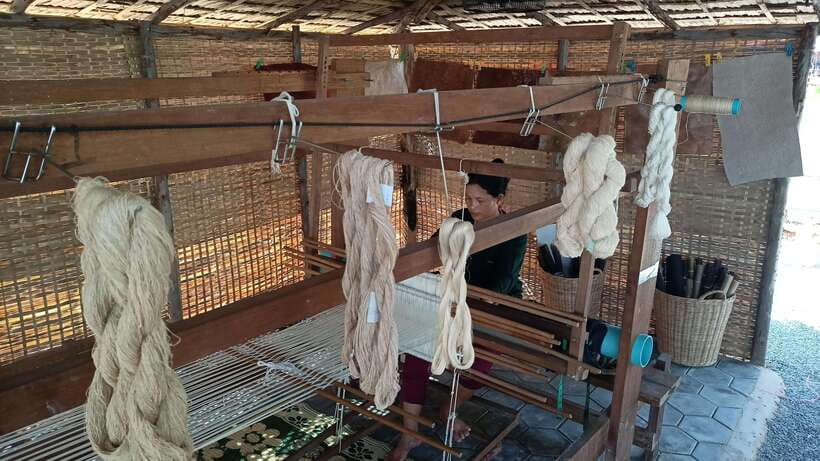
Silk has two very different faces here. In 4 hours you hop between Angkor Silk Farm and Lotus Silk Farm, with real demonstrations that explain how thread is made and turned into cloth. I especially love seeing the full silkworm life cycle and how ancient weaving patterns are produced on traditional wooden looms. I also love the lotus-side story: lotus fiber extraction paired with a social mission that puts income and dignity into local women’s hands.
One possible drawback: the in-between drive takes time, so plan for heat and sun and wear shoes you can walk in comfortably, especially if you’re sharing the vehicle with other passengers.
In This Review
- Key things I’d pay attention to
- Biolab Café pickup: fast start, easy flow, clear timing
- Angkor Silk Farm: from mulberry leaves to real silk thread
- Traditional looms and practical craft: what to notice on the weaving portion
- Lotus Silk Farm (Samatoa): lotus fiber extraction and a women-led model
- The drive between farms: comfort matters more than scenery when it’s hot
- Shopping at both boutiques: buy with context, not impulse
- Price and value: $25 for two farm tours that actually teach you something
- Who should book this tour, and who should skip it
- Final call: should you book the Angkor Silk Farm and Lotus Silk Farm tour?
- FAQ
- How long is the Siem Reap Discovery Tour to Angkor Silk Farm and Lotus Silk Farm?
- Where is the meeting point?
- Does the tour include hotel pickup and drop-off?
- What stops are included during the tour?
- What is included in the price?
- Are meals included?
- Are boutique purchases included?
- What languages are the guides, and can I take photos?
Key things I’d pay attention to
- Two farms, two textile philosophies: classic silk-making versus lotus fiber innovation
- Hands-on viewing, not just watching: demonstrations plus time to wander boutiques
- Silkworm life cycle up close at Angkor Silk Farm, from feed to cocoons and thread
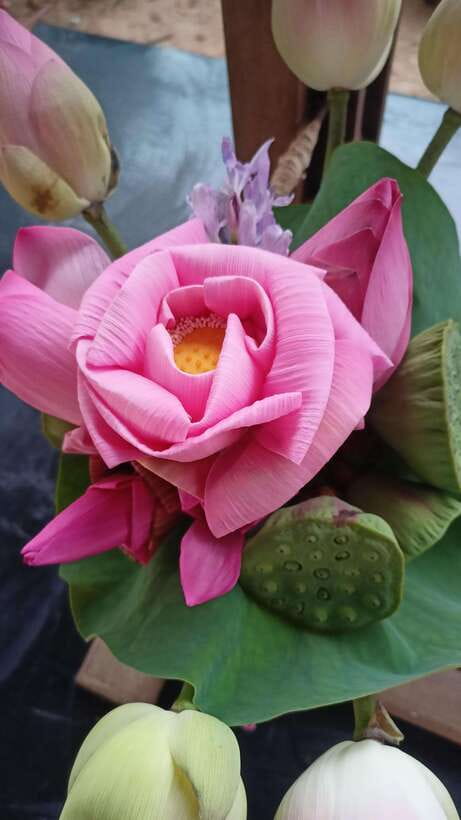
- Lotus fiber extraction at Samatoa’s Lotus Silk Farm, including tea breaks in the garden
- Ethical spending angle: your purchases support the women-run work behind the products
- Short, efficient format: 4 hours total, including transportation between sites
More temple circuits, set side by side
- Angkor Wat Sunrise or Sunset Tour with Guide from Siem Reap★ 5.0 · 12,109 reviews
- Siem Reap: Angkor Wat: Small-Group Sunrise or Sunset Tour★ 5.0 · 9,444 reviews
- Siem Reap: Angkor Wat 2-Day Tour with Sunrise and Sunset★ 4.9 · 4,429 reviews
- Siem Reap: Full-Day Angkor Wat Guided Tour with Sunset★ 4.9 · 3,803 reviews
Biolab Café pickup: fast start, easy flow, clear timing
This tour is built for people who want culture without a whole day plan. You meet at Biolab Café in downtown Siem Reap. It’s a convenient spot with a garden waiting area, clean restrooms, and Wi‑Fi, so you can show up, get your bearings fast, and settle in before the van leaves.
Morning departures are at 8:30 AM and 10:00 AM, and it’s smart to arrive about 10 minutes early. You’ll usually be in a small group, and the guides speak English and French, so you won’t be stuck trying to decode gestures.
What I like about the setup is the pacing. You’re not doing a long temple slog or bouncing around multiple locations. The tour is focused: two farms, guided explanations at each stop, and just enough shopping time to look without turning it into a mall trip.
Angkor Silk Farm: from mulberry leaves to real silk thread
Angkor Silk Farm is where the “traditional Cambodian silk” story starts. Your guided visit runs about 45 minutes, which is short enough to keep things moving but long enough for you to understand the steps without feeling rushed.
Here’s what you should expect to see:
- Silkworm cultivation basics, including the role of mulberry leaves
- Silkworm life stages, presented in a clear sequence
- Cocoons and thread extraction, where you can connect biology to the final fabric
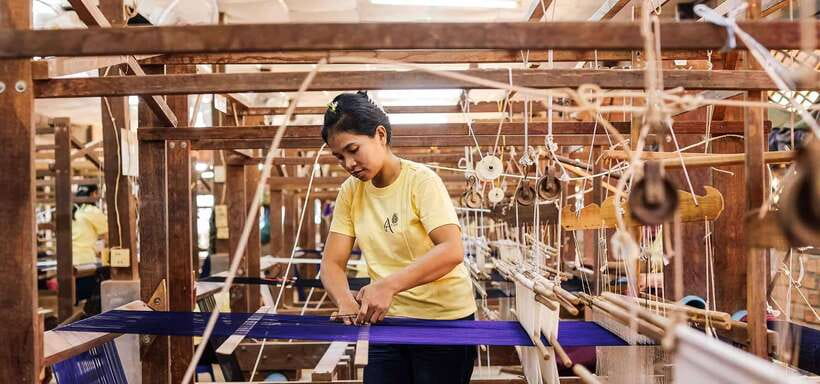
- A weaving techniques showcase on traditional wooden looms
The magic of this stop is how practical it all feels. You’re not just staring at finished products. You’re watching the production chain make sense. If you’ve ever wondered how silk becomes thread, and then becomes cloth, this is the place where the steps click into place.
The loom demonstration is also a nice reality check. It shows you that patterned textiles weren’t created by accident. There’s planning, repetition, and craft skill baked into the process. If you like photography, you’ll get multiple chances for pictures here, but the better move is to spend a few minutes watching the mechanics before you start shooting.
When the guided portion ends, you’ll have about 15 minutes for shopping. This is a good time to slow down, because you’ll now understand what you’re looking at: silk that took time, water, labor, and attention to produce.
Traditional looms and practical craft: what to notice on the weaving portion
The weaving display is more than a show. It’s your cheat code for understanding why textiles can be expensive, even when they look simple from far away.
During the loom segment, pay attention to:
- Pattern structure (where the design comes from, not just how it looks)
- How the loom supports repetition so patterns stay consistent
- The hands-on role of the craftsperson, even in a “guided demonstration” format
You don’t need a textile degree to appreciate it. You just need a few minutes of quiet attention. If you’re the type who likes systems and how things work, this part tends to be satisfying.
And if you want to shop afterward, you’ll be able to judge quality better. You’ll know what to ask for, what questions to bring up, and what looks like careful work rather than mass production.
Lotus Silk Farm (Samatoa): lotus fiber extraction and a women-led model
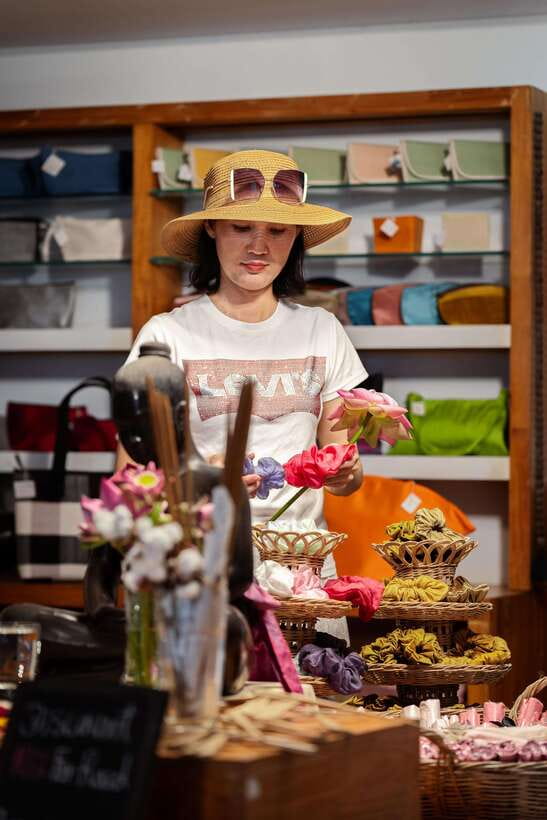
Next you drive to Lotus Silk Farm, operated by Samatoa. The guided tour here is about 30 minutes, followed by lotus tea and biscuits and then shopping time.
This is where the “two silk stories” theme becomes clear. At Angkor, you’re watching silkworm-based production. At Lotus, you’re seeing a more modern, sustainability-forward approach based on lotus stems.
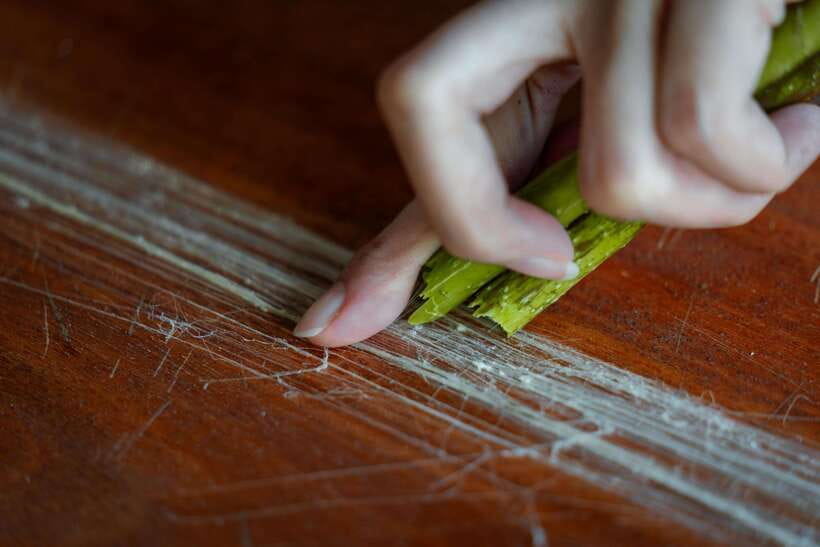
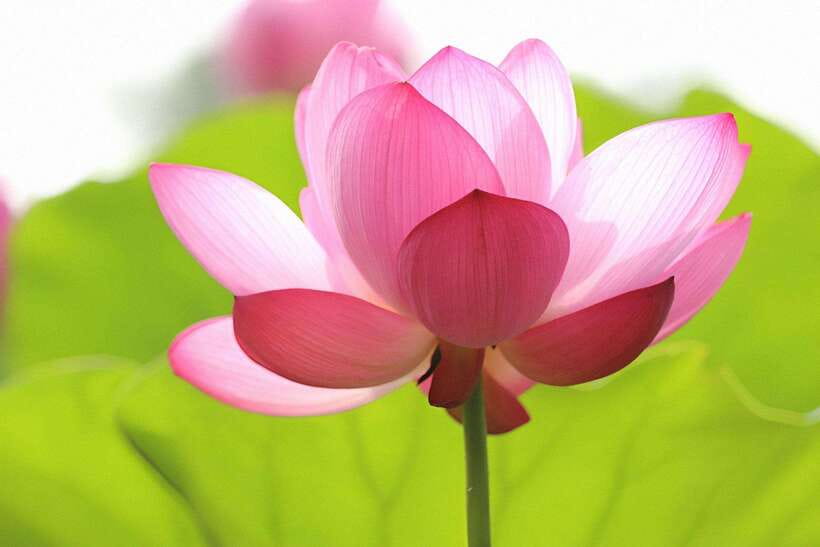
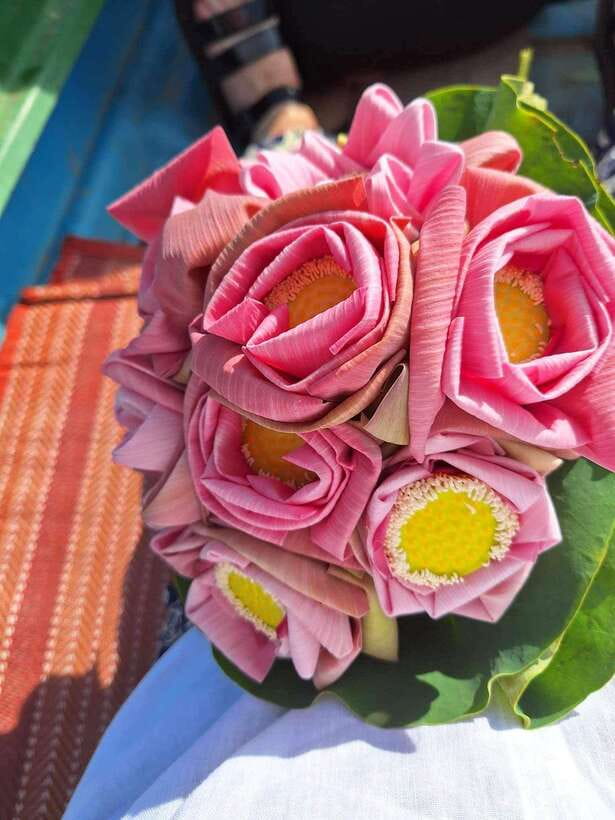
What makes this stop special is the lotus fiber extraction demonstration. You’ll learn how lotus stems become fiber, and how that fiber can be used to produce textiles. It’s a practical chemistry-meets-craft explanation, delivered in a way that’s meant for normal humans, not scientists.
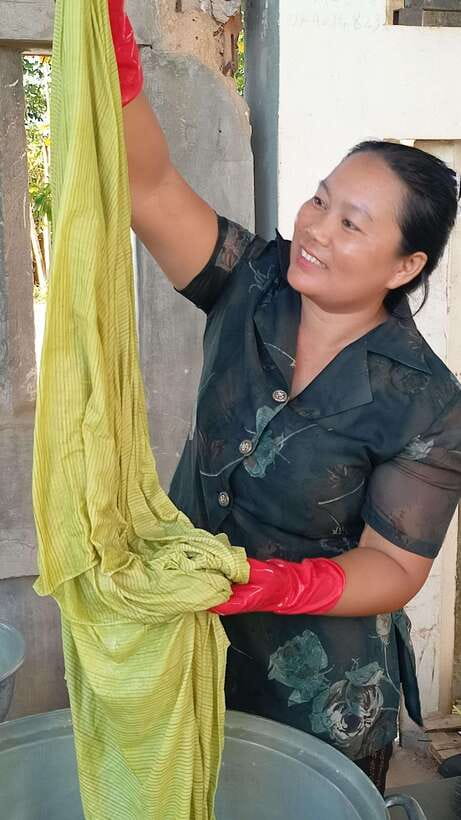
The social mission is also central, not tacked on. This farm is part of an ethical model that empowers local women through textile production. If your travel style includes buying with purpose, this is the stop where your money feels connected to real livelihoods.
You’ll also get the small, calming garden break: complimentary lotus tea and biscuits. It’s not a full meal, but it’s a pleasant pause and helps you avoid feeling rushed right after the demonstration.
As for the boutique time, it’s similar to the first farm: you can browse and buy handmade products, and purchases support the local artisan communities behind the work. If you’re trying to avoid overspending, set yourself a small budget before you enter.
Past the rice fields, more village days



The drive between farms: comfort matters more than scenery when it’s hot
The tour includes transportation between the two sites with a private car, plus a drive through Cambodian countryside. Between-farm transit is part of the package, and it’s long enough that you’ll feel it if the day is hot.
One practical tip: bring sun protection and plan your expectations. If you’re thinking you’ll be entertained the whole ride, you might be disappointed. The countryside is worth looking at, but the better use of time is to treat the drive as transit, not a scenic attraction.
Even with an air-conditioned vehicle, it helps to:
- wear light clothing and use sunscreen/hat
- keep water handy (meals aren’t included beyond tea)
- be ready for a shared group dynamic, since the tour may include other passengers
If you get carsick easily, mention it before you start. The tour is short enough that you can manage it if you plan ahead.
Shopping at both boutiques: buy with context, not impulse
Both farms have boutiques, and you can access them during the scheduled shopping windows. Purchases are not included in the tour price, but the design of the tour makes it easier to spend wisely.
Here’s how I recommend buying:
- If you want something that reflects the process you learned, buy after you’ve seen both demonstrations. You’ll understand what’s silk-based versus lotus-based.
- Check what you’re buying as a product category (textile, accessory, decorative item). The best value is usually the item that matches your needs, not the rarest-sounding label.
- Set a spending limit early. Once you start browsing, it’s easy to forget you’re on a budget.
The ethical angle matters here. This tour is built to support the women-led work behind the textiles. So if you’re going to buy anything, buying here tends to feel less like a souvenir grab and more like supporting a production system.
Also keep in mind you’ll want cash on hand. USD is accepted, so if you’re traveling with dollars, you’re covered.
Price and value: $25 for two farm tours that actually teach you something
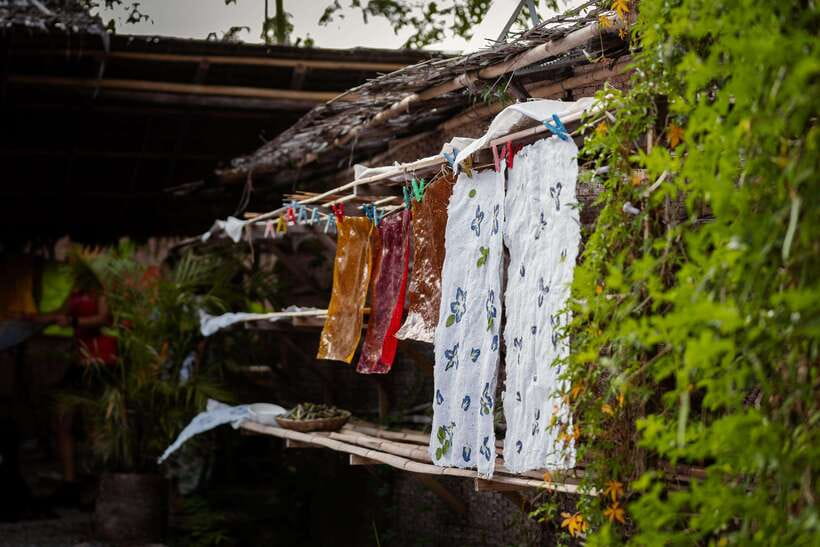
At $25 per person for 4 hours including transportation from Biolab Café, this is a pretty focused deal. You’re paying for:
- guided tours at both farms
- live demonstrations (silkworm production and lotus fiber extraction)
- weaving technique showcase on wooden looms
- scenic drive and round-trip transport to the meeting point
- access to exhibitions and boutiques
- lotus tea and biscuits at Lotus Silk Farm
What you’re not paying for (and should plan around):
- full meals (besides the lotus tea break)
- extra hands-on weaving or craft workshops
- additional purchases
So the value comes from education and access, not from turning the day into a craft class. If you want to learn how these textiles are made and why the production methods differ, the price feels fair for the time you get.
If your only goal is to buy cheap souvenirs, this may not be your best use of money. But if you want a real connection to craft and sustainability, it’s one of the more direct “cultural + ethical” choices in Siem Reap.
Who should book this tour, and who should skip it
This tour fits best if you:
- like process-based learning (watching how something is made)
- want a cultural break that’s not temples every day
- care about sustainable, women-led work
- enjoy textile crafts, even if you’re not a collector
It may be less satisfying if you:
- want a big hands-on workshop day (the guided focus is on demonstrations)
- want long, varied stops with lots of extra activities included
- dislike heat and long drives, since the in-between transit can feel long
Families usually do fine too, since the tour is designed for all ages and normal walking comfort. Just bring the basics: hat, water, and a camera.
Final call: should you book the Angkor Silk Farm and Lotus Silk Farm tour?
If you’re choosing between random souvenir stops and something with real explanations, I’d book this. The big win is the comparison: you go from silkworm-based silk to lotus fiber textiles in one smooth 4-hour block. You’ll leave understanding the work behind the products, not just carrying something pretty.
I’d book sooner if you enjoy craft, science-y production stories, or ethical shopping. I’d think twice if you’re only interested in a hands-on weaving class or if you can’t handle warm conditions during the drive.
If you want a smart, value-heavy cultural detour from the temples, this is a strong pick.
FAQ
How long is the Siem Reap Discovery Tour to Angkor Silk Farm and Lotus Silk Farm?
The total duration is about 4 hours, including transportation time between the farms.
Where is the meeting point?
You meet at Biolab Café in downtown Siem Reap.
Does the tour include hotel pickup and drop-off?
No. Transportation is only provided from and to the Biolab Café meeting point.
What stops are included during the tour?
You visit Angkor Silk Farm and Lotus Silk Farm (Samatoa), with guided tours at both and shopping time at each.
What is included in the price?
The price includes guided farm tours, live demonstrations, access to exhibitions and farm areas, transport from Biolab Café, and lotus tea and biscuits at Lotus Silk Farm.
Are meals included?
No meals are included. Besides complimentary lotus tea and biscuits, the tour does not provide additional food or drinks.
Are boutique purchases included?
No. Purchases at both farms’ boutiques are not included in the tour price.
What languages are the guides, and can I take photos?
The guide is available in English and French, and photography is allowed at both farms.
—
If you tell me your travel dates (and whether you prefer early or later departures), I can help you pick the best time slot for heat and crowds.
More Tour Reviews in Siem Reap
- Angkor Wat Sunrise or Sunset Tour with Guide from Siem Reap
★ 5.0 · 12,109 reviews - Siem Reap: Angkor Wat: Small-Group Sunrise or Sunset Tour
★ 5.0 · 9,444 reviews - From Siem Reap: Kampong Phluk Floating Village Tour by Boat
★ 4.9 · 6,979 reviews - Sunset tour of Kampong Phluk stilts home village on the Tonle Sap
★ 5.0 · 4,865 reviews - Siem Reap: Angkor Wat 2-Day Tour with Sunrise and Sunset
★ 4.9 · 4,429 reviews
Through the Siem Reap Countryside
- From Siem Reap: Kampong Phluk Floating Village Tour by Boat
★ 4.9 · 6,979 reviews - Kampong Phluk Floating Village Tour by Boat
★ 5.0 · 1,020 reviews - Siem Reap Countryside Bike Tour / E-Bike or Tuk Tuk
★ 5.0 · 935 reviews - Siem Reap: Tonle Sap, Kampong Phluk & Floating Village Tour
★ 4.4 · 397 reviews - Siem Reap Countryside Quad Biking Tour
★ 5.0 · 322 reviews
More Temple Circuits Around Siem Reap
- Angkor Wat Sunrise or Sunset Tour with Guide from Siem Reap
★ 5.0 · 12,109 reviews - Siem Reap: Angkor Wat: Small-Group Sunrise or Sunset Tour
★ 5.0 · 9,444 reviews - Siem Reap: Angkor Wat 2-Day Tour with Sunrise and Sunset
★ 4.9 · 4,429 reviews - Siem Reap: Full-Day Angkor Wat Guided Tour with Sunset
★ 4.9 · 3,803 reviews - Angkor Wat Sunrise tour with Small – Group and Guide tours
★ 5.0 · 3,655 reviews
Just Added: Fresh Siem Reap Tour Reviews



Angkor Temple Tours, compared.
 ★ 5.0Angkor Wat Sunrise or Sunset Tour with Guide from Siem ReapFrom $1812,109 reviews
 ★ 5.0Angkor Wat: Small-Group Sunrise or Sunset TourFrom $159,444 reviews
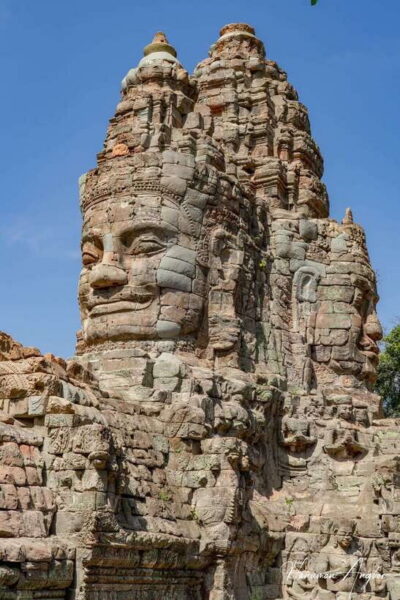 ★ 4.9Angkor Wat 2-Day Tour with Sunrise and SunsetFrom $344,429 reviews
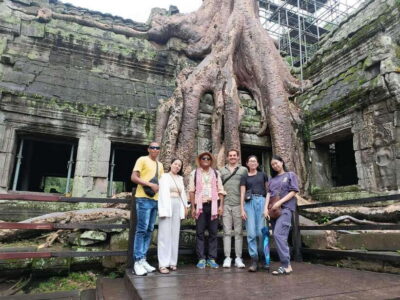 ★ 4.9Full-Day Angkor Wat Guided Tour with SunsetFrom $153,803 reviews
 ★ 5.0Angkor Wat Sunrise tour with Small – Group and Guide toursFrom $143,655 reviews
 ★ 5.0Angkor Wat Highlights and Sunrise Guided Tour from Siem ReapFrom $233,213 reviews
 ★ 5.0Angkor Wat Sunset Small Group Tour with Lunch IncludedFrom $203,059 reviews
 ★ 5.0Full-Day Angkor Wat Sunrise Private Tour with Guide from Siem ReapFrom $602,920 reviews
Browse the lists this tour appears in