
Reviewed · ANGKOR SUNRISE & SUNSET TOURS
Angkor Sunrise Bike Tour / E-Bike or Tuk Tuk
Sunrise over Angkor Wat sets the pace for your whole day. You’ll get to see the temples before the crush, then swap the road for traffic-free trails between ruins, villages, and jungle paths. The early start is intense, but the payoff is huge: first light at Angkor Wat, then a bike day that feels more human than sitting in a minivan.
I especially love the small group size (max 6) and how the day is built around real time in the sites instead of long transfers. I also like that breakfast and lunch are included, with bottled water and snacks along the way. One thing to consider: the Angkor entrance ticket is not included (USD $37 for a single day), and the day starts very early, with pick-up around 4:30–5:00am.
In This Review
- Key highlights that make this tour worth your alarm clock
- Morning at Angkor Wat: Why a bike tour feels different than a car
- Price and real value: What $60 covers (and what it doesn’t)
- Pickup timing, guides, and how the tour actually runs
- Angkor Wat at sunrise: Where you’ll focus and what to expect
- Bayon and Angkor-area backroads: The quiet side of the ruins
- Ta Prohm and the jungle vines: Turning the best temples into a bike adventure
- Srah Srang lunch by the reservoir: Food, shade, and a reset
- E-bike upgrade: When it’s worth it (and when regular is fine)
- Heat, clothing, and staying comfortable in Cambodia
- Best photo stops and what guides like Son and Sotin add
- Who should book this bike-and-sunrise day?
- Should you book the Angkor Sunrise Bike Tour?
Key highlights that make this tour worth your alarm clock
- Sunrise timing at Angkor Wat with your guide steering you to good viewing spots
- Bike route through backroads and trails that lets you see village life near the temples
- Small group cap of 6 for a calmer, easier day
- Included meals (breakfast + lunch) plus water and snacks during breaks
- E-bike upgrade available when you want less strain
- Support vehicle on standby if you need a breather or extra help
Chasing the light? More dawn and dusk runs
- Angkor Wat Sunrise or Sunset Tour with Guide from Siem Reap★ 5.0 · 12,109 reviews
- Siem Reap: Angkor Wat: Small-Group Sunrise or Sunset Tour★ 5.0 · 9,444 reviews
- Sunset tour of Kampong Phluk stilts home village on the Tonle Sap★ 5.0 · 4,865 reviews
- Siem Reap: Angkor Wat 2-Day Tour with Sunrise and Sunset★ 4.9 · 4,429 reviews
Morning at Angkor Wat: Why a bike tour feels different than a car
If you’ve been to other big heritage sites, you know the pattern: arrive, watch the crowd do its dance, then shuffle to the next photo point. This tour avoids that script by treating sunrise like the main event and using the bike to change how you move once the light hits.
The day is designed around two modes of travel. First, you’re ferried early so you can reach Angkor Wat in time for sunrise. Then the bike portion takes over for the rest of the temple circuit—where you’ll ride through quieter stretches and find viewpoints that feel more personal than the usual roads.
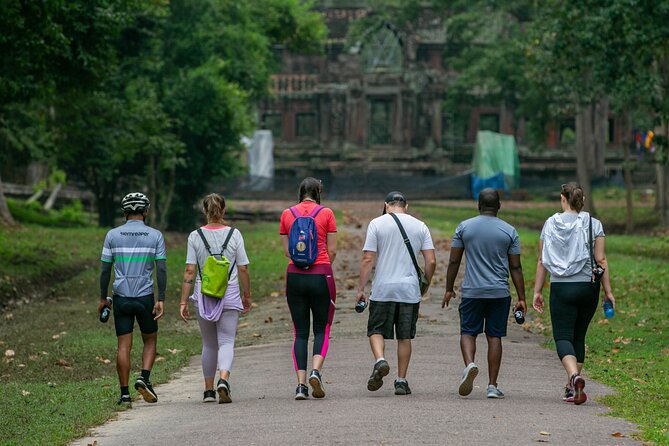
That matters at Angkor. The famous monuments are busy, but the approach roads, lanes, and dirt paths tend to stay calmer. You’re not just traveling between temples; you’re moving through the surroundings that give the temples their context—water, greenery, village edges, and the everyday life that sits right next to the monumental stone.
Price and real value: What $60 covers (and what it doesn’t)
The listed price is $60 per person, which is one of the reasons this tour sells well. At this cost, you’re paying for a full early-day package: hotel pickup and drop-off, an English-speaking cycle guide, bike and helmet, a support vehicle, and meals.
What’s not included is the Angkor temple entrance ticket (USD $37 for a single day). That’s a standard and important add-on to budget for. If you don’t plan for it, you may feel a bit rushed at the start—especially if you arrive with no ticket ready.
Where the value really shows is in the included extras. You get breakfast and lunch (not just a snack), plus bottled water and additional snacks during the ride. Multiple guides and drivers are named in the reviews, and the consistent theme is how often water and small breaks show up, which is key in Siem Reap humidity.
If you’re thinking about a tuk-tuk day instead, a bike tour typically costs about the same or slightly more once you add meals and guiding. The difference is that you trade vehicle comfort for time on the ground—moving at a pace that lets you notice details.
Pickup timing, guides, and how the tour actually runs
This tour starts early—around 5:00am—with some guests reporting pickup as early as 4:30am. Either way, plan for a very early morning. If you’re coming from a hotel farther from the center, you might want to build in a little buffer so you don’t stress about being on time.
You’ll have:
- Hotel pickup and drop-off
- An English-speaking cycle guide
- Trek mountain bikes and a helmet (with an e-bike option when selected)
- A support vehicle that follows and can transport you back if needed
Several guides are mentioned by name in the reviews—people like Son, Sotin, Rith, Muniz, Vong, Ben, Bopha, Voleak, and Sarak—and that’s useful because it signals something practical: the operator uses guides who can explain what you’re seeing while still keeping the day flowing.
Also, many reviews mention a tuk-tuk driver supporting the schedule. In plain terms: you’re not stuck pedaling nonstop with no backup. The vehicle is there so the ride stays enjoyable instead of turning into a forced suffering contest.
Angkor Wat at sunrise: Where you’ll focus and what to expect
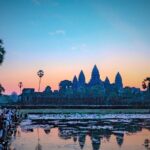
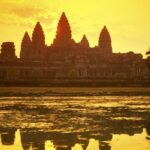
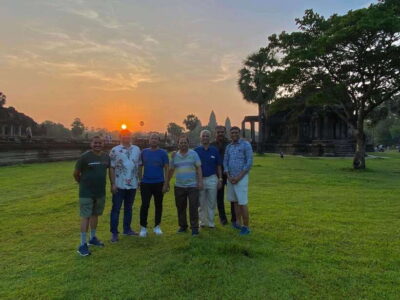
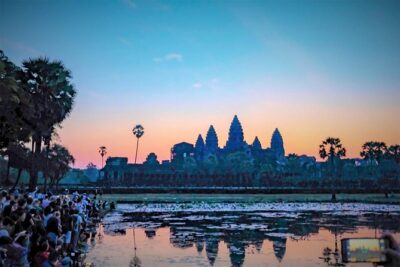
The morning starts at Angkor Wat, with a transfer timed so you can catch sunrise. This is the part of the day that makes the whole concept click. When you see Angkor Wat in the first light—before the crowds lock in—the place feels vast and quiet.
Your guide brings you to the best spots for sunrise viewing. After that, you’ll have breakfast before hopping on the bike.
A couple of practical tips based on how this day is run:
- Bring patience for early logistics. You’re awake before breakfast for a reason: light matters.
- Clouds can happen. One review mentions cloudy, rainy conditions and still catching some sunrise, but if weather is poor, you may not get the full dramatic effect people dream about.
Then you shift from sunrise sightseeing to a bike day. That transition can feel odd at first—staring at stone carvings, then climbing on a bike—but that’s exactly why the tour works. You get the emotional first hit, then you keep the momentum without spending the entire day in a vehicle.
More temple circuits, set side by side
Bayon and Angkor-area backroads: The quiet side of the ruins
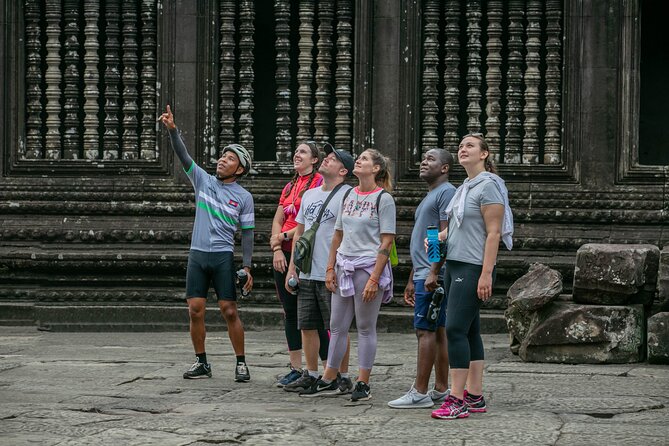
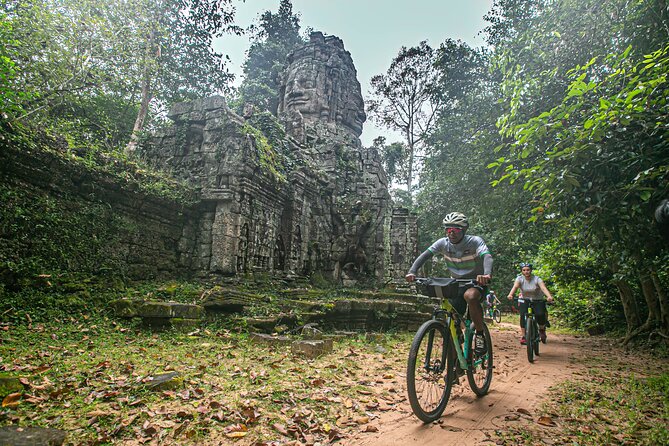
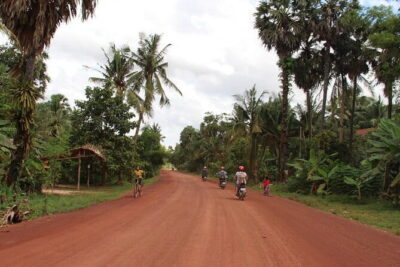
After Angkor Wat and breakfast, the bike portion kicks in. You’ll ride down single trails and behind-temple tracks that lead you through smaller village areas. This is the section where the bike tour starts doing something a car can’t: you feel the distance between major monuments.
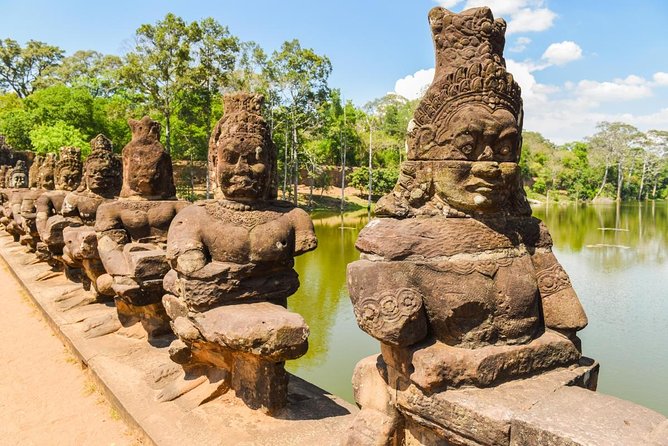
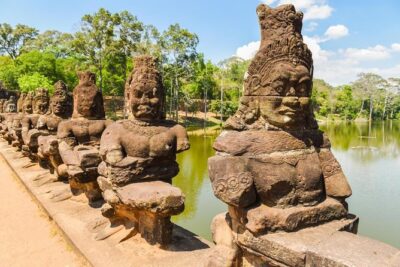
You’ll also be led to Bayon Temple, one of the standout stops for many people because of its distinctive faces. But the more valuable part is the ride style—small roads, dirt tracks, and stretches that pass through areas many people never see.
In terms of difficulty, you’re not doing a mountain endurance race. The published distance is about 20km–25km, and the terrain is described in reviews as a mix of mostly flat riding with some unpaved or sandy patches. If you’re coming from city cycling, you’ll want to treat the off-road sections seriously, even if they sound short on paper.
And yes, the heat shows up. This is Cambodia. The good news is that water breaks are frequent, and you’re not left to fend for yourself.
Ta Prohm and the jungle vines: Turning the best temples into a bike adventure
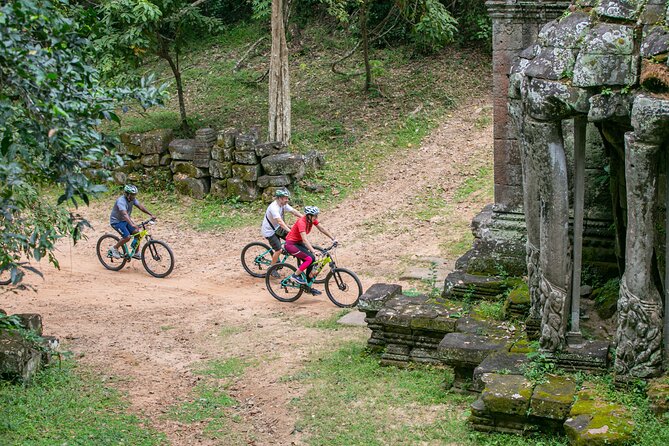
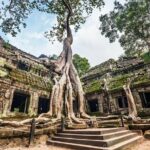
Next comes Ta Prohm, famous for its sprawling trees and vines woven through the stone. Seeing it on a bike day feels different because your route brings you through more varied surroundings—jungle edges, quiet paths, and the kind of approach you can’t easily replicate from a single road viewpoint.
Ta Prohm is also where the experience shifts into that cinematic feeling you might have seen in films. But the more useful angle is practical: the bike route helps you experience the area as a system, not isolated stops.
Some reviews mention the ride includes a bit of light technical riding in places—narrower trails, sand, and forest tracks. That’s not a reason to avoid it, but it is a reason to pick the right bike option if you’re unsure of your comfort level.
You’ll also have some leisure time in the late afternoon. That’s helpful because it gives you a chance to regroup after the busiest temple sequence.
Srah Srang lunch by the reservoir: Food, shade, and a reset
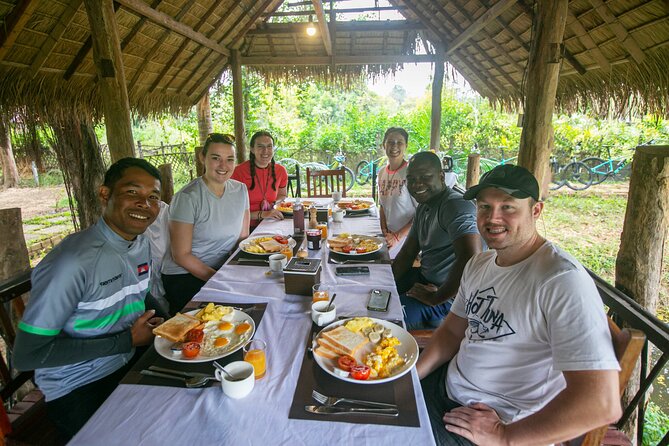
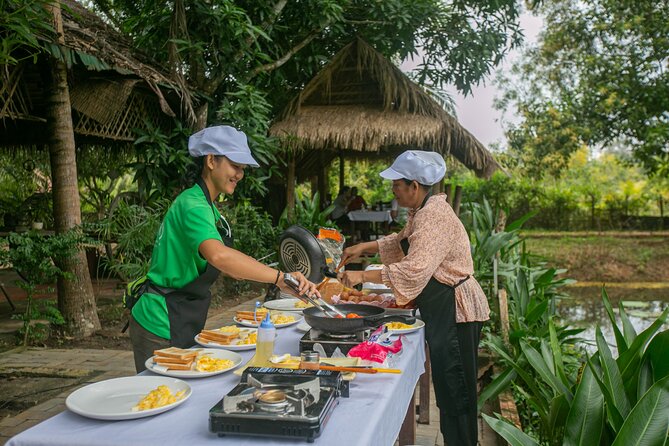
The day closes with Srah Srang, an ancient reservoir area. You’ll have lunch beside Srah Srang, with a large spread of Cambodian-style dishes.
This part is more than a meal break. It’s where you get a reset after morning cycling and the temple highlights. If you’re sweating in the humidity, lunch isn’t just food—it’s hydration and recovery.
The tour includes lunch, and many reviews praise the quality and portion size. One review even calls out the ice-cold beer at lunch, but don’t count on that as a guaranteed item. What is guaranteed is the lunch itself and the included drinks like bottled water and snacks during the ride.
If you have dietary requirements, tell the operator when you book. A vegetarian option is available, and they ask you to advise dietary needs ahead of time.
E-bike upgrade: When it’s worth it (and when regular is fine)
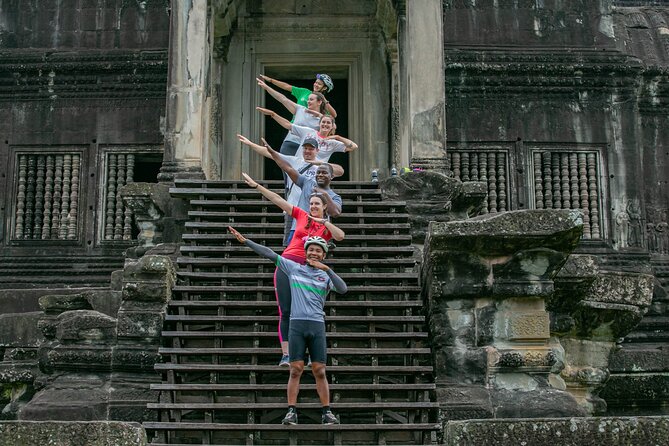
You can upgrade to an electric bike when you book the e-bike option. This is a big deal for two reasons.
First, the published ride distance is 20km–25km, and the terrain includes unpaved sections that can mean more effort than you’d expect from a straight line on a map. If you want to enjoy the temples without fighting the bike the whole time, the e-bike is a smart choice.
Second, sunrise days are already physically demanding. Starting early, cycling, and walking in temple heat all stack up. An e-bike can keep your day focused on seeing rather than struggling to stay upright on sandy trails.
That said, regular mountain bikes can be totally fine if you’re comfortable with off-road paths. Reviews mention front suspension on the bikes, which helps on rougher ground. If you’re a confident rider, the regular bike can feel more fun. If you want energy left for photos and temple exploring, choose e-bike.
Heat, clothing, and staying comfortable in Cambodia
Two comfort points matter most: timing and clothing.
Timing is handled by the route—morning first, then temple exploring. Clothing is handled by the tour’s rules: cover shoulders and knees for temple visits, especially at Angkor Wat. It’s not about style. It’s respect and access.
You’ll also want practical riding gear:
- Breathable tops that still cover shoulders
- Pants or long shorts that reach at least the knee
- A light layer for early morning
- Sunglasses and sunscreen (even if you don’t love sunscreen, you’ll use it)
Many reviews mention the day involves sweating due to hot and humid conditions. The tour helps with water and snack stops, but you’re still outside. Dress for comfort, not just modesty.
Best photo stops and what guides like Son and Sotin add
This tour isn’t only about where you go; it’s also about how you get there. The guides’ value shows up in small things:
- Choosing good sunrise spots at Angkor Wat
- Suggesting photo angles during temple stops
- Explaining what you’re looking at in a way that makes the carvings and structures make sense
Names like Son and Sotin pop up repeatedly in reviews, along with compliments about English skills and care. Guides also tend to keep things moving at a pace that feels “full day” but not rushed, which is hard to pull off at Angkor.
One more useful idea: ask your guide when you have a moment to step to a quieter side for photos. The bike format often gives you access to lanes and viewpoints cars can’t reach. You’ll feel that difference most on the riding segments between stops.
Who should book this bike-and-sunrise day?
This tour fits best if you:
- Want sunrise at Angkor Wat without the full-day crowd commute
- Like active travel and don’t mind 20km–25km of riding with breaks
- Prefer small-group pacing (max 6)
- Appreciate included meals after a long morning
It’s also a good match if you want to see more than the “headline temples.” The route plan focuses on major sites like Angkor Wat, Bayon, Ta Prohm, and it references other highlights such as Preah Khan and Angkor Thom as part of the broader temple experience.
You might think twice if:
- You’re not comfortable with sandy or unpaved trails
- You’re sensitive to very early mornings
- You hate riding when it’s hot and humid (even with water and snacks)
If you want the easiest version, the e-bike option is the practical middle ground. If you truly prefer to avoid cycling effort, you may want to look for a more vehicle-forward Angkor tour.
Should you book the Angkor Sunrise Bike Tour?
I’d book it if your priority is sunrise plus a way of moving that lets you feel the area instead of just touring it. The combination of hotel pickup, small group size, and included breakfast and lunch makes the day feel like a complete plan, not a “just rent a bike and go” experience.
It’s also a solid value at $60, as long as you budget the $37 entrance ticket up front. The biggest “make-or-break” factor is the early start and your comfort with rougher trail segments.
If you want a temple day that feels like an adventure ride through Siem Reap’s edge—not only a lineup of stone monuments—this one is a strong pick.
The Temples by Tuk-Tuk
- Siem Reap: Angkor Wat Private Tuk-Tuk Tour
★ 4.9 · 2,222 reviews - Siem Reap Countryside Bike Tour / E-Bike or Tuk Tuk
★ 5.0 · 935 reviews - Angkor Wat Private Tuk-Tuk Tour (sunrise Option) & more
★ 5.0 · 439 reviews - Old Siem Reap Sunset Food Tour by Tuk-tuk
★ 5.0 · 311 reviews - Siem Reap: Street Food Experience by Tuk-Tuk
★ 4.9 · 310 reviews
More Temple Circuits Around Siem Reap
- Angkor Wat Sunrise or Sunset Tour with Guide from Siem Reap
★ 5.0 · 12,109 reviews - Siem Reap: Angkor Wat: Small-Group Sunrise or Sunset Tour
★ 5.0 · 9,444 reviews - Siem Reap: Angkor Wat 2-Day Tour with Sunrise and Sunset
★ 4.9 · 4,429 reviews - Siem Reap: Full-Day Angkor Wat Guided Tour with Sunset
★ 4.9 · 3,803 reviews - Angkor Wat Sunrise tour with Small – Group and Guide tours
★ 5.0 · 3,655 reviews
Dawn and Dusk Over Angkor
- Angkor Wat Sunrise or Sunset Tour with Guide from Siem Reap
★ 5.0 · 12,109 reviews - Siem Reap: Angkor Wat: Small-Group Sunrise or Sunset Tour
★ 5.0 · 9,444 reviews - Sunset tour of Kampong Phluk stilts home village on the Tonle Sap
★ 5.0 · 4,865 reviews - Siem Reap: Angkor Wat 2-Day Tour with Sunrise and Sunset
★ 4.9 · 4,429 reviews - Siem Reap: Full-Day Angkor Wat Guided Tour with Sunset
★ 4.9 · 3,803 reviews
Just Added: Fresh Siem Reap Tour Reviews

Angkor Sunrise & Sunset Tours, compared.
 ★ 5.0Angkor Wat Sunrise or Sunset Tour with Guide from Siem ReapFrom $1812,109 reviews
 ★ 5.0Angkor Wat: Small-Group Sunrise or Sunset TourFrom $159,444 reviews
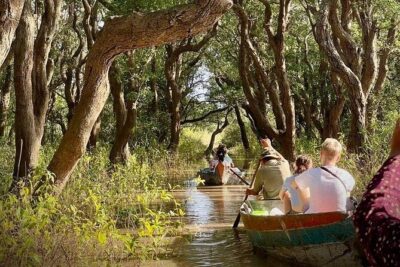 ★ 5.0Sunset tour of Kampong Phluk stilts home village on the Tonle SapFrom $214,865 reviews
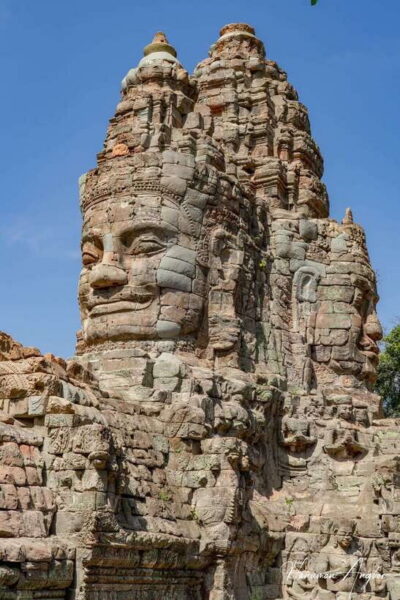 ★ 4.9Angkor Wat 2-Day Tour with Sunrise and SunsetFrom $344,429 reviews
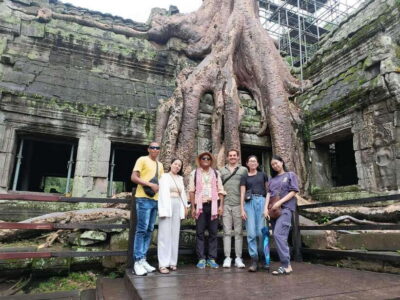 ★ 4.9Full-Day Angkor Wat Guided Tour with SunsetFrom $153,803 reviews
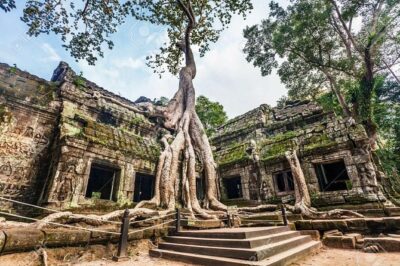 ★ 5.0Angkor Wat Sunrise tour with Small – Group and Guide toursFrom $143,655 reviews
 ★ 5.0Angkor Wat Highlights and Sunrise Guided Tour from Siem ReapFrom $233,213 reviews
 ★ 5.0Angkor Wat Sunset Small Group Tour with Lunch IncludedFrom $203,059 reviews
Browse the lists this tour appears in