
Reviewed · ANGKOR SUNRISE & SUNSET TOURS
Angkor Temple Tour with Sunset – Small Group
Ten hours at Angkor feels like a greatest-hits album. This small-group tour strings together Angkor Wat, Bayon, Ta Prohm, and a Phnom Bakheng sunset in one smooth day, with an English-speaking guide to turn stone and symbols into something you can actually understand.
What I like most is the way the day is paced: you get meaningful time at the big sites (like 2 hours at Angkor Wat) instead of just photo stops. I also love the simple comfort touches—air-conditioned transport plus cool towels on the go—so the long day stays bearable.
One thing to consider: entrance fees are not included, so you’ll need to budget for the Angkor Pass before you go.
In This Review
- Key highlights to know before you book
- What you pay: $20 tour value plus the Angkor Pass
- The day plan in plain language: pickup, route, and time pressure
- Stop 1: Angkor Wat, your anchor point for understanding Angkor
- Bayon Temple: the state temple story that turns faces into context
- Angkor Thom: five hundred acres and about 72 temples
- Ta Prohm: the tree-root ruin that makes the scene feel alive
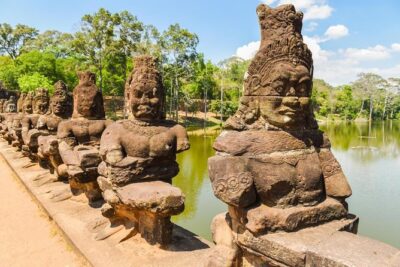
- Photo break at Angkor Thom South Gate and a quick look at the Leper King
- Phnom Bakheng sunset: the reason this tour exists
- Comfort and guidance: the small touches that really matter
- How this tour fits different travel styles
- Should you book this Angkor Temple Tour with Sunset?
- FAQ
- What’s included in the Angkor Temple Tour with Sunset?
- Are entrance fees included?
- How much is the Angkor Pass?
- Is hotel pickup offered?
- How long is the tour?
- Which temples and stops are included?
- Is food and drinks included?
- Can I request a sunrise timing advance?
- Are service animals allowed?
- Is the tour private?
Key highlights to know before you book
- Hotel pickup between 7:30 am and 8:00 am helps you start early without hunting for transport
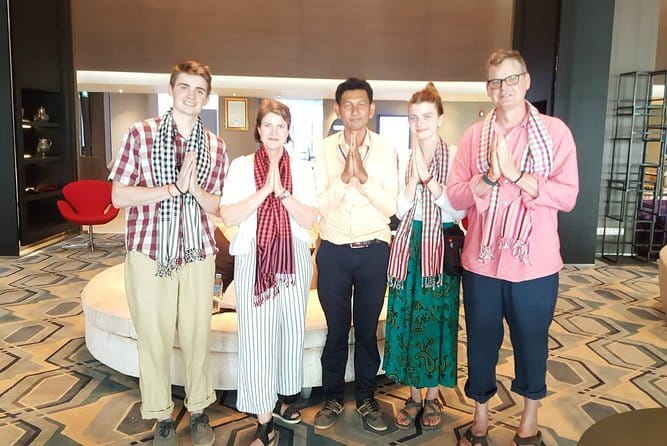
- English-speaking guide focuses on the essentials so the temples feel clear, not random
- Cool towels during touring keep the heat from taking over your day
- Sunset at Phnom Bakheng is built into the itinerary, with time allowed for the views
- Time at the major sites (Angkor Wat, Bayon, Ta Prohm) is enough to do more than rush
- Mobile ticket is included, making day-of logistics simpler
Chasing the light? More dawn and dusk runs
- Angkor Wat Sunrise or Sunset Tour with Guide from Siem Reap★ 5.0 · 12,109 reviews
- Siem Reap: Angkor Wat: Small-Group Sunrise or Sunset Tour★ 5.0 · 9,444 reviews
- Sunset tour of Kampong Phluk stilts home village on the Tonle Sap★ 5.0 · 4,865 reviews
- Siem Reap: Angkor Wat 2-Day Tour with Sunrise and Sunset★ 4.9 · 4,429 reviews
What you pay: $20 tour value plus the Angkor Pass
At $20 per person, this tour is priced for what you’re really buying: a full-day temple route with an English-speaking guide, an AC vehicle, and comfort perks like cool towels. If you’re trying to see the core Angkor highlights in one shot without coordinating multiple tickets and transport plans, this is the kind of “pay once, go” setup that can save real time.
The catch is also straightforward: the price does not include temple entrance fees. You’ll need the Angkor Pass (listed as $37 per person) to get into the sites. That means your total cost is really the tour price plus the pass.
Here’s the practical way to think about it:
- If you’re going solo and want a private setup, the guide and transport can be worth it because you avoid time spent arranging logistics.
- If you already planned to hire a guide, you can compare cost against what you’d pay for transport and interpretation on top of admission.
Also note what you’re not paying for: food and drinks aren’t included, and gratuities are appreciated. So you’ll want to plan for at least some cash or card for meals, snacks, and water outside the included touring items.
The day plan in plain language: pickup, route, and time pressure
This is a 10-hour (approx.) day starting at 8:00 am, with hotel pickup offered between 7:30 am and 8:00 am. That timing matters at Angkor. You want the day to start early so you can actually enjoy the temples instead of feeling like you’re constantly sprinting to the next stop.
The tour is described as small-group, and it also says it’s private for your group only. Either way, the practical result is the same: you should expect coordination around your group pace—less waiting around than a huge open bus situation.
You also get air-conditioned vehicle transport, plus private transportation. Translation: you’re not hopping between random shared rides and hoping they line up. You’re in one vehicle for the day, moving you from stop to stop.
One more detail: there’s a note about a sunrise tour advance being requested. Your day still lists an 8:00 am start, but it signals that they’re aware timing for sunrise/sunset matters. If that’s important to you, it’s smart to ask when you book how timing will work for your exact date and sunset conditions.
Stop 1: Angkor Wat, your anchor point for understanding Angkor
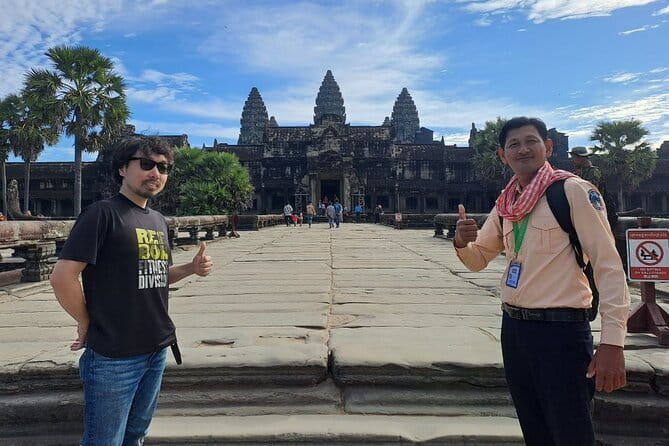
You start with Angkor Wat, with about 2 hours on-site. This is the heavy hitter of the entire complex, and the good news is your guide is there for more than just pointing. Angkor Wat is described as a Hindu-Buddhist temple complex inside the ancient Khmer capital of Angkor, originally constructed in 1150 CE as a Hindu temple.
That date and origin matter because they set the theme for what you’ll see: layers of belief and use over time. With a guide explaining the essentials, you’ll spend less time staring at carvings like they’re a puzzle you missed in class, and more time understanding what you’re looking at and why it matters.
What you’ll likely enjoy most here:
You get the time to slow down. Two hours at Angkor Wat is enough to see major areas, absorb the scale, and still have time for photos without feeling like the clock is swallowing you.
Possible drawback:
Because it’s the first major stop, it’s also where you’ll feel the day most. If you’re sensitive to early starts, plan to bring your energy routine with you—breakfast, water planning, and a comfortable outfit for temple rules.
Bayon Temple: the state temple story that turns faces into context
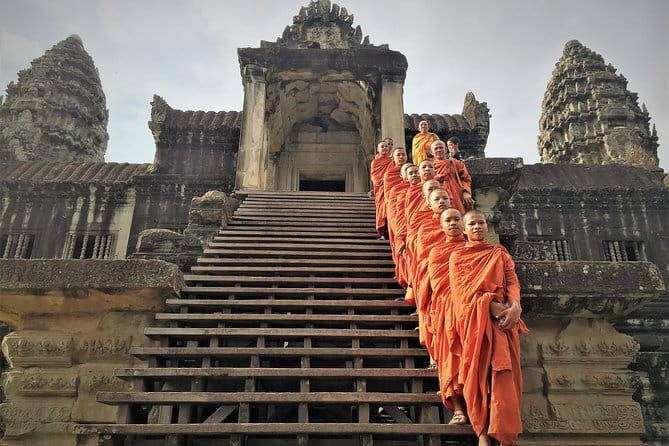
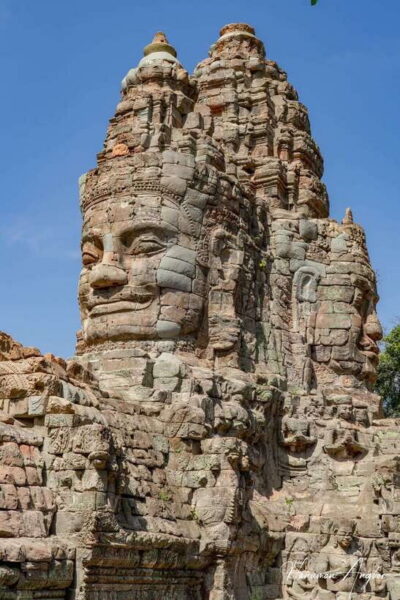
Next up is Bayon Temple for about 1 hour. The tour describes Bayon as a richly decorated Khmer temple related to Buddhism, built in the late 12th or early 13th century as the state temple of King Jayavarman VII, sitting at the center of Angkor.
This is one of those stops where a guide can change the experience fast. Without context, you might just see more stone and details. With context, you start noticing patterns in decoration and how the site fits into the larger Angkor story.
Why this stop is worth the hour:
Bayon helps connect Angkor’s earlier roots (Angkor Wat’s stated origin) with a later era tied to Jayavarman VII. In other words, it’s not just a quick detour—it’s a link in the timeline.
Practical tip for your visit:
Use this stop to orient yourself mentally. By the time you leave Bayon, you’ll be better prepared for Angkor Thom’s wider layout.
More temple circuits, set side by side
Angkor Thom: five hundred acres and about 72 temples
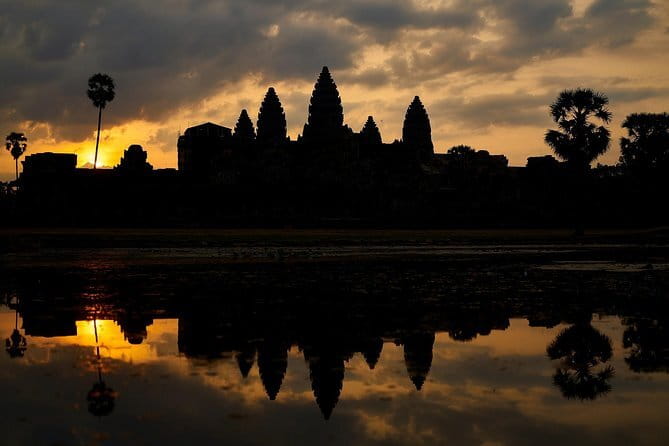
Then you move to Angkor Thom, with another 1 hour. This is described as a sprawling complex covering five hundred acres and consisting of around 72 temples, with sites in varying condition and sizes.
That description is basically a warning label: Angkor Thom is big. If you come in expecting one compact monument, you’ll be surprised. The value of a guided, time-boxed visit is that you’re not left to wander without direction.
In practical terms, here’s what you should expect:
- You’ll see the complex as a whole system, not just one photo angle.
- The guide’s job is to help you understand how the temples relate and why you’re stopping where you are.
Possible drawback:
One hour can’t cover everything. But for most people, that’s actually a benefit. You’ll leave with a grounded sense of what Angkor Thom is, rather than burnout trying to chase every temple number like it’s a checklist.
Ta Prohm: the tree-root ruin that makes the scene feel alive
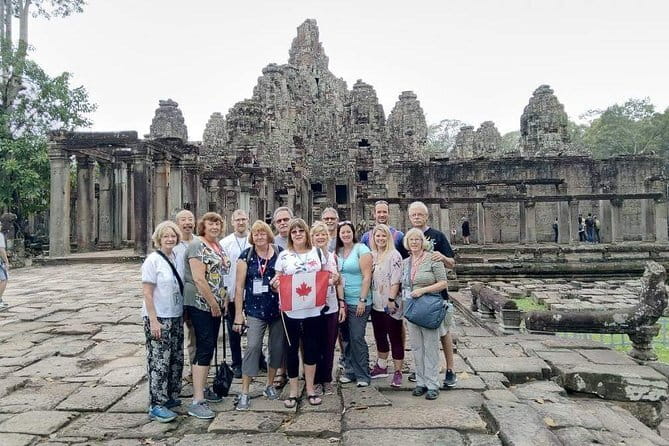
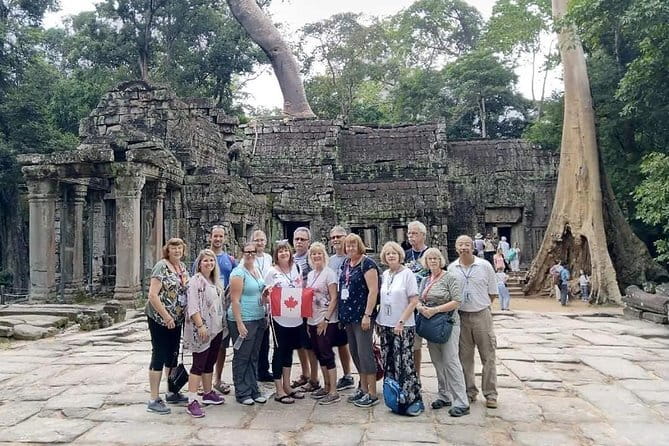
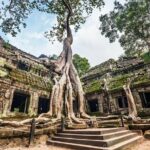
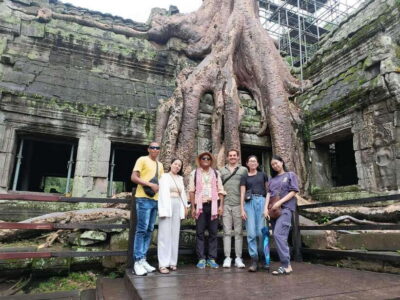
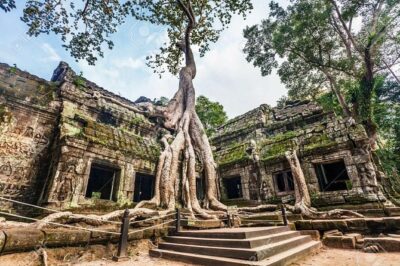
The tour includes Ta Prohm for about 1 hour. This is the temple that’s often called the Angelina Jolie temple in the popular imagination, and the highlight here is the incredible tree roots taking over the ruins.
You’ll get exactly why Ta Prohm grabs people: nature and architecture in direct conflict, creating that unforgettable look where the stone feels swallowed from the inside.
What makes this stop land emotionally:
Unlike a temple that’s just about structure and symmetry, Ta Prohm gives you a more dramatic, less orderly feeling. The guide can help you connect that look to the site’s build context (it’s described as built in 1186 by King Jayavaraman VII). That tiny bit of timeline helps you see Ta Prohm as more than a movie set—it’s a real historical place with a real date attached.
Time check:
One hour is a sweet spot here. It’s long enough to see the roots in multiple angles and take in how the space changes as you move, without turning the visit into a slow, tiring shuffle.
Photo break at Angkor Thom South Gate and a quick look at the Leper King
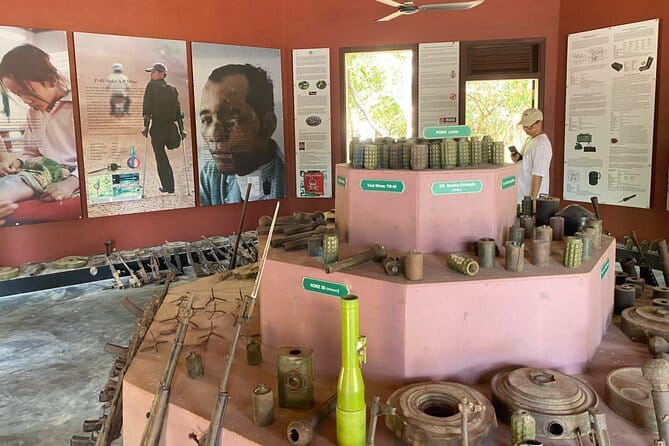
After Ta Prohm, you get a couple shorter stops designed to keep the day flowing:
- Angkor Thom South Gate: about 20 minutes, mainly for photos
- Terrace of the Leper King: about 20 minutes if time permitted, described as a quick visit
These are the “between the big moments” pieces. You’re not losing the day’s focus—you’re getting framing shots and adding one more named stop to your Angkor memory bank.
What I like about short stops like these:
They give your legs a chance to reset. They also help you avoid the all-day tunnel vision that can happen when every stop is another long walk.
One consideration:
Because Terrace of the Leper King depends on time, don’t count on it as guaranteed for every day. If it’s a must-see for you, ask about timing before the tour starts.
Phnom Bakheng sunset: the reason this tour exists
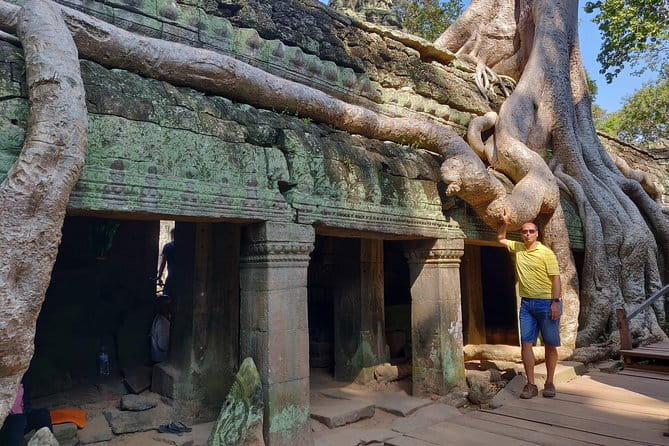
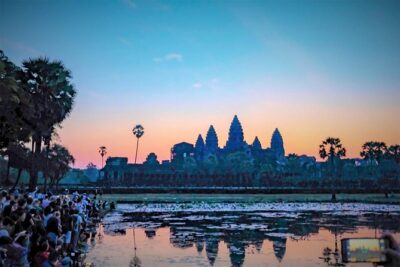
You end at Phnom Bakheng for about 2 hours. This is described as well-known for the best sunset place, and the tour notes that watching the sunset works best with good weather.
This is where your day’s effort pays off. After all the stone and walking, sunset gives you a different kind of view: light changing how the temple silhouettes feel, how distances look, and how the mood of the site shifts from daytime detail to something more atmospheric.
How to use your two hours well:
Arrive early enough to find a good spot, but don’t treat it like you have to camp out. The tour gives you enough time to settle in, take photos, and still enjoy the light as it changes.
Possible drawback:
Because this depends on weather, sunset can be less than perfect on cloudy or rainy days. That doesn’t ruin the temples, but it can soften the main payoff.
Comfort and guidance: the small touches that really matter
A lot of Angkor tours feel the same on paper: temple A, temple B, temple C. The difference is how the day stays workable.
Here are the practical quality points you can actually feel during the day:
- English-speaking guide who explains the history and culture in a way that makes sense
- Cool towels during touring to keep you from feeling like you’re drying out
- Air-conditioned vehicle and private transportation, which reduces the stress of constant re-planning
- A guide who can connect the dates and kings (like the tour’s emphasis on Jayavarman VII and the building dates) to what you’re seeing
In feedback, the guide attention comes through strongly. People specifically called out clear explanations and appreciated the thoughtful way the guide checked in during the day. Names mentioned include Kong Thy and Sora, praised for explaining history and culture well and for being attentive.
Also, cool comfort isn’t just towels. The day is set up so you’re not left completely dry—there was specific appreciation for cold water in the experience notes, even though the included list only spells out cool towels. Translation for you: bring a positive attitude for a few helpful comforts, and also remember that meals and drinks aren’t included.
How this tour fits different travel styles
This is a good match if you want:
- A one-day hits-the-main-sites Angkor plan
- A guide to interpret what you see instead of wandering with a guidebook and guesswork
- Sunset as part of the day, not a separate evening plan
- An included transport + comfort setup that reduces hassle
It may be less ideal if you want:
- Deep, slow exploration of fewer temples with long stays at each location
- A day that includes all meals and a full onboard food routine
Should you book this Angkor Temple Tour with Sunset?
I’d book it if your goal is to see the Angkor big names—Angkor Wat, Bayon, Ta Prohm, and the sunset at Phnom Bakheng—without turning the day into a puzzle of transport and timing. The $20 base price is attractive, especially because you’re getting a guided route, hotel pickup, and comfort touches like cool towels.
Before you hit confirm, do two quick checks:
- Budget for the Angkor Pass ($37 per person) since it’s not included
- Plan for food and drinks on your own, since the tour doesn’t provide meals
If that fits your style, this is a solid way to get a full Angkor day without losing hours to logistics.
FAQ
What’s included in the Angkor Temple Tour with Sunset?
The tour includes an English-speaking guide, free cool towels during touring, an air-conditioned vehicle with private transportation, and hotel pickup between 7:30 am and 8:00 am. It also includes a mobile ticket.
Are entrance fees included?
No. Entrance fees are not included, and you’ll need an Angkor Pass.
How much is the Angkor Pass?
The Angkor Pass is listed at $37.00 per person.
Is hotel pickup offered?
Yes. Pickup is offered between 7:30 am and 8:00 am, and the tour starts at 8:00 am.
How long is the tour?
The duration is listed as about 10 hours.
Which temples and stops are included?
You visit Angkor Wat, Bayon Temple, Angkor Thom, Ta Prohm, Angkor Thom South Gate (for photos), Terrace of the Leper King (if time permits), and Phnom Bakheng for sunset.
Is food and drinks included?
No. Food and drinks are not included.
Can I request a sunrise timing advance?
The tour notes that a sunrise tour advance can be requested.
Are service animals allowed?
Yes, service animals are allowed.
Is the tour private?
It’s listed as private, meaning only your group will participate.
More Tour Reviews in Siem Reap
- Angkor Wat Sunrise or Sunset Tour with Guide from Siem Reap
★ 5.0 · 12,109 reviews - Siem Reap: Angkor Wat: Small-Group Sunrise or Sunset Tour
★ 5.0 · 9,444 reviews - From Siem Reap: Kampong Phluk Floating Village Tour by Boat
★ 4.9 · 6,979 reviews - Sunset tour of Kampong Phluk stilts home village on the Tonle Sap
★ 5.0 · 4,865 reviews - Siem Reap: Angkor Wat 2-Day Tour with Sunrise and Sunset
★ 4.9 · 4,429 reviews
More Temple Circuits Around Siem Reap
- Angkor Wat Sunrise or Sunset Tour with Guide from Siem Reap
★ 5.0 · 12,109 reviews - Siem Reap: Angkor Wat: Small-Group Sunrise or Sunset Tour
★ 5.0 · 9,444 reviews - Siem Reap: Angkor Wat 2-Day Tour with Sunrise and Sunset
★ 4.9 · 4,429 reviews - Siem Reap: Full-Day Angkor Wat Guided Tour with Sunset
★ 4.9 · 3,803 reviews - Angkor Wat Sunrise tour with Small – Group and Guide tours
★ 5.0 · 3,655 reviews
Dawn and Dusk Over Angkor
- Angkor Wat Sunrise or Sunset Tour with Guide from Siem Reap
★ 5.0 · 12,109 reviews - Siem Reap: Angkor Wat: Small-Group Sunrise or Sunset Tour
★ 5.0 · 9,444 reviews - Sunset tour of Kampong Phluk stilts home village on the Tonle Sap
★ 5.0 · 4,865 reviews - Siem Reap: Angkor Wat 2-Day Tour with Sunrise and Sunset
★ 4.9 · 4,429 reviews - Siem Reap: Full-Day Angkor Wat Guided Tour with Sunset
★ 4.9 · 3,803 reviews
Just Added: Fresh Siem Reap Tour Reviews


Angkor Sunrise & Sunset Tours, compared.
 ★ 5.0Angkor Wat Sunrise or Sunset Tour with Guide from Siem ReapFrom $1812,109 reviews
 ★ 5.0Angkor Wat: Small-Group Sunrise or Sunset TourFrom $159,444 reviews
 ★ 5.0Sunset tour of Kampong Phluk stilts home village on the Tonle SapFrom $214,865 reviews
 ★ 4.9Angkor Wat 2-Day Tour with Sunrise and SunsetFrom $344,429 reviews
 ★ 4.9Full-Day Angkor Wat Guided Tour with SunsetFrom $153,803 reviews
 ★ 5.0Angkor Wat Sunrise tour with Small – Group and Guide toursFrom $143,655 reviews
 ★ 5.0Angkor Wat Highlights and Sunrise Guided Tour from Siem ReapFrom $233,213 reviews
 ★ 5.0Angkor Wat Sunset Small Group Tour with Lunch IncludedFrom $203,059 reviews