
Reviewed · ANGKOR WAT TEMPLE TOURS
Angkor Wat: Sunrise 2.5 Days with Tonle Sap Lake Tour
Dawn at Angkor changes everything. I loved the Angkor Wat sunrise timing and the Bakheng sunset atmosphere, because the light and crowd levels feel way more manageable. I also like that the guiding is structured enough to make the temples readable, not just pretty stones, with helpful photo stops along the way. One drawback: temple entrance fees are not included, so plan on paying extra on top of the $69 price.
This tour is built for an easy rhythm: hotel pickup, an air-conditioned ride, and time in the sites instead of rushing past them. Then you switch gears from stone carvings to real lakeside life on Tonle Sap at Kampong Phluk. If you hate early mornings, think twice.
In This Review
- Key Points to Know Before You Go
- Why This Tour Feels Different at Angkor (Not Just Another Temple Circuit)
- The 2.5-Day Temple Route: Pre Rup, Banteay Srei, Neak Pean, and Preah Khan
- A note on Angkor Thom and Bayon timing
- Sunrise at Angkor Wat: Edge-of-Pool Morning and a Real Inside Visit
- Ta Prohm and Ta Nei: When the Day Gets Long, Follow the Mood
- Bayon and Angkor Thom: The City Center Perspective
- Tonle Sap Lake and Kampong Phluk: Meet the Locals on a Real Floating-Season World
- Dry-season swap (March–July)
- Price and Tickets: Getting Value from $69 (Plus the Temple Pass)
- Small-Group Comfort, Guides with Photo Sense, and Drivers Who Watch the Details
- What to Pack for Early Mornings and Temple Rules (So You Don’t Get Stuck)
- Who Should Book This Angkor Wat Sunrise + Tonle Sap 2.5-Day Tour
- Should You Book This Tour?
- FAQ
- What is the duration of this Angkor Wat sunrise and Tonle Sap tour?
- What major sights are included during the 2.5 days?
- Are temple entrance tickets included in the price?
- What is the pickup time for the Tonle Sap Lake day?
- What happens in the dry season for the Tonle Sap portion?
- Does the tour include an English-speaking guide?
- Is skip-the-line entry included?
- What should I wear and bring?
Key Points to Know Before You Go
- Sunrise + sunset timing: Angkor Wat at first light and Bakheng at golden hour
- Clear temple pacing: corridors, terraces, and key reliefs explained in a way you can follow
- Photo-friendly stops: several guides are praised for finding the best angles
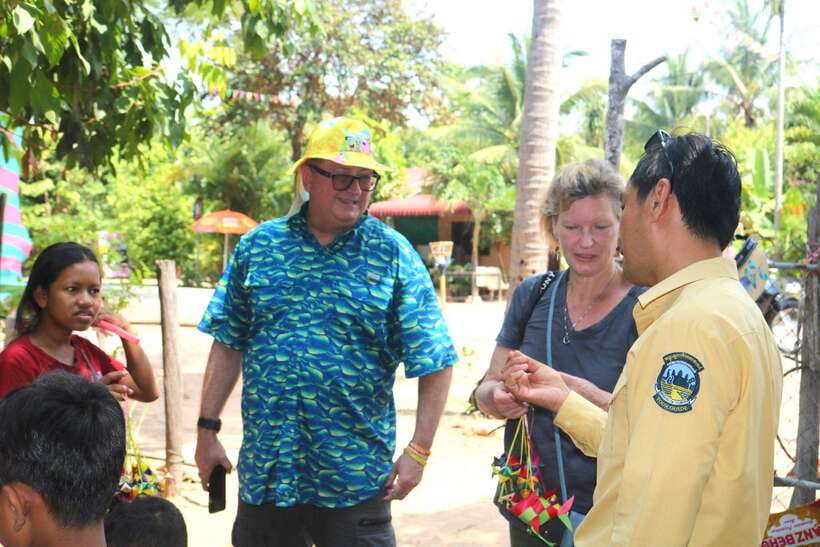
- Tonle Sap boat time at Kampong Phluk: flooded-forest village views and real conversations
- Dry-season swap option: March–July may replace the lake visit with Cambodia Phare Circus (Seat C)
- Skip-the-line benefit: included to reduce ticket-entry hassle
Other ways to walk the great temple
- Angkor Wat Sunrise or Sunset Tour with Guide from Siem Reap★ 5.0 · 12,109 reviews
- Siem Reap: Angkor Wat: Small-Group Sunrise or Sunset Tour★ 5.0 · 9,444 reviews
- Siem Reap: Angkor Wat 2-Day Tour with Sunrise and Sunset★ 4.9 · 4,429 reviews
- Siem Reap: Full-Day Angkor Wat Guided Tour with Sunset★ 4.9 · 3,803 reviews
Why This Tour Feels Different at Angkor (Not Just Another Temple Circuit)
Angkor has a way of swallowing time. One minute you’re counting towers, the next you realize you’ve been standing still for 20 minutes because the carvings finally start making sense. What helps most here is the schedule: it’s not just “see temples,” it’s “see the light and learn what you’re looking at.”
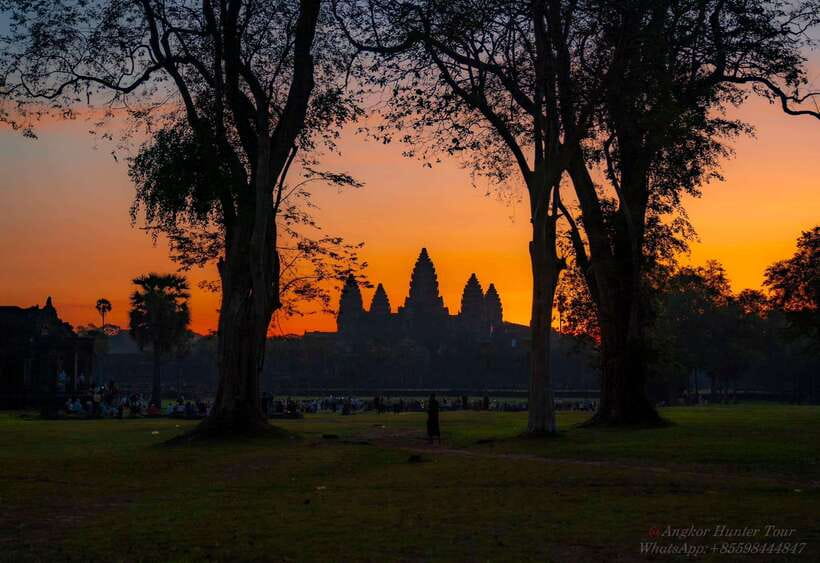
I like that the experience gives you both ends of the day—sunrise at Angkor Wat and sunset at Bakheng. Sunrise makes the whole complex feel ancient and quiet before the tour buses arrive. Sunset at Bakheng brings warmth to the stone and gives you that atmospheric, mountain-top feeling people chase in Cambodia.
The second thing I appreciate is the guide focus. You’re not left alone with an audio app and a map that looks like modern art. With English-speaking guidance, you get context for what each temple is, how it was built, and what features were meant to impress. That turns your photos into something more than proof you were there.
The 2.5-Day Temple Route: Pre Rup, Banteay Srei, Neak Pean, and Preah Khan
Day 1 sets up your Angkor “baseline.” You start with a mix of different temple styles so the bigger sites on later days don’t feel random.
You begin at Pre Rup, a temple mountain tied to Khmer royal state worship (built as the state temple of King Rajendravarman, dedicated in 961 or early 962). The construction materials matter here: brick, laterite, and sandstone show up in how the structure holds together and how details survive. It’s a good opener because you can spot the difference between what’s survived and what’s worn down.
Then comes Banteay Srei, often described as a standout for its fine reliefs. Even without being an art historian, you can feel the craftsmanship. The temple’s smaller scale makes the storytelling carvings easier to track—faces, figures, and scenes that would be harder to appreciate at a faster pace.
After that, you move to Neak Pean, which is built around an artificial island with a Buddhist temple on a circular island in the Jayatataka Baray. This is one of those stops that helps you understand Angkor as a whole system, not just a collection of towers. It’s also easier on your feet than some of the larger complexes, because the focus stays on the central feature.
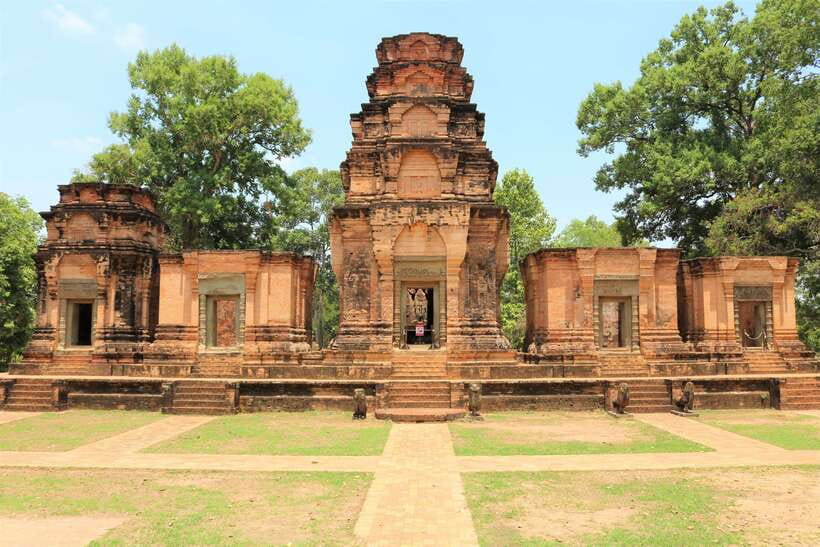
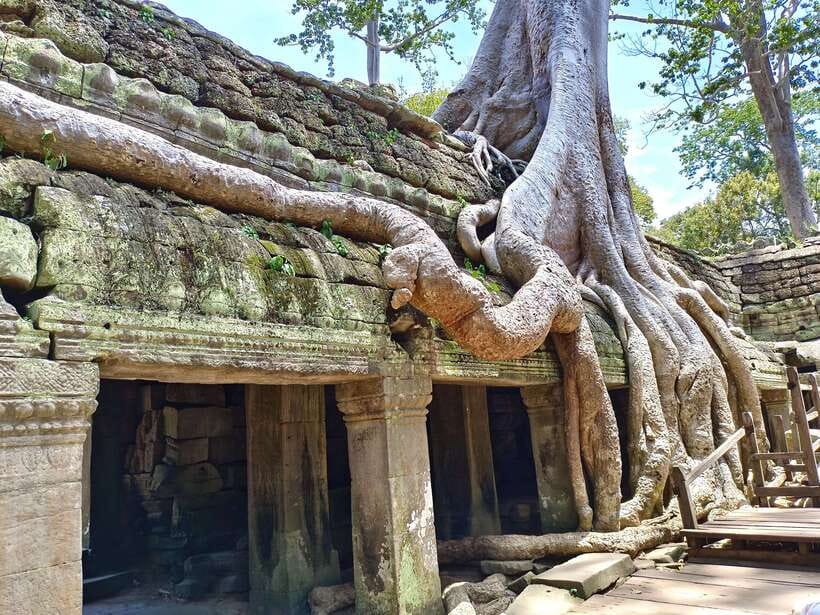
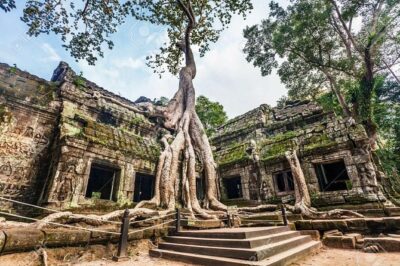
Finally, you visit Preah Khan. It’s a ruined site, but that ruin is part of the atmosphere—crumbling stone and tree roots create a tangled, almost haunting feel. If you’ve ever wondered why photographers love Angkor beyond the big “must-sees,” this is a major reason.
Day 1 ends with sunset at Bakheng mountain. The walk and climb can be tiring, but the payoff is that you’re watching temples rather than just looking at them.
A note on Angkor Thom and Bayon timing
This experience includes Angkor Thom City and Bayon temple as part of the overall program. Your guide will fit it into the flow alongside the circuit stops, depending on timing and light.
Sunrise at Angkor Wat: Edge-of-Pool Morning and a Real Inside Visit
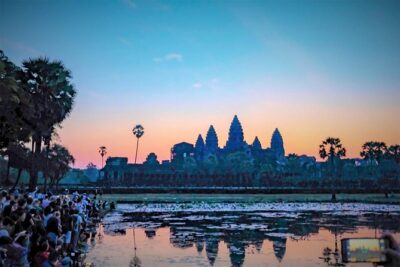
The schedule’s core magic is departure before dawn. You’re not trying to catch sunrise after the hard work of entering the ticketing lines. Instead, you’re in position early enough to enjoy the sky as it changes over the complex.
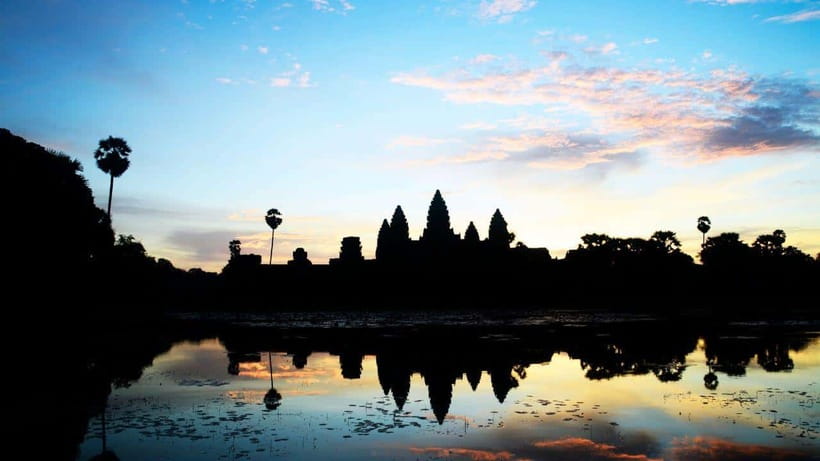
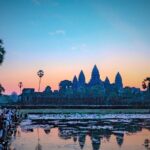
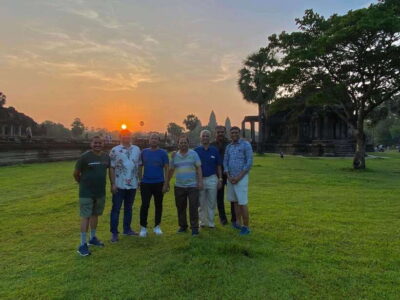
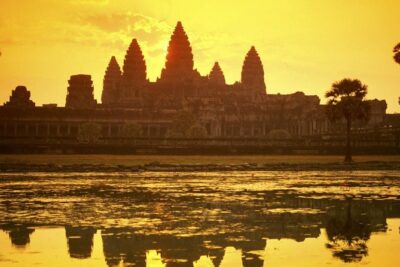
You’ll watch sunrise from the edge of an ancient library pool area, which is a clever way to frame the moment. Watching reflections shift and hearing the sounds of early morning settle around you makes the whole site feel like it’s waking up, not just opening.
Then you spend about two hours inside Angkor Wat, exploring corridors, central chambers, and upper terraces. That matters. Angkor Wat can be overwhelming if you only look outward. This time gives you a chance to slow down and follow the temple’s logic—how spaces connect, where attention is guided, and how the design affects what you notice.
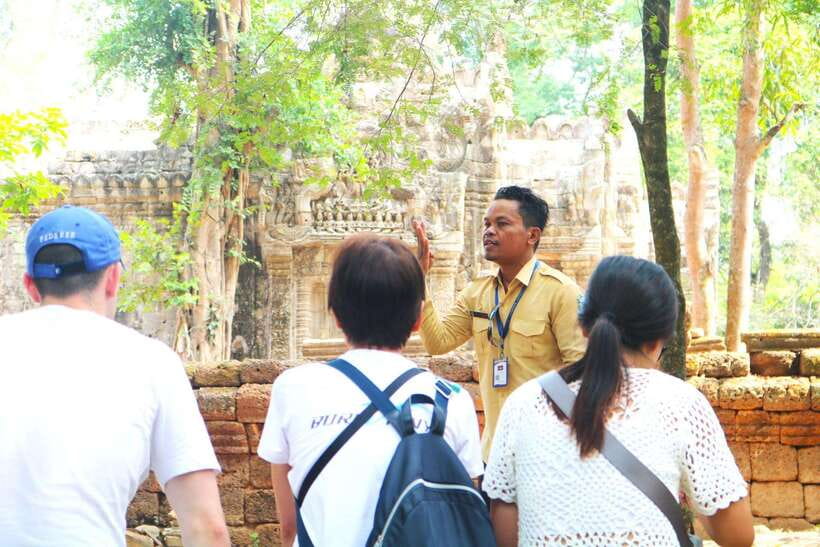
This is also where I think a good guide changes everything. Even with the same buildings, your understanding can jump from you’re-there to you-get-it. Guides tied to this experience include people like Sopheap Rath, Pal Saruon, Sokpee, Chhay, Rom, and Sam. The common thread in what people value is pacing plus explanation, so you don’t feel drowned in details.
A practical touch: you then have breakfast at a local restaurant near the temple area before the rest of the day ramps up.
Chasing the light? More dawn and dusk runs
Ta Prohm and Ta Nei: When the Day Gets Long, Follow the Mood
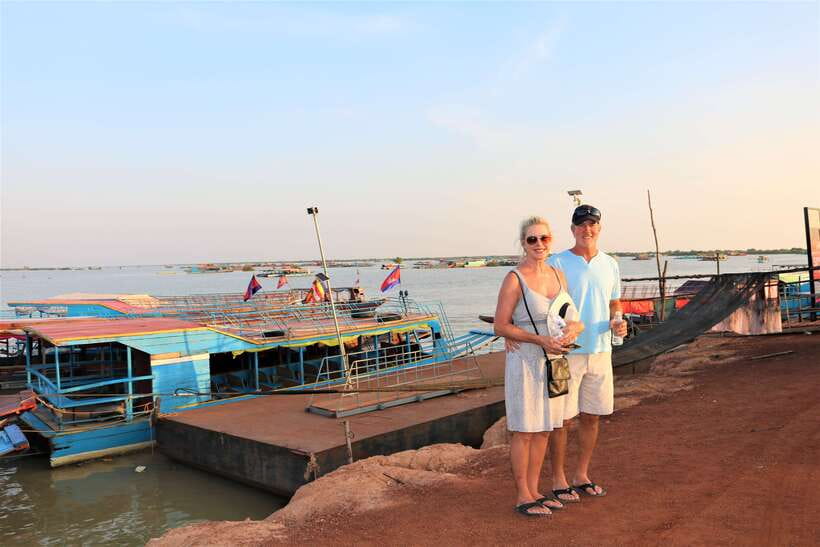
After sunrise, the pace can feel like a lot—so the choice of temples matters.
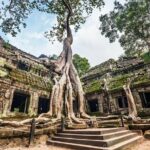
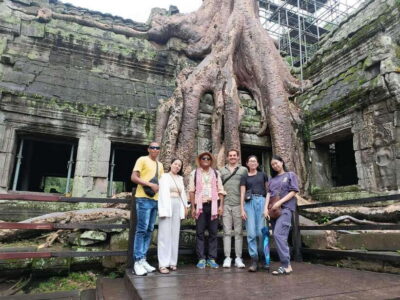
Ta Prohm is famous for a reason: it’s the “Tomb Raider temple” look that many people picture when they think of Angkor. The structure and vegetation create natural framing for the stone faces and doorways. What I like about adding this right after Angkor Wat is that Ta Prohm can feel like the story continues rather than like a separate stop.
Then you move to Ta Nei, a late 12th-century temple dedicated to the Buddha. It’s a long day, and Ta Nei helps because it’s not just the dramatic photo scenery. It’s a chance to shift your attention from big crowds and iconic poses to a more contemplative pace—stone details, symmetry, and the quiet way places can feel even when you’re surrounded.
By the time you finish these, you’ll likely be ready for the change on Day 3. That’s exactly how the program is designed.
Bayon and Angkor Thom: The City Center Perspective
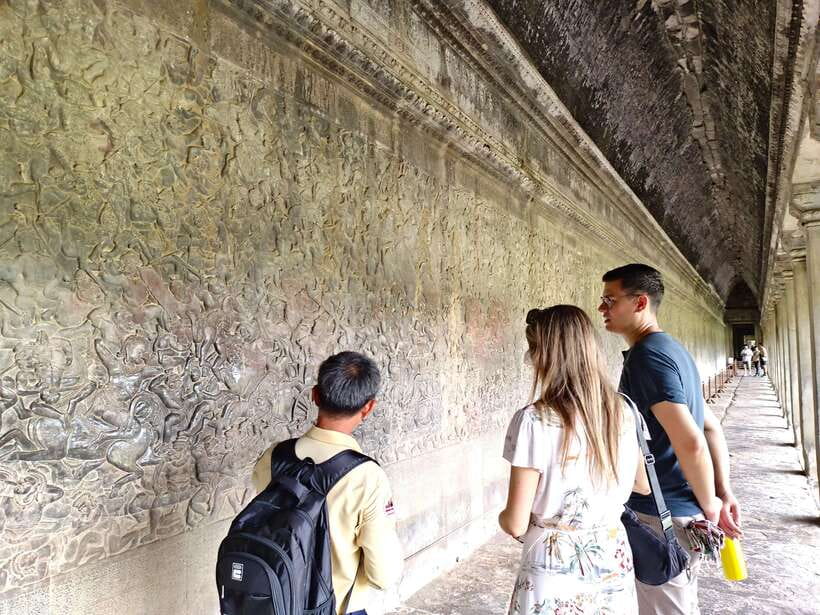
Angkor Wat is the headline. But Angkor Thom and Bayon help you understand the kingdom behind the monuments.
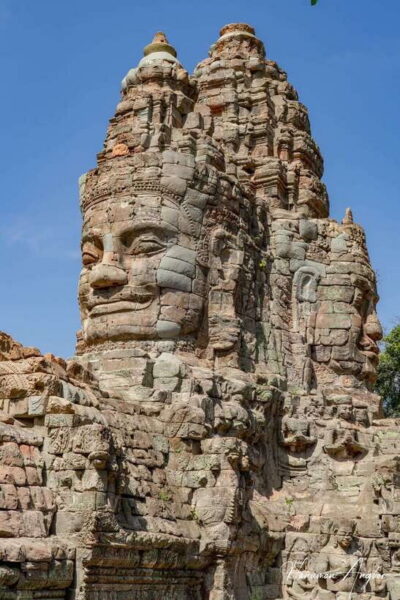
Bayon temple is known for its faces, and that makes it visually memorable from a distance. What helps is visiting as part of a planned route, so you don’t just stand and point your camera. With an English guide, you can connect what you’re seeing to the larger Khmer urban and religious world—how city planning and temple design worked together.
If you’re trying to get value from a short stay, this is where you’ll feel it. It fills in the context that pure sightseeing can miss.
Tonle Sap Lake and Kampong Phluk: Meet the Locals on a Real Floating-Season World
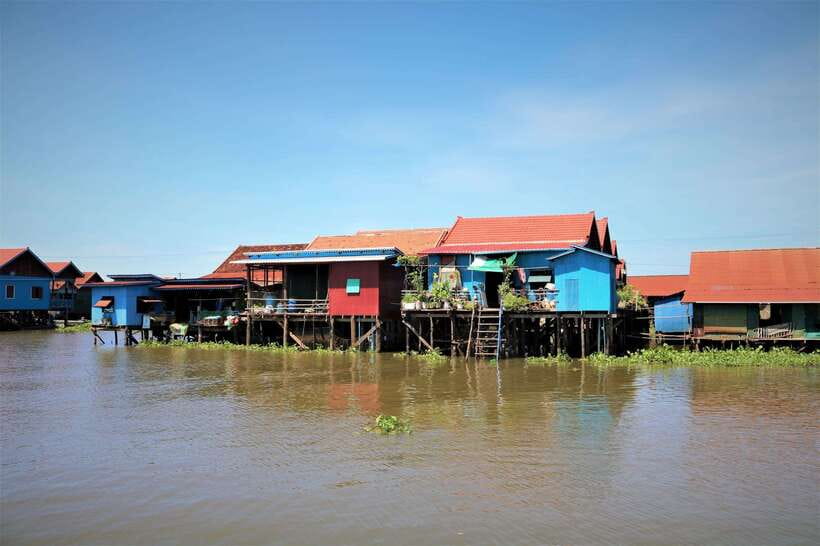
Day 3 is where the trip stops being only about stone and starts being about people.
You’re picked up from your accommodation around 8:00 AM, then you travel through the countryside to Tonle Sap Lake, the world’s second largest freshwater lake. The key detail is the seasonal change: in the dry half of the year it shrinks, and in the wetter season it swells dramatically. That shift affects where families live and how communities function.
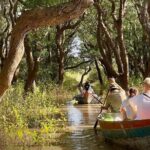
You take a boat trip to Kampong Phluk, described as a set of three small fishing villages in an atmospheric flooded forest setting. This is the part you’ll remember because it’s not about “seeing the attraction.” You’re seeing how life adapts to water.
The itinerary also includes time to meet locals in Kampong Pluk. That human element is what makes the day feel worth the drive.
Dry-season swap (March–July)
One important practical note: in the dry season (March–July), the water level can change the experience. In that case, the lake alternative is Cambodia Phare Circus (Seat C). If you’re traveling in those months, you should plan for a different kind of outing—still organized, just not lake-focused.
Lunch is at your own expense, and you’ll have a short rest afterward.
Price and Tickets: Getting Value from $69 (Plus the Temple Pass)
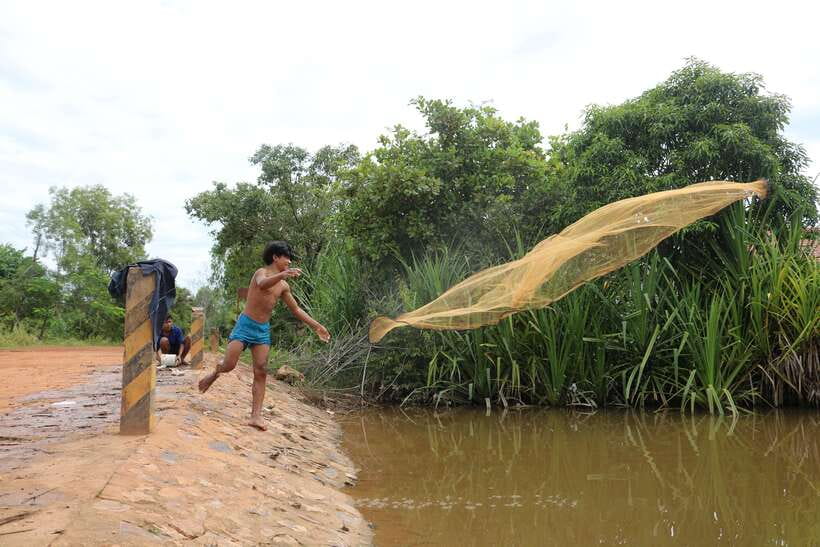
The tour price is $69 per person for 2.5 days, and you’re also getting several “day-1-to-day-3” essentials baked in:
- hotel pickup and drop-off
- an English-speaking guide
- sunrise at Angkor Wat and sunset at Bakheng
- air-conditioned vehicle
- bottled water and a cool towel
- skip-the-ticket-line support
But the big budget item is the temple entry cost. Temple entrance tickets are not included. The note says $62 per person covering all the temples over 2–3 days. So your realistic all-in number is closer to $131 per person, before meals.
Is it still good value? Usually yes, because Angkor logistics waste time. If you were trying to assemble sunrise, circuit temples, and Tonle Sap independently, you’d pay for transport anyway and you’d lose the smooth timing that helps sunrise and sunset feel special rather than stressful.
The value of the guide also matters. This tour spends time inside Angkor Wat and includes less obvious elements like Neak Pean and the Neak Pan-style circular island concept. Without context, those stops can blur together. With context, they stick.
Small-Group Comfort, Guides with Photo Sense, and Drivers Who Watch the Details
This experience is set up as small group available, which helps with attention and timing. Some bookings also describe a more private-feeling setup where the guide can answer questions and adjust options to your pace.
What the guides are praised for most is simple:
- they explain temple meaning without turning it into a lecture
- they keep the schedule moving at a human pace
- they’re good at photo framing, so you don’t waste time hunting the perfect angle
Names that came up include Sopheap Rath and Pal Saruon (for Khmer history explanations and entertaining, detailed guidance), Sokpee (for a balanced amount of information and photography skills), and Chhay (for taking time to answer questions and adjust options). Rom and Sam also show up for strong temple knowledge and scene spotting.
Then there’s the driving side, which is underrated until you’re on rough roads with an early start. Drivers named Kea, Ro, and Vichhet are singled out for careful driving and small, practical kindnesses—cold water, towels, and even extra attention when weather turns unpleasant.
If you’re someone who gets impatient in big group chaos, this part is a big reason to consider the tour.
What to Pack for Early Mornings and Temple Rules (So You Don’t Get Stuck)
Angkor days can be hot, dusty, and early. You’ll cover a lot of walking, plus sunrise and sunset timing.
Bring:
- comfortable shoes
- insect repellent
Dress rules:
- no shorts
- cover shoulders and knees for respectful temple visiting
You’re also told the tour is not wheelchair accessible, so plan accordingly if mobility is a concern.
And one more practical tip: start the tour ready for mornings. You don’t need to be a “dawn person.” You just need to be prepared to roll out early and keep moving.
Who Should Book This Angkor Wat Sunrise + Tonle Sap 2.5-Day Tour
This is a strong fit if you:
- want sunrise and sunset at major Angkor spots without turning it into a logistical puzzle
- like structured guidance that helps you understand what you’re seeing
- want one day to break away from temples and spend time on Tonle Sap with a boat outing to Kampong Phluk
- prefer a pace that isn’t a sprint, with small-group comfort
You might want to consider another style if:
- you can’t handle very early starts
- you’re traveling with strict mobility needs
- you want a fully independent itinerary with zero guide time
Should You Book This Tour?
If you want Angkor Wat sunrise done properly and you also care about Tonle Sap as more than a checkbox, I’d book it. The combination of timed light (sunrise and sunset), guided temple reading, and a real lake-side village experience is what makes the program feel balanced rather than theme-park-ish.
Just budget the extra $62 temple pass upfront, pack for early mornings and insects, and wear the right clothing so you can move quickly through temple areas. If that all checks out, this is a sensible way to get a lot of meaningful Cambodia in a short visit—without spending your time figuring out the route.
FAQ
What is the duration of this Angkor Wat sunrise and Tonle Sap tour?
It lasts 2.5 days.
What major sights are included during the 2.5 days?
You’ll do sunrise at Angkor Wat and sunset at Bakheng Temple, explore Ta Prohm, visit Angkor Thom and Bayon, see Banteay Srei (and the Grand Circuit), and go to Tonle Sap Lake for a boat trip to Kampong Phluk.
Are temple entrance tickets included in the price?
No. Temple entrance fees are not included. The note says about $62 per person covers the temples for 2–3 days.
What is the pickup time for the Tonle Sap Lake day?
Pickup is around 8:00 AM from your accommodation in Siem Reap City.
What happens in the dry season for the Tonle Sap portion?
In the dry season (March–July), an alternative is provided: Cambodia Phare Circus (Seat C) instead of the lake-based experience.
Does the tour include an English-speaking guide?
Yes, the guide is English-speaking.
Is skip-the-line entry included?
Yes, skip-the-ticket-line is included.
What should I wear and bring?
Wear comfortable walking shoes and bring insect repellent. Dress respectfully by covering your shoulders and knees; shorts are not allowed.
More Temple Circuits Around Siem Reap
- Angkor Wat Sunrise or Sunset Tour with Guide from Siem Reap
★ 5.0 · 12,109 reviews - Siem Reap: Angkor Wat: Small-Group Sunrise or Sunset Tour
★ 5.0 · 9,444 reviews - Siem Reap: Angkor Wat 2-Day Tour with Sunrise and Sunset
★ 4.9 · 4,429 reviews - Siem Reap: Full-Day Angkor Wat Guided Tour with Sunset
★ 4.9 · 3,803 reviews - Angkor Wat Sunrise tour with Small – Group and Guide tours
★ 5.0 · 3,655 reviews
Dawn and Dusk Over Angkor
- Angkor Wat Sunrise or Sunset Tour with Guide from Siem Reap
★ 5.0 · 12,109 reviews - Siem Reap: Angkor Wat: Small-Group Sunrise or Sunset Tour
★ 5.0 · 9,444 reviews - Sunset tour of Kampong Phluk stilts home village on the Tonle Sap
★ 5.0 · 4,865 reviews - Siem Reap: Angkor Wat 2-Day Tour with Sunrise and Sunset
★ 4.9 · 4,429 reviews - Siem Reap: Full-Day Angkor Wat Guided Tour with Sunset
★ 4.9 · 3,803 reviews
Angkor Wat, a Few More Ways In
- Angkor Wat Sunrise or Sunset Tour with Guide from Siem Reap
★ 5.0 · 12,109 reviews - Siem Reap: Angkor Wat: Small-Group Sunrise or Sunset Tour
★ 5.0 · 9,444 reviews - Siem Reap: Angkor Wat 2-Day Tour with Sunrise and Sunset
★ 4.9 · 4,429 reviews - Siem Reap: Full-Day Angkor Wat Guided Tour with Sunset
★ 4.9 · 3,803 reviews - Angkor Wat Sunrise tour with Small – Group and Guide tours
★ 5.0 · 3,655 reviews
Just Added: Fresh Siem Reap Tour Reviews

Angkor Wat Temple Tours, compared.
 ★ 5.0Angkor Wat Sunrise or Sunset Tour with Guide from Siem ReapFrom $1812,109 reviews
 ★ 5.0Angkor Wat: Small-Group Sunrise or Sunset TourFrom $159,444 reviews
 ★ 4.9Angkor Wat 2-Day Tour with Sunrise and SunsetFrom $344,429 reviews
 ★ 4.9Full-Day Angkor Wat Guided Tour with SunsetFrom $153,803 reviews
 ★ 5.0Angkor Wat Sunrise tour with Small – Group and Guide toursFrom $143,655 reviews
 ★ 5.0Angkor Wat Highlights and Sunrise Guided Tour from Siem ReapFrom $233,213 reviews
 ★ 5.0Angkor Wat Sunset Small Group Tour with Lunch IncludedFrom $203,059 reviews
 ★ 5.0Full-Day Angkor Wat Sunrise Private Tour with Guide from Siem ReapFrom $602,920 reviews
Browse the lists this tour appears in