
Reviewed · ANGKOR WAT TEMPLE TOURS
Angkor Wat Sunrise and Tonle Sap Lake 1.5 Days
If waking up before dawn sounds rough, the temples make it worth it. This Angkor Wat sunrise tour gets you in early enough to experience the site in darkness, including an entry from the eastern side that many visitors don’t see. The second big draw is the guide—people often rave about guides like Mr Sokpee for turning stone-and-ruins into clear stories about Khmer culture.
I also like how the pacing is designed for limited time. You knock out the core sights around Angkor with guided stops by the gates, Bayon, and major terraces, then you shift gears to everyday life around Tonle Sap the next day with a boat cruise included. One practical caution: the headline price does not include the temple pass, which you pay on the day, and the early start means you’ll want sleep before you commit.
In This Review
- Key things to know (so this feels easy)
- Angkor Wat sunrise from the eastern side (and why the timing is the whole game)
- Angkor Thom: South Gate first, then Bayon and the big-city scale
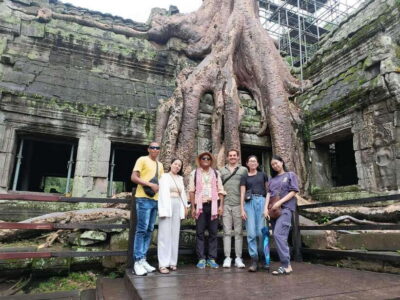
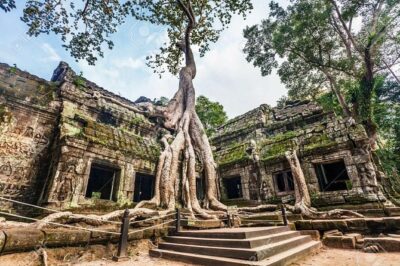
- Ta Prohm: the atmospheric ruin that still feels alive
- Day 2 at Tonle Sap: Kampong Phluk and the “lake that moves”
- Rolous Market: the quick cultural pause that’s worth the time
- Price and value: $59 sounds good, but plan for the temple pass
- Comfort and logistics: how to survive the 4:20 am start
- The guide factor: how Mr Sokpee-style storytelling improves your photos
- Who this tour suits best (and who might want a different plan)
- Should you book this Angkor Wat sunrise and Tonle Sap tour?
- FAQ
- Is the temple pass included in the tour price?
- What time does the tour start?
- Does the tour include hotel pickup and drop-off?
- Are meals included?
- Is Tonle Sap entrance and the boat cruise included?
- What is the dress code for the temple portion?
- How many people are in the group?
Key things to know (so this feels easy)
- Pre-dawn hotel pickup: plan for a start around 4:10 to 4:30 am, with a meeting time listed at 4:20 am.
- Angkor Wat in the dark: you enter the temple before sunrise, including via the lesser-seen eastern side.
- Small group size: capped at a maximum of 10 travelers, which helps the day feel organized.
- Temple pass extra cost: you pay USD 37 per person directly at the sites (not included in the tour price).
- Tonle Sap rhythm: the lake changes size through the wet and dry seasons, and Kampong Phluk lets you see how people live with that reality.
Other ways to walk the great temple
- Angkor Wat Sunrise or Sunset Tour with Guide from Siem Reap★ 5.0 · 12,109 reviews
- Siem Reap: Angkor Wat: Small-Group Sunrise or Sunset Tour★ 5.0 · 9,444 reviews
- Siem Reap: Angkor Wat 2-Day Tour with Sunrise and Sunset★ 4.9 · 4,429 reviews
- Siem Reap: Full-Day Angkor Wat Guided Tour with Sunset★ 4.9 · 3,803 reviews
Angkor Wat sunrise from the eastern side (and why the timing is the whole game)
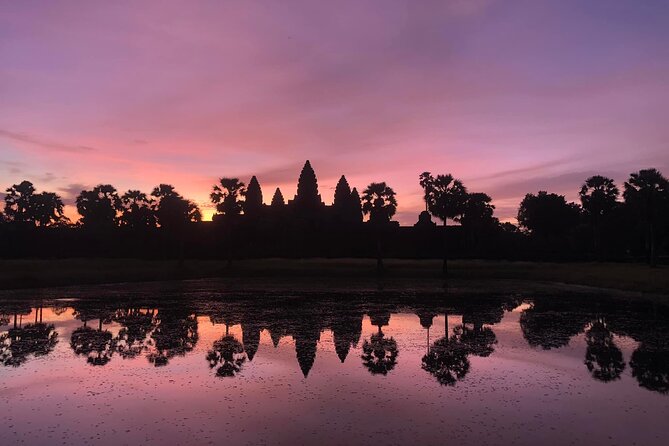
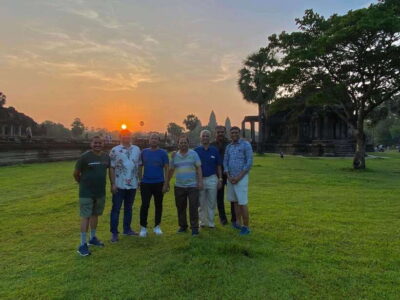
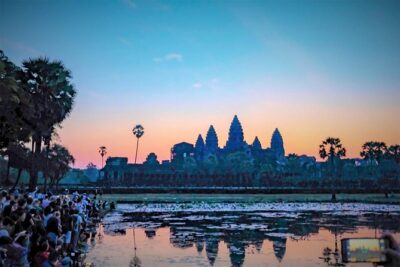
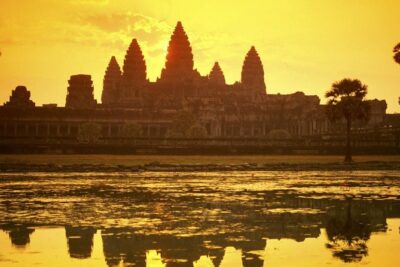
The most compelling part of this tour is the way it treats sunrise as a real experience, not a quick photo stop. You leave your hotel in the dark (typically 4:10–4:30 am depending on the season), so you arrive when the temple is still waking up and the light is just starting to change. Then you enter Angkor Wat in darkness from the eastern side, which feels different from the usual daytime approach.
Angkor Wat is easy to look at and hard to fully understand without context. That’s where the guide matters. Guides in this program focus on what you’re seeing—how the temple is laid out, what the major areas meant, and how Khmer culture connects to the buildings. A standout theme from this tour’s feedback is that the guide’s explanations go beyond facts and help you connect the temples to daily life and beliefs.
One more thing I appreciate: sunrise tours can turn into a stampede. Here, you’re moving through multiple stops across the complex, which makes the morning feel like a route you follow, not a single-ticket sprint. You still have to be ready for a long day, but you’re not just sitting around waiting for light.
Angkor Thom: South Gate first, then Bayon and the big-city scale
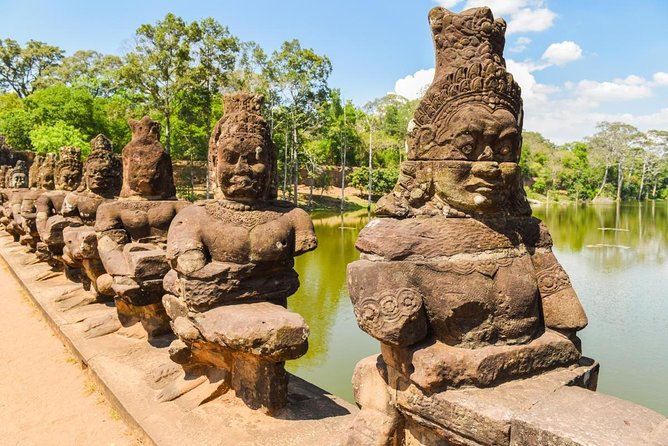
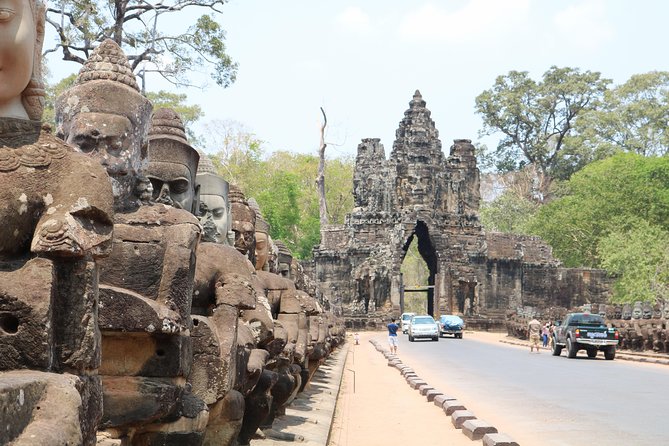
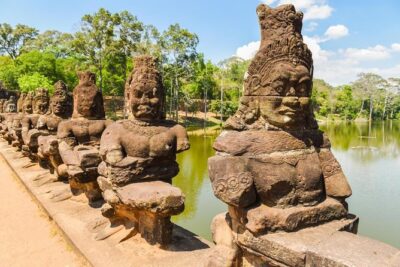
After the sunrise portion, the tour shifts to Angkor Thom, the walled city at the heart of the Khmer Empire’s power. You start with the South Gate, a dramatic entry point that sets the scale right away. The gate is grand, but what lands best is how it frames your next walk into a world of once-active streets and monumental design.
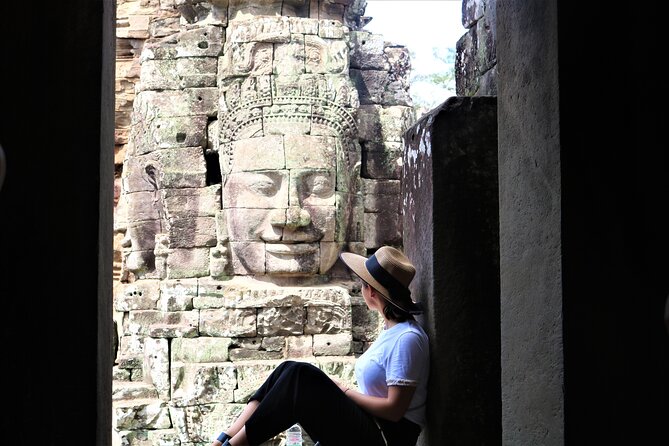
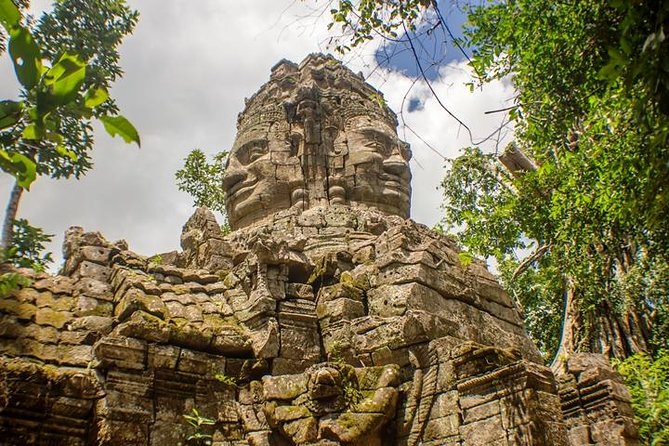
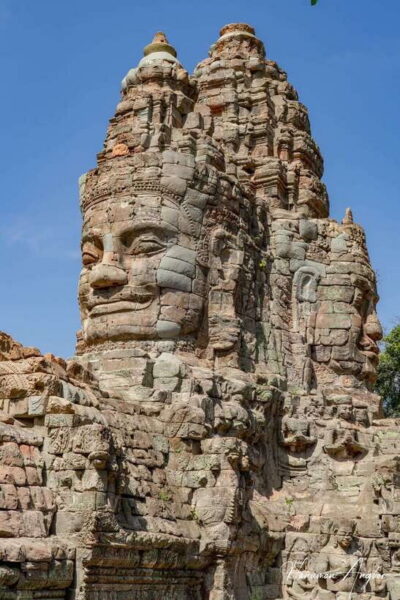
From there, you head deeper into Angkor Thom to the Bayon area. This is where those famous face towers come into view, and they do something photos can’t quite capture: they make the temple feel like it’s watching you. The visit includes time to appreciate the setting and to understand how Bayon fits into the city’s layout and political symbolism.
Then comes the heavy-hitting trio that most first-time visitors want: the major terraces and the iconic temple ruins. You pass the Terrace of the Leper King and the Terrace of the Elephants, getting a guided sense of what each location communicates. Even if you don’t have a background in Khmer art, you’ll likely leave with a clearer map in your head: what’s ceremonial, what’s monumental, and what’s built for processions and visibility.
A practical note: this day is a lot of walking and standing. Comfortable shoes are a must, and plan for moments where you’re in full sun between stops. The tour provides transport in an air-conditioned vehicle, but once you’re out of the vehicle, your best comfort comes from your own gear.
Ta Prohm: the atmospheric ruin that still feels alive
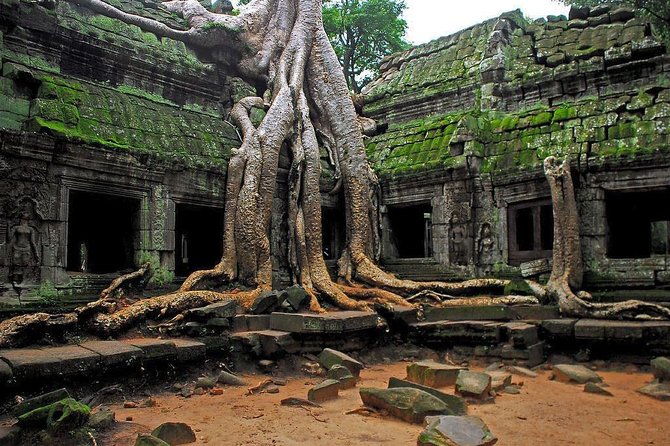
Ta Prohm is the temple stop people tend to remember for atmosphere. You get about an hour here, and it’s enough time to wander without turning it into a rush job. The setting is special because it carries that “French explorer rediscovered it in the 1850s” vibe you see in the way the ruins were left exposed and re-grown by the jungle.
The tour includes background that helps you notice details, like how the temple’s structures are arranged and how the ruin’s survival shaped what you can see today. When a guide explains what the place is, the time goes faster—and you’ll probably take fewer aimless photos because you’re looking for specific elements.
If you’re traveling with someone who just wants to see the big-name sites, Ta Prohm is a great payoff. If you’re the type who likes structure and meaning, it’s also a strong stop because the temple’s story is easier to follow once someone frames it for you.
Day 2 at Tonle Sap: Kampong Phluk and the “lake that moves”
On day two, the tour trades stone monuments for life on water. The morning starts with hotel pickup, then a short stop at Rolous Market. It’s a quick taste of local rhythm—enough time to move through the area and grab photos without turning it into a long detour.
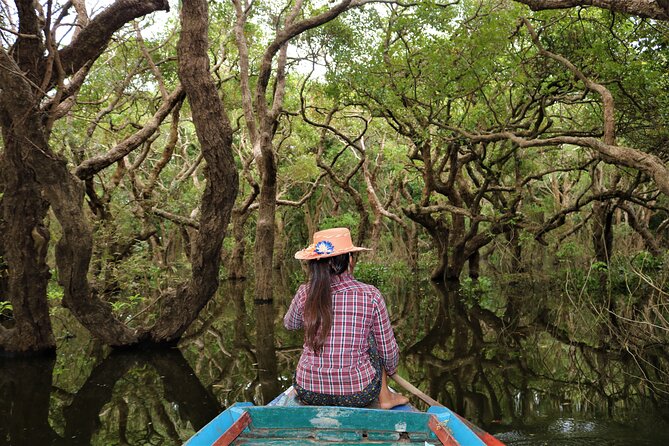
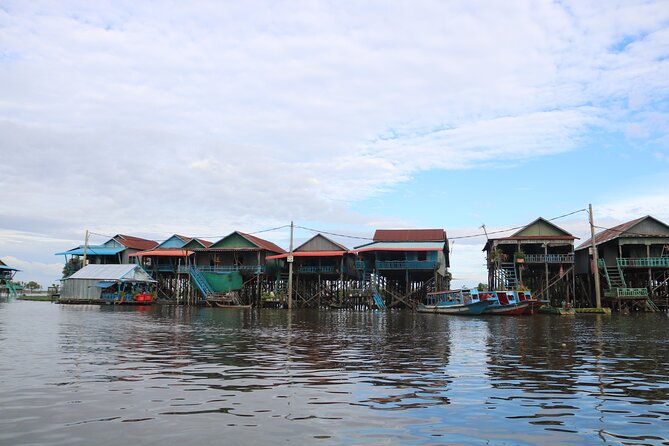
Then you head out toward Kampong Phluk, a floating village area on Tonle Sap Lake. What makes Tonle Sap a must-see (even if you’ve been to other “water places” elsewhere) is that the lake’s shape changes dramatically through the seasons. In the wet season, it expands to around 12,000 km², then shrinks down to roughly 2,500 km² in the dry half of the year. That means daily life isn’t just adapted once—it shifts with the calendar.
Your Kampong Phluk portion includes about three hours on the ground and the boat cruise plus the Tonle Sap entrance fee (both included). This is where you stop thinking of Tonle Sap as a background and start seeing it as the main character. Houses, community layout, and movement patterns make more sense once you experience the floating-village setting up close.
One key value of this day: it balances the “monuments only” feeling that can happen in Siem Reap. After a full day around Angkor, it’s a relief to be in a different kind of environment—still fascinating, but less about ruins and more about real people living with a changing ecosystem.
Chasing the light? More dawn and dusk runs


Rolous Market: the quick cultural pause that’s worth the time
The Rolous Market stop is brief (around 20 minutes), but it works as a reset. You’re already awake and traveling, so you don’t need a long museum-style break. You need something human-scale: a place where you can see everyday activity and understand that Khmer culture isn’t only built into temples.
It’s also a good moment for photos because you’re moving through an active area. If you want souvenirs, you may find simple items here, but the bigger point is atmosphere—color, daily routines, and a chance to step out of the tourist bubble before you reach the lakeside portion.
Price and value: $59 sounds good, but plan for the temple pass
Here’s the honest math. The tour price is listed at $59 per person, but the temple pass is not included. You pay USD 37 per person directly on the day. That puts your “known total” at about $96 per person, not counting meals.
So is it good value? For many people, yes, because the tour bundles the heavy costs and time traps together:
- A licensed English-speaking guide
- Air-conditioned transport
- Hotel pickup and drop-off
- Tonle Sap entrance fee plus a boat cruise
- Mineral water
What you’re paying for is not just transportation—it’s the structure of two days that would be difficult (and tiring) to piece together on your own, especially with sunrise timing. Also, the program is capped at 10 travelers, so you’re not stuck in a huge bus crowd all day.
The one thing that can surprise you is the temple pass timing. Since it’s paid on the day, bring cash or whatever payment method the site accepts, and plan for it early so it doesn’t slow you down.
Comfort and logistics: how to survive the 4:20 am start
This tour is the type where one bad planning choice can ruin your morning. The best trick is simple: treat the 4:10–4:30 am departure as a real event. Set a backup alarm, keep your water accessible, and don’t plan to do late-night errands.
You’ll also want to be prepared for the temple dress code: cover your knees and shoulders. That rule matters because you’re moving between multiple temple areas on day one, and you don’t want to be stuck adjusting clothes at the gate. A light layer can double as sun protection later.
For walking, the tour is built around temple visits and a couple of longer stops. Comfortable walking shoes are strongly recommended, and I’d agree—there’s enough standing and uneven ground that sturdy soles feel like a life choice, not a fashion choice.
Transport helps between stops. The vehicle is air-conditioned, and pickup/drop-off is included, which saves time and makes the day feel smoother than DIY.
The guide factor: how Mr Sokpee-style storytelling improves your photos
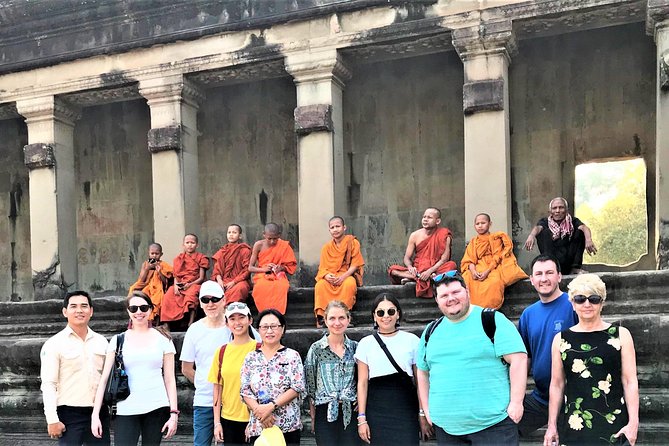
The strongest praise pattern here is the guide. The feedback highlights that guides like Mr Sokpee explain temples and Cambodian culture in a way that makes the ruins easier to read. That matters because many visitors struggle with Angkor at first: they see beauty, but the meaning can feel blurry.
When your guide provides context—what you’re looking at, why it matters, and how it connects to wider culture—you spend less time guessing and more time observing. Even if you’re not an “art history person,” you’ll likely notice the small things that make these places feel intentional: alignment, movement, and the way terraces frame views and gatherings.
A small group size (up to 10 travelers) also supports this. It’s easier for a guide to keep an eye on the group and offer explanations without turning the day into a constant lecture over traffic noise.
Who this tour suits best (and who might want a different plan)
This is a great fit if you:
- Want two days of highlights without the stress of figuring out logistics
- Enjoy a guide-led route and prefer learning along the way
- Want sunrise at Angkor Wat and then a change of scenery with Tonle Sap
It may be less ideal if you:
- Hate very early mornings and long walking days
- Want fully independent pacing (this is a structured route)
- Don’t want to handle extra payments on the day (temple pass is required)
Kids: the tour notes that children must be accompanied by an adult, and children younger than 5 years old are not allowed. If you’re traveling with small kids, this early schedule could also be tough.
Should you book this Angkor Wat sunrise and Tonle Sap tour?
If you’re aiming for maximum Siem Reap value in limited time, I’d say this tour is a smart pick. You get sunrise at Angkor Wat with early entry, then you follow through with the major Angkor Thom and Ta Prohm stops. Day two keeps things grounded with Tonle Sap life at Kampong Phluk, plus the boat cruise and entrance costs covered.
The main reason to pause is the combination of early departure plus the extra temple pass fee. If you can handle an early start and you’re ready to pay USD 37 on the day, the overall value stacks up well—especially with a guide who helps the temples feel understandable, not just impressive.
FAQ
Is the temple pass included in the tour price?
No. The temple pass is not included and you pay USD 37 per person directly on the day of your activity.
What time does the tour start?
The meeting time is listed as 4:20 am, with pre-dawn departure around 4:10 to 4:30 am depending on the season.
Does the tour include hotel pickup and drop-off?
Yes. Hotel pickup and drop-off are included.
Are meals included?
Meals are not included. You’ll need to eat on your own choice.
Is Tonle Sap entrance and the boat cruise included?
Yes. Tonle Sap entrance fee and the boat cruise are included.
What is the dress code for the temple portion?
You need to cover your knees and shoulders for the temples tour.
How many people are in the group?
The tour has a maximum of 10 travelers.
More Temple Circuits Around Siem Reap
- Angkor Wat Sunrise or Sunset Tour with Guide from Siem Reap
★ 5.0 · 12,109 reviews - Siem Reap: Angkor Wat: Small-Group Sunrise or Sunset Tour
★ 5.0 · 9,444 reviews - Siem Reap: Angkor Wat 2-Day Tour with Sunrise and Sunset
★ 4.9 · 4,429 reviews - Siem Reap: Full-Day Angkor Wat Guided Tour with Sunset
★ 4.9 · 3,803 reviews - Angkor Wat Sunrise tour with Small – Group and Guide tours
★ 5.0 · 3,655 reviews
Dawn and Dusk Over Angkor
- Angkor Wat Sunrise or Sunset Tour with Guide from Siem Reap
★ 5.0 · 12,109 reviews - Siem Reap: Angkor Wat: Small-Group Sunrise or Sunset Tour
★ 5.0 · 9,444 reviews - Sunset tour of Kampong Phluk stilts home village on the Tonle Sap
★ 5.0 · 4,865 reviews - Siem Reap: Angkor Wat 2-Day Tour with Sunrise and Sunset
★ 4.9 · 4,429 reviews - Siem Reap: Full-Day Angkor Wat Guided Tour with Sunset
★ 4.9 · 3,803 reviews
Angkor Wat, a Few More Ways In
- Angkor Wat Sunrise or Sunset Tour with Guide from Siem Reap
★ 5.0 · 12,109 reviews - Siem Reap: Angkor Wat: Small-Group Sunrise or Sunset Tour
★ 5.0 · 9,444 reviews - Siem Reap: Angkor Wat 2-Day Tour with Sunrise and Sunset
★ 4.9 · 4,429 reviews - Siem Reap: Full-Day Angkor Wat Guided Tour with Sunset
★ 4.9 · 3,803 reviews - Angkor Wat Sunrise tour with Small – Group and Guide tours
★ 5.0 · 3,655 reviews
Just Added: Fresh Siem Reap Tour Reviews

Angkor Wat Temple Tours, compared.
 ★ 5.0Angkor Wat Sunrise or Sunset Tour with Guide from Siem ReapFrom $1812,109 reviews
 ★ 5.0Angkor Wat: Small-Group Sunrise or Sunset TourFrom $159,444 reviews
 ★ 4.9Angkor Wat 2-Day Tour with Sunrise and SunsetFrom $344,429 reviews
 ★ 4.9Full-Day Angkor Wat Guided Tour with SunsetFrom $153,803 reviews
 ★ 5.0Angkor Wat Sunrise tour with Small – Group and Guide toursFrom $143,655 reviews
 ★ 5.0Angkor Wat Highlights and Sunrise Guided Tour from Siem ReapFrom $233,213 reviews
 ★ 5.0Angkor Wat Sunset Small Group Tour with Lunch IncludedFrom $203,059 reviews
 ★ 5.0Full-Day Angkor Wat Sunrise Private Tour with Guide from Siem ReapFrom $602,920 reviews
Browse the lists this tour appears in