
Reviewed · SIEM REAP COUNTRYSIDE & VILLAGE TOURS
Back to Basics: Village Life Tour from Siem Reap
Real village life beats any postcard. I love the insider perspective you get from a guide who grew up in the area, and I also love how the day doesn’t stop at sightseeing—it includes a school visit where you can talk with teachers and students. Add in the hands-on feel of village work like weaving, making baskets, and learning how daily needs get met, and you get a tour that feels grounded, not staged.
One possible consideration: you’re stepping into everyday routines, so comfort comes second to real life—expect simpler surroundings, a bit of walking, and a tone that’s more respectful than showy.
In This Review
- Key highlights worth your attention
- From Your Hotel to the Countryside by Tuk Tuk (and Air-Conditioned Relief)
- Meeting Hong: The Insider Guide Who Makes the Village Click
- Village Work Up Close: Firewood, Water, Weaving, and Rice Wine
- The Clean-Water and Livelihood Lesson Hidden in Everyday Tasks
- Craft Know-How: Silk, Palm Leaf Materials, and What Gets Turned Into Goods
- Cooking Over Coals and the Mountain/Wood-Fire Flavor Moment
- School Visit and the Pergola Temple Stop (Where Respect Counts)
- Lunch by the Water, Hammock Time, and How to Eat Like Locals
- Price and Logistics: Does $68 Actually Feel Like Value?
- Who This Tour Suits Best (and Who Might Find It Too Simple)
- Final Call: Should You Book Back to Basics Village Life?
- FAQ
- How long is the Back to Basics: Village Life Tour from Siem Reap?
- How much does the tour cost?
- What’s included with the tour?
- Do you get hotel pickup?
- Is the tour wheelchair accessible?
- Are there discounts for children?
- What is the cancellation policy?
- Can I reserve and pay later?
Key highlights worth your attention
- Local guide born here (like Hong): you’re not hearing a script; you’re getting lived-in context.
- School visit with real interaction: you may bring supplies and help kids practice songs together.
- Crafts you can actually see being made: baskets and hats, plus explanations about how materials get turned into products.
- Food and drink moments with culture built in: palm juice tasting, cooking over coals, and lunch served in a hammock by the water.
- Clean-water and sustainability themes: you’ll hear how big issues filter down to small daily choices.
Past the rice fields, more village days
- From Siem Reap: Kampong Phluk Floating Village Tour by Boat★ 4.9 · 6,979 reviews
- Kampong Phluk Floating Village Tour by Boat★ 5.0 · 1,020 reviews
- Siem Reap Countryside Bike Tour / E-Bike or Tuk Tuk★ 5.0 · 935 reviews
- Siem Reap: Tonle Sap, Kampong Phluk & Floating Village Tour★ 4.4 · 397 reviews
From Your Hotel to the Countryside by Tuk Tuk (and Air-Conditioned Relief)
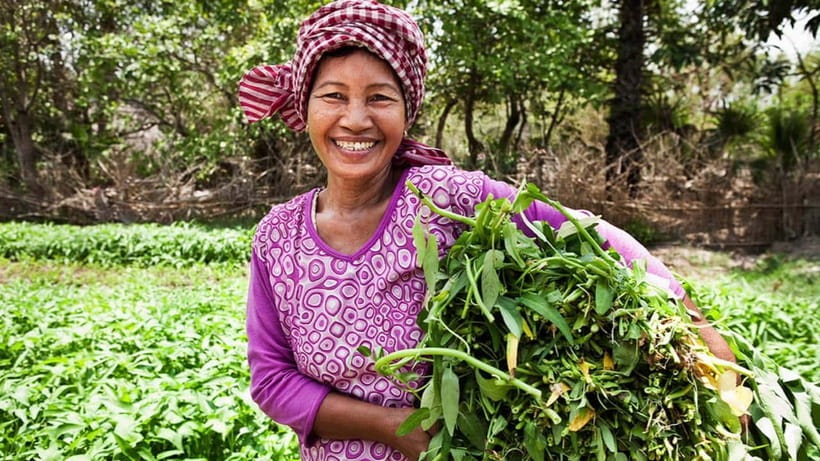
This tour runs 4 hours, and it starts the easy way: pickup from your hotel or guest house in Siem Reap by tuk tuk or car/mini van. Once you’re in motion, the ride keeps things comfortable with air-conditioned transport, plus cold towels when you need a reset.
That mix matters. You get countryside access without turning your day into a marathon, which is ideal if you’re also juggling temple time in Siem Reap. And because the schedule is short, you can fit it between busier days without feeling like you’re losing a whole day to logistics.
Meeting Hong: The Insider Guide Who Makes the Village Click
The biggest difference on this tour is the guide. Your English-speaking leader grew up in the area, so explanations come from memory instead of slides. In one recent group, the guide was Hong, with driver Tong handling the ride and smooth support along the way.
When a guide is from the village, small details suddenly make sense. You’re more likely to understand why people do things a certain way—like how families work together, why certain skills get passed down, and how daily tasks connect to clean water, jobs, and long-term stability. If you’ve ever felt like other tours only show you pretty scenes, this is built to feel different.
Village Work Up Close: Firewood, Water, Weaving, and Rice Wine
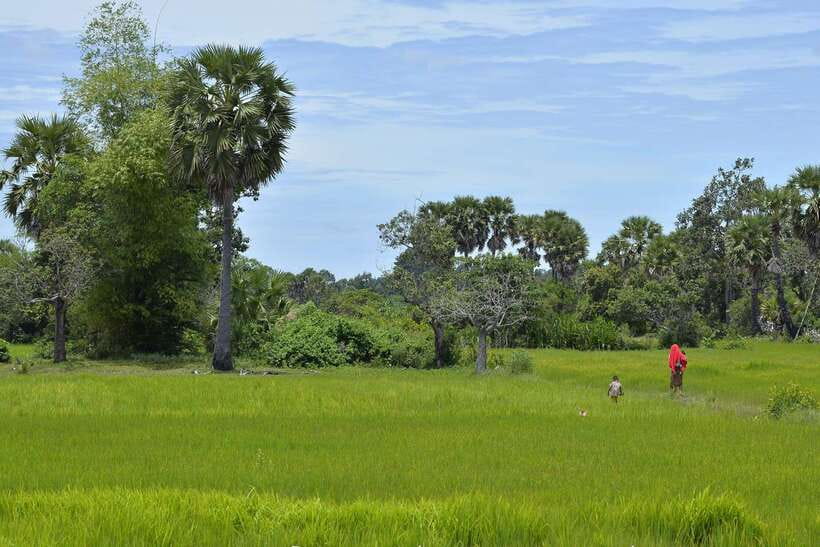
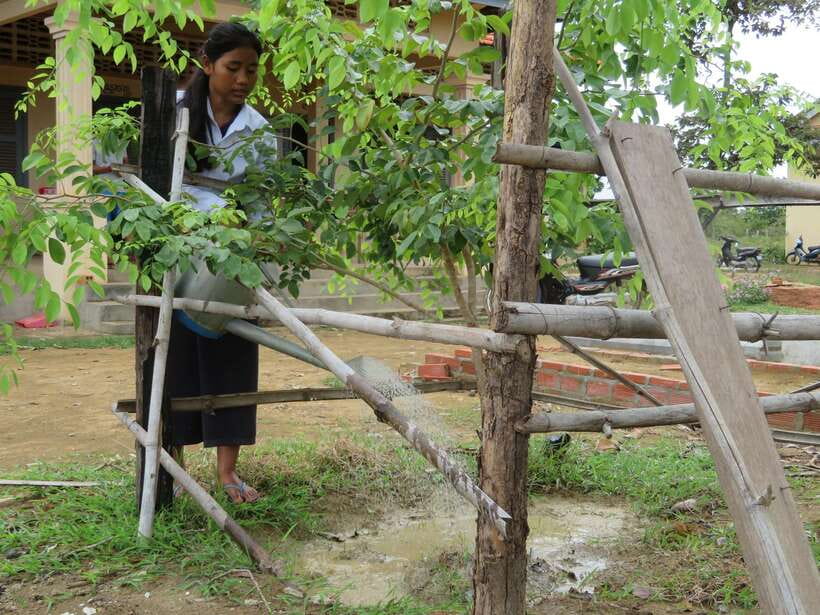
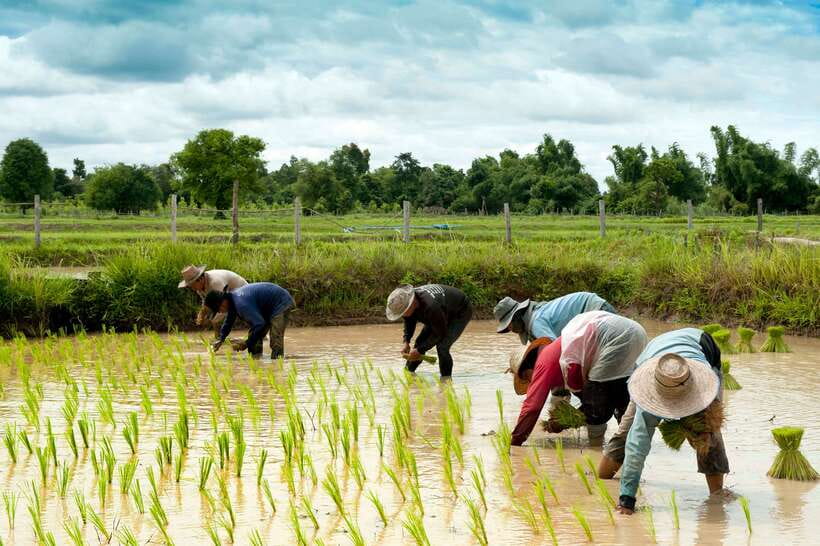
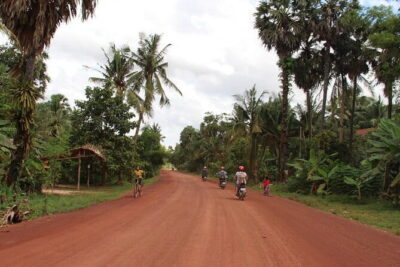
Walking into the village, you’re greeted like a visitor, but the focus stays on daily life. You can expect to see families doing real work—gathering firewood, pumping water, weaving, and making baskets. This isn’t about watching a demo. It’s about seeing how routine supports a community.
You’ll also get chances to ask questions while you move through the area. In one group experience, visitors watched hats and baskets being made and followed the locals in everyday food habits like eating with your hands. If you’re curious, this is the kind of tour where “just asking one question” turns into a whole new understanding of a day’s rhythm.
Rice wine also comes up in the experience. Even if you’ve never seen it made, the value isn’t the product alone. It’s the idea that local traditions keep functioning in the face of changing markets, changing demands, and pressure from modernization.
The Clean-Water and Livelihood Lesson Hidden in Everyday Tasks
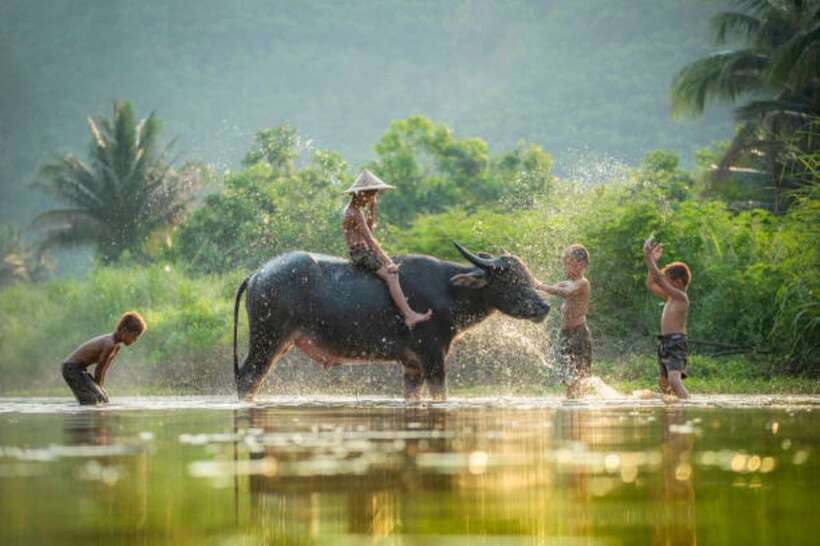
This is where the tour goes from cultural sightseeing into something more useful. You’ll learn how big global issues show up even in isolated villages, especially around clean water and employment. The walk-through format helps this land, because you see the needs first—then you hear how the community tries to meet them.
For you, that means you leave with more than photos. You come away thinking differently about what “development” means in places where people rely on daily systems for water, work, and education. It’s also a reminder that progress isn’t only about buildings; it’s about access, training, and long-term choices.
One practical tip: come ready to listen. The best conversations tend to happen when you treat the guide like a translator between two realities—the visitor world and the village world—rather than like a source of fast facts.


Craft Know-How: Silk, Palm Leaf Materials, and What Gets Turned Into Goods
Several craft and materials topics show up during the visit. One highlight is silk—starting from the silkworm stage (often described as the journey from cocoon or larva to thread) and continuing through making garments. If you like process-based culture—how something is built step-by-step—this part is satisfying because it explains the chain.
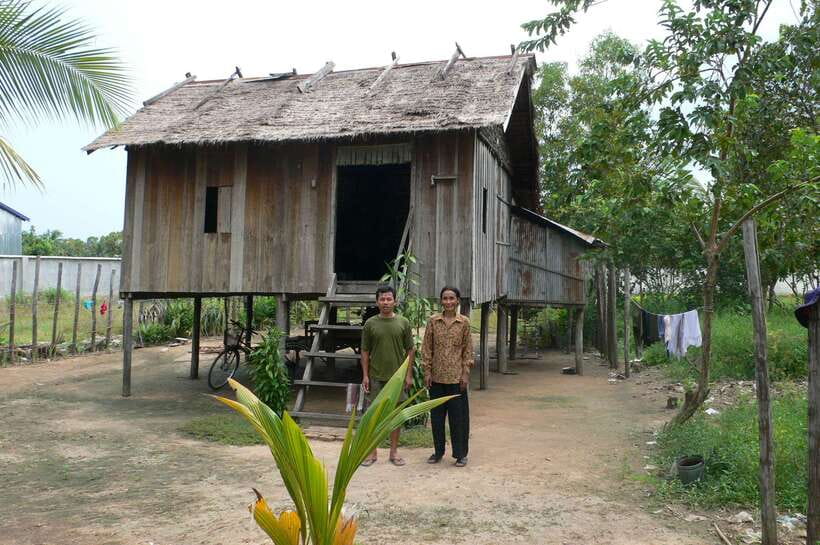
Palm leaf also appears in the practical building side of village life. You might hear how palm leaves function as construction materials for small village structures. You might also get a taste moment with palm juice, which gives you a sensory anchor for the day’s theme: local resources becoming everyday solutions.
And yes, the craft component includes hands-on viewing of basket and hat making. Those skills are easy to admire from a distance, but the tour context helps you see them as livelihood skills, not just souvenirs.
Cooking Over Coals and the Mountain/Wood-Fire Flavor Moment
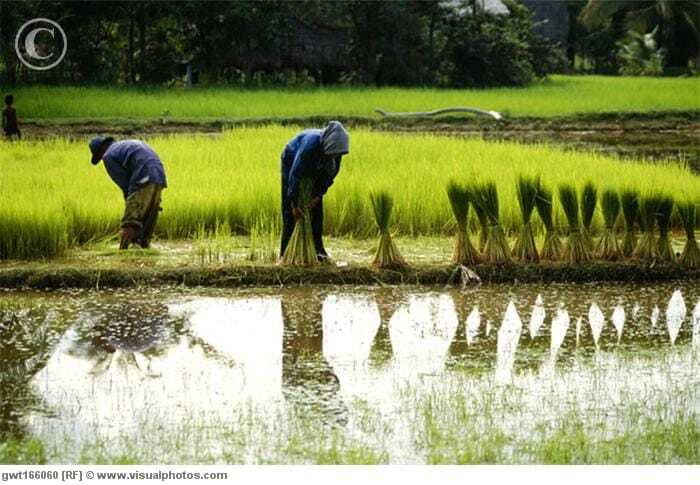
Food is part of the story here, not just a reward. In one recent experience, the group went up toward a hillside/mountain area where people were making food over coals. That detail matters because it shows a side of cooking that’s slower, more local, and tied to available resources.
You also get lunch in a way that’s hard to fake. The meal is served with drinks, and one group described eating in a hammock overlooking water. That kind of setting changes the whole feel of lunch: it becomes a pause where you can digest what you just saw.
What you’ll eat can include local dishes like chicken and rice with sauces such as pepper and tamarind. If you’re used to predictable tourist buffets, this meal stands out because it’s tied to the community’s kitchen logic—simple, direct, and meant for real people who work during the day.
School Visit and the Pergola Temple Stop (Where Respect Counts)
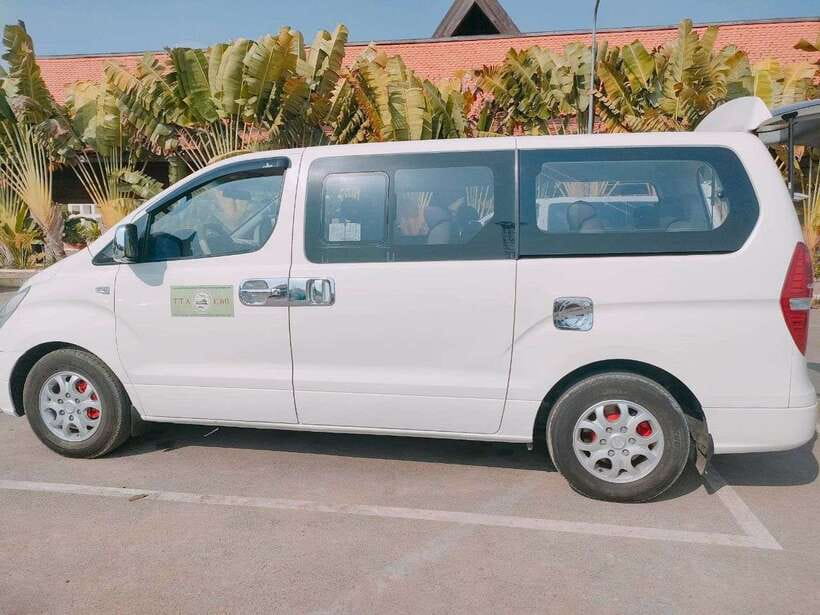
A key part of the tour is the school. You’re not just passing by a building. You have the chance to meet and speak with teachers and students, and some groups bring supplies and treats. One experience included kids singing together with visitors, which is exactly the kind of moment where the tour feels human and worth the effort.
That said, you should go with the right mindset. A school visit is sensitive. You’ll get the best experience by keeping attention on the people you’re meeting, listening to what’s offered, and letting your guide handle the pace.
The day also includes a stop at the village Buddhist temple, referred to as the Pergola. This gives balance to the school and work stops. It’s not just crafts and chores—it adds a place for reflection, community gatherings, and local spirituality. Even if you don’t know Khmer religious customs, the visit helps you understand that village life is built around shared spaces, not just individual routines.
Lunch by the Water, Hammock Time, and How to Eat Like Locals
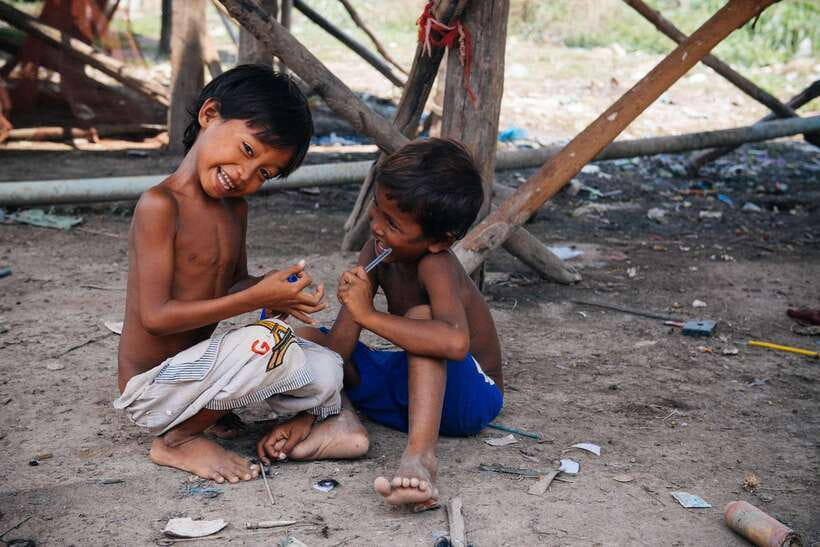
Lunch is included, along with drinks and cold towels, so you’re not stuck trying to find food afterward. One group described lunch with a hammock viewpoint near water, and that’s a big deal after walking through the village work areas.
You may also be invited to eat with your hands, based on local custom. It’s not about a performance. It’s about participating in the everyday social pattern of meals. If you want to try, do it slowly at first. Your guide will usually cue what’s appropriate.
The menu described in recent experiences included chicken and rice with sauces (like pepper and tamarind). Another group mentioned tasting palm juice too. Whether you’re a picky eater or adventurous, you should find something familiar enough, but still local enough to feel like a real meal—not just a calorie stop.
Price and Logistics: Does $68 Actually Feel Like Value?
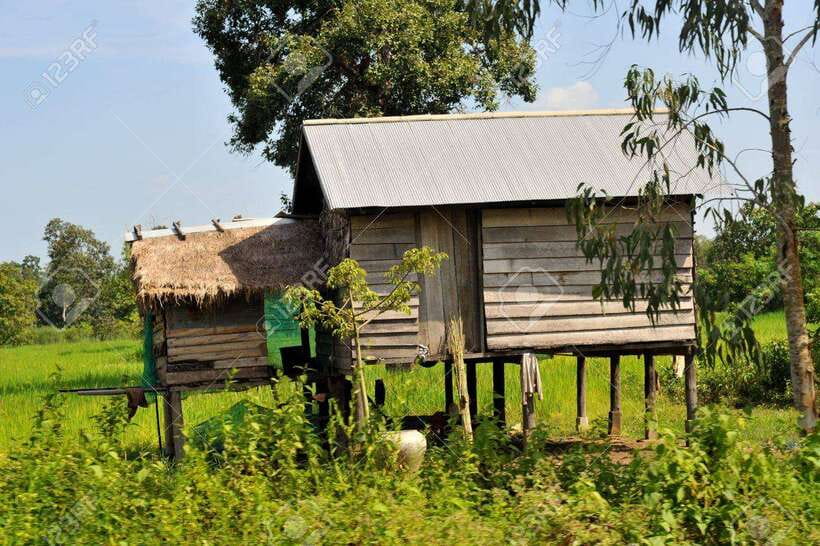
At $68 per person for 4 hours, you might wonder if it’s too much—or just right. Here’s the value logic: you’re paying for more than transport. The fee includes an English-speaking guide, air-conditioned transport with pickup, lunch and drinks, and cold towels.
More importantly, you’re paying for access that’s harder to DIY safely. Getting to villages, arranging meaningful conversations, and visiting a school and temple in a way that’s culturally sensitive takes local coordination. This tour is essentially buying you time with someone who knows what to show and how to explain it.
If you’re a solo traveler, the price is still straightforward and inclusive. If you’re traveling with family, the discounts help: children 12 or under are half price, and kids 5 or under are free.
Also, the group experience can be small, which is a real value factor if you hate feeling rushed or lost in a crowd. The short duration keeps the schedule tight, and that’s good when you want meaningful contact without sacrificing your whole day.
Who This Tour Suits Best (and Who Might Find It Too Simple)
This tour fits well if you like people-first travel. If you enjoy asking questions, learning how everyday needs get met, and seeing skills like weaving, basket making, and silk production as livelihood systems, you’ll probably find it satisfying.
It’s also a good fit if you want something more grounded than temple-only days. The combination of village work, school interaction, and temple context gives you a fuller picture of community life around Siem Reap.
If you only want polished attractions and zero walking, you might find the setting less comfortable than other “easy day trips.” This is village life, so it’s not designed to feel like a resort. Think of it as a respectful window into daily work, not a staged show.
And if you’re bringing kids, it can be meaningful. School interaction tends to create a memory that lasts longer than another photo at a landmark.
Final Call: Should You Book Back to Basics Village Life?
If you want a Siem Reap day that feels like a real connection—helped by an insider guide—you should book it. The strengths are clear: village crafts and daily tasks, a school visit with teacher and student interaction, and a food-and-water lunch moment that makes the day feel calm instead of rushed.
Skip it only if you need high-comfort, low-context sightseeing. This tour gives context, and that requires a small shift in mindset: slow down, listen, and let the day teach you what daily life actually looks like.
If that sounds good, this one is a strong choice for your time near Siem Reap.
FAQ
How long is the Back to Basics: Village Life Tour from Siem Reap?
The tour lasts 4 hours.
How much does the tour cost?
The price is $68 per person.
What’s included with the tour?
It includes an English-speaking guide, air-conditioned transport, lunch and drinks, and cold towels.
Do you get hotel pickup?
Yes. Pickup is included, with transport arranged from your hotel or guest house in Siem Reap using tuk tuk, car, or mini van.
Is the tour wheelchair accessible?
Yes, the tour is wheelchair accessible.
Are there discounts for children?
Yes. Children 12 or under are half price, and children 5 or under are free.
What is the cancellation policy?
You can cancel up to 24 hours in advance for a full refund.
Can I reserve and pay later?
Yes. You can reserve now and pay later.
More Siem Reap Tours to Compare
- Angkor Wat Sunrise or Sunset Tour with Guide from Siem Reap
★ 5.0 · 12,109 reviews - Siem Reap: Angkor Wat: Small-Group Sunrise or Sunset Tour
★ 5.0 · 9,444 reviews - From Siem Reap: Kampong Phluk Floating Village Tour by Boat
★ 4.9 · 6,979 reviews - Sunset tour of Kampong Phluk stilts home village on the Tonle Sap
★ 5.0 · 4,865 reviews - Siem Reap: Angkor Wat 2-Day Tour with Sunrise and Sunset
★ 4.9 · 4,429 reviews
More Tour Reviews in Siem Reap
- Angkor Wat Sunrise or Sunset Tour with Guide from Siem Reap
★ 5.0 · 12,109 reviews - Siem Reap: Angkor Wat: Small-Group Sunrise or Sunset Tour
★ 5.0 · 9,444 reviews - From Siem Reap: Kampong Phluk Floating Village Tour by Boat
★ 4.9 · 6,979 reviews - Sunset tour of Kampong Phluk stilts home village on the Tonle Sap
★ 5.0 · 4,865 reviews - Siem Reap: Angkor Wat 2-Day Tour with Sunrise and Sunset
★ 4.9 · 4,429 reviews
Through the Siem Reap Countryside
- From Siem Reap: Kampong Phluk Floating Village Tour by Boat
★ 4.9 · 6,979 reviews - Kampong Phluk Floating Village Tour by Boat
★ 5.0 · 1,020 reviews - Siem Reap Countryside Bike Tour / E-Bike or Tuk Tuk
★ 5.0 · 935 reviews - Siem Reap: Tonle Sap, Kampong Phluk & Floating Village Tour
★ 4.4 · 397 reviews - Siem Reap Countryside Quad Biking Tour
★ 5.0 · 322 reviews
Just Added: Fresh Siem Reap Tour Reviews

Siem Reap Countryside & Village Tours, compared.
 ★ 4.9From Siem Reap: Kampong Phluk Floating Village Tour by BoatFrom $206,979 reviews
 ★ 5.0Kampong Phluk Floating Village Tour by BoatFrom $201,020 reviews
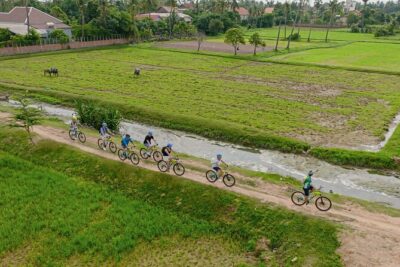 ★ 5.0Siem Reap Countryside Bike Tour / E-Bike or Tuk TukFrom $35935 reviews
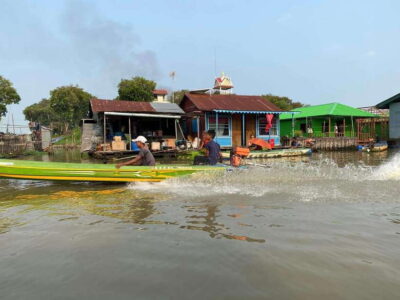 ★ 4.4Tonle Sap, Kampong Phluk & Floating Village TourFrom $17397 reviews
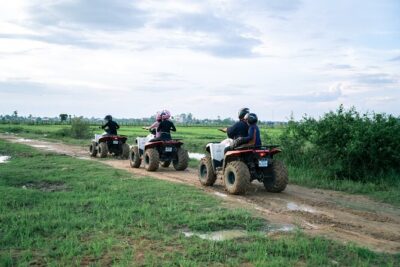 ★ 5.0Siem Reap Countryside Quad Biking TourFrom $45322 reviews
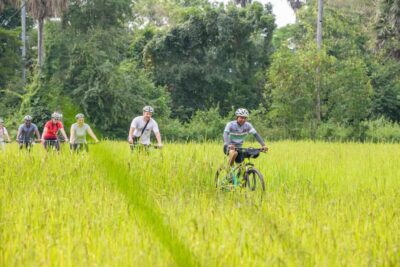 ★ 4.9Guided Countryside Bike TourFrom $35294 reviews
 ★ 4.7Siem Reap Lotus Silk Farm Discovery tour & Lake experienceFrom $20291 reviews
 ★ 4.7Siem Reap Quad Bike Countryside TourFrom $33283 reviews
Browse the lists this tour appears in