
A good elephant day should feel calm, not staged. This half-day Cambodia Elephants experience is all about gentle, rescued elephants in a real sanctuary setting, with hands-on feeding, plus optional muddy play and river washing. I especially like the way the staff talk through how the elephants live and why the sanctuary exists, and I like that you get actual interaction time, not a rushed photo line.
One thing to plan for: you’ll likely get wet and muddy if you join the bathing and mud activities, and the ride to the sanctuary can be a bit bumpy. If you’re not into muddy shoes, bring a plan.
In This Review
- Quick hits you’ll care about
- A Calm Sanctuary Day Near Siem Reap
- Getting to Cambodia Elephants: Pickup and Road Time
- Your Site Intro: How the Sanctuary Works (and Why It Matters)
- Stop 2 in Action: Cows for Cambodia Farm and the Elephant Routine
- Making and Feeding Treats: Rice, Banana Balls, and Fresh Fruit
- Mud Bath and River Washing: The Fun (and the Mess)
- What Makes the Experience Ethical (and Comfortable) for Most People
- Timing and Group Size: Why You Won’t Feel Rushed
- Price and Value: Is $99 Worth It?
- Who This Tour Fits Best (and Who Might Want to Skip It)
- Final Verdict: Should You Book Cambodia Elephants Half Day?
- FAQ
- How long is the Cambodia Elephants half-day experience?
- Where does pickup happen?
- What is included in the price?
- Do I need to buy a separate ticket for the elephant sanctuary?
- Is this experience limited to a small group?
- Is there an opportunity to swim or do a mud bath?
- What should I bring for the water and mud parts?
- Do you get a guide during the sanctuary portion?
- What happens if the weather is bad?
- What if I need to cancel?
Quick hits you’ll care about
- Small group size (up to 15 people), which helps your time feel more personal
- Hands-on feeding including making rice and banana treats before you meet the elephants
- Elephants choose their pace; you’re there to support and care, not force tricks
- Mud bath and river washing are optional but they’re the most memorable parts for many people
- English-speaking guide on site, with clear safety instructions (often named Ann in the guides you’ll hear about)
Time with the elephants, other visits
- From Siem Reap: Elephant Sanctuary Experience with Transfers★ 4.9 · 282 reviews
- Kulen Elephant Forest Tour with Hotel Pick-up & Drop off★ 4.9 · 148 reviews
- Kulen Elephant Forest & Kampong Phluk by Private Tour★ 5.0 · 79 reviews
- Siem Reap: Elephants & Apopo Rat Demining Private Trip★ 4.6 · 46 reviews
A Calm Sanctuary Day Near Siem Reap
This is the kind of tour that changes your mood fast. You start the day with a hotel pickup, then you head out to the sanctuary where the tone is quiet and respectful. The best part is how the interaction feels like you’re learning the elephants’ routine instead of trying to control it.
At the sanctuary, you spend time with rescue elephants that are cared for in retirement. You’ll see how the caretakers manage feeding, handling, and water time in a way that’s focused on welfare. Even the playful moments feel guided, with safety rules that make you confident instead of nervous.
I also like that the experience isn’t just about standing near animals. You get to do real activities—making food, feeding by hand, and helping with scrubbing and washing. That’s why this tour tends to be a highlight for families and for people who care about animal welfare.
Getting to Cambodia Elephants: Pickup and Road Time
Your day typically starts in Siem Reap, with pickup from your hotel and a transfer out to the sanctuary area. The drive time is roughly an hour, give or take, and it’s not always on perfectly smooth roads.
A practical note: one review mentioned the vehicle felt older and not equipped with seat belts. That’s not something you can fully predict, but it’s a good reminder to sit steady, hold on in curves, and keep expectations flexible. If you’re sensitive to bumpy rides, it helps to dress comfortably and be ready for a somewhat jolty transfer.
Once you arrive, you’re not thrown into chaos. The staff bring you in with an introduction and instructions so you know what’s coming next.
Your Site Intro: How the Sanctuary Works (and Why It Matters)
Before you get hands-on, you get an intro session—usually around 25–30 minutes—where the guide explains the sanctuary mission and elephant life in Cambodia. This is where the visit becomes more meaningful, because you learn what you’re supporting with your time and money.
You’ll also hear what to expect during your interaction. That includes how the elephants are cared for, why they’re there, and how the staff manage safety during feeding and water activities. The goal is that you feel informed and calm before you step into the elephants’ space.
In at least one guide example, a guide named Ann is described as giving very clear explanations in excellent English and talking through safety in a way that doesn’t feel strict. That’s the right vibe—rules delivered with confidence, not fear.
Stop 2 in Action: Cows for Cambodia Farm and the Elephant Routine
This sanctuary experience centers on the Cambodia Elephants site, where you’ll spend the majority of your time. You’re not looking at a zoo setup. The elephants are in an environment designed for them, and you’ll notice the difference in how the day unfolds.
Many visitors say the elephants roam free and aren’t pushed into behaviors. You’ll see personalities show up in real time—one elephant might be more curious, another more cautious, and another just wants to do its own thing.
The sanctuary team gives you a structured path through the day, but it still leaves room for the elephants’ choices. That balance is a big reason people leave feeling like they had a genuine moment, not a scripted show.




Making and Feeding Treats: Rice, Banana Balls, and Fresh Fruit
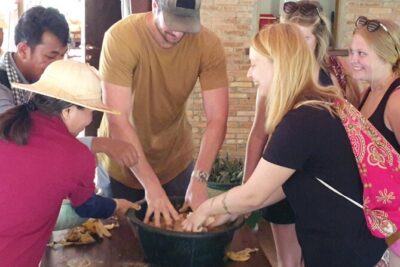
Now for the part most people remember: food prep and feeding. You’ll make treats for the elephants, including rice and banana-based items (many reviews specifically mention rice and banana balls). It’s a hands-on, practical activity—sticky ingredients, mixing, shaping—and it helps you understand that feeding isn’t just tossing something over the fence.
Then you feed the elephants by hand. It’s close. You’re within arm’s length range, and you’ll likely feel the “wow” factor immediately. Reviews describe getting to stroke and interact gently, and also getting to notice different personalities among the elephants at the site.
You’ll also have fresh fruit snacks as part of the experience, plus coffee and/or tea. It sounds basic, but it matters when you’re out in the field. You’re there long enough that a drink and a small snack keep you comfortable for the full sequence.
Elephant names show up in the stories people tell—Poom Poom, Gigi, Homie, and Boom-boom—so you may hear staff using names as they describe each elephant’s habits.
Mud Bath and River Washing: The Fun (and the Mess)
If you want the real memory-maker moments, this is where you’ll spend your energy. After feeding, you head toward mud areas and water time. The big idea: the elephants choose whether to play and interact in the mud and river, and you’re there to help with washing and scrubbing.
A common highlight is joining the mud activity and then moving into the river to rinse and clean. Reviews mention bathing, scrubbing them, and splashing in the water. If you do this, plan like you’re signing up for a water day, not a quick nature stop.
Bring (or at least be ready to buy) the right gear:
- A swimsuit or clothes that can get wet
- A clean towel
- A change of dry clothes for the ride back
- Water shoes or sandals meant to handle mud
One review even recommends wearing water shoes and, if you’re shopping for them, leaving them behind at the sanctuary to avoid muddy shoe drama later. That’s honestly good advice.
In green season or rainy conditions, mud is expected. One review specifically calls out that if you show up expecting dry ground, you might miss the best part.
What Makes the Experience Ethical (and Comfortable) for Most People
This tour gets praise for a simple reason: it aims for humane interaction. You’ll see signs that the staff genuinely focus on care, not entertainment. Multiple reviews emphasize that the elephants are treated respectfully and not forced to do anything they don’t want to.
You also get clear instructions so you know how to behave around the elephants. That’s key for comfort. The interaction isn’t chaotic or careless; it’s supervised with safety steps and guidance.
Another comfort factor: some reviews mention facilities like a changing area and even showers, plus the possibility of being given crocs to protect your shoes from mud. Not every visit is identical, but if those items are available when you go, it’s a huge quality-of-life upgrade.
Still, remember this is a sanctuary environment. You’ll be near large animals and in wet terrain. Your job is to follow staff directions and let the elephants set the pace.
Timing and Group Size: Why You Won’t Feel Rushed
The overall experience runs about 4 to 5 hours. That’s long enough to feel like a real day activity, but short enough that you can still enjoy the rest of Siem Reap afterward.
Group size is capped at 15 travelers, and the smaller numbers make a difference. You tend to get more time at the elephants and more space for questions. Some reviews mention morning sessions with particularly small groups, and people loved how unhurried it felt.
The sequence also helps: you get a briefing, then food prep and feeding, then mud and water washing. The day doesn’t jump randomly between tasks, so you always know what’s next.
Price and Value: Is $99 Worth It?
At $99 per person, this isn’t the cheapest thing you can do in Siem Reap. But it also isn’t a generic attraction where you pay for a bus and a photo.
You’re paying for a real half-day interaction with sanctuary care, including:
- Hotel pickup and drop-off
- Entrance tickets as listed for the sanctuary portion
- An English-speaking guide on site
- Snacks like fresh fruit, plus coffee and/or tea
- The practical time needed for feeding and washing
For many people, the value comes from the hands-on parts and the fact that you’re supporting rescued elephants that live out their lives in care. The experience also tends to feel worth it because you’re not rushed through a checklist—you get a chance to see routines and personalities.
If you care about animal welfare and want more than a look-from-a-distance tour, this price starts to make sense fast.
Who This Tour Fits Best (and Who Might Want to Skip It)
This experience fits best if you want a close-up, active day. It’s great for:
- Families who want an educational, interactive animal day
- People who care about ethical treatment and sanctuary work
- Anyone who likes hands-on activities like food prep, feeding, and washing
It might be a rough fit if you hate getting wet, hate mud, or don’t like being outside in rain conditions. Even if swimming and mud play are optional, the river washing aspect can still be messy depending on what happens while you’re there. The best plan is to treat it as a water activity and pack accordingly.
Also, if you’re very worried about bumpy rides, bring that up mentally before pickup. The road conditions have been noted.
Final Verdict: Should You Book Cambodia Elephants Half Day?
I think you should book if you want a sanctuary visit that’s hands-on, calm, and guided. The strongest reason to go is the combination of real interaction (feeding, scrubbing, water time) with a strong welfare tone—elephants that roam and aren’t forced into performance.
I’d hesitate only if you’re unwilling to get muddy or you can’t manage wet-change logistics. If you show up prepared with a swimsuit, towel, and dry clothes, the experience tends to land as a true highlight.
If your goal is a meaningful elephant day in Siem Reap that feels humane and practical—not rushed or staged—this is one of the best ways to do it.
FAQ
How long is the Cambodia Elephants half-day experience?
It runs about 4 to 5 hours.
Where does pickup happen?
Pickup is offered from your hotel in Siem Reap. You need to provide your hotel name at booking.
What is included in the price?
Hotel pickup and drop-off, listed entrance tickets, an English-speaking guide at the sanctuary, seasonal fresh fruit snacks, and coffee and/or tea.
Do I need to buy a separate ticket for the elephant sanctuary?
No. The included entrance tickets are part of what you pay for in the tour.
Is this experience limited to a small group?
Yes. The maximum group size is 15 travelers.
Is there an opportunity to swim or do a mud bath?
Yes. There is an opportunity to go in the water and participate in a mud bath area. You should expect to get wet if you join.
What should I bring for the water and mud parts?
Bring a change of clothes, a towel (a clean one if possible), and swimwear if you want to join the washing/bathing. Water shoes are strongly helpful.
Do you get a guide during the sanctuary portion?
Yes. You’ll have an English-speaking tour guide at the elephant sanctuary site.
What happens if the weather is bad?
This experience requires good weather. If it’s canceled due to poor weather, you’ll be offered a different date or a full refund.
What if I need to cancel?
Free cancellation is available if you cancel up to 24 hours in advance for a full refund.
More Tour Reviews in Siem Reap
- Angkor Wat Sunrise or Sunset Tour with Guide from Siem Reap
★ 5.0 · 12,109 reviews - Siem Reap: Angkor Wat: Small-Group Sunrise or Sunset Tour
★ 5.0 · 9,444 reviews - From Siem Reap: Kampong Phluk Floating Village Tour by Boat
★ 4.9 · 6,979 reviews - Sunset tour of Kampong Phluk stilts home village on the Tonle Sap
★ 5.0 · 4,865 reviews - Siem Reap: Angkor Wat 2-Day Tour with Sunrise and Sunset
★ 4.9 · 4,429 reviews
Time With the Elephants
- From Siem Reap: Elephant Sanctuary Experience with Transfers
★ 4.9 · 282 reviews - Kulen Elephant Forest Tour with Hotel Pick-up & Drop off
★ 4.9 · 148 reviews - Kulen Elephant Forest & Kampong Phluk by Private Tour
★ 5.0 · 79 reviews - Siem Reap: Elephants & Apopo Rat Demining Private Trip
★ 4.6 · 46 reviews - Siem Reap: Kulen Elephant Forest Guided Tour
★ 5.0 · 43 reviews
Just Added: Fresh Siem Reap Tour Reviews


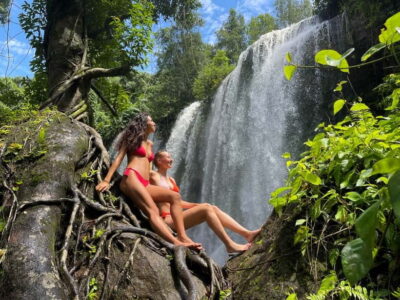
Elephant Sanctuary Visits, compared.
 ★ 4.9From Siem Reap: Elephant Sanctuary Experience with TransfersFrom $69282 reviews
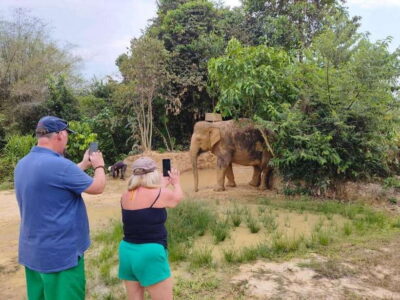
 ★ 4.9Kulen Elephant Forest Tour with Hotel Pick-up & Drop offFrom $139148 reviews
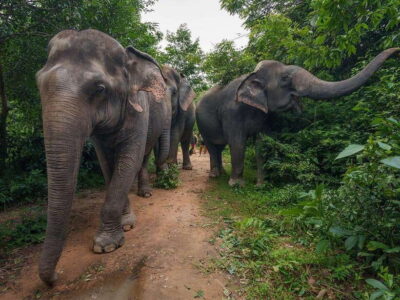
 ★ 5.0Kulen Elephant Forest & Kampong Phluk by Private TourFrom $21579 reviews
 ★ 4.6Elephants & Apopo Rat Demining Private TripFrom $1546 reviews
 ★ 5.0Kulen Elephant Forest Guided TourFrom $12843 reviews
 ★ 4.8Kulen Elephant Forest & Tonlesap LakeFrom $21733 reviews
 ★ 5.0Wildlife Expedition: Elephant Sanctuary, Kbal Spean Banteay SreiFrom $6432 reviews
 ★ 4.7Elephant Sanctuary Included Hotel Pickup Drop-offFrom $12830 reviews
Browse the lists this tour appears in