
Reviewed · SIEM REAP COUNTRYSIDE & VILLAGE TOURS
Day in a Life Authentic Village Experience in Siem Reap
A real village day beats museum time. This 7-hour experience in Siem Reap sends you about 16 km out to working farming families, where your schedule can shift because you’re not visiting a staged set—ceremonies and village life come first. You’ll help with seasonal tasks, repair work, and farm activities alongside a host family, then eat a fresh Khmer lunch that’s made for you nearby.
What I love most is how practical it all feels: you’re not just watching; you’re doing small pieces of real work, whether that’s rice planting/harvesting or weaving palm leaf thatch for roof repairs. I also like the responsible tourism angle—your participation is tied to income support for a Type 1 poor host family through HUSK Cambodia.
One consideration: this is a living community, so things can change. Activities depend on the time of year, family needs, and what’s happening that day—plus you’ll want sturdy shoes and clothes that can handle dirt.
In This Review
- Key things to know before you go
- A real village day, not a staged set in Siem Reap
- The 8:00 am pickup and the 16 km drive that sets the tone
- Your host family day: rice work, thatch repairs, and village tasks
- Rice planting, transplanting, or harvesting
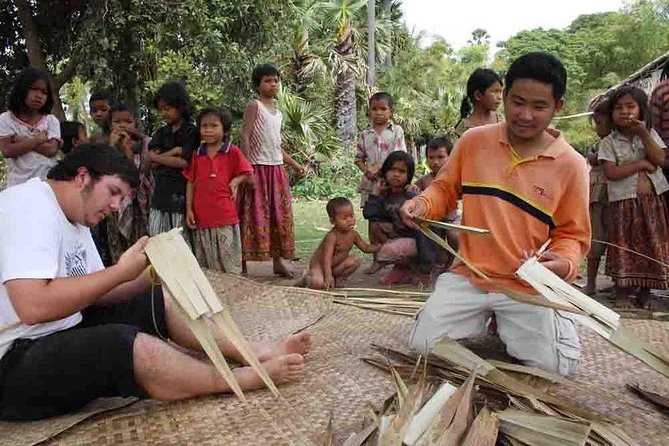
- Palm leaf stitching and roof repair weaving
- Vegetables, tree planting, and making prahoc or rice wine
- A fruit tree for your host family
- The pagoda, school visits, and how village customs shape the day
- Ox cart ride: slow transport with real context
- Khmer hot lunch in the village: what to expect and what not to expect
- The responsible tourism part: support for HUSK Cambodia and why it’s handled carefully
- Dress code and practical tips so you stay comfortable
- Price and value: why this costs about $68.72
- Who should book this day in a life experience
- Should you book it?
- FAQ
- What time does the tour start?
- How long is the experience?
- How far is the village from Siem Reap?
- Is pickup included?
- What activities might I do during the day?
- What’s included in lunch?
- Are gifts or handouts allowed in the village?
Key things to know before you go
- Real village, not a replica: your day adapts if ceremonies or events are happening
- One host family per tour: you work with a Type 1 poor family, no guaranteed routine income
- Seasonal farm and home repairs: expect rice work, thatch weaving, and village tasks that match the season
- Ox cart ride included: a simple activity that also helps you slow down and notice daily life
- Fresh Khmer hot lunch: starter, main, fruit dessert, made through a Siem Reap catering partner
- Gift handouts are not allowed: the tour is designed to avoid jealousy and begging cycles
Past the rice fields, more village days
- From Siem Reap: Kampong Phluk Floating Village Tour by Boat★ 4.9 · 6,979 reviews
- Kampong Phluk Floating Village Tour by Boat★ 5.0 · 1,020 reviews
- Siem Reap Countryside Bike Tour / E-Bike or Tuk Tuk★ 5.0 · 935 reviews
- Siem Reap: Tonle Sap, Kampong Phluk & Floating Village Tour★ 4.4 · 397 reviews
A real village day, not a staged set in Siem Reap
Siem Reap has plenty of cultural tours. This one is different because you’re not visiting an imitation village. You’re going to a working community where the goal is to support daily life, not interrupt it. That means the rhythm of the day may shift, and you may find yourself doing the next helpful task rather than following a fixed checklist.
The tour is also intentionally small. It runs with a maximum of 8 travelers, and your day centers on one host family. If you’ve ever felt that some “village experiences” turn into a stop-and-photos routine, this is the opposite. You’re there to participate, with guidance from a professional English-speaking host/guide.
And yes, it’s still a tour. You’ll get round-trip transport from Siem Reap, plus bottled water and cold towels. But the real “product” here is the hands-on work with a family and the way your time turns into support for the village.
The 8:00 am pickup and the 16 km drive that sets the tone
The day starts at 8:00 am. Most people are picked up in Siem Reap and then head out by air-conditioned minivan. The drive is short enough that you still feel like it’s part of your day in Siem Reap, but long enough to get you into the world of farming households.
That matters more than you might think. When you’re out in the countryside, you slow down. You’re not bouncing between temples or craft shops. Instead, you’re watching how people move from field to home and from one seasonal task to the next.
You’ll be working for several hours, so the morning timing is good. It also helps the day stay flexible if something needs adjustment once you’re in the village.
Your host family day: rice work, thatch repairs, and village tasks
Each tour is built around a single host family, typically identified as a Type 1 poor family, which means they often lack a regular income stream and have little or no savings. That’s part of what makes the experience feel grounded. You’re not “passing through.” You’re showing up to help with the things that need doing.
Rice planting, transplanting, or harvesting
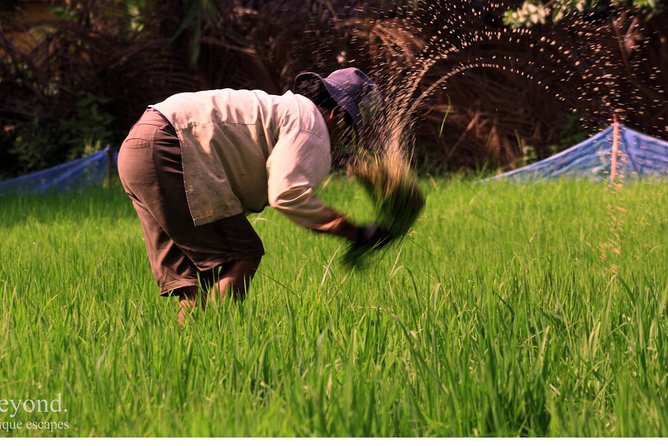
What you do with rice depends on the time of year. Sometimes it’s planting; other times it’s transplanting or harvesting. Rice work tends to be hands-on and repetitive in a good way. It’s the kind of activity where you learn fast, because you can see exactly what success looks like: the seedlings go where they should, the harvested plants get gathered properly, and everyone’s moving with real purpose.
Be ready for physical effort. Even if you’re not a farm person, you’ll get a sense of how seasonal labor shapes daily life.



Palm leaf stitching and roof repair weaving
Another activity you may do is stitching palm leaf used for roof repairs. That sounds small, but it’s a real skill. Roof thatch and woven panels are practical solutions for homes, and learning even a bit of the process makes the home feel less like a postcard and more like a system people maintain.
This is where good shoes matter. You may be walking on uneven ground, and your clothes should be ready for dust.
Vegetables, tree planting, and making prahoc or rice wine
The tour can also include vegetable planting, tree planting, and in some cases food-related village work like making prahoc (fermented fish paste) or rice wine. You won’t know exactly which one you’ll get until the day unfolds, because it depends on family needs and what’s happening in the village.
If you like learning through doing, you’ll appreciate this approach. You’re not stuck with only one “show” activity. Your host family’s reality drives the schedule.
A fruit tree for your host family
You’ll also have the chance to plant a fruit tree for your host family. This is a small action with long-term thinking behind it: food first, and potential income later. It’s a helpful reminder that the support here isn’t only about one day of activity. It’s meant to be part of future food security.
The pagoda, school visits, and how village customs shape the day
Part of the experience is about understanding village life, not just working in the fields. Depending on what’s possible, you may visit a local pagoda and a school. You’ll also hear about village customs and everyday cultural habits.
Because this is a living community, you should expect that access can vary. If there’s a ceremony or an event, you may adapt how and where you spend your time. The important thing is respect: follow your guide’s lead, keep your pace low, and treat the visit as participation in local life rather than a sightseeing event.
Ox cart ride: slow transport with real context
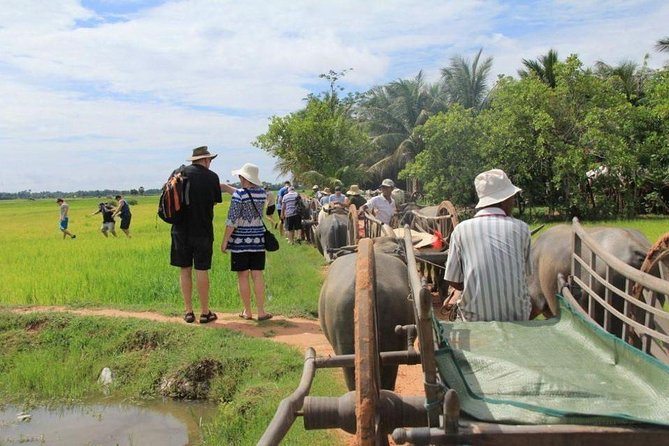
An ox cart ride is included, along with the activities. It’s not just a novelty moment. In a rural setting, carts and animals are part of how people historically moved goods and stayed connected to the fields.
Even if the ride is short, I find it changes how you understand the day. You notice spacing, paths, and how people travel between home and work. It also gives you a break between tasks without pulling you into a different environment.
Khmer hot lunch in the village: what to expect and what not to expect
After your morning work, you’ll get a Khmer hot lunch. The meal is freshly prepared, and your lunch includes a starter, a main, and fresh fruit for dessert. Lunch is usually eaten together with your host family, but sometimes they prefer to eat on their own. That’s normal. Don’t take it personally—your guide can help you read the situation.
One important note: because the village may lack electricity and proper sanitation, the tour states they cannot source food directly from inside the village. Instead, the lunch comes from ingredients prepared by a catering partner in Siem Reap. The meal still feels like the heart of the day, but it’s designed to be safe and realistic.
Bring your appetite. After fieldwork, even a simple lunch feels like a true reward.
The responsible tourism part: support for HUSK Cambodia and why it’s handled carefully
This tour is part of a responsible tourism initiative with HUSK Cambodia. Your participation includes a donation and sets aside funding for projects connected to the village.
The bigger idea is that the money is meant to support income for the Type 1 host family and help with community needs, rather than turning your visit into a one-time exchange of goods. That’s why the tour strongly discourages gifts and handouts in the village.
Here’s how I’d think about it before you go: if you bring things directly into a family system that’s already fragile, it can create uneven attention. The tour explicitly notes this can lead to jealousy and a begging cycle. If you want to help, the most meaningful move is to talk to staff on site about the best approach—which is basically what the tour is designed to do for you.
If you like seeing the organization behind it, the tour provides a way to check HUSK Cambodia’s work.
Dress code and practical tips so you stay comfortable
This day is hands-on, outdoors, and sometimes in muddy or uneven areas. The dress code is practical: covered knees and covered shoulders, plus a covered chest. You’ll also want sturdy footwear. If you show up in sandals or shoes you hate getting dirty, you’ll feel it fast.
A few more practical thoughts:
- Wear breathable clothing you don’t mind washing.
- Bring a small towel if you’re sensitive to sweat, even though cold towels are provided.
- Expect you’ll need to listen closely to your guide when tasks change.
- If you have allergies or dietary needs, advise the team before arrival.
Also note: kids ages 12–18 must be accompanied by an adult. Most people can participate.
Price and value: why this costs about $68.72
At $68.72 per person, this sits in the mid-range for guided day trips from Siem Reap. What you’re paying for isn’t just transport and a guide—though you do get a professional English-speaking guide, air-conditioned minivan, and hotel pickup and drop-off at a centrally located office.
The value is in three areas:
- Your time is tied to responsible support for a Type 1 host family through donations to HUSK Cambodia.
- You get a full day with multiple village activities, an ox cart ride, and a real lunch.
- The group size is capped at 8, which keeps the day more personal and workable for hands-on tasks.
If you want a cheap ticket, you’ll find cheaper options around Siem Reap. But if you want a day that feels useful—where your effort becomes part of someone’s workday—this price makes sense.
Who should book this day in a life experience
This is a good fit if you:
- like learning through doing, not watching from behind a barrier
- want a real village encounter with flexibility and respect
- care about responsible tourism that connects money to local families
- enjoy hands-on farm and home-repair style activities
It’s less ideal if you want a perfectly timed, scripted itinerary where every minute is predictable. Because the village is real, your day depends on what needs doing and what’s happening locally.
Should you book it?
If you’re looking for a Siem Reap experience that goes beyond temples and avoids the feel of a staged show, I’d book this. The combination of hands-on village work, an ox cart ride, and a freshly prepared Khmer lunch makes it feel like a full, grounded day.
You just need the right mindset: be flexible, wear sturdy shoes, and treat the host family’s routines as real life, not entertainment. If that sounds like your style, this tour is a strong choice. It also includes free cancellation up to 24 hours in advance, so you can plan with less stress.
FAQ
What time does the tour start?
The tour start time is 8:00 am.
How long is the experience?
It’s listed as approximately 7 hours.
How far is the village from Siem Reap?
The village is about 16 km from Siem Reap.
Is pickup included?
Yes. Hotel pickup is included from Siem Reap, and the tour also includes drop-off at a centrally located office.
What activities might I do during the day?
Activities can vary by season and village needs, but may include planting rice or transplanting/harvesting rice, weaving palm leaf for roof repairs, vegetable planting, tree planting, and sometimes making prahoc or rice wine. You’ll also have time for village life activities like visiting a pagoda and school if possible.
What’s included in lunch?
Lunch is a Khmer hot lunch with starter, main, and fresh fruit for dessert. It’s freshly prepared, but the tour notes they cannot source food from inside the village due to lack of electricity and proper sanitation.
Are gifts or handouts allowed in the village?
No. Donations and handouts in the village are strictly forbidden. If you want to help, talk with the tour staff about the best way to make a meaningful difference.
More Tour Reviews in Siem Reap
- Angkor Wat Sunrise or Sunset Tour with Guide from Siem Reap
★ 5.0 · 12,109 reviews - Siem Reap: Angkor Wat: Small-Group Sunrise or Sunset Tour
★ 5.0 · 9,444 reviews - From Siem Reap: Kampong Phluk Floating Village Tour by Boat
★ 4.9 · 6,979 reviews - Sunset tour of Kampong Phluk stilts home village on the Tonle Sap
★ 5.0 · 4,865 reviews - Siem Reap: Angkor Wat 2-Day Tour with Sunrise and Sunset
★ 4.9 · 4,429 reviews
Through the Siem Reap Countryside
- From Siem Reap: Kampong Phluk Floating Village Tour by Boat
★ 4.9 · 6,979 reviews - Kampong Phluk Floating Village Tour by Boat
★ 5.0 · 1,020 reviews - Siem Reap Countryside Bike Tour / E-Bike or Tuk Tuk
★ 5.0 · 935 reviews - Siem Reap: Tonle Sap, Kampong Phluk & Floating Village Tour
★ 4.4 · 397 reviews - Siem Reap Countryside Quad Biking Tour
★ 5.0 · 322 reviews
Just Added: Fresh Siem Reap Tour Reviews

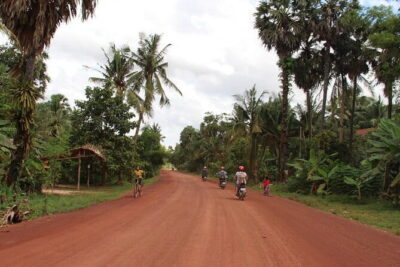
Siem Reap Countryside & Village Tours, compared.
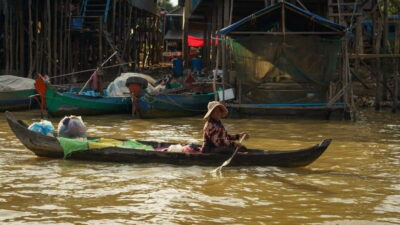 ★ 4.9From Siem Reap: Kampong Phluk Floating Village Tour by BoatFrom $206,979 reviews
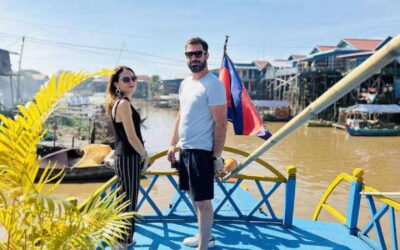 ★ 5.0Kampong Phluk Floating Village Tour by BoatFrom $201,020 reviews
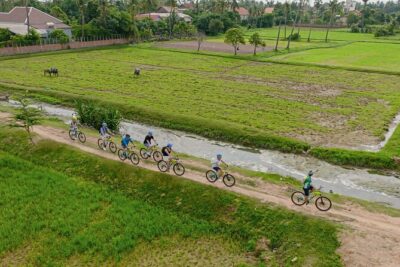 ★ 5.0Siem Reap Countryside Bike Tour / E-Bike or Tuk TukFrom $35935 reviews
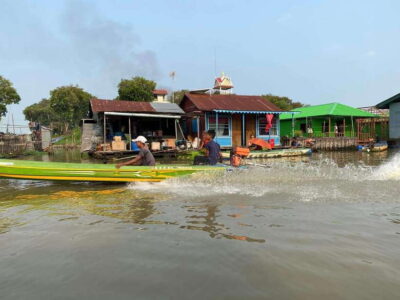 ★ 4.4Tonle Sap, Kampong Phluk & Floating Village TourFrom $17397 reviews
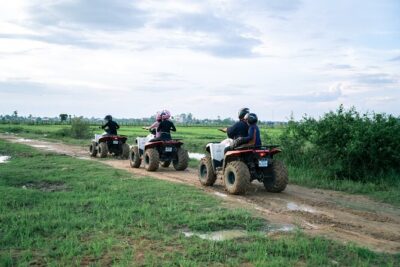 ★ 5.0Siem Reap Countryside Quad Biking TourFrom $45322 reviews
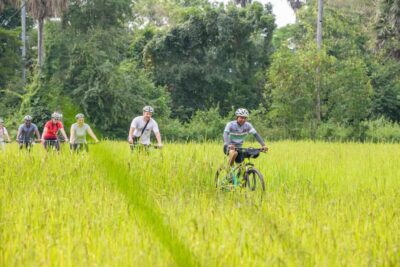 ★ 4.9Guided Countryside Bike TourFrom $35294 reviews
 ★ 4.7Siem Reap Lotus Silk Farm Discovery tour & Lake experienceFrom $20291 reviews
 ★ 4.7Siem Reap Quad Bike Countryside TourFrom $33283 reviews
Browse the lists this tour appears in