
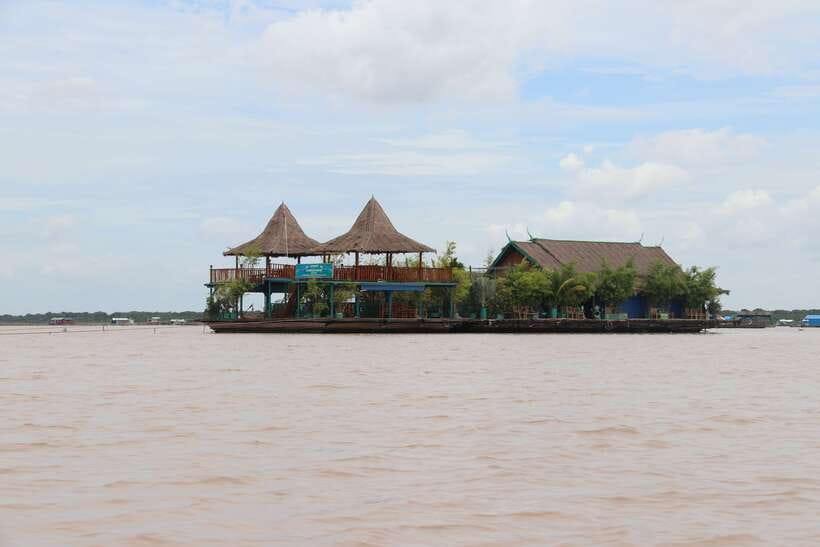
Reviewed · FLOATING VILLAGES & TONLE SAP TOURS
From Siem Reap: Tonle Sap Floating Villages Tour
Tonle Sap floating villages feel like stepping onto a living lake. I especially like the private boat time and the fact you get a guide-led look at daily life—floating houses, schools, even churches—rather than just a quick drive-by. I also like the mix of stops: lotus photo moments, a farming stop, and lunch on Queen Tara. One possible drawback: because it’s a short 4-hour window, you’ll want to be okay with seeing plenty from the water without going deep enough to tour every single corner of the village.
What makes this tour work is the practical flow: you’re picked up in Siem Reap, you ride out to the Great Lake, and you return the same day. You’ll learn how Tonle Sap’s communities formed and what’s at stake for them now, including the fact the lake and rivers are a UNESCO-designated biosphere reserve with high biodiversity.
In This Review
- Key Points at a Glance
- A 10:00 Half-Day on Tonle Sap: What the 4 Hours Really Buy You
- From Siem Reap to the Lotus Photo Stop: Small Moment, Big Meaning
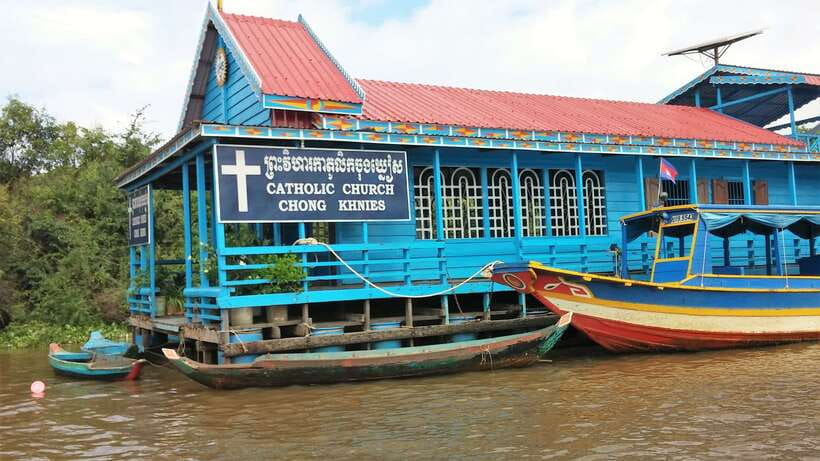
- Entering Floating Village Life by Boat: Houses, Schools, Markets, and Churches
- The UNESCO Biosphere Angle: Why This Isn’t Just a Pretty Boat Trip
- Crocodile and Fish Farms: What You Might See When Water Levels Cooperate
- Bird Sanctuary Spotting: Painted Stork and Pelicans From the Water
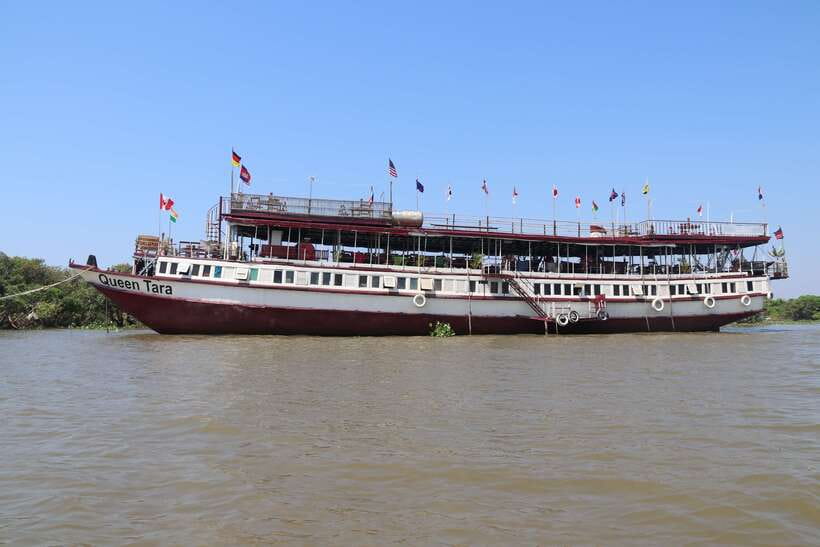
- Lunch on Queen Tara: A Comfortable Break in the Middle of Lake Life
- Guide Quality Is the Whole Difference: Moni, Mali, Sopheak, Supec
- Price and Value: Is $65 Worth It?
- Who Should Book This Tour (and Who Might Skip It)
- Should You Book the Tonle Sap Floating Villages Tour from Siem Reap?
- FAQ
- What time does the tour depart from Siem Reap?
- How long is the tour?
- Is the boat trip private?
- How big is the group?
- Is lunch included?
- Is there a vegetarian option?
- Are children allowed?
- Does it run in bad weather?
Key Points at a Glance
- Private boat cruising on Tonle Sap: you’re on the water with a local, English-speaking lake guide
- Real village life, not a stage set: floating houses, markets, schools, and churches
- Lotus stops with a purpose: photo breaks plus a guide explanation of how lotus plants are used
- Crocodile and fish farm stop (when conditions allow): timing can vary with water levels
- Bird sanctuary spotting: chances to spot species like painted stork and spot-billed pelicans
- Lunch on Queen Tara included: plus cold towels and entrance fees covered
Back out on the lake, more stilted villages
- From Siem Reap: Kampong Phluk Floating Village Tour by Boat★ 4.9 · 6,979 reviews
- Sunset tour of Kampong Phluk stilts home village on the Tonle Sap★ 5.0 · 4,865 reviews
- Kompong Phluk Floating Village Half-Day Tour ( Morning / Sunset )★ 5.0 · 1,494 reviews
- Siem Reap: Kulen Mountain, Beng Mealea and Tonle Sap Tour★ 5.0 · 1,483 reviews
A 10:00 Half-Day on Tonle Sap: What the 4 Hours Really Buy You
This is a 4-hour door-to-door trip with a 10:00 departure, designed for people who want Tonle Sap without sacrificing a full day (or their energy after Angkor Wat). You’ll get round-trip transfers from your Siem Reap hotel, so you’re not juggling tuk-tuks, timing, or ticket queues on your own.
Because it’s only a half day, the tour is best if you like “see it, learn it, move on” pacing. You’ll cover several meaningful stops—some floating, some on shore—without feeling stuck for too long in one place. If you’re the type who loves slow travel and long wandering (hours and hours), you might find yourself wishing for more time inside the village. Still, as an intro to Tonle Sap, the schedule is efficient and doesn’t feel rushed in the way some short tours can.
From Siem Reap to the Lotus Photo Stop: Small Moment, Big Meaning
Before you even reach the floating villages, you’ll stop along the way for photos of lotus flowers. It’s not just a cute photo break. Your guide explains why the lotus matters in Buddhism and walks you through the different ways the lotus plant is used—everything from how it’s processed (including steam) to the flower itself.
This matters because Tonle Sap isn’t just “pretty water.” It’s a cultural landscape where religion, daily living, and nature all connect. Even if you don’t consider yourself a religious traveler, lotus is one of those easy entry points into how locals see the world.
Tip: bring a phone with enough battery for photos and a light layer. Depending on the season, mornings can be warm fast around Siem Reap, and boat trips also mean you’ll feel the breeze.
Entering Floating Village Life by Boat: Houses, Schools, Markets, and Churches
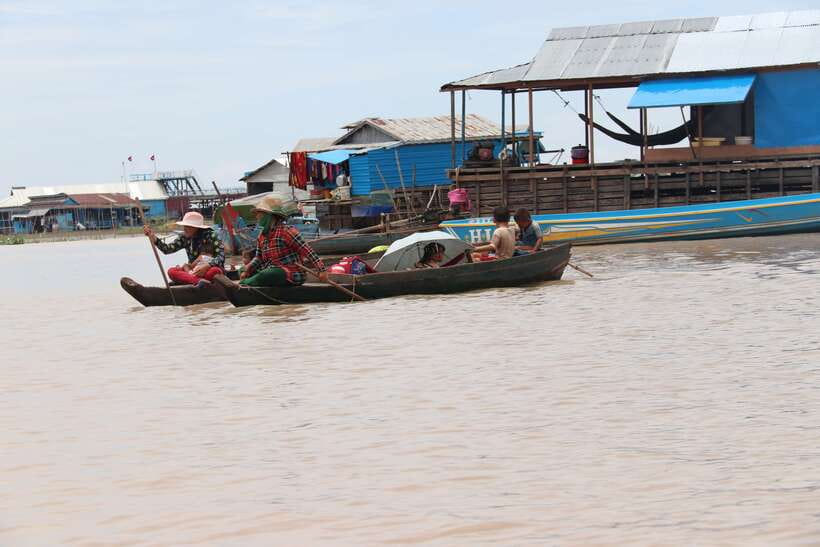
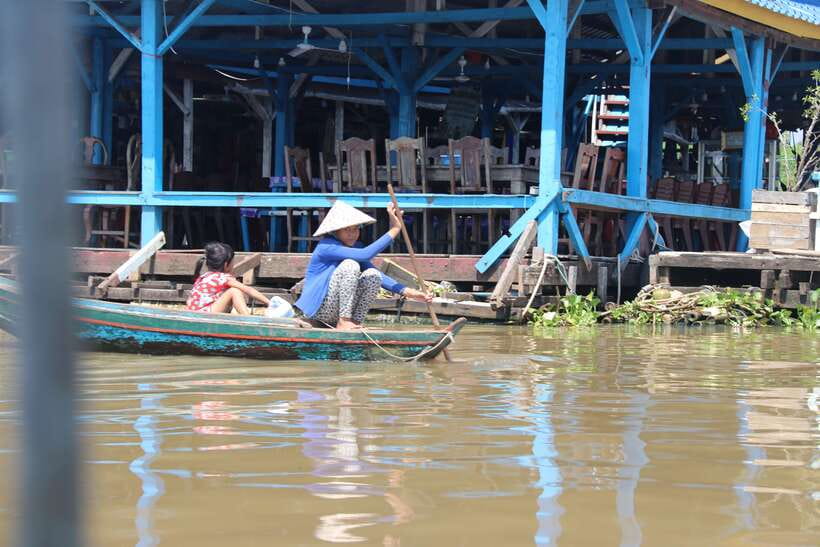
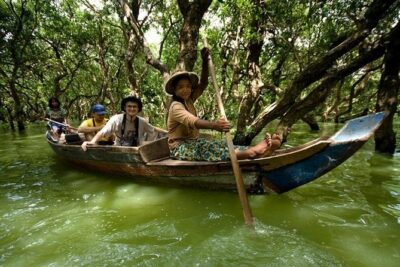
Once you’re on the lake, the experience changes immediately. You’re cruising around the floating villages in a private boat, with a local English-speaking lake guide. The goal here isn’t only to point at buildings. It’s to help you understand how people adapt their lives to the water.
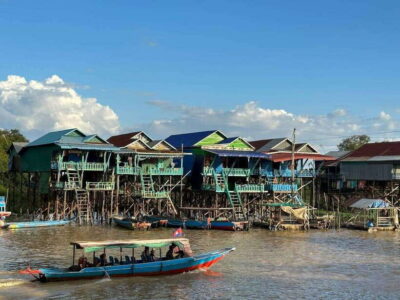
You’ll see floating houses and places like markets and schools—and even churches. That range is important. Many first-time visitors picture floating life as basic fishing cabins. Instead, you’ll get a fuller sense of community: education, religion, and commerce all show up on the water.
Your guide also explains how the floating villages came about and how life continues today, including the mix of Khmer, ethnic Vietnamese, and Cham communities. The lake is the center of gravity, but people’s roots, jobs, and traditions shape what the village looks like.
A useful theme you’ll hear is survival—how these communities manage changing conditions and what threats their homes face. Since Tonle Sap (along with its rivers) is recognized by UNESCO as a biosphere reserve, the “how people live here” story is inseparable from “how the ecosystem changes.”
The UNESCO Biosphere Angle: Why This Isn’t Just a Pretty Boat Trip
Here’s where the tour becomes more meaningful. Tonle Sap is part of a UNESCO-designated biosphere reserve (listed in 1997), known for high biodiversity. That’s a big claim on paper, but you’ll feel it in how the guide talks about the lake system and how daily life is tied to it.
When you understand that the lake’s ecology changes with water levels, the floating-village design makes more sense. It’s not a gimmick. It’s adaptation. That’s why the tour spends time on how communities evolved around the lake, and why the same communities must keep adjusting to threats.
If you like nature plus people together—rather than treating animals as side scenery—this part of the tour is one of the best reasons to go.
Crocodile and Fish Farms: What You Might See When Water Levels Cooperate
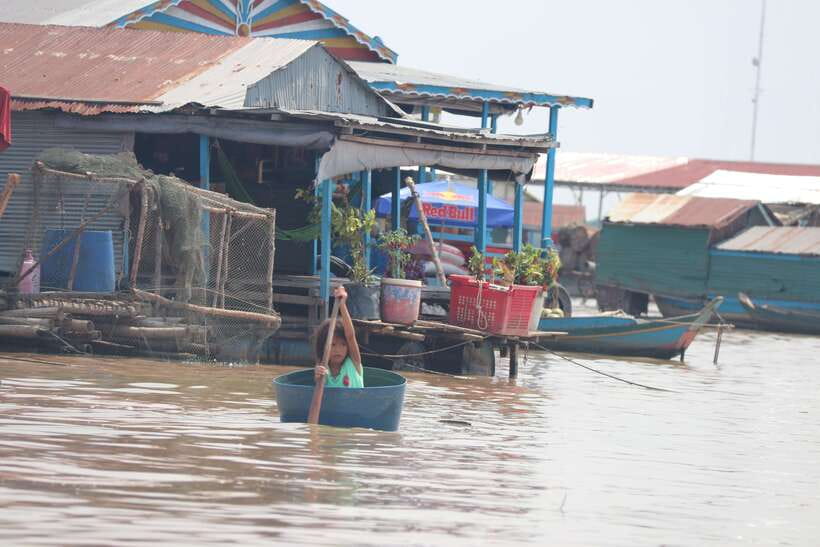
Depending on current conditions, you may visit a floating crocodile and fish farm. The wording matters: it’s not guaranteed in the same way every time, because water levels can affect what’s accessible.
If the stop is operating, it’s a memorable contrast to the village itself. It’s still part of lake life—farming tied to the water’s rhythm, not a separate “tourism attraction” dropped in from elsewhere. You’ll also be able to pick up souvenirs on site, which some people find fun and others prefer to skip. Either way, it helps explain how livelihoods are created around the lake.
Practical note: if you’re averse to animal-focused farms, treat this as a “see how it’s done” stop, not a wildlife rescue mission. The tour frames it as part of local industry.
Bird Sanctuary Spotting: Painted Stork and Pelicans From the Water
One of the easiest “nice bonus” features is bird spotting. Your route includes a look out for local birdlife, with the area tied to a bird sanctuary. The reserve attracts different species, and the tour highlights birds like painted stork and a large colony of spot-billed pelicans.
This is where being on the boat helps. From shore, you may miss quick movement. On the lake, you can scan trees and edges more naturally as you glide past.
Tip: if you have binoculars, this is a good time to bring them. If not, still keep your eyes up and your camera ready—pelicans especially can show up suddenly when they’re feeding or flying.
Lunch on Queen Tara: A Comfortable Break in the Middle of Lake Life
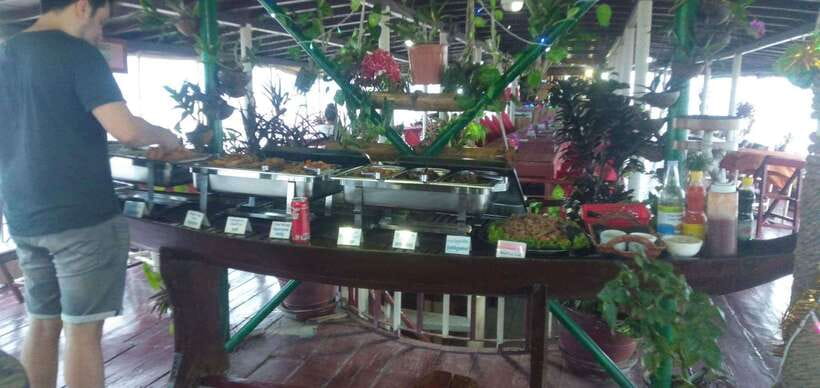
Lunch is included, served on Queen Tara in the heart of the floating village. The tour also includes a couple of free drinks, which is a thoughtful touch for a half-day outing.
Why I like this setup for you: it gives you a “pause” inside the experience. Instead of doing lunch in a car or rushing through a restaurant in Siem Reap, you eat while you’re already in the environment—your senses are still tuned to the lake.
The food has a reputation for being good, and several people mention it as a highlight. For vegetarians, there is a vegetarian option—just request it when booking.
Practical tip: boat rides can make you feel chilled in short bursts, especially if there’s wind. Pack something light you can layer on and off.
Guide Quality Is the Whole Difference: Moni, Mali, Sopheak, Supec
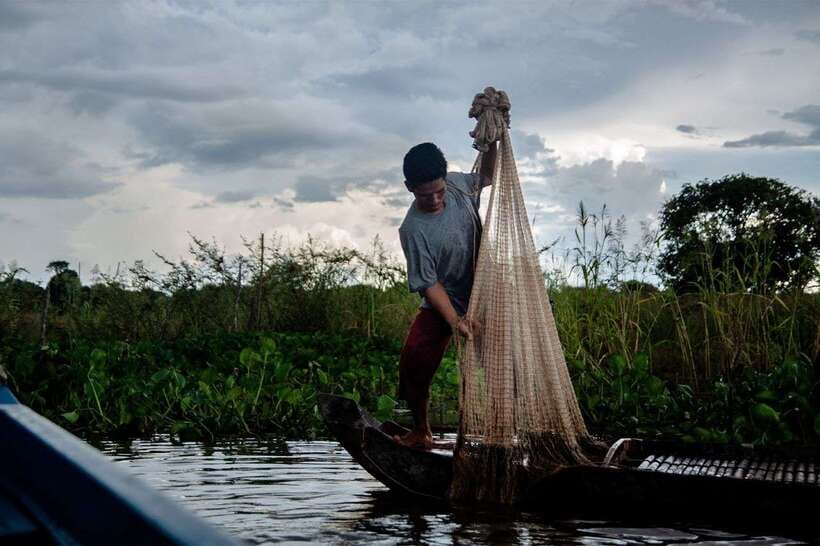
On a tour like this, the guide’s job is more than translation. A great guide connects what you see to why it matters. People have praised English guidance and a warm, attentive style from guides who have led this experience, including Moni, Mali, Sopheak, Supec, and Mary.
What stands out across those named guides is the willingness to make the day feel complete—adding extra stops when possible, explaining what you’re looking at in plain language, and checking in so you’re comfortable throughout.
If you’re hoping for a tour that feels more personal than mechanical, this is the right type of setup: small group size (limited to 11 participants) plus an English-speaking guide gives you a real chance to ask questions rather than silently nod through everything.
Price and Value: Is $65 Worth It?
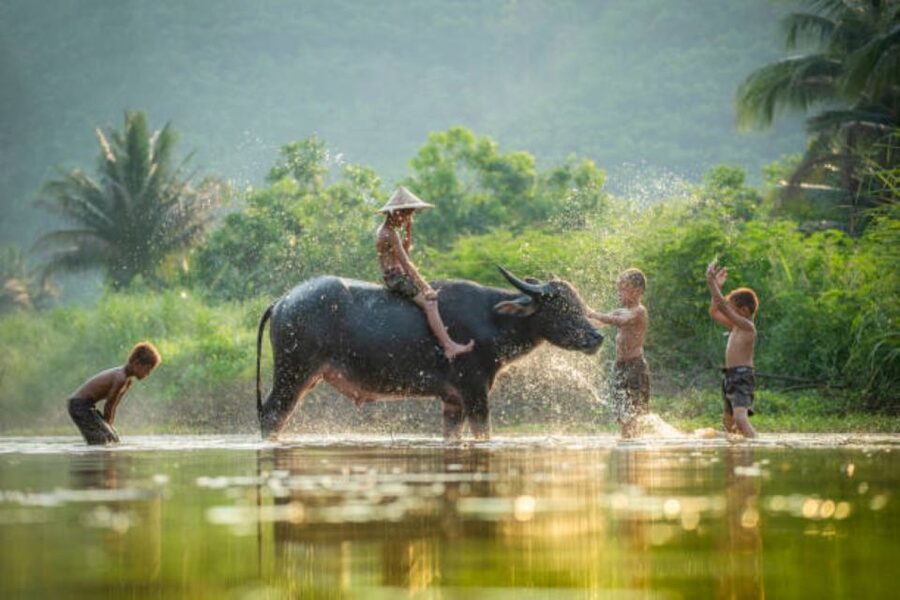
$65 per person for a 4-hour experience can feel like a lot until you itemize what you’re getting. You’re not just paying for “a boat ride.” Your money covers:
- round-trip transfers from your Siem Reap hotel
- an English-speaking guide
- a private boat trip
- entrance fees
- lunch on Queen Tara
- cold towels
For many visitors, the value comes from bundling: you avoid coordinating multiple vehicles and separate tickets, and you get the whole day organized for you. Also, lunch included saves you time and decision fatigue.
One small consideration: because it’s shorter and boat-focused, it can cost more than a bigger single-day sightseeing plan people compare it to. If you’re value-hunting, look at what’s included and how much local access you’re buying. In this case, you’re paying for access to lake life, not just transportation.
Who Should Book This Tour (and Who Might Skip It)
This is a strong match if you want:
- an early-day option from Siem Reap
- a people-and-nature experience on Tonle Sap
- a guided look at floating life beyond photos
- included lunch and transfers so you can keep things simple
You might consider a different approach if:
- you want long, slow exploration inside one community
- you’re deeply focused on conservation work and want more time on the “why” than the “see”
- you strongly dislike farm stops, since a floating crocodile and fish farm may be part of the day depending on water levels
For solo travelers, small-group format is also a plus. Several people reported being picked up and joining friendly groups, which can make a new experience feel less intimidating.
Should You Book the Tonle Sap Floating Villages Tour from Siem Reap?
If you want Tonle Sap floating villages as a first taste—with good structure, included lunch, and a guide who helps you understand what you’re looking at—you should book this. It’s a short trip that still covers the key ideas: floating communities, lake life, and the pressures and ecology that shape it all.
I’d especially recommend it if you’re staying in Siem Reap and want something real and different from the temples. This tour trades stone for water, and that switch is exactly what makes Tonle Sap so memorable.
If you book, do two small things for best results: dress for sun and wind (it’s a boat day), and come ready with questions about how life works on the lake.
FAQ
What time does the tour depart from Siem Reap?
The tour departs at 10:00. Each tour lasts approximately 4 hours door-to-door.
How long is the tour?
It’s approximately 4 hours in total.
Is the boat trip private?
Yes. The experience includes a private boat trip.
How big is the group?
It’s a small group limited to 11 participants.
Is lunch included?
Yes. Lunch is included (served on Queen Tara), and there are also a couple of free drinks included.
Is there a vegetarian option?
Yes, a vegetarian option is available. You should advise at the time of booking.
Are children allowed?
Unaccompanied minors are not allowed. Children 10 or under are half price, and children 5 or under are free, as long as they are accompanied by an adult.
Does it run in bad weather?
The tour operates in all weather conditions, so dress appropriately for the day.
More Siem Reap Tours to Compare
- Angkor Wat Sunrise or Sunset Tour with Guide from Siem Reap
★ 5.0 · 12,109 reviews - Siem Reap: Angkor Wat: Small-Group Sunrise or Sunset Tour
★ 5.0 · 9,444 reviews - From Siem Reap: Kampong Phluk Floating Village Tour by Boat
★ 4.9 · 6,979 reviews - Sunset tour of Kampong Phluk stilts home village on the Tonle Sap
★ 5.0 · 4,865 reviews - Siem Reap: Angkor Wat 2-Day Tour with Sunrise and Sunset
★ 4.9 · 4,429 reviews
More Tour Reviews in Siem Reap
- Angkor Wat Sunrise or Sunset Tour with Guide from Siem Reap
★ 5.0 · 12,109 reviews - Siem Reap: Angkor Wat: Small-Group Sunrise or Sunset Tour
★ 5.0 · 9,444 reviews - From Siem Reap: Kampong Phluk Floating Village Tour by Boat
★ 4.9 · 6,979 reviews - Sunset tour of Kampong Phluk stilts home village on the Tonle Sap
★ 5.0 · 4,865 reviews - Siem Reap: Angkor Wat 2-Day Tour with Sunrise and Sunset
★ 4.9 · 4,429 reviews
Out on Tonle Sap
- From Siem Reap: Kampong Phluk Floating Village Tour by Boat
★ 4.9 · 6,979 reviews - Sunset tour of Kampong Phluk stilts home village on the Tonle Sap
★ 5.0 · 4,865 reviews - Kompong Phluk Floating Village Half-Day Tour ( Morning / Sunset )
★ 5.0 · 1,494 reviews - Siem Reap: Kulen Mountain, Beng Mealea and Tonle Sap Tour
★ 5.0 · 1,483 reviews - Tonle Sap Lake & Kampong Phluk Village Half-Day Tour
★ 5.0 · 1,045 reviews
Just Added: Fresh Siem Reap Tour Reviews

Floating Villages & Tonle Sap Tours, compared.
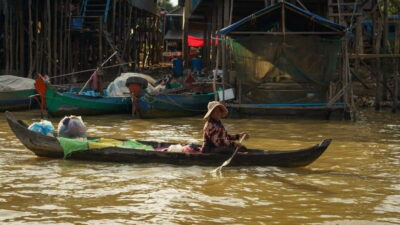 ★ 4.9From Siem Reap: Kampong Phluk Floating Village Tour by BoatFrom $206,979 reviews
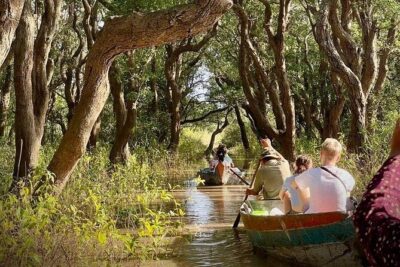 ★ 5.0Sunset tour of Kampong Phluk stilts home village on the Tonle SapFrom $214,865 reviews
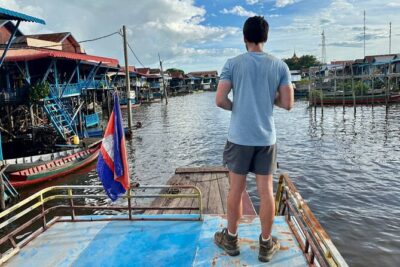 ★ 5.0Kompong Phluk Floating Village Half-Day Tour ( Morning / Sunset )From $241,494 reviews
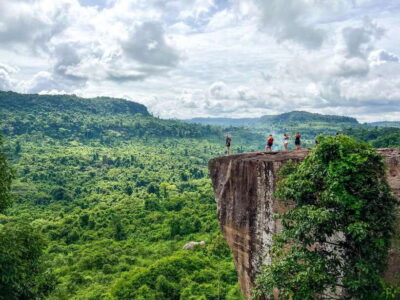 ★ 5.0Kulen Mountain, Beng Mealea and Tonle Sap TourFrom $481,483 reviews
 ★ 5.0Tonle Sap Lake & Kampong Phluk Village Half-Day TourFrom $491,045 reviews
 ★ 5.0Kampong Phluk Floating Village Tour by BoatFrom $201,020 reviews
 ★ 4.8Kompong Phluk Floating Village Half-Day TourFrom $24966 reviews
 ★ 5.0Kulen Mountain with Beng Mealea and Tonle Sap Small Group TourFrom $54780 reviews
Browse the lists this tour appears in