
Reviewed · ANGKOR WAT TEMPLE TOURS
Guided Private A/C Vehicle Tour to Angkor Wat and Small Circle with Two Extras
Angkor hits different when you start early and end late, and this private A/C vehicle tour is built around that rhythm. I like the two-part Angkor Wat plan (morning light first, then a shorter photo-focused return at the end), and I also like the way the itinerary adds less-visited temple stops instead of only the usual crowd magnets. One consideration: the big Angkor Ticket is not included, so you’ll add that on top of the tour price.
The day stays efficient because the driver waits while you tour each temple on foot with an English-speaking licensed guide. I also appreciate the operator’s reputation for careful coordination and quick communication, which matters when you’re moving through temples all morning and into the afternoon heat.
In This Review
- Key points to know before you go
- Why the A/C private vehicle makes this day trip easier
- The 7:00 am start and the two-times Angkor Wat strategy
- Stop-by-stop: Angkor Wat the right way (East Gate first, then late-day photos)
- Small Circle picks: temples that feel quieter and more personal
- Prasat Kravan: brick carvings in an Angkor world of sandstone
- Prasat Bat Chum: inscriptions that hint at early Buddhism in Angkor
- Srah Srang: a break with a temple backdrop
- Banteay Kdei and Ta Prohm: the labyrinth and the jungle temple
- Ta Nei and Ta Keo: the day’s more adventurous ruins
- Spean Thma, Chau Say Tevoda, and Thommanon: smaller stops with sharp visuals
- Angkor Thom South Gate and the Victory Gate views
- Wat Thmey and your end-of-day wrap
- The big budgeting point: the Angkor Ticket isn’t included
- What’s included vs. what you’ll pay for
- Lunch at Srah Srang vs. detouring back to town
- Guide quality and organization that actually matter at Angkor
- Who should book this Small Circle private tour
- Who might want a different plan
- Should you book this private Angkor Wat and Small Circle tour?
- FAQ
- Is the Angkor Ticket included in the tour price?
- What’s the start time and how long is the tour?
- Does the tour include lunch?
- Can I change lunch to somewhere else in town?
- What’s included in the price?
- What is not included besides the Angkor Ticket?
- Do they offer elephant rides at Angkor Thom?
- What are the cancellation terms?
Key points to know before you go
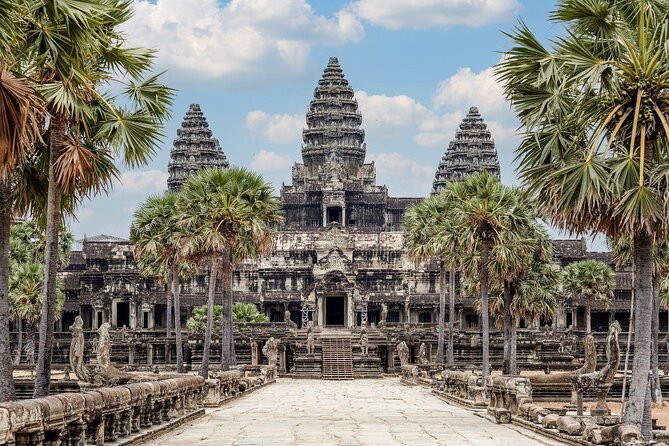
- Angkor Wat twice: a longer morning visit and a shorter late-day return for pond reflections and better light
- Off-the-main-route stops: Prasat Kravan, Prasat Bat Chum, Ta Nei, and Spean Thma
- A/C and driver waiting: you’re transported privately, but your time is spent walking with the guide
- Lunch near Srah Srang: you can eat with options nearby, without breaking the 9 to 10 hour flow
- Each temple needs an Angkor Ticket: the $49 tour price covers guiding and transport, not entry
Other ways to walk the great temple
- Angkor Wat Sunrise or Sunset Tour with Guide from Siem Reap★ 5.0 · 12,109 reviews
- Siem Reap: Angkor Wat: Small-Group Sunrise or Sunset Tour★ 5.0 · 9,444 reviews
- Siem Reap: Angkor Wat 2-Day Tour with Sunrise and Sunset★ 4.9 · 4,429 reviews
- Siem Reap: Full-Day Angkor Wat Guided Tour with Sunset★ 4.9 · 3,803 reviews
Why the A/C private vehicle makes this day trip easier
Siem Reap mornings can be fine, but Angkor afternoons can turn hot fast. Having an air-conditioned private car helps you reset between stops instead of arriving at temples drenched and cranky.
This is also a simple setup: the guide leads, and the driver waits at the car park. You get the benefit of someone explaining what you’re seeing, without wasting time hunting for parking or re-grouping.
The 7:00 am start and the two-times Angkor Wat strategy
You start at 7:00 am, which is when Angkor Wat is at its most photogenic and least chaotic. The tour plans the first visit from the East Gate side, aiming for the best morning light, and then you return later for a shorter second visit.
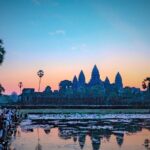
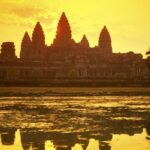
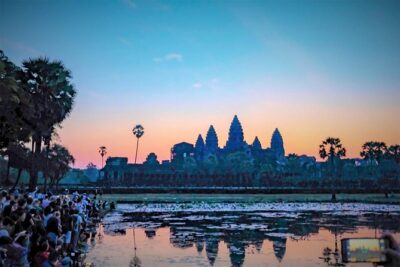
That second Angkor Wat stop isn’t just a repeat for the sake of it. It’s scheduled for late afternoon, which is when reflections in the moats and ponds are at their most dramatic, especially as the light angles shift.
Stop-by-stop: Angkor Wat the right way (East Gate first, then late-day photos)
At the first stop, you head to the less frequented East Gate and enter from there. Your guide keeps you oriented so you don’t spend time figuring out routes; you’ll see Angkor Wat in the morning light before the crowds fully swell.
You then get about 2 hours at this first Angkor Wat segment. Later, after you’ve seen a stack of other temples, you come back for roughly 30 minutes at the end of the day, timed for the mirrored views in the water features.
If you’re the type who likes photos, this structure is a big win. Many one-day itineraries cram in Angkor Wat once, then rush you out—here, you get two chances to experience the mood of the same place.
Small Circle picks: temples that feel quieter and more personal
This tour is often described as a Small Circle day, but the route isn’t just a copy-paste of the most famous names. The balance is: you do the heavy hitters, and you also get stops that many people skip.
More temple circuits, set side by side
Prasat Kravan: brick carvings in an Angkor world of sandstone
Prasat Kravan is a small complex with five towers in a line. The standout feature is that its carvings are made in brick, not the sandstone material you’ll see in most other Angkor monuments.
You’ll have about 20 minutes here. It’s short, but it’s the kind of contrast stop that refreshes your eye after the big architectural statements.
Prasat Bat Chum: inscriptions that hint at early Buddhism in Angkor
Bat Chum is another compact temple set on a shared platform with three towers. What makes it worthwhile is the size and importance of the large inscriptions, which suggest Buddhism reached Angkor well before the Buddhist King Jayavarman VII era.
This stop is also about 20 minutes. It’s not crowded, and that quiet helps the carvings and inscriptions feel more readable than the typical rush-and-snap approach.
Srah Srang: a break with a temple backdrop
Srah Srang is a reservoir area, and the terrace with animal sculptures is what you’ll notice first. The tour’s description also makes a useful distinction: Srahs are artificial basins, while Barays are reservoirs—this temple space was likely used for ceremonies more than irrigation.
You get around 10 minutes to look around here, and then you’ll also use the area for a longer lunch break later. If you don’t want the day stretched beyond its target timing, eating near Srah Srang is the cleanest option.
Banteay Kdei and Ta Prohm: the labyrinth and the jungle temple
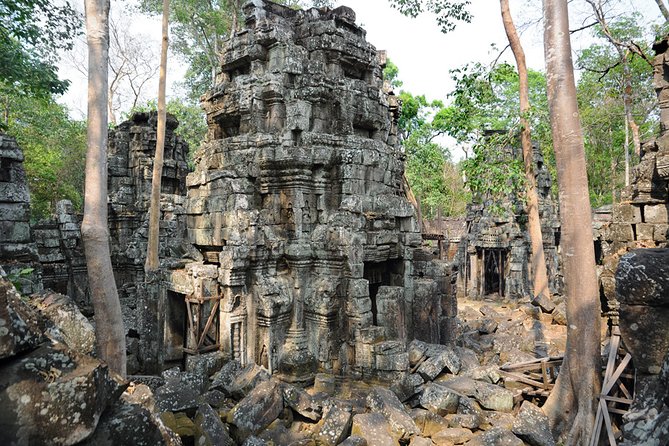
Banteay Kdei is sometimes described as the smaller sister of Ta Prohm, but it still covers a lot of ground. The layout can feel labyrinthic, but the timing and guide-led pacing are meant to keep you from getting lost.
You’ll have about 45 minutes to explore Banteay Kdei, and then the tour builds in lunch nearby at Srah Srang. If you try to drive back to town for lunch, you’ll likely break the 9 to 10 hour window and pay extra for additional kilometers.
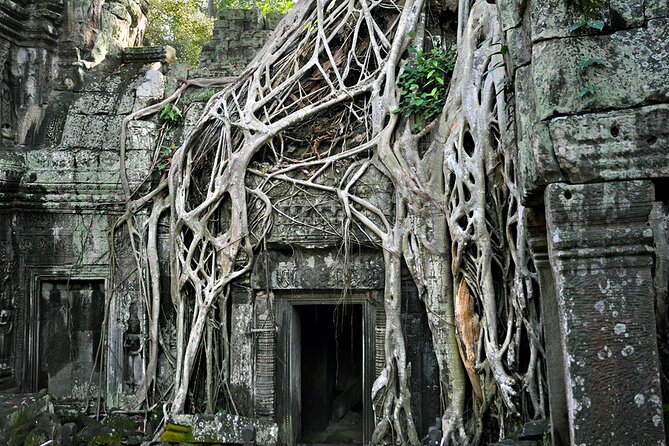
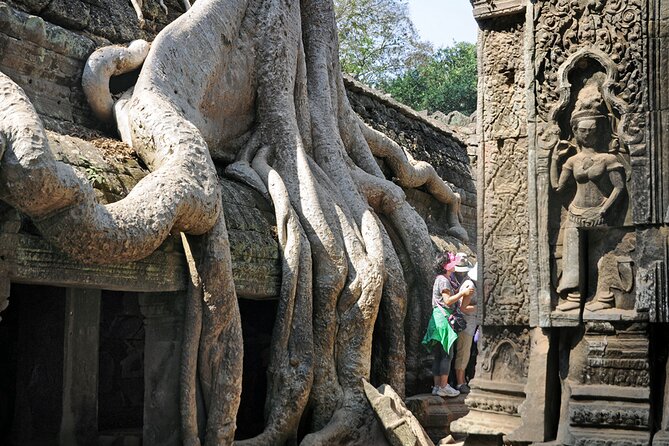
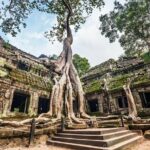
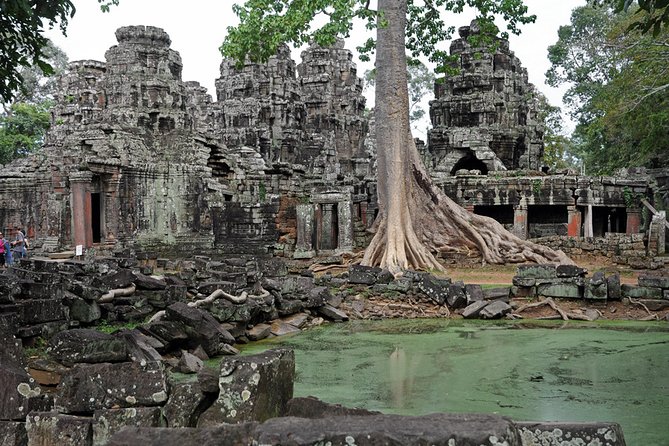
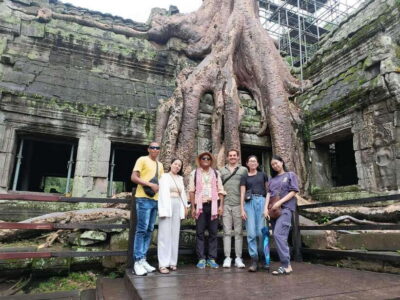
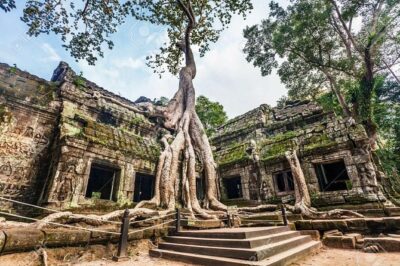
Then comes Ta Prohm, the jungle temple most people come to see. It’s a large compound wrapped by huge strangler figs, and the guide time matters because you’ll want to wander the right sections instead of only the most obvious photo spots.
Expect about 1 hour 15 minutes at Ta Prohm. This is one of the best times in the day to slow down, because the structures and roots work together to create that famous Angkor-movie feeling.
Ta Nei and Ta Keo: the day’s more adventurous ruins
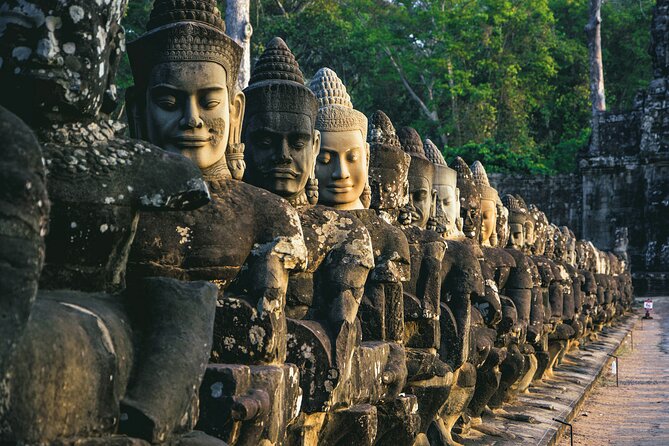
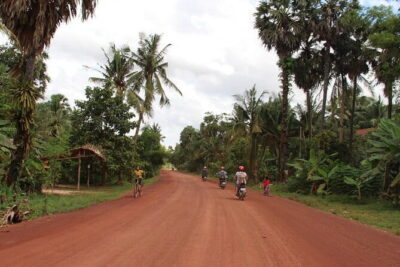
Ta Nei is the off-the-main-road stop that most visitors miss. It’s reached by gravel roads, and the ruins can give you that Indiana Jones vibe—partly because it’s less visited, and partly because the path feels like you’re going somewhere real and slightly unfinished.
You’ll get around 30 minutes here, plus time to enjoy relief work. Even if you’re not a carvings person, Ta Nei’s accessibility makes it feel like a discovery.
Ta Keo shifts the mood again. It’s a state temple built like an artificial mountain with steep stair access to the upper platforms and its five prasats. The stairs are described as extraordinarily steep, so plan for slow steps and a steady pace.
You’ll have about 40 minutes for Ta Keo, which is just enough time to climb, look around, and take photos without feeling dragged.
Spean Thma, Chau Say Tevoda, and Thommanon: smaller stops with sharp visuals
After Ta Keo, the tour adds several shorter temples and viewpoint moments that keep the day from feeling like only two big monuments.
At Spean Thma, you’ll get a brief photo stop at a late Angkor stone bridge. The notes explain that construction used carved stones taken from earlier temples, and that the riverbed shifted east over time—those details help you notice what you’re seeing instead of treating it like a random roadside stop.
Then Chau Say Tevoda brings you processional-route carvings, plus mythological pediment scenes. You’ll have about 20 minutes, long enough for a careful look if you move at your own pace.
Thommanon is the sister temple of Chau Say Tevoda, using a similar tower style from the Angkor Wat period. It’s shorter—about 15 minutes—so think of it as a fast visual follow-up that helps you compare styles without adding fatigue.
Angkor Thom South Gate and the Victory Gate views
Now you enter the Angkor Thom part of the day, where gateways and city geometry do the heavy lifting.
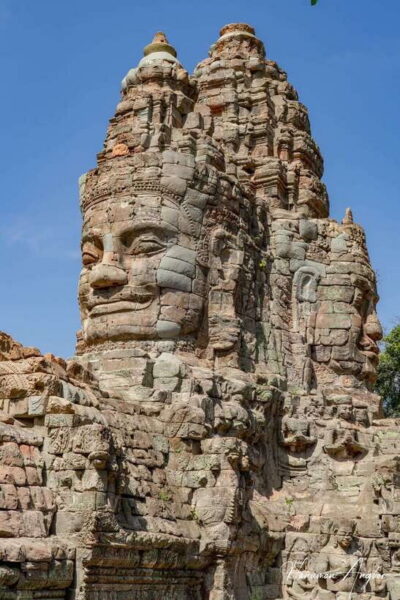
The Victory Gate is one of the best preserved eastern gates. You’ll have time to climb part of the wall area for a view framed by trees growing on the wall, plus a look toward the southern giant face of the gate.
This stop is about 10 minutes, but it’s one of those “worth it” moments because the photo angle is genuinely better from an elevated position.
Bayon Temple gets a photo stop, about 10 minutes. If you’re expecting a long, slow visit to Bayon’s faces, this schedule won’t be that kind of day. The tradeoff is that you get more time in other areas that are less rushed.
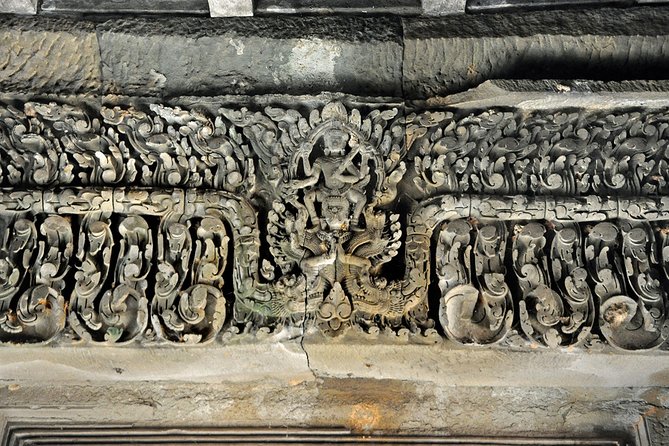
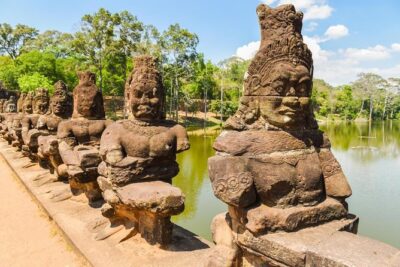
The South Gate is the iconic finale inside Angkor Thom. You’ll spend about 15 minutes here for the face tower and the railings lined with giant statues showing demons and gods. This is another time where a short, well-timed stop works, because you’re catching the gate in good light rather than overheating in a long queue.
Wat Thmey and your end-of-day wrap
After Angkor Thom, the tour includes Wat Thmey, also known as the Killing Fields. This is not a temple-photo stop—it’s a memorial stupa and photo boards, with an open prayer hall on the grounds.
You’ll have about 10 minutes here. It’s a brief visit, but it’s an important one, and it adds a different emotional tone to the day beyond stonework.
Finally, you’re dropped back in the Siem Reap area. The tour notes say return is to your hotel or a town-centre spot, while the official activity ends at the meeting point near Little Pub St.
The big budgeting point: the Angkor Ticket isn’t included
This is the clearest add-on you should plan for. The tour price is $49 per person, but each temple you visit requires an Angkor Ticket, and that entry cost is not included.
The tour data gives a 1-day ticket price of $37 per person (with multi-day tickets often preferred). So your all-in minimum for one day becomes roughly $86 per person, before any lunch choices.
If you’re serious about Angkor and want time to slow down, multi-day tickets often make more sense. You get better value because you can revisit complexes without feeling forced into a tight route.
What’s included vs. what you’ll pay for
Here’s the practical split. Included is English-speaking driver support, guiding by an English-speaking licensed Angkor guide, and private transportation.
Not included is the Angkor Ticket, lunch, and any additional transfers if you want to lunch somewhere else than Srah Srang. In other words: the tour handles the temple flow, but your ticket and meal choices are on you.
Lunch at Srah Srang vs. detouring back to town
The schedule gives you a lunch break around the Srah Srang reservoir area, with several good restaurant options nearby. That’s the simplest plan because it keeps the day within its 9 to 10 hour target.
There is an alternative: you can drive back to town for lunch, but you’ll need to pay the driver for extra kilometers, and the day will likely run longer. If you hate rushing, town lunch might sound tempting—but it also increases the chance you’ll feel late-day fatigue.
My advice: use Srah Srang for lunch unless you have a strong reason not to. This route is paced for a reason.
Guide quality and organization that actually matter at Angkor
In Angkor, timing is everything. A good guide gets you oriented fast, keeps you moving so you don’t miss key details, and manages transitions between areas where you’d otherwise lose time.
The feedback attached to this operator puts emphasis on serious service and precise timing, plus quick communication via email and WhatsApp. That kind of reliability matters when your day starts at 7:00 am and you’re juggling multiple entry-required stops.
Also, note the tour style: it’s a private activity, so only your group participates. That makes it feel less like a factory tour and more like you’re following your own pace inside a shared route.
Who should book this Small Circle private tour
This tour fits you if you want:
- Air-conditioned comfort and a driver who waits while you explore
- An Angkor Wat experience in two different light conditions
- A mix of big names and smaller, less-frequented temples
- A guided route that reduces guesswork
It’s also a good option if you appreciate structure. You get a set number of minutes at most stops, which helps you avoid getting stuck in one place too long while others get rushed.
Who might want a different plan
If you want a long, slow, spend-the-whole-day approach—especially for Bayon—you may find this route a bit scheduled. Bayon is only a 10-minute photo stop, and Ta Prohm and Angkor Wat still have clear time limits.
Also, if adding the Angkor Ticket cost would strain your budget, consider whether a multi-day ticket or different itinerary fits better. This tour is priced as a guided transport day, not as an all-inclusive temple entry package.
Should you book this private Angkor Wat and Small Circle tour?
I think this is a strong booking if you value smart pacing and better light over a scattered itinerary. The big reason is the two Angkor Wat visits, one starting from the East Gate in the morning and one returning at the end for reflection shots.
You also get a tour that spends time on stops that many itineraries treat like add-ons. Places like Prasat Bat Chum, Ta Nei, and Spean Thma help the day feel less repetitive.
The main check before you commit is the ticket math: the $49 tour price doesn’t cover entry. If you’re already planning to buy the Angkor Ticket for a full day (or ideally longer), this itinerary’s value becomes much clearer.
FAQ
Is the Angkor Ticket included in the tour price?
No. The Angkor Ticket is not included. The tour notes list a 1-day ticket price of $37 per person, and it’s valid for all temples you visit.
What’s the start time and how long is the tour?
The tour starts at 7:00 am and runs about 9 to 10 hours.
Does the tour include lunch?
Lunch is not included. Lunch break is planned near Srah Srang, where several restaurant options are available.
Can I change lunch to somewhere else in town?
Yes, you can request an alternative lunch location, but you’ll need to pay the driver for extra kilometers. The tour may then take more than 9 to 10 hours.
What’s included in the price?
Included is English-speaking driver support, guiding by an English-speaking licensed Angkor guide, and private transportation.
What is not included besides the Angkor Ticket?
Besides the Angkor Ticket, lunch is not included. Also, additional transfers (like lunch somewhere other than Srah Srang) are not included.
Do they offer elephant rides at Angkor Thom?
No. The tour data specifically says they do not offer elephant rides at Angkor Thom due to an animal welfare policy.
What are the cancellation terms?
Free cancellation is offered. You can cancel up to 24 hours in advance for a full refund, and changes made less than 24 hours before the start time are not accepted.
Just Your Group: Private Days
- Full-Day Angkor Wat Sunrise Private Tour with Guide from Siem Reap
★ 5.0 · 2,920 reviews - Siem Reap: Angkor Wat Private Tuk-Tuk Tour
★ 4.9 · 2,222 reviews - Angkor Wat Private Day Tour from Siem Reap
★ 5.0 · 834 reviews - Angkor Wat Private Tuk-Tuk Tour (sunrise Option) & more
★ 5.0 · 439 reviews - Private Angkor Wat Day Tour – Best of Angkor
★ 5.0 · 269 reviews
More Temple Circuits Around Siem Reap
- Angkor Wat Sunrise or Sunset Tour with Guide from Siem Reap
★ 5.0 · 12,109 reviews - Siem Reap: Angkor Wat: Small-Group Sunrise or Sunset Tour
★ 5.0 · 9,444 reviews - Siem Reap: Angkor Wat 2-Day Tour with Sunrise and Sunset
★ 4.9 · 4,429 reviews - Siem Reap: Full-Day Angkor Wat Guided Tour with Sunset
★ 4.9 · 3,803 reviews - Angkor Wat Sunrise tour with Small – Group and Guide tours
★ 5.0 · 3,655 reviews
Angkor Wat, a Few More Ways In
- Angkor Wat Sunrise or Sunset Tour with Guide from Siem Reap
★ 5.0 · 12,109 reviews - Siem Reap: Angkor Wat: Small-Group Sunrise or Sunset Tour
★ 5.0 · 9,444 reviews - Siem Reap: Angkor Wat 2-Day Tour with Sunrise and Sunset
★ 4.9 · 4,429 reviews - Siem Reap: Full-Day Angkor Wat Guided Tour with Sunset
★ 4.9 · 3,803 reviews - Angkor Wat Sunrise tour with Small – Group and Guide tours
★ 5.0 · 3,655 reviews
Just Added: Fresh Siem Reap Tour Reviews

Angkor Wat Temple Tours, compared.
 ★ 5.0Angkor Wat Sunrise or Sunset Tour with Guide from Siem ReapFrom $1812,109 reviews
 ★ 5.0Angkor Wat: Small-Group Sunrise or Sunset TourFrom $159,444 reviews
 ★ 4.9Angkor Wat 2-Day Tour with Sunrise and SunsetFrom $344,429 reviews
 ★ 4.9Full-Day Angkor Wat Guided Tour with SunsetFrom $153,803 reviews
 ★ 5.0Angkor Wat Sunrise tour with Small – Group and Guide toursFrom $143,655 reviews
 ★ 5.0Angkor Wat Highlights and Sunrise Guided Tour from Siem ReapFrom $233,213 reviews
 ★ 5.0Angkor Wat Sunset Small Group Tour with Lunch IncludedFrom $203,059 reviews
 ★ 5.0Full-Day Angkor Wat Sunrise Private Tour with Guide from Siem ReapFrom $602,920 reviews