
Reviewed · ANGKOR TEMPLE TOURS
Half Day Trip: Silk Farm, Satcha, and Senteur d’Angkor Tour
Silk starts with leaves, not souvenirs. This half-day tour strings together Angkor Silk Farm, Satcha’s craft workshops, and two handicraft centers where you can see how Cambodian makers build products that last. It’s a short ride from Krong Siem Reap, then a full stretch of hands-on looking, guided explanations, and smart shopping stops.
I really like the step-by-step feel of the mulberry-to-silk process at the silk farm, from trees to silkworm life cycle to woven fabric. I also enjoy how Satcha sets up six workshops in bamboo spaces, with contemporary design inspired by Khmer ornaments, so the craft feels both traditional and current.
One thing to consider: this tour includes multiple shopping and demonstration areas, so if you hate sales-y stops or only want one place to focus, you might feel a bit rushed in 4 hours.
In This Review
- Key Points to Know Before You Go
- From Krong Siem Reap To Silk Farm: Why the Timing Works
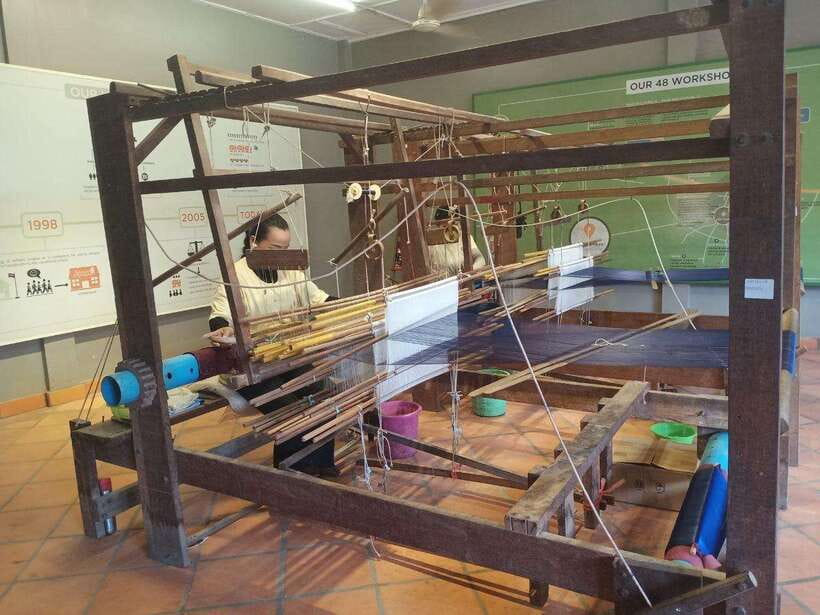
- Entering the Angkor Silk Farm: Mulberries, Silkworms, and Weaving
- Satcha Handicraft Center: Six Bamboo Workshops With Khmer-Inspired Design
- Senteurs d’Angkor: Sustainable Cambodian Products You Can Shop With Intent
- Artisan d’Angkor: Where Local Handicrafts Are Made
- Price and Logistics: Is $25 Worth It for Two People?
- Who This Half-Day Trip Fits Best
- Small Tips That Make the Tour Feel Better
- Should You Book This Tour?
- FAQ
- How long is the Half Day Trip: Silk Farm, Satcha, and Senteur d’Angkor Tour?
- What is the price?
- Where does the tour pick up?
- What’s included in the tour?
- Are meals included?
- What language is used for the driver/guide?
- Is this tour private?
- How many workshops do you visit at Satcha?
- Are there any restrictions?
- Is free cancellation available?
Key Points to Know Before You Go
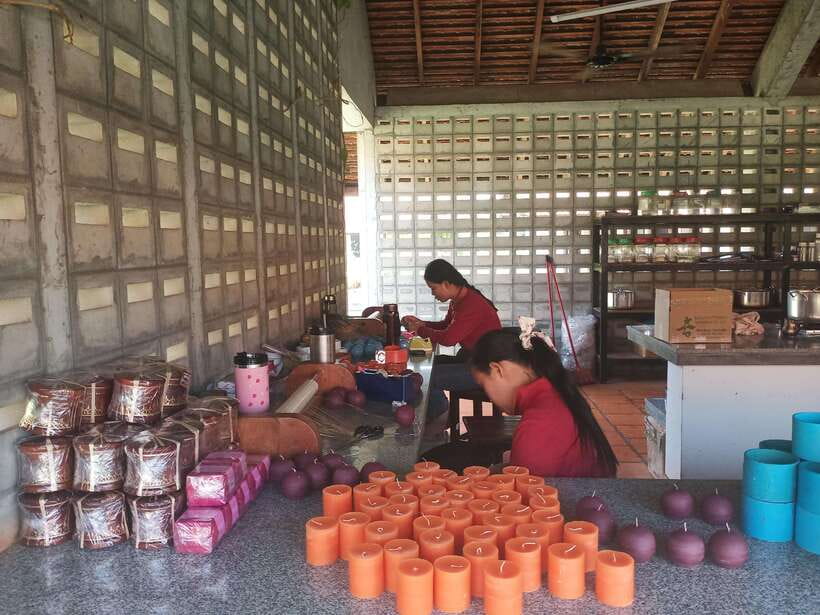
- Real silk-making steps: You’ll see mulberry trees, silkworm lifecycle details, and how silk ends up as woven fabric.
- Satcha’s six workshops: A structured look at how bamboo-built workshop spaces connect traditional know-how with modern design ideas.
- Senteurs d’Angkor sustainable treasures: Focuses on Cambodian products made with a sustainability angle, not just mass-market souvenirs.
- Artisan d’Angkor finishing point: A final stop where you can see how local crafts are assembled and offered as complete products.
- Private group, English-speaking driver/guide: Easier pacing, fewer interruptions, and clearer explanations.
More temple circuits, set side by side
- Angkor Wat Sunrise or Sunset Tour with Guide from Siem Reap★ 5.0 · 12,109 reviews
- Siem Reap: Angkor Wat: Small-Group Sunrise or Sunset Tour★ 5.0 · 9,444 reviews
- Siem Reap: Angkor Wat 2-Day Tour with Sunrise and Sunset★ 4.9 · 4,429 reviews
- Siem Reap: Full-Day Angkor Wat Guided Tour with Sunset★ 4.9 · 3,803 reviews
From Krong Siem Reap To Silk Farm: Why the Timing Works
This half-day runs about 4 hours, starting with hotel pickup and drop-off in Krong Siem Reap. You then transfer by tuk tuk between stops, usually around 15 minutes at a time, with shorter hops later. It’s not a sit-and-stare tour. The schedule keeps moving, but it still gives you time at each place for a guided look and browsing.
I like that the transport is part of the flow. You get used to the area quickly, and you’re not stuck waiting around at one location for too long. Also, the tour includes a skip-the-line separate entrance, which helps when you’re on a tight schedule.
For me, the biggest value is the order: silk first, then handicrafts, then the craft centers. It helps you connect the dots. By the time you’re at the end, you’ll better understand how Cambodian products move from raw materials to finished goods.
Entering the Angkor Silk Farm: Mulberries, Silkworms, and Weaving
The Angkor Silk Farm stop is the heart of the day at roughly 50 minutes. You start with a guided tour atmosphere and quickly get pulled into the basics: mulberry trees, the silkworm lifecycle, and the weaving process.
This is where the tour earns its keep. Silk is one of those souvenirs people buy without thinking about the steps. Here, you can watch the logic of the craft unfold in sequence. The farm setting also makes it easier to remember what you saw, because you’re not just viewing a display case.
What you’ll likely notice as you move through the process:
- Mulberry trees aren’t just background. They’re the starting point for the entire silk story.
- The silkworm lifecycle section helps you understand why silk isn’t instant or cheap. There’s time and care involved.
- The weaving process gives you a sense of the final skill—turning something delicate into fabric you can hold.
You’ll also have time to walk around, ask questions, and of course shop. The browsing part isn’t an afterthought. It’s the moment where the lesson becomes real in your hands. If you’re buying a scarf, fabric, or a silk item as a gift, this stop makes your choice feel smarter, not random.
If you prefer experiences that are more visual than sales-focused, this is the one place that usually feels grounded. The farm is about production, not just presentation.
Satcha Handicraft Center: Six Bamboo Workshops With Khmer-Inspired Design
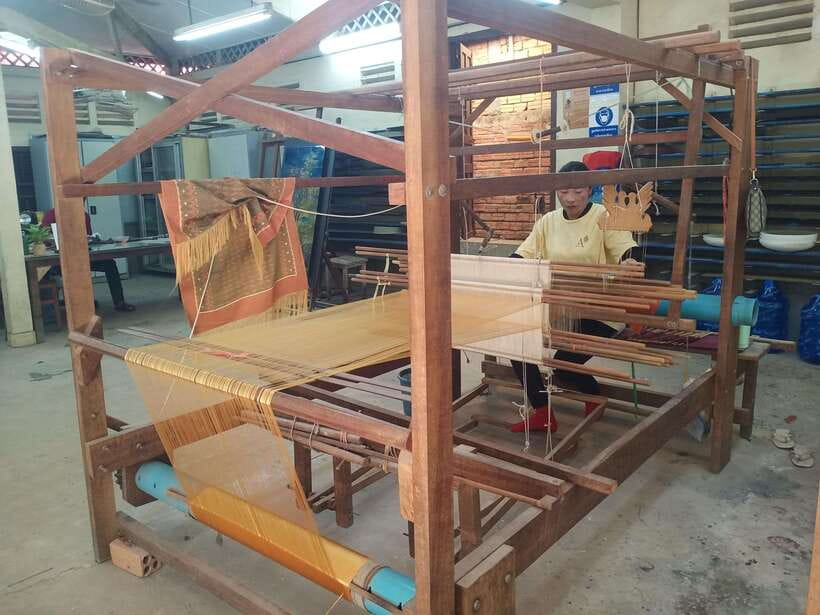
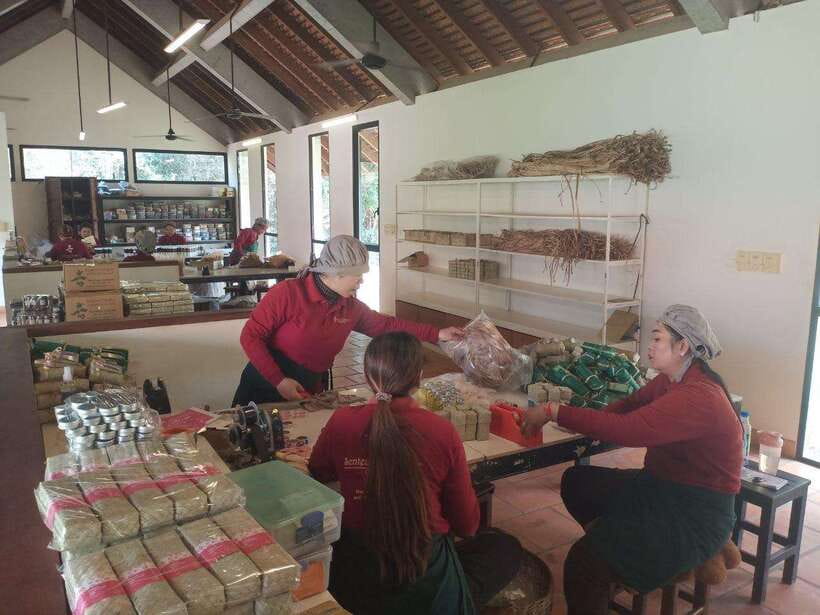
Next is the Satcha Handicraft Center, another about 50 minutes where you’ll see six different workshops. A neat detail here is the setting: the workshops are built exclusively with Cambodian bamboo from Kampong Cham.
That matters, because it changes how the whole place feels. Bamboo is not just a backdrop; it’s part of the craft identity. You’re seeing a building style that matches the product culture around it, and it helps you understand why local materials show up so often in Khmer-inspired making.
The tour highlights that you’ll see traditional know-how paired with contemporary design inspired by Khmer ornaments. In plain terms, you’re not only being shown how things used to be made. You’re also seeing how makers adapt those design cues for items people actually want to buy now—meaning you’ll have a better shot at finding something that looks current rather than stuck in the past.
This stop is also a good one if you like variety. Six workshops means multiple techniques in one location. Even if you only catch the main idea from each station, you’ll end up with a clearer picture of how wide the craft world is in Siem Reap.
Possible drawback: because there are multiple workshops and you’ll likely be browsing after, you may feel you’re moving your attention between different things quickly. If you love one specific craft style, plan to slow down during the final shopping moments so you can actually compare products.
Senteurs d’Angkor: Sustainable Cambodian Products You Can Shop With Intent
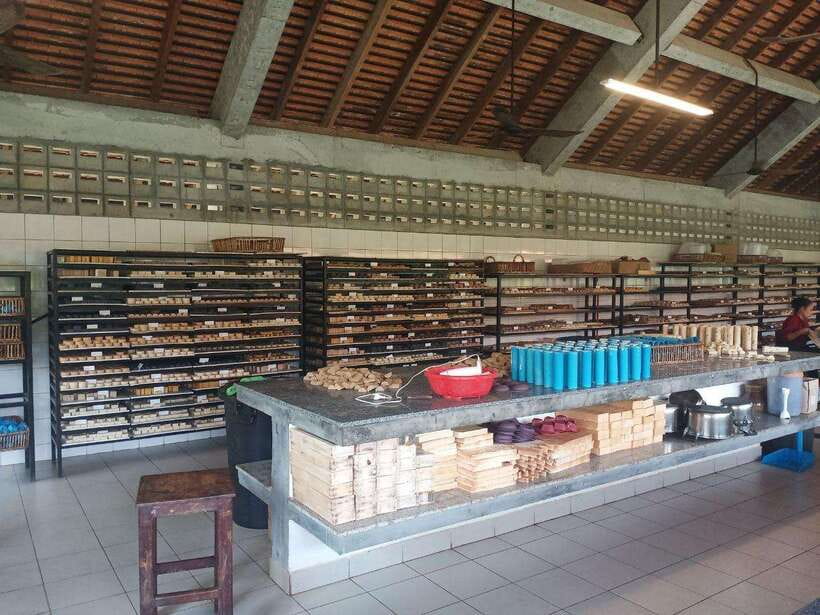
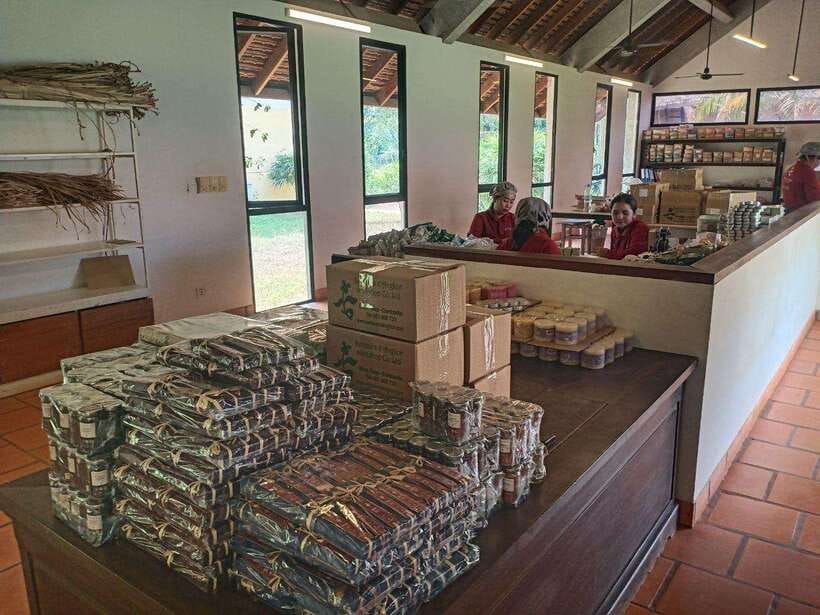
Then you’ll head to Senteurs d’Angkor for another guided visit, walk, photos, and shopping time. This stop is listed as a workshop-style experience and positioned as a way to discover sustainable Cambodian treasures.
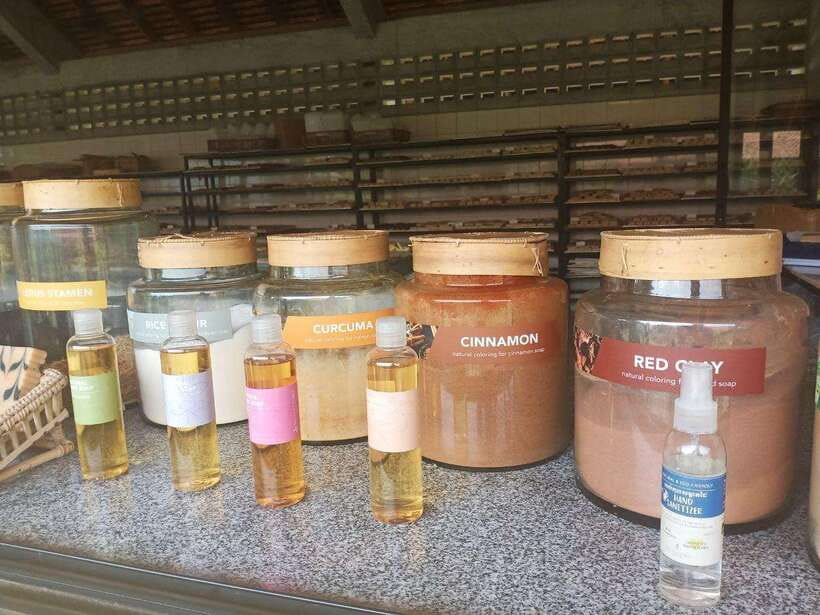
The phrase sustainable in travel often gets vague. Here, at least in how the tour describes it, you’re being directed toward Cambodian products with a sustainability angle, not only generic tourist items. That’s the practical value. You get to look for goods tied to local production culture, and you’re less likely to end up with something that feels like it could have come from anywhere.
If you’re curious about what makes a souvenir feel worth the money, this is the kind of stop that helps. You’ll likely see items made with care, presented as part of a craft story rather than a fast-flip commodity.
This is also a good place to grab gifts. You’ll have already learned enough from the silk farm and Satcha workshops to know what questions to ask. Things like how materials are prepared, how long it takes, or what makes the product distinct from mass-market versions.
One more practical note: bring your camera. The tour includes photo stops, and you’ll want images of what you actually saw—the materials, work spaces, and finished goods.
Past the rice fields, more village days




Artisan d’Angkor: Where Local Handicrafts Are Made
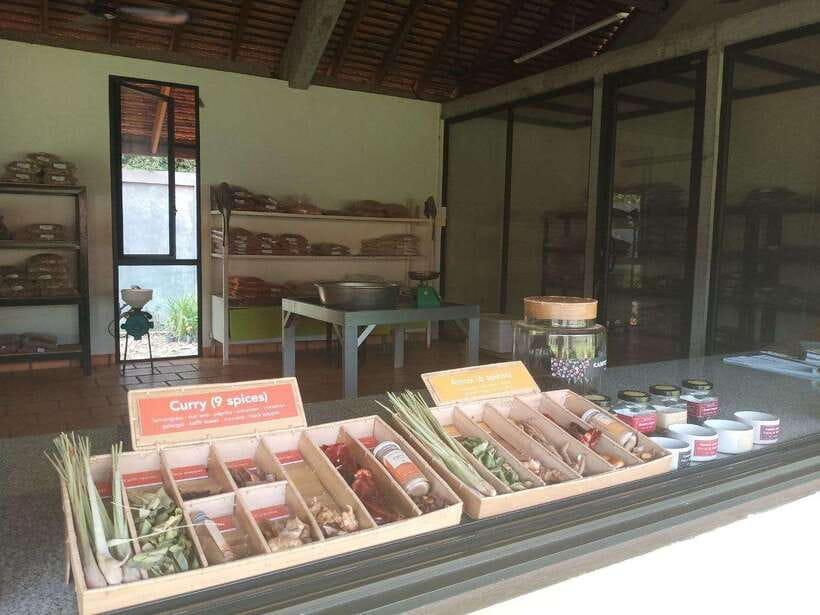
The final major craft stop is Artisan d’Angkor, described as the place where local handicrafts are made. Like the other core stops, you’ll get guided time plus shopping and walking (again around 50 minutes).
I like ending here because it turns everything into a final, practical picture. After silk and bamboo workshops, you’ll be more alert to the details that define quality. Even if you can’t master the techniques in one afternoon, you can learn what to look for:
- how items are put together,
- how materials appear to be handled,
- whether the finished product matches the craftsmanship you saw earlier.
This also gives you a chance to correct your buying strategy. If you didn’t buy at the silk farm because you weren’t sure, you can come back around mentally with more context. If you were tempted by something at Satcha but didn’t want to commit, you can compare options now.
Think of Artisan d’Angkor as your last checkpoint before you head back to your hotel. It’s also where you can pick up something that feels most connected to the real making process, not just a display.
Price and Logistics: Is $25 Worth It for Two People?
The price listed is $25 per group up to 2 for about 4 hours. That’s a strong value if you’re traveling as a couple, a small group of friends, or even solo and you want a private setup without paying for a large tour.
Private groups often feel pricey in Cambodia, especially when you compare them to shared tours. Here, the cost makes sense because you’re getting:
- hotel pickup and drop-off
- a private group arrangement
- visits to multiple craft centers, including the silk farm
- an English-speaking driver/guide setup (the tour notes English guidance)
- a structure that includes guided looking plus shopping time
If you’re thinking in terms of “how much time do I spend at places that teach me something,” this tour scores better than many quick souvenir runs. You’re not just buying stuff. You’re watching process and seeing materials connected to products.
That said, it might feel less worth it if your travel style is only architecture, temples, and big scenery. This is a craft day. If your idea of Siem Reap is mostly about Angkor sites, treat this as a side quest that scratches a different itch.
Who This Half-Day Trip Fits Best
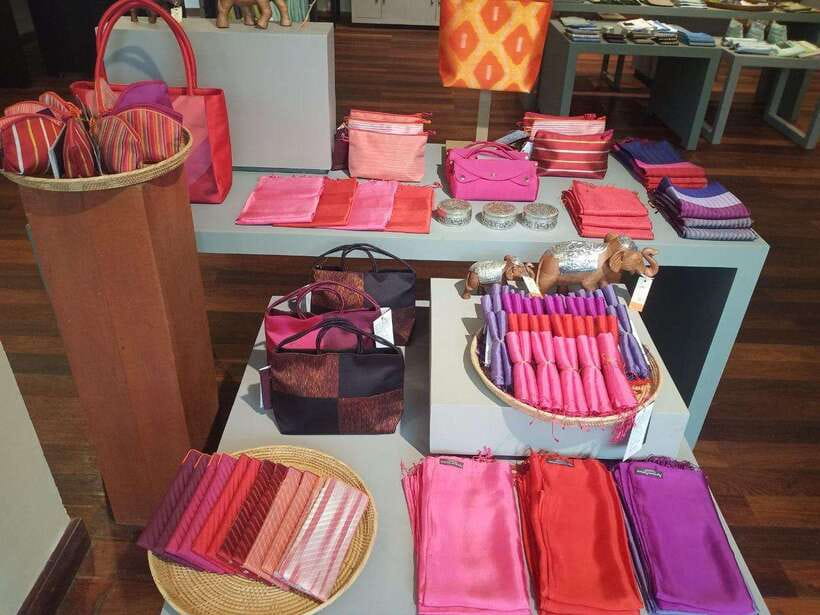
This is a great fit if you:
- love handicrafts and want to understand what you’re buying,
- like cultural experiences that aren’t just museums or temples,
- want a short, guided day that doesn’t eat your whole afternoon,
- are traveling with someone who likes shopping but also wants it to mean something.
It also works well as a “rain plan.” If the weather turns or you’re temple-weary, craft centers and a silk farm can still feel rewarding. You can learn and shop even when you’re not in hiking mode.
If you dislike shopping stops, keep expectations realistic. The tour includes multiple shopping opportunities at the silk farm and the craft centers. Even if you don’t buy anything, it helps to go in with a purpose: treat browsing as part of the learning process.
Small Tips That Make the Tour Feel Better
A few practical moves will make a difference on a craft day like this.
First, wear comfortable walking shoes. You’ll be moving through farm and workshop areas, and the time adds up quickly.
Second, bring a camera. The tour notes you should. You’ll have photo moments and you’ll want to capture workshop spaces and finished products.
Third, use your guided time actively. When you hear about the silkworm lifecycle or the bamboo workshop concept, ask your guide what stands out as typical Cambodian practice versus a design adaptation. The more you ask, the less you feel like you’re just watching a performance.
Finally, shop with a simple rule: compare quality before you buy. In a half-day, it’s easy to get distracted by attractive items. Use the final stops—especially Artisan d’Angkor—to make sure your purchase matches what you’ve learned about the process.
Should You Book This Tour?
I’d book this if you want a compact Siem Reap experience that’s about how things are made. The silk farm is the star for process lovers, and Satcha’s bamboo-built workshops give you a clear view of traditional know-how meeting Khmer-inspired design. Ending at Artisan d’Angkor helps you turn lessons into choices.
I’d think twice if you only have room for one big Siem Reap highlight and you’re chasing only the most famous sightseeing style. One perspective from the experience data notes it can feel more pleasant than essential if you’re short on time. If that sounds like you, pair it with a larger sightseeing plan and keep your expectations craft-focused.
If you’re the type who likes understanding a product before buying it, this half-day is a solid value.
FAQ
How long is the Half Day Trip: Silk Farm, Satcha, and Senteur d’Angkor Tour?
It’s listed as 4 hours total.
What is the price?
The price is $25 per group up to 2.
Where does the tour pick up?
Pickup is from Krong Siem Reap.
What’s included in the tour?
Included are hotel pickup and drop-off, visits to Silk Farm, Senteur d’Angkor, Satcha Handicraft Center, and Artisan d’Angkor.
Are meals included?
No. Meals are not included.
What language is used for the driver/guide?
The driver/guide is listed as English.
Is this tour private?
Yes, it’s a private group.
How many workshops do you visit at Satcha?
You visit 6 different workshops at Satcha Handicraft Center.
Are there any restrictions?
Smoking is not allowed.
Is free cancellation available?
Yes. You can cancel up to 24 hours in advance for a full refund.
More Tour Reviews in Siem Reap
- Angkor Wat Sunrise or Sunset Tour with Guide from Siem Reap
★ 5.0 · 12,109 reviews - Siem Reap: Angkor Wat: Small-Group Sunrise or Sunset Tour
★ 5.0 · 9,444 reviews - From Siem Reap: Kampong Phluk Floating Village Tour by Boat
★ 4.9 · 6,979 reviews - Sunset tour of Kampong Phluk stilts home village on the Tonle Sap
★ 5.0 · 4,865 reviews - Siem Reap: Angkor Wat 2-Day Tour with Sunrise and Sunset
★ 4.9 · 4,429 reviews
Through the Siem Reap Countryside
- From Siem Reap: Kampong Phluk Floating Village Tour by Boat
★ 4.9 · 6,979 reviews - Kampong Phluk Floating Village Tour by Boat
★ 5.0 · 1,020 reviews - Siem Reap Countryside Bike Tour / E-Bike or Tuk Tuk
★ 5.0 · 935 reviews - Siem Reap: Tonle Sap, Kampong Phluk & Floating Village Tour
★ 4.4 · 397 reviews - Siem Reap Countryside Quad Biking Tour
★ 5.0 · 322 reviews
More Temple Circuits Around Siem Reap
- Angkor Wat Sunrise or Sunset Tour with Guide from Siem Reap
★ 5.0 · 12,109 reviews - Siem Reap: Angkor Wat: Small-Group Sunrise or Sunset Tour
★ 5.0 · 9,444 reviews - Siem Reap: Angkor Wat 2-Day Tour with Sunrise and Sunset
★ 4.9 · 4,429 reviews - Siem Reap: Full-Day Angkor Wat Guided Tour with Sunset
★ 4.9 · 3,803 reviews - Angkor Wat Sunrise tour with Small – Group and Guide tours
★ 5.0 · 3,655 reviews
Just Added: Fresh Siem Reap Tour Reviews



Angkor Temple Tours, compared.
 ★ 5.0Angkor Wat Sunrise or Sunset Tour with Guide from Siem ReapFrom $1812,109 reviews
 ★ 5.0Angkor Wat: Small-Group Sunrise or Sunset TourFrom $159,444 reviews
 ★ 4.9Angkor Wat 2-Day Tour with Sunrise and SunsetFrom $344,429 reviews
 ★ 4.9Full-Day Angkor Wat Guided Tour with SunsetFrom $153,803 reviews
 ★ 5.0Angkor Wat Sunrise tour with Small – Group and Guide toursFrom $143,655 reviews
 ★ 5.0Angkor Wat Highlights and Sunrise Guided Tour from Siem ReapFrom $233,213 reviews
 ★ 5.0Angkor Wat Sunset Small Group Tour with Lunch IncludedFrom $203,059 reviews
 ★ 5.0Full-Day Angkor Wat Sunrise Private Tour with Guide from Siem ReapFrom $602,920 reviews
Browse the lists this tour appears in