
A few hours here make Tonle Sap feel real. A private half-day from Siem Reap lets you glide to Kampong Khleang in comfort, then get boat-time photos from the water with stories from guides like JB and Lin. You also get entrance fees handled, so you spend your focus on stilt houses, daily life on the water, and what makes this lake so different.
The main thing I like is the rhythm: enough time to see Kampong Khleang properly, plus a short cruise on Tonle Sap to connect the village life to the lake’s seasonal changes. The second thing I like is the guide-led explanations—Lin, for example, clearly breaks down how life shifts between dry and wet seasons. One consideration: the tour requires good weather, so if conditions are poor you’ll need to be flexible with timing.
In This Review
- Key things that make this half-day tour work
- Siem Reap to Kampong Khleang: a comfortable start without the hassle
- Kampong Khleang floating village: stilt living and real daily routines
- Boat trip and lake time: seeing Tonle Sap from the water
- Guide power: how JB and Lin change the whole experience
- Price and value: is $60 fair for this kind of day?
- Timing and season tips: make the afternoon slot count
- Who this tour suits best (and who might want something else)
- Final verdict: should you book Kampong Khleang and Tonle Sap?
- FAQ
- How long is the Kampong Khleang and Tonle Sap half-day tour?
- Is pickup available from Siem Reap?
- Is this a private tour?
- What’s included in the price?
- What is not included?
- What sights do we visit during the tour?
- Are entrance tickets included?
- Is the tour dependent on weather?
- What is the cancellation policy?
Key things that make this half-day tour work
- Private transport from Siem Reap keeps the trip calm and efficient.
- Kampong Khleang village on stilt houses gives you a close look at everyday routines on the water.
- Boat trip through the floating village is built for viewing and easy photo angles.
- Tonle Sap Lake cruise ties daily life to the lake’s UNESCO-protected ecosystem.
- English-speaking guide stories include practical context about dry vs wet seasons (with guides like Lin).
- Entrance fees and taxes included so you’re not doing surprise ticket math mid-tour.
Back out on the lake, more stilted villages
- From Siem Reap: Kampong Phluk Floating Village Tour by Boat★ 4.9 · 6,979 reviews
- Sunset tour of Kampong Phluk stilts home village on the Tonle Sap★ 5.0 · 4,865 reviews
- Kompong Phluk Floating Village Half-Day Tour ( Morning / Sunset )★ 5.0 · 1,494 reviews
- Siem Reap: Kulen Mountain, Beng Mealea and Tonle Sap Tour★ 5.0 · 1,483 reviews
Siem Reap to Kampong Khleang: a comfortable start without the hassle
This is a private tour, so you’re not riding around waiting for other groups. Pickup is offered from Siem Reap, and you travel in an air-conditioned vehicle—nice when the Khmer sun is doing its thing. From Siem Reap to Kampong Khleang, plan on about an hour total driving time, and you’ll feel the whole experience stay focused instead of dragging.
The duration is about 3 hours 30 minutes. That sounds short, but it’s a smart format for Tonle Sap: you’re not trying to “do everything,” you’re doing the key sights—village life and lake life—then heading back. If you’re in Siem Reap for temple days and food stops, this kind of half-day slot is exactly what keeps your trip balanced.
Also, you get a mobile ticket and confirmation at booking, which helps if you’re organizing multiple activities in a tight window. And since most travelers can participate, it’s a good pick if you want a countryside experience without turning it into an all-day endurance event.
If your schedule is flexible, consider asking for the afternoon option. One big reason is that the water area can get busy, and an afternoon slot can mean fewer boats around you, which makes conversations and photos easier.
Kampong Khleang floating village: stilt living and real daily routines
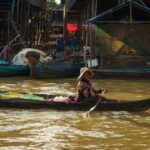
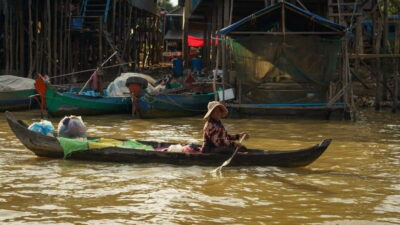
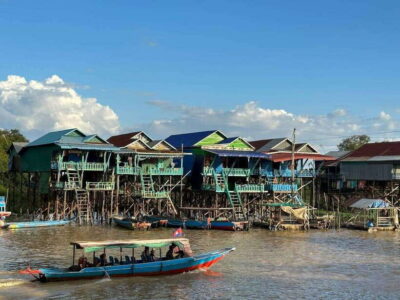
Kampong Khleang is where the Tonle Sap story becomes physical. You’ll arrive and spend about 2 hours exploring the floating village area, with traditional stilted houses and daily routines that feel far less like a staged show.
What makes this stop genuinely worthwhile is how it’s guided. A good guide doesn’t just point out structures; they explain how the village works through the seasons. Lin, for instance, is noted for explaining life during the dry and wet seasons, and that changes how you look at everything you see. When you understand that the lake’s level and flow shift with the seasons, the village architecture starts to make sense instead of just looking unusual.
You should expect to see:
- Houses built up on supports to handle changing water levels
- People going about ordinary tasks—so it feels like you’re observing life, not performing for it
- The calm, close-up village rhythm that you don’t get from just passing by on a road tour
Photos here are easier than you might think because you’re not stuck behind a bus window. Boat time later also helps, but even on land you get strong lines: railings, walkways, and the way homes stack above the water.
Is it “touristy”? In the best moments, it doesn’t feel like it’s built only for visitors. You’re there for village life, and the pace stays slow enough for you to notice details like how families move around, what people do for work, and how daily needs connect to the lake.
One practical note: keep your expectations flexible. Floating villages look different depending on the season and water level. If you’re traveling during the dry season, the environment may look more exposed and the routes may feel tighter. If it’s wetter, the whole place can feel broader and more open. Either way, the guided context is what makes the experience click.
Boat trip and lake time: seeing Tonle Sap from the water
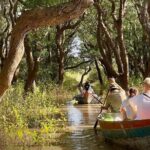
The experience is designed around the water, so the boat trip isn’t a quick formality. You’ll get time to ride and look through the floating village area, and you’ll also cruise on Tonle Sap for about 30 minutes.
That short cruise is the bridge between human life and the lake’s scale. Tonle Sap is one of Southeast Asia’s largest freshwater lakes and it’s recognized as a UNESCO Biosphere Reserve. The reason this matters to you: it’s not just scenic. The lake supports biodiversity, including fish and migratory birds, and it also supports livelihoods for people living on and around the water.
Here’s the key seasonal idea the guide will likely connect for you: during the monsoon season, the lake can swell dramatically because the Mekong River floods and reverses the flow. That creates a unique floodplain season—part of why fishing and village life change throughout the year. Even in a short cruise, having that context makes the scenery feel purposeful.
Why you’ll probably enjoy this part:
- You get real perspective on how villages sit in relation to open water
- The route helps you spot how the water level affects movement and access
- You get photo angles you simply can’t recreate from shore
Timing can also help. One traveler guidance that makes sense: going in the afternoon can mean fewer other boats nearby, which makes the lake feel quieter and improves the odds of a better sunset moment. You might not control the sky, but you can control your slot—and choosing afternoon is often a smart bet.
Guide power: how JB and Lin change the whole experience
A half-day like this rises or falls on the guide. The tour includes an English-speaking guide, and the best guides do two things: they connect what you see to how people live, and they answer questions without making you feel rushed.
In the stories from guides like JB and Lin, the explanations aren’t just facts. They’re practical. Lin, for example, is praised for walking through how people live in dry vs wet conditions. That’s not trivia—it’s how you make sense of stilt houses, water-level shifts, and why the lake shapes schedules, work, and daily movement.
JB is also highlighted for being super knowledgeable and for helping people understand what they’re looking at as the boat moves. That matters because on the water, you can lose track of what direction things are in or what part of the village you’re seeing. A good guide keeps you oriented—you get your bearings fast—and you stop treating the trip like sightseeing and start treating it like learning.
If you’re the type who likes to ask questions, this is a strong fit. Your guide can tailor the experience to your interests, so if you care more about daily life, you can steer the conversation that way. If you care more about nature and seasonal cycles, you can ask for the ecology angle. Either way, you’re not just collecting photos—you’re leaving with a clearer mental picture.
Price and value: is $60 fair for this kind of day?
At $60 per person, this tour sits in the “reasonable for a private, guided, boat-involved experience” category. The value is in what’s included, not just the transport.
Here’s what you’re getting without extra charges:
- Air-conditioned private vehicle
- Boat trip through the floating village and Tonle Sap
- English-speaking guide
- All entrance fees and taxes
- Bottled water
When entrance fees are already handled, it saves time and keeps your budget predictable. That sounds small, but on short half-days, it’s a big deal because you can’t afford to lose momentum to ticket stops or payment delays.
It also helps that the visit is structured. You spend 2 hours at the floating village area and 30 minutes on the lake, which is enough time to see things and still return to Siem Reap without feeling like your whole day disappeared.
If you’re comparing to cheaper options, watch for the hidden cost of guide time and boat access. If you choose an option that’s “cheaper,” you often pay for it in discomfort (shared rides), less boat time, or more time spent managing logistics yourself. Here, the tour is built to be straightforward.
And if you’re traveling with friends or family, the fact that it’s private means your group gets the same experience quality without turning into a crowded scramble. Group discounts are mentioned too, so the price can be even easier to justify if you’re not going solo.
Timing and season tips: make the afternoon slot count
The tour works year-round in the sense that it’s scheduled as a half-day. But conditions matter. The experience requires good weather, and that’s the one thing you shouldn’t fight. If the lake and air are rough, the operator may cancel and you’ll be offered another date or a full refund.
Within that constraint, timing can improve your experience. An afternoon departure can help because:
- There are often fewer tour boats on the water area
- You may be able to watch the sunset from the lake area
Even if you don’t get a perfect sunset, the light on the water in late day hours tends to make stilt structures and boat routes look more dimensional in photos.
If you can choose among options, I’d also think about what you want to learn. Dry vs wet-season life changes what you notice. During the dry season, you might see more of the built environment and the way access points relate to lower water levels. During wetter periods, everything feels more water-driven—less about “walking around” and more about how movement adapts.
Either way, lean on the guide. Ask them what you’re seeing in relation to the current water level and what changes are coming as seasons shift. That one question tends to turn a good trip into a memorable one.
Who this tour suits best (and who might want something else)
This half-day tour is a great fit if you want a real-life Tonle Sap experience without spending a whole day in transit. It’s also a strong choice for people who value structure: private transport, a guided pace, and enough time for both village life and a lake cruise.
You’ll probably enjoy it if:
- You like guided explanations and want the seasonal context
- You want boat time without committing to a full-day itinerary
- You’re in Siem Reap and want a change of scenery from temples
You might consider an alternative if:
- You’re hoping for a very long cruise or lots of stops across the region
- You strongly prefer to avoid any weather-related uncertainty (because the tour requires good weather)
The good news is that it’s labeled as a tour most travelers can participate in, and it’s set up as a private experience, so the comfort level is usually high compared to group day trips.
Final verdict: should you book Kampong Khleang and Tonle Sap?
If you want a short, high-impact way to understand Tonle Sap, I’d say this tour is an easy yes. The combination of Kampong Khleang village time, a guided explanation of how life changes with seasons, and a boat cruise on the lake is exactly the mix that helps the experience stick in your head after you leave Siem Reap.
Book it if you care about real daily life on the water and you like learning from a guide—especially with English-speaking hosts like JB or Lin. Skip it or look for another option only if your dates are locked and you can’t handle weather disruptions. For most people, the private comfort and included boat + entrance fees make the $60 price feel fair.
FAQ
How long is the Kampong Khleang and Tonle Sap half-day tour?
It runs for about 3 hours 30 minutes (approximately).
Is pickup available from Siem Reap?
Yes, pickup is offered.
Is this a private tour?
Yes. Only your group participates.
What’s included in the price?
The tour includes an air-conditioned vehicle, a boat trip through the floating village and Tonle Sap, an English-speaking guide, all entrance fees and taxes, and bottled water.
What is not included?
Personal expenses are not included.
What sights do we visit during the tour?
You visit Kampong Khleang floating village and then take a cruise on Tonle Sap Lake.
Are entrance tickets included?
Yes. Entrance fees are included, with admission tickets included for the floating village and for the Tonle Sap Lake portion.
Is the tour dependent on weather?
Yes. The experience requires good weather. If it’s canceled due to poor weather, you’ll be offered a different date or a full refund.
What is the cancellation policy?
Free cancellation is available. You can cancel up to 24 hours in advance for a full refund. If you cancel less than 24 hours before the start time, the amount paid is not refunded.
More Siem Reap Tours to Compare
- Angkor Wat Sunrise or Sunset Tour with Guide from Siem Reap
★ 5.0 · 12,109 reviews - Siem Reap: Angkor Wat: Small-Group Sunrise or Sunset Tour
★ 5.0 · 9,444 reviews - From Siem Reap: Kampong Phluk Floating Village Tour by Boat
★ 4.9 · 6,979 reviews - Sunset tour of Kampong Phluk stilts home village on the Tonle Sap
★ 5.0 · 4,865 reviews - Siem Reap: Angkor Wat 2-Day Tour with Sunrise and Sunset
★ 4.9 · 4,429 reviews
More Tour Reviews in Siem Reap
- Angkor Wat Sunrise or Sunset Tour with Guide from Siem Reap
★ 5.0 · 12,109 reviews - Siem Reap: Angkor Wat: Small-Group Sunrise or Sunset Tour
★ 5.0 · 9,444 reviews - From Siem Reap: Kampong Phluk Floating Village Tour by Boat
★ 4.9 · 6,979 reviews - Sunset tour of Kampong Phluk stilts home village on the Tonle Sap
★ 5.0 · 4,865 reviews - Siem Reap: Angkor Wat 2-Day Tour with Sunrise and Sunset
★ 4.9 · 4,429 reviews
Out on Tonle Sap
- From Siem Reap: Kampong Phluk Floating Village Tour by Boat
★ 4.9 · 6,979 reviews - Sunset tour of Kampong Phluk stilts home village on the Tonle Sap
★ 5.0 · 4,865 reviews - Kompong Phluk Floating Village Half-Day Tour ( Morning / Sunset )
★ 5.0 · 1,494 reviews - Siem Reap: Kulen Mountain, Beng Mealea and Tonle Sap Tour
★ 5.0 · 1,483 reviews - Tonle Sap Lake & Kampong Phluk Village Half-Day Tour
★ 5.0 · 1,045 reviews
Just Added: Fresh Siem Reap Tour Reviews

Floating Villages & Tonle Sap Tours, compared.
 ★ 4.9From Siem Reap: Kampong Phluk Floating Village Tour by BoatFrom $206,979 reviews
 ★ 5.0Sunset tour of Kampong Phluk stilts home village on the Tonle SapFrom $214,865 reviews
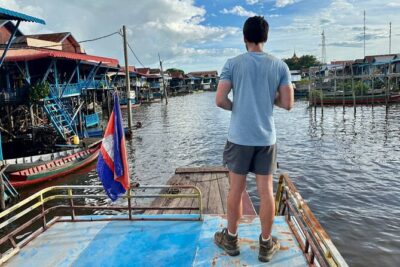 ★ 5.0Kompong Phluk Floating Village Half-Day Tour ( Morning / Sunset )From $241,494 reviews
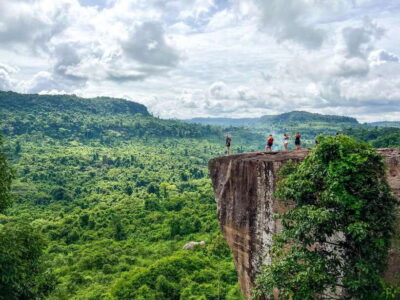 ★ 5.0Kulen Mountain, Beng Mealea and Tonle Sap TourFrom $481,483 reviews
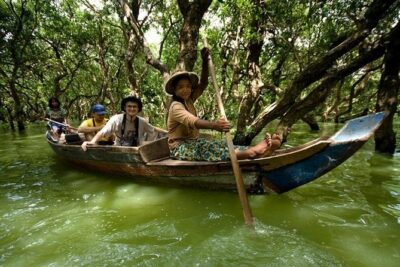 ★ 5.0Tonle Sap Lake & Kampong Phluk Village Half-Day TourFrom $491,045 reviews
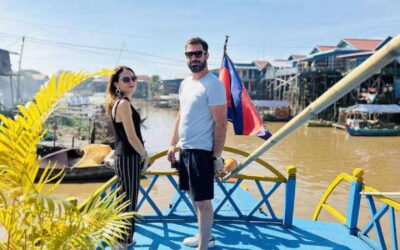 ★ 5.0Kampong Phluk Floating Village Tour by BoatFrom $201,020 reviews
 ★ 4.8Kompong Phluk Floating Village Half-Day TourFrom $24966 reviews
 ★ 5.0Kulen Mountain with Beng Mealea and Tonle Sap Small Group TourFrom $54780 reviews
Browse the lists this tour appears in