
Reviewed · FLOATING VILLAGES & TONLE SAP TOURS
Kompong Phluk Floating village & Mangrove forest cruise
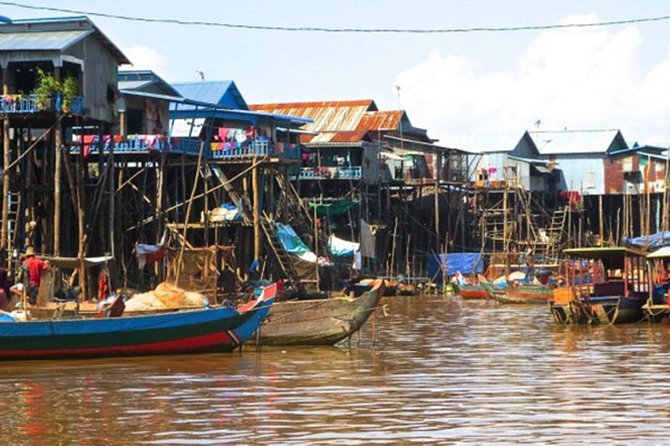
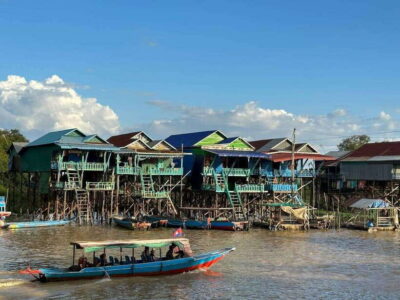
Tonlé Sap villages run on water levels. On a half-day outing to Kompong Phluk, I love how you see stilt-house life up close while a guide explains how seasonal change shapes daily routines.
You also get two very practical wins: the trip runs with air-conditioned transfers and you’re handed bottled water so you’re not cooking in the sun. One thing to consider is timing—during Feb 15 to July, the mangrove segment using a small boat or canoe option is not available, so the experience can feel a bit different.
You’ll start with a lake ride, then spend time in the floating village and mangrove area, and you’ll end with a short stop at Psar Chaa, the old market, on the way back.
In This Review
- Key things that make this tour worth your time
- Why Kompong Phluk feels different from other Siem Reap day trips
- The Tonlé Sap Lake ride: scale you can actually feel
- Kompong Phluk floating village: stilt houses and seasonal life
- Mangrove forest cruise: wet-season canoe time (and the seasonal exception)
- Psar Chaa old market: a quick local reset on the way back
- Price and what you’re actually paying for ($105 for a half day)
- Timing, pickup, and group size: comfort without dragging your day
- How to make the guide part work for you
- What to pack for a Tonlé Sap and mangrove day
- Should you book Kompong Phluk plus mangroves from Siem Reap?
- FAQ
- How long is the Kompong Phluk and mangrove forest cruise tour?
- Is pickup available from Siem Reap hotels?
- What language guides are available?
- What is included in the price?
- Do you always take the small boat into the mangroves?
- Will there be a food stop?
- What is the cancellation policy?
Key things that make this tour worth your time
- Tonlé Sap’s scale: ride on the largest natural freshwater lake in Southeast Asia
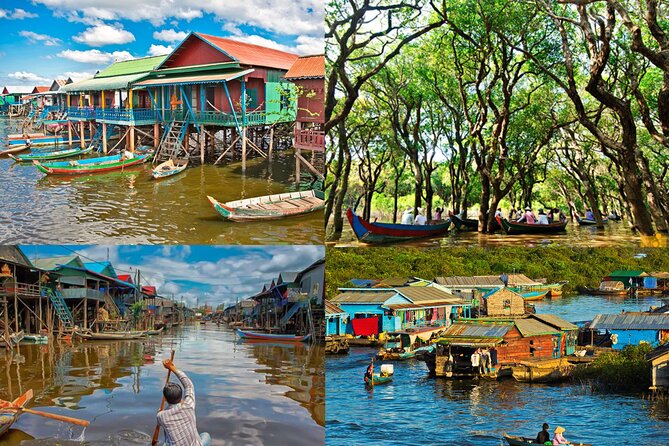
- Stilt-house life at Kompong Phluk: learn how families adapt to wet and dry seasons
- A real guide, not just driving: English or Japanese speaking licensed guides often keep the group engaged
- Wet-season mangroves by canoe: when water is higher, you travel through flooded mangroves
- Small-group feel: capped at 15 travelers, which helps questions and pacing
- Choice during mangroves: if you don’t want the small craft, you can wait with staff at the larger boat area/shop
Back out on the lake, more stilted villages
- From Siem Reap: Kampong Phluk Floating Village Tour by Boat★ 4.9 · 6,979 reviews
- Sunset tour of Kampong Phluk stilts home village on the Tonle Sap★ 5.0 · 4,865 reviews
- Kompong Phluk Floating Village Half-Day Tour ( Morning / Sunset )★ 5.0 · 1,494 reviews
- Siem Reap: Kulen Mountain, Beng Mealea and Tonle Sap Tour★ 5.0 · 1,483 reviews
Why Kompong Phluk feels different from other Siem Reap day trips
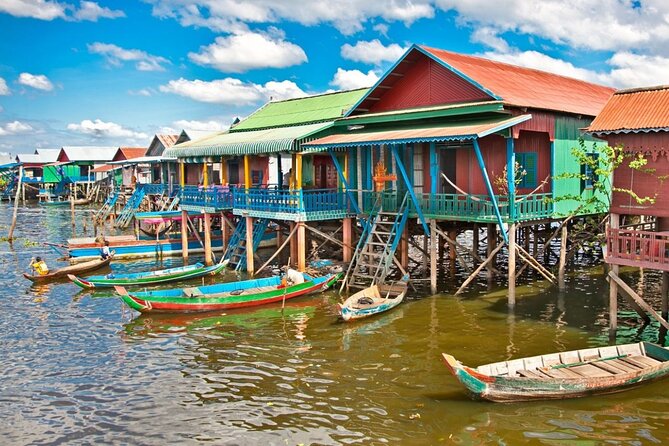
Kompong Phluk is one of those places where the setting is the whole story. Tonlé Sap isn’t a typical “lake viewpoint” stop. It’s a living system that shifts with the seasons, and people build their homes and daily plans around that reality.
What I like about this tour is the way it connects the visuals to the why. You’re not just looking at silted houses and waterways; you’re hearing how villagers manage daily tasks when water levels rise or drop. That context makes the place click fast—especially if you’ve just been visiting temples and want a different kind of Cambodia view.
It also helps that the experience is designed to be comfortable. You get pickup, you ride in an air-conditioned vehicle, and you’re provided bottled water. For a half day, that matters more than you’d think once the heat hits.
Finally, the small group size (up to 15) makes the pacing feel less rushed. You can ask questions, and your guide can actually steer the conversation instead of just “presenting facts.”
The Tonlé Sap Lake ride: scale you can actually feel
The tour begins with time on Tonlé Sap, the largest natural freshwater lake in Southeast Asia. It’s connected to the Mekong by the Tonlé Sap River, a 120-kilometer link that helps explain why water levels can change dramatically through the year.
Even without a lecture, the lake ride tells you something quickly: this isn’t a calm pond. It’s broad, working, and changeable. Houses and community areas sit at the water’s edge, and you’ll notice how the landscape shifts from “dry land” thinking to “waterways as roads” thinking.
This part of the tour is also where you get orientation. Once you’ve seen how far things stretch across the lake, the floating-village details make more sense. It’s easier to understand why homes are on stilts and why daily routines revolve around the waterline.
One small timing note: your lake time is part of a tight half-day schedule. You’ll feel the flow of the day, but you won’t have hours to wander independently. That’s not a drawback if you want a guided, efficient overview, and it’s a plus if your Angkor day is already full.
Kompong Phluk floating village: stilt houses and seasonal life
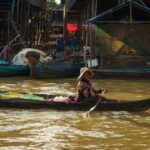
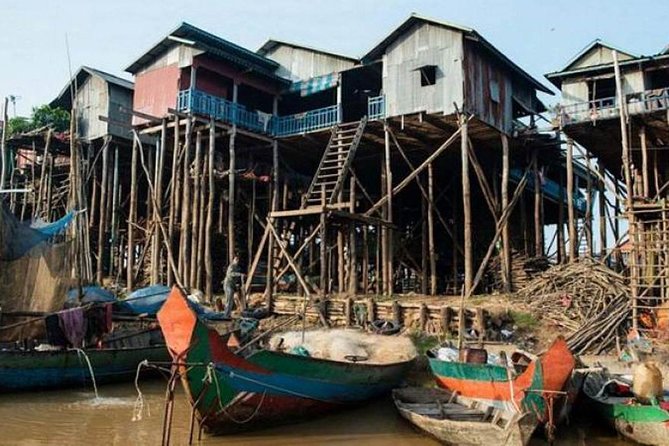
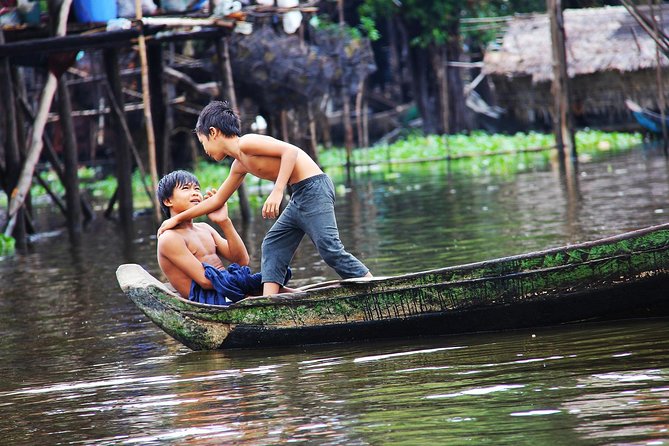
The heart of the experience is Kompong Phluk, a floating village in and around mangrove areas at the edge of the lake. The big idea here is adaptation. When the water rises, communities adjust—where they move, what they can access, and how the neighborhood works.
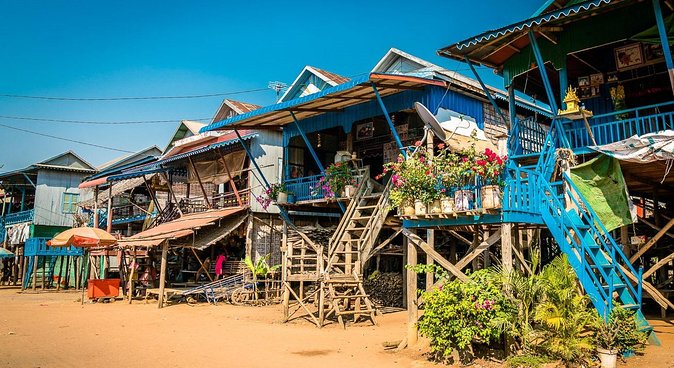
In the floating village portion, your guide helps translate what you’re seeing into daily-life language. It’s the difference between spotting houses on stilts and actually understanding why those homes exist in this form. You’ll learn about living patterns across dry and rainy seasons, and you’ll see how people interact with the ecosystem instead of treating it like scenery.
Guides named in the experience feedback—like Phy, Nak, Tommy, and Pen—are often singled out for keeping visitors engaged and making the stops meaningful. If you care about learning beyond photo-taking, choose a guide who communicates clearly and stays flexible with questions during the walk-and-boat rhythm.
You may also get a chance to see into a stilt house or stop near community spots such as a mosque area with guide escort. Those moments aren’t just “culture stops”—they help you understand the human scale, how rooms are used, and how families organize space on water-driven schedules.
Mangrove forest cruise: wet-season canoe time (and the seasonal exception)
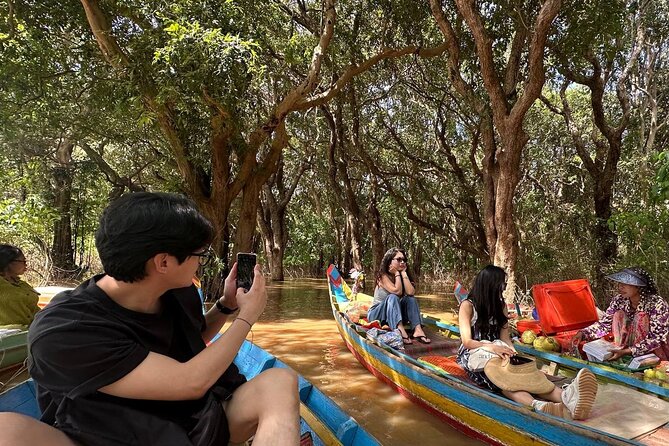
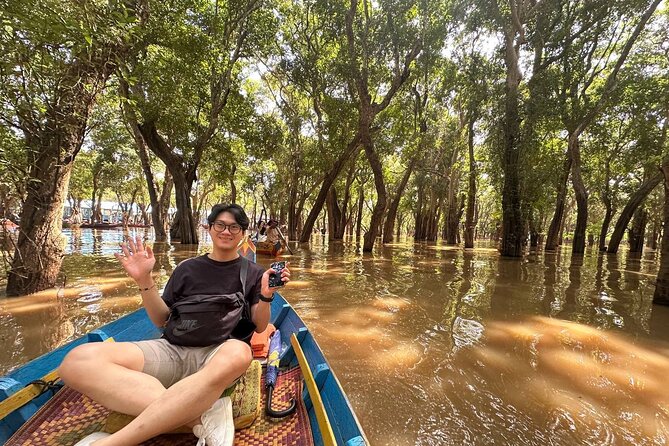
After Kompong Phluk, you move into the mangrove world. The tour includes a mangrove forest boat segment, and the key seasonal detail is this: during the wet season, you travel by canoe through a flooded mangrove forest.
That’s a very different feeling from “ride past trees.” Flooded mangroves can narrow the pathways and bring the water level into the experience in a hands-on way. It’s also a strong reason to do this tour on the right dates, because the water determines the type of craft and how you experience the channel.
Here’s the one consideration I’d plan around: from Feb 15 to July, the mangrove forest small boat option is not available. If your travel dates land in that window, the mangrove segment may be done differently, and you’ll want to mentally shift from “canoe through flooded mangroves” to “mangrove cruise with the available boat option.”
One helpful built-in flexibility: if you do not want to take the mangrove forest small boat, staff can wait with you at the big boat area/shop. That’s a smart option if you’re sensitive to motion, heat, or getting in and out of smaller craft.
Also, keep expectations realistic. This is a guided nature-and-life tour, not a long expedition. You’re there long enough to see how mangroves function as a buffer and habitat, but not long enough to forget you’re on a half-day clock.
More time out on the water
Psar Chaa old market: a quick local reset on the way back
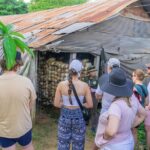
On the return, you’ll stop at Psar Chaa, the old market, usually for about 30 minutes. It’s not a long browse, but it’s a useful add-on if you want a glimpse of everyday commerce without turning the day into a shopping mission.
This is the kind of stop that works best when you treat it like a sensory walk: look at what people sell, notice packaging and produce, and watch how the market moves. It’s also a chance to connect the dots. The floating village is dramatic and visual. The market is normal and practical—and together they show two sides of the region’s economy.
If you’re short on time after visiting temples, this market stop can help you feel like you got out of the tourist lane and back into daily Cambodian rhythm.
Price and what you’re actually paying for ($105 for a half day)
At $105, this tour sits in the “serious half-day experience” territory for Siem Reap. The value is strongest when you look at what’s included rather than what’s optional.
Included in your price:
- Entrance fees
- Boat fees (including the mangrove cruise and boat from the port)
- Air-conditioned vehicle transfers and cool water
- A licensed guide who speaks English or Japanese
- A mobile ticket
Not included:
- Meals (you can be escorted to a restaurant if you need one)
- Personal expenses
- Tips
So what does that mean for your budget? It means you’re mostly paying for transport + guide + access to the water-based portions. If you tried to DIY it, you’d likely spend money on similar boat access anyway, plus you’d need to coordinate the seasonal logistics and local timing.
This is also the kind of price where guide quality changes the whole experience. The best versions of this tour are the ones where your guide ties everything together: lake ecology, how people build on stilts, and how daily life changes with the year.
Timing, pickup, and group size: comfort without dragging your day
Your tour runs about 3 to 4 hours. It’s the right length if you want to balance Angkor temple time with something that feels like a completely different country chapter.
Most people like the schedule because pickup means you’re not hiring separate tuk-tuks or hunting down meeting points. Air-conditioned transfers also help a lot—especially if you’re doing this on a day when the afternoon heat is pushing hard.
Group size is capped at 15 travelers, which gives the tour a more personal feel. You’re not in a crowd where questions get swallowed. A smaller group also helps the guide manage pacing between lake ride, village walking time, and the mangrove segment.
One practical point: depending on whether you do it morning or afternoon, you may return later or earlier than you expect. Some versions of the experience can end close to midday, while others can run into the evening. If you have dinner plans, build in a buffer.
How to make the guide part work for you
On water-and-stilts tours, the guide does more than translate words. A good guide changes how fast you understand what you’re seeing.
If you want the experience to feel more than scenic, ask questions during the walking segments. Use natural prompts like:
- How the village changes between dry and rainy seasons
- What daily work looks like on stilts vs. when areas are submerged
- How the lake ecosystem affects where people can go and when
Guides mentioned in the feedback—Phy, Nak, Tommy, and Pen—are repeatedly praised for enthusiasm and keeping the group involved. That’s a clue for you: you’ll get more out of the tour if you pick a guide who actively explains rather than just “points and moves.”
Also, don’t be shy about asking for small adjustments. If you prefer not to take the mangrove small boat, the tour includes a wait option while you stay at the bigger boat area/shop.
What to pack for a Tonlé Sap and mangrove day
This is a half-day that still feels like outdoors time. You’re on the lake, moving between boat and land surfaces, and spending time in warm weather.
Bring:
- Light, breathable clothing
- Sun protection (hat, sunscreen)
- Sunglasses
- Water shoes or sandals with decent grip (helpful for boat transfers and damp areas)
- A dry bag or waterproof phone pouch if you have one
- A small towel or wipes, especially if you’re prone to getting splashed
If you’re doing wet-season canoe travel, expect more “water contact” energy. Dry-season trips can feel hotter because you’re in open sun more often, depending on conditions.
Should you book Kompong Phluk plus mangroves from Siem Reap?
Book this tour if you want:
- A guided view of Tonlé Sap that explains why people build on stilts
- A half-day activity that balances sightseeing with local seasonal understanding
- Boat access and mangrove cruising without the stress of arranging transport and fees yourself
- The comfort of air-conditioned transfers and a small group (max 15)
You might think twice if:
- Your travel dates fall in Feb 15–July and you specifically want the mangrove small-boat or canoe-style segment, since it’s not available in that window
- You’d rather have a long, unstructured village visit. This is designed to be efficient and guided, not a slow wander
If you’re doing Angkor and you want one day that feels genuinely different, this is a strong pick. It’s not just a pretty water scene—it’s a lesson in how a community lives with changing water, and the mangrove part gives that lesson a practical, memorable shape.
FAQ
How long is the Kompong Phluk and mangrove forest cruise tour?
It runs about 3 to 4 hours.
Is pickup available from Siem Reap hotels?
Yes, pickup is offered, and the tour includes air-conditioned vehicle transfers with cool water.
What language guides are available?
The tour includes an English and Japanese speaking licensed guide.
What is included in the price?
Entrance fees and boat fees are included, along with the guide and air-conditioned transfers. A mobile ticket is used.
Do you always take the small boat into the mangroves?
No. The mangrove forest small boat option is not available from Feb 15 to July. There is also an option for guests who do not want to take the small boat to wait at the big boat area/shop.
Will there be a food stop?
Meals (lunch or dinner) are not included. If you need a meal, the operator can escort you to a restaurant.
What is the cancellation policy?
You can cancel for a full refund if you cancel up to 24 hours in advance. If you cancel less than 24 hours before the start time, the amount paid is not refunded.
Out on the Water Around Siem Reap
- From Siem Reap: Kampong Phluk Floating Village Tour by Boat
★ 4.9 · 6,979 reviews - Kampong Phluk Floating Village Tour by Boat
★ 5.0 · 1,020 reviews - Sunset Dinner and drinks includes a Floating Village cruise tour.
★ 4.0 · 152 reviews - Floating Village Sunset Boat & Jeep Tour – Inclusive Drinks
★ 5.0 · 115 reviews - discover floating villages and tonle sap lake by boat
★ 4.0 · 79 reviews
More Tour Reviews in Siem Reap
- Angkor Wat Sunrise or Sunset Tour with Guide from Siem Reap
★ 5.0 · 12,109 reviews - Siem Reap: Angkor Wat: Small-Group Sunrise or Sunset Tour
★ 5.0 · 9,444 reviews - From Siem Reap: Kampong Phluk Floating Village Tour by Boat
★ 4.9 · 6,979 reviews - Sunset tour of Kampong Phluk stilts home village on the Tonle Sap
★ 5.0 · 4,865 reviews - Siem Reap: Angkor Wat 2-Day Tour with Sunrise and Sunset
★ 4.9 · 4,429 reviews
Out on Tonle Sap
- From Siem Reap: Kampong Phluk Floating Village Tour by Boat
★ 4.9 · 6,979 reviews - Sunset tour of Kampong Phluk stilts home village on the Tonle Sap
★ 5.0 · 4,865 reviews - Kompong Phluk Floating Village Half-Day Tour ( Morning / Sunset )
★ 5.0 · 1,494 reviews - Siem Reap: Kulen Mountain, Beng Mealea and Tonle Sap Tour
★ 5.0 · 1,483 reviews - Tonle Sap Lake & Kampong Phluk Village Half-Day Tour
★ 5.0 · 1,045 reviews
Just Added: Fresh Siem Reap Tour Reviews

Floating Villages & Tonle Sap Tours, compared.
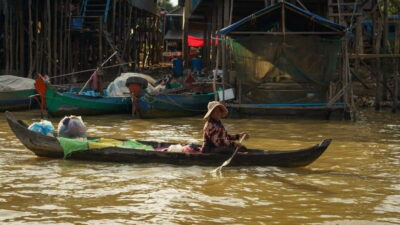 ★ 4.9From Siem Reap: Kampong Phluk Floating Village Tour by BoatFrom $206,979 reviews
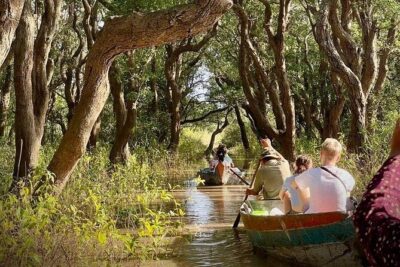 ★ 5.0Sunset tour of Kampong Phluk stilts home village on the Tonle SapFrom $214,865 reviews
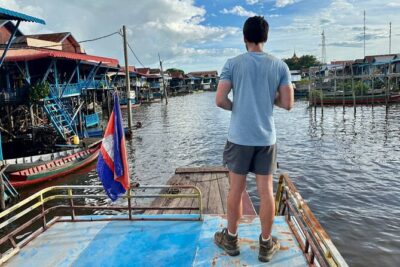 ★ 5.0Kompong Phluk Floating Village Half-Day Tour ( Morning / Sunset )From $241,494 reviews
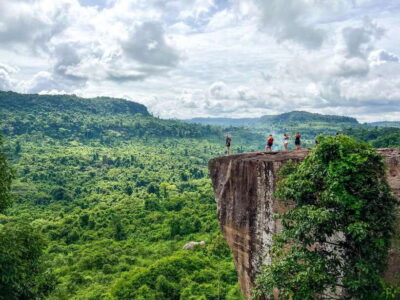 ★ 5.0Kulen Mountain, Beng Mealea and Tonle Sap TourFrom $481,483 reviews
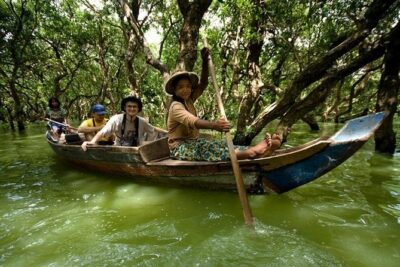 ★ 5.0Tonle Sap Lake & Kampong Phluk Village Half-Day TourFrom $491,045 reviews
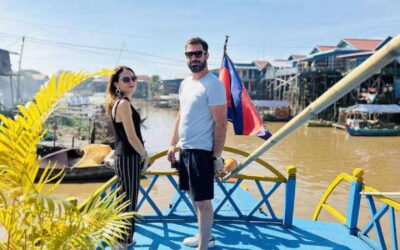 ★ 5.0Kampong Phluk Floating Village Tour by BoatFrom $201,020 reviews
 ★ 4.8Kompong Phluk Floating Village Half-Day TourFrom $24966 reviews
 ★ 5.0Kulen Mountain with Beng Mealea and Tonle Sap Small Group TourFrom $54780 reviews
Browse the lists this tour appears in