
Reviewed · SIEM REAP COUNTRYSIDE & VILLAGE TOURS
Ox Cart Ride of Rural Cambodia
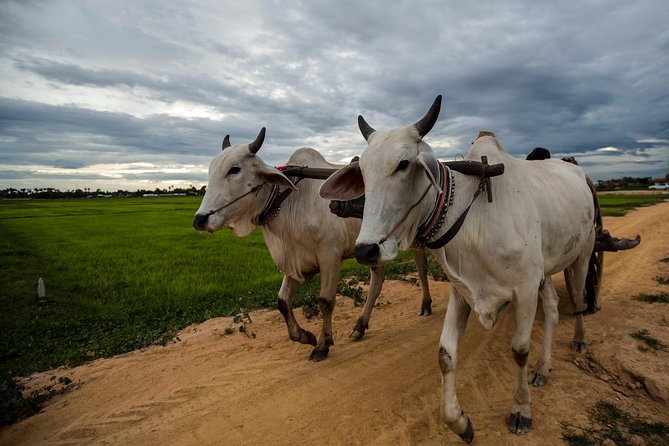
Ox carts beat buses every time. This is a simple, countryside-focused way to see rural Cambodia, swapping crowds for palm groves, rice paddies, and ox-drawn carts. I like how the day can also include seasonal work with local makers, like broom craft and sugar palm processing, so it feels tied to real life instead of set-piece tourism.
The ride itself is the point. You’ll go past fields and working villages, and you may stop for a local family visit or a short walkabout. One thing to consider: depending on the route, you might spend time on busier roads, and that’s not everyone’s cup of tea—if that matters to you, ask for the quietest tracks possible.
Morning and afternoon options also make it easier to plan. You’ll ride out with a 7:30 or 1:30 pickup, then return into town on time for lunch or dinner—a nice rhythm when you’re also planning Angkor Wat days.
In This Review
- Key Things I’d Plan For
- How This Ox-Cart Experience Fits Into Your Siem Reap Days
- Pickup Times and the Tuktuk Route Out of Town
- The Ox-Cart Ride: What Makes It Feel Authentic
- Village Stops: Brooms, Sugar Palm, Beetle Nut, and Local Craft Work
- Brooms, made year-round
- Sugar palm processing (often Oct–Apr)
- Beetle nut making (often Jun–Sep)
- A local family visit (a personal touch)
- Rice Farming: Timing Is Everything
- The Walking Portion: How Active It Really Is
- Lunch, Afternoon Tea, and Staying Comfortable Without Getting Sidetracked
- Price and Value: What You’re Paying For at $135
- Who This Tour Suits (and Who Should Think Twice)
- Practical Tips to Get the Best Day
- Should You Book the Ox Cart Ride of Rural Cambodia?
- FAQ
- What time does the morning pickup happen?
- What time does the afternoon pickup happen?
- How long is the tour?
- What’s included in the price?
- Is this a private tour?
- Is there a minimum age?
- Can I cancel for free?
Key Things I’d Plan For
- Non-motorized ox-cart pace that makes the countryside feel close-up, not rushed
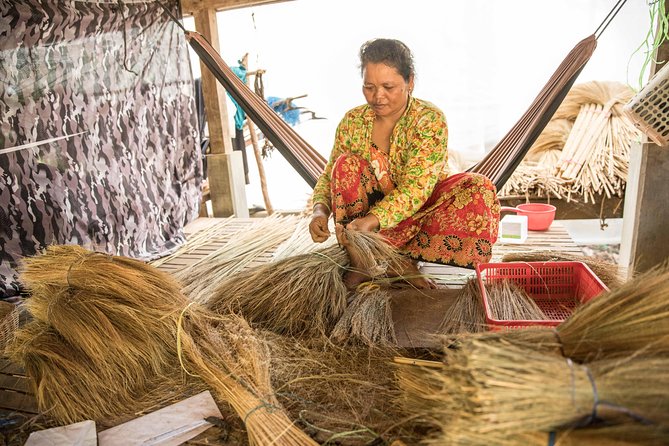
- Seasonal craft stops (brooms year-round; sugar palm roughly Oct–Apr; beetle nut roughly Jun–Sep)
- Rice farming timing (planting roughly Jun–Dec; harvest roughly Dec)
- Local family interaction that adds a personal, practical window into daily life
- Afternoon tea + bottled water so the day stays comfortable without extra hunting
- Private tour setup so your group rides together
Past the rice fields, more village days
- From Siem Reap: Kampong Phluk Floating Village Tour by Boat★ 4.9 · 6,979 reviews
- Kampong Phluk Floating Village Tour by Boat★ 5.0 · 1,020 reviews
- Siem Reap Countryside Bike Tour / E-Bike or Tuk Tuk★ 5.0 · 935 reviews
- Siem Reap: Tonle Sap, Kampong Phluk & Floating Village Tour★ 4.4 · 397 reviews
How This Ox-Cart Experience Fits Into Your Siem Reap Days
Siem Reap has a way of pulling you toward big, busy sites. This tour does the opposite. It gives you a half-day that feels like a reset button: fewer engines, more field views, and a different kind of Cambodia rhythm.
If you’re doing Angkor Wat in the morning, this works well as a break afterward. One of the best compliments I’ve heard about this style of trip is that it pairs naturally with temple days—after all those stone scenes, it’s refreshing to see working farms and everyday routines.
Also, the timing is practical. You’re picked up from your hotel or guesthouse, then delivered back into town so you’re not stuck wondering how to eat later. Morning tours aim for lunch back in Siem Reap. Afternoon tours are timed for dinner.
Pickup Times and the Tuktuk Route Out of Town
You won’t be walking in the dark or waiting around forever. A remork (tuktuk) picks you up at 7:30 for the morning tour or 1:30 for the afternoon tour. Then you’re taken to the starting area, with countryside views along the way.
That ride between town and rural areas matters more than people think. You’ll pass rice paddies and palm trees, and you might even spot the odd ruin in the distance. It’s like easing from tourist Siem Reap into real Cambodia before your ox cart starts rolling.
It’s also private. Your group is the only group on the activity, so you won’t get the “wait for everyone” effect that can slow down a short day.
If you want to reduce stress, confirm how your hotel drop-off works. The tour notes that hotel drop-off is for selected hotels only, so you may still get delivered back into town even if the driver doesn’t pull up exactly at your door.
The Ox-Cart Ride: What Makes It Feel Authentic
This is an ox-cart ride, not a photo stunt. The biggest draw is the pace. A non-motorized cart naturally slows you down. That means you can actually watch details: how people work, how fields sit next to homes, and how the countryside changes as you move.
In rural areas, speed can feel rude. Here, slow feels respectful. You’re not zip-zipping past everything. You’re moving through daily life at a human tempo.
You’ll also get that “we’re really out here” feeling. The ride goes through farming countryside with ox-drawn carts, and it often includes time to see what local life looks like beyond the main sights. One of the most praised parts of the experience is exactly that simplicity—no gimmicks, just countryside and work.
Village Stops: Brooms, Sugar Palm, Beetle Nut, and Local Craft Work
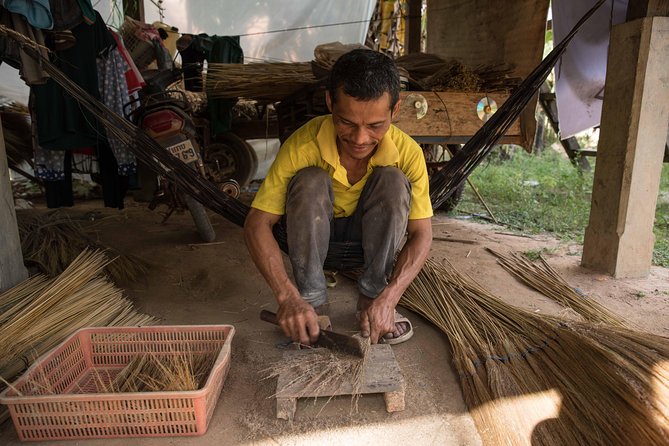
This is where the tour stops being just scenery. You have the chance to see locals making practical items—stuff that keeps daily life running.



Brooms, made year-round
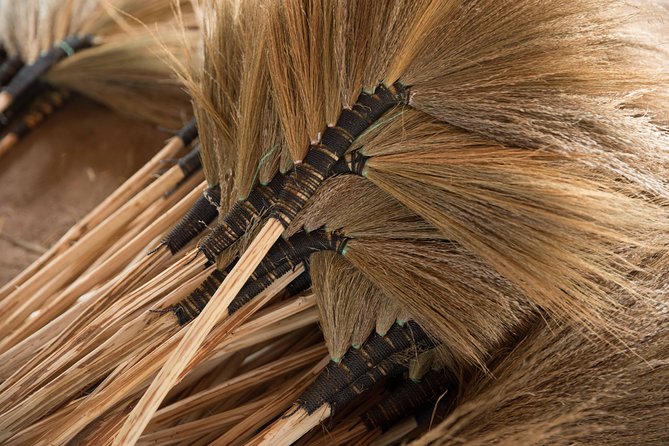
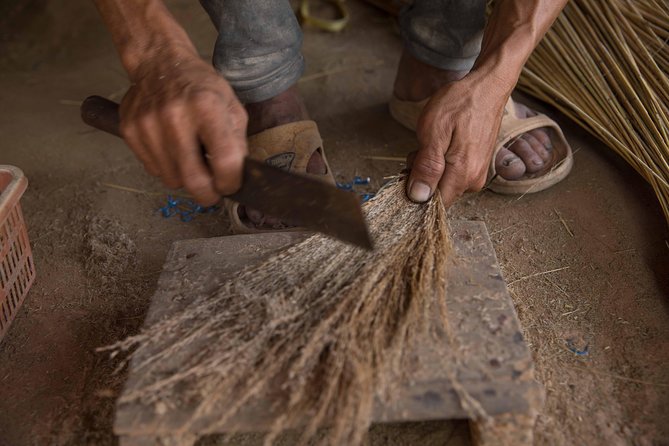
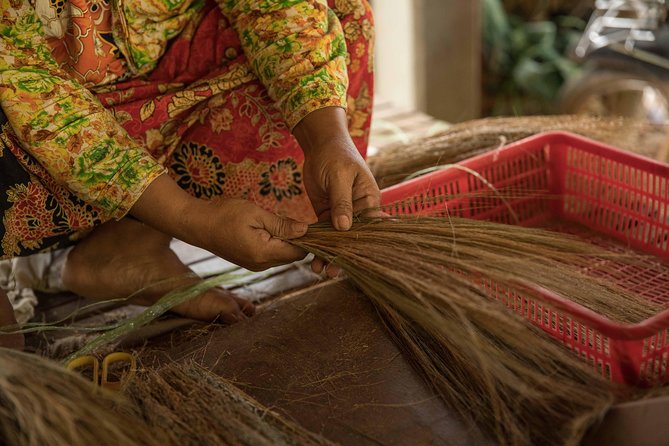
Broom making is listed as happening throughout the year. That’s a big deal, because it means you’re more likely to see it regardless of your travel month. Even if you don’t buy anything, it’s a useful look at how everyday tools get created.
Sugar palm processing (often Oct–Apr)
Sugar palm making is usually October to April. If you travel in that window, you’re more likely to see the step-by-step work around palm products. If you’re outside those months, you might still see other household crafts, but you won’t want to assume sugar palm is guaranteed.
Beetle nut making (often Jun–Sep)
Beetle nut making is usually June to September. This timing can help you plan if seeing a specific craft is important to you. If you’re visiting outside those months, the guide may pivot to whatever is active locally.
A local family visit (a personal touch)
The tour can include a visit to a local family, which adds a more personal connection. This isn’t framed as a scripted performance. The value is in seeing how people live and work, with a guide to translate and explain what you’re seeing.
Rice Farming: Timing Is Everything
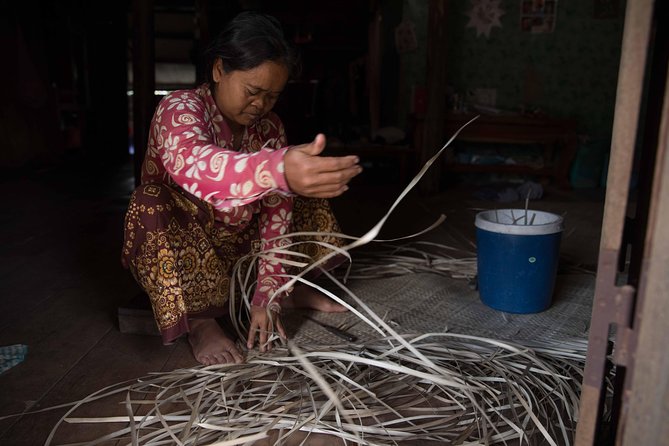
Rice is the backbone of what you’ll see. And the tour highlights key moments on a seasonal rhythm—so you’re not just looking at fields, you’re seeing a system.
Here’s what’s listed:
- Rice planting: usually June to December
- Rice harvest: usually December
If you’re in the region during planting season, you’ll likely get a better sense of how farmers get the cycle started. In harvest season, the focus shifts to the results of that work—what the fields look like when effort turns into food.
Even when you’re not in the exact month for planting or harvest, the countryside still tells the story. Fields, water, and seasonal crops are visible, and your guide can connect what you’re seeing to the farming calendar.
The Walking Portion: How Active It Really Is
Most people can participate, which is good news if you’re not sure how active rural Cambodia will feel. Still, plan for real outdoor conditions.
If the tour includes a walkabout in a farming village, you should expect:
- short, practical walking on uneven ground
- heat and dust depending on the day
- a slower pace built around explanation and stops, not long hikes
If you’re sensitive to sun or motion, keep it simple: wear comfortable shoes and bring a hat. And if you prefer minimal road time, say so early. One key suggestion that came up is to avoid riding too long on roads and instead spend more time in fields. You can ask the guide to keep the route as calm as possible.
Lunch, Afternoon Tea, and Staying Comfortable Without Getting Sidetracked
Food is included, which makes the day much easier to handle. You get:
- Lunch on the morning tour plan
- Afternoon tea on the afternoon plan
- Bottled water
- A local guide
- Local taxes and a few other basics
The tour notes that food and drinks aren’t included unless specified, so treat what you get as the main setup. In other words: don’t plan on extra purchases being part of the ticket value.
Why this matters: with rural tours, small “let’s find something” moments can eat up time. Here, the schedule is already built around returning to town for a proper meal. That keeps your day from turning into a logistical puzzle.
Price and Value: What You’re Paying For at $135
At $135 per person, you’re not buying a long list of attractions. You’re paying for a guided, rural half-day with real local access: transportation out of town, local guide time, included meals/tea and water, and the structure to make craft and farming stops happen.
The best way to think about it is value as experience quality. This trip is praised for being simple and authentic, with the focus on non-motorized riding and working village scenes. If you want a shopping-heavy, over-produced day, this isn’t that.
For people who want a break from temple crowds, the price can feel fair because it does something different. It complements Angkor days, adds context about how people live beyond tourist paths, and gives you a half-day rhythm that’s easy to fit into a tight schedule.
Who This Tour Suits (and Who Should Think Twice)
I’d recommend this for you if:
- you want a calmer day after busy Siem Reap time
- rural life and craft work interest you
- you like “real work” scenes—how items get made, not just how monuments look
- you’re okay with a relaxed pace and outdoor walking
It may feel less ideal if:
- you strongly dislike any road sections and can’t tolerate being in a vehicle for parts of the route
- you want guaranteed “big-ticket” sights (this is farming and village life, not temple wandering)
- you’re hoping every craft is guaranteed regardless of month (some highlights depend on seasonal timing)
The good news is the tour is private, so your group can set expectations with the guide and request a route that matches your comfort level.
Practical Tips to Get the Best Day
A few practical ideas will make this smoother:
- Bring sunscreen and a hat. Outdoor time adds up fast in rural areas.
- Wear comfortable, closed-toe shoes. Walkabouts happen on uneven surfaces.
- If road time bothers you, say it early: ask for more field time and less time on busier roads.
- Use your guide’s explanations. The craft and farming stops are much more meaningful when you understand what you’re seeing.
- Don’t stress about perfect season matches, but do use the listed timing if you have a must-see craft (like sugar palm or beetle nut).
Should You Book the Ox Cart Ride of Rural Cambodia?
If your goal is rural Cambodia without the noise, book it. This is the kind of half-day that helps your trip feel balanced: temples in the morning, then working fields later, with a slower ride that lets you look instead of just snap photos.
I’d especially say yes if you’re interested in the practical crafts tied to real months of the year (brooms, sugar palm, beetle nut) and you want a guide to translate what rural life looks like.
One last check: if you’re very sensitive to road portions, message the operator or set expectations at the start. The tour has the right ingredients—simple pace, countryside access, and included food—but you’ll get a better experience if you communicate your preferences for where the cart ride happens.
FAQ
What time does the morning pickup happen?
The morning tour pickup is at 7:30 from your hotel or guesthouse in Siem Reap.
What time does the afternoon pickup happen?
The afternoon tour pickup is at 1:30 from your hotel or guesthouse.
How long is the tour?
The tour runs for about 4 hours.
What’s included in the price?
The price includes a local guide, hotel pickup, lunch (morning plan), afternoon tea (afternoon plan), bottled water, local taxes, and hotel drop-off for selected hotels only. You’ll also receive a mobile ticket.
Is this a private tour?
Yes. It’s listed as a private tour/activity, meaning only your group participates.
Is there a minimum age?
Yes. The minimum age is 21 years.
Can I cancel for free?
Yes. You can cancel up to 24 hours in advance for a full refund. If you cancel less than 24 hours before the experience’s start time, the amount paid isn’t refunded.
More Tour Reviews in Siem Reap
- Angkor Wat Sunrise or Sunset Tour with Guide from Siem Reap
★ 5.0 · 12,109 reviews - Siem Reap: Angkor Wat: Small-Group Sunrise or Sunset Tour
★ 5.0 · 9,444 reviews - From Siem Reap: Kampong Phluk Floating Village Tour by Boat
★ 4.9 · 6,979 reviews - Sunset tour of Kampong Phluk stilts home village on the Tonle Sap
★ 5.0 · 4,865 reviews - Siem Reap: Angkor Wat 2-Day Tour with Sunrise and Sunset
★ 4.9 · 4,429 reviews
Through the Siem Reap Countryside
- From Siem Reap: Kampong Phluk Floating Village Tour by Boat
★ 4.9 · 6,979 reviews - Kampong Phluk Floating Village Tour by Boat
★ 5.0 · 1,020 reviews - Siem Reap Countryside Bike Tour / E-Bike or Tuk Tuk
★ 5.0 · 935 reviews - Siem Reap: Tonle Sap, Kampong Phluk & Floating Village Tour
★ 4.4 · 397 reviews - Siem Reap Countryside Quad Biking Tour
★ 5.0 · 322 reviews
Just Added: Fresh Siem Reap Tour Reviews

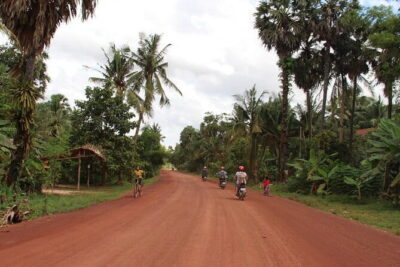

Siem Reap Countryside & Village Tours, compared.
 ★ 4.9From Siem Reap: Kampong Phluk Floating Village Tour by BoatFrom $206,979 reviews
 ★ 5.0Kampong Phluk Floating Village Tour by BoatFrom $201,020 reviews
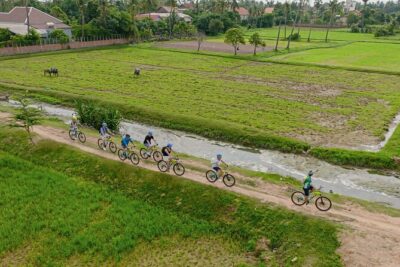 ★ 5.0Siem Reap Countryside Bike Tour / E-Bike or Tuk TukFrom $35935 reviews
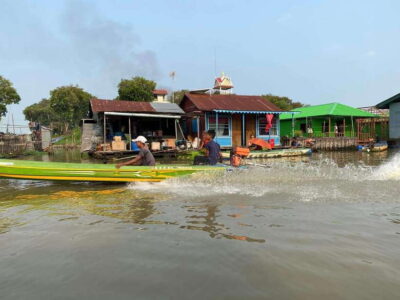 ★ 4.4Tonle Sap, Kampong Phluk & Floating Village TourFrom $17397 reviews
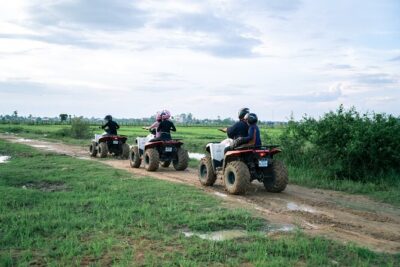 ★ 5.0Siem Reap Countryside Quad Biking TourFrom $45322 reviews
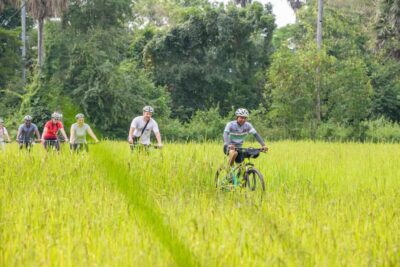 ★ 4.9Guided Countryside Bike TourFrom $35294 reviews
 ★ 4.7Siem Reap Lotus Silk Farm Discovery tour & Lake experienceFrom $20291 reviews
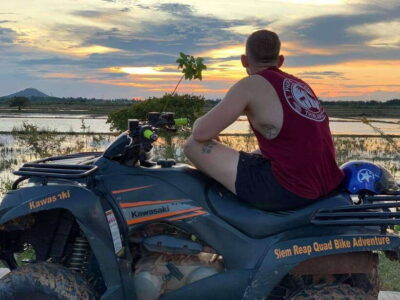 ★ 4.7Siem Reap Quad Bike Countryside TourFrom $33283 reviews
Browse the lists this tour appears in