
Reviewed · PREAH KHAN & GRAND CIRCUIT TOURS
Preah Khan, Neak Pean and Pre-Rup Private Tour
One of the best ways to see Angkor is going outward. This private loop hits Preah Khan and Pre Rup plus the more local-feeling temple corners around Neak Pean and Ta Som. It’s a solid 4–5 hour way to understand how these Khmer-era sites fit together, without spending the whole day on the busiest roads.
I really like two things about this tour: the pacing and the guide. You get a private, air-conditioned ride with bottled water and hotel pickup, and your English-speaking guide (often Sim) does a good job connecting temple layout to what you’re actually seeing. The second big win: most stops are free, so your main entrance budgeting is mostly just Preah Khan.
One consideration: the Preah Khan entrance fee is not included ($37 per person). If you’re watching costs closely, that’s the number to plan for up front—especially if you’re booking for a group.
In This Review
- Key Highlights You’ll Care About
- The Real Value: A Private Ride Between Less-Visited Temple Zones
- Preah Khan: The “Royal Sword” Temple Complex Starts the Story
- Neak Pean: The Serpents Temple on an Artificial Island
- Ta Som: A Short Forest Temple Stop That’s Easy to Fit
- East Mebon: An Island Temple in the Area of the Old East Baray
- Srah Srang: The Water Reservoir Stop Most People Skip
- Pre Rup: Temple-Mountain Views and a Big Climb Energy
- Guide Sim: What Makes This Tour Feel Worth It
- Timing and Comfort: How 4 to 5 Hours Plays in Real Life
- Price Breakdown: Why This Tour Often Works for Your Wallet
- Who This Tour Suits Best
- Should You Book This Preah Khan, Neak Pean and Pre-Rup Private Tour?
- FAQ
- What temples are included on this tour?
- How long does the tour take?
- Is the Preah Khan entrance fee included?
- Is this a private tour?
- Do you get hotel pickup and drop-off?
- What’s the cancellation window for a refund?
Key Highlights You’ll Care About
- Preah Khan first: the 12th-century “Royal Sword” temple complex anchors the whole story.
- Neak Pean’s reservoir setting: you’ll see the serpents temple on an artificial island in the water basin linked to Preah Khan.
- Forest temple stop (Ta Som): a smaller, end-of-12th-century site near the Angkor Thom area.
- East Mebon + Srah Srang pairing: you’ll go from an island temple in the old East Baray reservoir area to the historic water reservoir site.
- Pre Rup near sundown energy: this temple-mountain stop is built from brick, laterite, and sandstone, with big views from the top levels.
- Private comfort, not a cattle call: only your group, in an air-conditioned vehicle, with hotel pickup/drop-off and bottled water.
Round the grand circuit, a few more stops
- Siem Reap: Banteay Srei and Grand Circuit Heritage Tour★ 4.9 · 163 reviews
- Banteay Srei and Grand Circuit Heritage Tour from Siem Reap★ 5.0 · 142 reviews
- 2-Day Private Tour in Angkor Wat Grand Circuit★ 5.0 · 23 reviews
- Angkor Grand Circuit Temples Tour★ 5.0 · 8 reviews
The Real Value: A Private Ride Between Less-Visited Temple Zones
This tour is built for people who want Angkor temples without the all-day grind. You’re not doing a marathon circuit. Instead, you’ll hit six major points in roughly 4–5 hours, which keeps it realistic even when the sun gets intense.
The big practical win is the private, air-conditioned vehicle. In Siem Reap heat, that matters. It also means you’re not forced to coordinate with strangers when you want to pause for a photo, walk slower, or spend extra minutes at a doorway detail. You’ll also have hotel pickup and drop-off, plus bottled water—small things that add up fast when you’re doing temple hopping.
This kind of private format also helps the guide work in context. When you can move when you need to, Sim can point out how the Khmer rulers used temples and water systems as part of the same design logic. That makes the sites feel linked instead of random stops.
Preah Khan: The “Royal Sword” Temple Complex Starts the Story
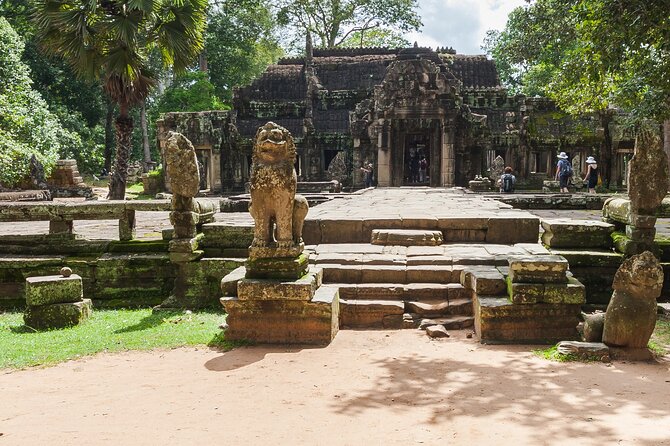
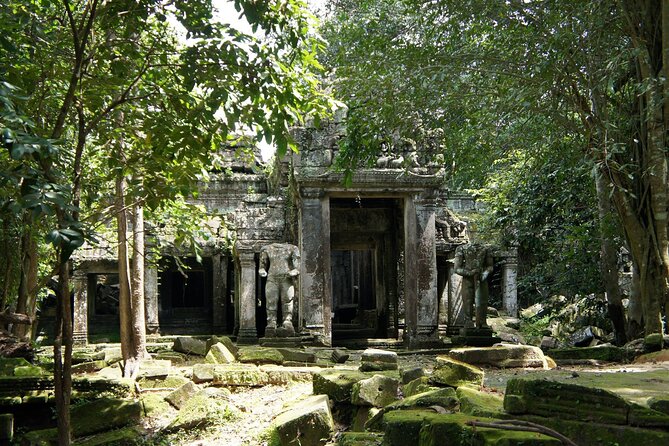
Preah Khan is the kind of temple that rewards patience. It’s in the Angkor area and dates to the 12th century, built by King Jayavarman VII to honor his father. Even the basic layout is distinctive: a flat design with successive rectangular galleries (think of it as a series of enclosed corridors that guide your path step by step).
What you’ll likely appreciate most is how Preah Khan feels like a full “temple city” rather than a single monument. The site is big enough that a one-hour visit can still feel like you’re only scratching the surface—but that’s exactly why it works well for a half-day itinerary. You’ll get key structure and atmosphere, then move on while your energy is still solid.
One note you shouldn’t gloss over: Preah Khan admission is not included. The fee listed is $37 per person, so your final per-person total will be the tour price plus that entrance cost.
If you’re weighing tours, this is where you decide what kind of value you want:
- If you’re the type who loves temple architecture and wants a guided walkthrough, the Preah Khan fee is usually worth it.
- If you’re trying to keep the day ultra-budget, you might prefer an itinerary that leans more heavily on free-entry sites. This tour does include several free stops, but Preah Khan is the main paid anchor.
Neak Pean: The Serpents Temple on an Artificial Island
Neak Pean is the stop that often feels visually different right away. The name connects to the idea of entwined serpents, and the layout centers on a temple built on an artificial island in a reservoir basin. The info you’re given includes the reservoir size—about 3.5 km by 1 km—and that scale is part of the impact.
Even if you’re not thinking like an architect, you’ll get the point quickly: temples here aren’t just buildings. They’re placed in engineered water landscapes that shape how you move and what you notice. Neak Pean sits in the center of the reservoir, linked to the Preah Khan temple complex. So it’s not a random detour—it’s part of the same spiritual-and-physical system.
Good news: Neak Pean admission is free on this tour. That makes it a strong value stop, because you’re paying mostly for the guided time and transportation, not stacking entry fees at every stop.
At about one hour, you’ll have time to orient yourself and walk through the essential sight lines. If you’re the kind of traveler who loves quiet corners, Neak Pean can feel like a breath of air compared to more crowded central Angkor spots.
Ta Som: A Short Forest Temple Stop That’s Easy to Fit
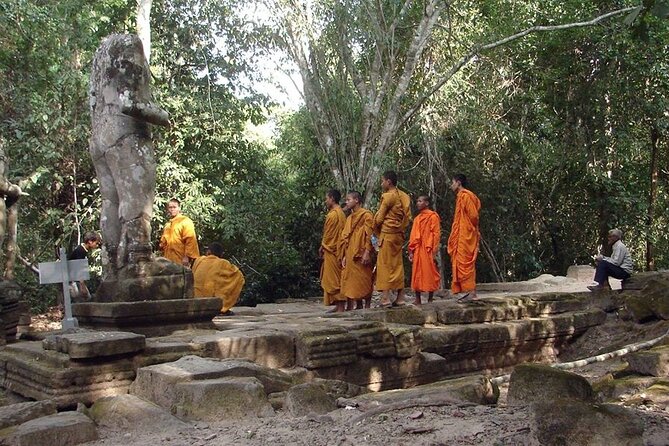
Ta Som is smaller than the headline complexes, and that’s why it fits so well here. It’s described as a temple at Angkor built at the end of the 12th century for King Jayavarman VII, located north east of Angkor Thom and just east of Neak Pean.
The practical way to think about Ta Som is this: you get a change of pace. After the larger, water-linked feel of Neak Pean, Ta Som gives you a more compact temple experience. The key detail in your tour info is placement—east of Neak Pean and near the Angkor Thom area—so it naturally works as part of a tight loop.
This stop is 30 minutes and admission is free. That short timing is ideal if you’re sweating in the sun and want to keep the day comfortable. It’s also long enough for a few meaningful photos and a brief walkthrough with your guide pointing out what makes this one special.
Just your group, at your own pace


East Mebon: An Island Temple in the Area of the Old East Baray
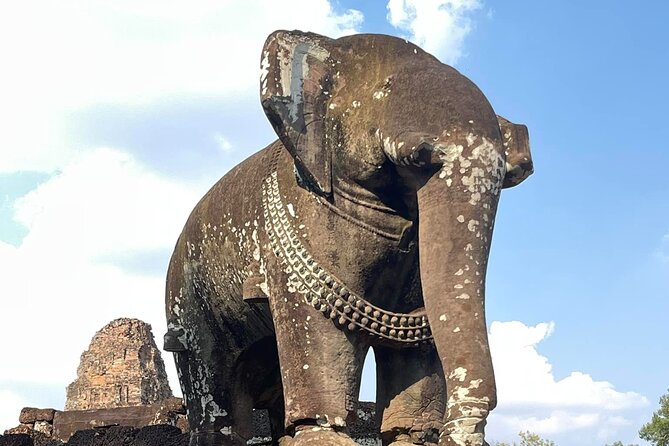
East Mebon is one of those temple stops that makes you look outward as much as upward. The site dates to the 10th century and was built by King Rajendravarman. You’ll also learn that it originally stood on what was an artificial island in the center of the now-dry East Baray reservoir.
The reservoir dimensions included in your tour info—about 7.5 km by 1.8 km—help you understand why this wasn’t a “small pond” temple setup. Water management was on a huge scale, and these kings didn’t treat it as background. They treated it as part of the design.
East Mebon admission is free. The stop is about 40 minutes, which is a good length for soaking in the island concept without feeling like you’re rushing.
If you like understanding the “why,” this is the kind of stop where a guide’s explanation can really help. You’re looking at something that isn’t exactly as it once was—because the reservoir is now dry—so the story matters. Even if you’re not a hardcore history person, you’ll still appreciate the change over time.
Srah Srang: The Water Reservoir Stop Most People Skip
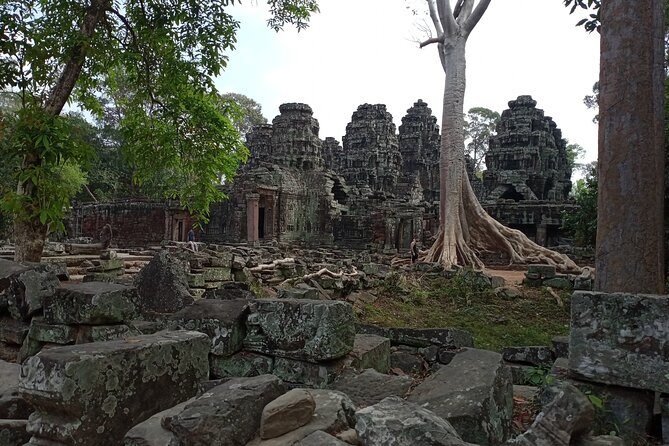
Srah Srang is one of those places that feels more useful than flashy. It’s described as being dug in the mid-10th century on initiative of Kavindrarimathana, a Buddhist minister of Rajendravarman II. Then, around 1200, Jayavarman VII modified it (the tour info notes that the modifications included additions referred to in the historical record you’re given).
In plain terms: this is a water site with royal-era engineering behind it. Even though it’s not always as photo-dramatic as some temples, it helps you connect how the Angkor world worked. Temples and water systems were tied to ritual life, daily function, and the larger city design.
On this tour, Srah Srang is a 20-minute stop and free. It’s short on purpose. You’re using it as a context break—an “okay, now here’s how the water fits” moment—before moving to Pre Rup.
If you want one reason this tour feels smarter than a simple highlight circuit, it’s stops like Srah Srang that add meaning without eating your whole day.
Pre Rup: Temple-Mountain Views and a Big Climb Energy
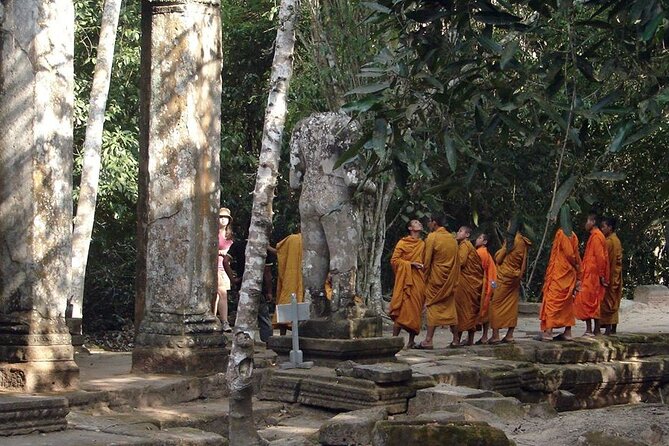
Pre Rup ends the route with a temple-mountain vibe. It was built by King Rajendravarman in the 10th century. The materials listed in your tour info are brick, laterite, and sandstone, which is helpful because you can spot how the different materials shape the look and texture of the structure.
Pre Rup’s name is explained as “comparatively modern,” meaning something starting with a truncated definition in your provided details. Even without the full translation shown, you’ll still get the key point: this is a known Angkor landmark with a clear, climbable form.
The time here is about 40 minutes, and entry is free on this itinerary. That’s enough time to walk up, understand the levels, and take in the surroundings—especially if you aim for late-day light when the crowds thin out.
Pre Rup also gives your tour a sense of “finish strong.” After moving through gateways, islands, and reservoirs, the temple-mountain form gives you a different perspective and a place to pause before you head back to the hotel.
Guide Sim: What Makes This Tour Feel Worth It
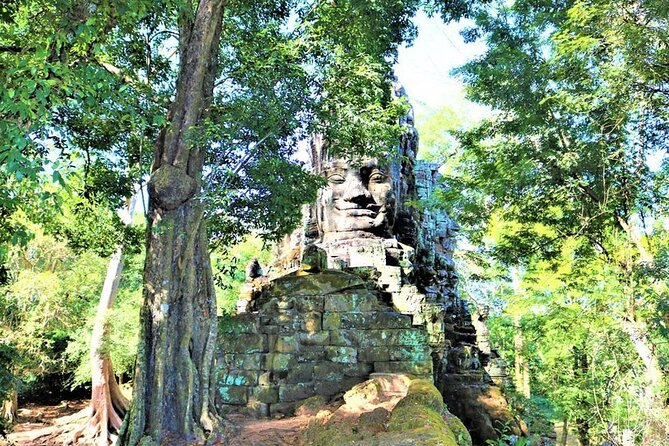
A private tour lives or dies on the guide, and the name that shows up in the supplied feedback is Sim. The consistent theme is that Sim is helpful and puts meaning into what you’re standing in front of.
That matters because temple sites can blur together. You see towers, doorways, and carvings, but if nobody explains the layout logic—how water relates to temple design, or why a king would build in a particular pattern—you can leave with lots of photos and little understanding.
With Sim, you get the sense that the tour is designed to help you connect:
- why these places were built for royal families and religious purposes,
- how the Angkor era used engineered environments (especially water),
- and what to notice while you’re still there, not after you’ve gone home.
If you’re traveling solo, with friends, or with family, this kind of guiding is what turns “temples we saw” into “temples we understood.”
Timing and Comfort: How 4 to 5 Hours Plays in Real Life
This tour runs about 4 to 5 hours. That’s a sweet spot. It’s long enough to include a serious temple complex (Preah Khan), plus multiple additional sites, and still short enough that you won’t feel wiped out afterward.
The route order also keeps things sensible:
- You start with the big paid stop (Preah Khan),
- you move through the water-linked and forest/compact temple feel (Neak Pean and Ta Som),
- you connect to reservoir-linked sites (East Mebon and Srah Srang),
- then you end with the climb and views (Pre Rup).
Transport is handled with an air-conditioned vehicle, and you’ll have bottled water, which keeps the day from turning into a heat marathon. Admission is mostly handled on-site by you (for Preah Khan), while the other listed stops are free.
One practical tip: wear breathable clothing and decent walking shoes. These temples have uneven surfaces and steps. Even if the stops feel short, you’re still walking in sun.
Price Breakdown: Why This Tour Often Works for Your Wallet
The listed price is $41.00 per person, with a private guide, hotel pickup/drop-off, and bottled water included. That’s a fair base cost for a private half-day in the Angkor area.
Then add the main entrance cost: Preah Khan is $37 per person and is not included. So your realistic total becomes about $78 per person if you’re booking exactly as listed.
Is that expensive? It can be, or it can be fair, depending on what you value:
- If you want a guided understanding plus a route that hits both landmark and free-entry temples, the value is solid.
- If you only care about one or two major monuments and you’re fine self-guiding the rest, you might feel the paid entrance is the “tax” you didn’t need.
Where this tour stays competitive is that it includes several free stops, so you’re not constantly paying another ticket to keep the itinerary moving. In other words, the tour price is only part of the story—the structure of the route helps you get more sight time per dollar.
Who This Tour Suits Best
This is a great fit if you:
- want a private Angkor temple day without committing to the full circuit of major sites,
- like learning what you’re seeing, not just collecting photos,
- want a balanced mix of big temple complexes and smaller context stops,
- prefer comfort (air-conditioning, pickup/drop-off, bottled water).
It may be less ideal if you:
- are strictly budget-focused and don’t want to pay a big entrance fee,
- hate walking on uneven surfaces and step climbs (you’ll have some of that at temple sites),
- want a longer, slower day with more time inside every room and gallery.
Should You Book This Preah Khan, Neak Pean and Pre-Rup Private Tour?
I’d book this if you want the best kind of “half-day Angkor”: structured, guided, and not overloaded. Preah Khan is the main paid draw, and the rest of the route is designed to keep the day moving while staying meaningful—especially with free entry at Neak Pean, Ta Som, East Mebon, Srah Srang, and Pre Rup.
If you do book, plan for the Preah Khan ticket cost and wear comfortable shoes. If you can, ask for Sim—the supplied feedback around the guide highlights that Sim brings practical help and a clear way of explaining what matters.
If you’re trying to decide between doing only the most famous Angkor spots versus branching out, this tour is the “branch out” option that still feels efficient. You’ll come away seeing how the Angkor world worked as a system, not just a list of temples.
FAQ
What temples are included on this tour?
You’ll visit Preah Khan, Neak Pean, Ta Som, East Mebon, Srah Srang, and Pre Rup.
How long does the tour take?
The tour runs about 4 to 5 hours.
Is the Preah Khan entrance fee included?
No. Preah Khan entrance is $37 per person and is not included. The other listed stops are listed as free.
Is this a private tour?
Yes. It’s private, meaning only your group participates.
Do you get hotel pickup and drop-off?
Yes. The tour includes hotel pick up and drop off, plus a private air-conditioned vehicle and bottled water.
What’s the cancellation window for a refund?
You can cancel up to 24 hours in advance for a full refund.
If you want, tell me your travel dates and group size, and I’ll help you sanity-check the total cost after adding the Preah Khan entrance.
More Tour Reviews in Siem Reap
- Angkor Wat Sunrise or Sunset Tour with Guide from Siem Reap
★ 5.0 · 12,109 reviews - Siem Reap: Angkor Wat: Small-Group Sunrise or Sunset Tour
★ 5.0 · 9,444 reviews - From Siem Reap: Kampong Phluk Floating Village Tour by Boat
★ 4.9 · 6,979 reviews - Sunset tour of Kampong Phluk stilts home village on the Tonle Sap
★ 5.0 · 4,865 reviews - Siem Reap: Angkor Wat 2-Day Tour with Sunrise and Sunset
★ 4.9 · 4,429 reviews
Just Your Group: Private Days
- Full-Day Angkor Wat Sunrise Private Tour with Guide from Siem Reap
★ 5.0 · 2,920 reviews - Siem Reap: Angkor Wat Private Tuk-Tuk Tour
★ 4.9 · 2,222 reviews - Angkor Wat Private Day Tour from Siem Reap
★ 5.0 · 834 reviews - Angkor Wat Private Tuk-Tuk Tour (sunrise Option) & more
★ 5.0 · 439 reviews - Private Angkor Wat Day Tour – Best of Angkor
★ 5.0 · 269 reviews
Along the Grand Circuit
- Siem Reap: Banteay Srei and Grand Circuit Heritage Tour
★ 4.9 · 163 reviews - Banteay Srei and Grand Circuit Heritage Tour from Siem Reap
★ 5.0 · 142 reviews - 2-Day Private Tour in Angkor Wat Grand Circuit
★ 5.0 · 23 reviews - Preah Khan, Neak Pean, Ta Som-East MebonTemple – Grand Circuit
★ 5.0 · 10 reviews - Angkor Grand Circuit Temples Tour
★ 5.0 · 8 reviews
Just Added: Fresh Siem Reap Tour Reviews

Preah Khan & Grand Circuit Tours, compared.
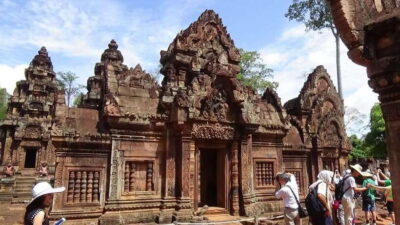 ★ 4.9Banteay Srei and Grand Circuit Heritage TourFrom $18163 reviews
 ★ 5.0Banteay Srei and Grand Circuit Heritage Tour from Siem ReapFrom $24142 reviews
 ★ 5.02-Day Private Tour in Angkor Wat Grand CircuitFrom $6523 reviews
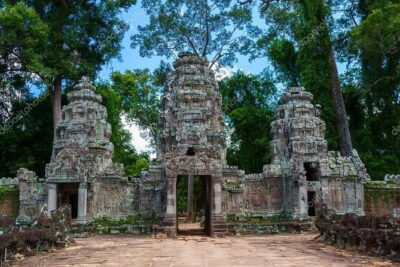 ★ 5.0Preah Khan, Neak Pean, Ta Som-East MebonTemple – Grand CircuitFrom $5910 reviews
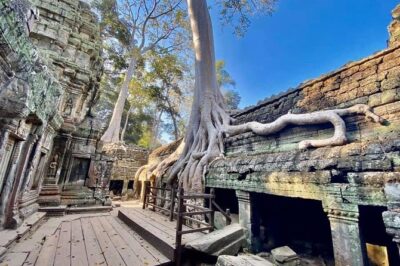 ★ 5.0Preah Khan, Ta Prohm, Bayon Off Beaten TrackFrom $1598 reviews
 ★ 5.0Angkor Grand Circuit Temples TourFrom $528 reviews
 ★ 5.0DB 3 Day, 2 Night Dirt Bike Tour Preah Khan & Koh Ker Temples OffroadFrom $9586 reviews
 ★ 5.0Phnom Bakheng Sunset Tour, Pre Rup, Neak Pean, Preah KhanFrom $555 reviews
Browse the lists this tour appears in