
Reviewed · ANGKOR WAT TEMPLE TOURS
Siem Reap 2 Days Private Tour Angkor Wat and Floating Village
Angkor is mind-blowing, but the pacing matters. This private, licensed-guided plan strings together the big sights with enough context to actually make sense of them. You’re in control of the tempo, with a comfortable air-conditioned vehicle between stops.
I especially liked how the guide’s storytelling turns the stonework into something you can follow: who built what, why it mattered, and how the whole Angkor world fit together. If you get a guide like Sokmeng (spelled a few ways, but you’ll recognize the pro), you’ll get sharp, practical explanations, not just facts.
One thing to watch: the Angkor Pass isn’t included, and that entrance ticket is essential for the Angkor-side temples on your route. It’s easy to handle with your guide, but it should still be in your budget.
In This Review
- Key things I’d circle on your map
- Private comfort in Siem Reap: how this tour runs
- Day 1: Angkor Thom and the big picture of the old capital
- Angkor Thom South Gate and Bayon’s face towers
- Baphuon, Phimeanakas, and the Royal Palace zone
- Ta Prohm: the tree temple you can actually enjoy
- Angkor Wat and a sunset option at Phnom Bakheng
- Day 2: Tonle Sap Lake and Kampong Phluk floating village by boat
- How to get the most from the floating village time
- Day 2 temples and crafts around West Baray
- Wat Preah Prom Rath: older pagoda, wall paintings intact
- Artisans Angkor: Cambodian craftsmanship with a social mission
- West Baray and Svay Romiet Pagoda near the water’s edge
- Price and logistics: what $170.05 covers (and what doesn’t)
- Dress code and comfort: small choices that prevent big annoyance
- Who this private tour is best for
- Should you book this Siem Reap 2-day private tour?
- FAQ
- Is pickup and drop-off included?
- What does the tour price include?
- Do I need an Angkor Pass?
- Are meals included?
- Which parts include admission tickets?
- What should I wear to visit the temples?
- Is this tour private or shared?
- Is the tour suitable for most travelers?
Key things I’d circle on your map
- Licensed English-speaking guide with in-depth commentary so the temples click fast
- Private comfort: pickup/drop-off plus a luxury air-conditioned vehicle for a long day
- Full Angkor loop from Angkor Thom and Bayon to Ta Prohm, Angkor Wat, and Phnom Bakheng
- Tonle Sap cruise + Kampong Phluk: real floating life, on the lake, not just a quick photo stop
- A thoughtful Day 2 mix: Wat Preah Prom Rath, Artisans Angkor, and West Baray-area viewpoints
- Cold refresh included: bottled water and cool fresh towels for the whole trip
Other ways to walk the great temple
- Angkor Wat Sunrise or Sunset Tour with Guide from Siem Reap★ 5.0 · 12,109 reviews
- Siem Reap: Angkor Wat: Small-Group Sunrise or Sunset Tour★ 5.0 · 9,444 reviews
- Siem Reap: Angkor Wat 2-Day Tour with Sunrise and Sunset★ 4.9 · 4,429 reviews
- Siem Reap: Full-Day Angkor Wat Guided Tour with Sunset★ 4.9 · 3,803 reviews
Private comfort in Siem Reap: how this tour runs
Siem Reap is compact, but temple days still eat hours. This tour is built for that reality: hotel pickup and drop-off, plus a private transfer in a luxury air-conditioned vehicle. For a two-day visit, that matters. You’re not burning half your day figuring out transport or squeezing into shared rides with mismatched schedules.
The guide is also a core part of the value. You’ll have a professional licensed English-speaking guide with in-depth commentary on Cambodia’s past as you go. That kind of narration changes the experience. Angkor’s carvings and layouts can feel chaotic if you’re just reacting to photos. With a guide, you start noticing patterns: the shift in power, the religious themes, and why certain structures sit where they do.
You also get small comfort touches that add up on a hot day: bottled drink water plus a cool fresh towel along the way. Those are the kind of extras you don’t want to think about until you need them—then you’re grateful they’re there.
Day 1: Angkor Thom and the big picture of the old capital
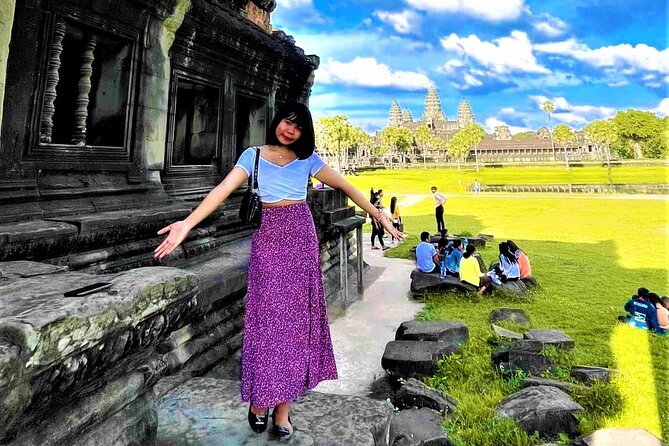
Day 1 is all about Angkor Thom, the walled city that feels like a world unto itself. You start with Angkor Thom, spending about two hours there. This is where the tour does something smart: it doesn’t jump straight to the most famous angles. It first gives you the framework of the royal city and its religious ideas, so the later temples land with more meaning.
Angkor Thom South Gate and Bayon’s face towers
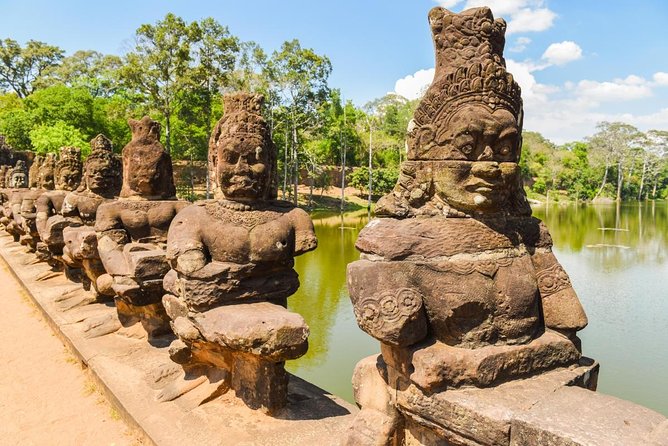
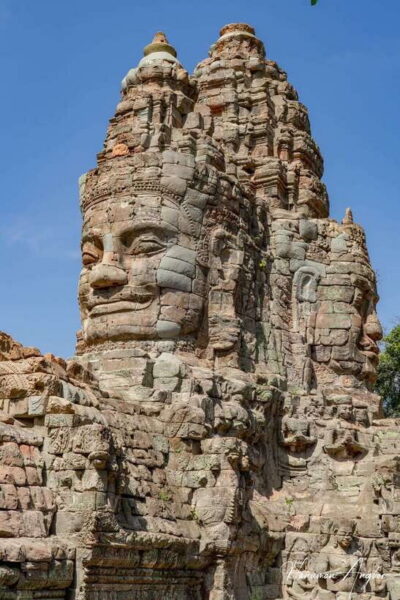
Next comes the Angkor Thom South Gate (about 30 minutes). This is a popular entry point because the gate has been restored and many of the stone heads remain in place. It’s also a natural place to reset your senses—big road, big scale, and a clear sense of where the complex begins.
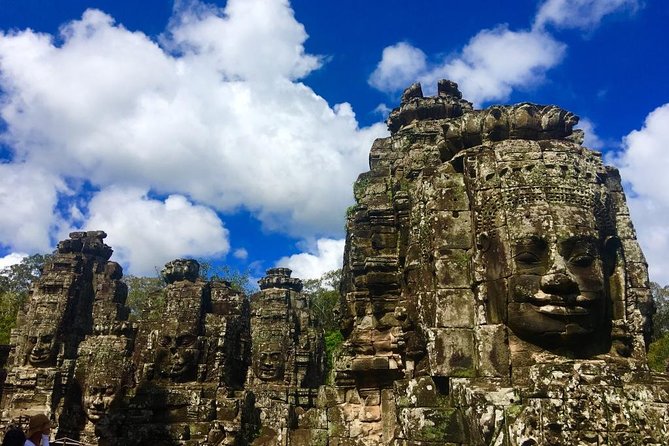
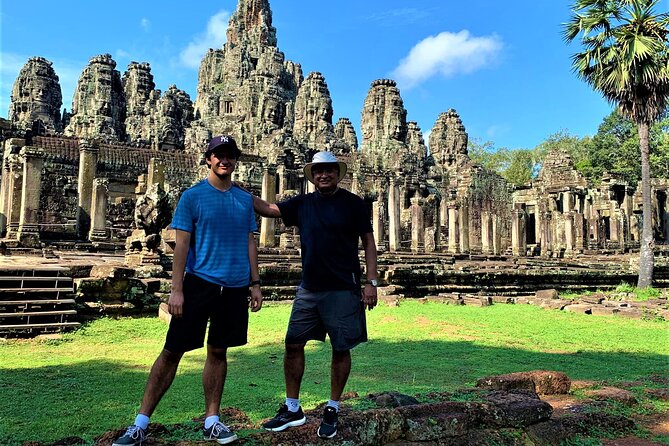
Then you move to Bayon Temple (about 1 hour 20 minutes). Bayon is built nearly a century after Angkor Wat, and the guide’s pacing helps you read it. You’ll see the multi-face towers and learn why Bayon’s design works the way it does inside a royal city.
A good private tour detail: you’re not just standing and hoping you know what you’re looking at. You get guided time for the main viewpoints and the logic of the layout, so you don’t waste your attention on random corners.
Baphuon, Phimeanakas, and the Royal Palace zone
After Bayon, the route continues with Baphuon Temple (around 50 minutes). Baphuon has a distinctive stepped structure on a rectangular base. It’s one of those temples that rewards a slower look, especially if you’re learning how temple platforms and tiers communicate rank and authority.
Then you visit Phimeanakas Temple (about 30 minutes), located near the center of the palace area enclosed by walls. Even if you don’t catch every historical detail, the guide’s explanation helps you understand why the location and original appearance mattered.
And you’ll also see the Terrace of the Elephants (around 30 minutes), a standout for scale and symbolism. It’s a place where you can picture ceremonies and movement—real life, staged in stone.
Practical note: this is a lot of walking in a day. The heat and sun can be intense. The private vehicle between stops helps you reset, but bring sun protection and plan to move steadily rather than sprinting between viewpoints.
More temple circuits, set side by side
Ta Prohm: the tree temple you can actually enjoy
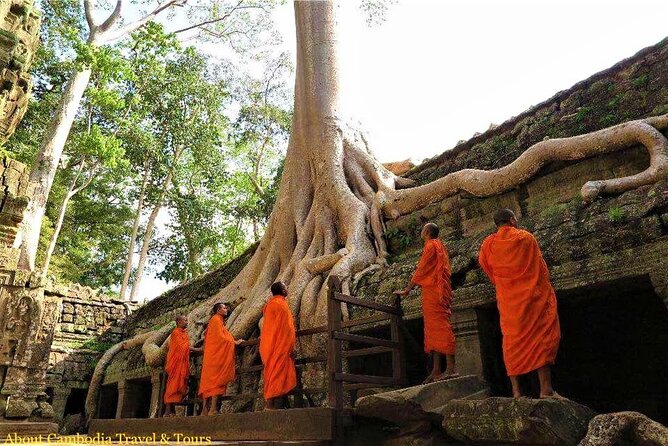
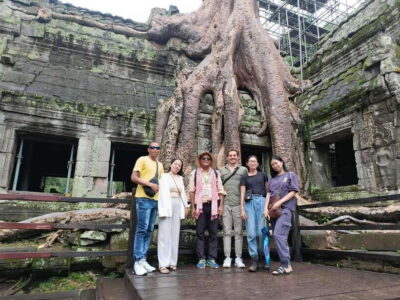
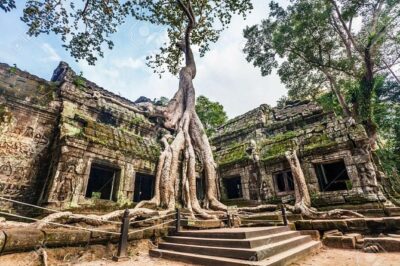
After Angkor Thom’s major stops, you head to Ta Prohm (about 1 hour 30 minutes). Ta Prohm is famous for the trees growing into the ruins. The best part of a guided visit is that you learn how the site has been managed over time—what was left untouched, what was protected, and why the temple looks the way it does today.
Photo tip that’s worth your time: treat Ta Prohm like a photo story with chapters. Start with wider framing to catch the tree/stone relationship, then move closer for textures. You’ll get more satisfaction out of your camera—and fewer blurry shots—if you don’t only chase the postcard angle.
Angkor Wat and a sunset option at Phnom Bakheng
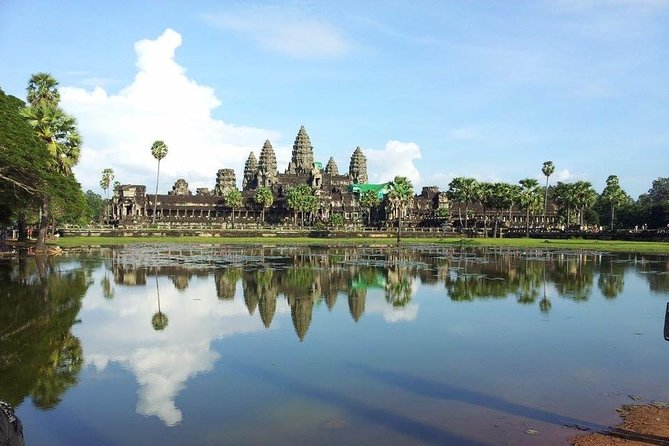
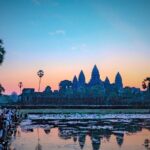
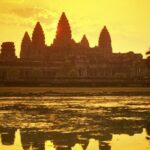
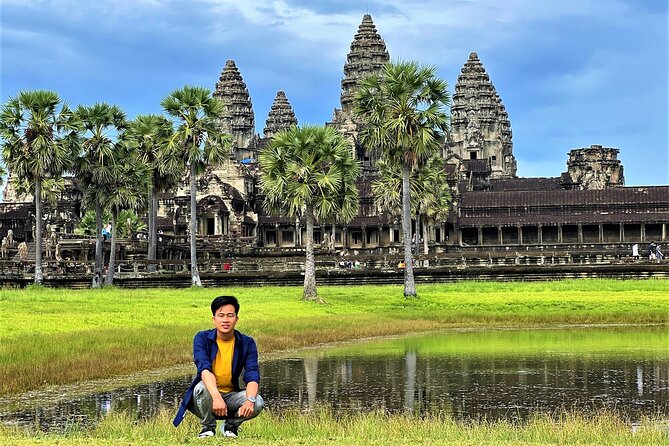
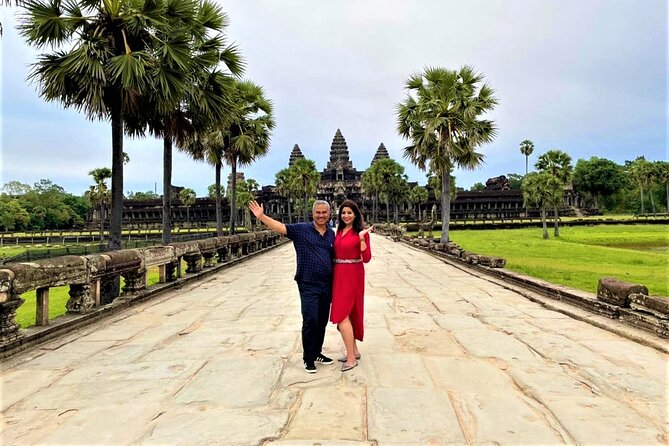
Finally, you reach Angkor Wat (about two hours). This is the big one: the largest monument of the Angkor group and the best preserved, with famed composition, proportions, and relief work. When you’ve already learned the basics of the Angkor worldview earlier in the day, Angkor Wat becomes more than just impressive. It’s structured. You start seeing balance and intention in the design.
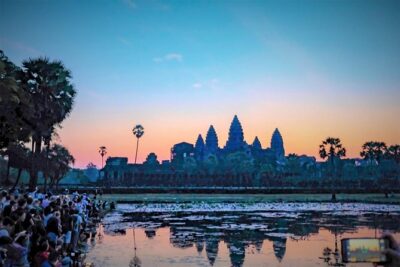
Then there’s Phnom Bakheng (around one hour), often chosen for sunset views over Angkor Wat. This is the tour’s payoff moment. Even if you’re not a sunset person, this viewpoint gives your brain a final “wow” before you end the day.
Consideration: sunset timing can be tight in practice, because you’re combining temple walking with light changes. Going private helps—your guide can manage the flow so you’re not stuck waiting for a group.
Day 2: Tonle Sap Lake and Kampong Phluk floating village by boat
Day 2 shifts from stone to water—and it’s a nice change. You start at Tonle Sap Lake (about 2 hours). It’s the largest freshwater in Southeast Asia, and its size changes between dry season and monsoon. You’ll also get geographic context about the wider Tonle Sap region.
Then it’s out on the water to Kampong Phluk Floating Village (about 3 hours). Kampong Pluk is about 30 km from Siem Reap (southeast of town). This stop is known for its stilt-built homes and the fact that the community is made of real Khmer families with households built on wood and bamboo stilts (about 6 meters, as described here).
What makes this part work is that you’re doing it as a private cruise (and the admission ticket for this part is included). You’re not just seeing a floating village from a dock and moving on. You’re actually on the lake, which makes the whole place feel more real.
How to get the most from the floating village time
You’ll likely want to balance curiosity with respect. This is daily life, not a theme park. Slow down enough to watch how spaces connect—water level changes, houses rise, boats move. If you go in with flexible expectations (less Instagram-perfect than Angkor, more human and practical), you’ll enjoy it more.
If you’re traveling with kids or just want a break from temple stairs, Kampong Phluk is a great counterweight day. It’s water-based, so the body feels different even though you’re still moving.
Day 2 temples and crafts around West Baray
After the lake, you move back to the temple-and-culture rhythm, but with a slightly different feel than Day 1.
Wat Preah Prom Rath: older pagoda, wall paintings intact
First up is Wat Preah Prom Rath (about 45 minutes). It’s described as one of the older pagodas in Siem Reap, with well-preserved wall paintings from the 17th century. This stop adds variety. If Angkor Day 1 made you think in massive ruins and royal cities, this pagoda helps you switch gears to something more intimate and still historical.
Artisans Angkor: Cambodian craftsmanship with a social mission
Next, you’ll visit Artisans Angkor (about 1 hour). This is a Cambodian social business that creates job opportunities for young people in rural areas while reviving traditional Khmer craftsmanship. It’s located on Stung Th… (the address isn’t fully shown here), but the purpose is crystal clear: you’re not only watching art; you’re supporting a training-and-work system.
If you like buying souvenirs that aren’t just mass-made, this is the kind of stop that feels more meaningful. You also get a chance to look closely at techniques without the pressure of a crowded market.
West Baray and Svay Romiet Pagoda near the water’s edge
Finally, you head to West Baray (about 30 minutes). It’s a vast man-made lake surrounded by an earthen levee. There’s also a legend connected to the baray involving a ruler’s daughter and an enormous crocodile—use your guide’s explanation to place the story in the wider Khmer imagination.
You then stop at Svay Romiet Pagoda (about 30 minutes), located directly on the banks of the West Baray. This one is noted as free, which is a nice bonus after days when everything feels ticketed.
Price and logistics: what $170.05 covers (and what doesn’t)
This tour is priced at $170.05 per person for two days. For Angkor-focused travel, that number feels steep to some people—until you break down what’s included.
Included:
- Hotel pickup and drop-off
- Private transfer in a luxury air-conditioned vehicle
- A private cruise to Tonle Sap Lake and Kampong Phluk
- Bottled drink water and cool fresh towels during the trip
- A professional licensed English-speaking guide
- Admission tickets included on Day 2 stops (Tonle Sap, floating village, Wat Preah Prom Rath, Artisans Angkor, West Baray), plus Svay Romiet Pagoda is listed as free
Not included:
- Tips for guide and driver
- Meals (lunches at local restaurants; vegetarian and non-vegetarian options; $3–$10 per dish is indicated)
- Angkor Pass for the Angkor Park temples. Your guide helps you purchase it at the entrance before starting the Angkor portion.
So here’s the practical way to think about the value: you’re paying for a guided, private schedule with transport and a water-based day, plus included ticket coverage on Day 2. The Angkor Pass is the only major add-on on the Angkor side, and the guide handles the purchase step so you’re not scrambling.
Also, this plan is booked relatively far ahead on average (about 110 days). That’s a hint that people like the timing and the structure. If you want a specific guide style or want to avoid last-minute reshuffling, earlier planning helps.
Dress code and comfort: small choices that prevent big annoyance
Cambodia’s temples are forgiving, as long as you respect them. Bring clothes that cover your shoulders and wear trousers or knee-length pants or skirts. This isn’t just about rules—it’s about staying in the sites comfortably without feeling like you have to adjust every few minutes.
On the comfort side, remember Day 1 includes long temple sequences, and Day 2 includes a lake/village component. Plan for sun exposure and bring a hat if you have one. Your cold towel and water help, but they won’t replace basic sun protection.
Who this private tour is best for
This is a great fit if you want:
- A guided Angkor experience where the story behind the stones matters
- Private pacing over group logistics
- A balanced second day with Tonle Sap Lake + Kampong Phluk, plus temples and a craftsmanship stop
If you’re traveling solo or as a couple, private tours often feel like better value because you’re not paying for space you don’t use. If you’re a family, the two-day format gives you a clear structure and breaks up the day with vehicle time and different scenery.
If you’re trying to do Angkor in the most budget-minimal way, you might find cheaper options. But once you factor in transport, a licensed guide, and a private cruise, the price makes more sense.
Should you book this Siem Reap 2-day private tour?
Yes—if you want Angkor plus the lake without the stress of planning each piece separately. I’d especially recommend it when you care about understanding what you’re seeing, not just collecting temples on a checklist.
Book it if:
- You value a licensed guide and want in-depth commentary
- You like the idea of private Angkor touring with air-conditioned breaks
- You want Kampong Phluk done by boat/cruise, not a quick roadside stop
- You appreciate a second day that mixes nature, culture, and crafts (Wat Preah Prom Rath, Artisans Angkor, West Baray)
Pass or compare other options if:
- You’re very tight on the extra cost of the Angkor Pass
- You prefer to travel completely on your own schedule and don’t want a structured route
FAQ
Is pickup and drop-off included?
Yes. The tour includes pickup and drop-off at your hotel in Siem Reap (you provide the hotel name).
What does the tour price include?
It includes a licensed English-speaking guide, a private air-conditioned vehicle, a private cruise to Tonle Sap Lake and the floating village, plus drink water and cool fresh towels during the trip.
Do I need an Angkor Pass?
Yes. The Angkor Pass is not included, and your guide will assist you in purchasing it at the entrance of Angkor Park before starting the Angkor portion.
Are meals included?
No. Lunches are available at local restaurants with vegetarian and non-vegetarian options, but meals are at your own expense (menu prices are listed as $3–$10 per dish).
Which parts include admission tickets?
For the Angkor portion, admission tickets are not included (Angkor Pass applies). On Day 2, admission tickets are listed as included for Tonle Sap Lake, Kampong Phluk Floating Village, Wat Preah Prom Rath, Artisans Angkor, and West Baray. Svay Romiet Pagoda is listed as free.
What should I wear to visit the temples?
Dress appropriately: cover shoulders, and wear trousers or knee-length pants or skirts.
Is this tour private or shared?
It’s a private tour. Only your group participates.
Is the tour suitable for most travelers?
Most travelers can participate, based on the information provided.
Out on Tonle Sap
- From Siem Reap: Kampong Phluk Floating Village Tour by Boat
★ 4.9 · 6,979 reviews - Sunset tour of Kampong Phluk stilts home village on the Tonle Sap
★ 5.0 · 4,865 reviews - Kompong Phluk Floating Village Half-Day Tour ( Morning / Sunset )
★ 5.0 · 1,494 reviews - Siem Reap: Kulen Mountain, Beng Mealea and Tonle Sap Tour
★ 5.0 · 1,483 reviews - Tonle Sap Lake & Kampong Phluk Village Half-Day Tour
★ 5.0 · 1,045 reviews
More Temple Circuits Around Siem Reap
- Angkor Wat Sunrise or Sunset Tour with Guide from Siem Reap
★ 5.0 · 12,109 reviews - Siem Reap: Angkor Wat: Small-Group Sunrise or Sunset Tour
★ 5.0 · 9,444 reviews - Siem Reap: Angkor Wat 2-Day Tour with Sunrise and Sunset
★ 4.9 · 4,429 reviews - Siem Reap: Full-Day Angkor Wat Guided Tour with Sunset
★ 4.9 · 3,803 reviews - Angkor Wat Sunrise tour with Small – Group and Guide tours
★ 5.0 · 3,655 reviews
Angkor Wat, a Few More Ways In
- Angkor Wat Sunrise or Sunset Tour with Guide from Siem Reap
★ 5.0 · 12,109 reviews - Siem Reap: Angkor Wat: Small-Group Sunrise or Sunset Tour
★ 5.0 · 9,444 reviews - Siem Reap: Angkor Wat 2-Day Tour with Sunrise and Sunset
★ 4.9 · 4,429 reviews - Siem Reap: Full-Day Angkor Wat Guided Tour with Sunset
★ 4.9 · 3,803 reviews - Angkor Wat Sunrise tour with Small – Group and Guide tours
★ 5.0 · 3,655 reviews
Just Added: Fresh Siem Reap Tour Reviews

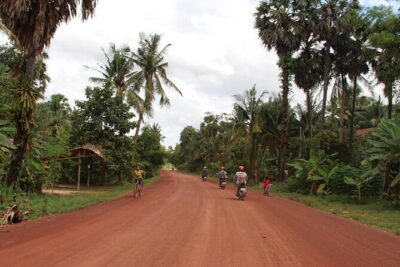
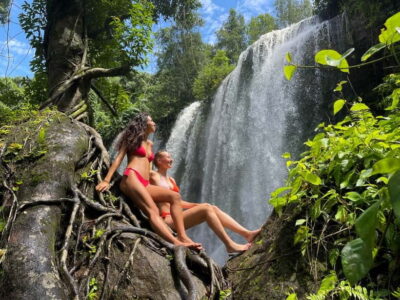
Angkor Wat Temple Tours, compared.
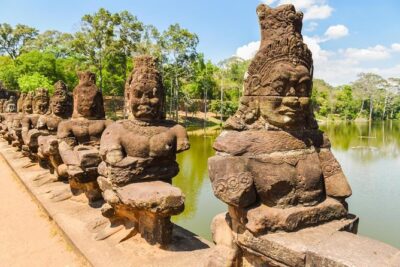 ★ 5.0Angkor Wat Sunrise or Sunset Tour with Guide from Siem ReapFrom $1812,109 reviews
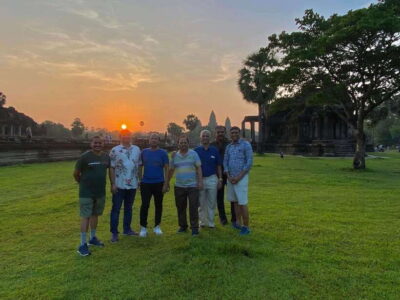 ★ 5.0Angkor Wat: Small-Group Sunrise or Sunset TourFrom $159,444 reviews
 ★ 4.9Angkor Wat 2-Day Tour with Sunrise and SunsetFrom $344,429 reviews
 ★ 4.9Full-Day Angkor Wat Guided Tour with SunsetFrom $153,803 reviews
 ★ 5.0Angkor Wat Sunrise tour with Small – Group and Guide toursFrom $143,655 reviews
 ★ 5.0Angkor Wat Highlights and Sunrise Guided Tour from Siem ReapFrom $233,213 reviews
 ★ 5.0Angkor Wat Sunset Small Group Tour with Lunch IncludedFrom $203,059 reviews
 ★ 5.0Full-Day Angkor Wat Sunrise Private Tour with Guide from Siem ReapFrom $602,920 reviews
Browse the lists this tour appears in