
Reviewed · FLOATING VILLAGES & TONLE SAP TOURS
Siem Reap: Floating Village Tour
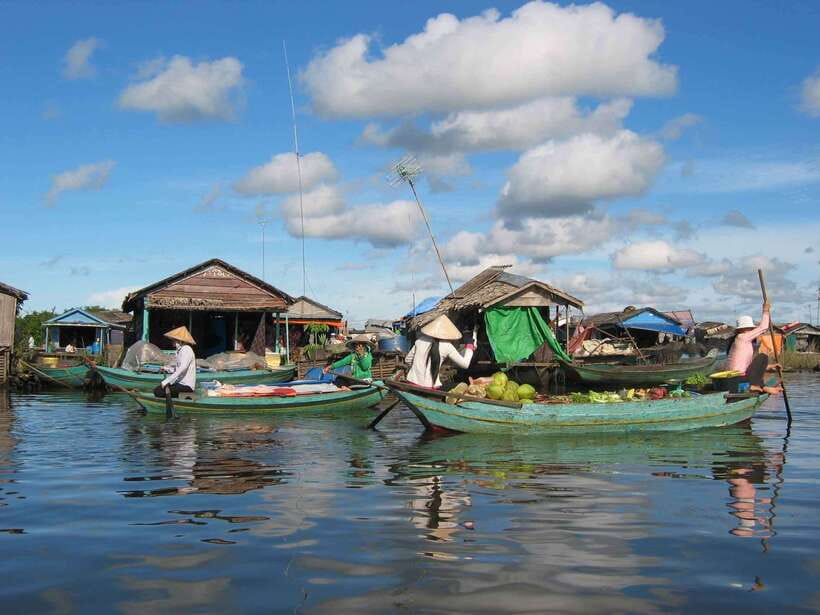
A city that floats with the seasons. This Siem Reap Floating Village Tour takes you by boat through the Tonle Sap system, where homes and businesses shift with the water twice a year. You’ll see why this UNESCO biosphere reserve is unlike any other lake in Southeast Asia.
I especially like the combo of land-and-water: you start with a countryside stop at a lotus flower farm and then switch to flat-bottom riverboats designed for narrow, shallow waterways. I also like that the tour is built around local guides connected to the floating villages, so the talk goes beyond postcard facts.
One thing to consider is that the experience can feel different depending on your timing and guide focus. A couple of past visitors noted schedule confusion or that the floating village portion can skew more like a boat ride than a deep, back-and-forth explanation—so if you’re picky about getting lots of up-close commentary, choose your timing and ask questions early.
In This Review
- Key takeaways before you go
- Why the Tonle Sap floating villages feel like a moving city
- Hotel pickup, the lotus flower farm, and the countryside drive
- Flat-bottom riverboats: navigating narrow canals and turns
- Floating schools, markets, and daily life on the water
- UNESCO Tonle Sap birdlife and why season changes everything
- Queen Tara riverboat stop: drinks, fruit, and a 100-year craft
- Price, included transport, and what not to expect
- Who this tour suits best (and when to choose another option)
- Should you book the Siem Reap Floating Village Tour?
- FAQ
- How long is the Siem Reap floating village tour?
- Is hotel pickup and drop-off included?
- What does the $65 per person price include?
- Are meals included?
- Is the tour family-friendly?
- Are children allowed on the tour, and how is pricing handled?
- What languages are offered for the guide?
- Does the tour operate in bad weather?
Key takeaways before you go
- Tonle Sap moves twice a year, so the village layout and water depth can change dramatically with the season.
- Flat-bottomed riverboats help you navigate narrow canals and turns where bigger boats can’t.
- You’ll stop at a lotus farm first, a strong photo stop with cultural context about the flower’s uses.
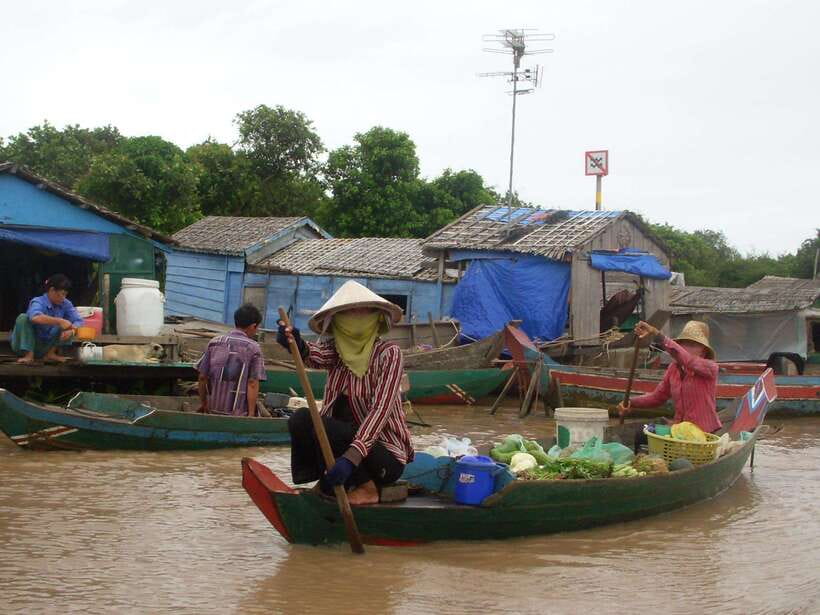
- The floating area includes more than homes: you may see schools, churches, markets, a police station, and even a jail on the water.
- A stop aboard the 100-year-old Queen Tara riverboat adds a relaxed break with drinks and local fresh fruit.
Back out on the lake, more stilted villages
- From Siem Reap: Kampong Phluk Floating Village Tour by Boat★ 4.9 · 6,979 reviews
- Sunset tour of Kampong Phluk stilts home village on the Tonle Sap★ 5.0 · 4,865 reviews
- Kompong Phluk Floating Village Half-Day Tour ( Morning / Sunset )★ 5.0 · 1,494 reviews
- Siem Reap: Kulen Mountain, Beng Mealea and Tonle Sap Tour★ 5.0 · 1,483 reviews
Why the Tonle Sap floating villages feel like a moving city
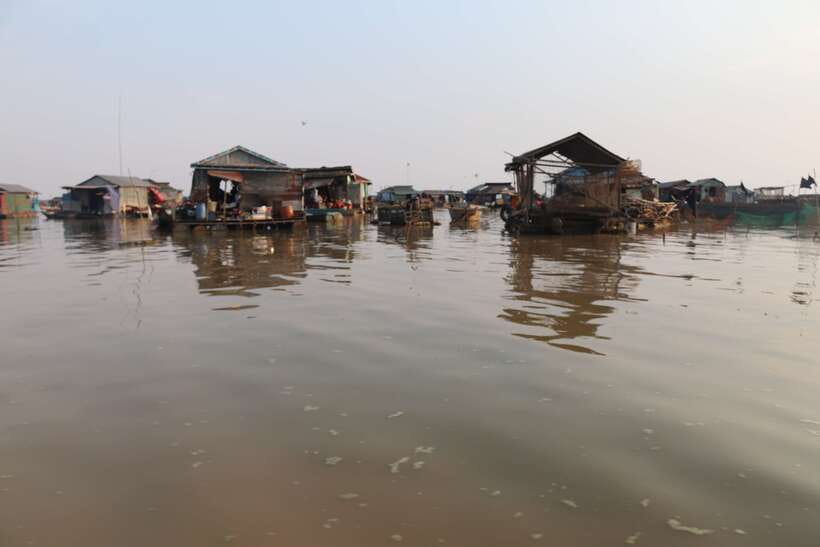
The Tonle Sap system is the headline here, and it’s not just a lake. It behaves like a river system with a seasonal rhythm that flips the water flow direction. In the dry season, water drains out toward the South China Sea through the Vietnam delta. In the wet season, the delta swells and pushes water north into Tonle Sap.
That shift is why the floating villages aren’t a fixed “attraction” in the usual sense. The depth at the start of the wet season can be around 1.5 meters, then rises to over 10 meters at the peak. The flooded area can expand from about 2,700 square kilometers up to over 12,000 square kilometers. In practical terms, that means the village you see depends on the season—and life on the water adjusts with it.
This is also why the tour is built around boats rather than a land viewpoint. From the water, you get the sense that the whole community is tuned to the lake—where homes, gardens, and businesses can float and reposition as the water changes. And because the Tonle Sap is the largest freshwater lake in Southeast Asia, with a reputation as the richest fishing lake in the world, you’ll also be hearing about the challenges fishermen face as stocks reduce over time.
Hotel pickup, the lotus flower farm, and the countryside drive
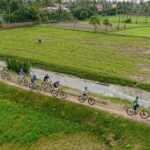
Your trip starts with free hotel pickup and drop-off, typically from your hotel, guesthouse, or hostel, in an air-conditioned vehicle (minivan/car) or a tuk tuk. The drive matters more than you might think. It sets the tone with Cambodian countryside views—rice paddies, open fields, and the slower pace away from Siem Reap’s center.
Along the route, there’s a key stop at a lotus flower farm. The lotus isn’t just pretty; it’s tied to Buddhist culture, and your guide explains how different parts of the plant have uses—so you’re not only snapping photos of bright fields. Even better, the farm stop is one of the easiest places on the day to ask questions, since you’re on land and not bouncing around in a boat.
You’ll then reach the entry point where private boats are waiting to take you to and around the floating villages. One detail I like about the structure is that it gives you a gentle warm-up first—culture and countryside—before switching to the denser, more dramatic visuals of the water community.
Flat-bottom riverboats: navigating narrow canals and turns
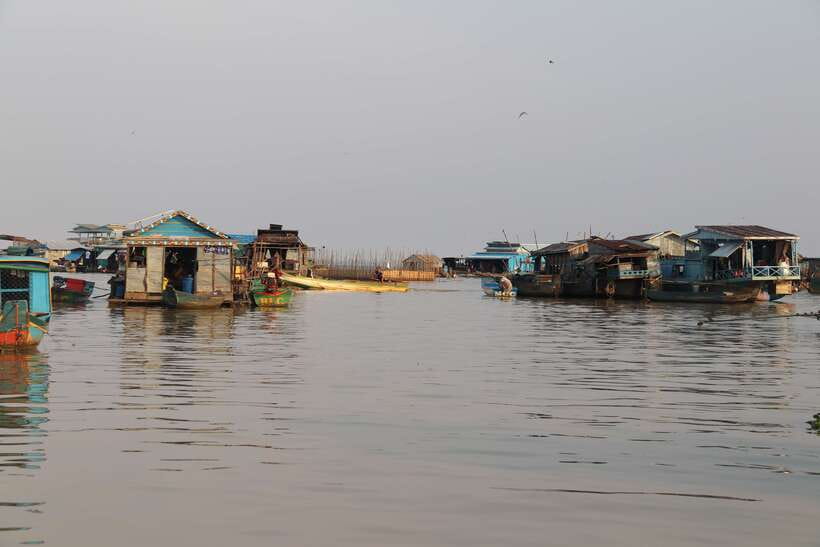
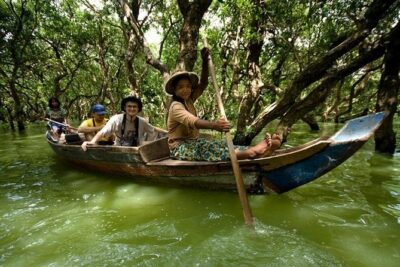
Once you’re on the river, you’ll understand why the tour uses flat-bottomed riverboats. Floating villages near Siem Reap are tucked into canals and waterways with lots of twists, and shallow areas are part of the reality. A flat bottom helps you keep moving even when water depth changes, and it keeps the ride stable for a range of ages.
The cruising part is where the day stops feeling like sightseeing and starts feeling like transportation. Your guide steers the story as you pass through narrow channels—so it’s less about a single viewpoint and more about a slow reveal. One corner turns into another, and suddenly you’re in that in-between world where time feels different and the scale shifts from close canals to open water.
You’ll also likely dock briefly and pause on the water at key moments. That matters because it gives you a chance to reorient and actually look: roofs, gardens, and activity along the dock lines. If you’re hoping for lots of clear photos, this is the section where timing and camera readiness matter most.
Floating schools, markets, and daily life on the water
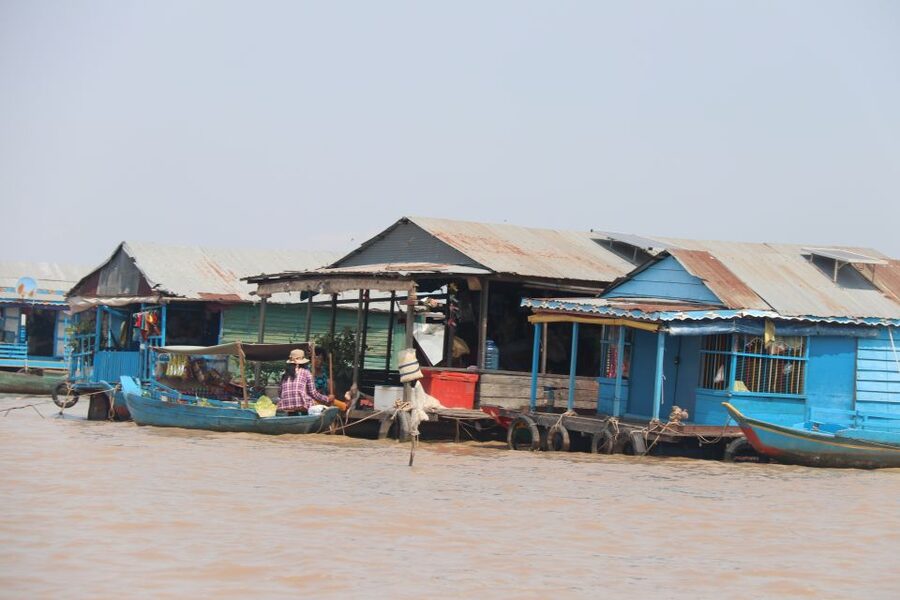
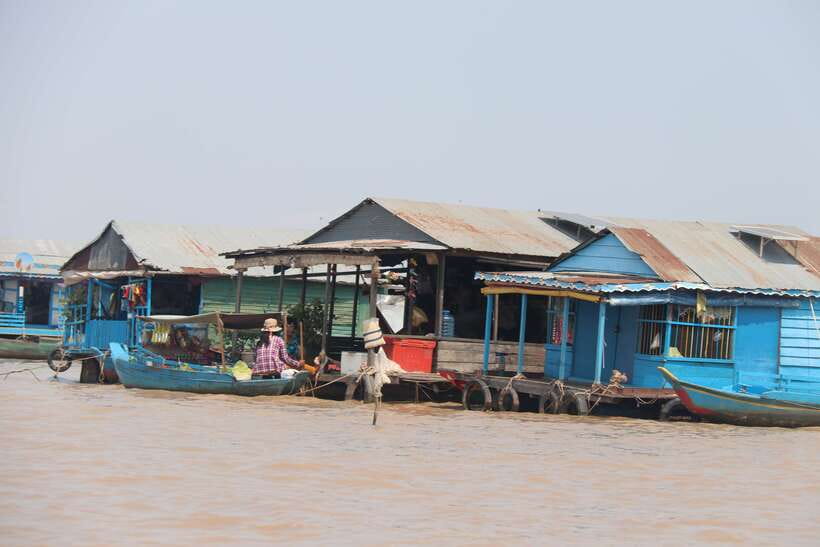
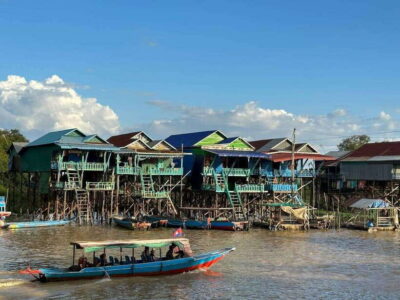
The floating village isn’t only about picturesque huts. It’s a working community with infrastructure. Expect to see floating schools, churches, markets, and everyday spaces like vegetable gardens. You may even spot a police station and a jail, plus open areas like basketball courts—details that make the place feel surprisingly complete for a water-based settlement.
The most valuable part of the experience is the way local guides frame daily life. The tour description emphasizes that the people guiding you have roots in the village, and that’s a big difference from a purely scripted narration. When the guide can explain what they grew up with—how fishing families live, what changes as stocks reduce, and what the community does to keep going—you get context that sticks.
The tour also positions itself as community-supporting, tied to creating local sustainable jobs. That lens matters for you as the customer, because it turns a short boat ride into something with a clearer purpose: you’re not only taking photos, you’re learning how livelihoods are under pressure and what support looks like in this setting.
Is the day emotional? It can be. But it’s also factual and grounded. The goal isn’t to make you feel guilty; it’s to show you the real trade-offs fishermen and families face as resources decline year by year.
Past the rice fields, more village days
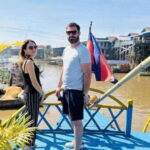
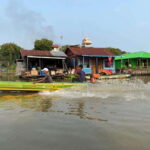
UNESCO Tonle Sap birdlife and why season changes everything
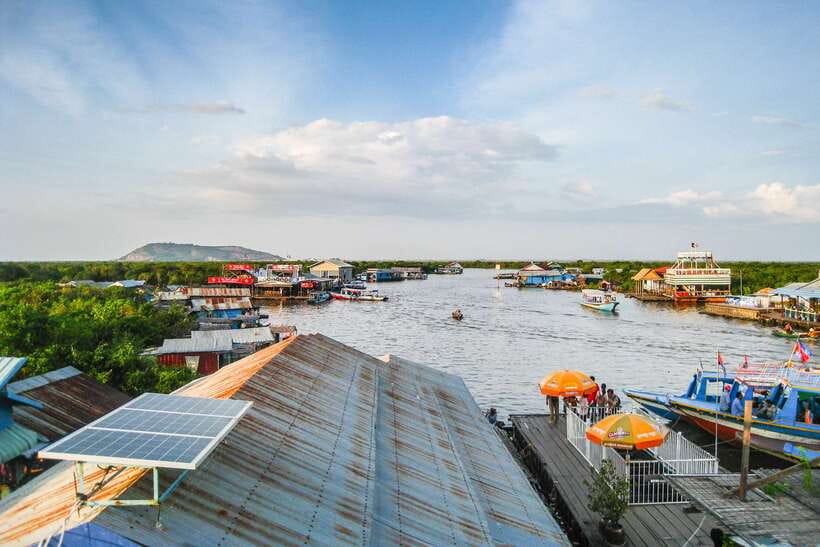
When the cruise widens, the water can look less like a canal and more like a sea. That’s where the Tonle Sap feels big. This is the largest freshwater lake in Southeast Asia, home to over 120 different species of birds, including major water birds.
A big reason to take this tour in a particular season is that Tonle Sap isn’t static. The village scale, the feel of the waterways, and even what looks “nearby” can shift as the lake expands and contracts. So if you’ve heard floating villages described one way online, remember: the season you go in changes the picture.
If you’re a wildlife watcher, this is one of the better ways to connect birdlife to actual habitat. You’re not just looking at birds in a random spot; you’re traveling through the living system that sustains them. Even if you don’t see rare species, you’ll still get a clear sense of how the lake supports feeding and nesting across the year.
Queen Tara riverboat stop: drinks, fruit, and a 100-year craft
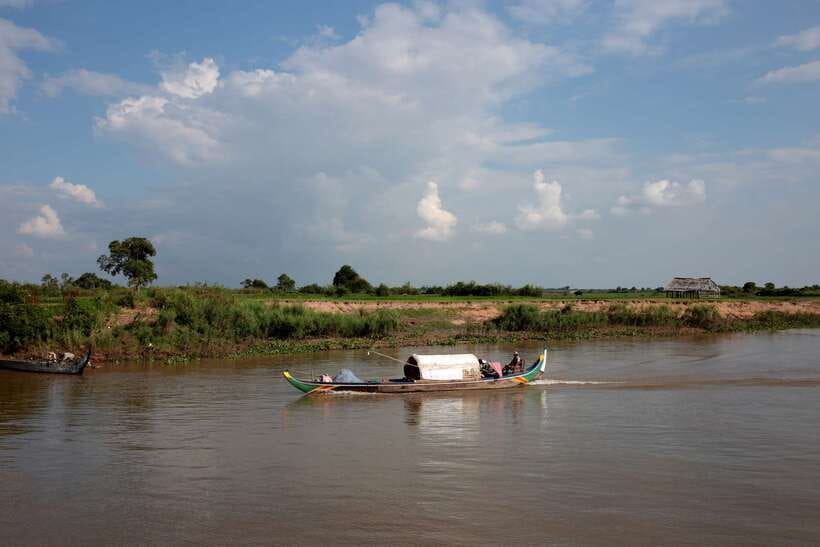
At some point, the tour pauses on a classic boat: the Queen Tara riverboat, described as a 100-year-old ex-cargo vessel. This is a comfortable intermission. You get served drinks and local fresh fruits while you’re docked on the boat, which helps break up the day and gives you a chance to digest what you’ve seen so far.
I like this stop because it adds pacing. After time in tight waterways, a wider pause on a traditional craft helps the experience feel more human and less rushed. It’s also a good moment to check your photos and ask the guide follow-up questions, especially ones you didn’t know to ask earlier—like how families adapt when water rises, or what changes when the fishermen’s cycle gets harder.
Price, included transport, and what not to expect
At $65 per person for about 3 hours, the value depends on what you want from your day. If you want a structured, family-friendly tour with everything handled, this pricing can make sense.
Here’s what’s included:
- Pick-up and return to your accommodation
- An English-speaking local guide
- All transport, plus boats and driver
- Checkpoint fees
- A separate entrance option that helps you avoid line delays
What isn’t included:
- Meals and drinks (though you may receive refreshments like local fruit and drinks during the Queen Tara stop)
That difference matters. Don’t plan the day like it’s a full meal tour. Instead, treat it as a short excursion focused on boat time, village life, and cultural stops. If you’ll be out around meal hours, plan to eat before or after.
Also, because the tour runs in all weather conditions, you should dress appropriately for sun, heat, or damp air, depending on when you go. A 3-hour boat day can feel very different once you’re on the water, even if the Siem Reap streets look manageable.
Who this tour suits best (and when to choose another option)
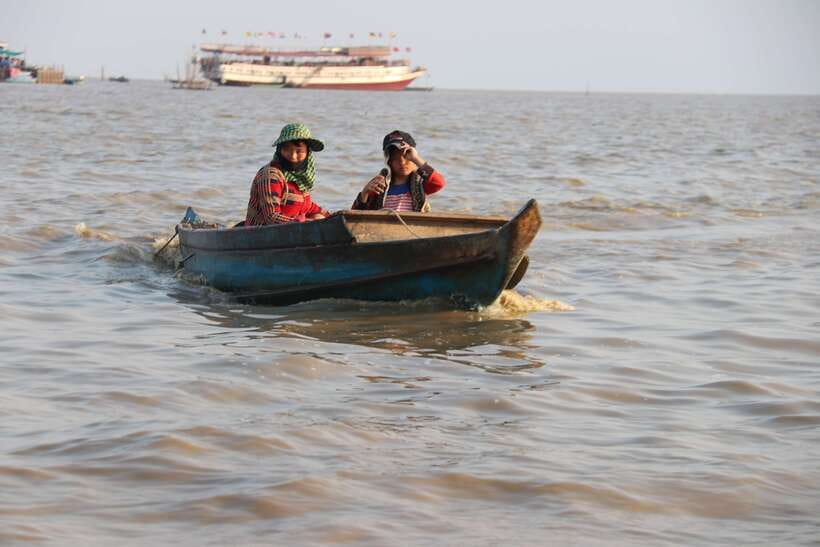
This is a strong fit if you want:
- A family friendly outing that’s more active than a museum day
- A chance to see the Tonle Sap floating villages from the only angle that really works: from the water
- A guide who can explain daily life, not just point at scenery
It may be less ideal if:
- You want long, slow walking time inside the village. This experience is mostly about cruising and viewing from the boat and docks, not roaming freely.
- You’re extremely sensitive to timing. Past experiences have mentioned confusion about start times, so if schedule precision is crucial, it’s smart to confirm details with your operator ahead of time.
One more note for planning: unaccompanied minors aren’t allowed, and children must be accompanied by an adult. Kids 10 and under are half price, and 5 and under are free—so the price structure can work well for families.
Should you book the Siem Reap Floating Village Tour?
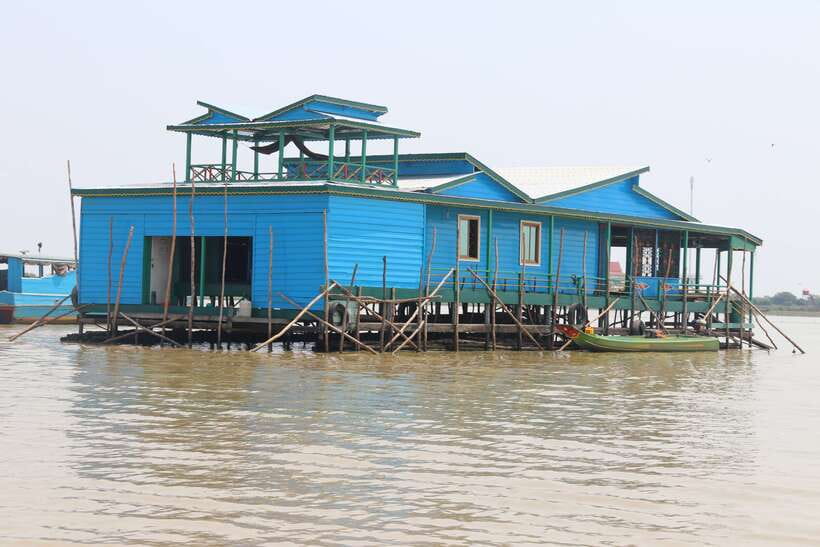
If your goal is a 3-hour Tonle Sap experience that combines culture (lotus farm), real water travel (flat-bottom boats), and community context (floating schools, markets, and fishing life), I think this is worth booking—especially with the included pickup and the local-guided focus.
I’d say yes if you’re curious about how seasonal water changes reshape an entire community. I’d say choose carefully if you need a very up-close, highly narrated, stop-everywhere village walkthrough. In that case, ask questions at the start about how much time you’ll spend on explanations versus cruising.
FAQ
How long is the Siem Reap floating village tour?
The tour lasts about 3 hours.
Is hotel pickup and drop-off included?
Yes. Pickup and return to your hotel/guesthouse/hostel are included.
What does the $65 per person price include?
It includes an English-speaking local guide, all transport, checkpoint fees, and boats and the driver.
Are meals included?
No. Meals and drinks are listed as not included.
Is the tour family-friendly?
Yes, it’s described as family friendly, and children are allowed with an adult.
Are children allowed on the tour, and how is pricing handled?
Children must be accompanied by an adult. Children 10 and under are half price, and children 5 and under are free.
What languages are offered for the guide?
Guides are available in Cambodian and English.
Does the tour operate in bad weather?
It operates in all weather conditions, so you should dress appropriately.
More Tour Reviews in Siem Reap
- Angkor Wat Sunrise or Sunset Tour with Guide from Siem Reap
★ 5.0 · 12,109 reviews - Siem Reap: Angkor Wat: Small-Group Sunrise or Sunset Tour
★ 5.0 · 9,444 reviews - From Siem Reap: Kampong Phluk Floating Village Tour by Boat
★ 4.9 · 6,979 reviews - Sunset tour of Kampong Phluk stilts home village on the Tonle Sap
★ 5.0 · 4,865 reviews - Siem Reap: Angkor Wat 2-Day Tour with Sunrise and Sunset
★ 4.9 · 4,429 reviews
Through the Siem Reap Countryside
- From Siem Reap: Kampong Phluk Floating Village Tour by Boat
★ 4.9 · 6,979 reviews - Kampong Phluk Floating Village Tour by Boat
★ 5.0 · 1,020 reviews - Siem Reap Countryside Bike Tour / E-Bike or Tuk Tuk
★ 5.0 · 935 reviews - Siem Reap: Tonle Sap, Kampong Phluk & Floating Village Tour
★ 4.4 · 397 reviews - Siem Reap Countryside Quad Biking Tour
★ 5.0 · 322 reviews
Out on Tonle Sap
- From Siem Reap: Kampong Phluk Floating Village Tour by Boat
★ 4.9 · 6,979 reviews - Sunset tour of Kampong Phluk stilts home village on the Tonle Sap
★ 5.0 · 4,865 reviews - Kompong Phluk Floating Village Half-Day Tour ( Morning / Sunset )
★ 5.0 · 1,494 reviews - Siem Reap: Kulen Mountain, Beng Mealea and Tonle Sap Tour
★ 5.0 · 1,483 reviews - Tonle Sap Lake & Kampong Phluk Village Half-Day Tour
★ 5.0 · 1,045 reviews
Just Added: Fresh Siem Reap Tour Reviews

Floating Villages & Tonle Sap Tours, compared.
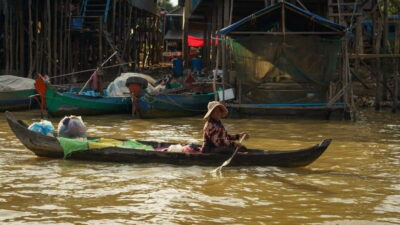 ★ 4.9From Siem Reap: Kampong Phluk Floating Village Tour by BoatFrom $206,979 reviews
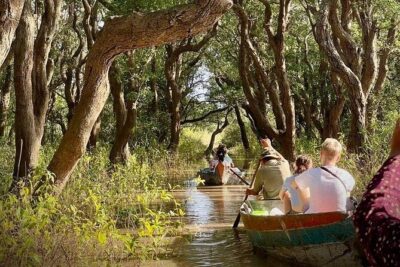 ★ 5.0Sunset tour of Kampong Phluk stilts home village on the Tonle SapFrom $214,865 reviews
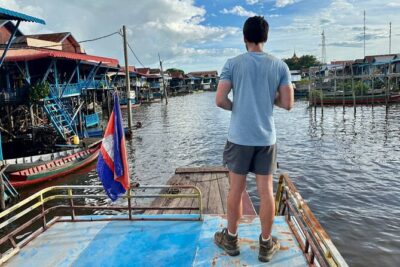 ★ 5.0Kompong Phluk Floating Village Half-Day Tour ( Morning / Sunset )From $241,494 reviews
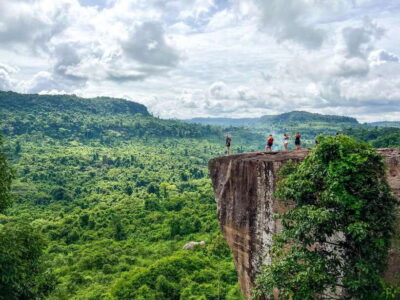 ★ 5.0Kulen Mountain, Beng Mealea and Tonle Sap TourFrom $481,483 reviews
 ★ 5.0Tonle Sap Lake & Kampong Phluk Village Half-Day TourFrom $491,045 reviews
 ★ 5.0Kampong Phluk Floating Village Tour by BoatFrom $201,020 reviews
 ★ 4.8Kompong Phluk Floating Village Half-Day TourFrom $24966 reviews
 ★ 5.0Kulen Mountain with Beng Mealea and Tonle Sap Small Group TourFrom $54780 reviews
Browse the lists this tour appears in