
Reviewed · FLOATING VILLAGES & TONLE SAP TOURS
Siem Reap: Kompong Khleang Floating Village Guided Tour
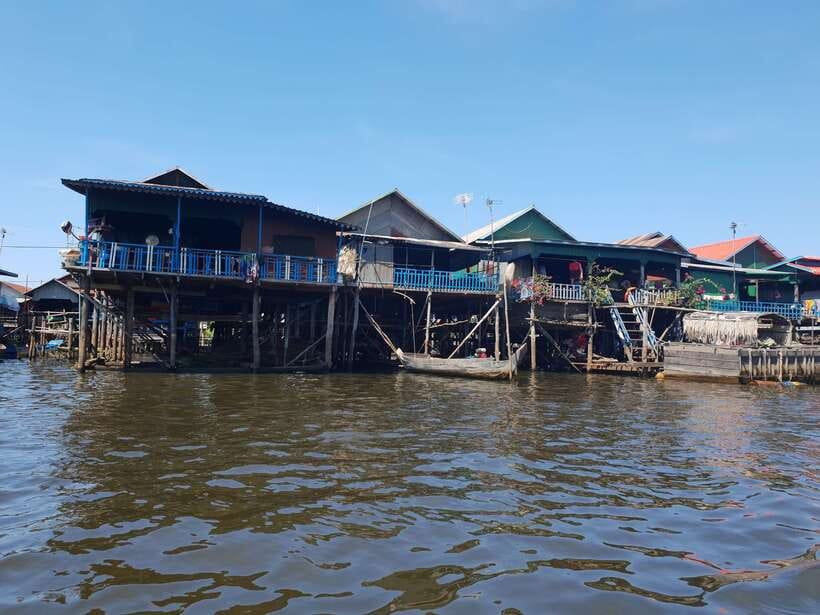
Tonle Sap changes the village with the seasons. This Kompong Khleang tour is a hands-on look at daily life in one of the largest stilted communities on the lake, about 50 km from Siem Reap, with a big focus on how fishermen and farmers live above the water. You’ll also get a guided ride through rice fields and villages before the waterways start telling the story.
I love the small-group feel and the way your guide keeps things practical and human, like explanations you can actually use while you’re standing right there. I also really like the Tonle Sap boat time, where floating schools, pagodas, and homes come into view in a way that feels much more real than photos.
One possible drawback: the entrance and private boat exploring cost extra, with an $20 USD per adult ticket not included in the $100 group price.
In This Review
- Key things to know before you go
- Why Kompong Khleang Feels Different on Tonle Sap
- The 50 km drive: rice fields first, lake life later
- Arriving at Kompong Khleang: stilted homes and real routines
- The market and food stops: what to watch for
- Boat trip on Tonle Sap: floating schools, pagodas, and homes
- Seasonal reality check: when the village truly looks like it floats
- Price and value: what $100 covers, and what adds up
- Who this tour suits best (and who should skip it)
- What to pack for a 6-hour lake day
- Quick guide to picking the right time to go
- Should you book Kompong Khleang? My take
- FAQ
- How long is the Kompong Khleang floating village tour?
- Is pickup from Siem Reap included?
- What does the $100 price include?
- What costs extra during the tour?
- Is the tour suitable for young children?
- What should I bring?
- Is it accessible for wheelchair users or people with mobility impairments?
Key things to know before you go
- Seasonal transformation is the main event: wet season can make homes look like they’re floating; dry season shows the full height of the stilts
- English-speaking local guide: you’ll get ongoing explanations (and friendly humor is a plus)
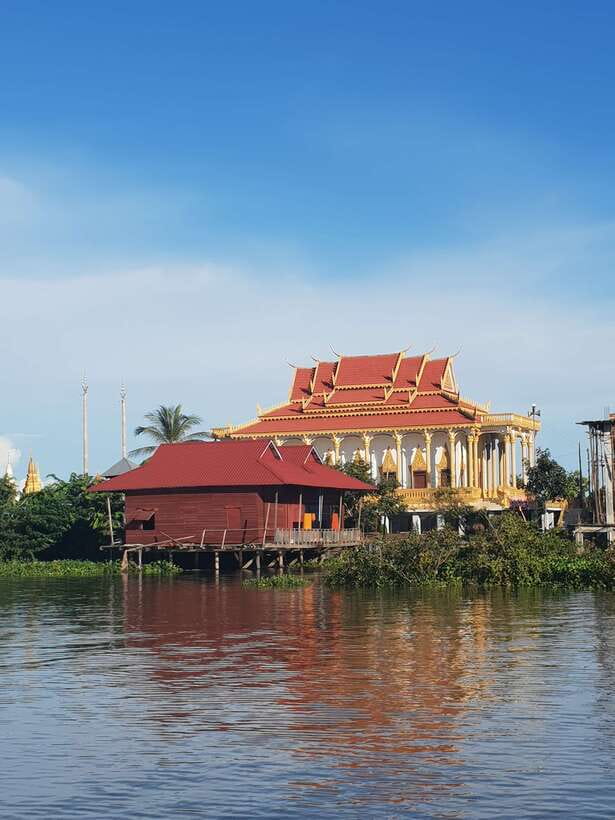
- Tonle Sap boat ride: you can spot floating schools, pagodas, and homes from the water
- Village life, not a set-piece: fishermen, farmers, and local market activity are central
- Easy Siem Reap logistics: air-conditioned transport plus multiple pickup/drop-off options
- Plan for cash: you’re advised to bring cash for on-site needs
Back out on the lake, more stilted villages
- From Siem Reap: Kampong Phluk Floating Village Tour by Boat★ 4.9 · 6,979 reviews
- Sunset tour of Kampong Phluk stilts home village on the Tonle Sap★ 5.0 · 4,865 reviews
- Kompong Phluk Floating Village Half-Day Tour ( Morning / Sunset )★ 5.0 · 1,494 reviews
- Siem Reap: Kulen Mountain, Beng Mealea and Tonle Sap Tour★ 5.0 · 1,483 reviews
Why Kompong Khleang Feels Different on Tonle Sap
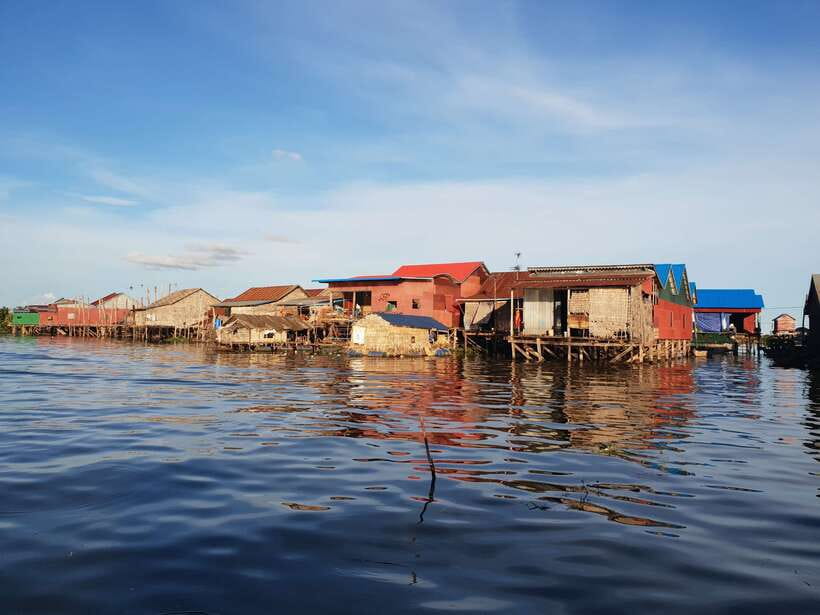
Kompong Khleang isn’t a floating village in the movie-poster sense. It’s a working lakeside community that adapts when the water rises, then resets when the lake drops. That seasonal push-and-pull is what makes the place so compelling: you’re seeing a whole way of life calibrated to a living environment.
I like how this tour frames the lake as the big actor. You don’t just stroll around stilt houses. You learn how families handle fishing, farming, and daily chores with water levels always changing. The guide also helps you connect what you’re seeing—waterline, housing height, and boat traffic—to why life looks different across the year.
If you want something more authentic than the same quick photo stops, this has that slower, local pace. It can also feel less crowded on some days. One recent booking noted they were among very few visitors, which made conversations easier and the atmosphere calmer.
The trip is built around one clear idea: Tonle Sap shapes everything. Once that clicks, even small details start to make sense.
The 50 km drive: rice fields first, lake life later
Before you reach the village, you’ll head out from Siem Reap by car. The route is part of the value here. The drive goes through Cambodian countryside with rice fields and local village areas, so you get a sense of how the region connects to the Tonle Sap ecosystem.
This matters because Kompong Khleang can look strange at first glance. Stilt houses, boats moving close by, and waterways acting like roads all feel like a special case—until you’ve seen the surrounding farming landscape. The scenic drive helps you understand why people farm when conditions allow, and why the lake becomes the highway when it swells.
Your transport is air-conditioned, which is genuinely helpful in Cambodia heat, and mineral water is included. That may sound like a small comfort, but it keeps the day practical—especially if you’re out in the sun for hours.
Pickup and drop-off are handled across several Siem Reap-area points, and you’ll be told where to wait. A simple tip: you’ll want to be ready in the lobby about 10 minutes before the pickup time so the driver can run the schedule smoothly.
Arriving at Kompong Khleang: stilted homes and real routines
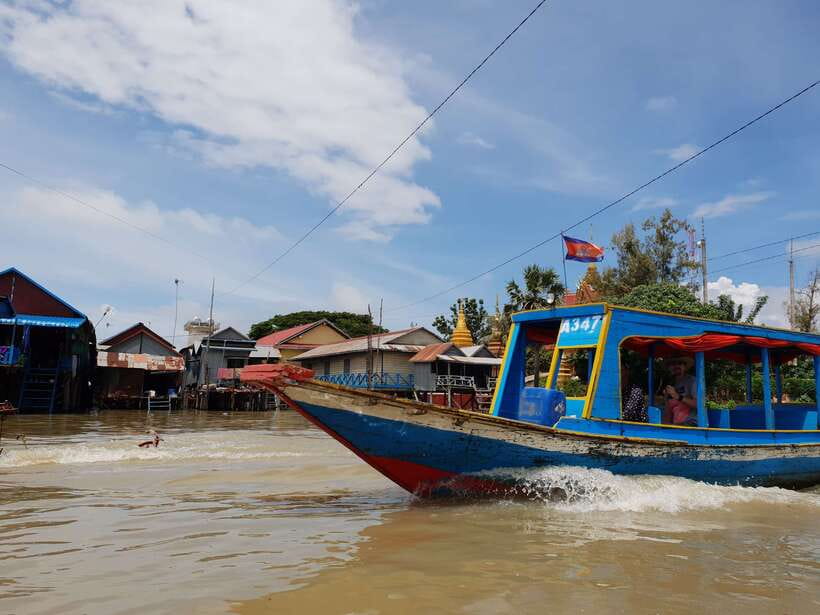
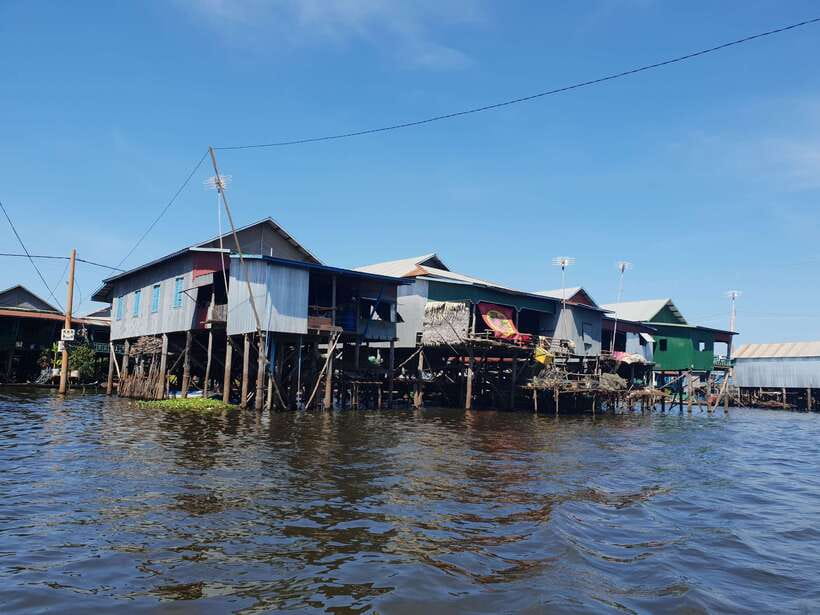
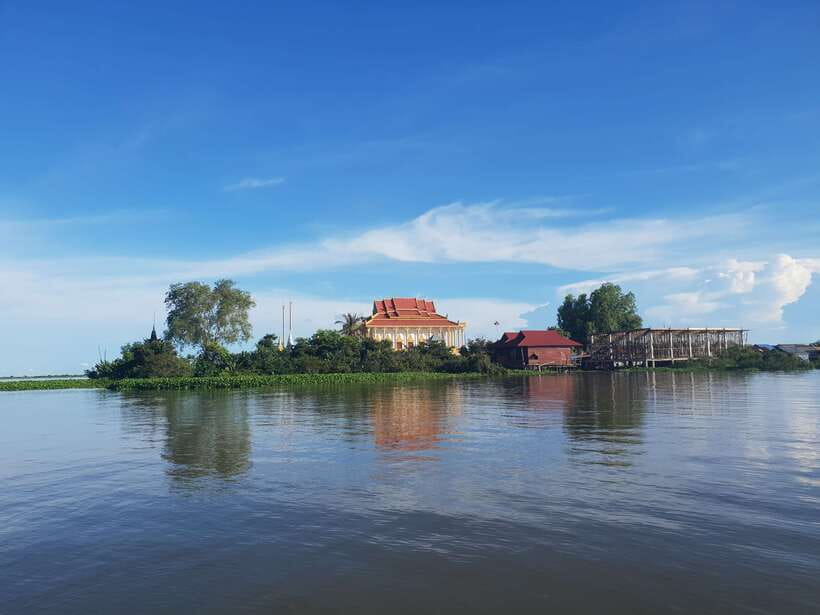
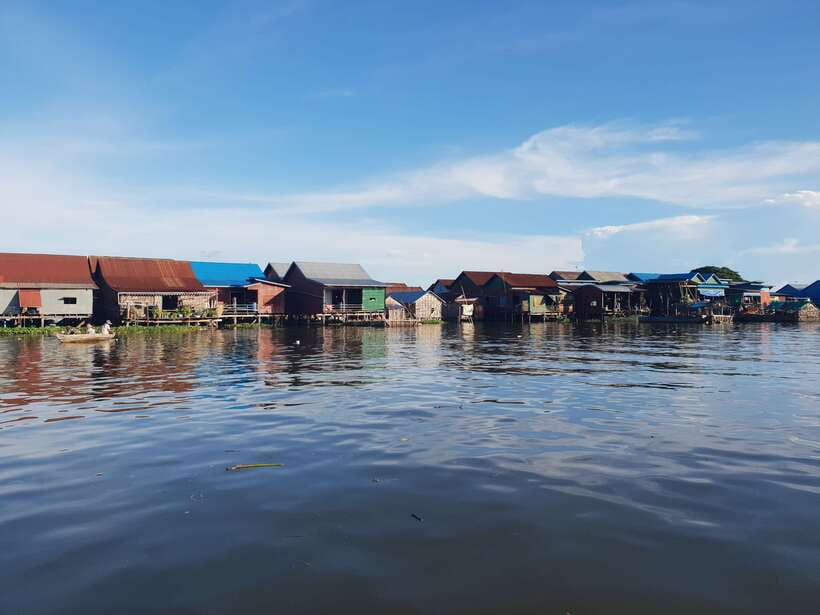
When you get to Kompong Khleang, you’ll start connecting the geography to everyday life. You’ll be shown stilted houses—high above the water during the rainy season—and you’ll get explanations focused on fishermen and farmers. This is one of the largest stilted villages on the Tonle Sap Lake, with thousands of families living this way.
The guide’s job here is to translate what you see into why it exists. You’ll learn how daily routines change with the seasons, how families organize life in elevated homes, and how the lake supports work and movement. You’ll also get a look at the local market area and hear more about how people trade and share goods.
One of the best parts of this kind of visit is asking questions while you’re still on the ground. If your guide is Dara, for example, you may get very friendly explanations with humor mixed in. That turns the tour from a lecture into a real conversation.
You should also expect a lot of “small observations.” Fishing gear, food prep, boat handling, and how people move between areas. Those details may not look dramatic from far away, but they add up to a full picture of how communities function.
The market and food stops: what to watch for
This tour includes time to understand daily life, and that can mean short stops beyond the stilt houses and lake views. On at least some departures, you may pass places where fish caught in the lake is prepared and cooked. You might even be invited to taste sticky rice during one of these breaks.
You should treat those food moments as optional experiences that depend on the flow of the day. The core experience is still Kompong Khleang itself. Still, these kinds of stops add texture, because they connect the lake catch to what ends up on plates.
A practical note: food and drinks are not included. So if you know you’ll want water, snacks, or a drink during the day, budget extra. Mineral water is provided, but you’ll likely spend more once the trip includes breaks.
Bring cash. Even if you’re not planning to buy much, you’ll be more comfortable if a snack, a small purchase, or a roadside stop comes up during the drive or around the village.
Also, watch your sunscreen. The sun is relentless around open water, and even short walking moments can add up fast.
More days made easy with a guide
Boat trip on Tonle Sap: floating schools, pagodas, and homes
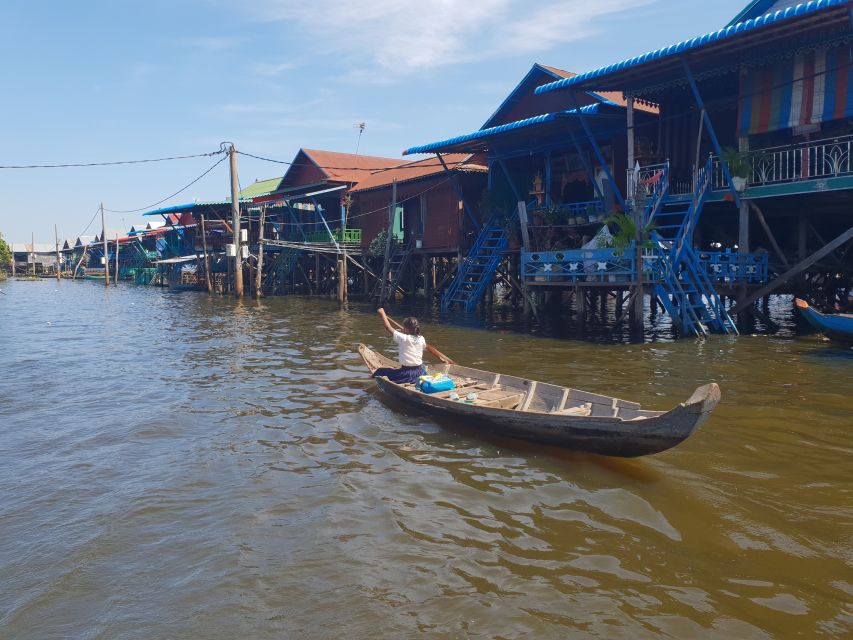
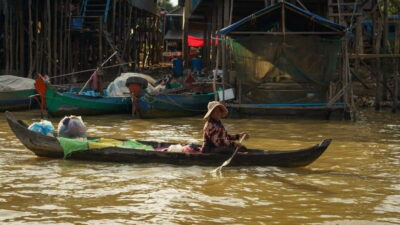
The boat ride is where the scale hits you. From the water, stilted houses and pathways become waterways and viewpoints. You’ll see floating schools, pagodas, and homes, and you’ll get a different angle on how the community operates.
This part of the tour is also about movement—how people travel, how boats weave through the water network, and how the lake acts like a road rather than a boundary. It’s one thing to look at structures from land. It’s another to watch them float by at human speed, while the guide explains what’s what.
It also helps you understand the seasonal effect. In rainy conditions, you can grasp how the village rises with the water. In drier periods, the high stilts and clearer spacing become more visible, changing the whole feel of the place.
One important budgeting point: the entrance and private boat exploring are not included in the base price. The extra is listed as $20 USD per adult for entry and private boat exploring. In real-world terms, that’s the cost you should plan for if you want the full experience of being on the water.
If you’re sensitive to sun glare, sunglasses are a real must. You’ll be on open water long enough for reflections to get tiring.
Seasonal reality check: when the village truly looks like it floats
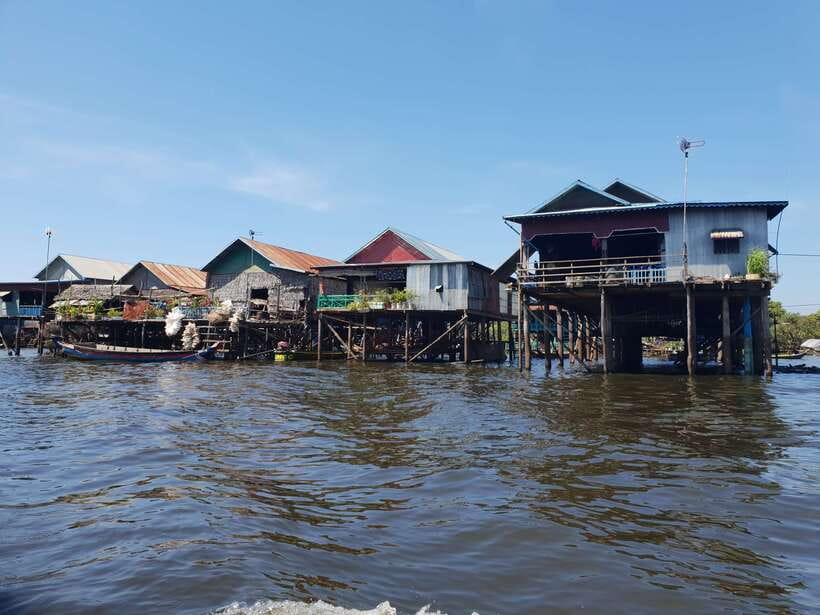
Kompong Khleang’s big selling point is the dramatic seasonal transformation. During the wet season, stilted houses rise so the village can look like it’s floating on the water. During the dry season, the stilts are more fully visible, and the whole scene reads differently.
Timing matters more than people expect. One booking noted that visiting at the wrong time reduced the full floating effect, even though the experience was still enjoyable. Another tip suggests going between May and December for better scenery, since that’s when the water is more likely to deliver the big visual change.
So here’s the way I’d think about it when deciding:
- If you want the “wow, it floats” look, aim for wetter months.
- If you’re okay with a more structural, stilt-and-lake view, dry-season visits can still be fascinating.
Either way, the guide’s explanations help you interpret what you’re seeing. You won’t be left guessing.
And don’t underestimate the day-to-day variability. Tonle Sap water levels can shift, so even within a season, the look may change from one week to the next.
Price and value: what $100 covers, and what adds up
The listed price is $100 per group up to 3 people for a 6-hour outing. That’s one reason it can be good value: a small group means you’re not sharing the day with a big crowd.
What’s included is solid for comfort and basic guidance: an English-speaking local guide, air-conditioned transportation, and mineral water. Those three things make the day smoother, especially in heat and when you’re out longer than a quick half-day.
What’s not included is the part that often surprises first-timers: an entrance ticket ($20 USD per adult) for entry and private boat exploring. Food and drinks are also not included.
So your realistic budget is:
- Base: $100 per group (up to 3)
- Plus: $20 USD per adult for entry and boat exploring
- Plus: meals/snacks/drinks (not included)
If you’re traveling as two or three people, the math can work out nicely, because your transportation and guiding are effectively shared across your group. If you’re traveling solo, it still can be worthwhile, but you’ll want to be honest about the add-on costs.
Bottom line: this isn’t just a drive-by village photo. The boat and entry are key, and the tour’s value mostly comes from that full access plus guided context.
Who this tour suits best (and who should skip it)
This trip can be great for people who like culture with real-world context: how families earn money, how the lake shapes housing, and how communities manage seasonal change. It’s also a strong fit if you want a calmer day away from the big-temple rush.
It’s not suitable for everyone. It’s listed as not appropriate for:
- Children under 3
- People with back problems
- People with mobility impairments
- Wheelchair users
- People over 80
There’s also a kid-accompanied-by-an-adult note, so families should plan for hands-on supervision.
If you have issues with walking, uneven surfaces, steps, or getting in and out of boats, you should think twice. The information doesn’t spell out step-free access, so it’s safer to assume there may be some physical demands in and around stilted areas and boat transfers.
On the flip side, if you’re mobile, curious, and comfortable with sun and heat, you’re set up well for a rewarding day.
What to pack for a 6-hour lake day
Bring practical sun and comfort items. The tour guidance recommends:
- Sunglasses
- Hat
- Camera
- Sunscreen
- Comfortable clothes
- Cash
I’d add one mindset: treat it as a day outside, even if you spend time on the water. Water reflection can be as tiring as heat.
For clothing, go comfortable and light, with something you can wear while moving between areas. Avoid anything too fragile or that you can’t protect from sun.
Also pay attention to what’s not allowed:
- Baby carriages
- Explosive substances
- Riding the animals
That’s mostly about safety and crowd control, but it also signals the tour isn’t set up like a stroller-friendly “walkway tour.” If you’re traveling with very young kids, keep in mind the minimum age rule.
If you’re prone to seasickness, you might consider bringing a remedy just in case—though the provided details don’t mention rough water. Still, it’s a boat ride, and Tonle Sap can be calm and steady or choppy depending on conditions.
Quick guide to picking the right time to go
If you care about the dramatic floating look, target the wetter part of the year. One tip points to May through December as a better window for scenery. In contrast, dry-season timing may show more of the stilt structure and less of the floating effect.
Also consider your overall Siem Reap schedule. This is a full 6-hour block, plus you’ll be in transit. So pair it with a morning temple visit only if you’re good with a long day and heat. If you’re more sensitive to fatigue, book it on a day when you’re not cramming in other major activities.
Finally, don’t overthink it. Even when the floating effect is reduced, you can still learn a lot about how the lake community works, how families adapt, and what daily routines look like on Tonle Sap.
Should you book Kompong Khleang? My take
Yes, I think it’s worth booking if you want an authentic Cambodian lake-life experience with real context. The combo of countryside drive, stilt village walkthrough, and boat time on Tonle Sap hits the right mix. You’re not just seeing buildings; you’re seeing people’s routines and listening to explanations while the environment is in front of you.
Book it especially if:
- You like off-temple Cambodia experiences
- You want a guided look at fisherman and farmer life
- You’re traveling with up to 3 people and want good value per group
- You can go during the wetter months for the best seasonal effect
Skip it if:
- You need wheelchair-friendly or low-mobility access
- You’re uncomfortable with added costs for entry and boat exploring
- You’re expecting a food-focused tour (food isn’t included)
If you’re reading this as a practical decision, I’d treat it like this: plan for the extra $20 USD per adult and the sun, then enjoy the fact that you’re spending a real half-day on Tonle Sap, where the village changes with the water.
FAQ
How long is the Kompong Khleang floating village tour?
The tour duration is 6 hours.
Is pickup from Siem Reap included?
Yes. Pickup and drop-off are included, with multiple Siem Reap-area locations. You should wait in the hotel lobby about 10 minutes before pickup.
What does the $100 price include?
The price includes an English-speaking local guide, air-conditioned transportation, and mineral water.
What costs extra during the tour?
Food and drinks are not included. There is also an entrance ticket listed at $20 USD per adult for entry and private boat exploring the village.
Is the tour suitable for young children?
No for children under 3. The tour also notes that a child should be accompanied by an adult.
What should I bring?
Bring sunglasses, a hat, a camera, sunscreen, comfortable clothes, and cash.
Is it accessible for wheelchair users or people with mobility impairments?
No. The tour is listed as not suitable for wheelchair users and people with mobility impairments, as well as people with back problems and those over 80.
More Siem Reap Tours to Compare
- Angkor Wat Sunrise or Sunset Tour with Guide from Siem Reap
★ 5.0 · 12,109 reviews - Siem Reap: Angkor Wat: Small-Group Sunrise or Sunset Tour
★ 5.0 · 9,444 reviews - From Siem Reap: Kampong Phluk Floating Village Tour by Boat
★ 4.9 · 6,979 reviews - Sunset tour of Kampong Phluk stilts home village on the Tonle Sap
★ 5.0 · 4,865 reviews - Siem Reap: Angkor Wat 2-Day Tour with Sunrise and Sunset
★ 4.9 · 4,429 reviews
More Tour Reviews in Siem Reap
- Angkor Wat Sunrise or Sunset Tour with Guide from Siem Reap
★ 5.0 · 12,109 reviews - Siem Reap: Angkor Wat: Small-Group Sunrise or Sunset Tour
★ 5.0 · 9,444 reviews - From Siem Reap: Kampong Phluk Floating Village Tour by Boat
★ 4.9 · 6,979 reviews - Sunset tour of Kampong Phluk stilts home village on the Tonle Sap
★ 5.0 · 4,865 reviews - Siem Reap: Angkor Wat 2-Day Tour with Sunrise and Sunset
★ 4.9 · 4,429 reviews
Out on Tonle Sap
- From Siem Reap: Kampong Phluk Floating Village Tour by Boat
★ 4.9 · 6,979 reviews - Sunset tour of Kampong Phluk stilts home village on the Tonle Sap
★ 5.0 · 4,865 reviews - Kompong Phluk Floating Village Half-Day Tour ( Morning / Sunset )
★ 5.0 · 1,494 reviews - Siem Reap: Kulen Mountain, Beng Mealea and Tonle Sap Tour
★ 5.0 · 1,483 reviews - Tonle Sap Lake & Kampong Phluk Village Half-Day Tour
★ 5.0 · 1,045 reviews
Just Added: Fresh Siem Reap Tour Reviews

Floating Villages & Tonle Sap Tours, compared.
 ★ 4.9From Siem Reap: Kampong Phluk Floating Village Tour by BoatFrom $206,979 reviews
 ★ 5.0Sunset tour of Kampong Phluk stilts home village on the Tonle SapFrom $214,865 reviews
 ★ 5.0Kompong Phluk Floating Village Half-Day Tour ( Morning / Sunset )From $241,494 reviews
 ★ 5.0Kulen Mountain, Beng Mealea and Tonle Sap TourFrom $481,483 reviews
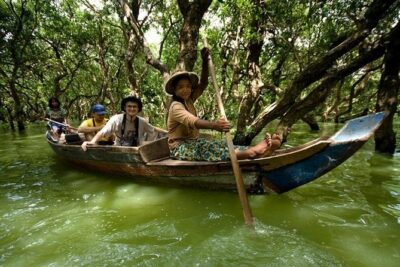 ★ 5.0Tonle Sap Lake & Kampong Phluk Village Half-Day TourFrom $491,045 reviews
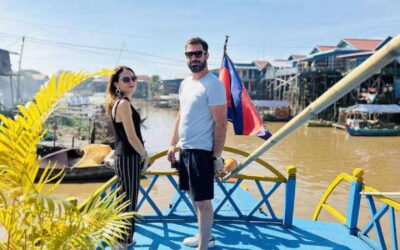 ★ 5.0Kampong Phluk Floating Village Tour by BoatFrom $201,020 reviews
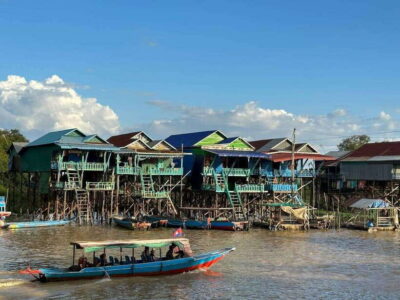 ★ 4.8Kompong Phluk Floating Village Half-Day TourFrom $24966 reviews
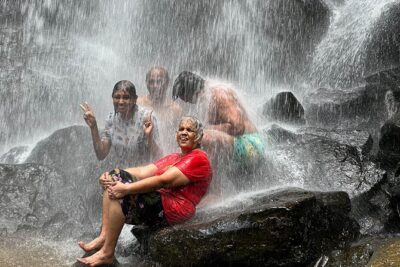 ★ 5.0Kulen Mountain with Beng Mealea and Tonle Sap Small Group TourFrom $54780 reviews
Browse the lists this tour appears in