
Reviewed · FLOATING VILLAGES & TONLE SAP TOURS
Siem Reap: Tonle Sap Lake – Fishing Village & Flooded Forest
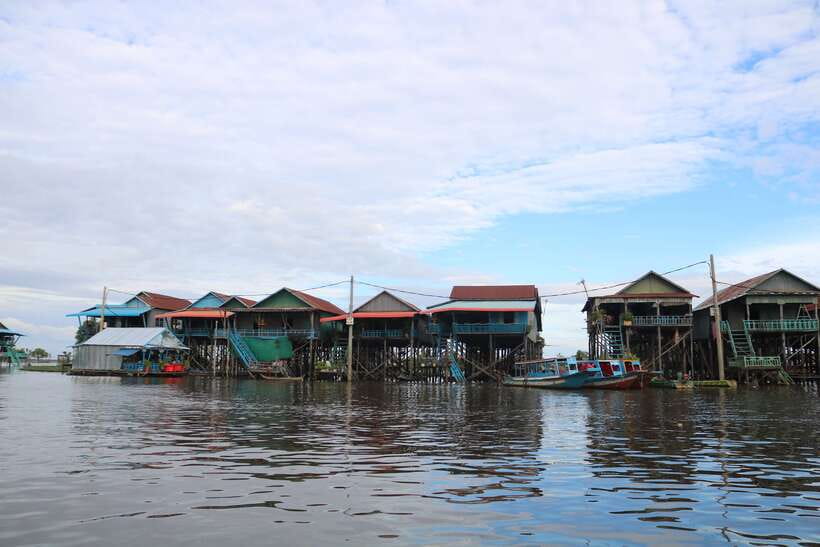
The lake’s tide runs your day. Tonle Sap is a working ecosystem, and on this half-day outing the water level shapes everything you see. You’ll head out by van from Krong Siem Reap to the world’s second-largest freshwater lake, then cruise through Kampong Phluk’s flooded forest and floating fishing villages.
I especially like two things: the slow boat time where you can actually watch people at work along the canals, and the rural stops that go past sightseeing into how food and fish production really happens. One catch to keep in mind is seasonality. In the lowest-water months, you may have fewer choices for how close you can get to certain areas, and parts of the flooded-forest experience can feel more limited.
In This Review
- Key things to know before you go
- Tonle Sap’s changing water level is the real star
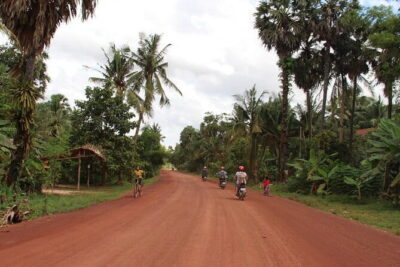
- From Krong Siem Reap to the lake: the countryside warm-up
- Kampong Phluk: the flooded-forest boat cruise you’ll actually remember
- What you might miss when water is low
- River boat segment: watch for small details on the water
- Backroads and agriculture stops: production work, not just scenery
- Buddhist monastery visit: a meaningful add-on with seasonal timing
- Price and logistics: is $45 worth a half-day like this?
- Who this tour suits best (and who should skip it)
- Should you book this Tonle Sap tour?
- FAQ
- FAQ
- How long is the Tonle Sap Lake fishing village and flooded forest tour?
- What is the main attraction on this tour?
- Is hotel pickup and drop-off included?
- What else is included besides the boat cruise?
- Is there a river boat ride too?
- Do I need to pay extra for a rowboat?
- Is the tour wheelchair accessible?
- Can I choose morning or afternoon?
Key things to know before you go
- Factual Tonle Sap context: you’ll learn why the lake swells from about 2,500 km² in the dry season to around 12,000 km² in wet months.
- Kampong Phluk boat cruise: expect slow, canal-level cruising with stilt houses and everyday work.
- Rural agriculture focus: you’ll see activities like rice planting/harvesting, smoking fish, fish paste (prohoc) making, duck farming, and yes, cricket catching.
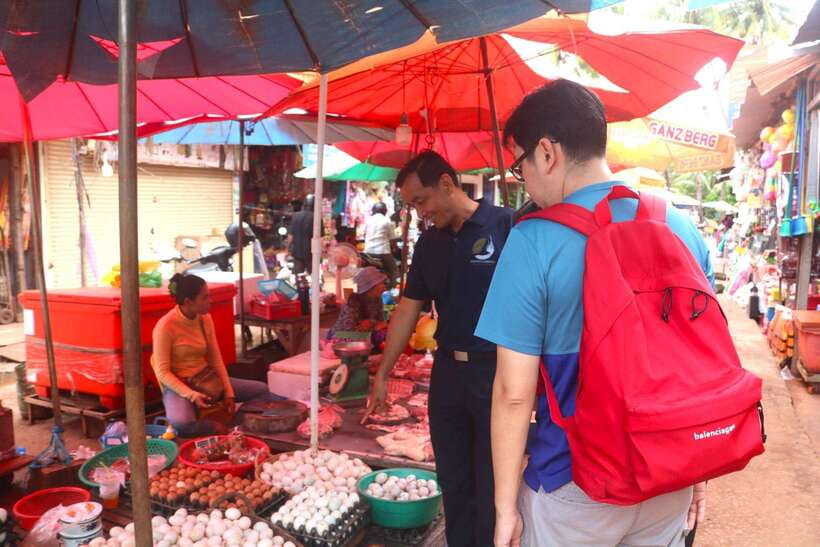
- Food stop mindset: you’ll hunt for local vegetables and snacks from more rural markets, not the polished stuff.
- Monastery timing: a Buddhist monastery visit is suggested between late July and early March.
- Access can vary: when water is low, some areas may be harder to reach or only visible from outside.
Back out on the lake, more stilted villages
- From Siem Reap: Kampong Phluk Floating Village Tour by Boat★ 4.9 · 6,979 reviews
- Sunset tour of Kampong Phluk stilts home village on the Tonle Sap★ 5.0 · 4,865 reviews
- Kompong Phluk Floating Village Half-Day Tour ( Morning / Sunset )★ 5.0 · 1,494 reviews
- Siem Reap: Kulen Mountain, Beng Mealea and Tonle Sap Tour★ 5.0 · 1,483 reviews
Tonle Sap’s changing water level is the real star
Tonle Sap is not a static “lake you visit.” It’s a seasonal engine. In wet months the lake expands dramatically, and in the dry season it shrinks back down fast. That rhythm drives where fish spawn, where birds feed, and where people can live and work.
Here’s why that matters for your tour: the boat route, how much of the flooded forest you can see, and how much “on-water village life” you get to experience can shift with the day’s water. The lake is also UNESCO-listed as a biosphere reserve (since 1997), which helps explain why guides focus on the ecosystem instead of treating it as just a photo stop.
So if you’re coming outside the peak season, go in with flexible expectations. You can still get a lot from the boat trip and countryside agriculture. You just might trade certain dramatic views for more quiet, realistic daily routines.
From Krong Siem Reap to the lake: the countryside warm-up
Your day starts with pickup in Krong Siem Reap, then a drive of about 40 minutes through surrounding countryside. Along the way there’s a short guided stop—around 25 minutes—with sightseeing and a bit of walking.
This part is useful because it sets the tone. You’re not jumping straight from town to boat-only. You ease into the region’s rhythm and get a preview of how local life connects to water, crops, and fishing.
Practical note: it’s a half-day format (about 4 hours total), so don’t plan heavy meals right before. You’ll want to be comfortable for boat time and walking stretches.
Kampong Phluk: the flooded-forest boat cruise you’ll actually remember
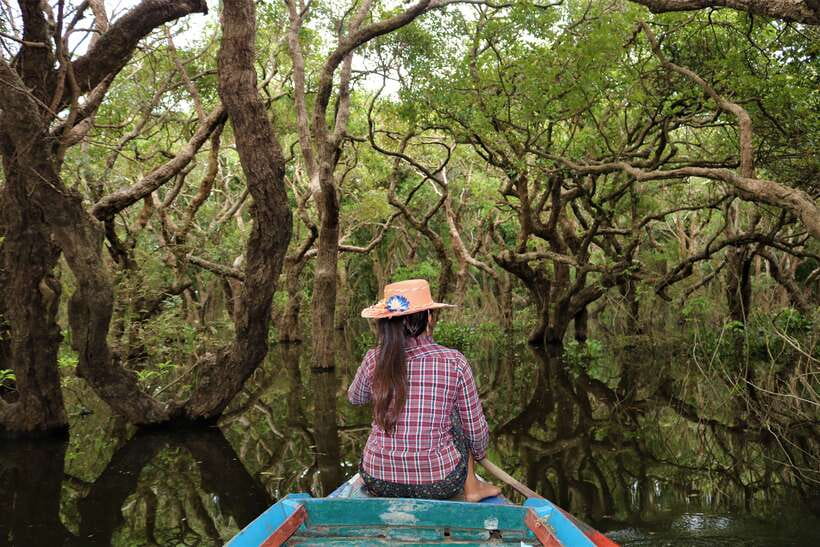
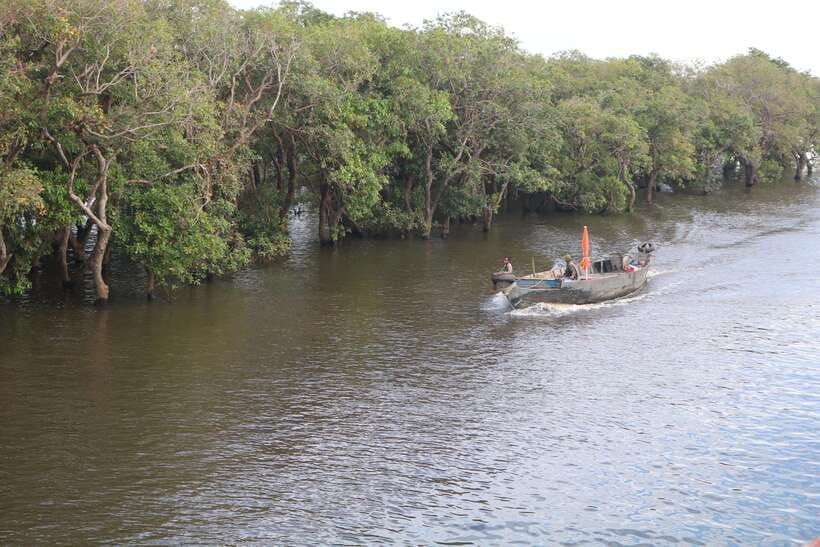
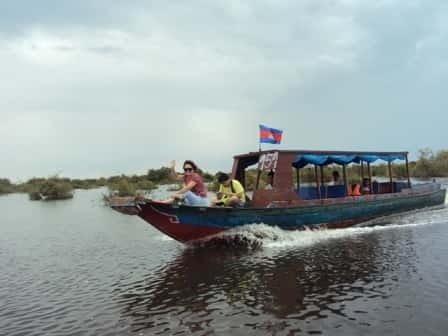
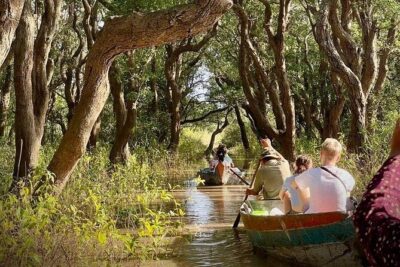
The highlight is the time you spend in Kampong Phluk, a cluster of fishing villages set in a flooded-forest environment. You’ll get a guided visit plus boat cruise time—about 2.5 hours total in this section—enough to see how the place functions instead of just skimming it.
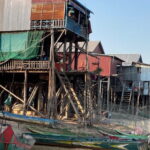
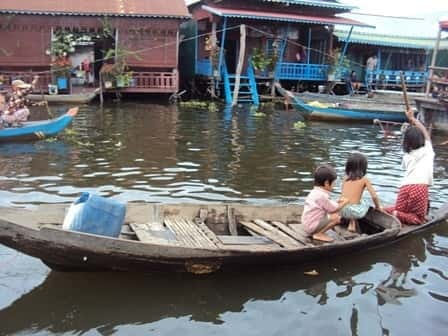
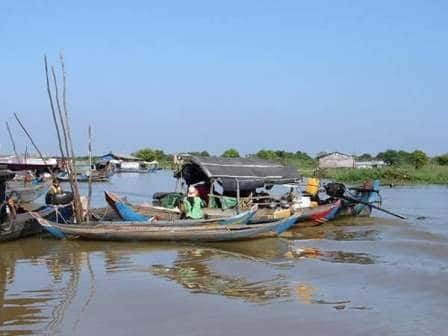
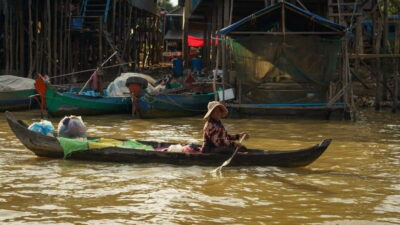
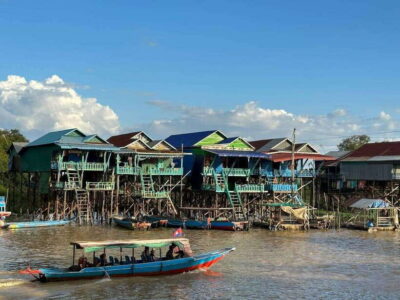
What makes Kampong Phluk special is the way homes and daily routines adapt to changing water. You’ll see houses on stilts and you’ll watch Cambodians working in the floating forest. The boat route meanders slowly through forest canals, which is great for two reasons: you get steady viewing time, and you don’t feel like you’re being rushed for photos.
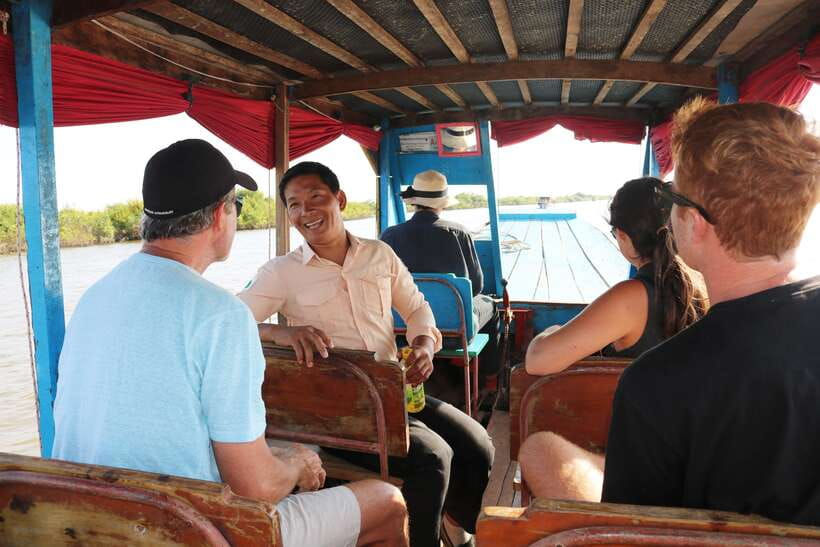
I also like how guides often explain the logic behind the work—fishing methods, aquaculture basics, and why people live with the water rather than trying to fight it. In particular, guides such as Sargon Pal and Chhay are specifically praised for explaining what you’re seeing in a clear way and keeping the tone relaxed.
What you might miss when water is low
One downside worth respecting: access can vary with season and water levels. If the water is low, you may not be able to reach certain village areas the way the tour can when conditions are better. You might end up with more viewing from outside than stepping into the strongest “stilt village and flooded forest” moments. That doesn’t mean the trip is bad—it just means you’re seeing it through a different lens.
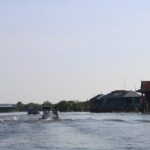
Worth a side-by-side look before you book this Siem Reap tour:
River boat segment: watch for small details on the water
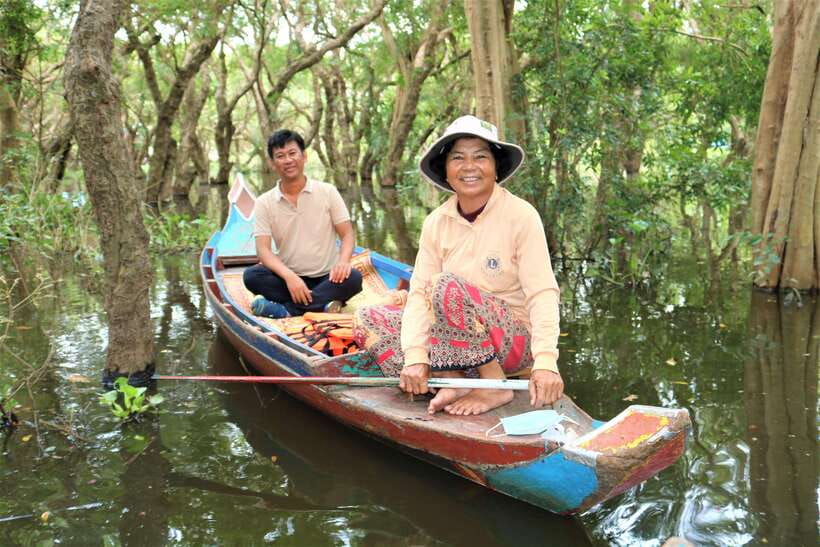
After the main Kampong Phluk time, there’s a shorter river boat ride (about 30 minutes). This is a good segment to slow down mentally. You’ll likely have a better chance to notice the ecosystem around you—plant growth in shallow channels, human activity near working areas, and the general “busy but calm” flow of a working waterway.
Since this segment is shorter, it’s not the place to expect a long lecture. Instead, use it as your observation time. Look for signs of aquaculture and fishing-related routines. Even if you don’t catch every detail, the overall pattern becomes clearer: people time their work to the water, not the calendar.
Backroads and agriculture stops: production work, not just scenery
The tour’s value goes up when you shift from the lake to the backroads. On the ride back toward town, you’ll see seasonal agriculture activities and aquaculture-related work. The tour plan specifically includes examples like:
- rice planting and harvesting
- smoking fish
- fish paste making (prohoc)
- duck farming
- cricket catching
That list sounds oddly specific, but it’s exactly the point. If you only look at the boat villages, it’s easy to think the lake is the whole story. These countryside stops show you the full food chain: how land-based farming, small-scale animal raising, and fish processing connect to the same seasonal rhythm.
There’s also a village stop where you can pick up Khmer snacks, which is a nice way to turn what you see into something you can taste later. And yes, there’s a market element too: the tour includes time for local foods and vegetables found in more rural markets. This isn’t about “exotic for exotic’s sake.” It’s about seeing what people actually eat and sell.
Buddhist monastery visit: a meaningful add-on with seasonal timing
Before heading home, the itinerary includes a Buddhist monastery visit. The suggested visit period is between the end of July and early March, which matters because it’s not guaranteed to be the best match year-round depending on your travel dates and local scheduling.
Even if you’ve visited Buddhist sites elsewhere in Cambodia, the value here is tone and timing. You’re coming from a fishing-and-farming landscape, then you pause for a more spiritual, community-centered stop. If your dates line up, it can feel like a gentle reset before you return to Siem Reap.
Price and logistics: is $45 worth a half-day like this?
At $45 per person, this tour can be good value if you want more than a boat ride. You’re not paying just for the boat ticket. The plan includes:
- a local English-speaking guide
- hotel pickup and drop-off in Siem Reap city
- air-con transport
- boat cruise plus additional river boat time
- mineral water and a cool towel
- entrance fees
That combination matters because it reduces decision fatigue. You don’t have to arrange separate transport, find a guide, or stitch together multiple stops. In a region like Tonle Sap, that matters—water conditions and access can be fluid, so having a guide-run plan helps you stay flexible.
A quick reality check: accessibility is limited. The tour is not suitable for wheelchair users, and there’s walking involved in at least two parts of the day.
Also note the one potential extra cost: rowboat at the mangrove forest is not included. The core experience is still covered, but if your route includes that segment, plan for the possibility of an extra fee.
Who this tour suits best (and who should skip it)
This is a strong pick if you want:
- a half-day plan that gets you off the main Siem Reap track
- a real-world look at how families work with fishing, aquaculture, and agriculture
- a slower pace than a strict “see everything” day
It may be less ideal if:
- you expect a guaranteed stilt-village interior experience in all months (water levels can limit access)
- you need wheelchair access (the tour is not designed for it)
- you want a long, deep museum-style explanation; this is a working landscape tour with guided highlights, not a classroom experience
Should you book this Tonle Sap tour?
I’d book it if you like practical travel: learning by watching people work, then backing it up with a food and market stop that makes the day feel real. The Kampong Phluk boat cruise is the centerpiece, and the rural agriculture segments are what turn it from a scenic outing into a useful picture of life around Tonle Sap.
You should double-check your travel dates if you’re hoping for the most dramatic flooded-forest access. If you’re flexible on what you can reach and you’re okay with a different view in low-water months, you’ll still get a satisfying, meaningful half-day—especially with guides who explain what you’re seeing and keep the pace relaxed, like Sargon Pal or Chhay.
FAQ
FAQ
How long is the Tonle Sap Lake fishing village and flooded forest tour?
The tour lasts about 4 hours.
What is the main attraction on this tour?
The main attraction is the boat cruise to Kampong Phluk, including guided sightseeing and time in the flooded-forest fishing villages.
Is hotel pickup and drop-off included?
Yes. Pickup and drop-off are included for travelers in Siem Reap city.
What else is included besides the boat cruise?
The tour includes a local English-speaking guide, air-con vehicle, entrance fees, mineral water, and a cool towel.
Is there a river boat ride too?
Yes. The itinerary includes a river boat segment of about 30 minutes.
Do I need to pay extra for a rowboat?
Rowboat time at the mangrove forest is not included.
Is the tour wheelchair accessible?
No. The tour is not suitable for wheelchair users.
Can I choose morning or afternoon?
Yes. The tour offers a choice of morning or afternoon departure.
More Fishing in Siem Reap
- Tonle Sap Lake – Fishing Village & Flooded Forest
★ 5.0 · 34 reviews - Siem Reap: Fishing in the rice fields, in the villages of Siem Reap
★ 5.0 · 4 reviews - Half Day Kampong Pluk Fishing Village with Sunset Private Tour
★ 5.0 · 3 reviews
More Tour Reviews in Siem Reap
- Angkor Wat Sunrise or Sunset Tour with Guide from Siem Reap
★ 5.0 · 12,109 reviews - Siem Reap: Angkor Wat: Small-Group Sunrise or Sunset Tour
★ 5.0 · 9,444 reviews - From Siem Reap: Kampong Phluk Floating Village Tour by Boat
★ 4.9 · 6,979 reviews - Sunset tour of Kampong Phluk stilts home village on the Tonle Sap
★ 5.0 · 4,865 reviews - Siem Reap: Angkor Wat 2-Day Tour with Sunrise and Sunset
★ 4.9 · 4,429 reviews
Out on Tonle Sap
- From Siem Reap: Kampong Phluk Floating Village Tour by Boat
★ 4.9 · 6,979 reviews - Sunset tour of Kampong Phluk stilts home village on the Tonle Sap
★ 5.0 · 4,865 reviews - Kompong Phluk Floating Village Half-Day Tour ( Morning / Sunset )
★ 5.0 · 1,494 reviews - Siem Reap: Kulen Mountain, Beng Mealea and Tonle Sap Tour
★ 5.0 · 1,483 reviews - Tonle Sap Lake & Kampong Phluk Village Half-Day Tour
★ 5.0 · 1,045 reviews
Just Added: Fresh Siem Reap Tour Reviews

Floating Villages & Tonle Sap Tours, compared.
 ★ 4.9From Siem Reap: Kampong Phluk Floating Village Tour by BoatFrom $206,979 reviews
 ★ 5.0Sunset tour of Kampong Phluk stilts home village on the Tonle SapFrom $214,865 reviews
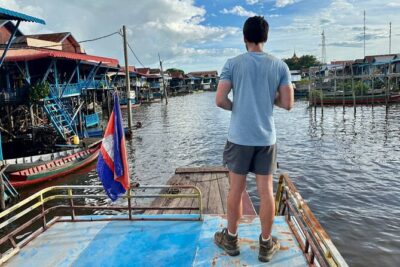 ★ 5.0Kompong Phluk Floating Village Half-Day Tour ( Morning / Sunset )From $241,494 reviews
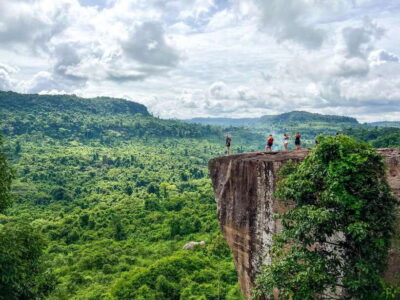 ★ 5.0Kulen Mountain, Beng Mealea and Tonle Sap TourFrom $481,483 reviews
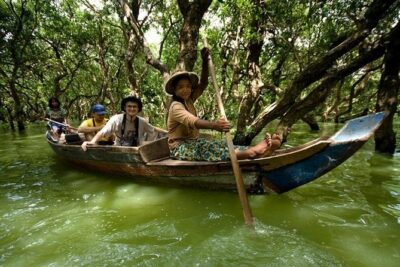 ★ 5.0Tonle Sap Lake & Kampong Phluk Village Half-Day TourFrom $491,045 reviews
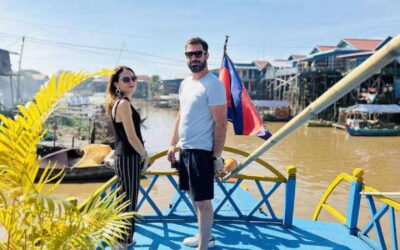 ★ 5.0Kampong Phluk Floating Village Tour by BoatFrom $201,020 reviews
 ★ 4.8Kompong Phluk Floating Village Half-Day TourFrom $24966 reviews
 ★ 5.0Kulen Mountain with Beng Mealea and Tonle Sap Small Group TourFrom $54780 reviews
Browse the lists this tour appears in