
Pedal into Angkor without the bus crowds. This private guided cycling trip mixes 25–40 km of jungle and temple backroads with stops at big-name sites like Angkor Wat and Ta Prohm, usually from a calmer angle than you get on foot. I really like the English-speaking guide approach—story and history while you ride—and I like that it stays active with frequent, short stops. One thing to consider: it’s a long day (about 7–8 hours) and you’ll want a moderate fitness level for the cycling distance.
You’ll start with hotel pickup in Siem Reap, then get rolling toward Angkor Park. The day is built around shaded trails and quieter roads, with the option to see both iconic temples and more tucked-away spots. If your idea of a great Angkor visit includes movement, shade, and fewer crowds, this style of tour fits well.
In This Review
- Key reasons this Angkor Jungle Bike Tour is a strong value
- How pickup, bikes, and timing set you up for a good day
- Jungle roads and the Angkor “missing middle”
- Angkor Wat: the morning anchor and efficient ticket entry
- Ta Nei Temple and the East Baray edge: small stop, good payoff
- French Dam viewpoint: water sounds and a different kind of Angkor scene
- Bayon Temple and the feel of Angkor Thom’s center
- Angkor Thom South Gate: restored heads and an easy photo rhythm
- Ta Prohm: trees, temple ruins, and why cycling feels right here
- The ride experience: what 25–40 km in Angkor actually means
- Price and tickets: where the $61.75 value really comes from
- Who this tour is for (and who should pick a different style)
- Guides and on-the-ground care that can make or break the day
- Should you book this Angkor Jungle Biking Adventure?
- FAQ
- How long is the Angkor Jungle Biking Adventure tour?
- What’s the cycling distance on this tour?
- Is hotel pickup and drop-off included?
- Are Angkor admission tickets included?
- What’s included in the tour price besides the guide?
- Is lunch provided during the tour?
- What physical condition do I need?
- Is this a group tour or private?
- What should I consider about cancellation timing?
Key reasons this Angkor Jungle Bike Tour is a strong value
- Quiet back-trails instead of main-road traffic so you spend more time in shade and less time in tourist bottlenecks
- Private group so your pace and stops can match your energy level
- Mountain bike + helmet + bottled water + snacks are included, so you aren’t hunting basics mid-ride
- Major temples plus small stops like Ta Nei and the French Dam viewpoint
- Guide-led temple storytelling with English commentary on Khmer history and architecture
- Short, efficient ticket handling at the Angkor Wat entry area, with your guide assisting
More temple circuits, set side by side
- Angkor Wat Sunrise or Sunset Tour with Guide from Siem Reap★ 5.0 · 12,109 reviews
- Siem Reap: Angkor Wat: Small-Group Sunrise or Sunset Tour★ 5.0 · 9,444 reviews
- Siem Reap: Angkor Wat 2-Day Tour with Sunrise and Sunset★ 4.9 · 4,429 reviews
- Siem Reap: Full-Day Angkor Wat Guided Tour with Sunset★ 4.9 · 3,803 reviews
How pickup, bikes, and timing set you up for a good day
The tour is set up for an easy start: you’re picked up from your hotel in Siem Reap and transferred to the biking start point before you head into Angkor Park. You’ll ride a mountain bike with a helmet, and you get bottled water and snacks included for the ride. That matters because Angkor is hot, and having the essentials already covered keeps the day from turning into logistics.
The schedule is built for a full morning-to-afternoon flow—plan on about 7–8 hours total. It’s long enough to feel like a real outing, not a quick photo loop, but it’s still structured with temple stops that give you regular breaks.
Also note: this is a private cycling/activity format, so it’s only your group. That makes it easier for the guide to manage pacing, regrouping, and the timing around the main sights.
Jungle roads and the Angkor “missing middle”
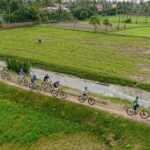
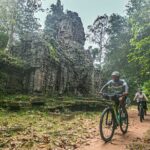
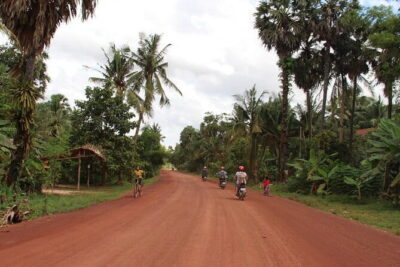
This tour’s big idea is simple: you’re not stuck on the busiest walkways. Instead, you cycle through rainforest trails and quieter temple roads, plus ancient causeways and paths that usually sit off the standard bus-route rhythm. You’re getting a view of Angkor as a living landscape—trees, shade, water sounds—rather than a single-file lineup of photo stops.
That “missing middle” matters in Angkor. When you only visit by car or on foot, you often miss the way the temples relate to the surrounding terrain. Cycling changes that. You can feel the distance between areas, notice how vegetation works around the stone, and slow down enough to look at details without feeling rushed.
One practical consideration: you’re cycling 25–40 km total. The listing says you should have moderate physical fitness, so if you’re not used to longer rides, take that seriously and go in with an easy pace mentality.
Angkor Wat: the morning anchor and efficient ticket entry
You’ll enter Angkor at the well-organized ticket counter area at Angkor Wat. The flow here is a key part of why bike tours work: instead of you trying to figure it out while everyone else crowds the entrance, your guide helps you handle the entry process smoothly.
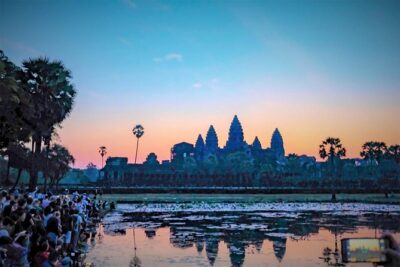
Angkor Wat is the first major stop and the time anchor—about 2 hours on site. This is the largest monument of the Angkor group and one of the best preserved, with standout strengths in composition, balance, and proportion. You’re also surrounded by the famous stone details and reliefs, which are the kind of things that reward time spent slowly looking rather than sprinting for photos.
Admission tickets are not included in the tour price. Your guide assists you in purchasing your ticket at the entrance of Angkor Park, so you should plan on budgeting for the Angkor admission separately.
Ta Nei Temple and the East Baray edge: small stop, good payoff
After Angkor Wat, you’ll head to Ta Nei Temple, a late 12th-century stone temple built during the reign of King Jayavarman VII. It’s near the northwest corner of the East Baray, a large holy reservoir, and it was dedicated to the Buddha.
This stop is only about 30 minutes, which is exactly the right length for a site like this. You’re not overwhelmed, but you still get enough time to understand what you’re looking at and notice the temple’s relationship to the landscape. It’s also a useful reset after a bigger site—less crowd pressure, more quiet attention.
Tip for your visit: keep your eyes on layout and stone forms. A shorter stop works best when you choose a few details to focus on rather than trying to see everything.
Siem Reap by pedal, a couple more rides
French Dam viewpoint: water sounds and a different kind of Angkor scene
Next comes the French Dam (ទំនប់ទឹកបារាំង), a short stop of about 19 minutes. This is not about a famous temple silhouette; it’s about the atmosphere around the ancient water system and the view with big trees around it.
The day gets something important here: a break from stone-only sightseeing. The sound of water mixed with birds is described as amazing, and that’s exactly the kind of sensory contrast that cycling day tours can deliver—movement by itself changes what you notice.
Don’t treat this as a throwaway stop. If you enjoy nature sounds, birdlife, and the feel of Angkor beyond monuments, this is one of the places where the tour’s jungle theme really comes through.
Bayon Temple and the feel of Angkor Thom’s center
Then you shift to Bayon Temple, about 1 hour. Bayon was built nearly 100 years after Angkor Wat, and it sits at the center of a royal city area, which makes it feel like the heart of the Angkor story rather than just another major temple.
Bayon is a great stop on a bike tour because the pacing is natural. You’re not starting Bayon with a marathon walk and no breathing room—you arrive after cycling, with a guide to frame what you’re seeing. That helps you notice the temple’s role and the way its early and core structure relates to its later development.
Angkor Thom South Gate: restored heads and an easy photo rhythm
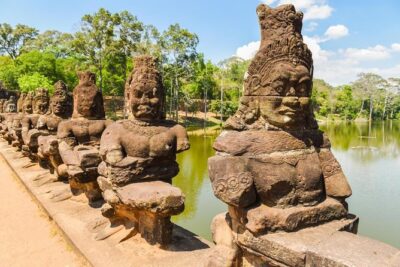
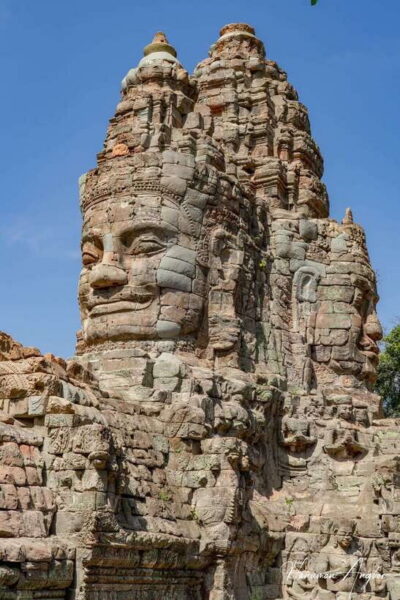
From there you’ll visit Angkor Thom South Gate, about 30 minutes. The south gate is especially popular because it’s fully restored and many of the heads remain in place. You enter this complex area on a route that feels like a real approach into the city—stone on both sides, then open space again.
A short time here works because the gate is visually intense. You can take your time with angles and symmetry without the fatigue that comes from longer, stop-and-stare sequences.
If you’re traveling as a couple or family group and you want fewer arguments about photo timing, this stop is a good compromise: it’s quick, visually clear, and easy to enjoy together.
Ta Prohm: trees, temple ruins, and why cycling feels right here
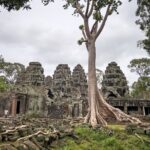
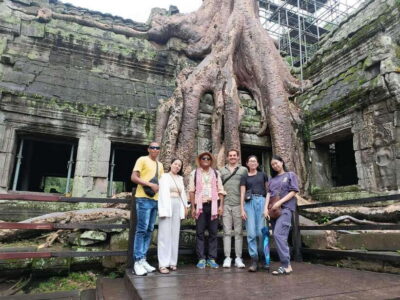
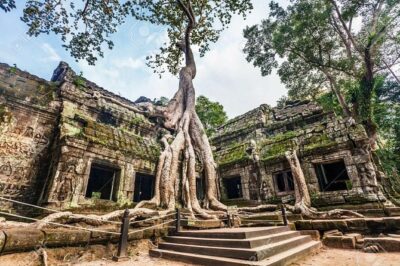
The final big temple stop is Ta Prohm (about 1 hour). It’s known as the kingdom of the trees, because it looks like nature and stone are tangled together in the most famous way in Angkor.
Ta Prohm is described as being left untouched by archaeologists except for clearing a path for visitors and structural strengthening to stave off further deterioration. That mix—minimal clearing, major viewing paths, and safety reinforcement—helps you experience it as close as possible to its found state.
Why cycling fits Ta Prohm: it’s a site where you want to keep looking up, and the ride approach helps you stay alert rather than exhausted. You’ll feel the contrast between the shaded ride segments and the open temple clearing, which makes the temple seem even more dramatic when you arrive.
The ride experience: what 25–40 km in Angkor actually means
Expect a full active day, not a casual loop. The tour is built around shaded jungle paths and quiet temple roads, which is a big deal in the heat. Cycling gives you more freedom than walking because you cover distance without paying for it with constant steep stairs or long stretches of sun exposure.
Still, the distance matters: 25–40 km over 7–8 hours means you’ll ride for multiple sections, then stop often. So your experience will feel like a rhythm—pedal, pause, learn, look, repeat.
I’d recommend you dress for sweaty riding: breathable clothing and something for sun protection. You’ll have water and snacks, but you’ll still feel the Cambodian heat over a long temple circuit.
Price and tickets: where the $61.75 value really comes from
The price is $61.75 per person, which can be a strong deal for a private, guided day with bike and hotel pickup. You’re not just buying temple entry—you’re buying transportation to the area, an English-speaking cycling guide, a working mountain bike, helmet, bottled water, and snacks.
The two main cost “gotchas” to plan around are straightforward and clearly handled by the tour setup:
- Angkor admission tickets are not included, though your guide assists with purchase at the entrance
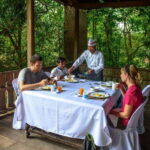
- Lunch is on you (local restaurants are available, with dishes often in the $3–$10 range)
So when you compare value, think like this: the tour price covers the active-guided logistics and included ride comforts. You pay separately for the temple entry and food, which is normal for Angkor-focused tours.
Who this tour is for (and who should pick a different style)
This one fits best if you want:
- A private day with your own pace
- An active way to see multiple major temples without feeling chained to bus schedules
- The combo of history plus nature—temples plus rainforest riding
It’s also a good choice if you hate spending half your day in predictable, crowded routes and you’d rather trade a little extra effort for quieter views and more movement.
If you’re dealing with low stamina, or you’re not comfortable riding for a long distance, you might find the cycling portion too demanding for a “sit and see” day. In that case, you’d likely enjoy a car-and-walk temple route instead.
Guides and on-the-ground care that can make or break the day
The experience is built around a local English-speaking cycling guide, and the guide energy seems to be a big part of why people rate this so highly. Names that show up in the guide team include Leap and Sok, both associated with enthusiasm and history storytelling that makes the Khmer Empire feel understandable while you’re moving.
There’s also mention of an accompanying driver in a vehicle (for the day’s transfers), and that kind of backup matters. It helps keep the day smooth if you need a breather or if the schedule shifts.
If you’re the type who likes to ask questions mid-ride, a good guide here is worth its weight in bottled water.
Should you book this Angkor Jungle Biking Adventure?
Yes, if you want Angkor to feel like a journey, not a checklist. This tour’s value is in how it connects temple highlights with the quieter backroads—so you spend time seeing the place, not just getting through it.
Book it especially if you:
- Like cycling and want the added comfort of bike, helmet, water, and snacks included
- Want a guide-led day that covers Angkor Wat, Bayon, Ta Prohm, and Angkor Thom’s south gate without turning into pure crowd-watching
- Are okay budgeting separately for Angkor admission tickets and lunch
I’d skip it if you want a mostly relaxed, mostly seated experience, because this is a real ride day with 25–40 km on the menu.
FAQ
How long is the Angkor Jungle Biking Adventure tour?
The tour runs about 7 to 8 hours.
What’s the cycling distance on this tour?
You’ll cycle roughly 25–40 km during the day.
Is hotel pickup and drop-off included?
Yes. Pickup and drop-off are included from your hotel in Siem Reap.
Are Angkor admission tickets included?
No. Angkor admission tickets are not included, but your guide will assist you in purchasing them at the entrance of Angkor Park.
What’s included in the tour price besides the guide?
Included items are the bike and helmet, bottled water, and snacks, plus an English-speaking cycling tour guide. Lunch is not included.
Is lunch provided during the tour?
Lunch is available at local restaurants during the tour, but meals are at your own expense.
What physical condition do I need?
The tour is recommended for travelers with a moderate physical fitness level.
Is this a group tour or private?
It’s private—only your group participates.
What should I consider about cancellation timing?
You can cancel for a full refund if you cancel at least 24 hours before the experience’s start time.
Just Your Group: Private Days
- Full-Day Angkor Wat Sunrise Private Tour with Guide from Siem Reap
★ 5.0 · 2,920 reviews - Siem Reap: Angkor Wat Private Tuk-Tuk Tour
★ 4.9 · 2,222 reviews - Angkor Wat Private Day Tour from Siem Reap
★ 5.0 · 834 reviews - Angkor Wat Private Tuk-Tuk Tour (sunrise Option) & more
★ 5.0 · 439 reviews - Private Angkor Wat Day Tour – Best of Angkor
★ 5.0 · 269 reviews
Siem Reap on Two Wheels
- Siem Reap Countryside Bike Tour / E-Bike or Tuk Tuk
★ 5.0 · 935 reviews - Angkor Sunrise Bike Tour / E-Bike or Tuk Tuk
★ 5.0 · 615 reviews - Siem Reap: Bike the Angkor Temples – Full-Day 30km Tour
★ 5.0 · 463 reviews - Siem Reap: Angkor Wat Sunrise Bike Tour & Jungle Breakfast
★ 5.0 · 415 reviews - Siem Reap: Guided Countryside Bike Tour
★ 4.9 · 294 reviews
More Temple Circuits Around Siem Reap
- Angkor Wat Sunrise or Sunset Tour with Guide from Siem Reap
★ 5.0 · 12,109 reviews - Siem Reap: Angkor Wat: Small-Group Sunrise or Sunset Tour
★ 5.0 · 9,444 reviews - Siem Reap: Angkor Wat 2-Day Tour with Sunrise and Sunset
★ 4.9 · 4,429 reviews - Siem Reap: Full-Day Angkor Wat Guided Tour with Sunset
★ 4.9 · 3,803 reviews - Angkor Wat Sunrise tour with Small – Group and Guide tours
★ 5.0 · 3,655 reviews
Just Added: Fresh Siem Reap Tour Reviews

Angkor Temple Tours, compared.
 ★ 5.0Angkor Wat Sunrise or Sunset Tour with Guide from Siem ReapFrom $1812,109 reviews
 ★ 5.0Angkor Wat: Small-Group Sunrise or Sunset TourFrom $159,444 reviews
 ★ 4.9Angkor Wat 2-Day Tour with Sunrise and SunsetFrom $344,429 reviews
 ★ 4.9Full-Day Angkor Wat Guided Tour with SunsetFrom $153,803 reviews
 ★ 5.0Angkor Wat Sunrise tour with Small – Group and Guide toursFrom $143,655 reviews
 ★ 5.0Angkor Wat Highlights and Sunrise Guided Tour from Siem ReapFrom $233,213 reviews
 ★ 5.0Angkor Wat Sunset Small Group Tour with Lunch IncludedFrom $203,059 reviews
 ★ 5.0Full-Day Angkor Wat Sunrise Private Tour with Guide from Siem ReapFrom $602,920 reviews
Browse the lists this tour appears in