
Morning ox carts beat city time. This full-day countryside trip from Siem Reap mixes real village life with a hands-on traditional Khmer cooking class, so you’re not just watching from the edge. You’ll start early, move through the rural area at a human pace, and finish with a meal you helped create.
What I like most is how the day centers on people, not photo stops. The village walk and school visit put you face-to-face with local daily life, and the guide (English speaking, with translation) helps you understand what you’re seeing. I also like the way the cooking class runs from ingredients to lunch, so you learn what makes Cambodian flavors work and then eat what you made.
One possible drawback: it’s a rural morning. The countryside can feel dusty, and you’ll be out since the tour starts around 8:00am, so plan for sun and wear shoes you don’t mind getting a little dirty.
In This Review
- Key Highlights You’ll Actually Feel
- A Day Away From Siem Reap Center
- Hotel Pickup at 8:00am, Then Straight Into the Countryside
- Village Walk and Ox Cart Ride: Seeing Daily Life (Not Just Sights)
- Visiting a Rural School: A Human Pause in the Middle of the Day
- Market Shopping for Khmer Cooking Ingredients
- The Traditional Khmer Cooking Class: Learn, Cook, and Sit Down
- Lunch You Make: When Food Finishes the Story
- Value Check: Why $60 Can Make Sense for a Full Village-to-Kitchen Day
- Who This Tour Fits Best (and Who Might Skip It)
- How to Get the Most Out of the Day
- Should You Book Savor the Countryside?
- FAQ
- What time does the tour start?
- How long is the experience?
- Is this tour private or shared?
- What’s included in the price?
- Are drinks included?
- Do I get to eat what I cook?
- Can you accommodate dietary requirements?
- What’s the cancellation policy?
Key Highlights You’ll Actually Feel
- Village walk with locals: You meet villagers and get context for life outside town
- Ox-cart ride through farms: Slow travel that helps you see how the area works
- Rural school visit: Time to meet students and teachers and understand the setting
- Market shopping for your meal: You buy ingredients before the cooking starts
- Khmer cooking class with lunch: Learn a traditional dish, then eat it right after
- Guide support all day: English speaking guide stays with you and translates
Past the rice fields, more village days
- From Siem Reap: Kampong Phluk Floating Village Tour by Boat★ 4.9 · 6,979 reviews
- Kampong Phluk Floating Village Tour by Boat★ 5.0 · 1,020 reviews
- Siem Reap Countryside Bike Tour / E-Bike or Tuk Tuk★ 5.0 · 935 reviews
- Siem Reap: Tonle Sap, Kampong Phluk & Floating Village Tour★ 4.4 · 397 reviews
A Day Away From Siem Reap Center
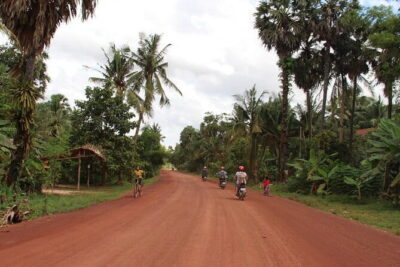
Siem Reap is famous for temples, but this kind of day does something different: it shows you Cambodia as it’s lived, not only as it’s photographed. You’ll leave the city, trade traffic noise for rural roads, and spend the day in a small rhythm that matches village time.
The best part is the balance. You don’t just do sightseeing. You do interaction—walking through a village, riding through farmland, and visiting a school. Then you end with food, which is often the fastest way to understand a culture you’ve been watching all morning.
Hotel Pickup at 8:00am, Then Straight Into the Countryside
The day typically begins around 8:00am after breakfast. A pickup team will meet you from your Siem Reap hotel and drive you out into the surrounding countryside. Transport is included, and the tour also handles the return drop-off back to your hotel area.
This matters because Siem Reap mornings can be chaotic if you’re trying to self-arrange. A guided pickup means you can relax and focus on the day, not logistics. It also helps if you’re traveling with kids, since the itinerary stays structured and predictable.
One more practical note: the itinerary includes one-day travel, so you’ll want to start well-fed and hydrated. Drinks aren’t included, so consider bringing a water bottle if your hotel rules allow it, or plan to buy drinks when you can.
Village Walk and Ox Cart Ride: Seeing Daily Life (Not Just Sights)
Your first real stop is a walking tour through a local village. This is where the day becomes personal. You get the chance to meet villagers, see everyday routines, and look closely at how the village is set up around land and homes.
Then comes the ox-cart ride. The idea isn’t speed; it’s view time. The ride helps you get a sense of the spacing of farms, the patterns of daily work, and how far you are from the sights people usually chase in Siem Reap.
In one family visit described in the reviews, the day included a buffalo-drawn cart and time to observe local weaving while moving through the rural area. Even if your group’s route looks a bit different, this is the kind of detail that makes the ride feel more like understanding than touring.
A quick consideration: rural roads can be dusty, especially when you’re moving by foot and cart. Wear closed-toe shoes, bring something to protect you from sun, and keep your expectations flexible. This isn’t polished museum terrain—it’s lived-in countryside.
Visiting a Rural School: A Human Pause in the Middle of the Day
After the village portion, you’ll visit a rural school. This stop is short but meaningful: you get to meet students and teachers and see education in a real community setting, not as a staged visit.
Because an English-speaking guide stays with you and translates, you’ll have help turning what you see into something you can actually understand. That translation piece is bigger than it sounds. Without it, school visits can turn into quick, awkward photo moments. With it, you’re more likely to notice the little cues—how the school fits into the community and what the day-to-day rhythm looks like.
This also helps if you’re traveling as a mixed-age group. One review highlighted a family with teens and kids, and the guide’s approach helped keep everyone engaged. If your group includes younger travelers who get restless with temple schedules, this school stop can be a nice mental reset.
Aprons on for another Khmer kitchen

Market Shopping for Khmer Cooking Ingredients
Next, you head to the village market to buy ingredients for the cooking class. This is one of the best “quiet” parts of the day, because it explains the logic behind Cambodian cooking. You’ll learn what ingredients are used, what their role is, and how they fit into a dish.
The tour includes the ingredients for your class, so you aren’t paying extra for supplies. Still, this step is more than a formality. Shopping first helps you connect the dish you’ll cook later to the real produce and pantry items people actually use.
If you have dietary needs, the good news is that you can request accommodations. Just let the operator know in advance so the guide can plan the ingredients and instructions accordingly.
The Traditional Khmer Cooking Class: Learn, Cook, and Sit Down
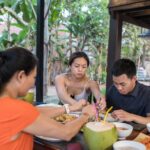
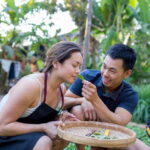
Now the day turns into a real skill-building session. You’ll prepare ingredients with guidance and learn how to cook a traditional Khmer dish, with your English-speaking guide explaining along the way.
This is the kind of activity where the guide’s role really matters. The course isn’t just about standing near a stove. You’ll be shown what to do, and you’ll also get cultural context—why certain ingredients go together, and how local tastes shape the final meal.
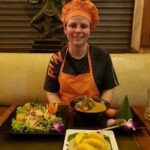
The cooking class ends with you eating what you cooked—so you don’t just learn recipes. You taste them. Lunch is included.
One practical detail to remember: drinks are not included. Depending on your group’s preferences, you may want to have a plan for staying refreshed during the day—either by bringing something if allowed or buying drinks when possible.
Lunch You Make: When Food Finishes the Story
Lunch is included, and you eat after you finish cooking. That small sequence—cook first, then sit down—is part of why cooking classes can feel more satisfying than restaurant meals. You’ll recognize ingredients you handled, understand steps you practiced, and likely remember flavors more clearly than if you just ordered.
Food is also where the day’s theme clicks. You spent the morning watching village life and school life. Then you finish learning how Cambodian cooking works at a household level. It’s a full-circle cultural lesson, delivered through taste.
If you’re cooking with kids or teens, this part often lands well. It’s hands-on, it feels like progress, and there’s a tangible reward at the end.
Value Check: Why $60 Can Make Sense for a Full Village-to-Kitchen Day
At $60 for about a day, this trip isn’t trying to be cheap. It’s priced for several things working together: hotel pickup and transport, an ox-cart ride, a village and school visit, market ingredient shopping, a cooking class, lunch, and an English-speaking guide.
For me, value comes from how many “real experiences” you’re stacking. This isn’t a long drive with one short stop and a generic buffet. You’re doing multiple village elements and then learning a skill with a meal afterward. And because it’s a private tour, you’re not stuck sharing attention with strangers who decide to wander off-script.
You also have the option of group discounts, which can lower the per-person cost if you’re traveling with friends or family.
A small logistical perk: you’ll get a mobile ticket, so check-in is usually smoother than paper-only systems.
If you’re comparing this to a standard city cooking class, the big difference is the morning context—village life and ingredients first—then cooking. That pairing is what makes the day feel worth the price.
Who This Tour Fits Best (and Who Might Skip It)
This tour works especially well if you want a break from temple-only pacing. It’s ideal if you like hands-on learning, you enjoy seeing how people live beyond the main tourist corridors, and you want a Cambodian meal you can actually recreate later.
It’s also a smart choice for families. One review described a group of adults plus teens and kids, and the structure (pickup, village walk, cart ride, school stop, cooking, lunch) tends to keep different ages moving together.
You might hesitate if you dislike dust or early starts. Since you’re traveling outside the city and spending time walking and riding, comfort depends on what you’re willing to tolerate.
How to Get the Most Out of the Day
You’ll have a better time if you treat the morning like a slow conversation. Ask your guide questions. Use the translation help to connect what you’re seeing to real life. This is where you’ll get more than photos.
Practical prep:
- Wear closed shoes for walking and cart dust.
- Use sun protection (hat/sunscreen), since the day starts early and moves through outdoor spaces.
- Bring a plan for drinks since drinks aren’t included.
- If you have diet limits, tell the operator before the day so the guide can accommodate.
And a small expectation reset: this is rural Cambodia. The charm is in that authenticity—simple rhythms, community spaces, and a day that feels local rather than staged.
Should You Book Savor the Countryside?
I’d book this if you want an actual village-to-meal experience in Siem Reap. The strongest parts are the village walk, the school visit, and the Khmer cooking class with lunch. Add in hassle-free hotel pickup and a guide who stays with you to translate, and it becomes a full day with clear value.
Skip it only if you can’t handle early mornings or outdoor dust. If that’s you, a more temple-focused day might fit better.
If you do book, it helps to show up curious and ready to learn. You’ll leave with more than a recipe—you’ll leave with a clearer picture of how daily Cambodian life connects to what’s on the plate.
FAQ
What time does the tour start?
The tour starts around 8:00am in Siem Reap, and pickup happens from your hotel.
How long is the experience?
It’s listed as 1 day (approx.).
Is this tour private or shared?
This is a private tour/activity. Only your group participates.
What’s included in the price?
Included are transport, ingredients for the cooking class, an English-speaking tour guide, ox-cart ride, and lunch.
Are drinks included?
No. Drinks are not included.
Do I get to eat what I cook?
Yes. The info says you’ll eat your meal after you finish cooking it.
Can you accommodate dietary requirements?
Yes. If you have special dietary requirements, you should let the operator know, and they will accommodate you.
What’s the cancellation policy?
You can cancel for a full refund if you cancel at least 24 hours before the experience’s start time.
More Tour Reviews in Siem Reap
- Angkor Wat Sunrise or Sunset Tour with Guide from Siem Reap
★ 5.0 · 12,109 reviews - Siem Reap: Angkor Wat: Small-Group Sunrise or Sunset Tour
★ 5.0 · 9,444 reviews - From Siem Reap: Kampong Phluk Floating Village Tour by Boat
★ 4.9 · 6,979 reviews - Sunset tour of Kampong Phluk stilts home village on the Tonle Sap
★ 5.0 · 4,865 reviews - Siem Reap: Angkor Wat 2-Day Tour with Sunrise and Sunset
★ 4.9 · 4,429 reviews
Cook It Yourself: Khmer Classes
- Khmer Cooking Class at a Local’s Home in Krong Siem Reap
★ 5.0 · 2,731 reviews - Siem Reap: Khmer Cooking Class at a Local’s Home
★ 5.0 · 1,108 reviews - Award-Winning Cooking Class Experience with Professional Teacher
★ 5.0 · 745 reviews - Cambodian Village Cooking Class
★ 5.0 · 265 reviews - Cambodian Cooking Class from Siem Reap
★ 4.9 · 190 reviews
Through the Siem Reap Countryside
- From Siem Reap: Kampong Phluk Floating Village Tour by Boat
★ 4.9 · 6,979 reviews - Kampong Phluk Floating Village Tour by Boat
★ 5.0 · 1,020 reviews - Siem Reap Countryside Bike Tour / E-Bike or Tuk Tuk
★ 5.0 · 935 reviews - Siem Reap: Tonle Sap, Kampong Phluk & Floating Village Tour
★ 4.4 · 397 reviews - Siem Reap Countryside Quad Biking Tour
★ 5.0 · 322 reviews
Just Added: Fresh Siem Reap Tour Reviews

Siem Reap Countryside & Village Tours, compared.
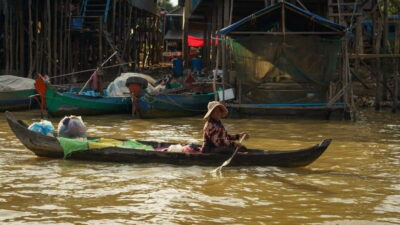 ★ 4.9From Siem Reap: Kampong Phluk Floating Village Tour by BoatFrom $206,979 reviews
 ★ 5.0Kampong Phluk Floating Village Tour by BoatFrom $201,020 reviews
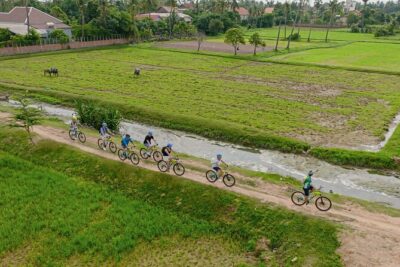 ★ 5.0Siem Reap Countryside Bike Tour / E-Bike or Tuk TukFrom $35935 reviews
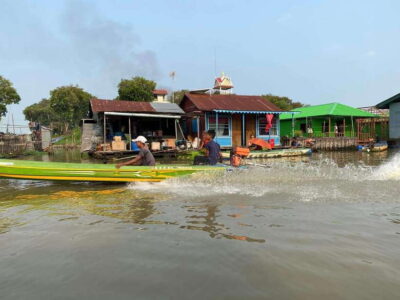 ★ 4.4Tonle Sap, Kampong Phluk & Floating Village TourFrom $17397 reviews
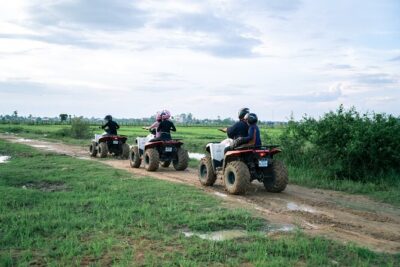 ★ 5.0Siem Reap Countryside Quad Biking TourFrom $45322 reviews
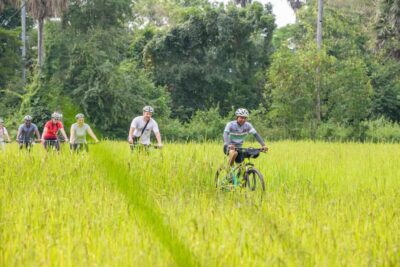 ★ 4.9Guided Countryside Bike TourFrom $35294 reviews
 ★ 4.7Siem Reap Lotus Silk Farm Discovery tour & Lake experienceFrom $20291 reviews
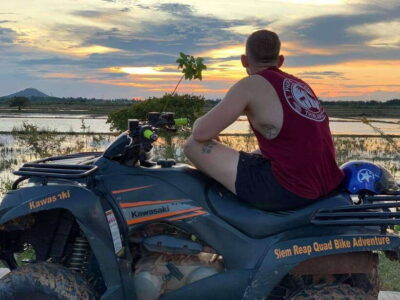 ★ 4.7Siem Reap Quad Bike Countryside TourFrom $33283 reviews
Browse the lists this tour appears in