
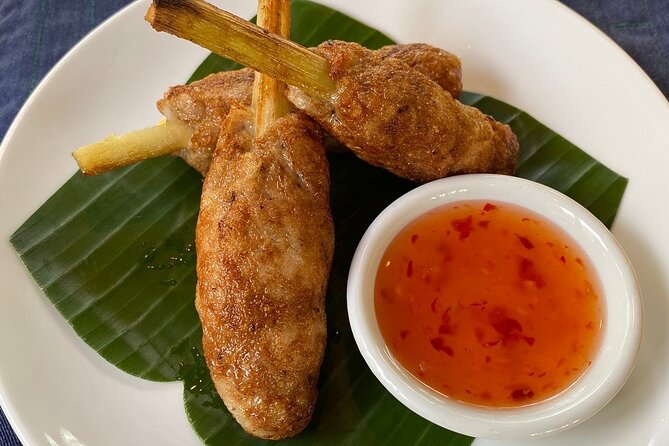
Reviewed · KHMER COOKING CLASSES
Cambodian Village Cooking Class
Your Khmer cooking starts with a market hunt. You begin with a walk through Psar Chaa (Old Market), where Sophia-style guidance helps you spot the ingredients locals actually buy. I love the practical take-home recipe book, but the one thing to watch is punctuality at the meeting point since latecomers can slow the start.
After the shopping, you ride out by tuk-tuk to a garden pavilion with a calm lake view. I like that the setting is set up for real cooking (not just watching), and heat concerns usually don’t turn into a deal-breaker. Expect about 3 hours total, cold towels and bottled water, and a small-group feel capped at 8 people.
In This Review
- Key things that make this class a great Siem Reap food outing
- Market First: Psar Chaa Old Market and the real ingredient shopping
- Tuk-tuk to the garden pavilion: where the class actually happens
- Three Khmer dishes you cook: spring rolls, curry, and palm sugar bananas
- Fresh rice paper spring rolls
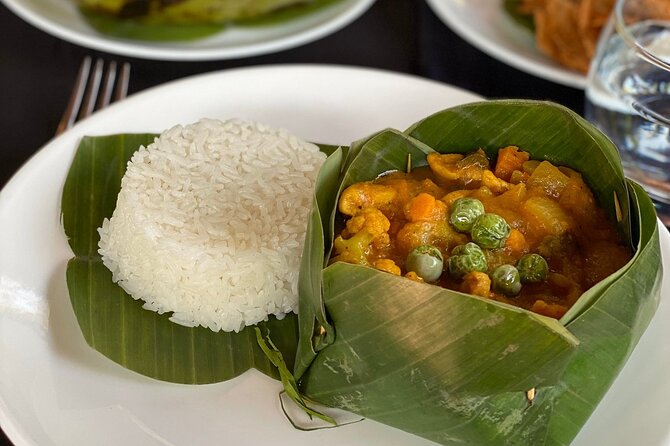
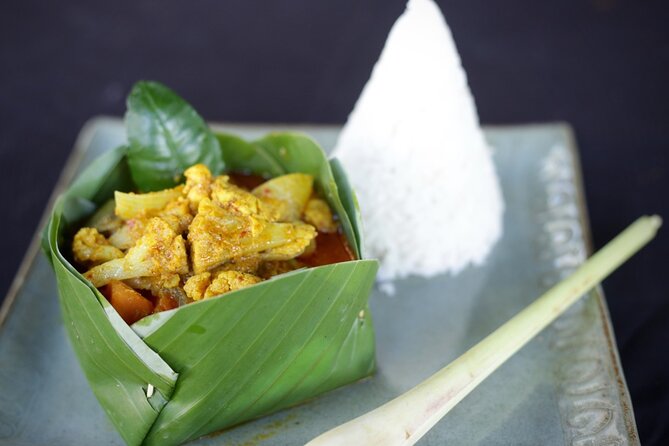
- Cambodian curry
- Bananas in palm sugar
- What you eat: 3 courses plus a local beer or soft drink
- Small-group attention that makes the difference
- Price and value in plain terms: what $32 gets you
- Who should book this cooking class in Siem Reap (and who might not)
- Final call: should you book this cooking class or skip it?
- FAQ
- How long is the Cambodian Village Cooking Class in Siem Reap?
- Where does the experience start?
- Is hotel pickup and drop-off included?
- How many people are in each group?
- What dishes will I cook?
- Do I eat the dishes I prepare?
- Is there a recipe book included?
- Can you accommodate dietary restrictions or allergies?
- Is there a drink included with the meal?
- What is the cancellation policy?
Key things that make this class a great Siem Reap food outing
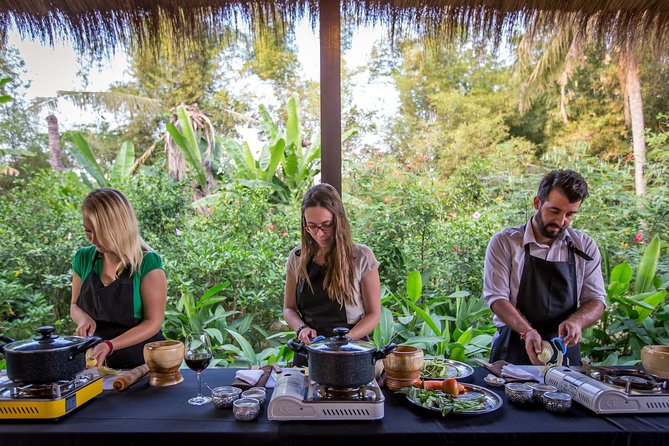
- Psar Chaa Old Market ingredient walk with a guide who helps you understand what you’re buying
- Tuk-tuk round-trip from your hotel so you can relax and focus on food
- Small-group limit of 8 for better attention while you cook
- Hands-on Khmer menu: rice paper spring rolls, Cambodian curry, and bananas in palm sugar
- A lake-adjacent open-air pavilion that makes the meal feel like more than a classroom
- Take-home recipe book so you can repeat the dishes later
Aprons on for another Khmer kitchen
- Siem Reap: Khmer Cooking Class at a Local’s Home★ 5.0 · 1,108 reviews
- Award-Winning Cooking Class Experience with Professional Teacher★ 5.0 · 745 reviews
- Cambodian Village Cooking Class★ 5.0 · 265 reviews
- Cambodian Cooking Class from Siem Reap★ 4.9 · 190 reviews
Market First: Psar Chaa Old Market and the real ingredient shopping
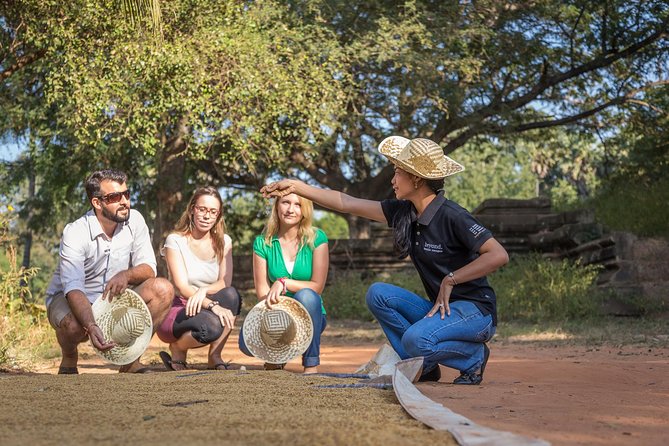
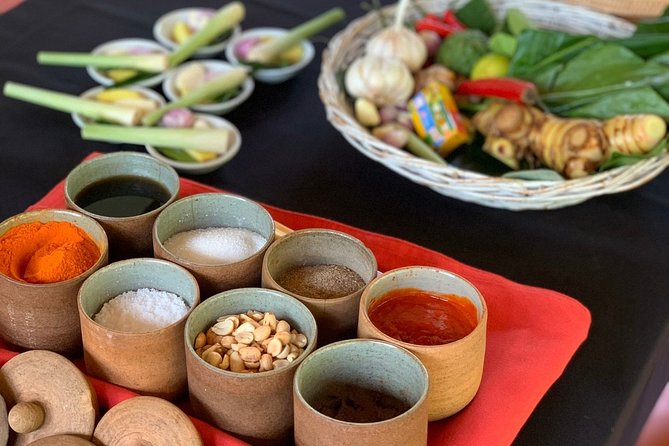
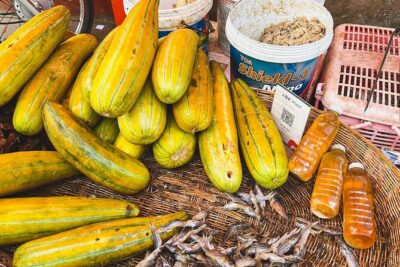
This class starts with the part many cooking classes skip: buying the ingredients the way locals do. In Siem Reap, that means heading to Psar Chaa (Old Market) instead of a staged food stop. You’ll see piles of fruits, herbs, spices, and staples you might recognize from Khmer cooking, but it clicks faster when you can actually point at the items and learn what they do.
The market portion is also where the guide adds context that makes the cooking class easier later. You’re not just handed a list of ingredients; you’re learning what each one contributes—freshness, fragrance, texture, or heat. In reviews, Sophia is repeatedly named as the lead for this part, and that matters. A good market guide helps you notice details, like the differences between herbs you can smell instantly and those you’ll only appreciate once they hit the pan.
One practical tip: bring a little patience for walking. Markets move at market speed. If you’re the type who hates crowds, you’ll want to keep your expectations flexible here—but you’ll usually find the experience more authentic than a quick photo stop.
Tuk-tuk to the garden pavilion: where the class actually happens
Once you’ve got your ingredients, the day shifts gears. You ride round-trip by tuk-tuk from your hotel, which is included. That’s not a small thing in a city where traffic can turn “short trips” into longer ones. It also reduces the hassle of figuring out where to go next, so you can arrive hungry and ready.
The cooking happens at a purpose-built garden pavilion outside Siem Reap. Reviews describe it as open-air and peaceful, with many classes hosted beside or near a lake. Translation: you’re not trapped in a hot kitchen with bad ventilation. You’ll still be cooking (and yes, your hands will learn curry lessons), but the setting is designed to make the experience comfortable.
If you’re worried about heat, this is worth noting: multiple reviews mention they were concerned at first, then found it was not an issue. That doesn’t mean it’s cool every minute of the day, but it suggests the team plans for real-world conditions and keeps the flow working.
Three Khmer dishes you cook: spring rolls, curry, and palm sugar bananas
The menu is simple and focused: you make fresh rice paper spring rolls, Cambodian curry, and bananas in palm sugar. That’s a smart choice for a short class. You get one snacky, one savory main, and one sweet finish, and each dish uses techniques you can actually repeat at home.
Fresh rice paper spring rolls
This is a great dish to start with because it forces you to learn assembly and timing. Rice paper isn’t complicated, but it’s easy to mess up if you rush. You’ll learn how to handle the wrap so it turns pliable without turning into mush. Expect step-by-step guidance while you work.
The most useful part isn’t just the finished roll—it’s understanding the balance of fillings and how the flavors work together. Khmer spring rolls tend to rely on fresh ingredients and aromatics, not heavy sauces. That’s why the market portion matters; you’ll remember where things came from.
More time at the stove
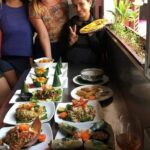
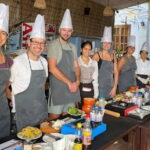
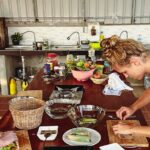
Cambodian curry
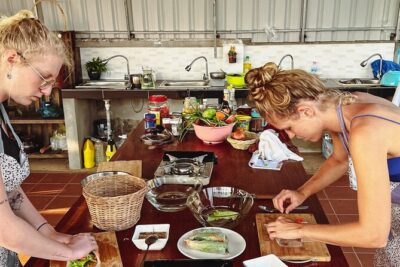
Curry is where cooking classes often become either too fast or too vague. Here, the structure is hands-on: you cook the dish while a chef guides you through what to watch for—aroma, consistency, and seasoning rhythm.
In reviews, chefs are often named (including Sunat/Sinat and Prey/Pry as examples of instructors who teach), and the common thread is patience and practical instruction. If you’re a beginner, that’s a good sign. If you’re already a confident home cook, you’ll still pick up technique cues you can use when you make curry later.
Bananas in palm sugar
This dessert is a perfect closer. It’s sweet, fragrant, and feels local without needing fancy equipment. Palm sugar brings depth and that gentle caramel vibe, and bananas are forgiving—you don’t need culinary perfection to end up with something delicious.
Also, finishing with a sweet you helped cook makes the whole session feel complete. Instead of leaving the classroom with empty plates and a vague memory, you get to eat the fruits of your labor.
What you eat: 3 courses plus a local beer or soft drink
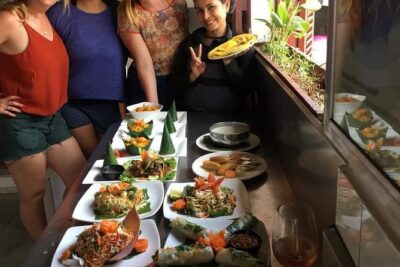
After cooking, you eat what you made. The meal includes three courses, and you’ll also be offered a local beer or soft drink. It’s a small inclusion, but it fits the culture of sharing food and making the session feel like a real lunch (not a demo plus snacks).
You’ll also get bottled water and cold towels, which is the kind of comfort detail that matters in Cambodia’s warm weather. These basics help you stay focused instead of spending the class thinking about hydration and sweat.
And yes, you’ll probably smell like spring rolls and curry by the end. It’s normal. When you go home, you’ll have a story—and recipes you can use.
Small-group attention that makes the difference
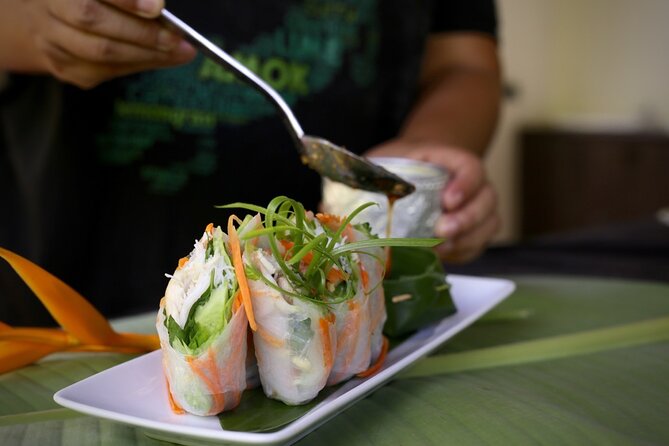
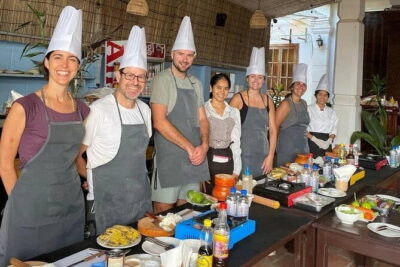
This tour caps at maximum 8 travelers, and that shapes everything. With a smaller group, you’re more likely to get direct feedback while you’re cooking. That matters for rice paper spring rolls, where your hands and timing need quick correction.
In reviews, the guides and chefs are praised by name—especially Sophia for guidance and instruction, and chefs such as Sunat/Sinat and Prey/Pry for teaching the cooking. Even with different spelling variations, the pattern is consistent: the team’s role isn’t just to supervise. They’re there to help you keep moving and get your food to taste right.
If you’ve ever done a group cooking class where you stand around too long, this is the opposite. The structure is built for participation: market walk, then cooking, then the meal.
Price and value in plain terms: what $32 gets you
At $32 per person, you’re paying for more than a class. You’re getting:
- hotel pickup and drop-off by tuk-tuk
- a market-guided start
- hands-on cooking for a 3-course meal
- a recipe book to take home
- cold towel and bottled water
- small-group attention (8 max)
For a short, half-day experience, it can feel like a good deal because the logistics are covered and the outcome is real: you cook, you eat, and you leave with repeatable recipes. A lot of cooking classes cost similar money but don’t include transport or a take-home guide you can actually use later.
If you’re trying to get value out of your time in Siem Reap, this checks a practical box: you get a cultural activity that isn’t dependent on temple schedules.
Who should book this cooking class in Siem Reap (and who might not)
This is ideal for:
- food lovers who want more than tasting
- beginners who want step-by-step help
- couples or solo travelers who like a small-group vibe
- people who want a non-temple highlight during a short stay
It might not be ideal if:
- you hate any sort of market walking (you’ll be on foot)
- you want a strict “watch only” experience (this is hands-on)
- you’re arriving late or running on chaos time—punctuality helps the flow
If you’re traveling with kids, it could still work depending on their comfort with markets and heat, but the tour is set up as an adult-friendly class pace. If you have dietary needs, you should message the operator at booking—most allergies can be catered for with advance notice.
Final call: should you book this cooking class or skip it?
I’d book it if you want a true Khmer food experience that mixes a local market start, hands-on cooking, and a sit-down meal in a calm setting. The market-to-kitchen flow is the biggest reason this works so well, and the fact that you get a recipe book means it’s not just an afternoon memory.
Skip it only if you’re set on something strictly passive, or if you know you’ll arrive late and hate feeling rushed. Otherwise, this is one of the easiest ways to eat well, learn a few dependable techniques, and bring the flavors of Cambodia home with you.
FAQ
How long is the Cambodian Village Cooking Class in Siem Reap?
The cooking class runs for about 3 hours.
Where does the experience start?
It starts with a guided tour of Psar Chaa (Old Market).
Is hotel pickup and drop-off included?
Yes. You get round-trip hotel pickup and drop-off by tuk-tuk.
How many people are in each group?
The group size is capped at a maximum of 8 travelers.
What dishes will I cook?
You’ll cook fresh rice paper spring rolls, Cambodian curry, and bananas in palm sugar.
Do I eat the dishes I prepare?
Yes. You’ll have a 3-course meal that you helped prepare.
Is there a recipe book included?
Yes. You receive a detailed recipe book to take home.
Can you accommodate dietary restrictions or allergies?
Most dietary needs and allergies can be catered for. You should advise your requirements at the time of booking.
Is there a drink included with the meal?
Yes. You can enjoy a local beer or a soft drink with your 3-course meal.
What is the cancellation policy?
You can cancel for a full refund up to 24 hours in advance. If you cancel within 24 hours of the start time, the amount paid is not refunded.
If you tell me your travel dates and whether you’re a beginner cook, I can help you decide which session time (morning or afternoon) fits best.
Learn Another Khmer Dish
- Khmer Cooking Class at a Local’s Home in Krong Siem Reap
★ 5.0 · 2,731 reviews - Siem Reap: Khmer Cooking Class at a Local’s Home
★ 5.0 · 1,108 reviews - Award-Winning Cooking Class Experience with Professional Teacher
★ 5.0 · 745 reviews - Cambodian Cooking Class from Siem Reap
★ 4.9 · 190 reviews - Siem Reap Cooking Class
★ 5.0 · 170 reviews
More Tour Reviews in Siem Reap
- Angkor Wat Sunrise or Sunset Tour with Guide from Siem Reap
★ 5.0 · 12,109 reviews - Siem Reap: Angkor Wat: Small-Group Sunrise or Sunset Tour
★ 5.0 · 9,444 reviews - From Siem Reap: Kampong Phluk Floating Village Tour by Boat
★ 4.9 · 6,979 reviews - Sunset tour of Kampong Phluk stilts home village on the Tonle Sap
★ 5.0 · 4,865 reviews - Siem Reap: Angkor Wat 2-Day Tour with Sunrise and Sunset
★ 4.9 · 4,429 reviews
Cook It Yourself: Khmer Classes
- Khmer Cooking Class at a Local’s Home in Krong Siem Reap
★ 5.0 · 2,731 reviews - Siem Reap: Khmer Cooking Class at a Local’s Home
★ 5.0 · 1,108 reviews - Award-Winning Cooking Class Experience with Professional Teacher
★ 5.0 · 745 reviews - Cambodian Cooking Class from Siem Reap
★ 4.9 · 190 reviews - Siem Reap Cooking Class
★ 5.0 · 170 reviews
Just Added: Fresh Siem Reap Tour Reviews


Khmer Cooking Classes, compared.
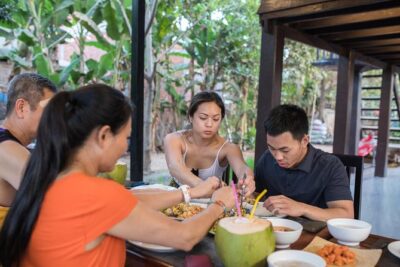 ★ 5.0Khmer Cooking Class at a Local’s Home in Krong Siem ReapFrom $272,731 reviews
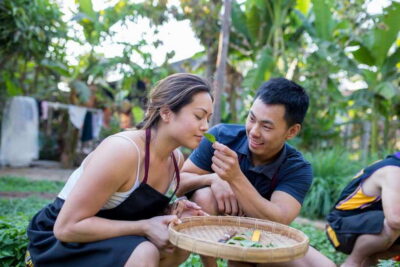 ★ 5.0Khmer Cooking Class at a Local’s HomeFrom $291,108 reviews
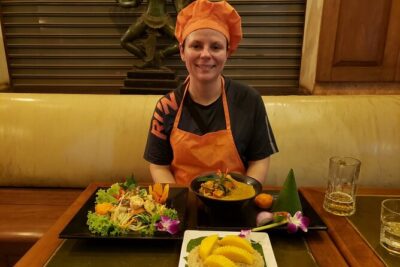 ★ 5.0Award-Winning Cooking Class Experience with Professional TeacherFrom $22745 reviews
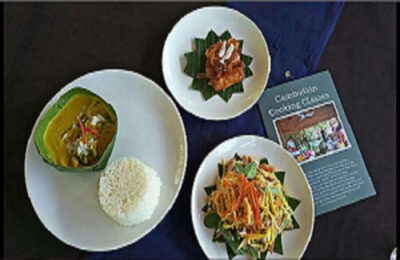 ★ 4.9Cambodian Cooking Class from Siem ReapFrom $32190 reviews
 ★ 5.0Siem Reap Cooking ClassFrom $35170 reviews
 ★ 5.0Khmer Gourmet Cooking ClassFrom $21145 reviews
 ★ 5.0Khmer Cooking Class in CambodiaFrom $3536 reviews
 ★ 4.53-Hour Siem Reap Guided Cooking Class and Market with Pick upFrom $3226 reviews
Browse the lists this tour appears in