
Reviewed · ANGKOR TEMPLE TOURS
Siem Reap: Angkor Temples Tour by a Private Tuk Tuk
Angkor temples feel different when you’re not crammed into a crowd. This private tuk tuk day focuses on the big names you came for, plus a few strong stops in between, with hotel pickup and your own driver pacing the day.
One thing I really like is the mix of wow-factor monuments and smaller, quieter temples, so you get variety instead of a checklist. Another big plus: skip-the-line access via a separate entrance, so you spend less time waiting and more time looking.
The main downside to plan around is practical: entrance fees and lunch are not included, and you’ll still be walking in sun and humidity even with a comfortable tuk tuk between sites.
In This Review
- Key Highlights You’ll Notice Fast
- Why This One-Day Angkor Tour Works for Real Life
- Price and What Really Adds Up
- The Tuk Tuk Day: Pickup, Timing, and Staying Comfortable
- Angkor Wat: The Symbol You Recognize, Up Close
- Enter Angkor Thom Through the South Gate and Find the Bayon
- Baphuon, Phimeanakas, and the Terrace of the Elephants
- Baphuon
- Phimeanakas
- Terrace of the Elephants (Royal Palace area)
- The short in-between stops
- Thommanon and Chau Say Tevoda: Temples That Feel Less Mass-Market
- Thommanon
- Chau Say Tevoda
- Ta Prohm: The Tree Roots That Actually Look Like the Movie
- Lunch Break: Plan for Real Food, Not Temple Snacks
- What to Bring (and What to Wear) for Angkor Heat
- Who This Private Tuk Tuk Tour Is Best For
- Should You Book This Tour?
- FAQ
- How much does the Siem Reap Angkor temples private tuk tuk tour cost?
- How long is the tour?
- Is hotel pickup and drop-off included?
- Which temples are included in the tour?
- Does this tour skip the ticket line?
- Are lunch and entrance fees included?
- Is the driver English-speaking?
- What should I bring for a day at Angkor?
Key Highlights You’ll Notice Fast
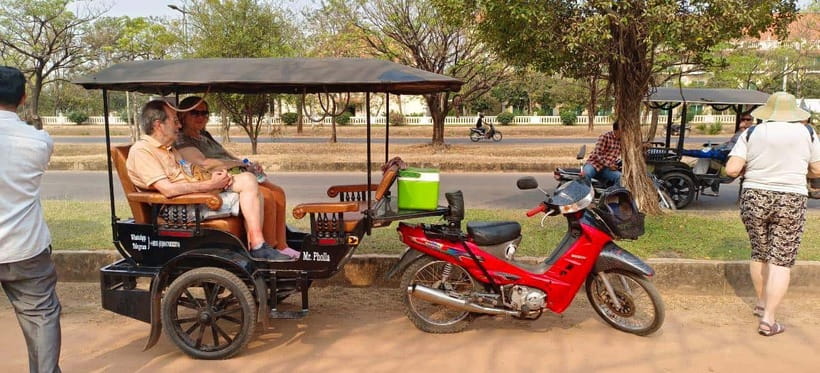
- Private tuk tuk comfort with short transfers so the heat doesn’t run your day
- Skip-the-line entry using a separate entrance at the temples
- Angkor Wat first for the classic, iconic overview while you still have energy
- Angkor Thom + Bayon faces framed by the massive laterite walls and moat
- Ta Prohm’s tree-and-stone scenes that look like the movie set (without the movie magic)
- English-speaking driver who can explain what you’re seeing and adjust timing
More temple circuits, set side by side
- Angkor Wat Sunrise or Sunset Tour with Guide from Siem Reap★ 5.0 · 12,109 reviews
- Siem Reap: Angkor Wat: Small-Group Sunrise or Sunset Tour★ 5.0 · 9,444 reviews
- Siem Reap: Angkor Wat 2-Day Tour with Sunrise and Sunset★ 4.9 · 4,429 reviews
- Siem Reap: Full-Day Angkor Wat Guided Tour with Sunset★ 4.9 · 3,803 reviews
Why This One-Day Angkor Tour Works for Real Life
Angkor can overwhelm you fast: huge sites, scattered roads, long walks, and ticket queues that eat your morning. This tour format fixes the biggest problems by keeping the day tight and logical: you start at Angkor Wat, then move into Angkor Thom and work your way through major nearby temples before ending with Ta Prohm.
What I like about this approach is how it respects your attention span. You get time to actually look—carried by photo stops plus guided visits—rather than rushing through everything in frantic spurts. And because it’s private, you’re not stuck with the pace of a larger group.
You’ll also appreciate the small comfort touches built into the day. Cold water is included, and in at least one experience a driver even provided fresh towels, which is the kind of detail that matters when the sun is doing its job too well.
Price and What Really Adds Up
The price is $25 per group up to 4 for a private tuk tuk day. That’s low compared to many private tours because you’re essentially paying for transport, driver, and the vehicle-based structure that keeps you moving efficiently.
Here’s the key value equation:
- Included: private tuk tuk transport, licensed driver, tolls/parking/gas, hotel pickup and drop-off, and cold waters
- Not included: entrance fees and lunch
So you’ll want to budget entrance fees on top of $25. If you’re traveling as two or four, this is where the deal gets especially good—your per-person cost drops, and you still get a private driver who can tweak pacing.
Also factor in timing. A full day at Angkor isn’t just about the number of temples. It’s about how quickly you can reach them and how long you can tolerate standing in the heat. This tour’s “short drive, strong visits” approach is part of the pricing value.
The Tuk Tuk Day: Pickup, Timing, and Staying Comfortable
Your day starts with pickup from your hotel in Krong Siem Reap. Transfers are kept between major sites, which means less time sweating on the road and more time at the monuments.
The walking is real, though. Expect you’ll be on your feet often—especially at Angkor Wat and around Angkor Thom. The tour includes photo stops and guided walk time blocks, but none of this avoids stairs, uneven paths, or long periods under open sky.
For comfort, here’s what you should treat as non-negotiable:
- Comfortable walking shoes
- Light clothing you can handle in heat
- Hat, sunglasses, and sunscreen
- Camera (you’ll want it)
- Water (and yes, drink it)
One bonus of the tuk tuk format: if your energy is dropping, you can usually shorten a visit and move on. One driver even helped a couple manage time more efficiently based on how long they wanted to linger in each place—exactly the kind of control you want on a day like this.
Angkor Wat: The Symbol You Recognize, Up Close
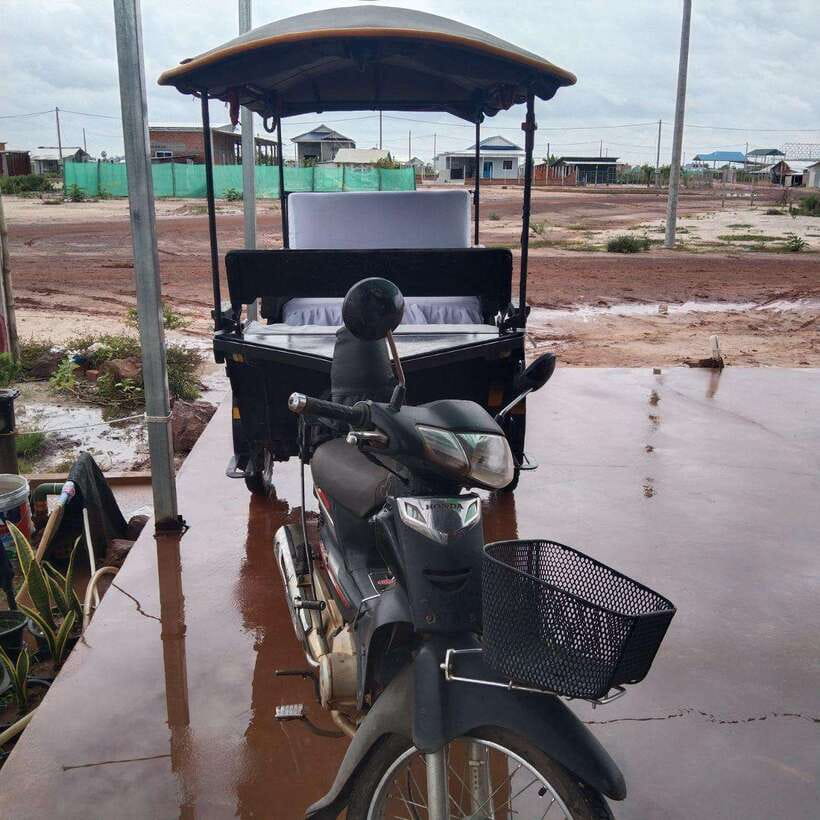
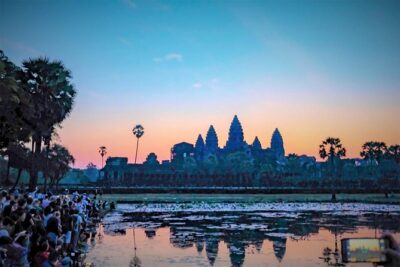
You start with Angkor Wat, with a photo stop and about 1.5 hours for visit and sightseeing. This is the anchor of the whole day for a reason. It’s the largest religious monument in the world, built in the early 12th century by Khmer King Suryavarman II as his state temple and eventual mausoleum.
It also matters culturally. Angkor Wat is described as one of the best-preserved temples at the site and has remained a significant religious center since its foundation. And it’s so iconic that it appears as a symbol on Cambodia’s national flag.
What to do with your time there:
- Slow down for composition shots from different angles. Angkor Wat rewards “step back and frame it” more than “run and snap.”
- Use the walk time to notice the temple layout—because it’s not just a single view. It’s a layered experience.
- If you’re trying to escape crowds, go at your own pace within your allotted time. The private format helps you keep control.
The trade-off is that Angkor Wat can feel like information overload if you rush. You’ll enjoy it more if you give yourself small pauses—especially in shaded areas when available—so you can actually see carvings and stonework instead of just collecting photos.
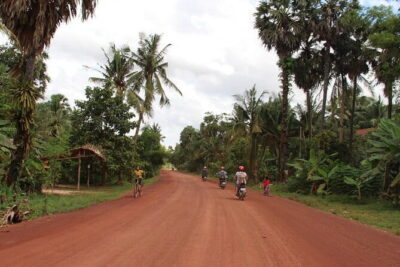
The temples by tuk-tuk, other routes

Enter Angkor Thom Through the South Gate and Find the Bayon
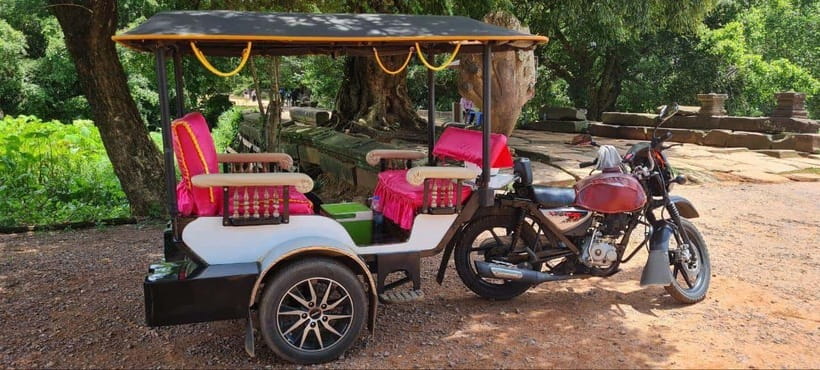
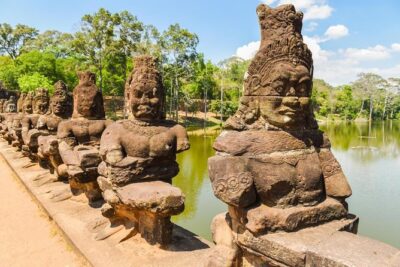
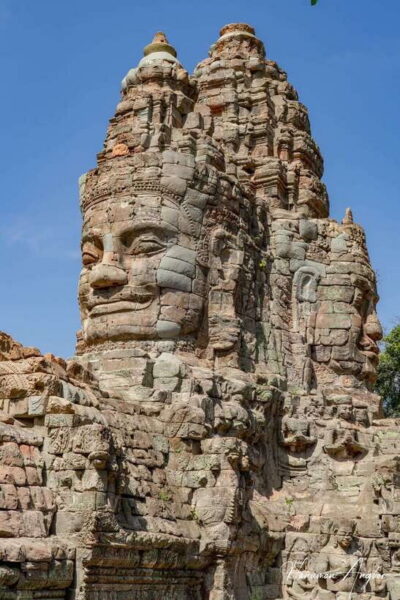
Next you’ll head to the Tonle Om Gate (South Gate), then into Angkor Thom. You get a short photo stop and a guided walk around 15 minutes at the gate area, which is enough to set the scene.
This is where scale becomes the story. The city is enclosed by a laterite wall rising about eight meters high. The wall is described as measuring 3×3 km, and it still has a moat that is flooded today, acting like a protective boundary around what’s inside.
Inside, the focus becomes the Bayon Temple, located at the center. Your walk time here is about 1 hour, and Bayon’s value is simple: it’s face after face, set into the temple structure. That’s why this stop is so often the psychological midpoint of the day—after the grand symmetry of Angkor Wat, Bayon feels more intimate and human.
Tips for getting more out of Bayon:
- Take your time at the main viewing points first, then explore smaller angles for fewer people and more texture.
- Bring your camera settings ready. The lighting changes quickly as you move between open spaces and shadowed stone.
The only real drawback at Angkor Thom is fatigue. By this point, you may be hotter and more foot-sore. Keep your expectations realistic: you don’t need to “finish everything.” You need to see the strongest parts clearly.
Baphuon, Phimeanakas, and the Terrace of the Elephants
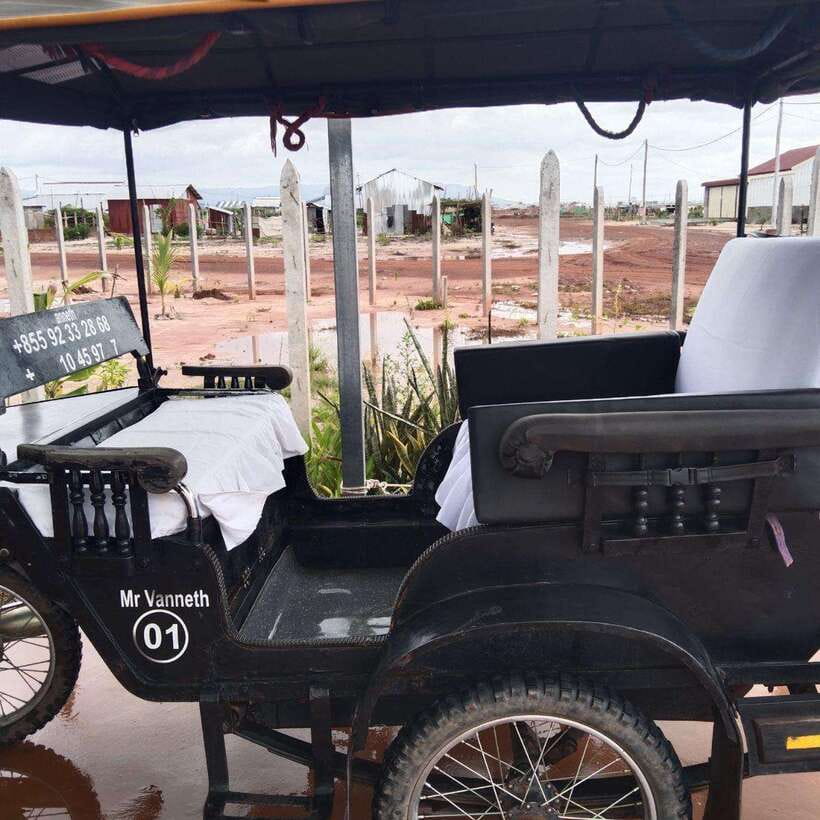
After Bayon, you move through a sequence that feels like the royal and ceremonial backbone of Angkor Thom.
Baphuon
You’ll visit Baphuon with a photo stop and about 15 minutes for visit and sightseeing. What makes Baphuon memorable is the long causeway leading you in, plus an impressive giant reclining Buddha. Even with a short stop, it’s visually strong enough to leave an impression.
Because the time is limited, I’d prioritize:
- The reclining Buddha view first
- A quick look for nearby carvings and stone details after you’ve got your main image
Phimeanakas
You’ll also pass Phimeanakas, described as hiding in shaded jungle. The payoff is the view over the tree tops—but it’s reached by steep steps, so this is where your footwear and energy matter.
If you don’t feel great about climbing, you can still appreciate the area from lower points. But if you do go up, the perspective makes the effort feel worth it.
Terrace of the Elephants (Royal Palace area)
The day continues along the Esplanade of the Royal Palace, more commonly known as the Terrace of the Elephants. This part of Angkor is less about one single icon and more about long ceremonial lines—stonework and scale that stretch as you move along.
You’ll also break in the shaded area of Preah Palilay, which is a smart moment to reset. Angkor is famous for walking; shade is what keeps walking enjoyable.
The short in-between stops
You’ll have additional 15-minute photo and walk breaks during this stretch. Because they’re short, use them strategically: if you want that extra photo angle or a quick look at a particular stone detail, this is where you can grab it without committing to a full detour.
Thommanon and Chau Say Tevoda: Temples That Feel Less Mass-Market
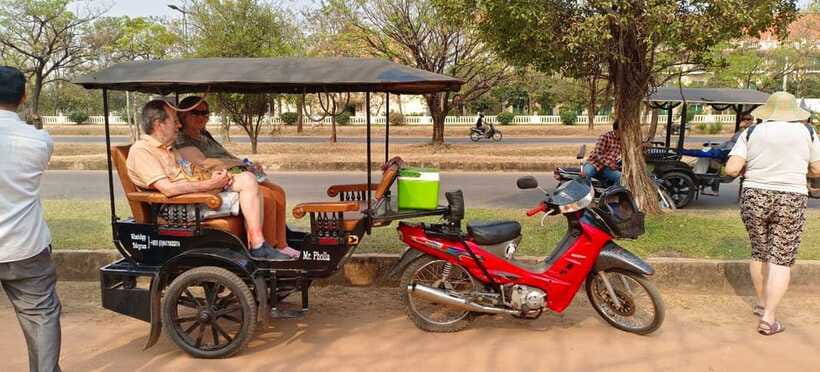
In the afternoon, the tour shifts into a different gear. You move from the day’s most famous silhouettes into temples that feel quieter and more specific.
Thommanon
You visit Thommanon Temple, described as one of a pair of Hindu temples built during Suryavarman II’s reign. The name is tied to Pali words: Dhamma (Buddhist teachings) and Nanda (supreme wisdom). Even if you don’t memorize the translation, it gives you a lens: this is a temple with meaning layered into its name and era.
What’s good here is that you can slow down. With fewer big-photo pressures than some other sites, Thommanon can feel like the moment you start noticing smaller design choices again.
Chau Say Tevoda
Next is Chau Say Tevoda, which sits east of Angkor Thom, directly south of Thommanon across the Victory Way. Built in the mid-12th century, it’s described as a Hindu temple dedicated to Shiva and Vishnu.
The standout detail is sculpture: female devatas in unique styles. This kind of artwork is the reason I like these “in-between” temples. You’ll often get more time to actually look at stone faces, figures, and patterns rather than just chasing the biggest landmark angles.
Ta Prohm: The Tree Roots That Actually Look Like the Movie
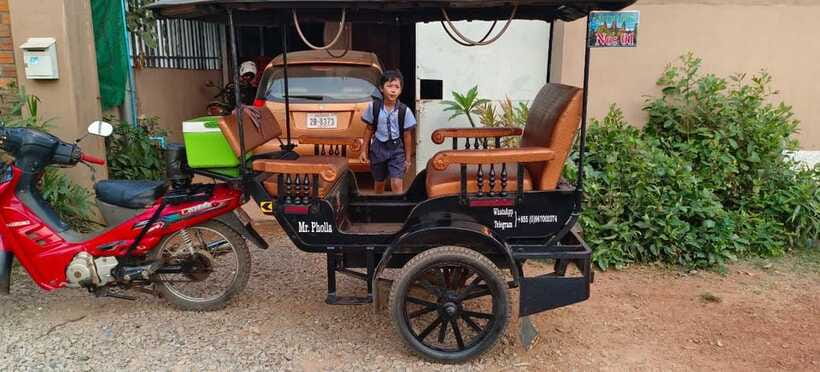
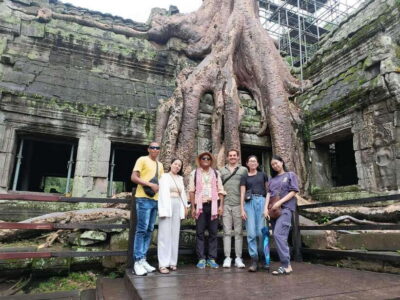
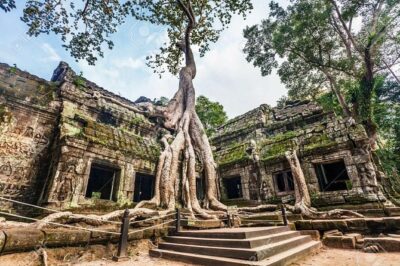
Finally, you reach Ta Prohm with about 1 hour for visit and sightseeing. Ta Prohm is famous in modern pop culture thanks to Tomb Raider, where it appeared with Angelina Jolie as Lara Croft—but the real reason it deserves attention is what you see in person: the living relationship between stone and spung tree roots.
The tour description focuses on how moss and roots cover temple stones, and that’s what makes Ta Prohm special. It looks less like a static ruin and more like a scene mid-transformation.
How to make your hour count:
- Keep your camera moving, but stop often. This temple rewards slow looking.
- Try for multiple angles: wide shots show the spectacle, but close shots show the texture where roots meet carvings.
- Expect that parts will be darker under trees. Adjust for lower light if you’re photographing.
The potential drawback is simple: Ta Prohm is popular. Even with a private setup, you’ll still be sharing space with other people on the grounds. Your best defense is your pacing—take your time on the parts you care about, and don’t feel obligated to see every corner if your energy is fading.
Lunch Break: Plan for Real Food, Not Temple Snacks
Lunch is built into the day as a break, but it’s not included in the price. You’ll eat at a local restaurant in the middle of the tour.
This is one of those subtle value points: a lunch stop that happens at a predictable moment helps your afternoon work better. By the time you reach the later temples, hunger plus heat is a bad combo. Having lunch scheduled keeps the day from turning into guesswork.
What to do:
- Drink water during the lunch break.
- If you’re sensitive to heat, eat a slower meal and give yourself a short reset before heading back out.
What to Bring (and What to Wear) for Angkor Heat
This is one of those tours where your success depends on basics. Here’s the practical setup that matches what you’ll experience during a tuk tuk day around Angkor:
- Comfortable shoes: you’ll walk a lot, and surfaces can be uneven
- Hat: shade helps, but hats help more
- Sunscreen: reapply if you’re out in full sun
- Sunglasses: glare around stone can be intense
- Water: stay hydrated, not just “when you feel thirsty”
- Camera: Angkor Wat, Bayon, and Ta Prohm all reward pictures you’ll want to keep
And for temple etiquette, dress modestly and behave respectfully. This isn’t about strict rules; it’s about making sure you’re part of the cultural setting you’re visiting.
Who This Private Tuk Tuk Tour Is Best For
This experience is especially good if:
- You want a private day without the hassle of driving yourself
- You’re traveling as a couple or small group (price is per group up to four)
- You value a clear route that covers major anchors: Angkor Wat, Bayon, Ta Prohm, plus key supporting temples
- You like the idea of a driver who can explain what you’re seeing and help you pace the day
It’s also a smart match for visitors who don’t want a long, exhausting temple-to-temple slog with no plan. Several drivers mentioned in real experiences have been thoughtful with older travelers and attentive to comfort, which is exactly the sort of service that can make Angkor easier.
Should You Book This Tour?
If you want the top Angkor names in one day—Angkor Wat, Angkor Thom (Bayon), Ta Prohm, plus strong stops like Baphuon and the Terrace of the Elephants—this is a sensible private option. The tuk tuk format keeps the day manageable, the driver is English-speaking, and you get cold water plus skip-the-line entry via a separate entrance.
Book it if:
- You’re budget-aware and traveling as a pair or up to four
- You’d rather pay for comfort and a driver than worry about logistics
- You want a day structured enough to feel efficient, but flexible enough to stay at the sites you care about
Skip it (or look for another option) if:
- You dislike walking in heat and want less time on your feet
- You’d rather handle everything yourself and already know your temple entry timings
- You don’t want to pay extra for lunch and entrance fees
If you do book, the best move is simple: pack well, start with energy at Angkor Wat, and let your driver adjust pacing so the day stays enjoyable instead of rushed.
FAQ
How much does the Siem Reap Angkor temples private tuk tuk tour cost?
It’s priced at $25 per group, for up to 4 people.
How long is the tour?
The tour lasts 1 day.
Is hotel pickup and drop-off included?
Yes. You get pickup from your hotel and a drop-off back to your hotel at the end.
Which temples are included in the tour?
You’ll visit Angkor Wat, Angkor Thom (including Bayon Temple), Baphuon, the Terrace of the Elephants area, Thommanon, Chau Say Tevoda, and Ta Prohm.
Does this tour skip the ticket line?
Yes. It includes skip-the-line access through a separate entrance.
Are lunch and entrance fees included?
Lunch and entrance fees are not included.
Is the driver English-speaking?
Yes, the driver is listed as English-speaking.
What should I bring for a day at Angkor?
Bring comfortable shoes, a hat, a camera, sunscreen, and water.
Just Your Group: Private Days
- Full-Day Angkor Wat Sunrise Private Tour with Guide from Siem Reap
★ 5.0 · 2,920 reviews - Siem Reap: Angkor Wat Private Tuk-Tuk Tour
★ 4.9 · 2,222 reviews - Angkor Wat Private Day Tour from Siem Reap
★ 5.0 · 834 reviews - Angkor Wat Private Tuk-Tuk Tour (sunrise Option) & more
★ 5.0 · 439 reviews - Private Angkor Wat Day Tour – Best of Angkor
★ 5.0 · 269 reviews
The Temples by Tuk-Tuk
- Siem Reap: Angkor Wat Private Tuk-Tuk Tour
★ 4.9 · 2,222 reviews - Siem Reap Countryside Bike Tour / E-Bike or Tuk Tuk
★ 5.0 · 935 reviews - Angkor Sunrise Bike Tour / E-Bike or Tuk Tuk
★ 5.0 · 615 reviews - Angkor Wat Private Tuk-Tuk Tour (sunrise Option) & more
★ 5.0 · 439 reviews - Old Siem Reap Sunset Food Tour by Tuk-tuk
★ 5.0 · 311 reviews
More Temple Circuits Around Siem Reap
- Angkor Wat Sunrise or Sunset Tour with Guide from Siem Reap
★ 5.0 · 12,109 reviews - Siem Reap: Angkor Wat: Small-Group Sunrise or Sunset Tour
★ 5.0 · 9,444 reviews - Siem Reap: Angkor Wat 2-Day Tour with Sunrise and Sunset
★ 4.9 · 4,429 reviews - Siem Reap: Full-Day Angkor Wat Guided Tour with Sunset
★ 4.9 · 3,803 reviews - Angkor Wat Sunrise tour with Small – Group and Guide tours
★ 5.0 · 3,655 reviews
Just Added: Fresh Siem Reap Tour Reviews

Angkor Temple Tours, compared.
 ★ 5.0Angkor Wat Sunrise or Sunset Tour with Guide from Siem ReapFrom $1812,109 reviews
 ★ 5.0Angkor Wat: Small-Group Sunrise or Sunset TourFrom $159,444 reviews
 ★ 4.9Angkor Wat 2-Day Tour with Sunrise and SunsetFrom $344,429 reviews
 ★ 4.9Full-Day Angkor Wat Guided Tour with SunsetFrom $153,803 reviews
 ★ 5.0Angkor Wat Sunrise tour with Small – Group and Guide toursFrom $143,655 reviews
 ★ 5.0Angkor Wat Highlights and Sunrise Guided Tour from Siem ReapFrom $233,213 reviews
 ★ 5.0Angkor Wat Sunset Small Group Tour with Lunch IncludedFrom $203,059 reviews
 ★ 5.0Full-Day Angkor Wat Sunrise Private Tour with Guide from Siem ReapFrom $602,920 reviews
Browse the lists this tour appears in