
Reviewed · SIEM REAP CITY TOURS
Siem Reap: City Walking Tour
A good intro to Siem Reap starts on foot. This 2-hour city walking tour strings together the Royal Residence and Gardens, a major pagoda with a reclining Buddha, boutique back streets, the Old Market, and a daytime look at Pub Street so you understand the town fast. I especially like the way the route blends big, iconic sights with quieter neighborhoods, and I love that the guide ties religion and daily life together in plain language. The only real catch is that it’s a walk, so come with comfortable shoes and plan for hot, sunny patches plus the need to remove shoes in pagodas.
For me, the value is all about the guide and the pace: it’s small (limited to 10), you get time to ask questions, and you’re not herded from one photo stop to the next. Based on how guides are described—names like Bananna, Chek, Choid, Tea, Tee, Ty, Sai, Ti, and Ati show up in the feedback—you can expect a friendly, English-speaking local who actually explains what you’re seeing. One possible drawback to consider: there’s no hotel pickup, so you’ll need to get yourself to the meeting point.
You meet outside Damnak Supermarket on the corner of Wat Bo Road and 7 Makara Street (High School Road) about 5 minutes early. If you’re staying a bit farther out, you might use a tuk-tuk to reach the start—many people do—then settle in for a simple, easy walk that gives you real orientation.
In This Review
- Key Things You’ll Notice on This Siem Reap Walk
- Royal Gardens and Royal Residence: setting the tone in Siem Reap
- Kandal Village’s colonial lanes: boutiques, coffee, and real neighborhood flow
- Wat Preah Prom Rat: the reclining Buddha and the religion behind it
- Psar Chas (Old Market): where Siem Reap’s daily life lives
- Pub Street by day: learn how to enjoy it at night
- Price and the 2-hour sweet spot: is $6 really worth it?
- Where this tour fits best (and who should skip it)
- What to bring so the walk feels easy
- Should you book this Siem Reap walking tour?
- FAQ
- How long is the Siem Reap city walking tour?
- What is the meeting point?
- Is hotel pickup included?
- What does the price include?
- Do I need to remove my shoes?
- What should I bring?
- How big is the group?
Key Things You’ll Notice on This Siem Reap Walk
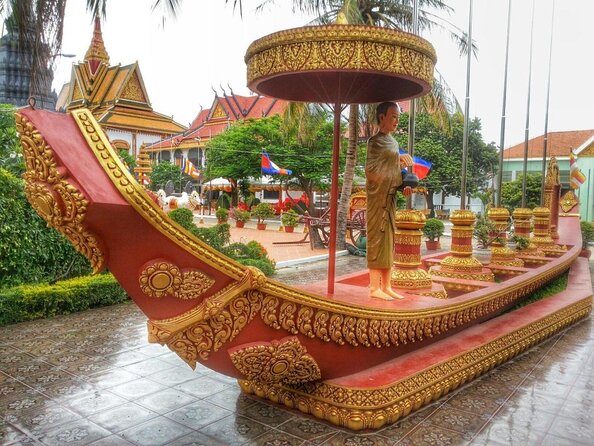
- Royal Gardens and Residence first, so the tour starts calm and makes the rest of the city easier to understand.
- Wat Preah Prom Rat with a reclining Buddha, plus an explanation of how Buddhism shows up in everyday Khmer life.
- Kandal Village’s colonial back lanes mix boutique shopping with historical architecture (not just souvenir booths).
- Psar Chas (Old Market) works as your hands-on lesson in daily life: food stalls, clothing, and everyday supplies.
- Pub Street by day plus local guidance for what to do when the lights come on.
- A small group (up to 10) keeps the questions flowing and the pace comfortable.
Around town on foot, more walks
- Old Siem Reap Sunset Food Tour by Tuk-tuk★ 5.0 · 311 reviews
- Siem Reap City Walking Tour★ 4.5 · 114 reviews
- Siem Reap City Hidden Gems (Private Guided Tour)★ 5.0 · 105 reviews
- Highlights & Hidden Gems With Locals: Best of Siem Reap Private Tour★ 5.0 · 52 reviews
Royal Gardens and Royal Residence: setting the tone in Siem Reap
Most Siem Reap tours rush you straight toward temples. This one does something smarter: it starts with the Royal Gardens and Residence. Even if you’ve seen royal architecture in other countries, this part helps you read Siem Reap like a local. You’re not just collecting landmarks—you’re learning how power, ceremony, and public space shaped the city.
I like this opening because it gives your brain a reference point. After the Royal grounds, the rest of the walk makes more sense: pagodas don’t feel random, and markets don’t feel chaotic. They start to feel connected.
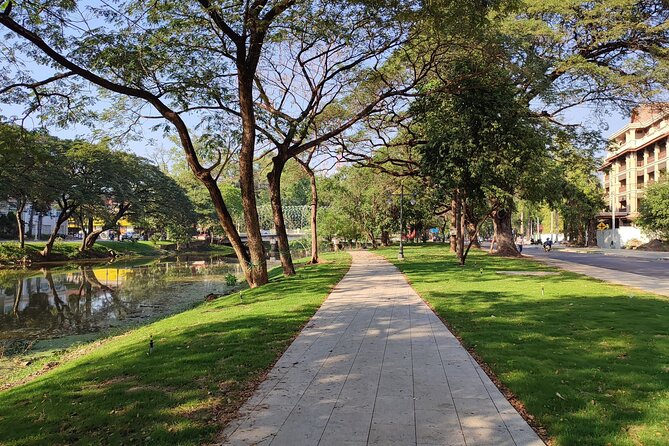
If you care about details, watch for the garden-and-residence layout and the way people move through the area. Your guide usually uses this calm start to explain the role of religion and ritual in Khmer life—so when you later hit Wat Preah Prom Rat, you’re not standing there guessing what you’re looking at.
Possible drawback: this portion still involves walking outside and it can get hot. Wear shoes you can stand in, and don’t plan to arrive feeling underprepared.
Kandal Village’s colonial lanes: boutiques, coffee, and real neighborhood flow
Once the tour moves from royal grounds into Kandal Village, the vibe shifts. This is one of the hottest boutique areas in town, with coffee houses and shops tucked along streets that still show colonial-era bones. It’s an interesting mix: modern retail energy inside older streets.
What I like here is the contrast. A pagoda visit can feel intense. Kandal Village feels like the city’s daily rhythm—people popping into cafés, browsing storefronts, and moving between attractions and errands.
For you, this stop is useful even if you don’t plan to shop. It’s where you learn where things are. You’ll start to recognize the “shape” of Siem Reap: where locals hang out in the daytime, where tourists concentrate, and what streets tend to connect everything.
Practical tip: if you want to buy anything later, use this stop to practice noticing prices and quality. Your guide’s context can help you spot what’s worth your money.
Wat Preah Prom Rat: the reclining Buddha and the religion behind it
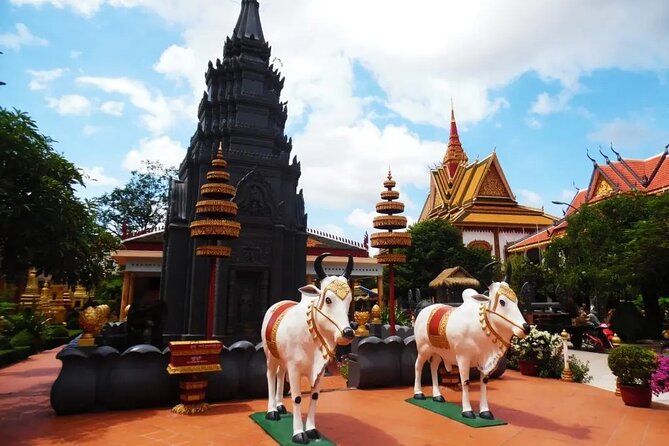
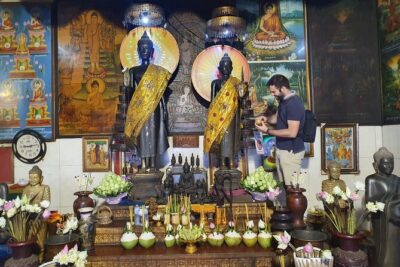
The highlight for many people is Wat Preah Prom Rat, described as the city’s largest pagoda and known for its epic reclining Buddha. This is the moment when the tour stops being just sightseeing and becomes a cultural lesson.
A big part of the value here is that the guide explains how pagodas and Buddhism connect to daily Cambodian life. That matters because temple walls can look similar if you don’t know what you’re seeing. With the right framing, you notice small things: the purpose of rituals, the meaning behind elements of the temple space, and why people show up the way they do.
Also, remember the practical rule: you must remove your shoes when entering pagodas. So wear footwear that’s easy to slip off and on. Don’t wear anything that turns into a knot-tying project at the entrance.
What to expect: a stop that’s part walking, part standing, part listening. You’ll likely get time to look around without feeling rushed, and the guide will translate what you’re seeing into everyday language.
Consideration: this is a worship space. Keep your volume down, follow instructions, and don’t treat it like a photo shoot first and a temple second.
Psar Chas (Old Market): where Siem Reap’s daily life lives
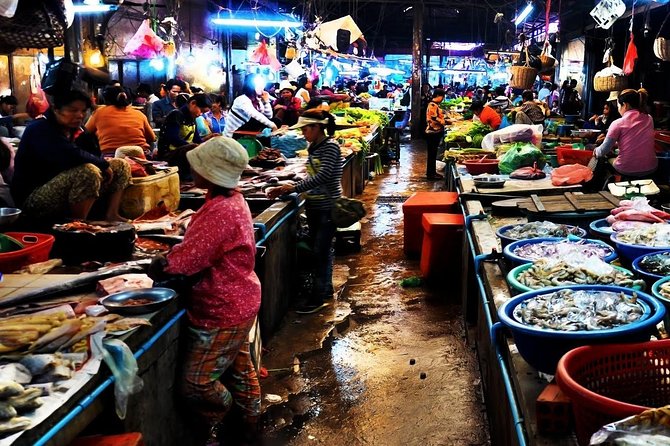
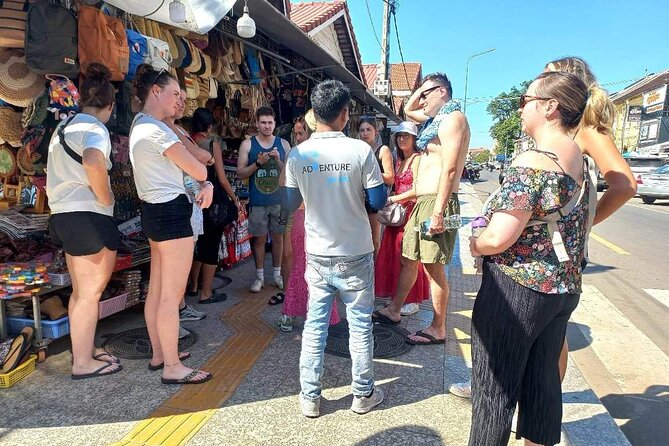
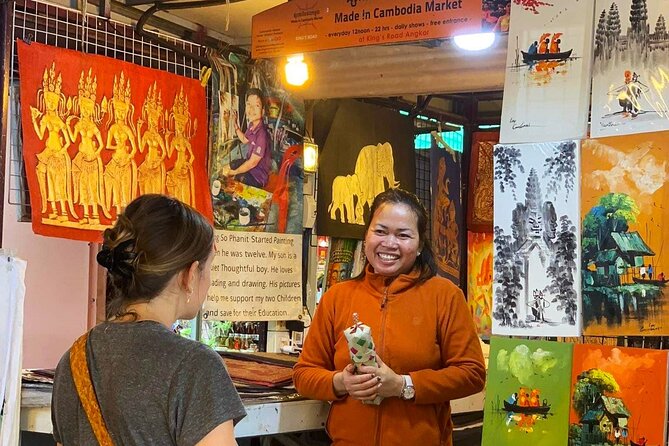
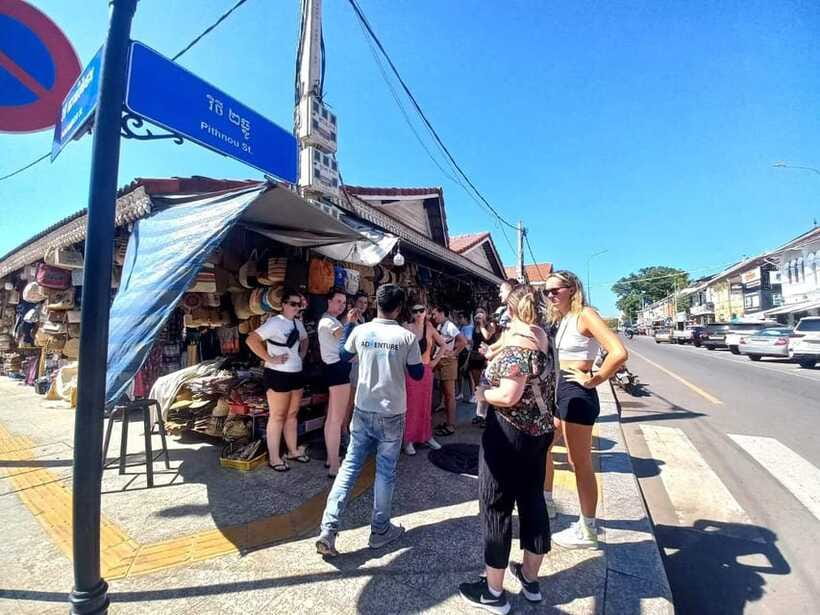
After the pagoda, the tour shifts into Psar Chas (Old Market)—the busy hub where you can find clothing, souvenirs, fresh produce, and food stalls. This isn’t a museum market. It’s the place where everyday needs get handled. That makes it one of the best stops on a short walk tour, because it’s real.
I like that this part teaches you how to navigate without getting overwhelmed. Markets can feel like sensory overload, but a guide helps you understand what’s going on: what you’re looking at, what you might want to try, and how the different sections of the market fit together.
For you, Old Market is also a timing tool. Once you know where the food stalls are and how the market flows, you can plan your own evenings or snack stops later. If you’re curious about Cambodian ingredients, this is where you start connecting the names you hear to what you actually see.
Photo note: the market gives strong visuals, but don’t ignore the “shopping as culture” part. Watch how people talk, carry items, and move through narrow lanes.
Siem Reap at walking pace, more routes


Pub Street by day: learn how to enjoy it at night
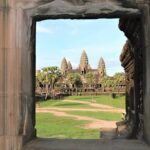
Most people arrive in Siem Reap and immediately hear about Pub Street. At night it’s loud, lit, and easy to misread. That’s why the daytime version is smart: your guide helps you learn the layout and gives tips for having a better nighttime experience.
I like this approach because you’re not making choices in the dark. You’re getting context first. Then, when you return later, you’re not just reacting to noise and neon—you’ll know where to go, how the street connects to other areas, and what to ask for.
What you’ll likely get from the guide here is practical local advice for night-time fun. Since the tour keeps it short, the goal isn’t to lecture you—it’s to help you avoid common first-timer headaches and get to the parts you actually want: drinks, people-watching, live music, or a quick bite nearby.
Small caution: Pub Street gets busy. If you’re sensitive to crowds, plan your return times or decide in advance what kind of energy you want.
Price and the 2-hour sweet spot: is $6 really worth it?
Yes—if you’re the kind of traveler who likes context, not just checklists.
At $6 per person for about 2 hours, you’re paying for two things that matter a lot in Siem Reap: a local guide and smart routing. A lot of “cheap tours” end up being a long walk with minimal explanation. Here, the repeated feedback is that guides keep things friendly and clear, with strong English for many groups. Names like Tea, Ty, and Sai come up often in the feedback, usually with comments about personality and explanation rather than just reciting facts.
The small-group size (up to 10 participants) also helps. You’re more likely to get questions answered and less likely to be rushed. And because you cover a mix of royal space, religion, neighborhood shopping, a working market, and a famous nightlife street, you walk away with better bearings than if you only hit the big-temple circuit.
My advice on value: treat this as a “setup tour.” If you do it early in your trip, it improves everything you do afterward. If you do it late, you still get nice sights—but you’ll lose some of the planning advantage.
Where this tour fits best (and who should skip it)
This works best for:
- First-time visitors who want orientation fast
- Travelers who like culture explained in plain language
- People who prefer walking over long drives and want a short, structured day
You might consider a different option if:
- You don’t like walking in heat and sun
- You need hotel pickup to feel comfortable getting to a starting point
- You’re looking for a full-day, temple-deep experience rather than a city-intro route
Also, keep your expectations realistic: this is a city walk, not a guided tour of every corner of Siem Reap. The goal is to give you a solid map of how the town works.
What to bring so the walk feels easy
You don’t need fancy gear. Just show up prepared.
- Comfortable shoes (you’ll do real walking)
- Sun protection such as a hat, sunglasses, and sunscreen
- A simple mindset: you’ll remove shoes in pagodas, so wear footwear that’s easy to manage
- Since food and drinks aren’t included, bring water or plan a snack stop before or after
If you need restroom timing, I suggest you go before the tour starts. The route is short, but you’ll be moving between stops with minimal downtime.
Should you book this Siem Reap walking tour?
If you’re visiting Siem Reap for the first time and want a smart, low-cost introduction, I think you should book it.
Do it on day one or day two if you can. You’ll learn where things are, understand why the pagoda matters, and get a better handle on markets and Pub Street so you don’t waste time wandering later. At $6 with a live guide and a small group, the odds are good you’ll leave feeling oriented and pleasantly more curious about the city.
FAQ
How long is the Siem Reap city walking tour?
The tour lasts 2 hours.
What is the meeting point?
Meet outside Damnak Supermarket at the corner of Wat Bo Road and 7 Makara Street (High School Road), about 5 minutes before the start time.
Is hotel pickup included?
No. Hotel pickup is not included.
What does the price include?
The tour includes a live tour guide. Food and drinks are not included.
Do I need to remove my shoes?
Yes. You must remove your shoes when entering pagodas.
What should I bring?
Bring comfortable shoes and use sun protection such as a hat, sunglasses, and sunscreen.
How big is the group?
It’s a small group, limited to 10 participants. The guide is listed as available in English and Cambodian.
More Siem Reap Tours to Compare
- Angkor Wat Sunrise or Sunset Tour with Guide from Siem Reap
★ 5.0 · 12,109 reviews - Siem Reap: Angkor Wat: Small-Group Sunrise or Sunset Tour
★ 5.0 · 9,444 reviews - From Siem Reap: Kampong Phluk Floating Village Tour by Boat
★ 4.9 · 6,979 reviews - Sunset tour of Kampong Phluk stilts home village on the Tonle Sap
★ 5.0 · 4,865 reviews - Siem Reap: Angkor Wat 2-Day Tour with Sunrise and Sunset
★ 4.9 · 4,429 reviews
More Tour Reviews in Siem Reap
- Angkor Wat Sunrise or Sunset Tour with Guide from Siem Reap
★ 5.0 · 12,109 reviews - Siem Reap: Angkor Wat: Small-Group Sunrise or Sunset Tour
★ 5.0 · 9,444 reviews - From Siem Reap: Kampong Phluk Floating Village Tour by Boat
★ 4.9 · 6,979 reviews - Sunset tour of Kampong Phluk stilts home village on the Tonle Sap
★ 5.0 · 4,865 reviews - Siem Reap: Angkor Wat 2-Day Tour with Sunrise and Sunset
★ 4.9 · 4,429 reviews
Around Town in Siem Reap
- Old Siem Reap Sunset Food Tour by Tuk-tuk
★ 5.0 · 311 reviews - Siem Reap City Walking Tour
★ 4.5 · 114 reviews - Siem Reap City Hidden Gems (Private Guided Tour)
★ 5.0 · 105 reviews - Highlights & Hidden Gems With Locals: Best of Siem Reap Private Tour
★ 5.0 · 52 reviews - Private Angkor Temples Walking Tour from Siem Reap
★ 5.0 · 45 reviews
Just Added: Fresh Siem Reap Tour Reviews


Siem Reap City Tours, compared.
 ★ 5.0Old Siem Reap Sunset Food Tour by Tuk-tukFrom $75311 reviews
 ★ 4.5Siem Reap City Walking TourFrom $6114 reviews
 ★ 5.0Siem Reap City Hidden Gems (Private Guided Tour)From $39105 reviews
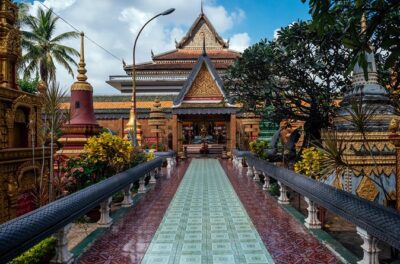 ★ 5.0Highlights & Hidden Gems With Locals: Best of Siem Reap Private TourFrom $4952 reviews
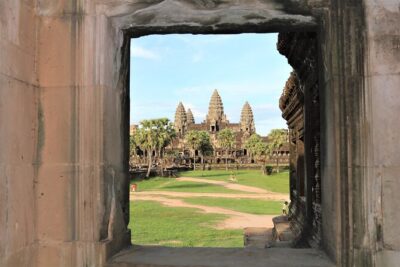 ★ 5.0Private Angkor Temples Walking Tour from Siem ReapFrom $4245 reviews
 ★ 5.0A Day Angkor Wat Sunrise Tour, Ta Prohm & Hidden Gems Beng MealeaFrom $15536 reviews
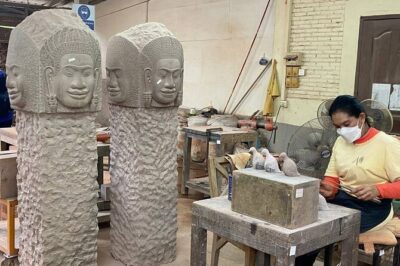 ★ 5.0Siem Reap City Tour with War Museum and Killing FieldFrom $4727 reviews
 ★ 5.0Private Guided Tour of Siem Reap Highlights & Hidden GemsFrom $3520 reviews
Browse the lists this tour appears in