
Reviewed · SIEM REAP FOOD TOURS
Siem Reap: Morning Food Tour, Market Walking & Street Art
Waking up to breakfast you actually want to learn about. This Siem Reap morning tour mixes Khmer food tastings with a market walk and ends with street art wandering for an easy, local-feeling start to your day. I especially like how the guide explains what you’re eating and why it tastes the way it does, plus the calm coffee stop where conversation is encouraged. One thing to consider: it’s a 4-hour schedule with tuk-tuk rides (about 15–20 km), so you’ll want comfortable shoes and a light, flexible morning plan.
If you like food travel that goes past just tasting, this one has the right structure. You’ll start with a classic breakfast dish near Wat Domnak, move into Psar Krom Market for seasonal bites, then pick up traditional sweets and iconic noodles before a relaxed stroll through public space and street art. It’s priced at $31, and the value comes from multiple included tastings plus guided context, not from just standing in line at one place.
The food focus is real, so if you’re hoping for mostly shopping or long museum-style breaks, you might find it a bit tightly packed. But if you want to leave knowing how Khmer breakfasts and flavors work, this tour is built for that.
In This Review
- Key highlights you’ll remember
- From Wat Domnak to your first Khmer breakfast: Bai Sach Chrouk made practical
- Psar Krom Market: where you learn to spot flavor before you eat it
- Coffee at The Been Embassy: a calm pause that makes the whole tour click
- Wat Bo Street sweets: palm cream cake and the logic of Khmer desserts
- Nom Banchork in Noodle Village Phum Num Banh Chok: learning the iconic breakfast noodle
- Royal Independence Gardens street art walk: the digest, not the sprint
- What $31 buys you, and why it feels fair
- Pace, comfort, and the small-group advantage
- Who should book this tour (and who might want to pass)
- Should you book the Siem Reap morning food, market, and street art tour?
- FAQ
- FAQ
- How long is the tour?
- What does the tour cost?
- What food will I try on the tour?
- Does the tour include transportation?
- Is coffee included?
- What time will I get back to my accommodation?
- How far do you ride by tuk tuk?
- Is the guide English speaking?
- Is the tour only in one area?
- What’s included in the price besides food?
Key highlights you’ll remember
- Bai Sach Chrouk at a local breakfast spot near Wat Domnak, with context on flavors and how it’s served
- Psar Krom Market with a guide so you can connect ingredients to the dishes you’re tasting
- Coffee at The Been Embassy in a quieter setting, with time for easy conversation
- Wat Bo Street dessert stop featuring palm cream cake and traditional sweet-making ingredients
- Nom Banchork noodle tasting in Noodle Village Phum Num Banh Chok, taught as an everyday morning tradition
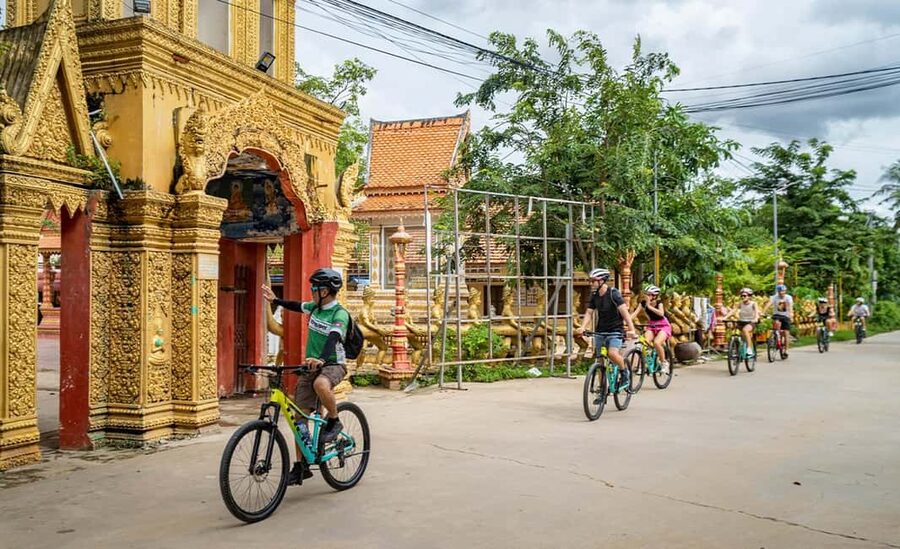
- Street art around Royal Independence Gardens, plus time for an arts-and-crafts-style market browse
Still hungry? More street stalls and night bites
- Siem Reap Evening Food Tour – Inclusive 5 stops Local Tastings★ 5.0 · 325 reviews
- Old Siem Reap Sunset Food Tour by Tuk-tuk★ 5.0 · 311 reviews
- Siem Reap: Street Food Experience by Tuk-Tuk★ 4.9 · 310 reviews
- Siem Reap Evening Foodie Vespa Tour / Tuk Tuk Available★ 5.0 · 174 reviews
From Wat Domnak to your first Khmer breakfast: Bai Sach Chrouk made practical
Your morning begins with a Cambodian breakfast that’s simple, salty, comforting, and very explainable once someone points out the details. You start around Wat Domnak with Bai Sach Chrouk: grilled pork marinated in coconut milk, served with fragrant rice, pickles, and a light soup. It’s the kind of dish that looks straightforward on a menu, but the guide’s job is to help you notice the moving parts—how the coconut-milk marinade sets the tone, and how pickles cut through the richness.
This is one of my favorite ways to start a food tour: you’re not just eating, you’re building a mental map. After this first stop, you’ll be able to taste with more confidence at every next location. Why does the pork taste both rich and clean? Where does the freshness come from? Why is the rice such a big part of the experience? That early context pays off later, when you move from breakfast to noodles and dessert.
Practical note: breakfast here is built into the flow of the tour, not an optional add-on. You’ll be at a spot that locals clearly use for mornings, and you’ll have enough time (about 30 minutes) to slow down, eat, and ask questions without the tour “rushing you out.”
Psar Krom Market: where you learn to spot flavor before you eat it
Next you ride over to Psar Krom Market, a daily shopping hub where residents come for produce, herbs, meats, and quick snacks. This is less about browsing souvenir stalls and more about seeing how a food system works in real life. You’ll walk through colorful sections with your local expert, so you can connect what’s in your hand (an herb, a seasoning, a snack) to what ends up on plates later.
The best market walking comes with a rhythm: pause, watch, ask, taste. Here, you get a guided tour that helps you understand what you’re seeing—seasonal items, everyday staples, and how street food fits into normal routines. And since the tour includes market dessert testing, it’s not just “look but don’t touch.” You’ll sample local sweets as part of the market experience, which makes the explanations feel grounded instead of theoretical.
One small consideration: markets can be busy and a bit hectic by nature. The tour pace is still walk-and-stop, not a sprint, but you’ll want to keep your head up and your bag secured like you would anywhere in a street market. It’s also a good idea to have a water bottle handy—your tour provides one, but your own habits matter too.
Coffee at The Been Embassy: a calm pause that makes the whole tour click
Right after the market, you get a coffee break at The Been Embassy. This is a smart pivot: you go from energetic stalls to a quieter setting where you can sit, sip, and actually process what you ate and what you learned. The tour includes coffee and a soft drink, so you’re not juggling options while you’re tired.
What makes this stop more than just a caffeine break is the conversation. Your guide talks through Cambodia’s growing coffee culture while you’re enjoying a local cup. I like this kind of pacing because it stops the tour from becoming nonstop sampling. You get a chance to ask follow-up questions while things are calm.
There’s also an implied social benefit here: you’re encouraged to talk and ask freely, including during the lead-in period when coffee is served in more tucked-away back-alley style spaces. If you’re the type who learns better through conversation than through reading, this is a highlight.
Wat Bo Street sweets: palm cream cake and the logic of Khmer desserts
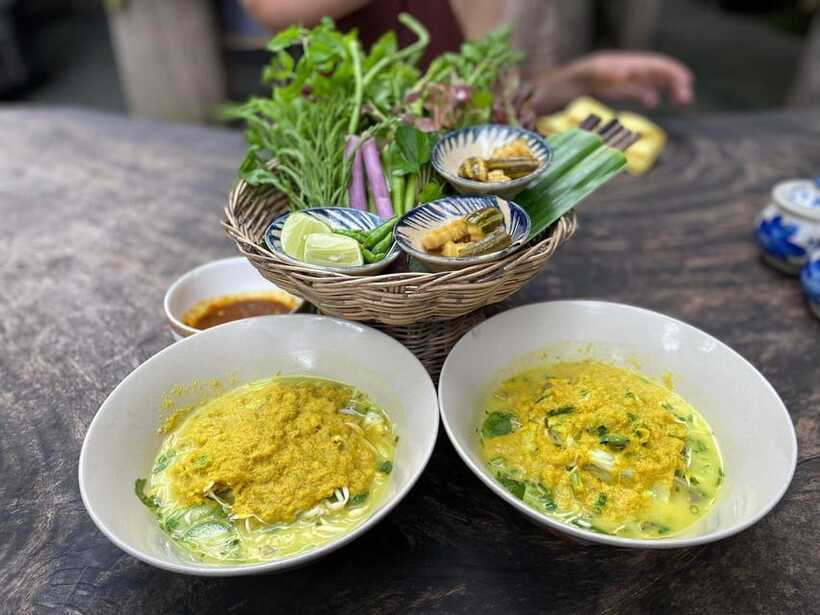
After coffee, you head toward Wat Bo Street for dessert. The featured sweet is palm cream cake, a traditional Cambodian dessert made with local palm sugar. This stop is great for two reasons. First, it introduces an ingredient base that you’ll notice again in other Khmer sweets. Second, it teaches the idea that Cambodian desserts often balance sweetness with texture and a kind of gentle richness rather than heavy, candy-like flavors.
At this point in the morning, your taste memory is sharp. You just came from pork, rice, pickles, and herbs at breakfast and market level. Now you’re switching to something sweet that’s tied to local ingredient choices. That contrast makes dessert more meaningful than a random sugar stop.
Timing is also considerate: this part sits at around 30 minutes. That’s long enough to try, pause, and ask what makes the flavor work, but short enough that you’re not stuck while other stops happen around you.
Siem Reap at walking pace, more routes
Nom Banchork in Noodle Village Phum Num Banh Chok: learning the iconic breakfast noodle
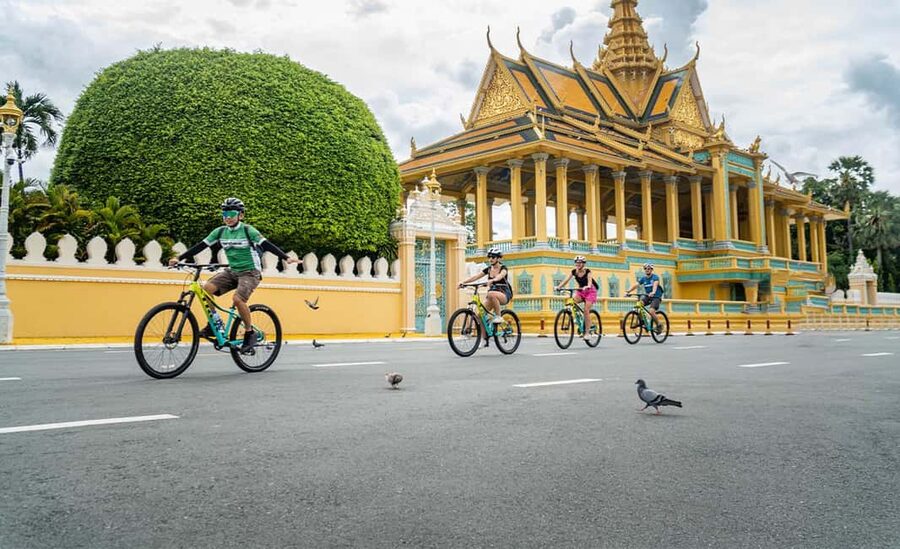
Then comes one of the most recognizable Cambodian breakfast noodle dishes: Nom Banchork. You’ll visit Noodle Village Phum Num Banh Chok for a guided tour and food tasting, with fresh herbs and flavorful sauce.
Nom Banchork works because it’s built for morning eating—light enough to digest early, but full of flavor from herbs and sauce. The guide explains its cultural importance and how it’s traditionally eaten in the morning, which helps you understand why this dish shows up so often in everyday life. You’re not just consuming a plate. You’re learning the role it plays in a Khmer breakfast routine.
Why this stop matters for value: a lot of food tours do one “big” dish and call it a day. Here, you get a classic breakfast plate first, then you get desserts, then you hit an iconic noodle. By the time you finish, you can name the flavor patterns across a full morning meal—salty, sour, herb-forward, sweet, and coconut-smooth.
If you’re sensitive to herbs, pay attention to what you’re given and how the bowl is assembled. You’re likely to see herbs used more visibly than in some other Asian breakfast traditions, and that’s part of the dish’s identity.
Royal Independence Gardens street art walk: the digest, not the sprint
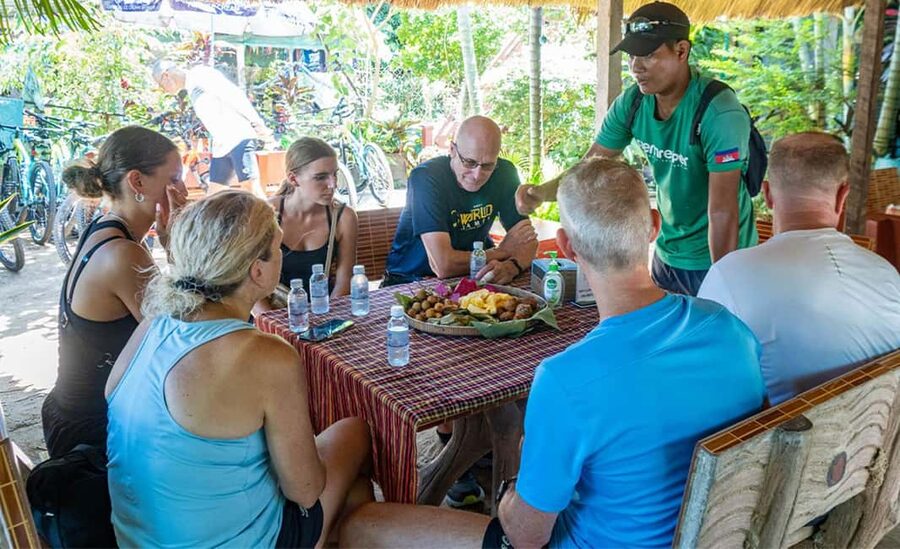
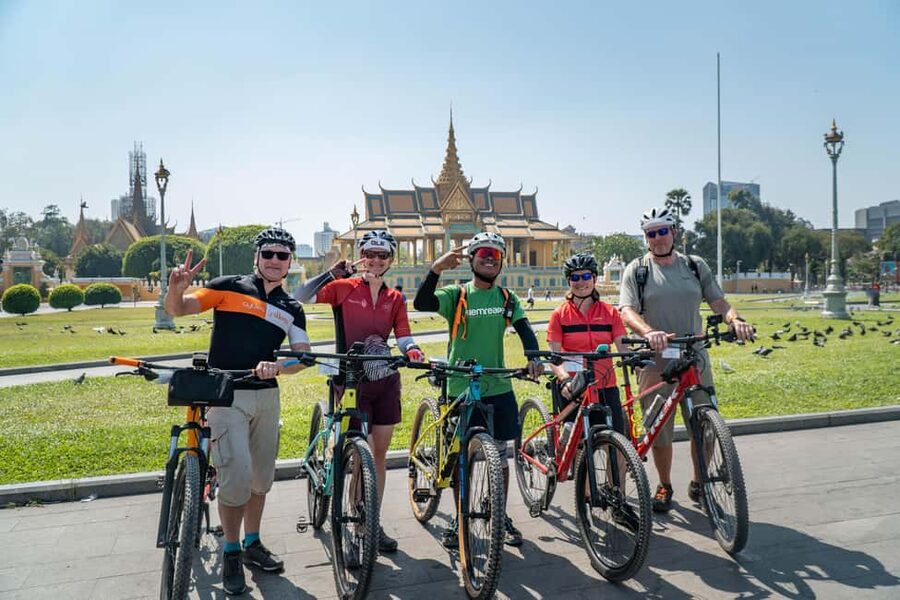
To wrap things up, you end with a gentle walk around the Royal Independence Gardens. This is where the tour shifts from food tasting to city texture. You’ll have a photo stop and time to visit arts and crafts-style areas, plus time to explore the street art scene.
It’s a smart way to land the plane after noodles and desserts. You’re letting your stomach settle while you still get something memorable from Siem Reap beyond temples and food stalls. The street art element also adds a modern layer that many visitors miss when they keep everything strictly “sightseeing only.”
And because the tour is planned to arrive back by about 12:00pm, this ending feels like you’re getting a whole morning experience without losing your afternoon.
What $31 buys you, and why it feels fair
At $31 per person for a 4-hour experience, you’re paying for more than “a couple of tastings.” What makes the price feel reasonable is the package: hotel pickup and drop-off, transportation by tuk tuk, an English speaking guide, two breakfast items included (so you’re not just nibbling), coffee and soft drink, plus dessert testing in the market and a bottle of water.
Here’s how I look at the value: food tours often fail when they treat tasting as the entire product. This one treats guided learning as part of the deliverable—explaining ingredients, typical flavors, and how dishes fit into Khmer meal organization. When you understand what you ate, you can recreate it later or at least order it confidently.
Also, tuk tuk transport matters. You’re traveling between stops across Siem Reap with a route that totals around 15–20 km. That saves you hassle and early-morning decision fatigue.
Pace, comfort, and the small-group advantage
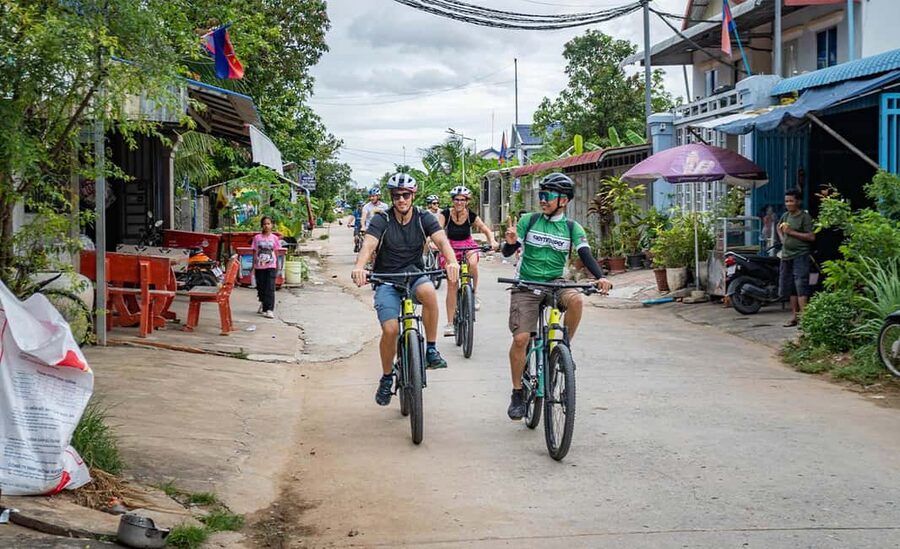
The whole tour runs about 4 hours, and it’s designed for a morning start that ends around noon. That timing is ideal if you want to pack in an authentic food experience but still keep the rest of your day open—maybe for temples, a nap, or a slow lunch.
In terms of guide style, this tour has a clear emphasis on explanations at each step and an attentive way of handling questions. On past departures, guides such as Ron (for an English-led experience) and Vandy (for a different group) were noted for being kind, knowledgeable about the area, and ready to help with follow-up requests like pointing guests toward a spice to take home. You can expect that same kind of practical care: if you’re curious, you’ll have time to ask, and your guide won’t treat the tour like a script you must endure.
Comfort tips for you: wear shoes that can handle market floors, bring a little patience for crowds, and keep your phone charged. If you’re into street art, you’ll want photos during the Royal Independence Gardens portion.
Who should book this tour (and who might want to pass)
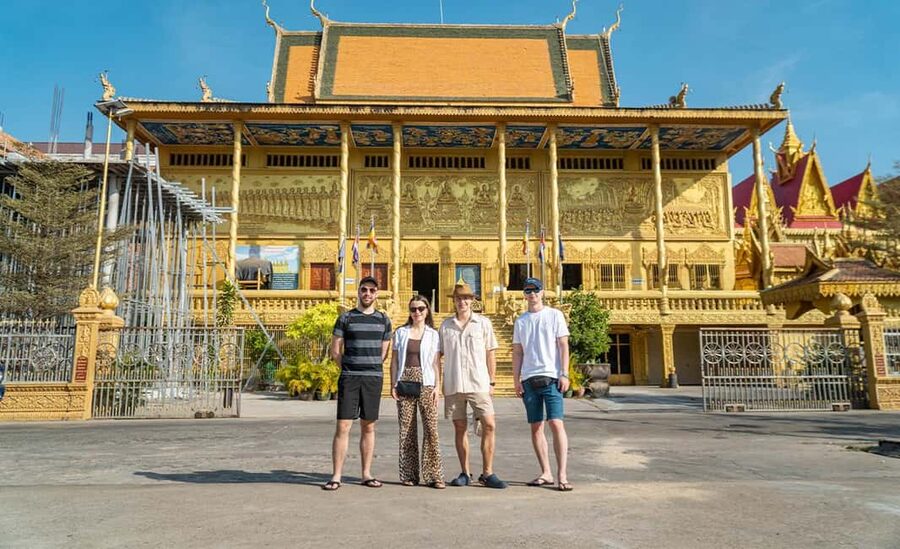
Book it if you:
- want a morning food experience that explains what you’re eating, not just where to eat it
- like markets with guided context, especially when you’re learning Khmer ingredients and typical flavors
- enjoy coffee culture stops and dessert that uses local ingredients like palm sugar
- want street art in the Royal Independence Gardens area without turning the morning into a long walking ordeal
You might skip it if you:
- aren’t interested in food tastings and prefer pure sightseeing
- need a very quiet, low-pace morning (the market stop can feel lively and active)
- hate eating multiple small courses back-to-back
Should you book the Siem Reap morning food, market, and street art tour?
If your ideal day in Siem Reap starts with breakfast that leads to real learning, this is a strong pick. The lineup is cohesive: Bai Sach Chrouk first to set your flavor foundation, Psar Krom Market to connect ingredients to daily life, coffee to slow down and talk, palm cream cake and Nom Banchork to round out sweet and iconic noodle traditions, then street art to make the day feel current and fun.
For me, the deciding factor is that you leave with understanding, not just a full stomach. If that sounds like your kind of travel, book it. If you’re mainly chasing one must-eat dish and then disappearing for temples, you may prefer a shorter, single-topic food stop instead.
FAQ
FAQ
How long is the tour?
It runs about 4 hours.
What does the tour cost?
The price is $31 per person.
What food will I try on the tour?
You’ll enjoy Khmer breakfast Bai Sach Chrouk, dessert like palm cream cake, and Nom Banchork noodles. You’ll also have market dessert tasting and coffee included.
Does the tour include transportation?
Yes. You get hotel pickup and drop-off, and you travel by tuk tuk between stops.
Is coffee included?
Yes. Coffee is included at the local café stop, along with a soft drink.
What time will I get back to my accommodation?
The tour is expected to arrive back at your accommodation around 12:00pm.
How far do you ride by tuk tuk?
You’ll ride between 15 km and 20 km during the tour.
Is the guide English speaking?
Yes, the tour includes an English speaking guide.
Is the tour only in one area?
No. You move between several key areas around Siem Reap, including stops near Wat Domnak, Psar Krom Market, Wat Bo Street, Noodle Village Phum Num Banh Chok, and Royal Independence Gardens.
What’s included in the price besides food?
Besides the tastings, the tour includes hotel pickup and drop-off, tuk tuk transportation, an English speaking guide, coffee and soft drink, bottled water, and local desert tasting in the market.
More Siem Reap Tours to Compare
- Angkor Wat Sunrise or Sunset Tour with Guide from Siem Reap
★ 5.0 · 12,109 reviews - Siem Reap: Angkor Wat: Small-Group Sunrise or Sunset Tour
★ 5.0 · 9,444 reviews - From Siem Reap: Kampong Phluk Floating Village Tour by Boat
★ 4.9 · 6,979 reviews - Sunset tour of Kampong Phluk stilts home village on the Tonle Sap
★ 5.0 · 4,865 reviews - Siem Reap: Angkor Wat 2-Day Tour with Sunrise and Sunset
★ 4.9 · 4,429 reviews
More Tour Reviews in Siem Reap
- Angkor Wat Sunrise or Sunset Tour with Guide from Siem Reap
★ 5.0 · 12,109 reviews - Siem Reap: Angkor Wat: Small-Group Sunrise or Sunset Tour
★ 5.0 · 9,444 reviews - From Siem Reap: Kampong Phluk Floating Village Tour by Boat
★ 4.9 · 6,979 reviews - Sunset tour of Kampong Phluk stilts home village on the Tonle Sap
★ 5.0 · 4,865 reviews - Siem Reap: Angkor Wat 2-Day Tour with Sunrise and Sunset
★ 4.9 · 4,429 reviews
Eat Siem Reap: More Food Walks
- Siem Reap Evening Food Tour – Inclusive 5 stops Local Tastings
★ 5.0 · 325 reviews - Old Siem Reap Sunset Food Tour by Tuk-tuk
★ 5.0 · 311 reviews - Siem Reap: Street Food Experience by Tuk-Tuk
★ 4.9 · 310 reviews - Siem Reap Evening Foodie Vespa Tour / Tuk Tuk Available
★ 5.0 · 174 reviews - Siem Reap: Local Street Food Experience by Tuk-Tuk
★ 5.0 · 141 reviews
Just Added: Fresh Siem Reap Tour Reviews

Siem Reap Food Tours, compared.
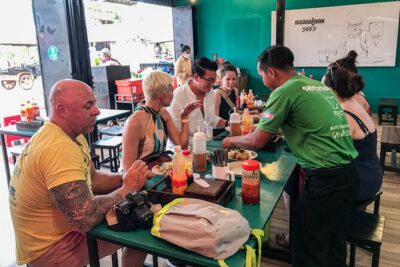 ★ 5.0Siem Reap Evening Food Tour – Inclusive 5 stops Local TastingsFrom $39325 reviews
 ★ 5.0Old Siem Reap Sunset Food Tour by Tuk-tukFrom $75311 reviews
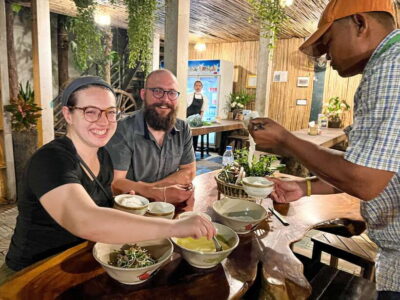 ★ 4.9Street Food Experience by Tuk-TukFrom $35310 reviews
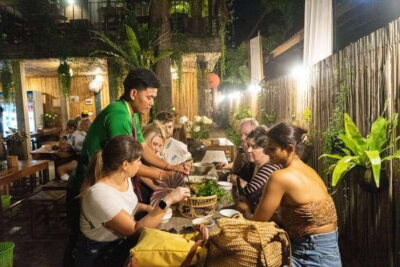 ★ 4.9Evening Food Tour with 10 Local TastingsFrom $35222 reviews
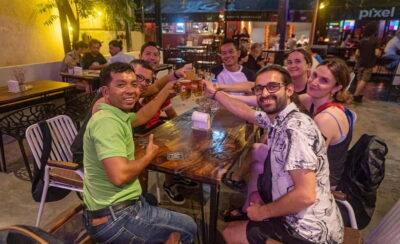 ★ 5.0Siem Reap Evening Foodie Vespa Tour / Tuk Tuk AvailableFrom $40174 reviews
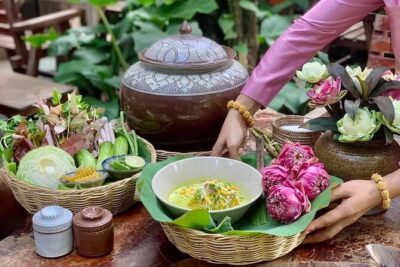 ★ 5.0Local Street Food Experience by Tuk-TukFrom $35141 reviews
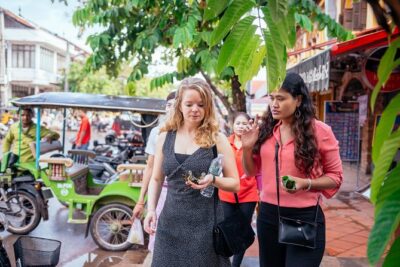 ★ 4.5The 10 Tastings of Siem Reap With Locals: Private Street Food TourFrom $51128 reviews
 ★ 5.0Ultimate Siem Reap Food Tour (10 Locals Tasting with Drinks & Transport)From $39108 reviews
Browse the lists this tour appears in