
Reviewed · SIEM REAP COUNTRYSIDE & VILLAGE TOURS
Tuk Tuk Journey: Exploring Rural Life and Silk Farm Craftsmanship
A calm tuk-tuk day beats another temple shuffle. This 4 to 5 hour rural life trip takes you away from Siem Reap and into places you usually skip after temple mornings. I like the slow, serene pace on the drive and the way you get real context for everyday Cambodian life, not just photo stops. You’ll also leave knowing how Cambodian silk goes from silk worms to woven fabric.
Two big wins for me: the mix of village + religion + crafts, and the hands-on feel of the silk visit at Angkor Silk Farm. The included English-speaking local guide helps you understand what you’re seeing without turning it into a lecture. One thing to consider: it is a morning start, so if you’re hoping to sleep in after a temple-heavy trip, plan to reset your schedule.
In This Review
- Key things to love about this Siem Reap rural outing
- A serene country drive from Siem Reap to Krabei Riel commune
- Krabei Riel village life and local market time that feels human
- Angkor Silk Farm: seeing silk making from silk worms to weaving
- Wat ខ្នាតរង្សី (វត្តខ្នាតរង្សី): a Buddhism learning stop with a blessing
- Why this tour works so well after temple-heavy days
- Price and value: what $45 gets you (and what it doesn’t)
- How long it takes, what to wear, and how to prep
- Who should book this tour (and who might skip it)
- Should you book Tuk Tuk Journey: Exploring Rural Life and Silk Farm Craftsmanship?
- FAQ
- What time does the tour start in Siem Reap?
- How long is the Tuk Tuk Journey tour?
- Where does the tour go first?
- What will I do at Angkor Silk Farm?
- Is admission included?
- Is transportation included?
- What’s included in the tour price?
- Is the tour private?
- Can I cancel for a full refund?
Key things to love about this Siem Reap rural outing
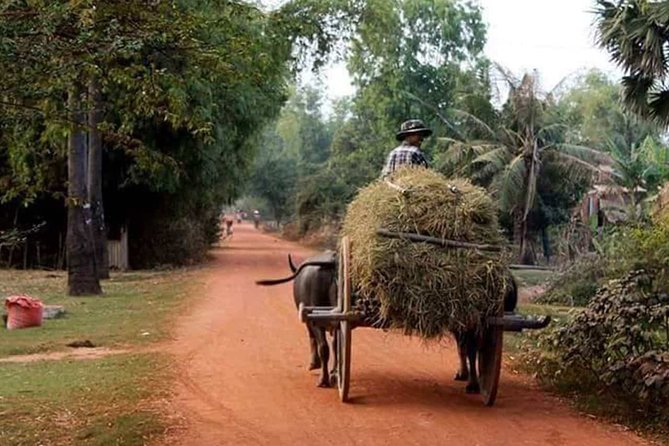
- A serene country drive that helps you slow down after temple days
- Krabei Riel village market time focused on everyday routines
- Angkor Silk Farm with a clear silk-making process from worms to weaving
- A pagoda stop (វត្តខ្នាតរង្សី) with a Buddhism learning moment and a chance for a blessing
- Hotel pickup/drop-off plus A/C comfort, water, and towels
Past the rice fields, more village days
- From Siem Reap: Kampong Phluk Floating Village Tour by Boat★ 4.9 · 6,979 reviews
- Kampong Phluk Floating Village Tour by Boat★ 5.0 · 1,020 reviews
- Siem Reap Countryside Bike Tour / E-Bike or Tuk Tuk★ 5.0 · 935 reviews
- Siem Reap: Tonle Sap, Kampong Phluk & Floating Village Tour★ 4.4 · 397 reviews
A serene country drive from Siem Reap to Krabei Riel commune
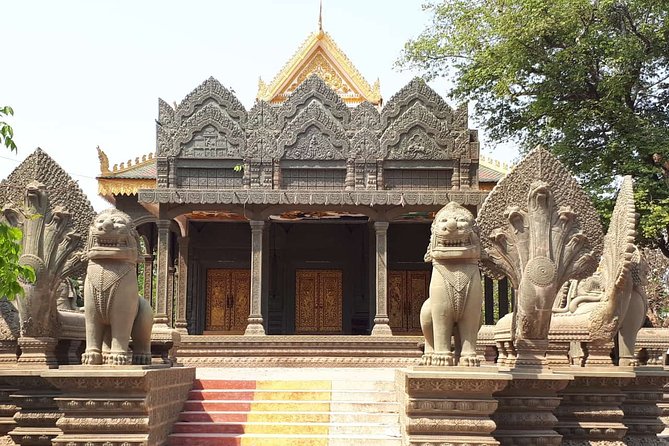
This tour starts early, with a meeting time of 7:30 am and hotel pickup around 8:00 am. Then you’re on the road heading west along National Road 6 toward Krabei Reil commune. It’s not rushed. The whole day is built like a reset button: ride out, see real daily life, then come back before you’re exhausted.
The transport setup matters more than you might think in Siem Reap. You get an air-conditioned vehicle, plus cool water and towels, which helps on warmer mornings. After days of walking around temples, that small comfort adds up. And because you’re leaving Siem Reap for the countryside, you get a clear change of scenery without needing a multi-day trip.
If you’re the type who loves structure but hates feeling corralled, this works well. There are clear stops, but the rhythm stays gentle. You’re not just getting driven past things—you’re spending time in the places themselves.
Krabei Riel village life and local market time that feels human
Your first major stop is Krabei Riel. You’ll spend about 2 hours here, with time to visit a small local market and observe village life. This is the part of the day that helps the region feel like more than temples.
In practical terms, you’ll likely notice how daily needs shape the day: food shopping, household routines, and the simple flow of people going about their business. The tour is set up so you can learn about culture in a grounded way, not through scripted answers. A local guide in English helps you connect what you see to the bigger picture of life in Cambodia today.
The best way to enjoy this stop is to treat it like a conversation. Ask small questions. Point at normal things, like how items are sold or how people move through the market. If you’re hoping for huge tourist attractions, this won’t feel like that. But if you want everyday context, it’s exactly the right kind of stop.
One small consideration: markets can be busy and active. Wear comfortable shoes, and keep your camera ready but don’t block people while filming.
Angkor Silk Farm: seeing silk making from silk worms to weaving
The highlight for craft lovers is the visit to Angkor Silk Farm, also about 2 hours. Here you learn the full chain of silk production in Cambodia—starting with cultivating silk worms and moving through weaving into finished garments.
This part is valuable because it turns silk from a product into a process. You’re not only looking at textiles on racks. You get to understand the work behind the fabric, which makes any purchase afterward feel more meaningful. Even if you don’t buy, the explanation helps you see why the cloth is made the way it is.
Also, the farm stop is built for understanding. Admission is listed as free for this stop, so you’re not paying extra just to watch and ask questions. That keeps the day tour’s value strong, especially compared with many Siem Reap craft stops that charge separately.
What to do while you’re there:
- Watch closely as the process is explained, especially the stages from worm care to weaving.
- Ask how long different steps take (if your guide covers it during the visit).
- If you’re interested in clothing, ask what the garment choices typically represent (colors, styles, or uses), since those details can matter more than you expect.
If you’ve spent the last few days walking through temple courtyards, silk-making can feel like a fresh kind of craftsmanship story. It’s still about heritage, but in the living, working sense—people producing cloth now, not just preserving ruins.
Wat ខ្នាតរង្សី (វត្តខ្នាតរង្សី): a Buddhism learning stop with a blessing
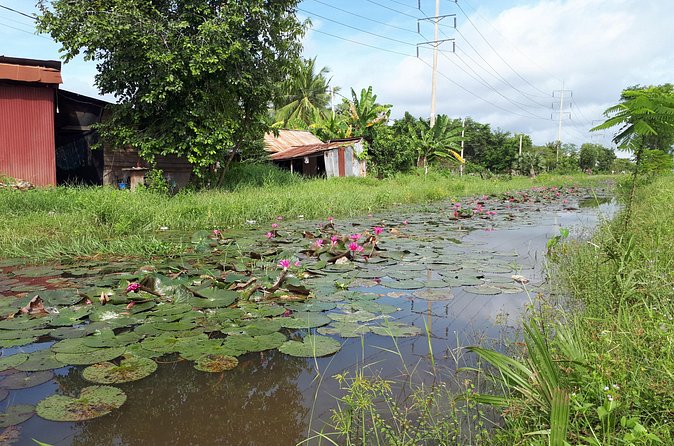
On the way back to Siem Reap, you stop at a local pagoda called វត្តខ្នាតរង្សី. The time here is shorter—about 30 minutes—but it changes the tone of the day. Instead of markets and crafts, you shift to religion and everyday Khmer culture.
You’ll learn more about Khmer way of life and their Buddhism through the pagoda setting. The tour also includes the chance to receive a blessing from a local person at the site. That’s the kind of moment that can feel more personal than you expect, especially since it’s brief and not rushed.
A quick practical tip: be respectful with clothing and behavior. Even if it’s only 30 minutes, treat it like a real place of worship, not a photo backdrop.
This is also a good moment to slow down after the silk farm. By then, your brain has had a “craft mode” workout; the pagoda stop helps balance it with spiritual context.
The temples by tuk-tuk, other routes

Why this tour works so well after temple-heavy days
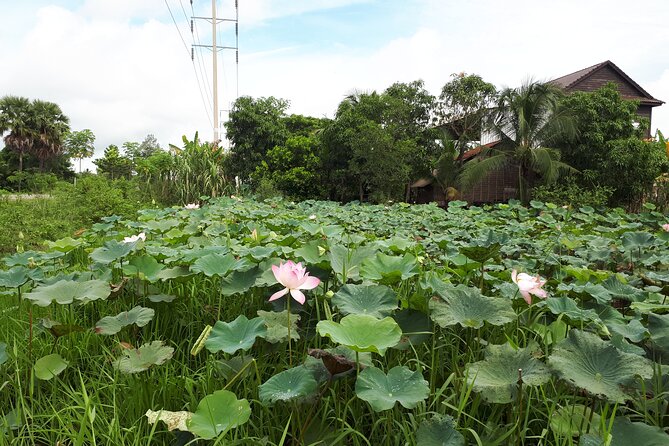
I really like how this experience is designed as a change of pace. If you’ve already done multiple temple mornings in Siem Reap, you’re probably craving something that doesn’t require another long walk in the heat. This tour gives you a countryside day with a calmer tempo.
From what I saw in the tour’s overall approach, the drive isn’t just transport. It’s part of the experience. The itinerary gives you enough time at each stop to feel present, but it doesn’t drag on. That balance is why it’s popular as a break day.
There’s another subtle benefit: you start to understand Cambodia beyond the Angkor story. Village routines, market flow, and the fact that silk production is a real livelihood all make the region feel bigger than one famous monument zone.
It’s also a good tour for families or mixed-age groups because it’s short, structured, and packed with variety. You get several “small wins” instead of one long, demanding attraction.
Price and value: what $45 gets you (and what it doesn’t)
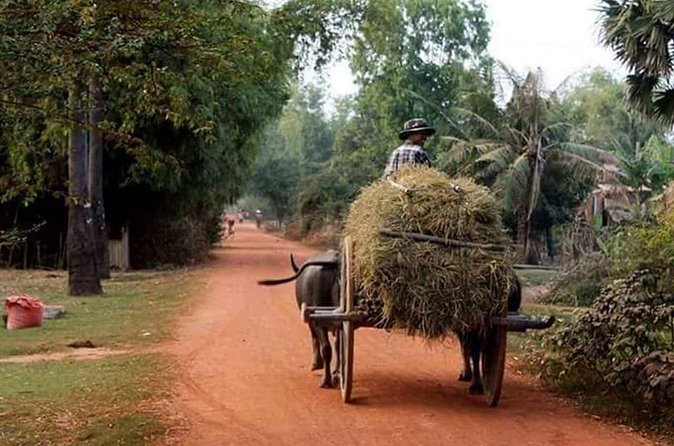
At $45 per person, this is priced like a solid half-day tour. For that money, you get the practical stuff that keeps the day stress-free: hotel pickup/drop-off, an English-speaking local guide, an air-conditioned vehicle, and included cool water and towels.
Admissions are also listed as free for the main stops (market time is part of the village stop, and admission for the silk farm and pagoda stop is listed as free in the tour details). That matters. Craft visits often add fees, and here the cost stays predictable.
Not included: meals. That’s normal for half-day tours, but it does mean you’ll want to plan what you’ll eat before or after. Also not included: tipping and personal expenses. If you’re the kind of traveler who likes to budget carefully, it helps to carry some small cash for snacks or souvenirs.
Group discounts are mentioned, so if you’re traveling with friends or family, you may get even better value by booking together. And since you receive a mobile ticket, you don’t have to fuss with paperwork once you’re scheduled.
One more point on value: the tour is private for your group. That tends to make the guide interaction more comfortable—especially for questions like how daily life works in the countryside or what silk production takes in practical terms.
How long it takes, what to wear, and how to prep
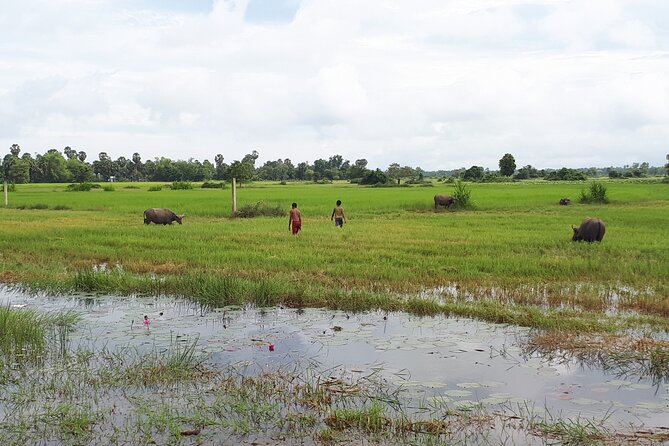
This is a 4 to 5 hour outing. Because it starts early, you’ll want to be awake and ready. I suggest keeping your morning simple: quick breakfast, bottled water if you need it, and then let the tour handle the rest.
What to bring:
- Comfortable shoes for market areas and farm walk-throughs
- Light layers if mornings are cooler
- A hat and sunscreen (even with A/C later, you’ll still spend time outdoors)
What to expect energy-wise:
- You’re doing several short segments rather than one long hike.
- You’ll be on the road most of the morning but you also get real time at each stop.
If you’re traveling during hotter months, the included towels and water help you stay comfortable. Still, plan to dress smart for sun and humidity.
And if you’re booking because you want a relaxed pace, aim for the morning start and don’t stack too many other activities the same day. This is your slower day.
Who should book this tour (and who might skip it)
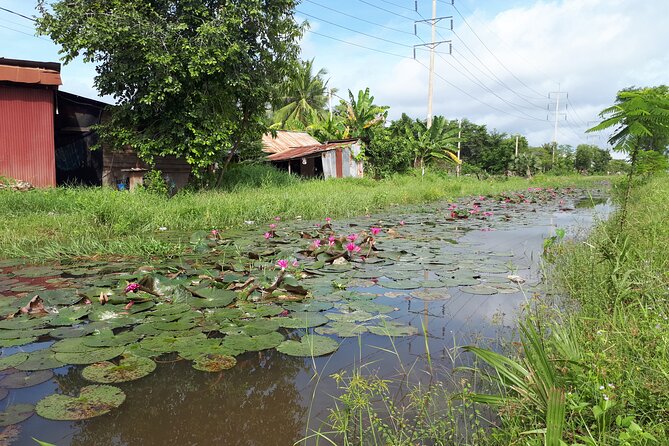
Book this if you want:
- A break from temple-only itineraries
- A countryside look at Cambodian daily life in Krabei Reil
- A real craft story you can understand: silk production from worm to woven cloth
- A short, respectful pagoda moment focused on Buddhism and Khmer culture
- A guided day that’s short enough to fit easily into a Siem Reap schedule
You might skip it if:
- You only want major sightseeing monuments and long gallery-style time
- You’re not interested in crafts or everyday village life
- You want a late start (this one begins in the morning)
Most travelers can participate, and the inclusion of pickup/drop-off and A/C makes it a practical option for many visitors.
Should you book Tuk Tuk Journey: Exploring Rural Life and Silk Farm Craftsmanship?
I’d book this when you’re in Siem Reap and your itinerary needs breathing room. It’s one of those days that doesn’t just add variety—it changes how you understand the region. The calm country drive, the village market time at Krabei Reil, and the hands-on silk-making learning at Angkor Silk Farm combine into a day that feels grounded, not touristy.
If you care about value, this one holds up. At $45, you’re getting transport, an English-speaking local guide, and comfort items like water and towels, plus free admissions for the key stops. The only obvious trade-off is the lack of included meals, so plan that part yourself.
If you can, book ahead. It’s commonly reserved about 40 days in advance on average, which usually means dates can fill when people plan around temple circuits and rest days.
FAQ
What time does the tour start in Siem Reap?
The start time is listed as 7:30 am for the meeting point, with hotel pickup around 8:00 am.
How long is the Tuk Tuk Journey tour?
The duration is about 4 to 5 hours.
Where does the tour go first?
You travel to Krabei Reil commune for about 2 hours, including time at a small local market.
What will I do at Angkor Silk Farm?
You’ll spend about 2 hours learning the process of producing Cambodian silk, from cultivating silk worms to weaving garments.
Is admission included?
Admission tickets are listed as free for the stops, including the silk farm and the pagoda stop.
Is transportation included?
Yes. The tour includes an air-conditioned vehicle, plus pickup and drop-off from your hotel.
What’s included in the tour price?
Included items are: air-conditioned vehicle, cool water and towels, an experienced English-speaking local guide, and hotel pickup/drop-off.
Is the tour private?
Yes. It’s described as a private tour/activity, meaning only your group participates.
Can I cancel for a full refund?
Yes. You can cancel up to 24 hours in advance for a full refund.
More Tour Reviews in Siem Reap
- Angkor Wat Sunrise or Sunset Tour with Guide from Siem Reap
★ 5.0 · 12,109 reviews - Siem Reap: Angkor Wat: Small-Group Sunrise or Sunset Tour
★ 5.0 · 9,444 reviews - From Siem Reap: Kampong Phluk Floating Village Tour by Boat
★ 4.9 · 6,979 reviews - Sunset tour of Kampong Phluk stilts home village on the Tonle Sap
★ 5.0 · 4,865 reviews - Siem Reap: Angkor Wat 2-Day Tour with Sunrise and Sunset
★ 4.9 · 4,429 reviews
The Temples by Tuk-Tuk
- Siem Reap: Angkor Wat Private Tuk-Tuk Tour
★ 4.9 · 2,222 reviews - Siem Reap Countryside Bike Tour / E-Bike or Tuk Tuk
★ 5.0 · 935 reviews - Angkor Sunrise Bike Tour / E-Bike or Tuk Tuk
★ 5.0 · 615 reviews - Angkor Wat Private Tuk-Tuk Tour (sunrise Option) & more
★ 5.0 · 439 reviews - Old Siem Reap Sunset Food Tour by Tuk-tuk
★ 5.0 · 311 reviews
Through the Siem Reap Countryside
- From Siem Reap: Kampong Phluk Floating Village Tour by Boat
★ 4.9 · 6,979 reviews - Kampong Phluk Floating Village Tour by Boat
★ 5.0 · 1,020 reviews - Siem Reap Countryside Bike Tour / E-Bike or Tuk Tuk
★ 5.0 · 935 reviews - Siem Reap: Tonle Sap, Kampong Phluk & Floating Village Tour
★ 4.4 · 397 reviews - Siem Reap Countryside Quad Biking Tour
★ 5.0 · 322 reviews
Just Added: Fresh Siem Reap Tour Reviews

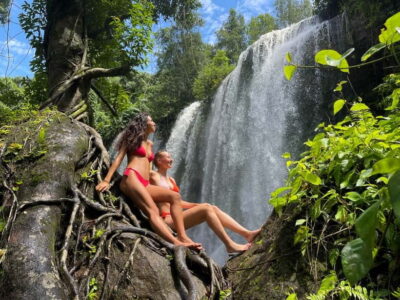
Siem Reap Countryside & Village Tours, compared.
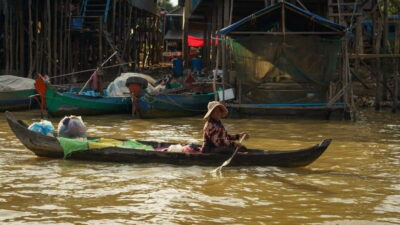 ★ 4.9From Siem Reap: Kampong Phluk Floating Village Tour by BoatFrom $206,979 reviews
 ★ 5.0Kampong Phluk Floating Village Tour by BoatFrom $201,020 reviews
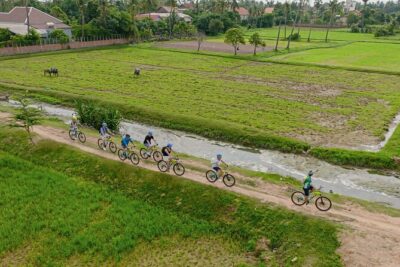 ★ 5.0Siem Reap Countryside Bike Tour / E-Bike or Tuk TukFrom $35935 reviews
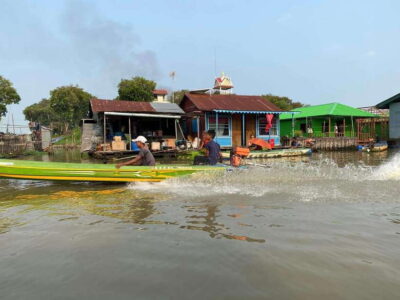 ★ 4.4Tonle Sap, Kampong Phluk & Floating Village TourFrom $17397 reviews
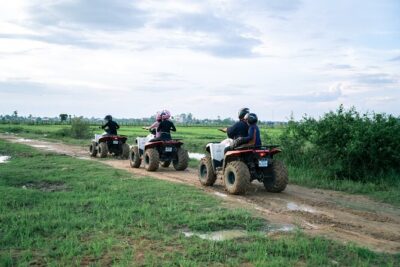 ★ 5.0Siem Reap Countryside Quad Biking TourFrom $45322 reviews
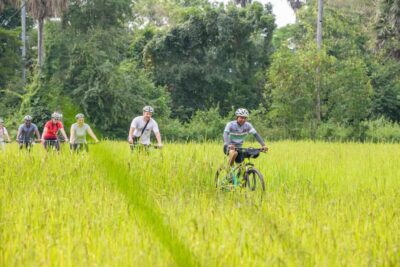 ★ 4.9Guided Countryside Bike TourFrom $35294 reviews
 ★ 4.7Siem Reap Lotus Silk Farm Discovery tour & Lake experienceFrom $20291 reviews
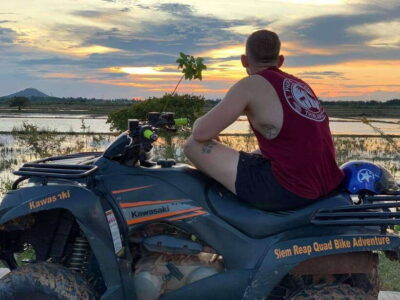 ★ 4.7Siem Reap Quad Bike Countryside TourFrom $33283 reviews
Browse the lists this tour appears in