
Reviewed · ANGKOR TEMPLE TOURS
1-Day Angkor Temple Complex plus Banteay Srei Tour
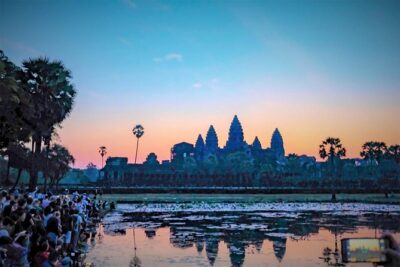
Angkor looks different at dawn. This private, English-led day from Siem Reap is built around a calm start at Angkor Wat and a smart route through the big hits plus two smaller, highly detailed temples. What I like most is the private format that lets you move at your pace without waiting on a big bus crowd.
I also like the practical comfort: air-conditioned transport, plus cool water and a cool wet towel that actually help when the heat ramps up. One thing to plan for: the Angkor Archaeological site pass is not included (it’s $37 per person), and several temples enforce a strict dress code (shoulders covered, knees below).
In This Review
- Key Things to Know Before You Go
- A 7–8 Hour Angkor Day That Starts Before the Crowd Wave
- Angkor Wat First: Why the Morning Order Matters
- Ta Prohm: The Tree-in-Temple Views Still Feel Like Magic
- Ta Keo: A Short Stop That Teaches You How Khmer Stone Works
- Lunch Near the Temples: Keep It Simple and Stay Hydrated
- Banteay Srei: Pink Sandstone and Carving Details You Can Actually Enjoy
- Banteay Samre Finale: Lion and Naga Statues Plus a Vishnu Dedication
- Price and What You’re Really Buying for $59
- How the Tour Works Day-to-Day (Pickup, Dress Code, and Entry Pass)
- Who Should Book This Private Angkor Wat to Banteay Srei Day
- Should You Book It?
- FAQ
- What’s included in the $59 tour price?
- Are Angkor entrance tickets included?
- How long is the tour?
- What time does the tour start?
- Is this tour private or shared with others?
- Does the tour include lunch?
- What should I wear for the temples?
- What happens if weather is bad?
Key Things to Know Before You Go
- Early Angkor Wat timing: You start at 8:00am or 9:00am so the experience feels less rushed.
- Private, English-speaking guide: You get history and architecture explained as you walk, not from a fixed audio track.
- 5 temples, 7–8 hours: You’ll see a lot, but the stops are timed so you’re not stuck in any one place forever.
- Ta Prohm photo opportunities: The partially jungle-cleared layout gives classic tree-in-temple views.
- Banteay Srei is the star for detail: Small size, pink sandstone, and carvings keep your attention for longer.
- Budget for the Angkor pass: It’s separate from the tour price and must be shown at the sites.
The pink sandstone carvings, a few more runs
- Siem Reap Tour: Angkor Wat Sunrise, Bayon, Ta Prohm, Banteay Srei★ 5.0 · 931 reviews
- 2-Day Angkor Wat With Small, Big Circuit and Banteay Srei Tour★ 5.0 · 545 reviews
- From Siem Reap: Banteay Srei Temple & Grand 5 Temple Tour★ 4.8 · 262 reviews
- 3-Days Discovery Of Angkor: Waterfalls,Floating Village and Banteay Srei temple★ 5.0 · 214 reviews
A 7–8 Hour Angkor Day That Starts Before the Crowd Wave
This is a full day that runs about 7 to 8 hours, and the start time matters. You’ll kick off either at 8:00am or 9:00am, with pickup offered from Siem Reap. That early departure is the difference between temples that feel alive and temples that feel like a checklist.
The ride is in an air-conditioned vehicle with a professional driver, and you’ll get cool water and a cool wet towel during the day. That’s not a small detail in Cambodia. Between sun, stone, and walking, it makes the whole experience feel more doable.
Because it’s private (just your group), you don’t have to bargain for attention. Your guide can pace you around what you care about most—history, architecture, or simply getting good time in the quieter corners.
Angkor Wat First: Why the Morning Order Matters
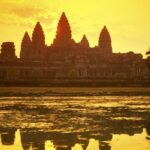
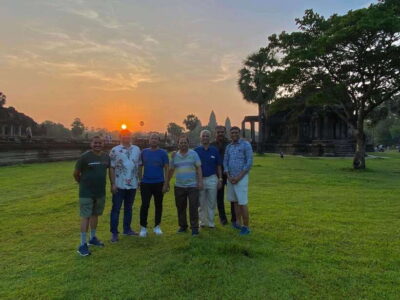
Your day begins with Angkor Wat, and you spend about 3 hours there. The key idea is timing plus guidance: your guide takes you through lesser-known routes, which helps you avoid that only-one-way feeling you can get when everyone funnels into the same photo spots.
I love how this structure works for first-time visitors. Angkor Wat is huge, and without a guide it’s easy to stare at stone and miss the meaning. With a professional English-speaking guide, you get the temple’s layout and religious role explained as you move, so your photos have context behind them.
You should also expect the usual practical reality at Angkor: bring your patience and your water. The temples are stone and sun. Even with early start, you’re still outside most of the morning.
Also, plan clothing ahead. Some Angkor sites have strict requirements—shoulders covered and clothes that fall below the knees. You might be refused entry if you show up in a way the dress code considers disrespectful or too revealing.
Ta Prohm: The Tree-in-Temple Views Still Feel Like Magic
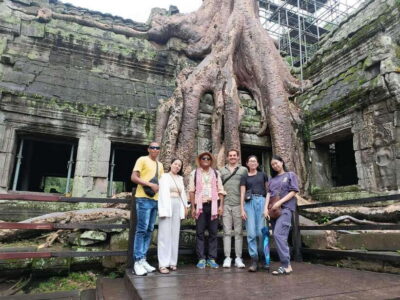
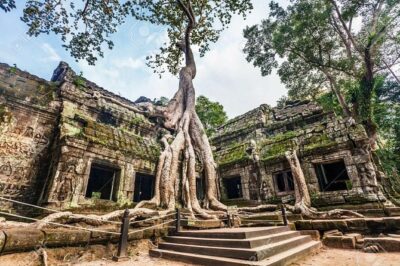
After Angkor Wat, you move on to Ta Prohm for about 1 hour. This temple is known as a quiet, sprawling monastic complex that’s only partially cleared of jungle overgrowth. That means it doesn’t feel like a polished museum stop. It feels alive and a little wild, the way the famous images suggest.
This is also the best stop on your route for the classic “tree growing into the temple” look. If you care about photos, this is your time. The guide’s job isn’t just pointing at pictures; it’s helping you find angles and understand why the ruins look like they do.
One practical note: Ta Prohm can be uneven underfoot and busy with people moving through. With only an hour, you’ll want to keep your energy for the parts you truly want to linger on—especially the most photogenic sections.
Ta Keo: A Short Stop That Teaches You How Khmer Stone Works
Next comes Ta Keo, a 30-minute visit. This is the first temple built entirely in sandstone, which makes it a milestone in Khmer history. The design is also unusually simple: enormous blocks of stone were cut to a regular size and placed in position, and the temple lacks the heavier decorative emphasis you see in some other monuments.
I like this stop because it changes the pace. After Angkor Wat and the jungle romance of Ta Prohm, Ta Keo feels more stripped down. It’s a good reminder that Angkor isn’t only about ornate details. Some places matter because of how the builders solved structural problems and shaped an aesthetic through restraint.
Because the time is short, go in with a “get the idea fast” mindset. If you want to study carvings for an hour, you may wish you had more time here. But for most people, Ta Keo’s brief visit is a smart, high-impact counterbalance.
More temple circuits, set side by side
Lunch Near the Temples: Keep It Simple and Stay Hydrated
After Ta Keo, you enjoy lunch in the temple area. Lunch itself isn’t included; it falls under personal expenses like meals and drinks. So you’ll be choosing what you eat once you’re already onsite, which is usually the easiest plan.
My tip: eat like you’ll be walking more afterward. Avoid going heavy on anything that upsets your stomach in humid heat. Then use the included cool water and wet towel during breaks if you feel yourself overheating.
This part of the day is also where you reset mentally. The afternoon temples—especially Banteay Srei—demand attention to fine detail, and that’s easier when you’re not running on empty.
Banteay Srei: Pink Sandstone and Carving Details You Can Actually Enjoy
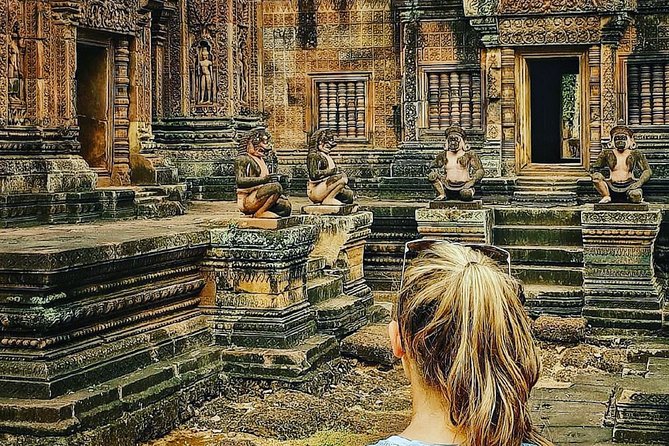
In the afternoon, you head to Banteay Srei for about 2 hours. This is the fabled pink temple of women, made of pink sandstone and known for its delicate carvings and strong state of preservation. It’s also smaller than some of the major monuments, which is a big deal: you can get closer, slow down, and really look.
One reason Banteay Srei is so beloved is how it changes the Angkor feel. After the scale of Angkor Wat, Ta Prohm’s jungle drama, and the stone architecture of Ta Keo, Banteay Srei offers precision. You’ll see apsara details and male and female figures as part of the decorative story.
If you’re the kind of traveler who likes to zoom in on craftsmanship, Banteay Srei is the reason to book a structured tour instead of DIY. A guide helps you prioritize what to look for, rather than wandering until the temple starts to blur together.
Practical note again: dress code matters here too. Covered shoulders and knees aren’t optional at several Angkor sites.
Banteay Samre Finale: Lion and Naga Statues Plus a Vishnu Dedication
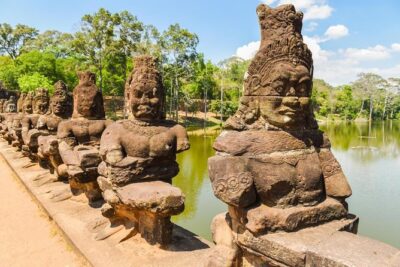
Your day ends at Banteay Samre for about 45 minutes. You’ll see the magnificent lion and naga statues, which are a great visual send-off to an otherwise detail-heavy afternoon.
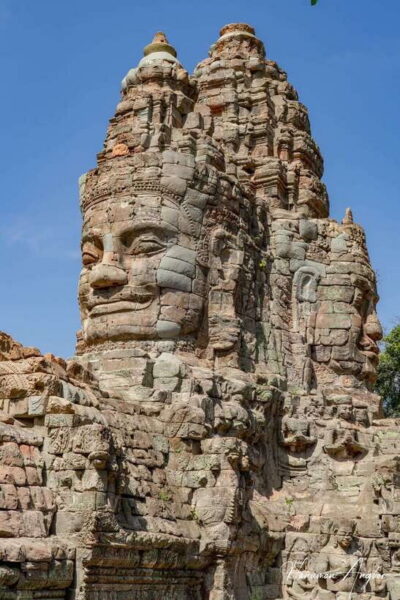
Banteay Samre also has specific context that helps it click. It’s located about 400 meters east of the East Baray, and it’s accessed by entering and leaving from the east. It was built in the middle of the 12th century by King Suryavarman II and dedicated to Hindu worship—specifically dedicated to Vishnu. The art style is also linked to Angkor Wat, which gives you a nice thematic connection to your morning start.
This is the stop that feels most “wrap-up” in a good way. You get closure to the circuit without feeling like you’re getting rushed out of your last photos.
Price and What You’re Really Buying for $59
The tour price is $59.00 per person, and that number looks attractive until you add one key extra: the Angkor Archaeological site pass is not included. The pass is $37 per person, and it must be purchased in US dollars at the main gate. That means your realistic day cost is closer to about $96 plus lunch and drinks.
So is it good value? In many cases, yes, because you’re paying for more than “a ride and a checklist.” Your money covers:
- a full day with a professional English-speaking guide
- air-conditioned transportation with a professional driver
- local taxes and service charges
- cool water and a cool wet towel
- a mobile ticket and the private tour setup (your group only)
If you’re a couple or a family, private touring can feel efficient. You’re not splitting attention across strangers, and you can ask questions as you walk. The guide helps you turn the stone into meaning, which is the difference between seeing temples and understanding them.
One more budgeting detail: single travelers may face single supplement charges, if applicable. Also, entrance tickets for other personal stops are your responsibility unless the guide adds something within what’s covered.
How the Tour Works Day-to-Day (Pickup, Dress Code, and Entry Pass)
This is a private day trip operated on a full private basis, and you’re only traveling with your group. Pickup and drop-off are offered, but you’ll need to provide correct hotel information so the provider can coordinate your schedule.
Bring the right clothing. At several Angkor sites, the dress code is strict: shoulders must be covered, and clothing should fall below the knees. Bright colors or disrespectful prints can get you refused entrance, so go practical over trendy.
You also need the Angkor pass. The pass gives access to sights in and around Angkor and should be visible at all times during your visit. Kids under 12 are free of charge, but they need a valid passport at the booth for proof.
The one other planning factor is weather. The experience requires good weather. If weather cancels the day, you’ll be offered another date or a full refund. That’s worth keeping in mind if you’re on tight schedule.
Who Should Book This Private Angkor Wat to Banteay Srei Day
This tour fits best when you want structure. I’d especially recommend it if:
- you’re short on time and want to see five major temples in one day
- you prefer a private guide who can answer questions and set a comfortable walking pace
- you care about history and symbolism, not only the big postcard images
- you’re traveling with kids and want fewer decision points (just show up, get picked up, and follow the plan)
It may be less ideal if you want to spend half the day at one monument without moving on. The day is packed. Even though the visit times are reasonable, you’ll still be switching between sites throughout the day.
Should You Book It?
I think this is a strong choice if your priority is an organized, English-led day that hits the must-sees without feeling chaotic. The early start at Angkor Wat plus the pairing of Ta Prohm and Banteay Srei is a smart mix of scale and detail.
Book it if you’re willing to plan for:
- the $37 Angkor pass
- dress code compliance (covered shoulders and knees)
- lunch as personal expense
- a full-day walking rhythm over 7–8 hours
Skip it if you want to fully control everything yourself and you already know which areas of each temple you want to spend most time in. This tour is at its best when you want guidance to help you make sense of the stone and maximize your time.
FAQ
What’s included in the $59 tour price?
The tour includes a full day with a professional English-speaking guide, air-conditioned transportation with a professional driver, all local applicable taxes and service charges, and cool water plus a cool wet towel.
Are Angkor entrance tickets included?
No. The Angkor Archaeological site entrance pass is not included. It’s $37 per person and can be purchased at the main gate in US dollars.
How long is the tour?
It runs about 7 to 8 hours.
What time does the tour start?
You start either at 8:00am or 9:00am, based on your chosen schedule.
Is this tour private or shared with others?
It’s a private tour/activity, meaning only your group participates.
Does the tour include lunch?
Lunch is not included as part of the tour price. You’ll have lunch in the temple area, but meals and drinks are personal expenses.
What should I wear for the temples?
Some temples enforce a strict dress code: cover shoulders and wear clothing that falls below the knees. You may be refused entrance if you don’t follow the dress rules.
What happens if weather is bad?
This experience requires good weather. If it’s canceled due to poor weather, you’ll be offered a different date or a full refund.
More Tour Reviews in Siem Reap
- Angkor Wat Sunrise or Sunset Tour with Guide from Siem Reap
★ 5.0 · 12,109 reviews - Siem Reap: Angkor Wat: Small-Group Sunrise or Sunset Tour
★ 5.0 · 9,444 reviews - From Siem Reap: Kampong Phluk Floating Village Tour by Boat
★ 4.9 · 6,979 reviews - Sunset tour of Kampong Phluk stilts home village on the Tonle Sap
★ 5.0 · 4,865 reviews - Siem Reap: Angkor Wat 2-Day Tour with Sunrise and Sunset
★ 4.9 · 4,429 reviews
More Temple Circuits Around Siem Reap
- Angkor Wat Sunrise or Sunset Tour with Guide from Siem Reap
★ 5.0 · 12,109 reviews - Siem Reap: Angkor Wat: Small-Group Sunrise or Sunset Tour
★ 5.0 · 9,444 reviews - Siem Reap: Angkor Wat 2-Day Tour with Sunrise and Sunset
★ 4.9 · 4,429 reviews - Siem Reap: Full-Day Angkor Wat Guided Tour with Sunset
★ 4.9 · 3,803 reviews - Angkor Wat Sunrise tour with Small – Group and Guide tours
★ 5.0 · 3,655 reviews
The Carvings of Banteay Srei
- Full-Day Banteay Srei & 4 Temples – Grand Tours Join-in Tour
★ 5.0 · 1,155 reviews - Siem Reap Tour: Angkor Wat Sunrise, Bayon, Ta Prohm, Banteay Srei
★ 5.0 · 931 reviews - 2-Day Angkor Wat With Small, Big Circuit and Banteay Srei Tour
★ 5.0 · 545 reviews - From Siem Reap: Banteay Srei Temple & Grand 5 Temple Tour
★ 4.8 · 262 reviews - 3-Days Discovery Of Angkor: Waterfalls,Floating Village and Banteay Srei temple
★ 5.0 · 214 reviews
Just Added: Fresh Siem Reap Tour Reviews

Angkor Temple Tours, compared.
 ★ 5.0Angkor Wat Sunrise or Sunset Tour with Guide from Siem ReapFrom $1812,109 reviews
 ★ 5.0Angkor Wat: Small-Group Sunrise or Sunset TourFrom $159,444 reviews
 ★ 4.9Angkor Wat 2-Day Tour with Sunrise and SunsetFrom $344,429 reviews
 ★ 4.9Full-Day Angkor Wat Guided Tour with SunsetFrom $153,803 reviews
 ★ 5.0Angkor Wat Sunrise tour with Small – Group and Guide toursFrom $143,655 reviews
 ★ 5.0Angkor Wat Highlights and Sunrise Guided Tour from Siem ReapFrom $233,213 reviews
 ★ 5.0Angkor Wat Sunset Small Group Tour with Lunch IncludedFrom $203,059 reviews
 ★ 5.0Full-Day Angkor Wat Sunrise Private Tour with Guide from Siem ReapFrom $602,920 reviews
Browse the lists this tour appears in