
Reviewed · ANGKOR TEMPLE TOURS
3-Days Discovery Of Angkor: Waterfalls,Floating Village and Banteay Srei temple
Three days, and Angkor still surprises. What makes this trip smart is the mix of big-name temples with quieter, story-rich stops, all tied together with private transport and a real guide who sets the pace. I especially like the chance to see Angkor Wat at sunrise and sunset, and I like how Day 2 adds a change of scenery with Phnom Kulen’s riverbed carvings and the Tonle Sap floating village. One drawback to plan for: this is a packed, hot couple of days, and several key tickets and meals are on you, not included.
A big plus is the way the schedule spreads the sights so you’re not always stuck in temple traffic. The tour also builds in comfort basics—air-conditioned rides plus cool water and a cool towel during the day—so you can keep your energy for the walking and stairs.
In This Review
- Key Highlights You’ll Remember
- How This Private 3-Day Plan Works (and Why It Feels Easier)
- Day 1: Angkor Thom South Gate, Bayon Faces, and the Elephant Terraces
- Angkor Wat Temple Time: More Than a Photo Op
- Day 1 Sunset at Phnom Bakheng: Worth It, But Plan for Stairs
- Day 2: Phnom Kulen National Park, Waterfalls, and Kbal Spean Lingas
- Banteay Srei: Small Temple, Big Detail
- Kampong Phluk and Tonle Sap: Floating Village by Boat
- Day 3 Sunrise at Angkor Wat: The Early Start You’ll Be Happy You Did
- Ta Prohm, Pre Rup, Ta Som, Neak Pean, and Preah Khan: The North-East Loop
- Price and Entrance Fees: Where Your Money Actually Goes
- Transportation, Comfort, and the Little Things That Save Your Day
- What to Wear and Bring (So You Don’t Get Stuck in the Wrong Lines)
- Who Should Book This Tour (and Who Might Find It Too Much)
- Should You Book 3-Days Discovery Of Angkor? My Practical Take
- FAQ
- Do I get hotel pickup and drop-off?
- Are the guide and transport included?
- Is Angkor Wat sunrise included, and when is it?
- What extra tickets or passes should I budget for?
- Are temple and national park admission fees included?
- What meals are included?
- What should I wear for temple visits?
Key Highlights You’ll Remember
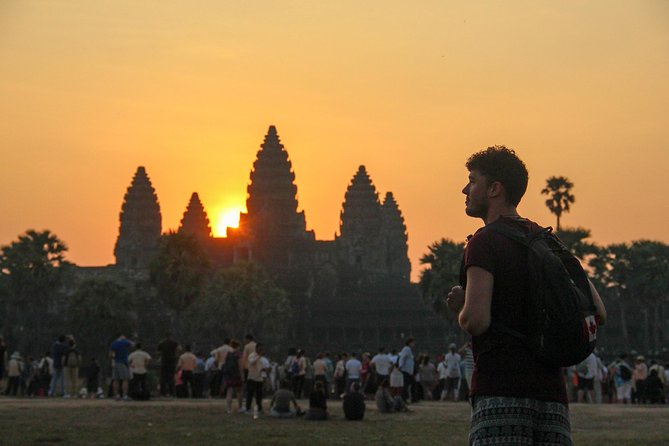
- Angkor Wat sunrise and sunset on two different days, so you get different light and fewer rushes
- Phnom Kulen + Kbal Spean riverbed lingas, a rare stop that feels like you discovered something special
- Tonle Sap and Kampong Phluk with a private boat ride, not just a quick look from shore
- Private, air-conditioned transport with hotel pickup and drop-off
- Temple route variety: Angkor Thom landmarks, Ta Prohm, plus more “less famous” Angkor temples
- Heat help on the ground: cool water, cool towels, and practical clothing rules
The pink sandstone carvings, a few more runs
- Siem Reap Tour: Angkor Wat Sunrise, Bayon, Ta Prohm, Banteay Srei★ 5.0 · 931 reviews
- 2-Day Angkor Wat With Small, Big Circuit and Banteay Srei Tour★ 5.0 · 545 reviews
- From Siem Reap: Banteay Srei Temple & Grand 5 Temple Tour★ 4.8 · 262 reviews
- 3-Days Discovery Of Angkor: Waterfalls,Floating Village and Banteay Srei temple★ 5.0 · 214 reviews
How This Private 3-Day Plan Works (and Why It Feels Easier)
This is a private tour, so your day runs by your group, not a herd. Hotel pickup starts early on Day 1 and Day 2 (8:00 am), then ramps up for the Angkor Wat sunrise on Day 3 (pickup before sunrise at 4:40 am). That early start isn’t a luxury; it’s how you dodge the worst crowd crush and get better light.
Your guide’s job isn’t just to point at monuments. It’s to connect what you’re seeing—stone faces, sacred water, temple layouts—to the Khmer stories that explain why the ruins look the way they do. In multiple experiences, guides like Sam and Seila are praised for giving clear explanations while also steering you to good routes and good photo timing.
One practical note: the schedule is physically serious. You’ll walk a lot, climb stairs at some spots, and spend time outdoors in Cambodian heat. If you hate early mornings or you can’t handle uneven ground, you’ll feel it.
Day 1: Angkor Thom South Gate, Bayon Faces, and the Elephant Terraces
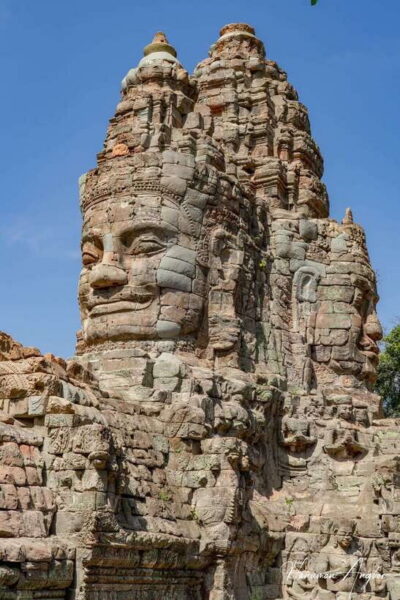
Day 1 is your classic Angkor “big picture” day, starting inside Angkor Thom. You begin at the South Gate, then work your way to Bayon Temple, famous for the many smiling stone faces. Next comes Baphuon, which is a great contrast after Bayon’s dense decoration.
Then you slow down a touch at the Terrace of the Elephants and the Terrace of the Leper King. These terraces are not just scenic stops. They’re part of how you understand how the kings used the palace complex—platforms for viewing, ceremonies, and power expressed in stone.
After that, you get a lunch break in the Angkor area, at a local restaurant where you pay yourself. There’s time here to cool off and reset before the most famous site of the trip.
Angkor Wat Temple Time: More Than a Photo Op
After lunch, you head to Angkor Wat for about 1.5 hours. Angkor Wat is huge, so your time there is really about focus: what to look for first, how to read the layout, and where to pause so you’re not just collecting snapshots.
This tour also gives you a helpful rhythm. You’re not expected to sprint through everything. Your guide keeps the pace realistic, and the air-conditioned ride between major stops helps you recover before the next round of walking.
One thing to keep in mind: Angkor Wat is still a temple site that can get crowded. The value here is that a good guide helps you move efficiently and pick moments when the light and foot traffic are kinder.
Day 1 Sunset at Phnom Bakheng: Worth It, But Plan for Stairs
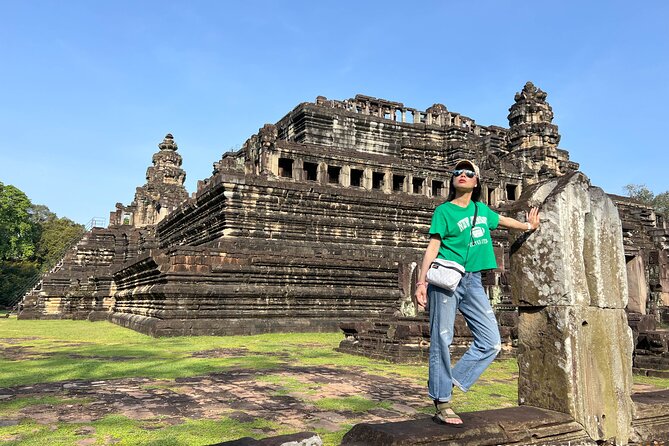
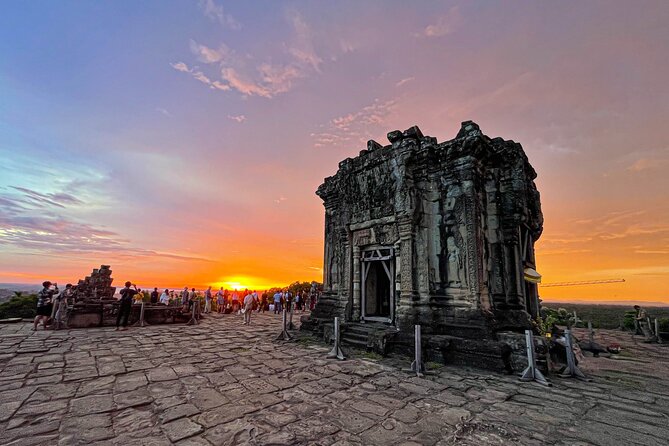
If you still have energy after Angkor Wat, Day 1 includes the sunset from Phnom Bakheng. The climb typically starts around 4:00 pm, so plan for a late afternoon that’s partly walking, partly waiting, partly climbing.
This stop can be a little intense because it involves stairs and uneven ground. If you’re traveling with older folks or anyone with mobility limits, you’ll want to go slow and take breaks. In the experiences shared by people who’ve done this, flexibility is a common theme—guides often adjust pacing to match the group.
Also check your sunscreen and bug spray habits here. You’ll be in open air, and you’ll be moving when many other people are moving too.
More temple circuits, set side by side
Day 2: Phnom Kulen National Park, Waterfalls, and Kbal Spean Lingas
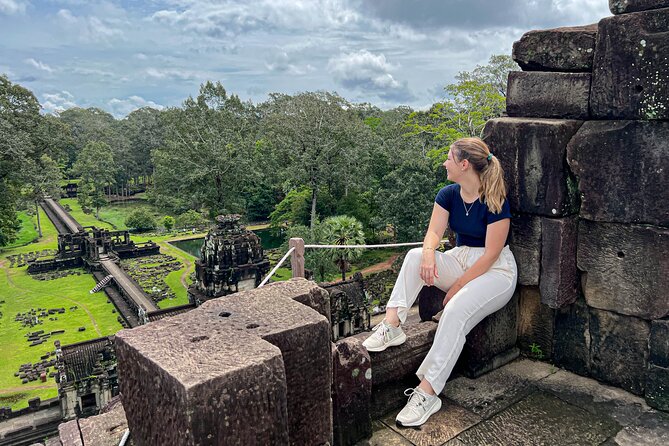
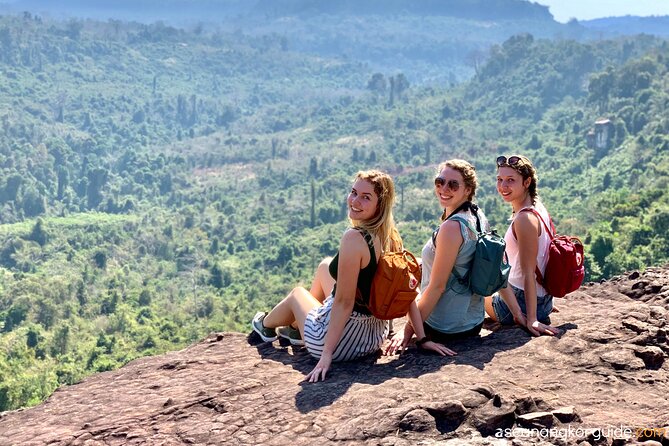
Day 2 starts with a long morning drive to Phnom Kulen National Park. You’ll have about 3 hours there, with time tied to the day’s main themes: waterfalls and the famous riverbed carvings at Kbal Spean.
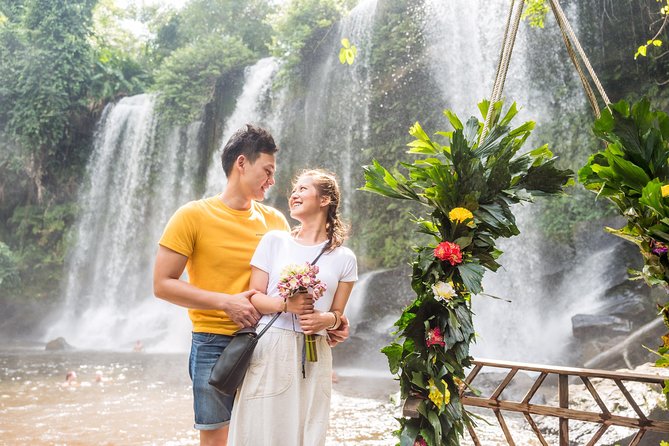
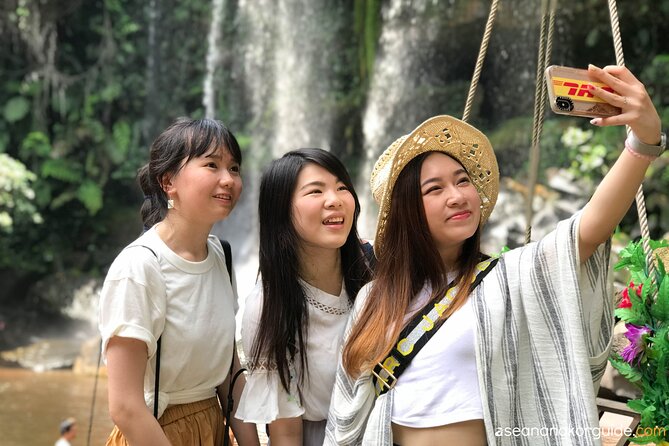
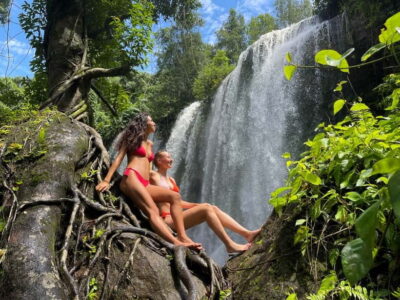
About the waterfalls: the tour notes that you can swim, but water levels drop in the dry season from March to July. So even if you don’t get a dramatic waterfall scene, the riverbed carvings and the park setting are still the point.
The real “wow” here is Kbal Spean, with its riverbed lingas (carvings). This feels different from the temple towers because it’s carved into nature itself. If you like places where history and geography overlap, this is the stop you’ll talk about later.
Banteay Srei: Small Temple, Big Detail
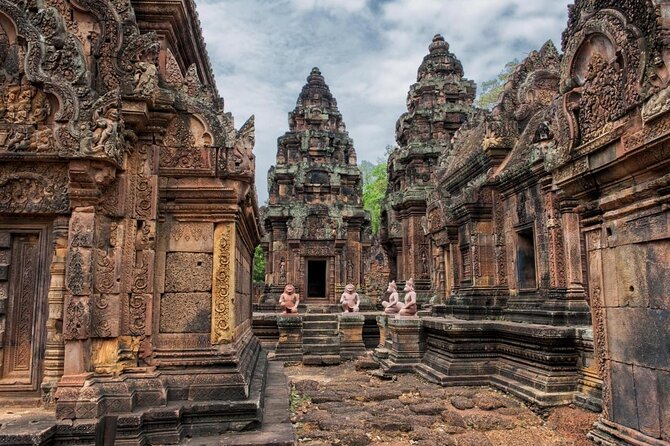
After Kulen, you head to Banteay Srei, a 10th-century temple known for intricate sculptures dedicated to Shiva. It’s shorter on time than Angkor’s major sites (about 45 minutes), but this is a great place to slow down. Details matter here, and the stonework is the star.
If you’re feeling temple fatigue by this point, Banteay Srei is still a win because it’s different in scale and design. You’ll have fewer “must-see faces” and more quiet time to examine carvings.
Kampong Phluk and Tonle Sap: Floating Village by Boat
Then comes the change of scenery: Kampong Phluk, a flooded village on Tonle Sap Lake. Tonle Sap is the largest freshwater lake in Southeast Asia, and the floating village experience is why this tour isn’t only about Angkor ruins.
You also get a private boat ride (priced separately) rather than just a quick view. That boat time is usually what makes the experience feel real—up close, you can see daily life and how the water shapes everything.
Budget note: the Tonle Sap pass with private boat ride costs $15.00 per person and is not included. You’ll also likely pay your own food and soft drinks during the day.
Day 3 Sunrise at Angkor Wat: The Early Start You’ll Be Happy You Did
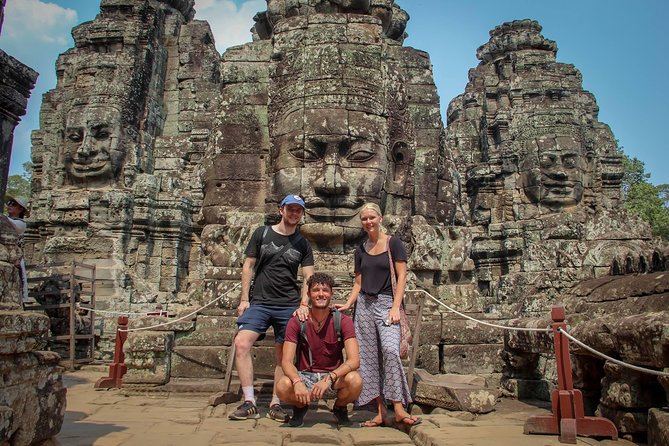
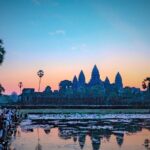
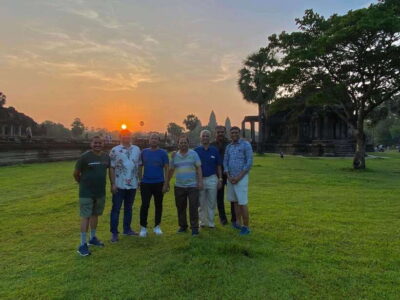
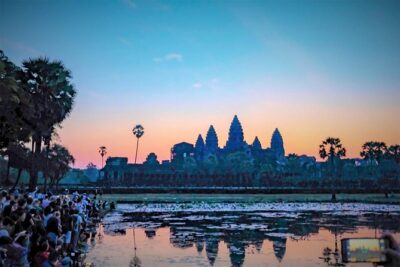
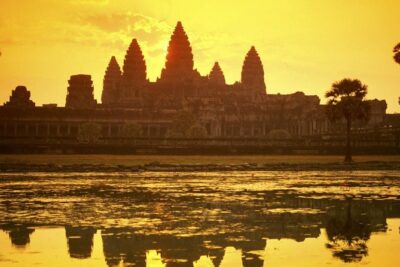
Day 3 is for Angkor Wat in the morning light. Your pickup is before sunrise at 4:40 AM, then you watch the sunrise at Angkor Wat. This is a special moment because you see the temple when it’s less about crowds and more about mood.
The tour includes breakfast on Day 3, which helps a lot. You’ll still be tired from the early wake-up call, so eating something before the walking is a big practical win.
If you care about photos, this is also the best time for clean shots without the full daytime crush. The people who’ve done this often mention that guides plan the viewing points and timing for better angles.
Ta Prohm, Pre Rup, Ta Som, Neak Pean, and Preah Khan: The North-East Loop
After sunrise, you shift to a set of temples that keeps you from repeating the same view all day.
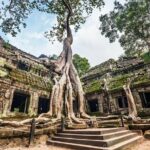
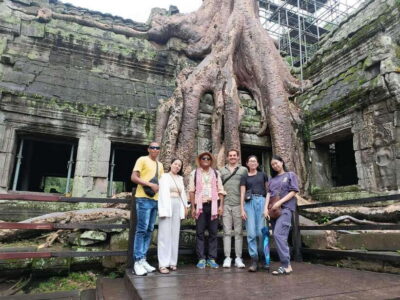
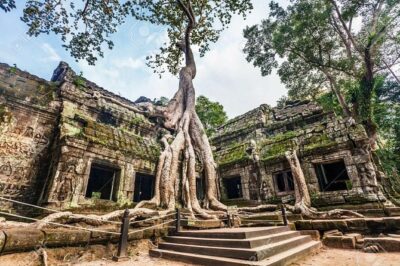
- Ta Prohm: famous for its dramatic trees and often associated with Tomb Raider. Expect a different vibe than Angkor Wat’s grand symmetry.
- Pre Rup: a pyramid temple linked to Shiva, around 35 minutes. Great for views and for understanding how the Khmer built layered sacred spaces.
- Ta Som: a smaller temple that still rewards attention to stone details.
- Neak Pean: an artificial island with a Buddhist temple, set inside a circular baray system.
- Preah Khan: a 12th-century temple honoring the king’s father, about an hour.
This cluster is a smart way to round out Angkor. You get variety in design, layout, and atmosphere. It’s also a good day for a guide-led route because some of these places can be easy to miss if you’re wandering on your own.
Price and Entrance Fees: Where Your Money Actually Goes
The price is $183.08 per person for the 3 days. For a private 3-day plan with hotel pickup/drop-off, an English-speaking guide, and air-conditioned transport, that’s often good value—especially because you’re not paying for a single one-day temple rush.
But you should budget extra. The biggest add-ons are:
- Tonle Sap pass with private boat ride: $15.00 per person
- Phnom Kulen National Park: $20.00 per person
- Kulen Mountain pass: $20.00 per person
- Angkor pass / admission fees are not included (you purchase the Angkor pass before entering the archaeological park)
The tour also notes you pay for food during breaks. Lunch in the Angkor area is on you, and soft drinks are also on you. The tour only includes breakfast on Day 3.
If you’re comparing options, look closely at what’s included in that base price. In this one, the core value is private transport, guide time, and the full set of major stops across 3 days.
Transportation, Comfort, and the Little Things That Save Your Day
The tour provides private transport with air-conditioning and includes cool water and cool towels during the experience. After several hours in the heat, that stuff matters more than you’d think.
Pickup is from your hotel lobby, which keeps logistics simple. And because it’s private, you’re not waiting for strangers or dealing with mismatched walking speeds.
Based on the guide-and-driver names praised in experiences shared, the best teams here are the ones that handle small moments: cool towel at the right time, thoughtful pacing, and adapting when the day gets hot or wet.
What to Wear and Bring (So You Don’t Get Stuck in the Wrong Lines)
Temple attire rules are strict enough to matter. For temple visits, you should dress respectfully: cover shoulders and knees. Loose, lightweight, long clothing is recommended since it stays hot most of the day.
Comfortable shoes are a must. You’ll be on uneven ground and climbing stairs at some points, including Phnom Bakheng. The tour also warns that the Apsara Authority can refuse entry to certain areas if clothing is too revealing.
Bring:
- sunscreen
- mosquito spray
- water (even though cool water is provided, you’ll still want your own stash)
- a light layer in case mornings feel cooler
During dry season, the waterfalls may not be as impressive, but the carvings and viewpoints still work. Plan for heat, not miracle water.
Who Should Book This Tour (and Who Might Find It Too Much)
This tour fits best if you want:
- private guidance through Angkor without feeling rushed
- a mix of famous temples and one-of-a-kind stops like Kbal Spean lingas
- a day that goes beyond ruins into nature and village life at Tonle Sap
You might want to reconsider if:
- you can’t handle early starts (4:40 AM sunrise day)
- you hate walking a lot in hot sun
- you’re trying to keep costs ultra-low once you add passes and meals
It’s great for couples, families, and small groups because the private setup lets the pace match your energy level.
Should You Book 3-Days Discovery Of Angkor? My Practical Take
I’d book this if you want the most satisfying version of a 3-day Siem Reap Angkor trip: sunrise, sunset, Tonle Sap by boat, and Kulen’s carved riverbed story. The structure makes sense: big temples first, then the nature and village day, then a fresh temple loop after sunrise.
I wouldn’t book it if you’re expecting everything to be fully included and effortless. You’ll pay for major passes and you’ll handle meals on your own during breaks. You’ll also be outside a lot, with walking and stairs.
If you’re flexible, pack smart, and show up ready for heat, this is a strong way to see Angkor without spending every day just fighting crowds.
FAQ
Do I get hotel pickup and drop-off?
Yes. You’ll be picked up from your hotel lobby and returned after the tour ends.
Are the guide and transport included?
Yes. You get a professional English-speaking tour guide and driver, plus private air-conditioned transport for the three days.
Is Angkor Wat sunrise included, and when is it?
Yes. On Day 3 you’re picked up before sunrise at 4:40 AM to watch the sunrise at Angkor Wat.
What extra tickets or passes should I budget for?
Tonle Sap pass with a private boat ride is $15.00 per person. Phnom Kulen National Park admission is $20.00 per person, and the Kulen Mountain pass is $20.00 per person.
Are temple and national park admission fees included?
No. Admission tickets for stops like Phnom Kulen and the other temple sites are not included in the tour price.
What meals are included?
Breakfast is included on Day 3. Food during the other days, including lunch breaks, is not included.
What should I wear for temple visits?
You should dress respectfully: cover shoulders and knees. Loose, lightweight clothing is recommended for the heat, and comfortable shoes are required. The authority managing the sites may refuse entry to areas if clothing is not appropriate.
Out on Tonle Sap
- From Siem Reap: Kampong Phluk Floating Village Tour by Boat
★ 4.9 · 6,979 reviews - Sunset tour of Kampong Phluk stilts home village on the Tonle Sap
★ 5.0 · 4,865 reviews - Kompong Phluk Floating Village Half-Day Tour ( Morning / Sunset )
★ 5.0 · 1,494 reviews - Siem Reap: Kulen Mountain, Beng Mealea and Tonle Sap Tour
★ 5.0 · 1,483 reviews - Tonle Sap Lake & Kampong Phluk Village Half-Day Tour
★ 5.0 · 1,045 reviews
More Temple Circuits Around Siem Reap
- Angkor Wat Sunrise or Sunset Tour with Guide from Siem Reap
★ 5.0 · 12,109 reviews - Siem Reap: Angkor Wat: Small-Group Sunrise or Sunset Tour
★ 5.0 · 9,444 reviews - Siem Reap: Angkor Wat 2-Day Tour with Sunrise and Sunset
★ 4.9 · 4,429 reviews - Siem Reap: Full-Day Angkor Wat Guided Tour with Sunset
★ 4.9 · 3,803 reviews - Angkor Wat Sunrise tour with Small – Group and Guide tours
★ 5.0 · 3,655 reviews
The Carvings of Banteay Srei
- Full-Day Banteay Srei & 4 Temples – Grand Tours Join-in Tour
★ 5.0 · 1,155 reviews - Siem Reap Tour: Angkor Wat Sunrise, Bayon, Ta Prohm, Banteay Srei
★ 5.0 · 931 reviews - 2-Day Angkor Wat With Small, Big Circuit and Banteay Srei Tour
★ 5.0 · 545 reviews - From Siem Reap: Banteay Srei Temple & Grand 5 Temple Tour
★ 4.8 · 262 reviews - Banteay Srei, Kulen Waterfall & Beng Mealea Exploration
★ 5.0 · 185 reviews
Just Added: Fresh Siem Reap Tour Reviews

Angkor Temple Tours, compared.
 ★ 5.0Angkor Wat Sunrise or Sunset Tour with Guide from Siem ReapFrom $1812,109 reviews
 ★ 5.0Angkor Wat: Small-Group Sunrise or Sunset TourFrom $159,444 reviews
 ★ 4.9Angkor Wat 2-Day Tour with Sunrise and SunsetFrom $344,429 reviews
 ★ 4.9Full-Day Angkor Wat Guided Tour with SunsetFrom $153,803 reviews
 ★ 5.0Angkor Wat Sunrise tour with Small – Group and Guide toursFrom $143,655 reviews
 ★ 5.0Angkor Wat Highlights and Sunrise Guided Tour from Siem ReapFrom $233,213 reviews
 ★ 5.0Angkor Wat Sunset Small Group Tour with Lunch IncludedFrom $203,059 reviews
 ★ 5.0Full-Day Angkor Wat Sunrise Private Tour with Guide from Siem ReapFrom $602,920 reviews
Browse the lists this tour appears in