
Reviewed · ANGKOR WAT TEMPLE TOURS
2-Day Angkor Wat With Small, Big Circuit and Banteay Srei Tour
Two days can change how Angkor feels. This private 2-day temple plan slows things down by splitting the sights across circuits, with a guide who keeps the story going and your day moving.
I especially like the hotel pickup and drop-off with an air-conditioned vehicle, plus cold water and wet towels when the heat hits.
I also love how the schedule balances big icons with calmer stops: Ta Prohm’s roots one day, then a sunrise start and the Big Circuit highlights the next. You’ll also get finishing time at Banteay Srei, built from pink sandstone, which adds a different look and texture after all the main Angkor temples.
One thing to think about: the day-to-day walking and stairs can be intense, and Day 2 starts very early for sunrise. If that’s not your style, or you hate climbing, you’ll want to plan your pace with your guide and wear shoes made for uneven ground.
In This Review
- Key things that make this tour a smart Angkor plan
- How the two-day format changes your Angkor experience
- Price and what’s actually included (so you can budget fast)
- Day 1: Small Circuit, from Angkor Wat to the quieter jungle stops
- Angkor Wat
- Ta Prohm
- Ta Nei
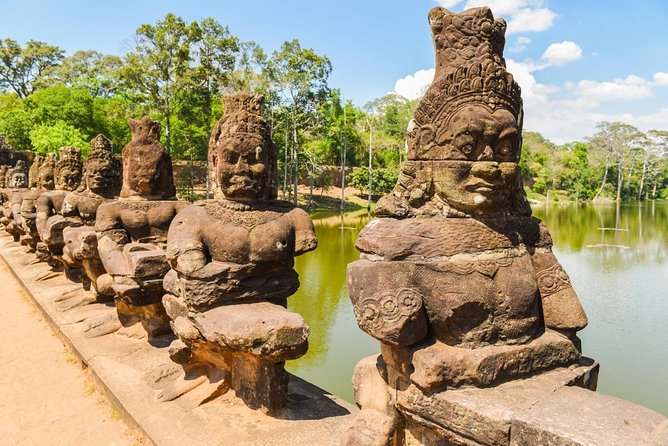
- Angkor Thom sights: Victory Gate and Bayon
- Baphuon, Phimeanakas, and the Royal Enclosure zone
- Terrace of the Elephants and Terrace of the Leper King
- Phnom Bakheng for sunset (optional)
- Day 2: Sunrise at Angkor Wat, then the Big Circuit’s signature temples
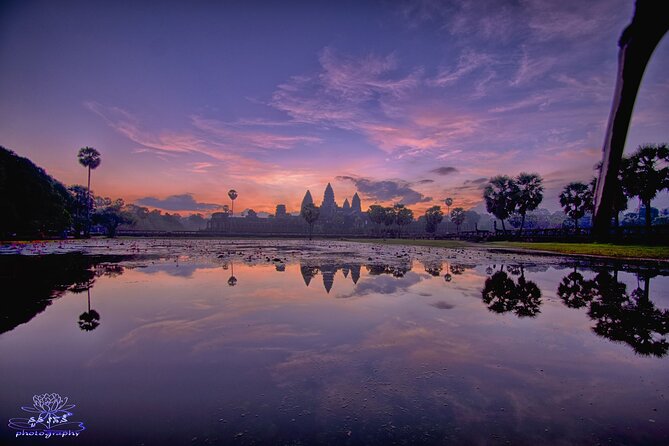
- Angkor Wat at sunrise
- Preah Khan
- Neak Pean and Ta Som
- East Mebon and Pre Rup
- Banteay Srei: the pink-sand finish that changes the vibe
- Comfort and support that make the long days feel doable
- Your guide matters more than you think (and this tour takes that seriously)
- Pacing, crowds, and why “small vs big circuit” is more than a label
- What to watch out for before you book
- Who this tour fits best
- Should you book this 2-day Angkor Wat + Banteay Srei tour?
- FAQ
- Do I need to buy Angkor temple admissions separately?
- What time is the sunrise day start?
- When do they pick you up on Day 1?
- Is hotel pickup and drop-off included?
- What transportation is provided during the tour?
- Are meals included?
- Is this a private tour?
- What’s the cancellation window?
Key things that make this tour a smart Angkor plan
- Private guide, private vehicle: your guide can pace you and explain while you’re not stuck waiting on strangers.
- Small Circuit + Big Circuit over two days: less rushing, more time for carvings, views, and breaks.
- Sunrise at Angkor Wat (5:00am pickup): the early start is built in, not an afterthought.
- Comfort support at every stop: cool water and wet towels, and the driver is ready when you return.
- Banteay Srei at the end: pink sandstone and a more delicate feel after the heavier Angkor sites.
Other ways to walk the great temple
- Angkor Wat Sunrise or Sunset Tour with Guide from Siem Reap★ 5.0 · 12,109 reviews
- Siem Reap: Angkor Wat: Small-Group Sunrise or Sunset Tour★ 5.0 · 9,444 reviews
- Siem Reap: Angkor Wat 2-Day Tour with Sunrise and Sunset★ 4.9 · 4,429 reviews
- Siem Reap: Full-Day Angkor Wat Guided Tour with Sunset★ 4.9 · 3,803 reviews
How the two-day format changes your Angkor experience
Angkor can be a blur if you try to see everything in one go. This tour’s big advantage is that it spreads the temple complex over two days using the Small Circuit first and the Big Circuit next. That means you’re not just checking boxes—you get breathing room to notice details: stone patterns, religious symbolism, and the way each temple fits its setting.
You also get a structure that’s easy to follow. On Day 1, you start mid-morning with a pickup at 8:00am. Day 2 is the opposite energy: pickup at 5:00am so you can catch sunrise at Angkor Wat before the crowds fully lock in. Between those two beats, you’ll also visit a cluster of royal and jungle temples, then finish with Banteay Srei.
The tour is priced at $158.50 per person, and it includes more than just a guide’s time. You get private transport (air-conditioned) with hotel transfers, plus cold water and towels during the heat. The tradeoff is that temple admissions are separate—so your real budget is the tour price plus the Angkor pass.
Price and what’s actually included (so you can budget fast)
Here’s the practical math:
- Tour price: $158.50 per person
- Temple admission: Angkor + All Temples pass costs $62 per person (not included)
- Meals: lunch is typically around $5 per person, depending on what’s on the menu
What’s included feels like the difference between a “tour” and a “day you can survive.” You’ll have:
- An English-speaking licensed guide
- Pickup and drop-off at your hotel
- Air-conditioned vehicle and driver
- Cool water and cool wet towel during the stops
- The day starts and ends at your hotel (not an awkward back-and-forth)
If you’ve ever done Angkor with only a driver and a loose plan, you know how much time guessing costs. This setup pays for guidance, timing, and comfort—especially during sunrise and the long days of walking.
Day 1: Small Circuit, from Angkor Wat to the quieter jungle stops
Day 1 starts with pickup at 8:00am, then you head toward the temple area. One helpful detail: the guide takes care of getting you set with the temple pass as part of the morning flow, so you’re not burning time doing paperwork on your own.
Angkor Wat
You begin with Angkor Wat, which is the anchor sight for almost every Angkor trip. Here’s why it works better on Day 1 than if you only had sunrise: you can look slowly at the layout and stonework, not just chase light. You’ll have time to notice the scale and the rhythm of the walkways before you move into the more jungle-leaning temples.
The pink sandstone carvings, a few more runs

Ta Prohm
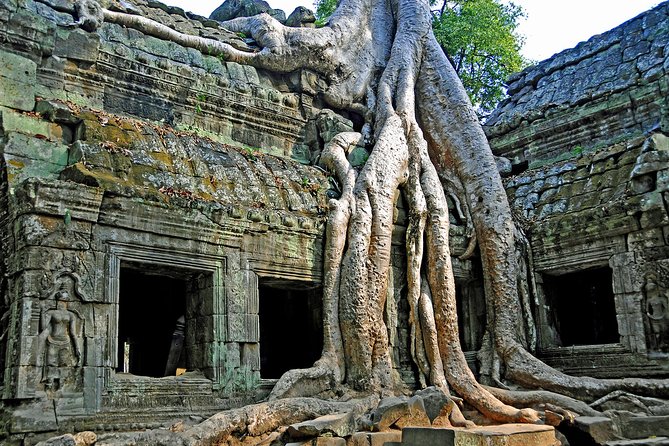
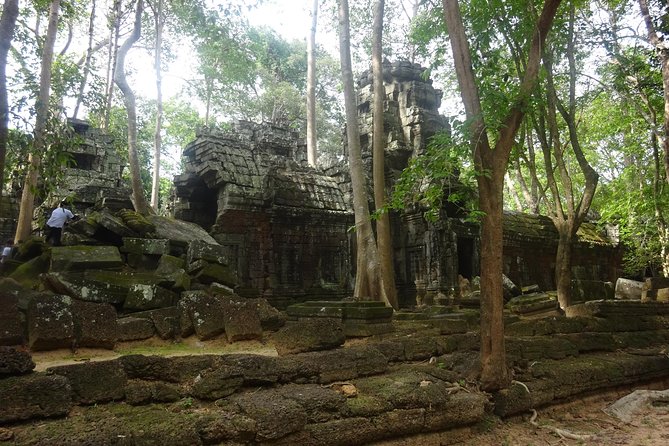
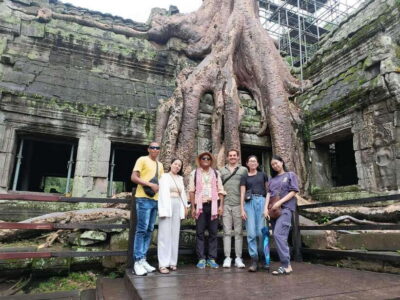
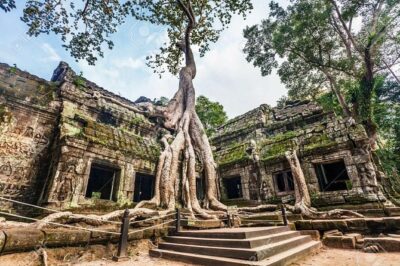
Next comes Ta Prohm, famous for the huge tree roots winding through the structures. This temple is a great reminder that Angkor wasn’t designed to feel like a museum piece. It’s lived-in—by nature as much as by people. If you like photography, this is the stop where you’ll probably want to slow down and take a few angles, not just one quick pass.
Ta Nei
Then you go to Ta Nei, a smaller temple with less restoration and a calmer vibe than the big headline sites. It’s surrounded by big trees, and it’s one of those stops that helps you catch your breath—both physically and mentally. If you’re crowd-weary, this is a welcome reset.
Angkor Thom sights: Victory Gate and Bayon
After that, the tour shifts into the heart of Angkor Thom:
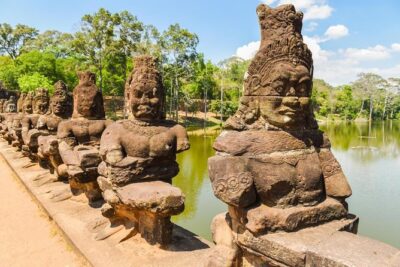
- Victory Gate on the east side (quick photo and orientation stop)
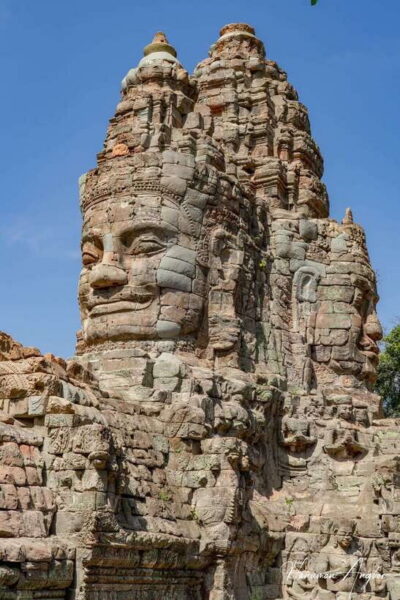
- Bayon Temple with its many faces—49 towers and four faces each
Bayon can feel overwhelming at first glance. A guide’s explanations matter here because you start recognizing patterns in the carvings and understanding how the temple connects to the city plan.
Baphuon, Phimeanakas, and the Royal Enclosure zone
From Bayon you continue to:
- Baphuon, including the reclining Buddha behind it
- Phimeanakas, a pyramid Hindu temple inside the old royal palace area
- Walk through parts of the Royal Enclosure Wall area
This part of the day is good for understanding how temple style evolved across centuries and how kings staged power through architecture.
Terrace of the Elephants and Terrace of the Leper King
Two short stops that pack in visual storytelling:
- Terrace of the Elephants, formerly used by kings to watch returning armies
- Terrace of the Leper King, nearby and often quieter
Even without deep Khmer vocabulary, you’ll likely leave these terraces with a stronger sense of how Angkor was also a cultural stage—not just a religious one.
Phnom Bakheng for sunset (optional)
Day 1 ends with Phnom Bakheng, where you can climb for sunset views. The tour notes that the number of visitors allowed is limited, so this is not a “wander up whenever” moment. If you want sunset, you’ll want to commit to the climb and follow the guide’s timing. If you don’t, you can skip the wait and conserve energy.
Day 2: Sunrise at Angkor Wat, then the Big Circuit’s signature temples
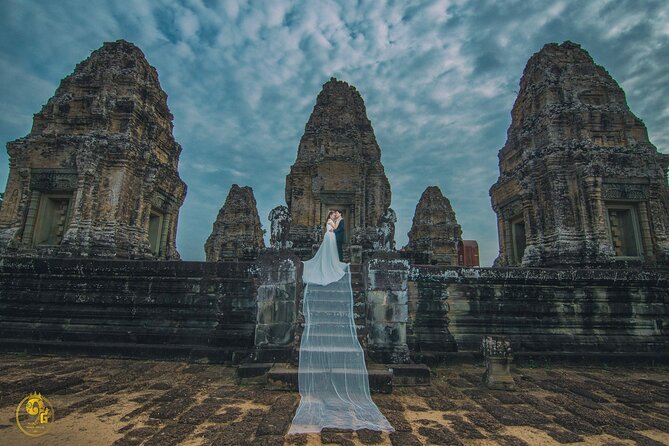
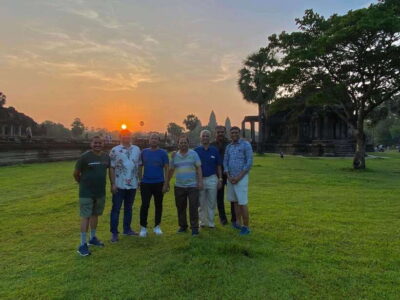
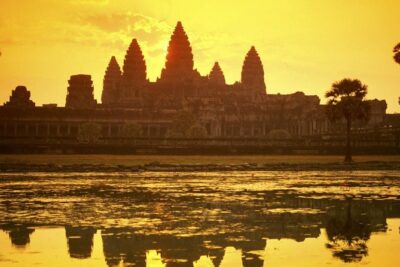
Day 2 begins with pickup at 5:00am, which feels early but is the whole point. Sunrise at Angkor Wat gives you soft light, fewer people, and a different mood than midday heat.
Angkor Wat at sunrise
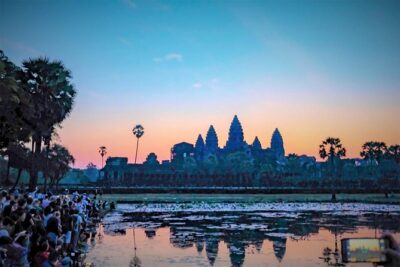
If you’ve only seen Angkor Wat in daylight, sunrise can change your understanding of the place. The temple becomes less about the scale and more about texture—stone edges, shadows, and the way the complex frames the sky.
After sunrise, you head back and grab breakfast, then continue deeper into the Big Circuit.
Preah Khan
First on the Big Circuit is Preah Khan, built by King Jayavarman VII and dedicated to his father. This is one of those temples that can surprise you because it feels less like a single postcard and more like a whole monastic environment.
Neak Pean and Ta Som
You’ll then visit:
- Neak Pean, a small island temple in the middle of a water setting
- Ta Som, a smaller but classic temple stop
These two help break up the more dramatic architecture with something quieter and more “setting-driven.” Neak Pean, in particular, is the type of place where a guide’s descriptions keep it from turning into just another ruin.
East Mebon and Pre Rup
Next comes:
- Eastern Mebon, a temple-mountain ruin rising in levels and topped with towers
- Pre Rup, a Hindu temple from the late 10th century with a name tied to a funeral belief about the body’s turning
This is another example of why the guide matters: when you understand what the temple was connected to, the carvings and layout make more sense.
Banteay Srei: the pink-sand finish that changes the vibe
After lunch, the tour shifts to Banteay Srei, often called the Ladies Temple. It’s built from pink sandstone and dates to the 10th century, created by King Rajendravarman II for dedication to the Trinity Gods (as described in the tour notes).
This stop works as a finale because it feels different from the heavier Angkor main sites. The sandstone color and the temple’s style make it feel more intricate and delicate, like you’re stepping into another layer of Khmer craft.
After Banteay Srei, you continue to more Big Circuit-adjacent temples:
- Banteay Samre (12th century), with architecture believed to follow a model like Angkor Wat
- Banteay Kdei (12th century), a Buddhist temple with structural style similarities to Ta Prohm and Bayon
By the end, you’ve gone from sunrise drama to intricate sandstone, then back into the familiar Angkor language of towers, courtyards, and carving.
Comfort and support that make the long days feel doable
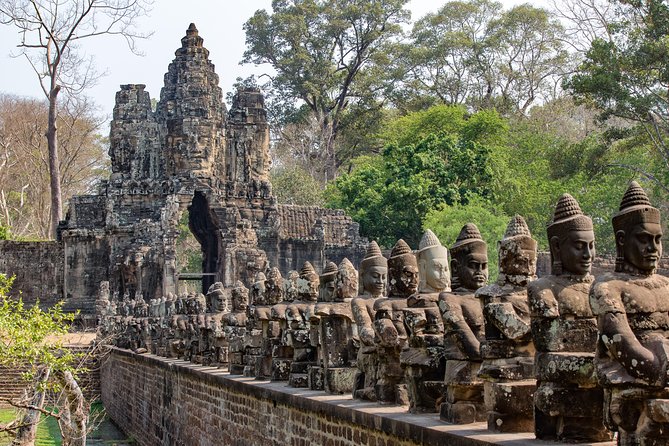
Angkor is hot, dusty, and full of steps. This tour includes the practical basics that keep you from feeling miserable in the middle of the best sights.
You’ll have:
- Air-conditioned vehicle for transfers
- Cool water at the moments you need it most
- Cold wet towels after walking segments
- A driver who waits so you’re not stuck shuffling with bags and heat
Some guides also help with the physical side in a real way—pointing out stair routes and watching your footing. That’s a big deal at Angkor where one wrong step can turn fun into a limp.
Your guide matters more than you think (and this tour takes that seriously)
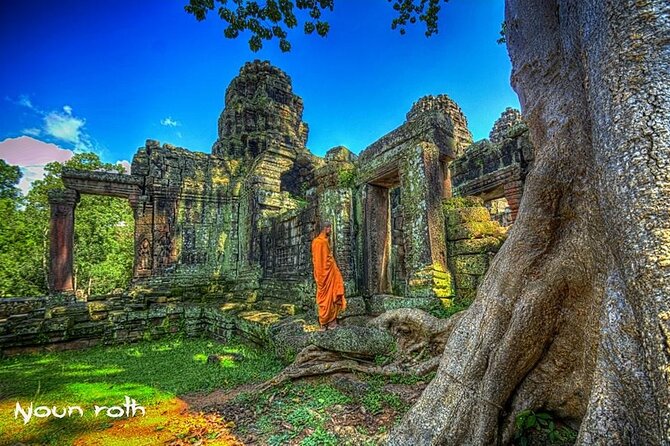
This is a private tour, and the guide is part of the value—not just a mouthpiece for facts. On tours like this, what you want is context: why a temple looks the way it does, what the symbolism is pointing to, and how the different religions played out in stone.
Guides named in the experience feedback include Jimmy, Chay, Vanna, Chandra, Thean, Mao, and Choub. Across those guides, the common theme is clear, story-based explanations and smart timing for photos and slower moments away from the busiest areas.
If you care about photography, there’s also value here. Several guides are used to taking family photos and helping people position for panoramic shots. Bring your camera curiosity, and you’ll likely use more than one angle instead of just snapping and moving on.
Pacing, crowds, and why “small vs big circuit” is more than a label
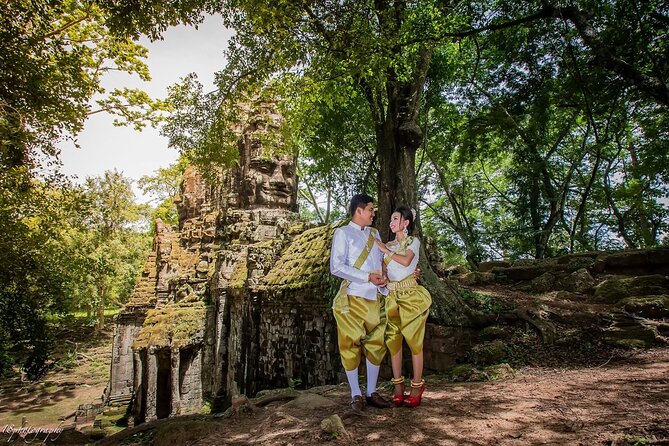
You might see Small Circuit and Big Circuit and think it’s just route math. In reality, it affects your day in a few ways:
- Small Circuit tends to hit the dramatic jungle-and-structure mix early (Ta Prohm is a huge one).
- Big Circuit then gives you the city planning and signature Angkor temple energy (Victory Gate, Bayon, Baphuon-style grandness, and more).
Splitting across two days means you don’t feel like you’re sprinting. And when you’re not sprinting, you can actually notice things: face towers, terrace carvings, and how different temples use towers and courtyards.
What to watch out for before you book
This is where I keep it real. A two-day Angkor plan like this is still physically demanding:
- There are lots of walking
- There can be climbing stairs to reach elevated temple viewpoints
- If you’re aiming for sunset at Phnom Bakheng, you’ll need to follow the timing and accept the fact that access may be limited
Also, temple admissions are separate. The $62 pass cost is easy to forget until you’re standing in the entry flow. Build your budget early so you don’t feel surprised.
Who this tour fits best
This tour makes the most sense if you:
- Want more than a checklist and prefer explanations that connect temple design to meaning
- Like the idea of sunrise at Angkor Wat with a plan already in place
- Want a private experience with a guide who can adjust pacing
- Care about comfort on long days (AC, water, wet towels)
It may not be ideal if you:
- Have mobility limitations and don’t feel comfortable with temple steps
- Hate early mornings enough that sunrise will make you miserable rather than excited
Should you book this 2-day Angkor Wat + Banteay Srei tour?
If you’re doing Siem Reap and you want the kind of Angkor experience that feels organized and human—not rushed and exhausting—this is a strong pick. The combination of Small + Big Circuit over two days, sunrise included, and a private guide/vehicle setup gives you value beyond just seeing famous temples.
Book it if you want:
- A guided story at each major stop
- Comfort tools that keep the day sane
- A final payoff at Banteay Srei with pink sandstone
Skip it or rethink it if your top priority is purely effortless sightseeing with minimal walking or if you’re sensitive to very early starts.
FAQ
Do I need to buy Angkor temple admissions separately?
Yes. The Angkor + All Temples pass costs $62 per person and is not included in the tour price.
What time is the sunrise day start?
Day 2 pickup is at 5:00am for sunrise at Angkor Wat.
When do they pick you up on Day 1?
Day 1 pickup is at 8:00am from your hotel lobby.
Is hotel pickup and drop-off included?
Yes. Pick-up and drop-off at your hotel are included.
What transportation is provided during the tour?
You’ll use a private air-conditioned vehicle with a driver.
Are meals included?
Meals are not included. Lunch is listed as about $5 per person, depending on the menu.
Is this a private tour?
Yes. It’s described as private, meaning only your group participates.
What’s the cancellation window?
You can cancel for a full refund up to 24 hours in advance of the experience start time.
More Temple Circuits Around Siem Reap
- Angkor Wat Sunrise or Sunset Tour with Guide from Siem Reap
★ 5.0 · 12,109 reviews - Siem Reap: Angkor Wat: Small-Group Sunrise or Sunset Tour
★ 5.0 · 9,444 reviews - Siem Reap: Angkor Wat 2-Day Tour with Sunrise and Sunset
★ 4.9 · 4,429 reviews - Siem Reap: Full-Day Angkor Wat Guided Tour with Sunset
★ 4.9 · 3,803 reviews - Angkor Wat Sunrise tour with Small – Group and Guide tours
★ 5.0 · 3,655 reviews
The Carvings of Banteay Srei
- Full-Day Banteay Srei & 4 Temples – Grand Tours Join-in Tour
★ 5.0 · 1,155 reviews - Siem Reap Tour: Angkor Wat Sunrise, Bayon, Ta Prohm, Banteay Srei
★ 5.0 · 931 reviews - From Siem Reap: Banteay Srei Temple & Grand 5 Temple Tour
★ 4.8 · 262 reviews - 3-Days Discovery Of Angkor: Waterfalls,Floating Village and Banteay Srei temple
★ 5.0 · 214 reviews - Banteay Srei, Kulen Waterfall & Beng Mealea Exploration
★ 5.0 · 185 reviews
Angkor Wat, a Few More Ways In
- Angkor Wat Sunrise or Sunset Tour with Guide from Siem Reap
★ 5.0 · 12,109 reviews - Siem Reap: Angkor Wat: Small-Group Sunrise or Sunset Tour
★ 5.0 · 9,444 reviews - Siem Reap: Angkor Wat 2-Day Tour with Sunrise and Sunset
★ 4.9 · 4,429 reviews - Siem Reap: Full-Day Angkor Wat Guided Tour with Sunset
★ 4.9 · 3,803 reviews - Angkor Wat Sunrise tour with Small – Group and Guide tours
★ 5.0 · 3,655 reviews
Just Added: Fresh Siem Reap Tour Reviews

Angkor Wat Temple Tours, compared.
 ★ 5.0Angkor Wat Sunrise or Sunset Tour with Guide from Siem ReapFrom $1812,109 reviews
 ★ 5.0Angkor Wat: Small-Group Sunrise or Sunset TourFrom $159,444 reviews
 ★ 4.9Angkor Wat 2-Day Tour with Sunrise and SunsetFrom $344,429 reviews
 ★ 4.9Full-Day Angkor Wat Guided Tour with SunsetFrom $153,803 reviews
 ★ 5.0Angkor Wat Sunrise tour with Small – Group and Guide toursFrom $143,655 reviews
 ★ 5.0Angkor Wat Highlights and Sunrise Guided Tour from Siem ReapFrom $233,213 reviews
 ★ 5.0Angkor Wat Sunset Small Group Tour with Lunch IncludedFrom $203,059 reviews
 ★ 5.0Full-Day Angkor Wat Sunrise Private Tour with Guide from Siem ReapFrom $602,920 reviews
Browse the lists this tour appears in