
Reviewed · ANGKOR WAT TEMPLE TOURS
3-Day Angkor Wat with All Interesting Major Temples, Banteay Srei & Beng Mealea
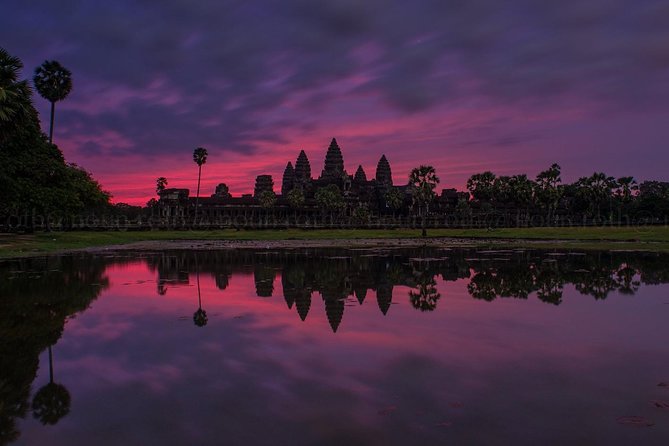
Angkor can feel like a moving puzzle of gates, crowds, and heat. This 3-day private route makes it simpler, with hotel pickup, a licensed English guide, and built-in timing for sunrise at Angkor Wat plus sunset from Phnom Bakheng.
What I like most is the way the day-by-day plan lines up the big wow moments with the calmer stops. You get personalized commentary on the temples you’re walking through, and the drive is handled for you with air-conditioned comfort, cool water, and a cool wet towel.
One thing to watch: admission fees and meals aren’t included (and Phnom Bakheng has a limited number of tourists allowed), so you’ll need to budget and follow the timing closely.
In This Review
- Key Things You’ll Actually Notice
- Three Days, Two Circuits, One Goal: See More Angkor Without Wasting Time
- Hotel Pickup, Cool Water, and a Guide Who Turns Stone Into Stories
- A note on admissions
- Day 1: Angkor Thom Big Names, Then Phnom Bakheng for Sunset Views
- Angkor Wat (start around 8:00am)
- Ta Prohm: giant roots and movie-set vibes
- Ta Nei: smaller temple, fewer crowds
- Victory Gate + Bayon’s faces
- Baphuon, Phimeanakas, and the terraces
- Phnom Bakheng for sunset (limited-entry heads-up)
- Day 2: Angkor Wat Sunrise, Then Preah Khan to Banteay Srei
- Angkor Wat sunrise (your 5:00am start)
- Preah Khan and Neak Poan: spiritual stops with atmosphere
- Ta Som and Eastern Mebon: ruins with a different scale
- Pre Rup for Hindu temple design + sunset-adjacent vibes
- Banteay Srei and the pink sandstone star
- Banteay Samre and Banteay Kdei: quieter add-ons
- Day 3: Beng Mealea’s Jungle Chaos Plus Rolous Group Temples
- Beng Mealea: nature has taken the steering wheel
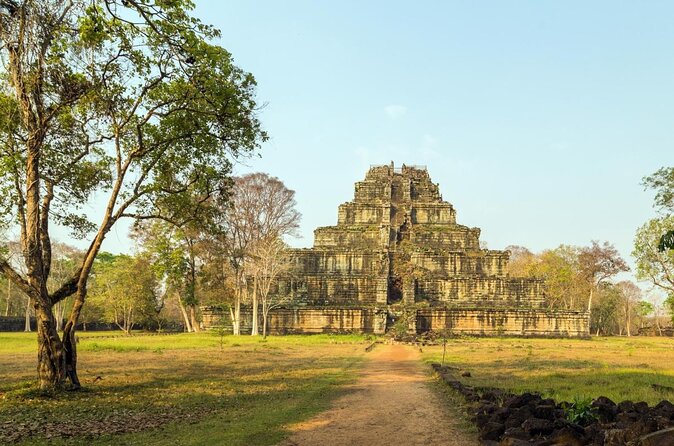
- Rolous Group: Lolei, Preah Ko, and Bakong
- Lunch stop and optional extras: Artisans Angkor and Psar Chaa
- Price and Value: What You Pay for, What You Still Need to Budget
- Is it worth it?
- My Practical Tips for Making This Tour Feel Effortless
- Should You Book This 3-Day Major Temples Tour?
- FAQ
- What does the tour include for transportation?
- Are meals included in the price?
- What time is pickup for Angkor Wat sunrise?
- Is pickup offered from my hotel?
- Are temple admission fees included?
- Which temples are included across the three days?
- Can I skip certain stops on day three?
- What is the cancellation policy?
Key Things You’ll Actually Notice
- Sunrise at Angkor Wat starts early (5:00am pickup) so you’re in position before the busiest waves
- Sunset from Phnom Bakheng gives you a scenic end to day one, with limited entry due to visitor caps
- A real temple mix: big circuit highlights plus Banteay Srei and the jungle-choked Beng Mealea
- Private comfort, not tuk-tuk roulette: hotel pickup and return each day with an air-conditioned vehicle
- You can skip optional stops like Artisans Angkor and Psar Chaa if you’re temple-focused
- Clear touring flow: guides help you understand what you’re seeing, instead of just dropping you at gates
Other ways to walk the great temple
- Angkor Wat Sunrise or Sunset Tour with Guide from Siem Reap★ 5.0 · 12,109 reviews
- Siem Reap: Angkor Wat: Small-Group Sunrise or Sunset Tour★ 5.0 · 9,444 reviews
- Siem Reap: Angkor Wat 2-Day Tour with Sunrise and Sunset★ 4.9 · 4,429 reviews
- Siem Reap: Full-Day Angkor Wat Guided Tour with Sunset★ 4.9 · 3,803 reviews
Three Days, Two Circuits, One Goal: See More Angkor Without Wasting Time
Angkor isn’t short. You can easily burn a whole day just getting from temple to temple, and that’s before you fight the midday heat. This tour’s value is that it saves you from Siem Reap traffic and navigation stress by handling transport and pickup for you. Each day starts from your hotel (or guest house) and ends back there.
The other big win is pacing. You’re not just bouncing between random ruins. Day 1 concentrates on the Angkor Thom area and the dramatic sunset plan. Day 2 is built around an early sunrise plus a sequence of smaller-circuit temples and Banteay Srei (the pink sandstone “Ladies temple”). Day 3 shifts to Beng Mealea and the Rolous Group temples.
And yes, it’s still a lot of walking. Angkor ruins are spread out, and Cambodia’s weather can get warm fast. The good news is that you’re not doing long drives on your own.
Hotel Pickup, Cool Water, and a Guide Who Turns Stone Into Stories
This is a private tour just for your group, with an English-speaking guide who’s listed as licensed. That matters because Angkor is full of repeating patterns—arches, bas-reliefs, faces, towers—and without guidance it’s easy to feel like you’re seeing the same style again and again.
The tour also includes practical comfort details. You’ll ride in an air-conditioned vehicle, with cool water and a cool wet towel available. That sounds minor until you’re on a hot road between sites, then you’re grateful you’re not improvising bottles and tissues.
From past experiences with guides on this route, names that show up include Mony, Vanna, Mr. Khmer, Mr. Thou, and Mr Chen. The common thread is how they explain the temples—religious meaning, construction choices, and what to look for in carvings and statues. One standout angle is that some guides are especially good at helping you notice the “why,” not just the “what.”
A note on admissions
Admission tickets aren’t included in the main tour price. On day one, the plan includes time to buy the temple pass along the way, but the fee for Angkor Wat plus all temples is listed separately as $62 per person. You’ll also find that meal costs (like lunch) depend on the restaurant and are listed at $5 per person.
Day 1: Angkor Thom Big Names, Then Phnom Bakheng for Sunset Views
Day 1 is your main Angkor Thom sweep—basically the core set of temples people expect from a first Angkor visit. The order is tight enough to cover key sights but not so rushed that you’re only snapping photos.
The pink sandstone carvings, a few more runs
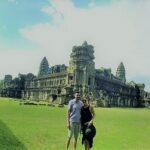
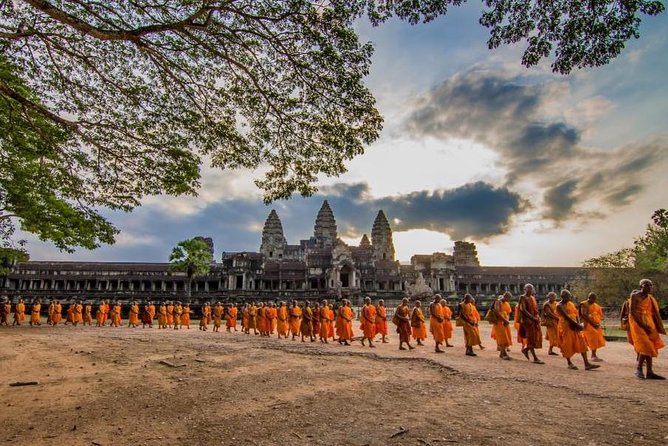
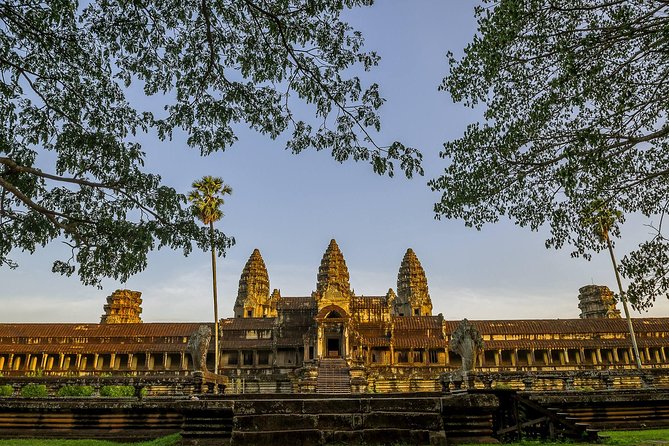
Angkor Wat (start around 8:00am)
You start later than sunrise (pickup at 8:00am), which can be a relief if you’re not in the mood for 4:00am alarms. You’ll go to get the temples pass along the way, then begin at Angkor Wat.
This timing works best if you want big visuals without the early-morning crush. Just know that Angkor Wat is still Angkor Wat—expect plenty of people.
Ta Prohm: giant roots and movie-set vibes
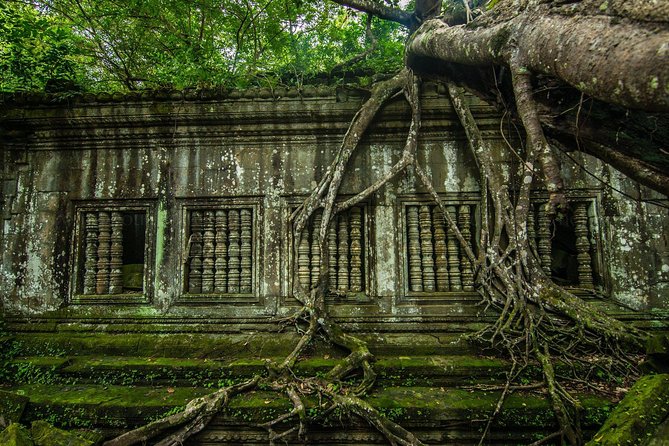
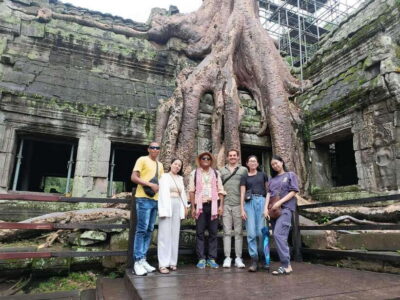
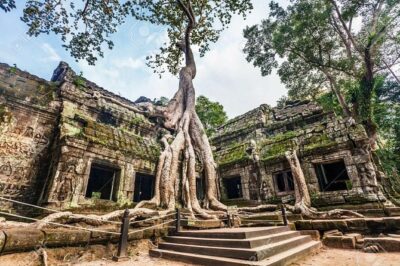
Next up: Ta Prohm. It’s famous for the massive tree roots that weave through structures, creating a “ruins swallowed by nature” feeling. The practical takeaway: go slowly. The best views are not only from the main paths. A guide can help you spot the angles where root patterns and stone details line up.
Ta Nei: smaller temple, fewer crowds
Then comes Ta Nei, which is described as smaller and with less restoration. It’s a good contrast day-to-day because you’re not fighting for space at every stop. The surrounding big trees make it feel more shaded and calm than some of the heavier-hit sites.
Victory Gate + Bayon’s faces
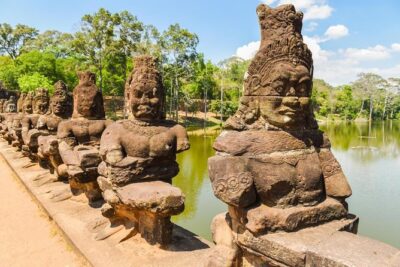
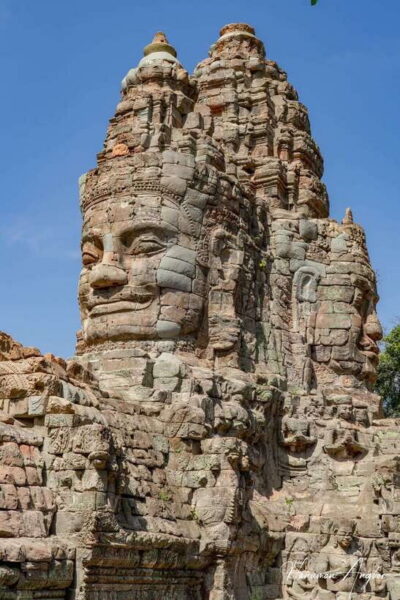
You’ll stop at the Victory Gate first (east side of Angkor Thom), then continue to Bayon Temple, famous for its 49 towers, each with four faces. That’s 196 faces in total, and the guide helps explain what you’re seeing and how the symbolism connects to the broader Angkor story.
This stop is worth it if you like details. If you just want a quick hit, it can still feel like overload. The trick is to walk, pause, and let your eyes adjust before you start photographing everything at once.
Baphuon, Phimeanakas, and the terraces
The day continues with Baphuon (with a reclining Buddha behind it built later than the original Hindu temple), then Phimeanakas, and the Terrace of the Elephants plus the Terrace of the Leper King.
These terraces help you understand Angkor as a royal and ceremonial space, not just a set of isolated buildings. Even the name stories point you toward how the Khmer elite used these areas.
Phnom Bakheng for sunset (limited-entry heads-up)
Finally, you climb Phnom Bakheng for sunset views. The tour notes that the number of tourists is limited due to visitor caps. That means you’ll want to treat timing seriously: being late is how you lose the viewpoint plan.
If you don’t want to wait, the itinerary mentions you can skip the sunset part. If you are going for sunset, pack patience. Phnom Bakheng is scenic, but it’s also a place where you feel crowds and stairs at the same time.
Day 2: Angkor Wat Sunrise, Then Preah Khan to Banteay Srei
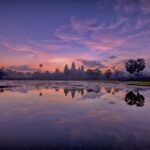
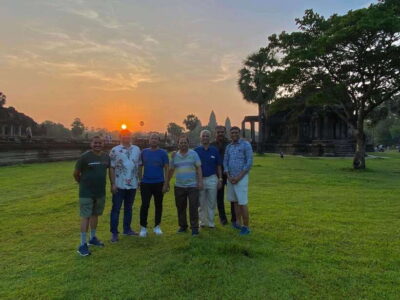
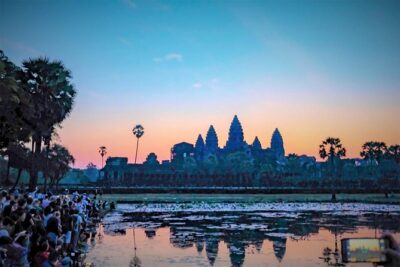
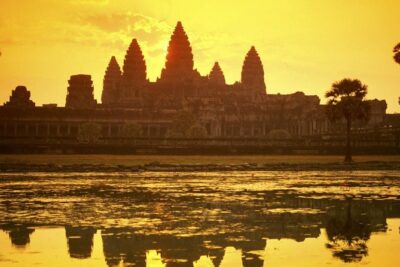
Day 2 is the early one. Pickup is at 5:00am so you can see sunrise at Angkor Wat. If you’ve ever tried to chase sunrise on your own, you know how often it turns into stress. Here, you’re given a structure that reduces the guesswork.
Angkor Wat sunrise (your 5:00am start)
The sunrise session is shorter in the schedule, about 1 hour 45 minutes. That’s usually enough to experience the moment and get oriented, without turning your day into an all-night event.
Practical thought: sunrise at Angkor Wat often becomes a photo competition. If that’s not your thing, focus on watching the light shift across the temple shapes and taking a few calm angles instead.
Preah Khan and Neak Poan: spiritual stops with atmosphere
After sunrise and breakfast, the tour goes to Preah Khan, a Buddhist temple built by King Jayavarman VII dedicated to his father. It’s a “big complex” kind of site, so expect more wandering time than you get at compact ruins.
Then you’ll head to Neak Pean, a small island temple in the middle of the last Barray. The idea here is a balance: you go from major temple space to something more delicate and contained.
Ta Som and Eastern Mebon: ruins with a different scale
Ta Som is small and Buddhist, described as a quieter stop and located on the east side of Neak Pean, with big trees nearby.
Next: Eastern Mebon, a temple-mountain ruin with three levels and crowned by five towers, plus elephant statues at corners. If you like composition, this is a good one because it’s easier to visualize from a distance than some of the tight Angkor Thom streets.
Pre Rup for Hindu temple design + sunset-adjacent vibes
Then you visit Pre Rup, a late 10th-century Hindu temple. The schedule gives about 1 hour here. It’s also the kind of site where layout matters, and a guide helps you see why the temple was built where it was and how it connected to ritual beliefs.
Banteay Srei and the pink sandstone star
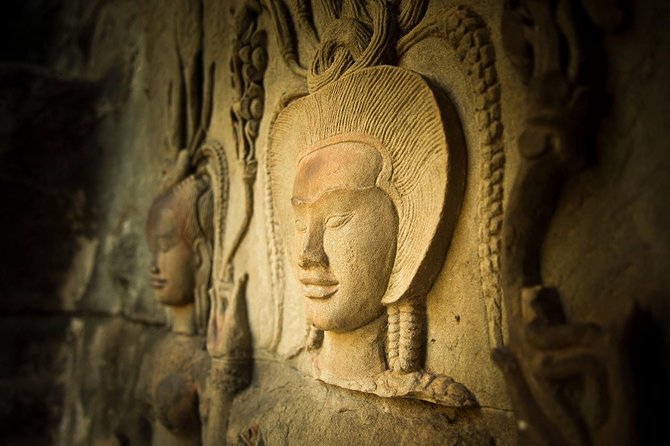
After lunch, you hit Banteay Srei, also called Ladies temple. It’s built from pink sandstone in the half of the 10th century and dedicated to trinity gods. This is often the stop where people realize Angkor Wat isn’t the only masterpiece.
Banteay Srei has an intimate feel compared with bigger complexes. That also means carvings can be more readable if you slow down. If you love details, this is the “take your time” moment of day two.
Banteay Samre and Banteay Kdei: quieter add-ons
You’ll also see Banteay Samre, built in the 12th century, and Banteay Kdei, also Buddhist and similar in style to Ta Prohm and Bayon. These stops are shorter, but they keep the day from being only one temple “kind” of experience.
If you’re tired, they can be a relief. If you’re obsessed with restoration levels, these might not feel as “wow” as Banteay Srei, but they help round out the circuit.
Day 3: Beng Mealea’s Jungle Chaos Plus Rolous Group Temples
Day 3 is where Angkor changes mood. After two days of circuits, you shift to Beng Mealea, plus the Rolous Group temples. This is a longer travel day in spirit because Beng Mealea is about 68km northeast of Siem Reap.
Beng Mealea: nature has taken the steering wheel
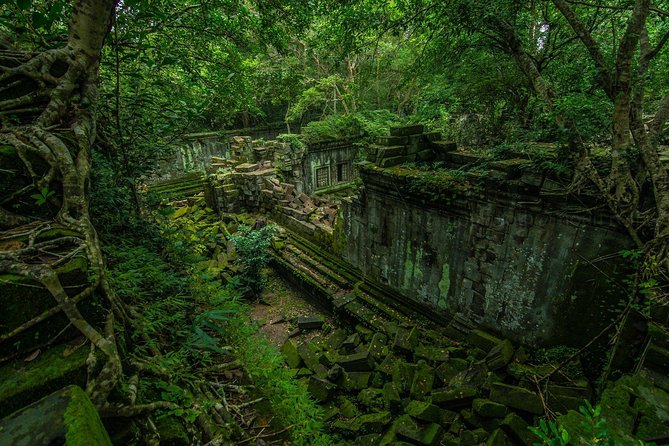
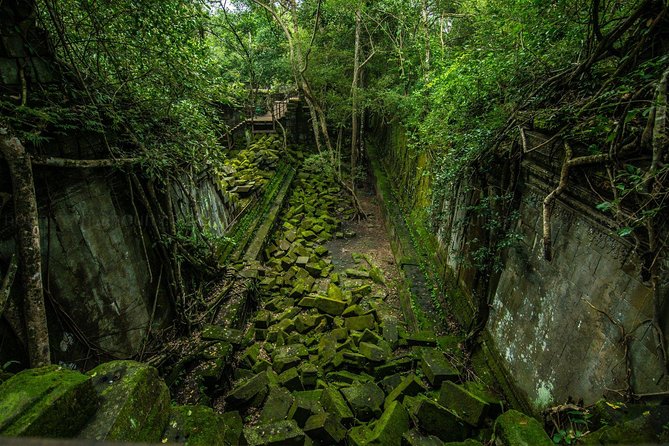
Beng Mealea is described as mysterious, with nature running riot. The stop time is 3 hours 30 minutes, which signals the tour expects you to explore slowly, not just walk past walls.
Here’s what to expect: it doesn’t have the same “polished monument” feel as the most restored sites. Instead, it feels like you’re walking through an unfinished thought—stone and roots and gaps, where you’re constantly figuring out how the spaces connect.
This stop is best for people who like a little adventure in their sightseeing. If you only want pristine structure and clean paths, Beng Mealea might feel messy. But if you enjoy the raw atmosphere, it can be the highlight.
Rolous Group: Lolei, Preah Ko, and Bakong
After Beng Mealea, you visit Lolei and Preah Ko, smaller Hindu temples located in the cluster of Rolous Group. Then you move to Bakong, described as the first temple mountain of sandstone constructed by Khmer rulers and the biggest temple in the cluster.
Bakong gives you that “big picture” understanding of how Khmer temple design works across sites. It’s also a good contrast after the tangled feel of Beng Mealea.
Lunch stop and optional extras: Artisans Angkor and Psar Chaa
Lunch is built in with a break at a good restaurant along the way. After that, you have optional stops:
- Artisans Angkor, focused on traditional craft skills and products like stone carving, wood carving, lacquering, gilding, and silk processing.
- Psar Chaa (Old Market) in the center of Siem Reap.
You can skip both if you’re temple-only. If you do go, treat them as short breaks, not as the reason you booked the tour.
Price and Value: What You Pay for, What You Still Need to Budget
The tour price is $261 per person, and it’s booked about 21 days in advance on average. That timing note matters because early planning helps with sunrise and sunset logistics.
So what does $261 cover?
- Private, air-conditioned transport
- Hotel pickup and drop-off each day
- An English-speaking licensed guide
- Cool water and cool wet towel
- Parking fees and road tolls
What it doesn’t cover:
- Admission tickets (Angkor Wat + all temples listed at $62 per person)
- Meals (lunch is listed as $5 per person, and the menu depends on the restaurant)
Is it worth it?
If you’re thinking of DIY-ing, this price starts to look fair fast. Paying for a driver by the day, sorting out temple timing, and managing the chaos of pass logistics can add up. The tour bundles the driving and the interpretation, which is what most people end up wanting on the ground.
Also, you’re getting an intentional mix: sunrise, sunset, big complexes, and the jungle oddball of Beng Mealea. That kind of spread is harder to assemble on your own without planning headaches.
My Practical Tips for Making This Tour Feel Effortless
Here are the small things that help you get more from a schedule like this:
Go early, but don’t overpack your day. Sunrise is at 5:00am pickup day two, and Phnom Bakheng has limited entry. These are the two moments where you’ll feel the payoff for following the plan.
Budget for admissions upfront. Since temple fees are not included, add the $62 per person to your mental number before you compare options. It keeps you from doing that mid-trip surprise math.
Use the cool water and wet towel. It’s included for a reason. Drink water even when you don’t feel thirsty.
Plan for heat and foot fatigue. The stops are long enough that you’ll want shoes that handle uneven stone and stairs. Think grippy soles over slick sandals.
Let your guide help you decide where to slow down. With sites like Ta Prohm, Bayon, and Banteay Srei, the best experience often comes from lingering on details rather than sprinting from gate to gate.
If you want less crowds, you already have built-in breaks. Ta Nei is described as a way to avoid crowds, and some stops are shorter and quieter by design.
Should You Book This 3-Day Major Temples Tour?
Book it if you want a structured Angkor experience that covers the major sights without you playing map games. This tour is especially good for:
- First-time Angkor visitors who want sunrise at Angkor Wat and sunset at Phnom Bakheng
- People who value a guide’s explanations of carvings, towers, and temple meaning
- Anyone who’d rather spend energy looking at temples than negotiating roads
Skip or reconsider if:
- You’re allergic to early mornings. The 5:00am start is real.
- You want total flexibility to change plans on the fly. This itinerary is packed by design, even if there are optional stops on day three.
If your goal is to see the key temples with less stress and better context, this is a strong match. The mix of Angkor Thom, Banteay Srei, and Beng Mealea gives you both the famous icons and the wilder side of the region.
FAQ
What does the tour include for transportation?
You get an air-conditioned vehicle, plus cool water and a cool wet towel. The tour includes hotel pickup and drop-off in Siem Reap each day, and it also covers parking fees and road tolls.
Are meals included in the price?
Meals are not included. Lunch is listed as depending on the food in the menu for about $5.00 per person.
What time is pickup for Angkor Wat sunrise?
On day two, pickup is at 5:00am to watch the sunrise at Angkor Wat.
Is pickup offered from my hotel?
Yes. The tour includes pick-up and drop-off at your hotel (or guest house).
Are temple admission fees included?
No. The admission fee for Angkor Wat plus all temples is listed as $62.00 per person, and it is not included in the tour price.
Which temples are included across the three days?
Day 1 focuses on Angkor Wat, Ta Prohm, Ta Nei, Victory Gate, Bayon, Baphuon, Phimeanakas, the Terrace of the Elephants, the Terrace of the Leper King, and Phnom Bakheng. Day 2 includes Angkor Wat (sunrise), Preah Khan, Neak Pean, Ta Som, Eastern Mebon, Pre Rup, Banteay Srei, Banteay Samre, and Banteay Kdei. Day 3 includes Beng Mealea and Rolous Group temples such as Lolei, Preah Ko, and Bakong.
Can I skip certain stops on day three?
Yes. The itinerary lists Artisans Angkor and Psar Chaa (Old Market) as optional, and you can skip them.
What is the cancellation policy?
Cancellation is free up to 24 hours in advance of the experience start time for a full refund. If you cancel less than 24 hours before, the amount paid is not refunded.
Into the Jungle at Beng Mealea
- Siem Reap: Kulen Mountain, Beng Mealea and Tonle Sap Tour
★ 5.0 · 1,483 reviews - Kulen Mountain with Beng Mealea and Tonle Sap Small Group Tour
★ 5.0 · 780 reviews - Koh Ker Temple Group & Beng Mealea Full-Day Join-in Tour
★ 5.0 · 710 reviews - From Siem Reap: Koh Ker and Beng Mealea Temples Tour
★ 4.9 · 293 reviews - Banteay Srei, Kulen Waterfall & Beng Mealea Exploration
★ 5.0 · 185 reviews
The Carvings of Banteay Srei
- Full-Day Banteay Srei & 4 Temples – Grand Tours Join-in Tour
★ 5.0 · 1,155 reviews - Siem Reap Tour: Angkor Wat Sunrise, Bayon, Ta Prohm, Banteay Srei
★ 5.0 · 931 reviews - 2-Day Angkor Wat With Small, Big Circuit and Banteay Srei Tour
★ 5.0 · 545 reviews - From Siem Reap: Banteay Srei Temple & Grand 5 Temple Tour
★ 4.8 · 262 reviews - 3-Days Discovery Of Angkor: Waterfalls,Floating Village and Banteay Srei temple
★ 5.0 · 214 reviews
Angkor Wat, a Few More Ways In
- Angkor Wat Sunrise or Sunset Tour with Guide from Siem Reap
★ 5.0 · 12,109 reviews - Siem Reap: Angkor Wat: Small-Group Sunrise or Sunset Tour
★ 5.0 · 9,444 reviews - Siem Reap: Angkor Wat 2-Day Tour with Sunrise and Sunset
★ 4.9 · 4,429 reviews - Siem Reap: Full-Day Angkor Wat Guided Tour with Sunset
★ 4.9 · 3,803 reviews - Angkor Wat Sunrise tour with Small – Group and Guide tours
★ 5.0 · 3,655 reviews
Just Added: Fresh Siem Reap Tour Reviews

Angkor Wat Temple Tours, compared.
 ★ 5.0Angkor Wat Sunrise or Sunset Tour with Guide from Siem ReapFrom $1812,109 reviews
 ★ 5.0Angkor Wat: Small-Group Sunrise or Sunset TourFrom $159,444 reviews
 ★ 4.9Angkor Wat 2-Day Tour with Sunrise and SunsetFrom $344,429 reviews
 ★ 4.9Full-Day Angkor Wat Guided Tour with SunsetFrom $153,803 reviews
 ★ 5.0Angkor Wat Sunrise tour with Small – Group and Guide toursFrom $143,655 reviews
 ★ 5.0Angkor Wat Highlights and Sunrise Guided Tour from Siem ReapFrom $233,213 reviews
 ★ 5.0Angkor Wat Sunset Small Group Tour with Lunch IncludedFrom $203,059 reviews
 ★ 5.0Full-Day Angkor Wat Sunrise Private Tour with Guide from Siem ReapFrom $602,920 reviews
Browse the lists this tour appears in