
Reviewed · ANGKOR TEMPLE TOURS
3-Day Taxi Tour: Small Tour, Big Tour & Outside Tour By English Speaking Driver
Three days. One calm plan with an English driver. This private taxi tour strings together the major Angkor highlights and the outside sights, with pickup and drop-off plus an air-conditioned car that keeps you comfortable between temples. I especially like having a driver who can explain what you’re seeing in clear English, and the daily extras like cool water and towels.
The main thing to consider is cost beyond the tour price: key temple and park items are not included, including the Kulen Mountain pass and the Tonlé Sap private boat ticket. Also, the schedule is full, and the sunrise option at Angkor Wat means an early start (they suggest leaving around 4:40 am).
In This Review
- Key points before you go
- How the private taxi setup changes your Angkor days
- Day 1 at Angkor Thom: South Gate to sunset at Phnom Bakheng
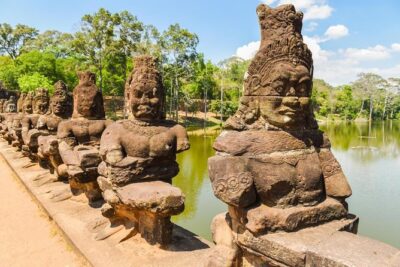
- South Gate: entering the last Khmer capital
- Bayon Temple: the faces at the center
- Baphuon: a three-tier mountain and Shiva connections
- Terrace of the Elephants and Terrace of the Leper King
- Angkor Archaeological Park lunch break
- Angkor Wat: the big finish before sunset
- Phnom Bakheng sunset option: timing depends on weather
- Day 2 outside Angkor: Banteay Srei, Phnom Kulen, and Tonlé Sap
- Banteay Srei: delicate Shiva temple stonework
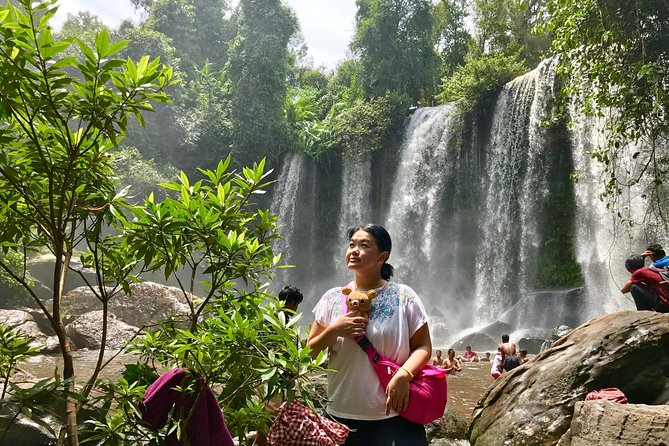
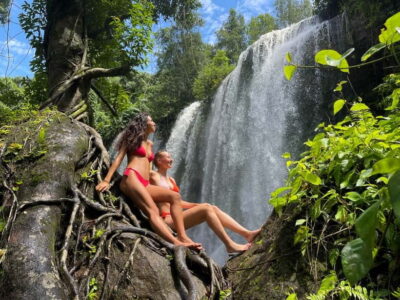
- Phnom Kulen National Park: reclining Buddha, waterfall, and Shiva lingas
- Lunch break and then Tonlé Sap on a private boat
- Day 3 Angkor’s small-loop temples plus the sunrise timing
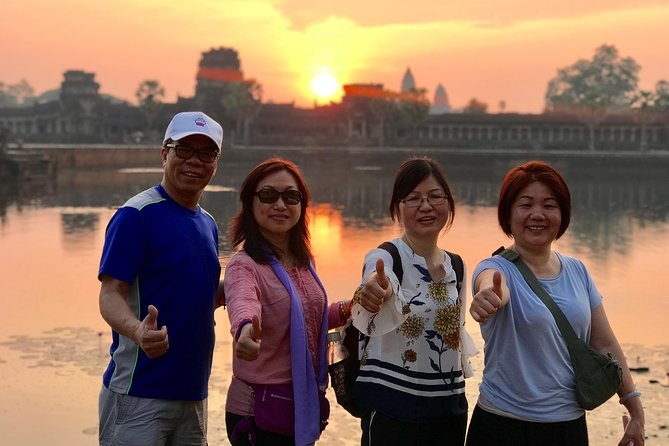
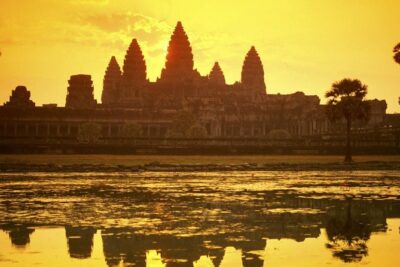
- Angkor Wat at sunrise: pack breakfast and plan for an early start
- Ta Prohm: the temple people remember
- Pre Rup and Eastern Mebon: temple-mountains with structure
- Ta Som and Neak Pean: smaller temples, quieter flow
- Preah Khan: a bigger finale beyond the usual highlights
- Price and logistics: what you pay, what you still need to budget
- What’s included in the value
- What’s not included (and how it affects your total)
- Timing, comfort, and the kind of flexibility that matters
- Stop-by-stop reality check: what you’ll like (and what might wear you down)
- Practical tips I’d follow on this route
- Should you book this 3-Day Taxi Tour?
- FAQ
- Are temple admission tickets included in the price?
- Does this tour include a pickup and drop-off?
- Is the driver able to speak English?
- What’s included for comfort during the drive?
- What costs are not included for Day 2 and the outside sights?
- Is there a sunrise option at Angkor Wat?
- Is the tour private or shared?
- What is the cancellation window?
Key points before you go
- English-speaking driver, licensed service: smooth communication and practical on-the-ground guidance.
- Big Day 1 + outside Day 2: you see Angkor Thom and Bayon faces, then step beyond Angkor with Kulen and Tonlé Sap.
- A true private setup: it’s only your group, so you can move at a sensible pace.
- Comfort touches built in: air-conditioning, cool bottled water, and towels.
- Sunrise is optional but planned: the tour includes the early Angkor Wat timing suggestion.
- Passes and food are extra: temple/park/boat tickets plus meals should be budgeted.
More temple circuits, set side by side
- Angkor Wat Sunrise or Sunset Tour with Guide from Siem Reap★ 5.0 · 12,109 reviews
- Siem Reap: Angkor Wat: Small-Group Sunrise or Sunset Tour★ 5.0 · 9,444 reviews
- Siem Reap: Angkor Wat 2-Day Tour with Sunrise and Sunset★ 4.9 · 4,429 reviews
- Siem Reap: Full-Day Angkor Wat Guided Tour with Sunset★ 4.9 · 3,803 reviews
How the private taxi setup changes your Angkor days
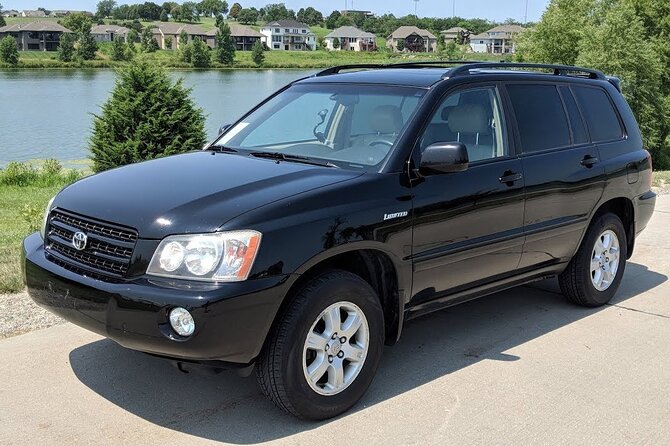
If you want Angkor without the stress of figuring out transport and timing, this style of private taxi tour is a strong fit. You’re not trying to squeeze everything into whatever seats are available on a shared bus. You have a driver and a route, and the car is close when you need breaks.
The biggest quality-of-life win here is the English-speaking part. Instead of just looking at stone and guessing, you get explanations that connect the temples to the Khmer kings and the religious shifts behind them. That matters at Angkor, where names sound similar and dates can blur. A good driver helps you keep the story straight.
Comfort also gets real emphasis. You’re in an air-conditioned vehicle between sites, and the tour includes cool bottled water and towels. In the heat, that can be the difference between enjoying the day and feeling drained by midday.
The best use-case is simple: you want a packed-but-managed three days, with flexibility if you need small adjustments. This kind of service is especially useful if your group has mixed energy levels, kids, or anyone who doesn’t want to do it all solo.
Day 1 at Angkor Thom: South Gate to sunset at Phnom Bakheng
Day 1 is built around the heart of Angkor Thom, and it moves in a logical order: arrive at the south gate, work through the ceremonial center, then finish at Angkor Wat and end with sunset if the day cooperates.
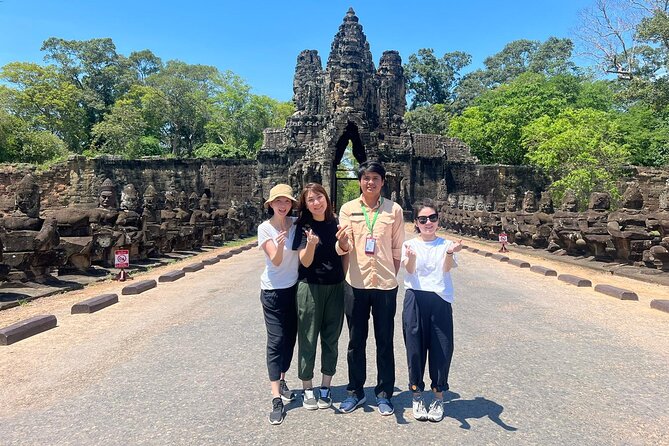
South Gate: entering the last Khmer capital
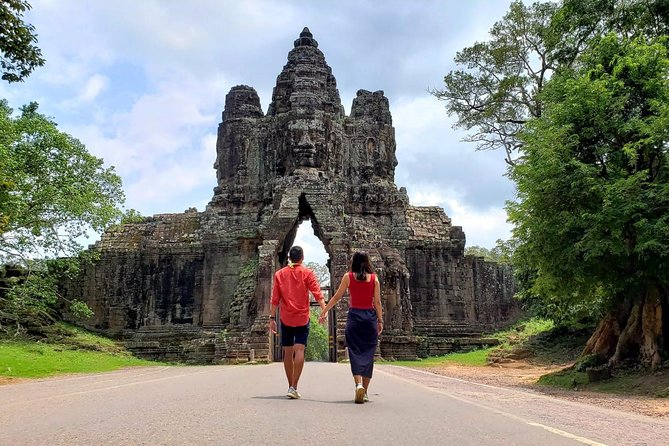
You start at the Angkor Thom South Gate. It’s not just a dramatic entry point; it sets the tone. Angkor Thom was the last and most enduring capital city of the Khmer Empire, founded in the late 12th century by King Jayavarman VII. Even if you’re not a history person, it helps to have that context before you start walking.
This stop is short, around 15 minutes, so treat it like your orientation moment.
Bayon Temple: the faces at the center
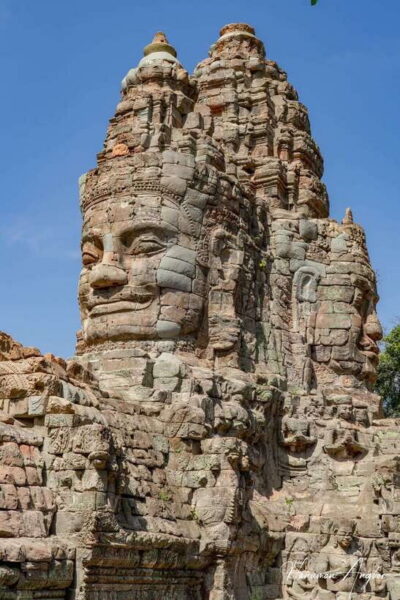
Next comes Bayon Temple, the centerpiece of Jayavarman VII’s capital. The temple’s identity is easy to spot—its famous richly decorated design is built around Buddhist state worship during his reign, and Bayon sits right at the center of Angkor Thom. Expect around 45 minutes here.
This is one of the best places to slow down. If the light is right, the carvings and towers read much clearer. It also helps to know you’re looking at a Mahayana Buddhist royal temple, not simply a random collection of ruins.
More time at the temples, spread over days

Baphuon: a three-tier mountain and Shiva connections
Then you move to Baphuon Temple. This is about contrast: Bayon is deeply detailed and face-driven; Baphuon feels more like a temple-mountain, built in the mid-11th century and dedicated to Shiva. The stop is about 30 minutes.
Since Baphuon sits northwest of Bayon within Angkor Thom, it’s also a good breather from the heaviest crowds, depending on the day’s flow.
Terrace of the Elephants and Terrace of the Leper King
After that, you visit two “story terraces” inside the walled city:
- Terrace of the Elephants (about 15 minutes): associated with Jayavarman VII, used as a platform to view his victorious returning army.
- Terrace of the Leper King (about 15 minutes): built in a Bayon style, with its modern name tied to a sculpture found in the 15th century.
These stops are brief, but they add personality. Instead of only viewing temples as objects, you start seeing how rulers used architecture for public display and power.
Angkor Archaeological Park lunch break
There’s a planned break for lunch after the Angkor Thom portion, with time around an hour. The tour notes a driver-led lunch at a local Cambodian restaurant. I like this structure because you’re not guessing where to eat between temple sections.
Practical tip: choose a simple meal and refill before you tackle Angkor Wat. When your schedule is tight, you don’t want to lose time to long waits or overly adventurous food choices.
Angkor Wat: the big finish before sunset
After lunch, you head to Angkor Wat, around 1.5 hours. This is the world’s largest religious monument, spanning about 162.6 hectares. It was originally constructed as a Hindu temple dedicated to Vishnu for the Khmer Empire, which gives you a helpful anchor: this place isn’t just visually stunning; it’s historically layered.
Give yourself time to walk at least a couple of the main areas rather than rushing straight to the most photographed views. Even with a driver, you’ll feel best if you’re not sprinting.
Phnom Bakheng sunset option: timing depends on weather
The day can end with Phnom Bakheng for sunset, if weather allows and you’re not too tired. The tour states you stay on the hilltop for about two hours.
This is where the “small tour, big tour, outside tour” idea makes sense. Day 1 is the big Angkor focus; sunset is the emotional payoff. If you’re heat-sensitive or prone to long stair fatigue, this is the one segment you might skip to protect your Day 2 energy.
Day 2 outside Angkor: Banteay Srei, Phnom Kulen, and Tonlé Sap
Day 2 steps beyond central Angkor and brings you into Khmer landscapes and everyday life around Siem Reap.
Banteay Srei: delicate Shiva temple stonework
You start with Banteay Srei, a 10th-century temple dedicated to Shiva, about 45 minutes. This is typically where people feel the temples look slightly different—more fragile-looking stone details and a different vibe than the larger Angkor complexes.
It’s a good “gear shift” after Angkor Thom and Angkor Wat, especially if you’re temple-fatigued by the end of Day 1.
Phnom Kulen National Park: reclining Buddha, waterfall, and Shiva lingas
Next is Phnom Kulen National Park, around two hours. Here the tour highlights three key elements:
- a huge reclining Buddha stone statue built in the 16th century
- the largest waterfall in Cambodia
- a river described as a thousand Shiva lingas, treated as a holy river for Khmer people
This is the day for sacred, natural, and spiritual stops mixed together. Waterfalls and holy-water-style areas can also be slippery and busy, so plan for slow steps and secure footwear.
One note from the schedule: there’s also time for stops on the way, but the description is cut off. Still, the shape of the day is clear—you’re not rushing straight from one viewpoint to another. You’re building time for the major set pieces.
Lunch break and then Tonlé Sap on a private boat
After Kulen, there’s another lunch break (about an hour) with a local taxi driver taking you to eat Cambodian food at a local restaurant.
Then you head to Tonlé Sap Lake and join a private boat tour to the floating village area. The tour mentions this as the largest freshwater lake in Southeast Asia and notes that the best time to tour is during the rainy season, especially from August to February.
The value here is variety. You’ve spent two days with stone temples and ceremonial architecture. Tonlé Sap shifts you to a different kind of Cambodia—living communities shaped by the water season. It also adds a memorable contrast to the Angkor circuit: you’ll leave the lake with photos that don’t all look like the same temple angle.
Day 3 Angkor’s small-loop temples plus the sunrise timing
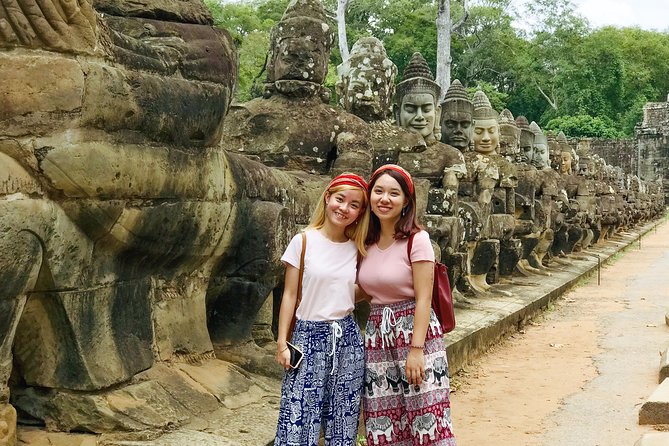
Day 3 is a classic “smaller circuit” style set of temples north and east of Angkor Thom, with a sunrise option built in at Angkor Wat.
Angkor Wat at sunrise: pack breakfast and plan for an early start
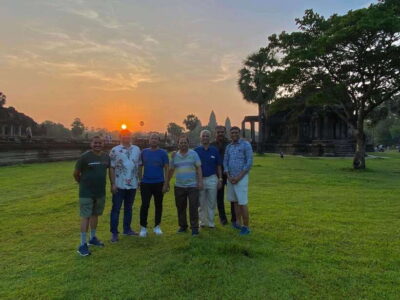
The schedule advises asking your hotel to pack your breakfast because you won’t return to the hotel until the temple trip ends. For sunrise, they recommend leaving around 4:40 am to see sunrise at Angkor Wat.
Even if you’re not chasing sunrise like a sport, this timing is useful. Early light makes stone details easier to read, and you get a calmer start before heat and crowds fully kick in.
Treat this portion as a commitment. If your group wants a slower pace, you can ask about adjusting the early start, but the plan is clearly built around that morning window.
Ta Prohm: the temple people remember
Next is Ta Prohm, about one hour. It’s famous for how it looks today and for how it was originally known: Rajavihara, built largely in the late 12th and early 13th centuries and associated with Bayon style.
Ta Prohm is often the stop people say feels like a movie set. Even if that sounds cliché, the reason is straightforward: the setting makes the temple feel alive, and the blend of stone and surrounding growth changes how you experience the ruins. Plan time here—don’t treat it like a quick photo stop.
Pre Rup and Eastern Mebon: temple-mountains with structure
You then visit Pre Rup (about 35 minutes). This temple is a state temple for Khmer King Rajendravarman and dedicated to Hindu worship. It’s described as a temple mountain made from brick, laterite, and sandstone.
After that comes Eastern Mebon (about 30 minutes), built during Rajendravarman’s reign. It once stood on an artificial island at the center of the now-dry East Baray reservoir, which gives it a different perspective than temples sitting on dry ground.
Ta Som and Neak Pean: smaller temples, quieter flow
Then you go to Ta Som (about 25 minutes), a smaller temple built at the end of the 12th century for Jayavarman VII, dedicated to his father Dharanindravarman II.
After that, Neak Pean (about 25 minutes) is next. It’s an artificial island with a Buddhist temple on a circular island in Jayatataka Baray, associated with Preah Khan temple and described as the Mebon of the Preah Khan baray.
This is where the day often feels less hectic. If you’ve been temple-hopping for three straight days, these stops help reset your eyes and your legs.
Preah Khan: a bigger finale beyond the usual highlights
Day 3 ends at Preah Khan, about one hour. It was built in the 12th century for Jayavarman VII to honor his father, and it sits northeast of Angkor Thom tied into the Jayatataka baray complex.
Even without extra commentary, the shape and scale make it a satisfying closing temple—big enough to feel important, but not always treated as the only option like some Angkor names.
Price and logistics: what you pay, what you still need to budget
The tour price is listed at $226 for roughly 3 days of private taxi service. On paper, it looks simple, but the real value is in what that covers and what it doesn’t.
What’s included in the value
You get:
- Professional English-speaking driver with license
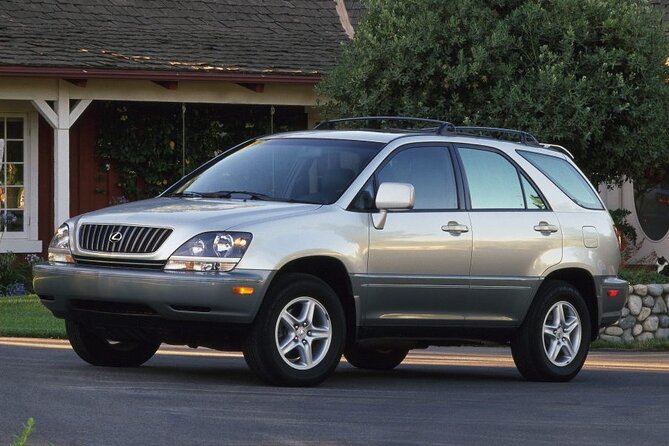
- Private air-conditioned transport
- Cool bottled water and towels
- Hotel pick-up and drop-off
These are the core things that actually reduce friction. Temple days in Siem Reap are hot, and roads can be unpredictable. Paying for comfortable transport and clear communication means you spend your energy on the sites, not on logistics.
Also, the provider notes safety measures like fully vaccinated drivers, which is a comfort factor when you’re traveling.
What’s not included (and how it affects your total)
Temple and park items aren’t included. You should budget:
- Kulen Mountain National Park pass: $20 per person
- Tonlé Sap pass with private boat ride: $15 per person
- Food and beverage
Since those are per-person costs, your total depends on group size. Still, the structure is straightforward: the tour handles transport and time, and you handle ticket/food spending.
My advice: plan to carry some cash so you can handle passes quickly without hunting around last-minute.
Timing, comfort, and the kind of flexibility that matters
A three-day temple plan only works if it stays realistic. One of the best parts of this kind of service is how the driver supports your pacing, not just your route.
In practice, the schedule is dense but not chaotic. You’ll hit major Angkor Thom anchors on Day 1, then you get an outside day with different scenery, and Day 3 finishes with a focused set of temples. The stops also have set time blocks (15 to 45 minutes on most sites), so you’re not guessing how long you’re stuck somewhere.
Comfort touches are also consistent. The tour includes water and towels, and the overall tone from the service style is refreshment-focused—important in Siem Reap heat. If you’re prone to headaches or fatigue, this kind of built-in hydration matters more than you’d think.
Flexibility is another big deal. The service approach is described as flexible and friendly, and in a three-day plan, “small changes” can mean the difference between a good day and a miserable one. If it’s raining, you may appreciate having a driver who can adapt without turning everything into a scramble.
Stop-by-stop reality check: what you’ll like (and what might wear you down)
Here’s the honest trade-off. This tour aims to show a lot, and that means you’ll spend several hours each day in transit or standing/walking around ruins. You’ll likely love it if:
- you want a planned route without the hassle of self-driving
- you care about understanding what you’re seeing (English explanations)
- you want Angkor plus at least one strong outside day
You might find it less ideal if:
- you need lots of downtime in the middle of the day
- your group struggles with early starts (sunrise at Angkor Wat is scheduled by recommendation)
- you’re looking for a slow, casual day with minimal walking
Practical tips I’d follow on this route
To make the most of these days, I’d plan around three realities: heat, walking, and tickets.
- Dress for temples: cover shoulders and knees. You’ll be in stone courtyards, not beach mode.
- Wear shoes with grip: some paths at temple complexes can be uneven.
- Use lunch breaks strategically: eat something not too heavy, refill water, and rest your feet.
- Ask your hotel about sunrise packing: the tour specifically suggests breakfast packing since you won’t return until later.
- Bring a little extra cash: park passes and the Tonlé Sap boat ticket aren’t included, and food is on you.
Should you book this 3-Day Taxi Tour?
If your goal is to see Angkor’s core sites plus the outside highlights around Siem Reap, this tour is a solid choice. You’re getting private transport, an English-speaking driver, and comfort extras that keep the days manageable. The route also avoids the classic mistake of doing only Angkor and never seeing Tonlé Sap or Kulen.
Book it if you like structure but still want a driver who can help your day run smoothly. I’d especially recommend it for couples, families, and small groups who want the story behind temples without hiring multiple guides.
Skip or modify it if your group prefers a slower pace, hates early mornings, or you don’t want to handle extra per-person passes and meals.
FAQ
Are temple admission tickets included in the price?
No. The Angkor and other temple site admissions are not included, along with the specific park/boat passes listed separately.
Does this tour include a pickup and drop-off?
Yes. Hotel pick-up and drop-off are included.
Is the driver able to speak English?
Yes. The service includes an English-speaking driver who can communicate well during the tour.
What’s included for comfort during the drive?
The tour includes an air-conditioned vehicle, cool bottled water, and towels.
What costs are not included for Day 2 and the outside sights?
You’ll pay extra for the Kulen Mountain National Park pass (listed at $20 per person) and the Tonlé Sap pass with the private boat ride (listed at $15 per person). Food and beverage are also not included.
Is there a sunrise option at Angkor Wat?
The plan recommends an early departure around 4:40 am for sunrise at Angkor Wat, and it notes you should ask your hotel to pack breakfast because you won’t return until the temple trip ends.
Is the tour private or shared?
It’s private. Only your group participates.
What is the cancellation window?
Free cancellation is available up to 24 hours in advance for a full refund.
Smooth Arrivals and Rides
- Siem Reap: Apsara Show Including Dinner & Hotel Pickup
★ 4.6 · 615 reviews - Siem Reap: Apsara Dance Show and Dinner with Hotel Pickup
★ 4.6 · 425 reviews - Siem Reap Angkor Airport Taxis (from Airport to Hotel)
★ 5.0 · 332 reviews - Siem Reap to Phnom Penh by Private Car or Minivan
★ 5.0 · 189 reviews - Siem Reap: Dinner and Traditional Show with Hotel Transfer
★ 4.1 · 172 reviews
More Days at the Temples
- Siem Reap: Angkor Wat 2-Day Tour with Sunrise and Sunset
★ 4.9 · 4,429 reviews - Angkor 2-Day Sunset & Sunrise Small-Group Tour
★ 5.0 · 2,567 reviews - 2 Days Exclusive Temple Highlights with Sunset and Sunrise Tour
★ 5.0 · 1,157 reviews - Siem Reap: Angkor Sunrise 1- or 2-Day Guided Temples Tour
★ 4.9 · 1,132 reviews - 2 Days Guided Historical Tour in Angkor
★ 5.0 · 855 reviews
More Temple Circuits Around Siem Reap
- Angkor Wat Sunrise or Sunset Tour with Guide from Siem Reap
★ 5.0 · 12,109 reviews - Siem Reap: Angkor Wat: Small-Group Sunrise or Sunset Tour
★ 5.0 · 9,444 reviews - Siem Reap: Angkor Wat 2-Day Tour with Sunrise and Sunset
★ 4.9 · 4,429 reviews - Siem Reap: Full-Day Angkor Wat Guided Tour with Sunset
★ 4.9 · 3,803 reviews - Angkor Wat Sunrise tour with Small – Group and Guide tours
★ 5.0 · 3,655 reviews
Just Added: Fresh Siem Reap Tour Reviews

Angkor Temple Tours, compared.
 ★ 5.0Angkor Wat Sunrise or Sunset Tour with Guide from Siem ReapFrom $1812,109 reviews
 ★ 5.0Angkor Wat: Small-Group Sunrise or Sunset TourFrom $159,444 reviews
 ★ 4.9Angkor Wat 2-Day Tour with Sunrise and SunsetFrom $344,429 reviews
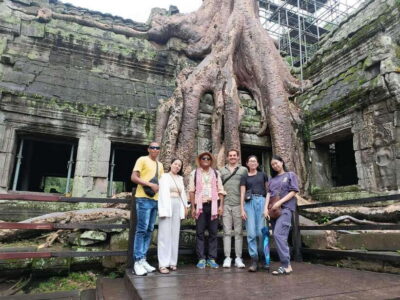 ★ 4.9Full-Day Angkor Wat Guided Tour with SunsetFrom $153,803 reviews
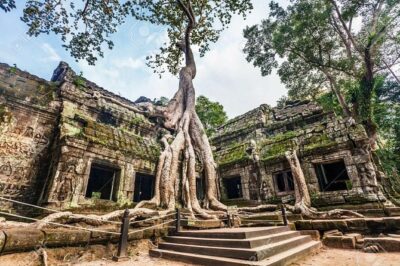 ★ 5.0Angkor Wat Sunrise tour with Small – Group and Guide toursFrom $143,655 reviews
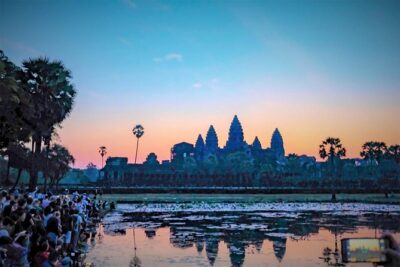 ★ 5.0Angkor Wat Highlights and Sunrise Guided Tour from Siem ReapFrom $233,213 reviews
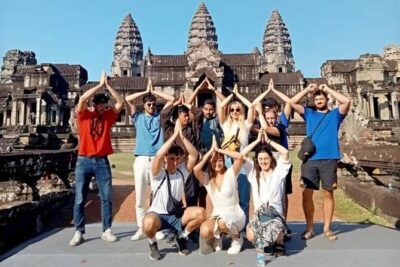 ★ 5.0Angkor Wat Sunset Small Group Tour with Lunch IncludedFrom $203,059 reviews
 ★ 5.0Full-Day Angkor Wat Sunrise Private Tour with Guide from Siem ReapFrom $602,920 reviews
Browse the lists this tour appears in