
Reviewed · ANGKOR TEMPLE TOURS
3-Day Tour(Unforgettable Angkor Temple Complex, Banteay Srei& Floating Village)
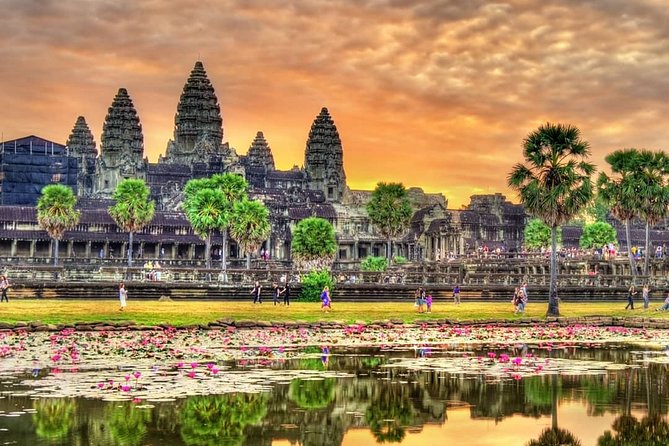
Angkor Wat sunrise plus a floating village in one tight plan feels like a very smart way to spend your time in Siem Reap. This is a private 3-day tour built around seeing the big icons early, then filling in the spots that make the temples feel real instead of like a checklist.
Two things I really like: the route mixes well-known monuments with quieter jungle temples, so your days don’t blur together. And the guide help can be practical in a way that matters—one English-speaking guide named Mr Lion was praised for steering guests to strong photo spots and even suggesting where to eat locally.
One consideration: you still need to buy the Angkor Archaeological Site pass (and the floating village boat ticket), so your final trip cost depends on how many days you choose for the pass.
In This Review
- Quick hits you should know before you go
- The real value: a 3-day plan that avoids temple overload
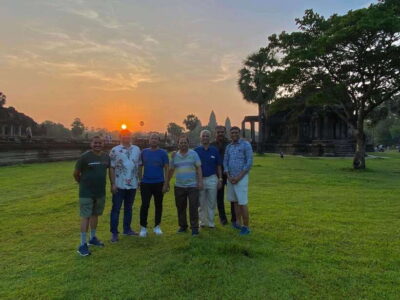
- Sunrise at Angkor Wat: the 4:30 a.m. start you can actually use
- Day 1 through Angkor Thom: jungle air, stone faces, and long carvings
- Ta Prohm: the jungle-temple photo moment
- Ta Nei and Ta Keo: less crowded, still satisfying
- Bayon and the Victory Gate: stone storytelling at human scale
- Elephant Terrace and Terrace of the Leper King: if you like details, don’t sprint
- Preah Palilay: a shaded finish with carvings that reward patience
- Day 2: Angkor Wat’s bigger cousin moment, then Roluos in softer light
- Angkor Wat after sunrise: the temple that keeps changing as you walk
- Roluos Group: Bakong, Lolei, and Preah Ko
- Day 3: Banteay Srei’s pink sandstone and Kampong Phluk’s daily life
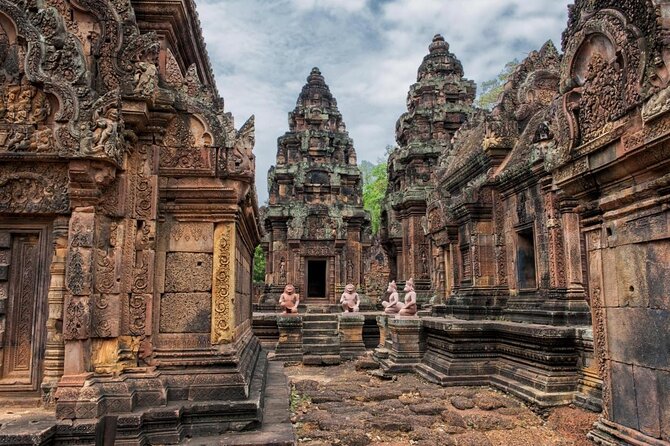
- Banteay Srei: the pink temple of women for carvings lovers
- Banteay Samre: Angkor Wat style, lower and spread out
- Kampong Phluk Floating Village: boat ride plus old market time
- What your guide actually changes (Mr Lion’s photo advice matters)
- Price and value: $245 isn’t the full picture, but it can still be a deal
- Practical temple rules and comfort tips you should take seriously
- Who this tour suits best
- Should you book this 3-Day Hidden Angkor Tour?
- FAQ
- FAQ
- What’s included in the tour price?
- What do I need to pay for separately?
- Is the Angkor Wat sunrise part of the tour?
- Is lunch included on the tour?
- Will I be able to enter temples if I’m dressed casually?
- What happens if weather is poor?
Quick hits you should know before you go
- Angkor Wat at sunrise starts around 4:30 a.m., so you’ll be moving early for the best light
- Private, English-speaking guiding means you can ask questions and adjust your pace
- Day 1 leans into Angkor Thom + jungle temples like Ta Prohm for atmosphere and photo chances
- Banteay Srei is the pink sandstone highlight of Day 3, with more intricate carvings than the big crowd favorites
- Kampong Phluk pairs a boat ride with a look at daily life and an old market area
- Strict dress rules apply at some temples, including shoulders and knees
The pink sandstone carvings, a few more runs
- Siem Reap Tour: Angkor Wat Sunrise, Bayon, Ta Prohm, Banteay Srei★ 5.0 · 931 reviews
- 2-Day Angkor Wat With Small, Big Circuit and Banteay Srei Tour★ 5.0 · 545 reviews
- From Siem Reap: Banteay Srei Temple & Grand 5 Temple Tour★ 4.8 · 262 reviews
- 3-Days Discovery Of Angkor: Waterfalls,Floating Village and Banteay Srei temple★ 5.0 · 214 reviews
The real value: a 3-day plan that avoids temple overload
Siem Reap is easy to overdo. You can end up spending your days bouncing between the same crowd-famous views, then crashing with sore legs and sunscreen-smudged regret. This kind of 3-day structure helps because it keeps the momentum but changes the scenery. You go from sunrise at the main stage temple to sprawling Angkor Thom faces and jungle ruins, then to a calmer countryside day and finishing with a lakeside community.
Another value point is pacing. The day breakdown is heavy, but it’s not random. You start with the temples that feel cinematic (tree-covered stone at Ta Prohm), then move through Angkor Thom’s thick storytelling spaces (terraces, gates, towers). By the time you hit Banteay Srei, you’re ready to appreciate smaller details rather than just the scale.
If you want a trip that gives you photos, context, and local rhythm—without wasting hours on confusion—this is the sort of plan that fits.
Sunrise at Angkor Wat: the 4:30 a.m. start you can actually use
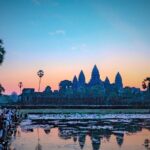
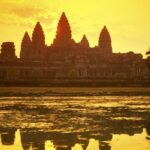
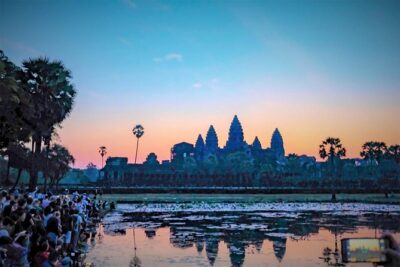
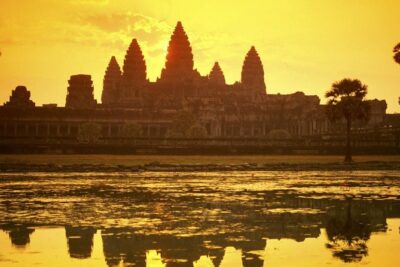
This tour includes a sunrise session at Angkor Wat, with the morning starting around 4:30 a.m. (and the temple visit afterward). That early start matters because light is everything here. You get softer shadows and clearer views of the causeways and towers before the heat and tour groups settle in.
Practical tip: treat sunrise as part of your itinerary, not a bonus. You’ll want to be ready to walk quickly and stand for photos. Wear something breathable, keep water handy, and use sunscreen even before sunrise—because Cambodia’s sun doesn’t care that you’re tired.
The payoff is that Angkor Wat isn’t just impressive in daylight. At sunrise, it looks more deliberate, more geometric, and less like a distant postcard. If you care about atmosphere (and you like the idea of beating the day), this one moment is the anchor of the entire 3 days.
Day 1 through Angkor Thom: jungle air, stone faces, and long carvings
Day 1 is a strong mix of big “wow” ruins and temple-mountain shapes, spread through classic Angkor territory. Here’s how the stops tend to feel, and what to watch for.
Ta Prohm: the jungle-temple photo moment
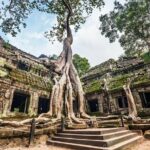
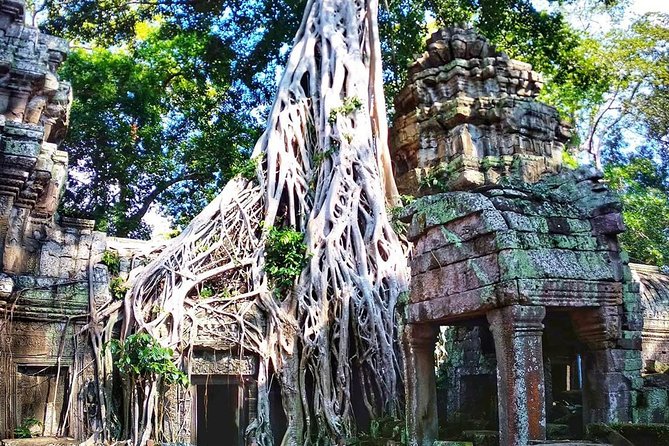
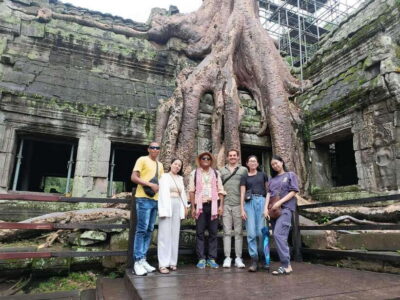
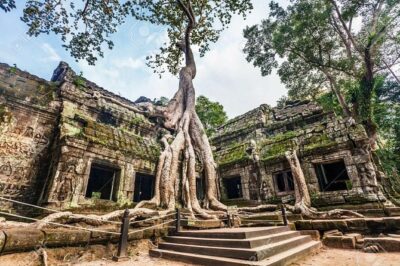
You start with Ta Prohm, the quiet, sprawling monastic complex that’s only partially cleared of jungle. This place is famous for a reason: the roots and stone framing create natural “set pieces” for photos. You’ll typically want to move a bit slowly here, because the best angles often come from stepping slightly off the main paths to catch the trees against doorways and towers.
What to consider: it can be humid and shaded, but the sun still hits. Keep your camera protected from moisture (the tour notes that electronics can be damaged by natural elements, so wrapping and basic protection is smart).
More temple circuits, set side by side
Ta Nei and Ta Keo: less crowded, still satisfying
Next you’ll see Ta Nei, a jungle temple with classic Jayavaraman VII artistry, and then Ta Keo, a towering temple-mountain dedicated to Shiva and built wholly of sandstone. These are the kind of stops that reward attention. Ta Nei gives you that “you’re exploring an ancient process” vibe; Ta Keo gives you something more structured and architectural.
If you’re the type who hates rushing, these two stops work. They’re shorter than the biggest monuments, so you can actually look instead of just walking through.
Bayon and the Victory Gate: stone storytelling at human scale
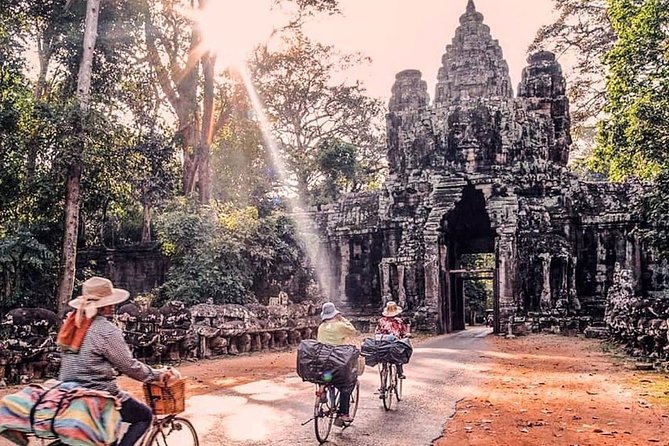
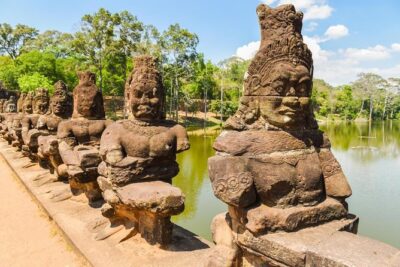
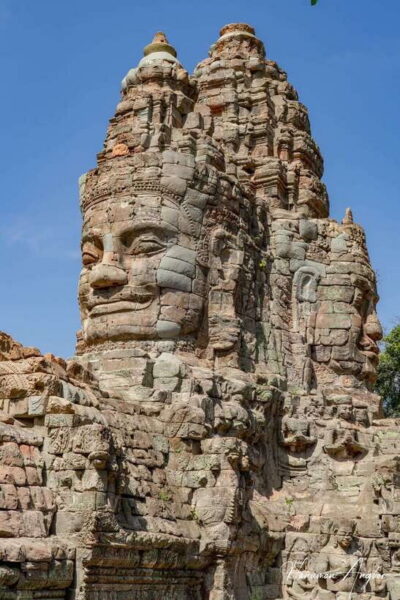
After lunch in the temple area (not included), the tour moves into Angkor Thom. The Victory Gate is the entry “threshold” into the ancient city story—then you hit Angkor Thom South Gate, with the famous temple face and causeway details featuring stone figures in Hindu story scenes.
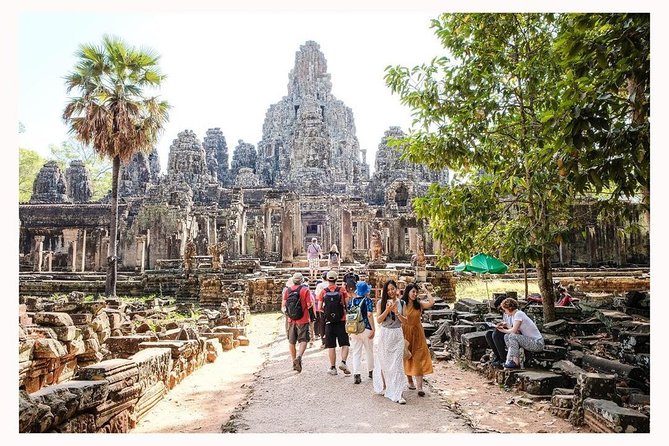
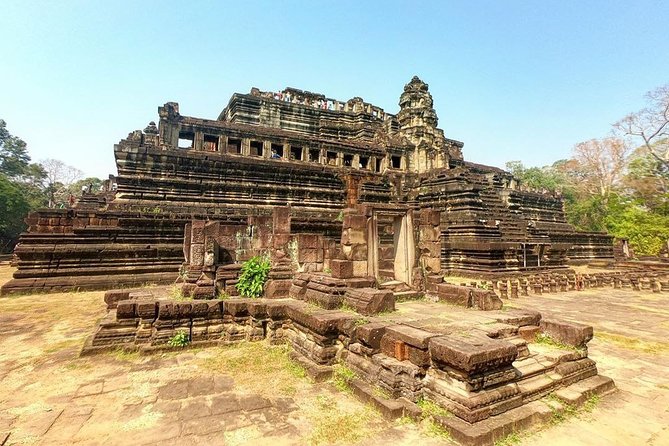
Then comes Bayon Temple, where the giant stone faces have become one of the most recognized images of Khmer art. You’ll also cover key surrounding structures like Baphuon Temple (three-tiered, dedicated to Shiva).
What I like about this grouping is that it flows. You move from gates that frame your arrival, into faces that command attention, and then into a temple-mountain that feels like a stage set for the mythology.
Elephant Terrace and Terrace of the Leper King: if you like details, don’t sprint
Two of the best stops for texture are the Terrace of the Elephants and Terrace of the Leper King. The Elephant Terrace stretches roughly 300 meters with carved elephants and garudas across the heart of Angkor Thom. The Leper King terrace is named for the figure on top and is filled with nagas and demons.
These can be tiring if you move too fast. Give yourself a little time to read the stone. When you slow down, the terraces stop being background and turn into the highlight.
Preah Palilay: a shaded finish with carvings that reward patience
Day 1 ends at Preah Palilay, a sandstone and laterite tower in a cool, shaded forest setting with an eastern gopura that has Buddhist-themed carvings. It’s a good closing note because it feels calmer than the high-impact gates and terraces.
Day 2: Angkor Wat’s bigger cousin moment, then Roluos in softer light
Day 2 is built around contrast: you get more major temple time, then you shift into the earlier Roluos group temples.
Angkor Wat after sunrise: the temple that keeps changing as you walk
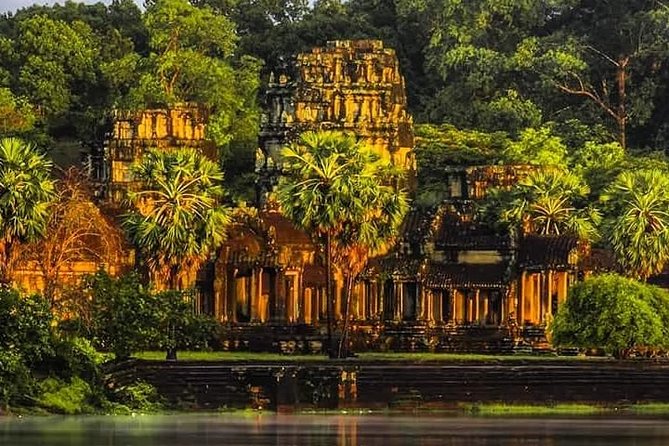
You’ll revisit the Angkor Wat experience as the tour continues after sunrise. The route is designed so you see it as a whole environment, not just the main view. Architecturally and artistically, Angkor Wat is treated as the centerpiece, and the time you get is long enough to notice how the structure guides your movement.
If you’re worried you’ll feel “templed out,” don’t. At Angkor Wat, the scale is so massive that your brain keeps finding new patterns—especially when you started with sunrise light.
Roluos Group: Bakong, Lolei, and Preah Ko
In the afternoon you visit parts of the Roluos group, including:
- Bakong: the site of the capital of Indravarman I from 877 to 889 AD
- Lolei: a 9th-century Hindu temple dedicated to Shiva
- Preah Ko: an older Shiva temple named after Nandi, Shiva’s bull mount
The big practical advantage here: these temples feel like you’re getting Angkor’s roots rather than only its most famous later flourishes. Also, the vibe tends to be less frantic than the densest core Angkor areas.
If you love understanding what came first, these stops help. If you only care about the most iconic face-and-tower visuals, you’ll still enjoy Preah Ko and Bakong, but the appeal will be more about structure and atmosphere than instant photo spectacle.
Day 3: Banteay Srei’s pink sandstone and Kampong Phluk’s daily life
Day 3 is the most “varied” day. You start with one of the most beautiful temples in the region, then switch to water and real people’s routines on Tonle Sap.
Banteay Srei: the pink temple of women for carvings lovers
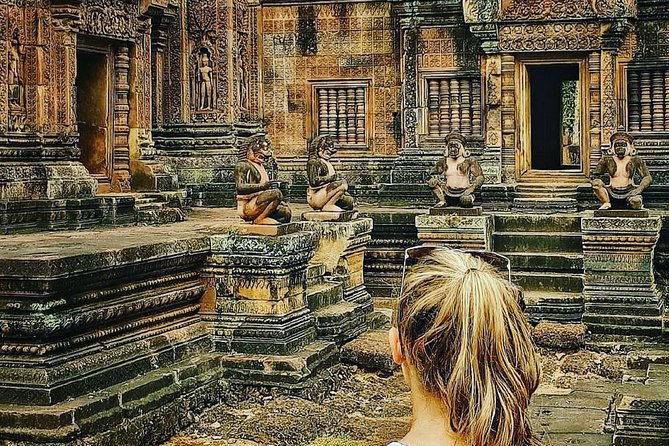
The morning goes to Banteay Srei, about 25 kilometers north of Angkor Wat. It’s known as the pink temple of women because it’s made of pink sandstone and features Hindu religious artistry. The big reason it’s worth your time: the carvings feel more intimate and detailed than the larger, heavier crowd areas.
Plan to slow down here. When your group is moving fast, Banteay Srei is still worth it because the craftsmanship rewards patient viewing.
Banteay Samre: Angkor Wat style, lower and spread out
Next is Banteay Samre, built in the Angkor Wat style of construction and art, and described as relatively low-rise. You’ll usually get about an hour. This stop is good for regrouping mentally. Instead of the maximum vertical drama, it gives you a more open, architectural feel.
Kampong Phluk Floating Village: boat ride plus old market time
In the afternoon you visit Kampong Phluk (often spelled Kompong Pluk), a floating village area south of the Roluos temple group. You get a scenic boat ride to see fishermen’s daily routines and you visit an old market area.
Two practical notes:
- The boat ticket is not included, so expect to pay separately.
- This is not a museum stop. It’s a community setting, so your best experience comes from respectful observation and keeping your expectations realistic.
If you want one day that feels like Cambodia beyond temple stones, this is your break.
What your guide actually changes (Mr Lion’s photo advice matters)
A temple tour lives or dies on the guide. This one leans on a professional English-speaking guide, and at least one guide named Mr Lion received praise for two things that directly affect your day:
1) Photo guidance: he helped guests take better shots and knew strong photo locations. That means fewer dead ends and more angles where the light and stone shapes work together.
2) Local food recommendations: the guide took guests to places to try local cuisine. That’s more useful than it sounds. Near major ruins, restaurants can blur together fast. Having a guide point you toward where locals actually eat helps you avoid tourist-only meals.
You’ll also get “insider tips” on where to eat and what else to see from your guide. Since this is a private tour, you can ask for specific preferences—short walks, less walking, photo focus, or more explanation.
Price and value: $245 isn’t the full picture, but it can still be a deal
The tour price is $245 per person for about 3 days in Siem Reap. What’s included is solid: a professional English-speaking guide, air-conditioned vehicle transportation, and perks like cool waters and cool wet towels. Taxes and service charges are covered too.
What’s not included matters more than most people expect:
- Angkor Archaeological Site entrance pass
- Floating village boat ticket
- Meals (lunch is excluded during full-day tours)
- Tips and personal expenses
So is $245 good value? It usually is if you’re the type who would otherwise try to stitch together multiple private guides or risk public transport on long temple days. You’re paying for a guided, organized route with transport and timing that’s hard to replicate without local knowledge.
Also consider that the entrance pass gives access to all sights in and around Angkor, and it must be shown. The pass is purchased at the main gate, and the fees are charged in US dollars only. Children under 12 are free, so families can do well here.
If you’re traveling solo, the “private” nature still can be worthwhile. Just remember there may be a single supplement charge for single travelers where applicable (not baked into the base price).
Practical temple rules and comfort tips you should take seriously
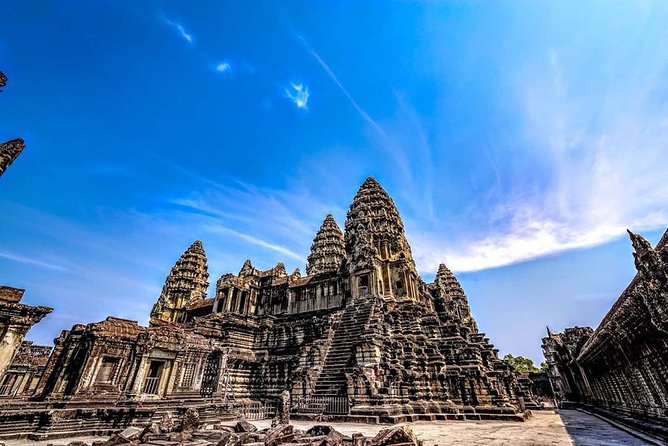
Angkor is hot, dusty, and very strict about clothing in some spots. The tour explicitly notes a dress code: shoulders must be covered and clothes should fall below the knees at certain temples like Baphuon.
Also, avoid shirts with obscene or disrespectful prints. Brightly-coloured clothing may also lead to refusal. This isn’t about being polite; it’s about getting inside.
Other practical notes that help your day run smoother:
- Pickup time gets confirmed upon reservation, but if the exact time can’t be locked in, you may get notice the day before.
- Electronics can be damaged by natural elements, so protect your camera and phone.
- Lunch is usually on your own payment day-by-day, so build in a plan for where you’ll eat.
If you want the day to feel enjoyable rather than stressful, treat these as part of the itinerary, not “fine print.”
Who this tour suits best
This is a strong fit if you:
- Want a private plan with an English-speaking guide rather than a crowded group schedule
- Care about photography and want help finding good angles
- Want a more balanced mix of temples—main icons plus jungle ruins plus a less temple-heavy lakeside day
- Prefer time-saving routes and clear stop-to-stop structure
It’s less ideal if you hate early starts (sunrise starts around 4:30 a.m.) or if you know you’ll skip a lot of walking. You’ll be moving through multiple stops across three days, so bring comfortable shoes.
Should you book this 3-Day Hidden Angkor Tour?
If you want an efficient, well-paced way to see Angkor highlights and still get out to Kampong Phluk, I’d lean yes. The best reason is that this tour combines a high-impact sunrise with a route that includes jungle atmosphere, Angkor Thom storytelling, Banteay Srei’s detailed pink sandstone, and a real-life floating village day.
Book it if you’re comfortable buying the Angkor pass and the boat ticket separately and you’re ready for strict dress rules and early morning wake-up. If those things sound like friction, then look for an option that bundles more of the ticketing and meals—or plan extra time for purchasing and clothing prep.
FAQ
FAQ
What’s included in the tour price?
The tour price includes a three-day tour with a professional English-speaking guide, air-conditioned transportation with a professional driver, cool waters and cool wet towels, and applicable taxes and service charges.
What do I need to pay for separately?
You’ll need to buy the Angkor Archaeological Site entrance pass and the floating village boat ticket. Meals are excluded (lunch during full-day tours is on your own payment), and you’ll also cover personal expenses and tips.
Is the Angkor Wat sunrise part of the tour?
Yes. The tour includes a sunrise experience at Angkor Wat, with the morning start time listed as around 4.30 am.
Is lunch included on the tour?
No. Lunch is excluded during full-day touring, so you’ll need to pay on your own.
Will I be able to enter temples if I’m dressed casually?
Some temples have strict dress rules. You need to dress appropriately by wearing clothes that cover shoulders and fall below the knees. Shirts with obscene or disrespectful prints and brightly-coloured clothing may lead to refusal of entrance.
What happens if weather is poor?
The experience requires good weather. If it’s canceled due to poor weather, you’ll be offered a different date or a full refund.
Out on Tonle Sap
- From Siem Reap: Kampong Phluk Floating Village Tour by Boat
★ 4.9 · 6,979 reviews - Sunset tour of Kampong Phluk stilts home village on the Tonle Sap
★ 5.0 · 4,865 reviews - Kompong Phluk Floating Village Half-Day Tour ( Morning / Sunset )
★ 5.0 · 1,494 reviews - Siem Reap: Kulen Mountain, Beng Mealea and Tonle Sap Tour
★ 5.0 · 1,483 reviews - Tonle Sap Lake & Kampong Phluk Village Half-Day Tour
★ 5.0 · 1,045 reviews
More Temple Circuits Around Siem Reap
- Angkor Wat Sunrise or Sunset Tour with Guide from Siem Reap
★ 5.0 · 12,109 reviews - Siem Reap: Angkor Wat: Small-Group Sunrise or Sunset Tour
★ 5.0 · 9,444 reviews - Siem Reap: Angkor Wat 2-Day Tour with Sunrise and Sunset
★ 4.9 · 4,429 reviews - Siem Reap: Full-Day Angkor Wat Guided Tour with Sunset
★ 4.9 · 3,803 reviews - Angkor Wat Sunrise tour with Small – Group and Guide tours
★ 5.0 · 3,655 reviews
The Carvings of Banteay Srei
- Full-Day Banteay Srei & 4 Temples – Grand Tours Join-in Tour
★ 5.0 · 1,155 reviews - Siem Reap Tour: Angkor Wat Sunrise, Bayon, Ta Prohm, Banteay Srei
★ 5.0 · 931 reviews - 2-Day Angkor Wat With Small, Big Circuit and Banteay Srei Tour
★ 5.0 · 545 reviews - From Siem Reap: Banteay Srei Temple & Grand 5 Temple Tour
★ 4.8 · 262 reviews - 3-Days Discovery Of Angkor: Waterfalls,Floating Village and Banteay Srei temple
★ 5.0 · 214 reviews
Just Added: Fresh Siem Reap Tour Reviews

Angkor Temple Tours, compared.
 ★ 5.0Angkor Wat Sunrise or Sunset Tour with Guide from Siem ReapFrom $1812,109 reviews
 ★ 5.0Angkor Wat: Small-Group Sunrise or Sunset TourFrom $159,444 reviews
 ★ 4.9Angkor Wat 2-Day Tour with Sunrise and SunsetFrom $344,429 reviews
 ★ 4.9Full-Day Angkor Wat Guided Tour with SunsetFrom $153,803 reviews
 ★ 5.0Angkor Wat Sunrise tour with Small – Group and Guide toursFrom $143,655 reviews
 ★ 5.0Angkor Wat Highlights and Sunrise Guided Tour from Siem ReapFrom $233,213 reviews
 ★ 5.0Angkor Wat Sunset Small Group Tour with Lunch IncludedFrom $203,059 reviews
 ★ 5.0Full-Day Angkor Wat Sunrise Private Tour with Guide from Siem ReapFrom $602,920 reviews
Browse the lists this tour appears in