
Reviewed · KHMER COOKING CLASSES
3 Hours Dessert Cooking Activity in Cambodia
Palm sugar makes dessert education fun. This small-group class in Siem Reap is a hands-on way to learn how Cambodian desserts are built, not just watched. The standout for me is the palm sugar focus, from sugar palm tree to finished sweetness, plus practical tips so you can remake it at home. One possible drawback: with about 3 hours, it’s concentrated and you’ll move at a cooking-class pace, not a slow, leisurely meal.
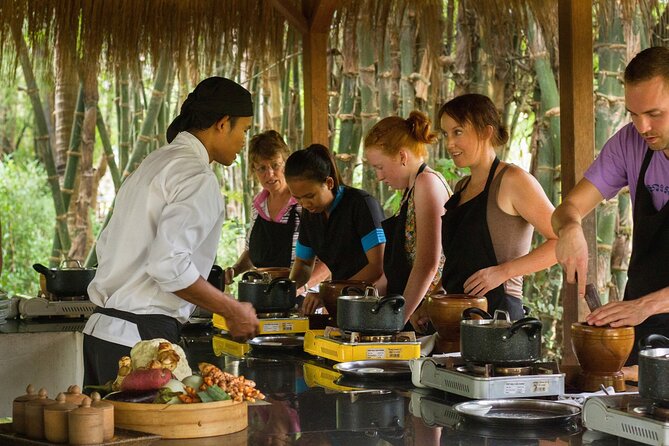
You’ll start at 12:30 pm with pickup offered, and you’ll cook in a fully interactive setup where each person has their own station and equipment. Expect village-style surroundings and classic flavors like coconut milk, ginger, and lemongrass, and you’ll leave with a recipe card so the memories aren’t just sticky-sweet ones.
In This Review
- Key points to know before you go
- Why this Cambodian dessert class works in Siem Reap
- Sugar palm to palm sugar: the ingredient lesson that sticks
- The 3-hour session: what you’ll actually do
- Welcome, setup, and getting hands-on quickly
- Hands-on cooking: three Cambodian desserts
- Fresh coconut cream and classic aromatics
- Tasting what you made
- How the recipe card helps you cook after the trip
- Village-style setting and the comfort of small-group pace
- Price and value: is $32 a fair deal?
- Who should book this dessert cooking experience
- Should you book it? My practical take
- FAQ
- What time does the dessert cooking class start in Siem Reap?
- How long is the Cambodian dessert cooking experience?
- Is pickup included?
- How many people are in the group?
- What will I learn to cook?
- Does the class include palm sugar?
- Do I get a recipe card?
- What’s the cancellation policy?
- Is a mobile ticket used?
Key points to know before you go
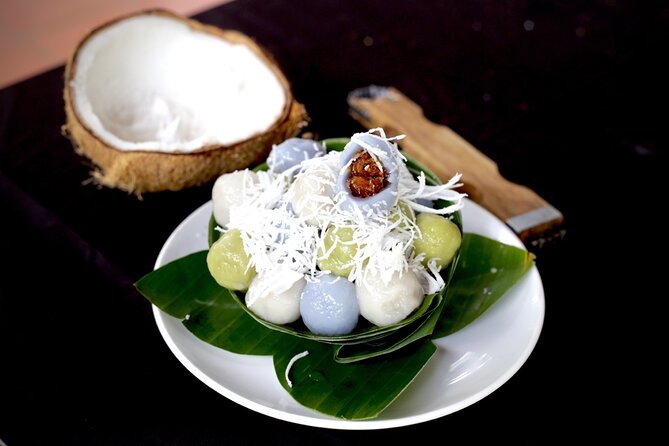
- 3 Cambodian desserts, hands-on at your station instead of a demo
- Palm sugar from sugar palm to dessert, explained as a staple ingredient
- Fresh coconut cream is part of the traditional method you’ll learn
- A small group (max 12) means more attention and less waiting
- Recipe card included so you can recreate the results back home
Aprons on for another Khmer kitchen
- Siem Reap: Khmer Cooking Class at a Local’s Home★ 5.0 · 1,108 reviews
- Award-Winning Cooking Class Experience with Professional Teacher★ 5.0 · 745 reviews
- Cambodian Village Cooking Class★ 5.0 · 265 reviews
- Cambodian Cooking Class from Siem Reap★ 4.9 · 190 reviews
Why this Cambodian dessert class works in Siem Reap
If you’re already eating your way through Siem Reap, this is a smart next step: you get to understand what you’re tasting. Many cooking classes stop at the fun part—making something sweet. This one goes a layer deeper with one of the real anchors of Cambodian dessert: palm sugar. That matters because palm sugar isn’t just a flavoring. It’s tied to a specific ingredient story and the cooking technique around it.
I also like the class format. You’re not hovering over someone else’s pan. You get your own cooking station and equipment, so you’re actually doing the work. That usually means faster learning: your hands help your brain remember what to do, especially with desserts where timing and texture can shift.
There’s also a nice “take it home” angle. You’ll get hints and tricks to speed things up once you’re back in your own kitchen, rather than being stuck with only the exact method used that day.
Sugar palm to palm sugar: the ingredient lesson that sticks
Cambodian desserts often start with the idea of sweetness that isn’t just sugar-white sweetness. Palm sugar brings a warm depth that works beautifully with coconut and aromatic herbs. In this class, you’re not expected to treat it like a mysterious bag of ingredients. You get a structured walkthrough of palm sugar—starting from the sugar palm tree, moving through how it becomes palm sugar, and then how it behaves in dessert cooking.
That’s a big deal for anyone who has tried to make a Cambodian dessert at home and ended up with something that tastes close but not quite right. The problem is often ingredient mismatch or process mismatch. Even if you can source palm sugar, you still need to understand how it’s used—how it’s combined, cooked, and balanced with coconut cream or coconut milk and aromatics like ginger and lemongrass.
The class also highlights palm sugar as one of the staples of Cambodian cuisine, which helps you connect the dessert to the wider food culture. You leave knowing why it shows up again and again, not only in sweets but across the flavor logic of many dishes.
The 3-hour session: what you’ll actually do
This is designed as a fully hands-on, interactive cooking class. Plan on spending the full session cooking at your own station, not watching from the sidelines. While the exact steps can vary by group flow, the “shape” of the experience is consistent: you’ll learn how to make three Cambodian desserts using palm sugar and traditional methods, then you’ll finish with tasting and take-home documentation.
Here’s what you can expect during the time block:
Welcome, setup, and getting hands-on quickly
You’ll meet in Siem Reap for a 12:30 pm start. Pickup is offered, so you don’t have to plan your own ride across town. Once you arrive, you’ll be set up at your own cooking station with equipment—this matters because it keeps the pace moving. Instead of waiting your turn, you’ll be actively cooking while the group follows along.
More time at the stove
Hands-on cooking: three Cambodian desserts
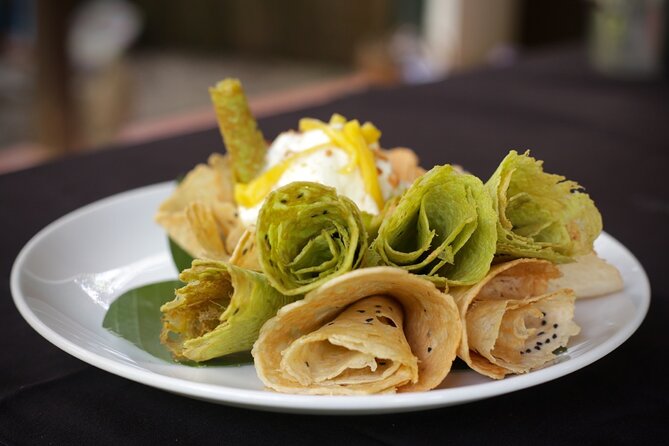
You’ll make three delicious Cambodian desserts during the class. Palm sugar is featured as a core ingredient throughout, and you’ll also work with creamy components like coconut milk and fresh coconut cream. Traditional cooking methods are part of the lesson, but there’s also a clear goal: you’ll learn techniques you can realistically repeat later.
In practice, this kind of class usually includes the kind of work that’s hard to get from a recipe alone: mixing and measuring at the right moments, controlling heat while ingredients transform, and assembling the final dessert in a way that holds texture and flavor. Since it’s hands-on, you should expect to do these steps yourself.
Fresh coconut cream and classic aromatics
One highlight is learning traditional method techniques like making your own fresh coconut cream. That’s not just a taste upgrade—it teaches you what to aim for in texture and richness. Coconut cream is where many desserts get their “silky” feeling, so learning the method is the difference between a dessert that tastes good and one that feels like the real thing.
The flavor lineup also leans Cambodian and fragrant. You’ll work with ingredients like palm sugar, ginger, and lemongrass, and you’ll see how those aromatics support the sweetness instead of fighting it.
Tasting what you made
Dessert classes are about results, and this one includes tasting as part of the experience. Expect to sample what you’ve created, so you can connect the ingredient choices and methods with the final flavor.
How the recipe card helps you cook after the trip
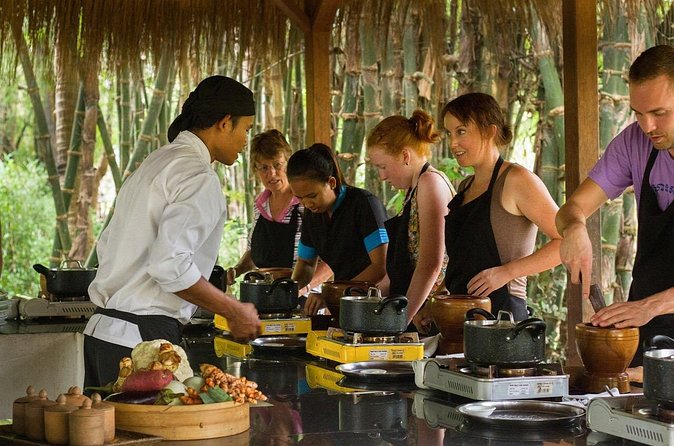
I love when a class doesn’t end at taste and photos. Here, you get a recipe card, which is your practical bridge back home. Cooking in Cambodia is one thing; repeating it elsewhere is another. Palm sugar availability, coconut products, and even the way you interpret ingredient amounts can be different depending on your grocery stores.
That’s where the class’s emphasis on hints and tricks pays off. The goal isn’t only to teach you the traditional method as it happens in the moment. It’s also to help you recreate it more quickly later. Even if your home kitchen can’t match the exact setup, those guidance notes can help you “get it right” instead of guessing.
When you cook your own batch after the trip, the recipe card gives you a map for steps and ingredient usage, while your class experience fills in the gaps—what you were taught to watch for in texture and how the flavors should balance.
Village-style setting and the comfort of small-group pace
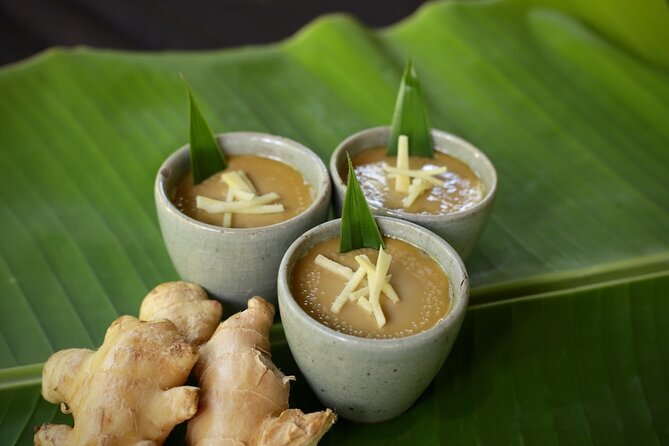
There’s something comforting about a class that’s described as hands-on with a village setting. It usually means you’re not trapped in a sterile kitchen space. Even if you’re new to Cambodian cooking, the environment helps you relax and focus on learning.
The small group size is another quiet advantage. With a maximum of 12 travelers, you’re more likely to get attention when you’re unsure and less likely to feel rushed by a huge crowd. A few people have found the experience extra personal when group size stays low, so you’re less likely to get lost in the shuffle.
Also, because it’s interactive, you’re likely to ask questions. And when you’re learning palm sugar desserts, questions tend to be practical: how to balance sweetness, how coconut cream changes texture, and what aromatics really do in the final flavor.
Price and value: is $32 a fair deal?
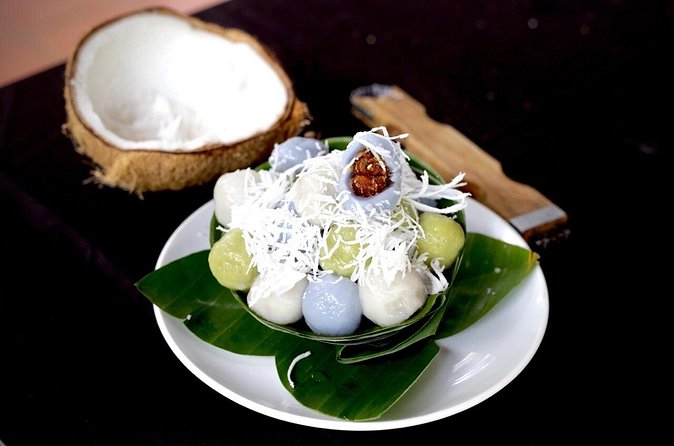
At $32 per person for roughly 3 hours, this can be good value if you want real skill, not just a fun afternoon activity. The price includes:
- A fully hands-on class format with your own cooking station
- Ingredients and the work needed to produce three desserts
- A recipe card to take home
- The time and effort of the chef/host guiding the group
What you’re paying for is the combination of instruction plus doing. If you only watched a demo, $32 might feel steep. But a hands-on class with three outcomes (three desserts) and a take-home reference tends to justify the cost, especially in tourist-heavy areas where cooking classes vary widely in quality.
Also, if you plan to eat Cambodian sweets anyway, cooking one meal worth of dessert can feel like a “two-for-one”: you get both the flavor lesson and the memory you can reproduce later.
Who should book this dessert cooking experience
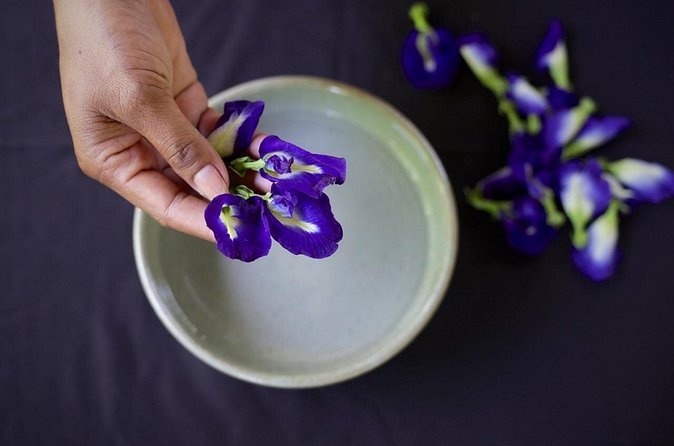
This class is a great fit if you:
- Want a Cambodian food experience that’s more than tasting
- Like learning about a specific staple ingredient like palm sugar
- Prefer small-group activities where you can actually participate
- Want a recipe card and techniques you can use after returning home
It’s especially appealing if your interest is on dessert and ingredient-driven flavor. If you’re more of a savory-food-only person, you might still enjoy it, but it’s clearly built around sweet Cambodian dishes and the ingredients that power them.
Should you book it? My practical take
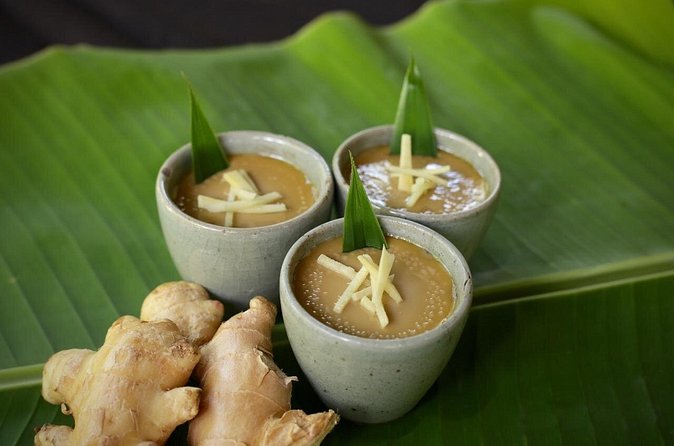
If you want a hands-on Cambodian dessert cooking class in Siem Reap that teaches you something specific and useful—especially palm sugar—this is the kind of activity worth booking. The structure is designed to give you three real desserts to make, a fresh-coconut-cream method, and a recipe card so you’re not stuck with only memories.
Book it if your vacation style includes cooking, learning, and bringing something edible home. Skip it if you’re only looking for sightseeing or you’d rather eat a large, slow meal than cook for a few focused hours.
FAQ
What time does the dessert cooking class start in Siem Reap?
The class starts at 12:30 pm.
How long is the Cambodian dessert cooking experience?
It runs for approximately 3 hours.
Is pickup included?
Pickup is offered.
How many people are in the group?
The class has a maximum of 12 travelers.
What will I learn to cook?
You’ll learn to make three Cambodian desserts in a fully hands-on interactive class.
Does the class include palm sugar?
Yes. Each class includes a deep dive into palm sugar, from the sugar palm tree to the finished product.
Do I get a recipe card?
Yes. You’ll receive a recipe card as part of the class.
What’s the cancellation policy?
You can cancel for a full refund up to 24 hours before the experience’s start time.
Is a mobile ticket used?
Yes. The activity includes a mobile ticket, and confirmation is received at booking.
Learn Another Khmer Dish
- Khmer Cooking Class at a Local’s Home in Krong Siem Reap
★ 5.0 · 2,731 reviews - Siem Reap: Khmer Cooking Class at a Local’s Home
★ 5.0 · 1,108 reviews - Award-Winning Cooking Class Experience with Professional Teacher
★ 5.0 · 745 reviews - Cambodian Village Cooking Class
★ 5.0 · 265 reviews - Cambodian Cooking Class from Siem Reap
★ 4.9 · 190 reviews
More Tour Reviews in Siem Reap
- Angkor Wat Sunrise or Sunset Tour with Guide from Siem Reap
★ 5.0 · 12,109 reviews - Siem Reap: Angkor Wat: Small-Group Sunrise or Sunset Tour
★ 5.0 · 9,444 reviews - From Siem Reap: Kampong Phluk Floating Village Tour by Boat
★ 4.9 · 6,979 reviews - Sunset tour of Kampong Phluk stilts home village on the Tonle Sap
★ 5.0 · 4,865 reviews - Siem Reap: Angkor Wat 2-Day Tour with Sunrise and Sunset
★ 4.9 · 4,429 reviews
Cook It Yourself: Khmer Classes
- Khmer Cooking Class at a Local’s Home in Krong Siem Reap
★ 5.0 · 2,731 reviews - Siem Reap: Khmer Cooking Class at a Local’s Home
★ 5.0 · 1,108 reviews - Award-Winning Cooking Class Experience with Professional Teacher
★ 5.0 · 745 reviews - Cambodian Village Cooking Class
★ 5.0 · 265 reviews - Cambodian Cooking Class from Siem Reap
★ 4.9 · 190 reviews
Just Added: Fresh Siem Reap Tour Reviews

Khmer Cooking Classes, compared.
 ★ 5.0Khmer Cooking Class at a Local’s Home in Krong Siem ReapFrom $272,731 reviews
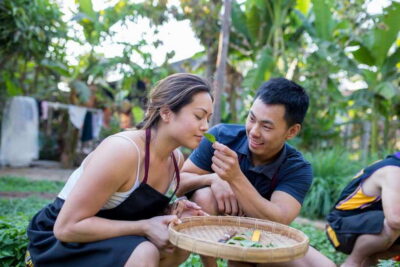 ★ 5.0Khmer Cooking Class at a Local’s HomeFrom $291,108 reviews
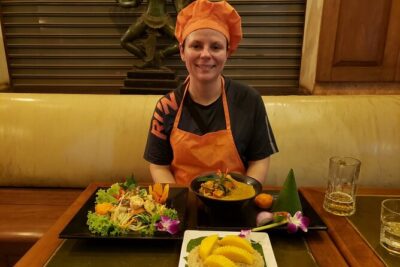 ★ 5.0Award-Winning Cooking Class Experience with Professional TeacherFrom $22745 reviews
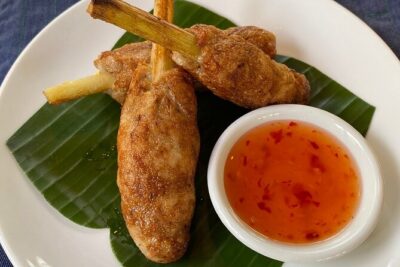 ★ 5.0Cambodian Village Cooking ClassFrom $32265 reviews
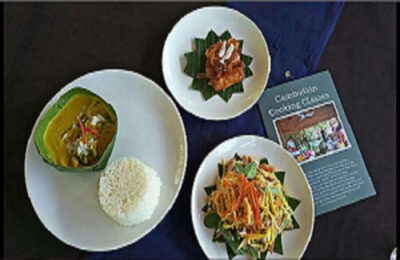 ★ 4.9Cambodian Cooking Class from Siem ReapFrom $32190 reviews
 ★ 5.0Siem Reap Cooking ClassFrom $35170 reviews
 ★ 5.0Khmer Gourmet Cooking ClassFrom $21145 reviews
 ★ 5.0Khmer Cooking Class in CambodiaFrom $3536 reviews
Browse the lists this tour appears in