
Reviewed · ANGKOR TEMPLE TOURS
4-Day(Tour Angkor Temple Complex, Temple in the Jungle, Local people life Style)
Angkor hits different when you have time. This 4-day private tour from Siem Reap is built around a flexible pace, air-conditioned comfort, and a professional English-speaking guide who can explain the myths and Khmer details without rushing you through everything.
I especially like the mix of big-name ruins and quieter, more intimate temple corners, from Angkor Wat’s bas-reliefs to the jungle feel of Ta Prohm and shaded stops inside Angkor Thom. The one main consideration: the Angkor entrance pass and boat ticket fee aren’t included, and some sites enforce a strict dress code plus you’re responsible for lunch, which can add small costs to your day.
In This Review
- Key highlights at a glance
- Private and practical: what this tour really gives you
- Price and what you’ll still pay (so you’re not surprised)
- Day 1: Angkor Wat, then brick temples and Tonle Sap life
- Morning at Angkor Wat (8:00 or 9:00 start)
- Roluos Group: Bakong, Lolei, Preah Ko
- Kompong Phluk on Tonle Sap (2 hours)
- Day 2: Preah Khan, Neak Pean, then the Pre Rup sunset viewpoint
- Preah Khan (monastic complex)
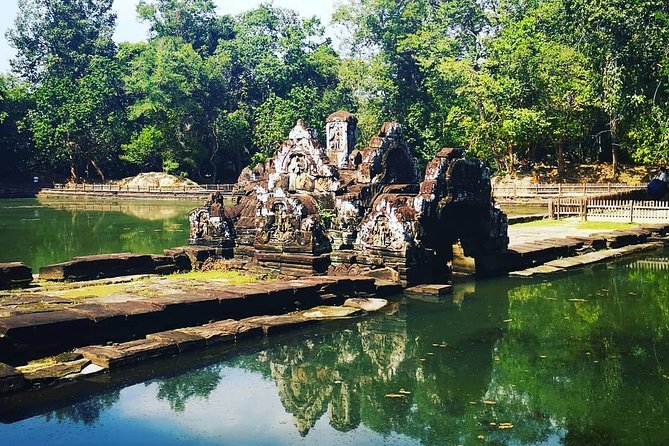
- Neak Pean: a luxury-myth kind of stop
- Ta Som and Eastern Mebon: classic Bayon-style and temple-mountain forms
- Prasat Kravan and Banteay Kdei: easy to miss, worth it if you like details
- Pre Rup at sunset: the view payoff
- Day 3: Ta Prohm’s trees, then Angkor Thom’s gates and Bayon faces
- Ta Prohm: the jungle-temple effect
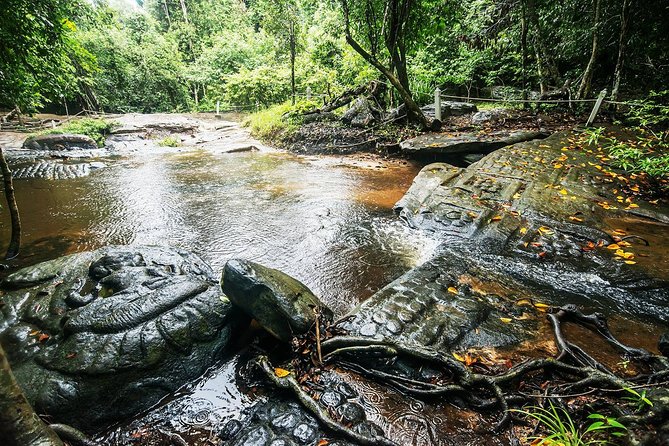
- Ta Nei and Ta Keo: quieter stops that build the story
- Angkor Thom: Victory Gate to Bayon Temple
- Baphuon, Terrace of the Leper King, Terrace of the Elephants, Preah Palilay
- Day 4: Banteay Srei, Banteay Samre, then silk farm and Siem Reap market time
- Banteay Srei: pink sandstone and delicate carving
- Banteay Samre: restored temple patterns
- Angkor Silk Farm: skills training you can support
- Siem Reap: Friendship Bridge and the Old Market
- Guides, pacing, and the stuff that makes it feel smooth
- Quick tips you’ll be glad you packed
- Should you book this Angkor 4-day private tour?
- FAQ
- What is included in the tour price?
- What is not included?
- Do I need an Angkor entrance pass?
- Are pickup and drop-off included?
- Is the dress code strict?
- Is lunch included?
- What if weather is bad?
Key highlights at a glance
- Private pacing with pickup (for hotels inside Siem Reap) and daily temple routes you can ask to adjust
- Angkor Wat in the morning, with an option for very early timing when you want sunrise vibes
- Roluos Group brick-era temples plus Kompong Phluk life on Tonle Sap
- A full arc of Angkor stories across Buddhist and Hindu sites, including Preah Khan, Bayon, and Pre Rup at sunset
- Small-scale craftsmanship visit at the Angkor Silk Farm, not just stone sights
- Siem Reap time for real shopping at the Old Market after the temples
More temple circuits, set side by side
- Angkor Wat Sunrise or Sunset Tour with Guide from Siem Reap★ 5.0 · 12,109 reviews
- Siem Reap: Angkor Wat: Small-Group Sunrise or Sunset Tour★ 5.0 · 9,444 reviews
- Siem Reap: Angkor Wat 2-Day Tour with Sunrise and Sunset★ 4.9 · 4,429 reviews
- Siem Reap: Full-Day Angkor Wat Guided Tour with Sunset★ 4.9 · 3,803 reviews
Private and practical: what this tour really gives you
This is a four-day private Angkor plan, not a cattle-car day trip. You’ll move by air-conditioned vehicle with a professional driver, and you get cool drinking water and wet towels on the go—small things that matter when you’re walking in heat, sun, and temple-dust.
The big value here is control. You’re not stuck waiting for strangers to finish photos or decide they want one more stop. You can ask for timing changes, linger when a carving catches your eye, and keep the day from turning into a sprint. That matters at Angkor, where the sites reward patience: you notice more the slower you go.
The other practical win is that your guide is the translation layer for the place. Angkor isn’t just pretty ruins. It’s geometry, religion, symbolism, and Khmer storytelling carved into stone. A good guide helps you read those details fast—towers mean something, bas-reliefs connect to specific myths, and later temples sometimes show the next chapter of belief.
Price and what you’ll still pay (so you’re not surprised)
The tour is $215 per person for about four days, private with an English-speaking guide, transport, and those comfort extras. That price is competitive for a multi-day private Angkor program, especially because it’s not just “transport + tickets.” You’re buying time, pacing, and interpretation.
Two costs to budget for:
- Angkor Archaeological Site entrance pass is not included. You buy it at the main gate in US dollars. It covers access to sights in and around Angkor and should be shown when required.
- Boat ticket fee is not included, and you’ll encounter it on the Tonle Sap portion (Kompong Phluk).
Also note:
- Lunch is excluded during the day, so you’ll want a quick plan for where you’ll eat (the route includes time that works well for local restaurants).
- Temple rules can affect what you can wear. If you arrive in the wrong outfit, you may be refused entry or forced to cover up, so it’s worth packing with care.
Day 1: Angkor Wat, then brick temples and Tonle Sap life
Morning at Angkor Wat (8:00 or 9:00 start)
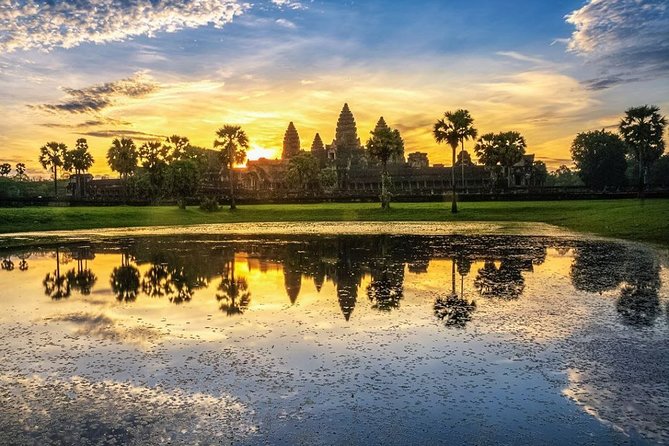
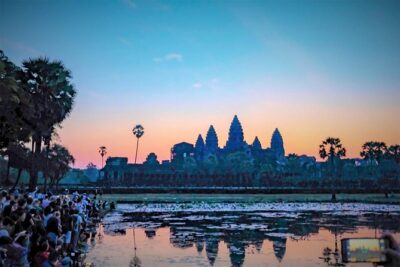
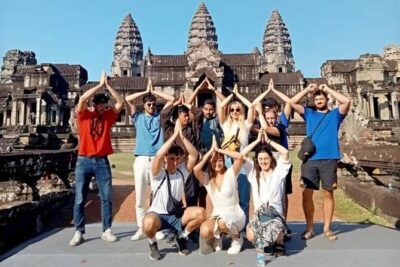
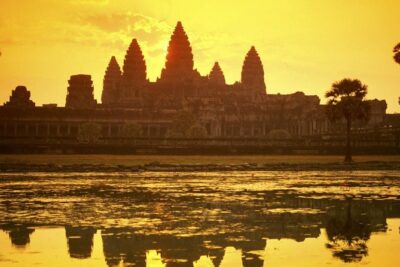
Angkor Wat is the headline for a reason. The compound’s design works like a map of myth: the layout echoes Mount Meru from Hindu cosmology, and the five towers rising above the galleries are part of that “cosmic blueprint” idea. You’ll also see the storytelling side of Angkor—bas-reliefs covering Khmer epics and myths—so it’s not only about the view.
If you care about early light, the tour style includes morning timing that can work for sunrise arrangements on some departures (one past guide-led experience mentioned pre-dawn timing for that purpose). Even if you start at 8:00 or 9:00, you’ll still get the calm hours where you can take photos without the worst crowds.
What to watch for: you’ll be in sun and walking from one viewpoint to another. Bring a hat and sunglasses, and consider sunscreen even on hazy mornings.
More time at the temples, spread over days

Roluos Group: Bakong, Lolei, Preah Ko
After Angkor Wat, you shift into a different mood: earlier temples with a brick-and-plaster look. Bakong sits in the larger story of the Indravarman I-era capital, and it’s notable for how it differs from other temples that lean heavily on later stone styles.
Lolei and Preah Ko continue the same “Roluos Group” idea, but with different proportions and details. This is where you start feeling the evolution of Khmer architecture: not everything at Angkor is trying to be the biggest, tallest, or most famous. Some temples win on texture, pattern, and design logic.
A good guide helps here. When you know what you’re looking at, these “smaller” stops stop feeling optional.
Kompong Phluk on Tonle Sap (2 hours)
Day 1 ends with an escape from stone: Kompong Phluk on Tonle Sap, Cambodia’s huge lake-and-river system. It’s ecologically important and a living livelihood zone—fishing and lake life are central, and local families earn their living from the water.
This stop gives you perspective. Angkor was built by people who lived connected to the landscape. Seeing the Tonle Sap setting helps the temples feel less like isolated masterpieces and more like part of a real world of rivers, trade, and daily survival.
Practical note: this portion includes a boat ticket fee not included in the tour price. Plan cash or card access accordingly.
Day 2: Preah Khan, Neak Pean, then the Pre Rup sunset viewpoint
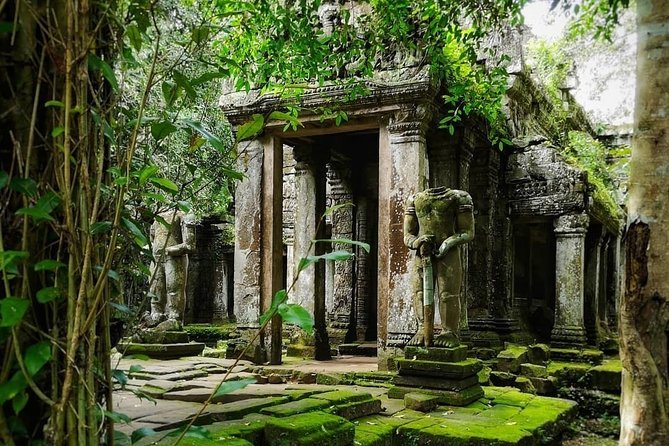
Day 2 feels like a “layer cake” of belief. You move through Buddhist monastic history, Hindu dedication, and the in-between moments where Khmer rulers built and rebuilt.
Preah Khan (monastic complex)
Preah Khan started as a Buddhist monastery and school, associated with large numbers of monks (over 1,000). It’s a great stop if you want Angkor that feels lived-in, not only ceremonial. You’ll notice the layout and scale that fit an active religious institution.
Neak Pean: a luxury-myth kind of stop
Neak Pean is smaller and more dreamlike. It’s tied to the idea of old luxury and ritual offerings—an easy place to slow down, look up at structure lines, and appreciate the symbolic meaning rather than just chasing the loudest photo angles.
Ta Som and Eastern Mebon: classic Bayon-style and temple-mountain forms
Ta Som is a compact monastic complex with face towers and interior sanctuaries. Eastern Mebon is the opposite vibe—larger, a temple-mountain-link ruin with three levels crowned by towers.
These stops help you understand how Khmer temples can be both practical structures and cosmic statements. The more you see, the more you spot common design themes.
Prasat Kravan and Banteay Kdei: easy to miss, worth it if you like details
Prasat Kravan is known for unique brick bas-reliefs of Vishnu and Lakshmi rendered in brick. If you love rare materials and specific design choices, this is a satisfying “specialist stop.”
Banteay Kdei has a monastic feel and a style similar to Ta Prohm. It was built over an earlier temple, which is a reminder that Angkor is not frozen in time—it’s a place of continuous layers.
Pre Rup at sunset: the view payoff
Pre Rup is one of the best “end-of-day” temples. The carvings include false doors on upper levels, and the location gives a countryside view that’s hard to beat when the light turns warm.
Dress and pace matter most here. You’ll want to be ready for steps and uneven surfaces, and you’ll likely spend more time at your viewpoint than you expect.
Day 3: Ta Prohm’s trees, then Angkor Thom’s gates and Bayon faces
Day 3 is when Angkor starts feeling like a movie set—except you’re inside the real thing, with sweat, bird sounds, and stone everywhere.
Ta Prohm: the jungle-temple effect
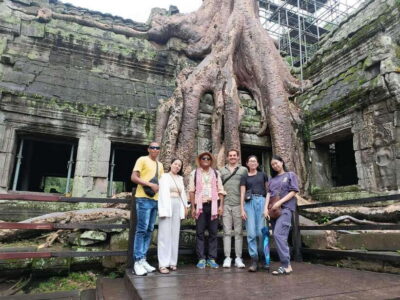
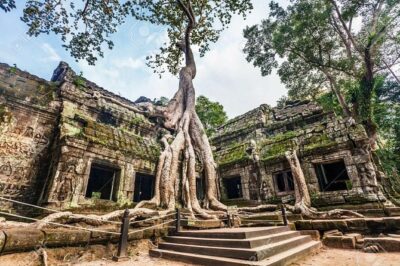
Ta Prohm is famous for being partly cleared, leaving jungle growth to create that iconic tree-in-temple look. Even if you’ve seen photos, the scale works differently in person. You see how the roots and masonry interact, and how the light filters between branches.
If you’re a photographer, this is your time. If you’re not, it’s still worth it because the place feels atmospheric and human-sized—like you wandered into a living ruin rather than a museum display.
Ta Nei and Ta Keo: quieter stops that build the story
Ta Nei is a shorter stop in a jungle-adjacent setting, reminiscent of Ta Som with Jayavaraman VII artistry. Ta Keo is more about sheer vertical presence: a sandstone temple-mountain dedicated to Shiva.
These are useful as “breathers” between the most intense Angkor moments. You get variety without burning the whole day on the same architectural style.
Angkor Thom: Victory Gate to Bayon Temple
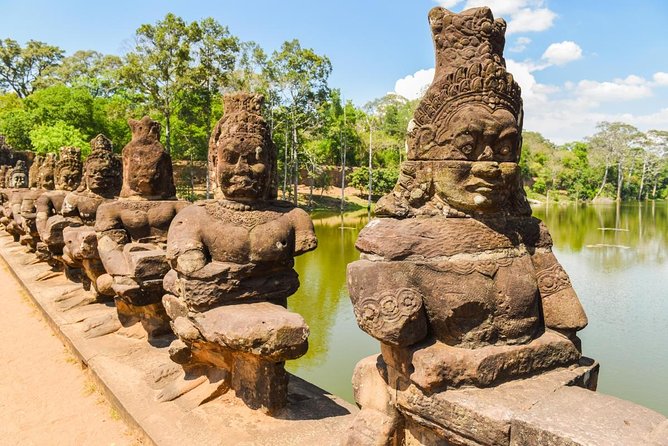
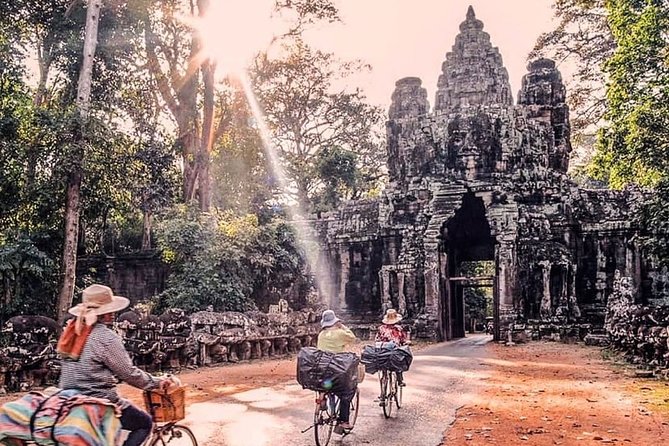
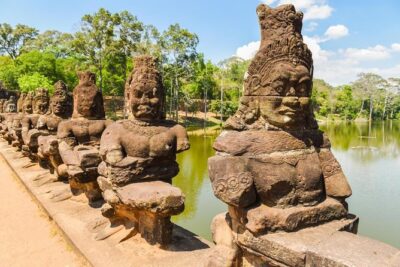
You’ll pass through gates that frame the city’s myths. The Victory Gate connects to Bayon Temple and the larger enclosure of Angkor Thom. Then you’ll visit Angkor Thom’s South Gate, with stone figures along the causeway tied to the Churning of Ocean myth.
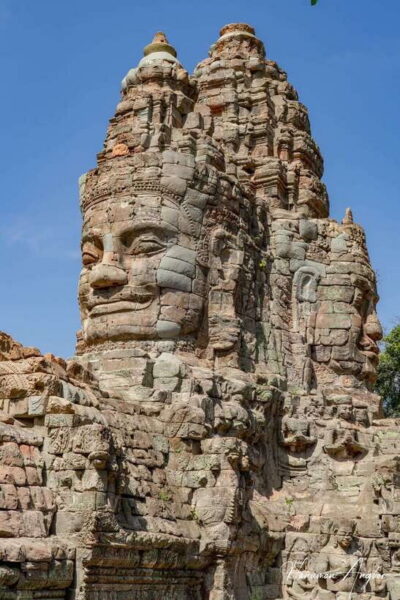
And then Bayon Temple: the giant stone faces are the signature. There are 37 standing towers, most with four carved faces facing the cardinal points. It’s a strange and memorable experience—standing in different spots makes the faces look like they’re reacting to you.
Baphuon, Terrace of the Leper King, Terrace of the Elephants, Preah Palilay
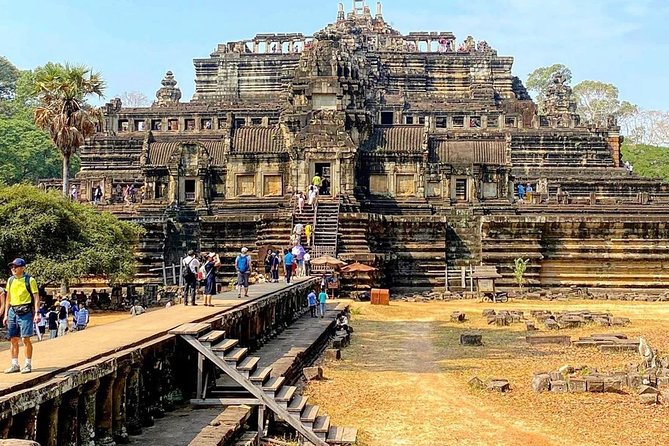
This is the deep “myth wall” part of the day. Baphuon is a three-tiered temple mountain built as the state temple of Udayadityavarman II dedicated to Shiva. You’ll then visit the Terrace of the Leper King, known for deeply carved nagas and demons with mythological scenes.
Terrace of the Elephants appears next, and then Preah Palilay rounds it out with a shaded forest setting and Buddhist-themed carvings on the eastern gopura.
The one drawback: after hours of temple stones, it can blur together if you don’t pause. This tour works best when you choose one or two carvings per stop to really look at, rather than trying to “cover everything” like a checklist.
Day 4: Banteay Srei, Banteay Samre, then silk farm and Siem Reap market time
Day 4 brings a softer, more detailed side of Angkor and then turns to local life.
Banteay Srei: pink sandstone and delicate carving
Banteay Srei is often called the fabled pink temple of women because of its pink sandstone. It’s smaller than some giants, but its preserved state and delicate carving style make it a favorite for many people.
If you like details—Apsara designs and careful stonework—this is a standout day-morning temple.
Banteay Samre: restored temple patterns
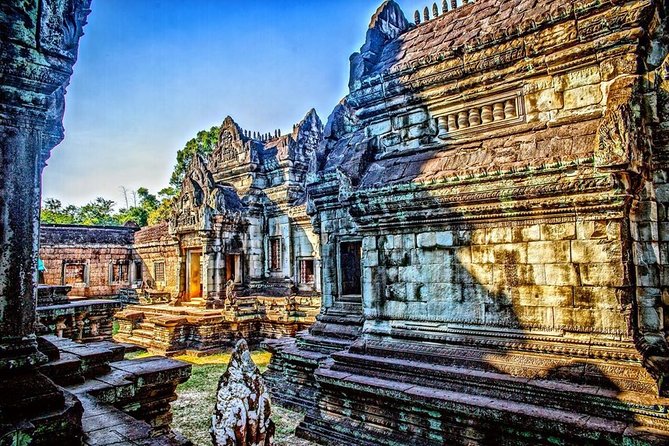
Banteay Samre is built in a style that feels connected to Angkor Wat, with towers and railings that resemble the famous cousin. The bas-reliefs are in very good condition, and archaeologists have restored it by taking it apart and reconstructing it.
This stop is helpful if you want to understand what “restoration” means in a real-world Angkor context: the goal is keeping the design readable and stable, not just leaving everything as ruins.
Angkor Silk Farm: skills training you can support
The afternoon includes Angkor Silk Farm, about 15 kilometers from Siem Reap in Pouk District. It works like a training ground for rural youth who learn handicraft skills that lead to income through silk-related production. You can buy items on site.
I like this stop because it adds a practical local thread. You get a window into how people turn traditional craft into real economic opportunity, and it’s not only about souvenirs you’ll forget in a week.
Siem Reap: Friendship Bridge and the Old Market
To wrap, you’ll head to central Siem Reap for a mix of local landmarks and shopping time. You’ll visit the Friendship Bridge of Cambodia-French, then the Phreah Angcheck & Phreah Angchom area, and spend time at the Old Market.
If you’re souvenir shopping, this is where you’ll find the widest selection of silks, silverwork, carvings, statuary, and handcrafts. It’s also a good moment to slow down and let the temple intensity settle.
Guides, pacing, and the stuff that makes it feel smooth
The strongest praise in this kind of tour tends to land on the same things: clear explanations, comfortable timing, and a guide who can tailor the day to you. In past trips with this operator, guides such as Veasna, Vutha, and Buntheun have been highlighted for being friendly, informative, and strong in English, including explaining history, culture, and mythology around the temples.
That matters because Angkor can be confusing fast:
- Names are similar.
- Temples overlap in style and era.
- Meanings are tied to myth and ruler intentions.
A guide helps you connect the dots without turning it into a lecture.
Also, this is a full private basis experience—only your group participates. That sounds like a marketing line, but in practice it means you can move at a human pace and avoid losing time to misunderstandings.
Quick tips you’ll be glad you packed
Angkor runs on sun and rules.
- Bring sunglasses, a hat/cap, and high-SPF sunscreen even when it’s cloudy.
- Wear clothes that cover shoulders and fall below the knees for strict temples. If you show up in a tank top or short shorts, you may lose time or even get refused entry.
- Avoid shirts with obscene or disrespectful prints, and skip bright clothing that can trigger refusal.
- Protect your electronics. Humidity and natural elements can damage devices, so keep phones and cameras wrapped and protected.
Should you book this Angkor 4-day private tour?
I’d book it if you want a private, multi-day Angkor plan with a guide who helps you understand what you’re seeing—plus real Cambodia beyond the temple gates. The itinerary’s balance (major icons, jungle temples, Angkor Thom faces, and an extra local-life day with Tonle Sap and the silk farm) is a smart way to avoid the one-dimensional Angkor loop.
You might choose something else if:
- You hate planning around an entrance pass you must buy yourself.
- You prefer very light walking and short temple stops only (this is still a temple-heavy four days).
- You’re strict about lunch included in the price.
If you’re the type who enjoys learning while you wander, and you want Angkor to feel like a journey instead of a checklist, this is a solid value at $215 per person.
FAQ
What is included in the tour price?
The tour includes a professional English-speaking guide for all days, air-conditioned transportation with a professional driver, cool drinking waters and wet towels, and all applicable taxes and service charges.
What is not included?
Not included are the hotel accommodation, the Angkor Archaeological site entrance pass, and the boat ticket fee. Lunch is also excluded, and personal expenses like meals, drinks, and shopping are on your own account. Travel insurance is not provided (recommended).
Do I need an Angkor entrance pass?
Yes. The Angkor Archaeological site entrance pass is not included. You purchase it at the main gate in US dollars, and it should be visible at all times.
Are pickup and drop-off included?
Return transfers apply only if you’re staying in and inside Siem Reap. Pickup and drop-off are offered as part of the experience.
Is the dress code strict?
Yes. Some temples have a strict dress code requiring clothing that covers shoulders and falls below the knees. Very bright clothing or shirts with disrespectful prints may lead to refusal of entrance.
Is lunch included?
No. Lunch is excluded, and you’ll have time to eat either at a local restaurant near the temple areas or back at your hotel.
What if weather is bad?
The experience requires good weather. If it gets canceled due to poor weather, you’ll be offered a different date or a full refund.
More Tour Reviews in Siem Reap
- Angkor Wat Sunrise or Sunset Tour with Guide from Siem Reap
★ 5.0 · 12,109 reviews - Siem Reap: Angkor Wat: Small-Group Sunrise or Sunset Tour
★ 5.0 · 9,444 reviews - From Siem Reap: Kampong Phluk Floating Village Tour by Boat
★ 4.9 · 6,979 reviews - Sunset tour of Kampong Phluk stilts home village on the Tonle Sap
★ 5.0 · 4,865 reviews - Siem Reap: Angkor Wat 2-Day Tour with Sunrise and Sunset
★ 4.9 · 4,429 reviews
More Days at the Temples
- Siem Reap: Angkor Wat 2-Day Tour with Sunrise and Sunset
★ 4.9 · 4,429 reviews - Angkor 2-Day Sunset & Sunrise Small-Group Tour
★ 5.0 · 2,567 reviews - 2 Days Exclusive Temple Highlights with Sunset and Sunrise Tour
★ 5.0 · 1,157 reviews - Siem Reap: Angkor Sunrise 1- or 2-Day Guided Temples Tour
★ 4.9 · 1,132 reviews - 2 Days Guided Historical Tour in Angkor
★ 5.0 · 855 reviews
More Temple Circuits Around Siem Reap
- Angkor Wat Sunrise or Sunset Tour with Guide from Siem Reap
★ 5.0 · 12,109 reviews - Siem Reap: Angkor Wat: Small-Group Sunrise or Sunset Tour
★ 5.0 · 9,444 reviews - Siem Reap: Angkor Wat 2-Day Tour with Sunrise and Sunset
★ 4.9 · 4,429 reviews - Siem Reap: Full-Day Angkor Wat Guided Tour with Sunset
★ 4.9 · 3,803 reviews - Angkor Wat Sunrise tour with Small – Group and Guide tours
★ 5.0 · 3,655 reviews
Just Added: Fresh Siem Reap Tour Reviews

Angkor Temple Tours, compared.
 ★ 5.0Angkor Wat Sunrise or Sunset Tour with Guide from Siem ReapFrom $1812,109 reviews
 ★ 5.0Angkor Wat: Small-Group Sunrise or Sunset TourFrom $159,444 reviews
 ★ 4.9Angkor Wat 2-Day Tour with Sunrise and SunsetFrom $344,429 reviews
 ★ 4.9Full-Day Angkor Wat Guided Tour with SunsetFrom $153,803 reviews
 ★ 5.0Angkor Wat Sunrise tour with Small – Group and Guide toursFrom $143,655 reviews
 ★ 5.0Angkor Wat Highlights and Sunrise Guided Tour from Siem ReapFrom $233,213 reviews
 ★ 5.0Angkor Wat Sunset Small Group Tour with Lunch IncludedFrom $203,059 reviews
 ★ 5.0Full-Day Angkor Wat Sunrise Private Tour with Guide from Siem ReapFrom $602,920 reviews
Browse the lists this tour appears in