
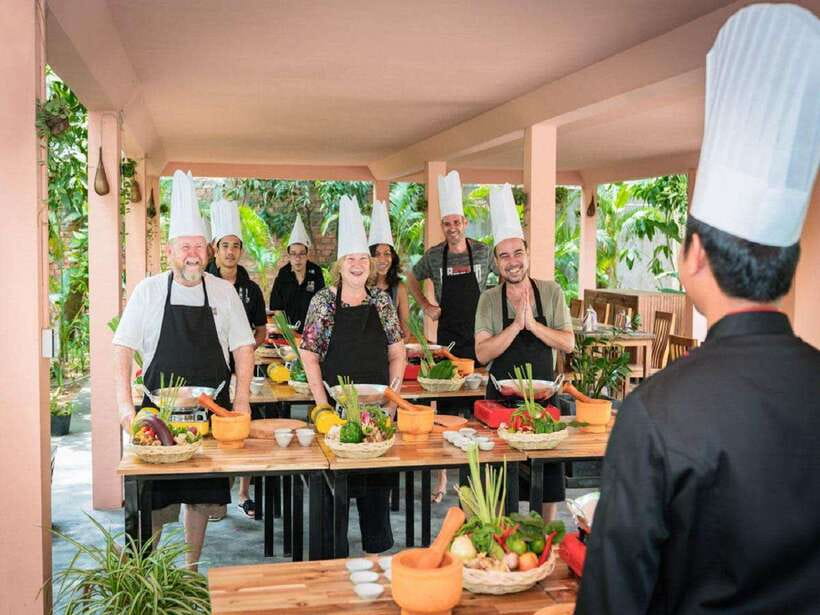
Reviewed · KHMER COOKING CLASSES
Cambodian Cooking Class
Your kitchen lesson starts at the market. This Cambodian Cooking Class pairs a tuk-tuk ride, a real local market stop, and hands-on cooking inside someone’s home. I like that you start by picking ingredients with your guide, not just watching a demo.
The food is where it gets serious. You’ll create Fish Amok plus a full 4-course meal, so you go home with techniques you can actually repeat. One thing to consider: the menu centers on Cambodian classics, including Fish Amok, so if you avoid seafood or strong fish-based flavors, ask about your options early.
In This Review
- Key Things You’ll Do (and Why They Matter)
- First Stop: Hotel Pickup by Tuk-Tuk (Then the Market)
- Shopping Like a Local: Picking Ingredients for Your Khmer Dishes
- Cooking Inside a Local Home: The Real Lesson Plan
- The Four Dishes: Fish Amok and Tom Yum (Plus Two More)
- The “Choose Options” Advantage
- “Chef for a Day” Skills You’ll Actually Use Again
- What the Tuk-Tuk Adds (Beyond Getting From A to B)
- Time on the Clock: How 3 Hours Feels in Real Life
- Price and Value: Is $35 Worth It?
- Who This Cooking Class Suits Best
- Final Decision: Should You Book This Cooking Class?
- FAQ
- How long is the Cambodian Cooking Class in Siem Reap?
- What is included in the price?
- Do I cook Fish Amok and Tom Yum?
- Is alcohol included?
- What language is the instructor?
- What should I do for pickup timing?
- Can I cancel for a refund?
Key Things You’ll Do (and Why They Matter)
- Ride in a traditional tuk-tuk from your hotel in Siem Reap Province
- Shop a local market and haggle for fresh ingredients for your dishes
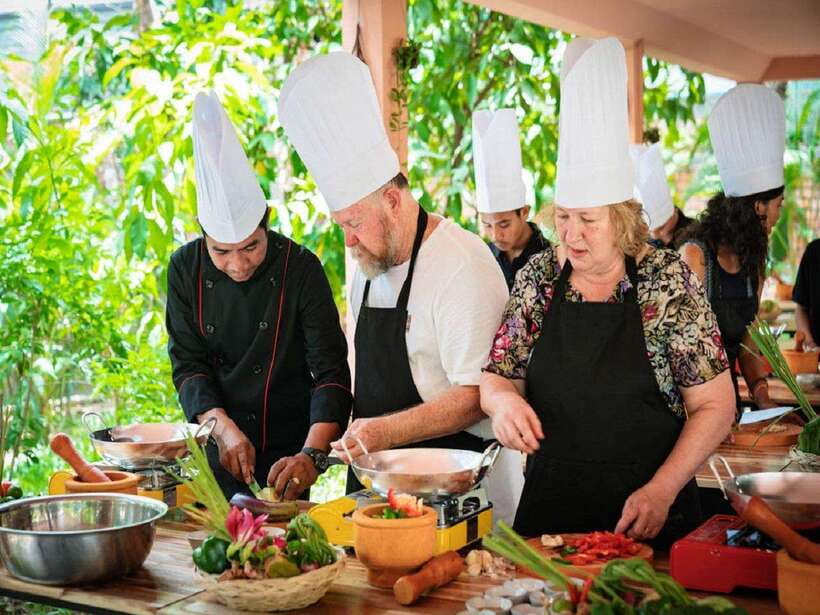
- Cook 4 Khmer dishes with an English-speaking host, including Fish Amok and Tom Yum
- Choose among 2–3 options per course (where available), so the meal can fit your preferences
- Eat what you make in a sit-down 4-course meal, with bottled water included
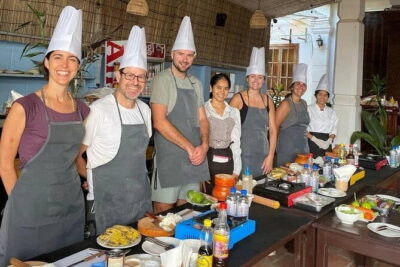
Aprons on for another Khmer kitchen
- Siem Reap: Khmer Cooking Class at a Local’s Home★ 5.0 · 1,108 reviews
- Award-Winning Cooking Class Experience with Professional Teacher★ 5.0 · 745 reviews
- Cambodian Village Cooking Class★ 5.0 · 265 reviews
- Cambodian Cooking Class from Siem Reap★ 4.9 · 190 reviews
First Stop: Hotel Pickup by Tuk-Tuk (Then the Market)
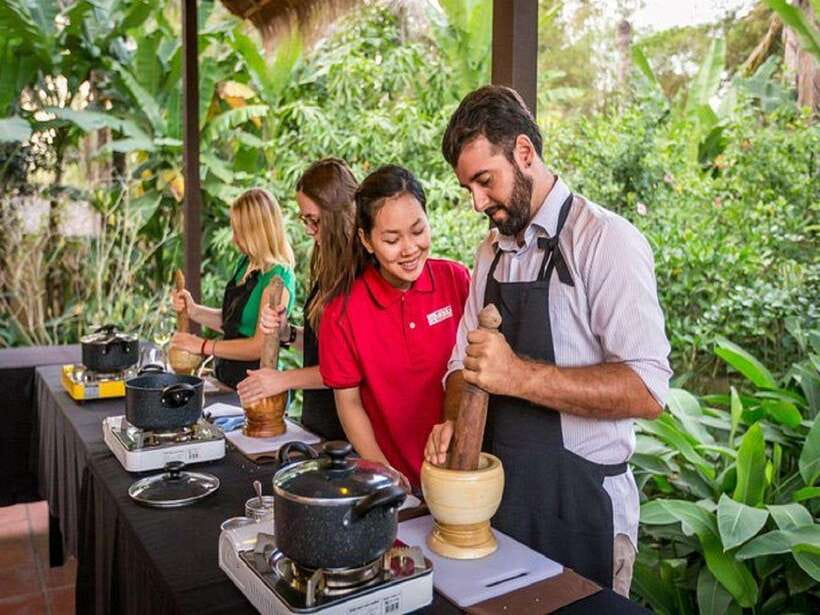
This experience starts the way Cambodian life actually starts: outside, moving through the neighborhood. You’ll get hotel pickup and drop-off, and you’ll travel by a traditional tuk-tuk to your first stop. The ride adds a little energy to the day. It’s also practical. In a few minutes, you’re out of the tourist bubble and into the places locals use.
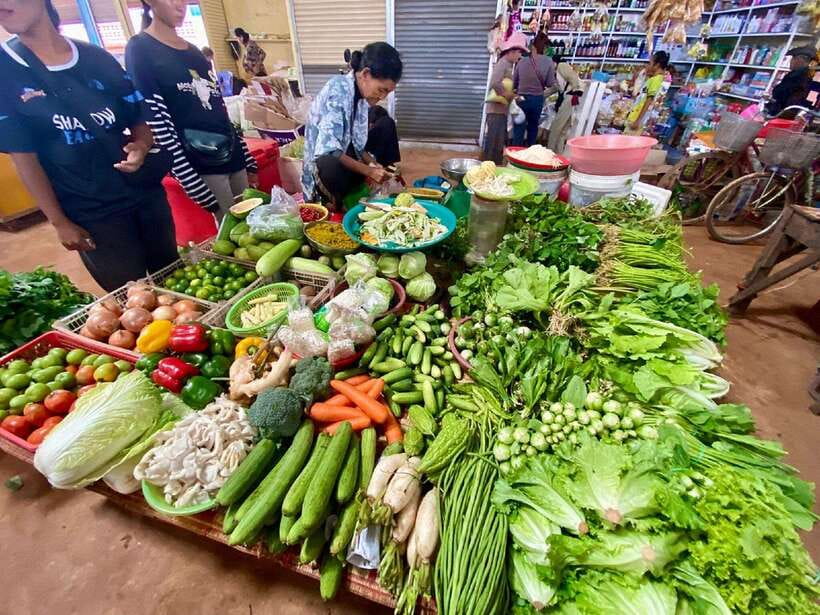
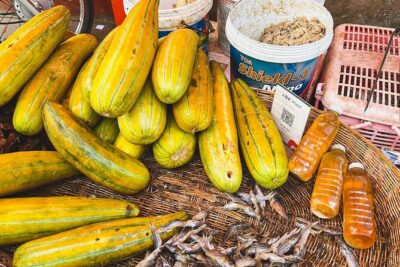
Then comes the market. This isn’t framed as a quick photo-op. The point is that your cooking is tied to what you buy. Your English-speaking host/guide brings you to the market, and you’ll meet locals while you haggle for fresh ingredients. That matters because Khmer cooking is ingredient-driven. Aromatics, herbs, and fresh produce change the flavor more than you’d expect.
A small timing note: you’re asked to wait for the driver 30 minutes before the start. If you’re the type who hates waiting, set your expectations now. You’ll be glad you did later, when the schedule feels calm instead of rushed.
Shopping Like a Local: Picking Ingredients for Your Khmer Dishes
Market time is one of my favorite parts of this class. Why? Because you learn what good ingredients look like in the first place. You’re not just buying items off a list. You’re learning how to choose.
On this outing, you’ll purchase ingredients specifically for the dishes you’ll cook. The goal is simple: you should be able to look at an ingredient at home and say, I know what to look for now.
It’s also a good reality check. If you’ve only had Cambodian food in restaurants, the market helps you understand why it tastes the way it does. Many Khmer dishes rely on the balance of herbs, aromatics, and fresh flavor. When you see those ingredients up close, the cooking makes more sense.
One more detail that’s worth your attention: your host also prepares the ingredient setup so cooking feels manageable. That means you get the hands-on part without everything turning into chaos.
Cooking Inside a Local Home: The Real Lesson Plan
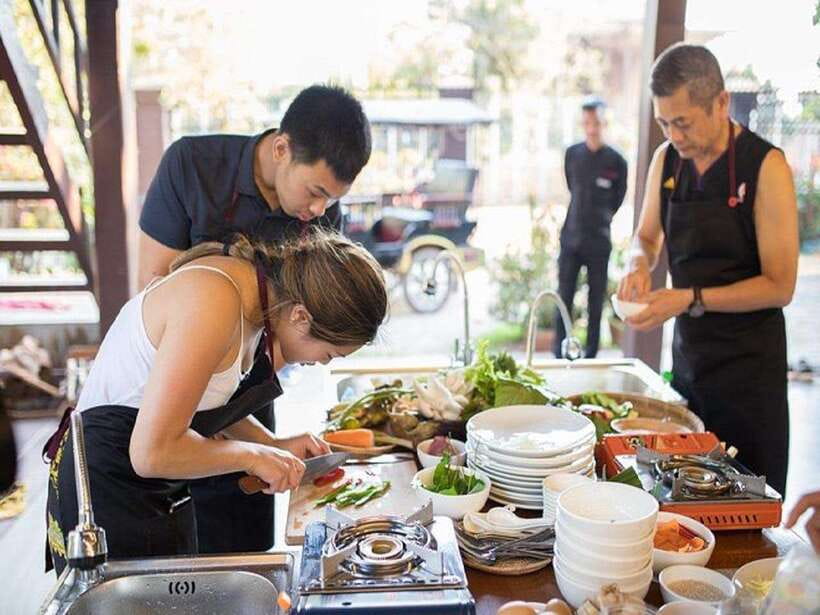
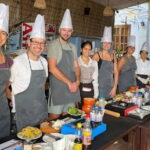
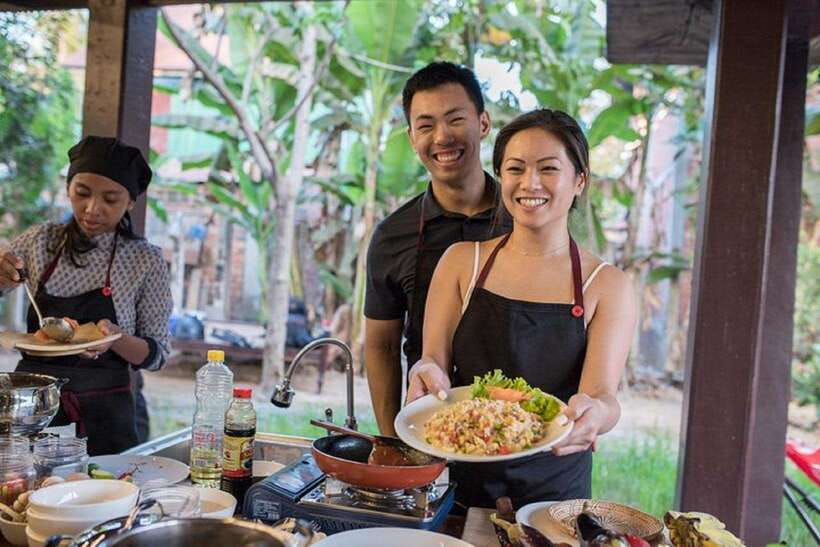
Once you arrive at your guide’s home, the class shifts from shopping to building. You roll up your sleeves and cook. This is one of those activities that feels different from typical cooking shows, because you’re working in a real domestic kitchen—not a staged classroom.
The structure is straightforward. You’ll learn to prepare four traditional Khmer dishes. This is a “chef for a day” setup, and the best part is that you’re not just doing one recipe. You’re learning a small menu’s worth of techniques and flavor patterns.
The cooking time is also long enough that you’re not constantly switching tasks. You’ll get repeated practice with Khmer flavors—stuff like herb handling, aromatic prep, and balancing seasoning. That’s where the real value lives: you start understanding how flavors work together, instead of memorizing one recipe.
And yes, it’s English instruction. If you’re worried about language barriers, relax. Reviews emphasize the clarity of the English used during the class.
The Four Dishes: Fish Amok and Tom Yum (Plus Two More)
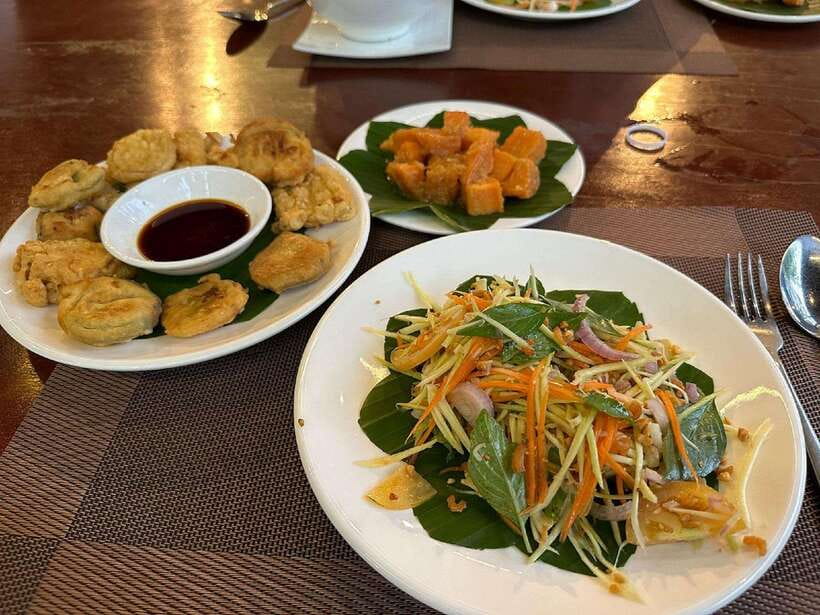
Two dishes are specifically highlighted: Fish Amok and Tom Yum. Fish Amok is famous for its rich, fragrant profile, and it’s often a dish people only ever order out. Here, you get to make it yourself. That’s a big deal for skill-building.
Tom Yum is another smart inclusion. It teaches you how Cambodian-style sour, herbal notes can be balanced so they taste clean, not harsh. Even if Tom Yum is familiar in other Southeast Asian countries, the Cambodian approach has its own personality.
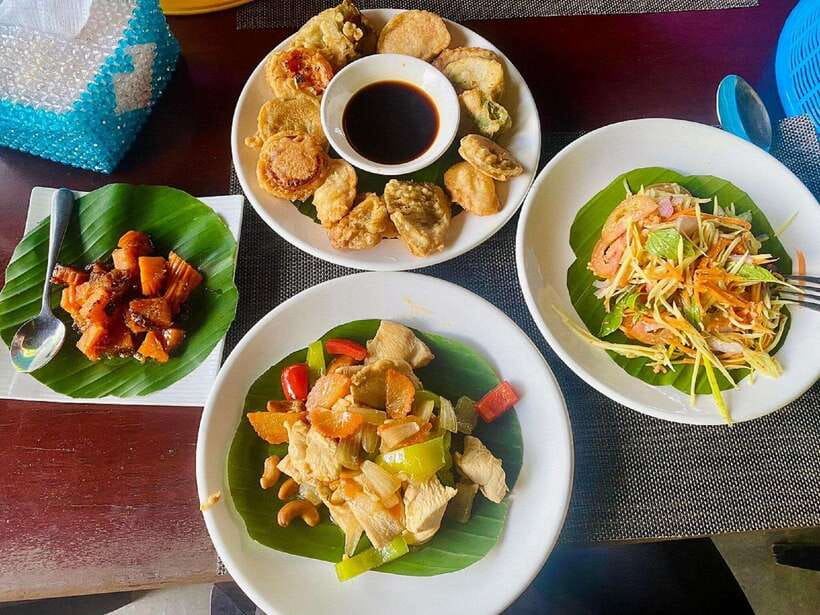
For the other two dishes, the exact names aren’t listed here, but you can still expect a true Khmer spread. The included meal is a 4-course meal, meaning you’ll sit down and eat your work, not just cook and walk away hungry.
More time at the stove
The “Choose Options” Advantage
One of the more useful details from reviews: some classes let you choose from 2–3 options for every course. If you’re picky, this can be a lifesaver. It also helps if you’re not sure about one dish’s flavor direction and want a close alternative.
If you have dietary restrictions, use this flexibility to your advantage. If you avoid seafood, don’t just hope. Ask before the class what substitutions might be possible. The data here confirms Fish Amok is included, so you’ll want clarity.
“Chef for a Day” Skills You’ll Actually Use Again
This class isn’t only about eating. It’s about learning patterns.
You’ll pick up tips and tricks from your host/guide as you cook. This is where I think the experience earns its near-perfect score. In many cooking classes, you get steps but not context. Here, you learn the why behind key moves—like how to handle ingredients so they don’t fight each other in the final dish.
Some reviews also mention extra touches that go beyond the cooking station. For example, one guide took photos during cooking and then shared them later along with the recipes. You might not get this exact add-on every time, but it fits the overall vibe: you’re guided as a person, not treated like a ticket number.
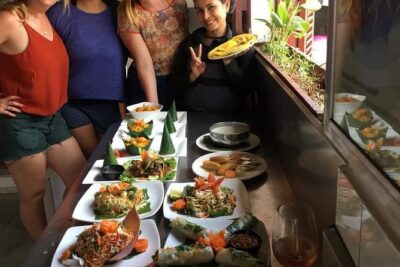
And after cooking, you’ll enjoy your 4-course meal at the table. That matters. You’re tasting results while the process is still fresh in your mind. You can immediately connect flavors to techniques. That’s how you remember, and that’s how you improve next time.
What the Tuk-Tuk Adds (Beyond Getting From A to B)
The traditional tuk-tuk transport sounds like a cute extra, but it plays a real role. It helps you move between the pickup spot, the market, and the home without turning the day into a logistics puzzle.
In Siem Reap, distances feel short until you factor in traffic and time. Tuk-tuk rides also help set the pace: you’re not rushing. The market stop and the cooking time are the main events. The ride is the bridge between them.
For photographers, it’s also handy. Markets and kitchens give you different kinds of images. Just don’t make the ride the main point. The main point is what you learn and cook.
Time on the Clock: How 3 Hours Feels in Real Life
The class runs about 3 hours total. That’s a sweet spot in Siem Reap. It’s long enough for real cooking and a full meal, but short enough that you can still plan other activities the same day.
This is especially helpful if you’re juggling temple visits. You can do morning or afternoon sightseeing and still fit the cooking class without it eating your whole day.
The one timing wrinkle is the driver pickup. Again: wait 30 minutes before starting. Once you build that into your plan, the rest flows.
Price and Value: Is $35 Worth It?
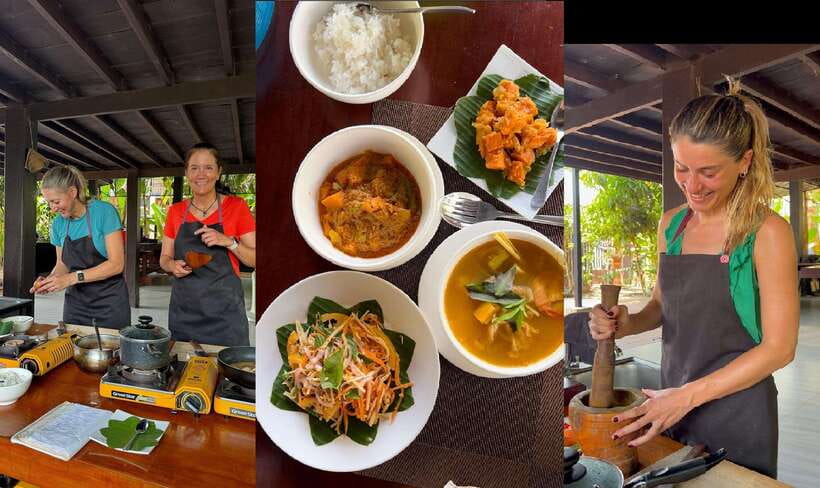
At $35 per person for a 3-hour, market-to-home cooking class, the value comes from what’s included and what you learn.
You’re getting:
- Hotel pickup and drop-off
- An experienced local host/guide
- Ingredients for your dishes
- A 4-course meal
- Bottled water
That’s not just “a class.” It’s basically a full experience package: transportation, ingredient sourcing, cooking instruction, and a meal. Many cooking classes charge similarly but don’t include the market shopping step. Here, the market shopping helps you understand Cambodian cooking at its roots.
Alcohol isn’t included, so if you like drinks with your meal, plan on handling that separately. The good news is bottled water is included, which keeps the experience simple and predictable.
If you’re the type who loves eating well but also wants skills, this price makes sense. You’re paying for time, instruction, and ingredients—not just recipes on paper.
Who This Cooking Class Suits Best
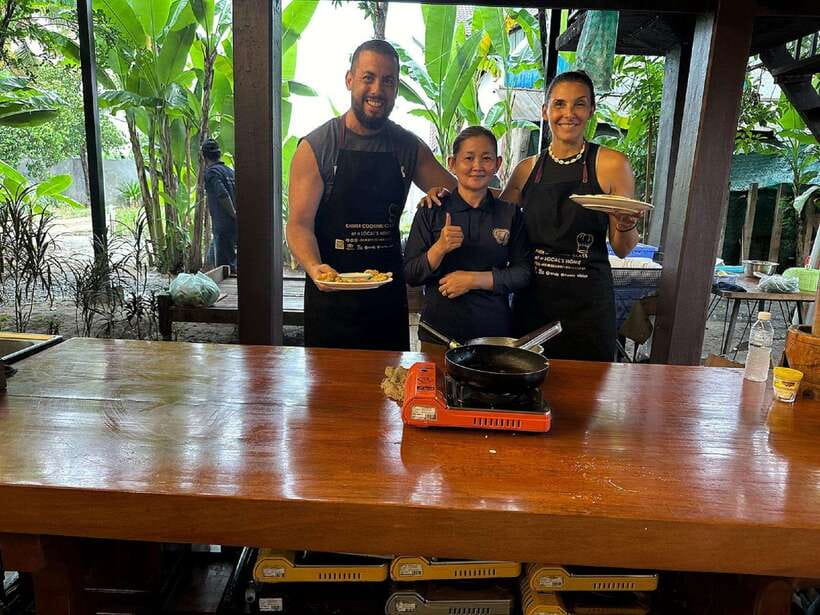
This class is a strong match if you want:
- Hands-on practice cooking Khmer dishes, not just watching
- A local market visit where you actively choose ingredients
- A home setting that feels like daily life in Siem Reap, not a demo studio
- A full meal outcome so you’re guaranteed to eat well
It’s also a smart choice for couples and friends, since you’ll cook a small menu together and sit down to eat the results. If you’re traveling solo, it still works because the host/guide interaction is built into the experience.
If you’re very sensitive to fish-based dishes or don’t eat spice-heavy food, don’t skip this outright. Just ask about your options before you go. The class includes Fish Amok for sure, but the menu structure may allow some adjustments.
Final Decision: Should You Book This Cooking Class?
Book it if you want a market-to-table experience and you enjoy learning by doing. The standout strength is the combination of ingredient shopping, cooking inside a local home, and a real sit-down meal of four dishes.
Skip or ask extra questions if you have strict dietary needs, because the menu includes Fish Amok and you’ll want to know how flexible the class can be for your preferences. If you’re curious and flexible, though, this is one of those Siem Reap experiences that feels genuinely worth your time.
FAQ
How long is the Cambodian Cooking Class in Siem Reap?
It’s a 3-hour experience.
What is included in the price?
The class includes hotel pickup and drop-off, an experienced local host/guide, ingredients, a 4-course meal, and bottled water.
Do I cook Fish Amok and Tom Yum?
Yes. The class includes cooking Fish Amok and Tom Yum as part of the four traditional dishes you’ll prepare.
Is alcohol included?
No. Alcoholic drinks are not included.
What language is the instructor?
The class is taught in English.
What should I do for pickup timing?
You’re asked to wait for the driver 30 minutes before the starting time.
Can I cancel for a refund?
Yes. There’s free cancellation up to 24 hours in advance for a full refund.
Learn Another Khmer Dish
- Khmer Cooking Class at a Local’s Home in Krong Siem Reap
★ 5.0 · 2,731 reviews - Siem Reap: Khmer Cooking Class at a Local’s Home
★ 5.0 · 1,108 reviews - Award-Winning Cooking Class Experience with Professional Teacher
★ 5.0 · 745 reviews - Cambodian Village Cooking Class
★ 5.0 · 265 reviews - Cambodian Cooking Class from Siem Reap
★ 4.9 · 190 reviews
More Tour Reviews in Siem Reap
- Angkor Wat Sunrise or Sunset Tour with Guide from Siem Reap
★ 5.0 · 12,109 reviews - Siem Reap: Angkor Wat: Small-Group Sunrise or Sunset Tour
★ 5.0 · 9,444 reviews - From Siem Reap: Kampong Phluk Floating Village Tour by Boat
★ 4.9 · 6,979 reviews - Sunset tour of Kampong Phluk stilts home village on the Tonle Sap
★ 5.0 · 4,865 reviews - Siem Reap: Angkor Wat 2-Day Tour with Sunrise and Sunset
★ 4.9 · 4,429 reviews
Cook It Yourself: Khmer Classes
- Khmer Cooking Class at a Local’s Home in Krong Siem Reap
★ 5.0 · 2,731 reviews - Siem Reap: Khmer Cooking Class at a Local’s Home
★ 5.0 · 1,108 reviews - Award-Winning Cooking Class Experience with Professional Teacher
★ 5.0 · 745 reviews - Cambodian Village Cooking Class
★ 5.0 · 265 reviews - Cambodian Cooking Class from Siem Reap
★ 4.9 · 190 reviews
Just Added: Fresh Siem Reap Tour Reviews


Khmer Cooking Classes, compared.
 ★ 5.0Khmer Cooking Class at a Local’s Home in Krong Siem ReapFrom $272,731 reviews
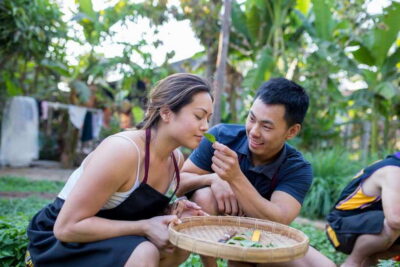 ★ 5.0Khmer Cooking Class at a Local’s HomeFrom $291,108 reviews
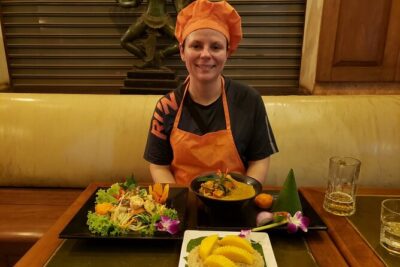 ★ 5.0Award-Winning Cooking Class Experience with Professional TeacherFrom $22745 reviews
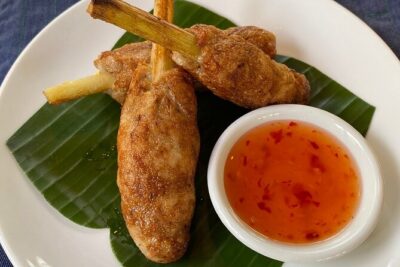 ★ 5.0Cambodian Village Cooking ClassFrom $32265 reviews
 ★ 4.9Cambodian Cooking Class from Siem ReapFrom $32190 reviews
 ★ 5.0Siem Reap Cooking ClassFrom $35170 reviews
 ★ 5.0Khmer Gourmet Cooking ClassFrom $21145 reviews
 ★ 5.0Khmer Cooking Class in CambodiaFrom $3536 reviews
Browse the lists this tour appears in