
Reviewed · KHMER COOKING CLASSES
Evening Cooking Class
Cooking under stars beats the restaurant routine. In Siem Reap, this evening class mixes a lemongrass cocktail or mocktail, a quick market look, and then a hands-on cooking session for three Cambodian dishes. I love that the chef keeps it step-by-step so you’re not just watching; you’re actually cooking.
I also like how the experience starts with people, not a script. Host Sophia walks you through a wet market, explaining which produce feels local and which items often come from elsewhere, and what those ingredients are good for.
One possible drawback: the 5:00 pm start and about three hours can feel a bit short if you were hoping to add another big evening activity right after. If you like your nights packed, plan a little breathing room.
In This Review
- Key highlights to look for
- An evening market walk that actually teaches you what to buy
- Lemongrass cocktail prep sets the tone before you touch a stove
- Inside the thatch pavilion: a hands-on class, not a demo
- Cooking three dishes: how to get the most out of the lesson
- Dinner under the stars: your cooking becomes the reward
- Price and value in Siem Reap: where $35 makes sense
- Group size and pacing: what up to 12 travelers changes
- Who should book this cooking class—and who might not
- Booking notes: what to confirm before you go
- Should you book this evening cooking class in Siem Reap?
- FAQ
- What time does the cooking class start?
- How long is the evening cooking class?
- What does the class cost?
- Is pickup offered from my hotel?
- How many dishes will I learn to cook?
- Can I cancel for a full refund?
Key highlights to look for
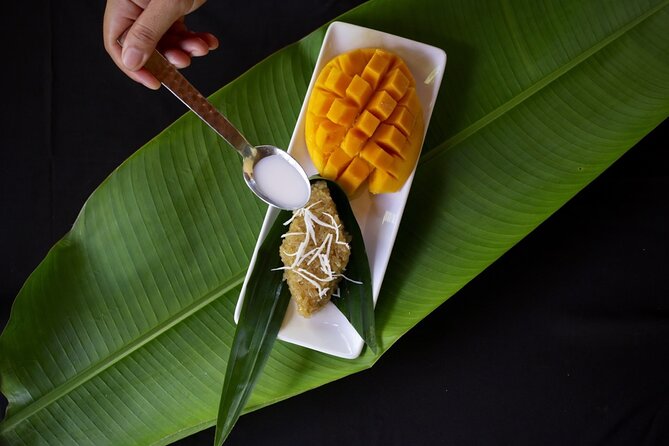
- Lemongrass cocktail or mocktail at the start, setting a relaxed evening pace
- Market walk with Sophia, including how to spot local vs imported ingredients
- Small group of up to 12, which helps you get real attention while cooking
- Step-by-step coaching to make three Cambodian dishes you can repeat later
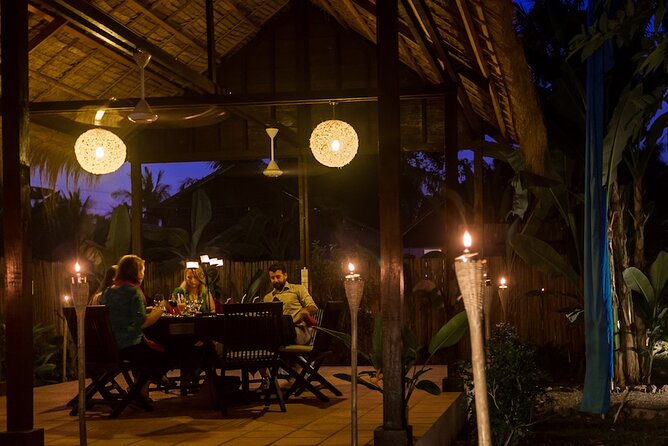
- Dinner under the stars in a thatch pavilion with tropical gardens for atmosphere
Aprons on for another Khmer kitchen
- Siem Reap: Khmer Cooking Class at a Local’s Home★ 5.0 · 1,108 reviews
- Award-Winning Cooking Class Experience with Professional Teacher★ 5.0 · 745 reviews
- Cambodian Village Cooking Class★ 5.0 · 265 reviews
- Cambodian Cooking Class from Siem Reap★ 4.9 · 190 reviews
An evening market walk that actually teaches you what to buy
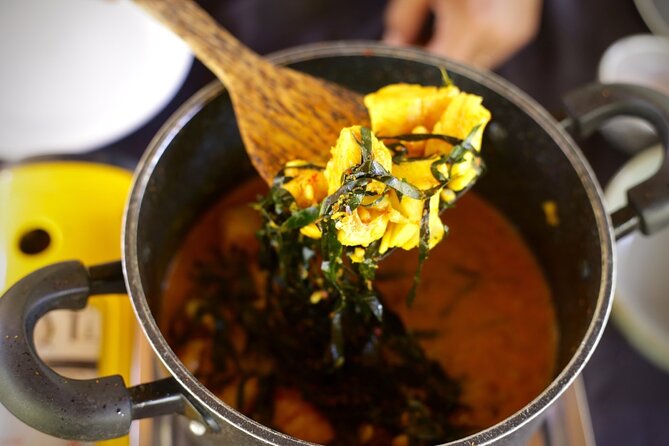
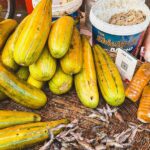
This is not just a cooking show. It starts with a short trip to a market area, then a guided walk that helps you understand what you’re about to cook with. I like this approach because it turns ingredients from random produce into something you can recognize and choose later.
If you’re picked up from your hotel, you’ll typically roll out to the market with the group, then meet your host. In the best versions of this setup, you get a bit of transit time to settle in, and then Sophia brings the focus back to food. You’ll get a practical sense of the ingredients you’ll see again during the cooking steps.
The market stop matters because Cambodian cooking is built on flavor balance. When you learn what vegetables are used locally, how they taste, and why certain items are chosen, you stop following a recipe blindly. You start making decisions. That’s the real takeaway you can use back home—especially if you don’t have the exact same ingredients available.
Also, this part is a good reality check. Some ingredients will be easy to swap in your home kitchen; others will be harder. A market walk is where you learn which is which, without turning it into a confusing chemistry lesson.
Lemongrass cocktail prep sets the tone before you touch a stove
Right after you arrive, you kick off with a Cambodian-inspired drink: a cocktail or mocktail featuring lemongrass. This is a smart move for an evening class. It makes the start feel special, and it also gets you in the mood for the flavors you’ll be working with.
Lemongrass is a big deal in Southeast Asian cooking. Here, it’s not just a garnish or an afterthought. Starting with a drink gives you a chance to taste the aroma up front, so the cooking later feels connected rather than random.
You usually get this as the group settles at the start space—before the chef takes over. I appreciate that the pace isn’t rushed. You’re not being thrown into chop-and-stir chaos before you’re ready.
And because you’re drinking early, it’s wise to pace yourself. Even if you choose a mocktail, the whole evening runs like a dinner flow: drink, learn, cook, eat. Keep that rhythm in mind so you stay comfortable for the cooking part.
Inside the thatch pavilion: a hands-on class, not a demo
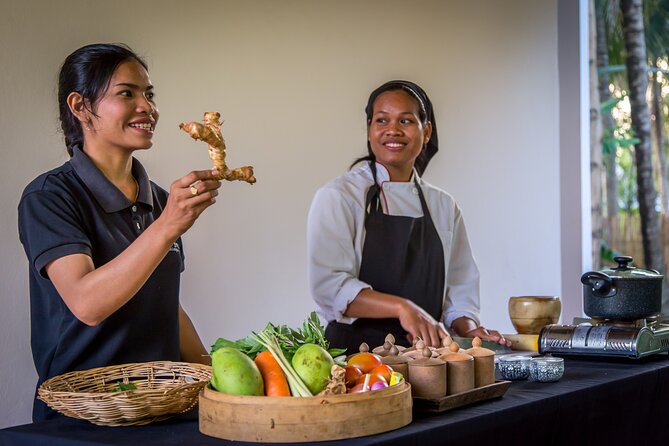
Your cooking base is a beautiful thatch pavilion with tropical gardens around you. That setting matters more than you might think. A class like this can either feel like a chore or feel like an evening with people who love food. The pavilion creates the second option.
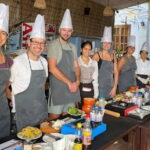
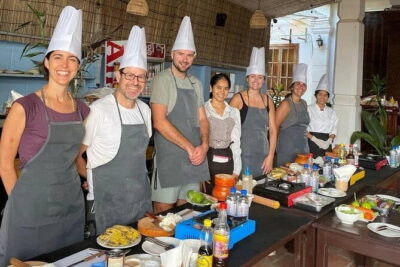
With a maximum of 12 travelers, the group size stays small. That’s a big deal for hands-on cooking, because the chef can actually see what you’re doing and correct issues before your dish goes off track. If you’ve ever been stuck in a “watch and hope” class, this one is built differently.
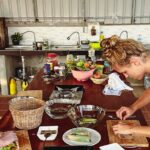
The chef guides you through three Cambodian dishes. The key word is guided: the cooking is step-by-step, and you move through each dish in a structured way. That structure helps you understand technique, not just timing. It also makes it easier to remember what you did when you try to cook again later.
One thing I like about step-by-step coaching is that it builds confidence. You’re less likely to panic if the first steps take a few minutes longer. The chef can adjust for the pace of the group.
Cooking three dishes: how to get the most out of the lesson
You’ll cook three dishes over the course of the class, and then you’ll eat them afterward for dinner under the stars. That means you’re not only learning skills—you’re also getting immediate feedback in the form of a satisfying meal.
To make the most of it, I’d treat each dish like a mini lesson in flavor. Pay attention to what changes from step to step: texture, aroma, and how the sauce or seasoning develops. Even if you don’t remember every ingredient name, your senses will remember the process.
Also, focus on learning the “why,” not just the “what.” Market knowledge helps here. When you know whether something is fresh, local, and how it tastes, you can adjust at home if the ingredient you find looks a bit different. That’s where the class becomes valuable beyond the tour.
Another smart approach: take mental notes on timing. You might get used to the idea that cooking is a sequence, not a single moment. Cambodian cooking often rewards patience, and the class flow mirrors that. If you rush during home cooking, you’ll miss some of the best texture changes.
If you’re worried about language barriers, don’t be. The experience is set up to be hands-on and guided, so you’ll get visuals and direct help when you need it. The small group helps you ask questions without feeling lost.
More time at the stove
Dinner under the stars: your cooking becomes the reward
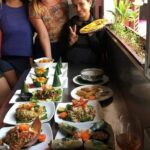
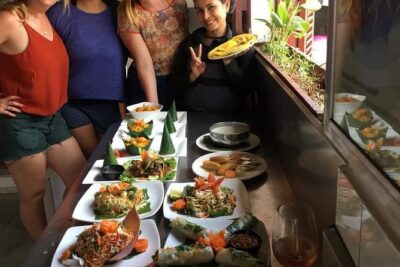
After cooking, you enjoy what you make for dinner. The meal is served outside, under the stars, in that thatch pavilion setting. This is the part that often surprises people: it doesn’t feel like an end-of-tour afterthought. It feels like the point.
Eating your own dishes right away is a built-in learning tool. You get to compare what you thought you did with how the dish actually tastes. That feedback loop is what helps the lesson stick.
The garden-and-night setting also changes the mood. Instead of eating indoors where everything feels flat, you get a more relaxed evening dinner rhythm. It pairs well with the early drink start, so the night feels continuous rather than split into separate activities.
If you want a smoother evening, eat at a comfortable pace. You’ll still be enjoying dinner, not rushing off to your next plan. This is one of those experiences where slowing down pays off.
Price and value in Siem Reap: where $35 makes sense
The price is $35 per person, and the class runs about 3 hours. On paper, that can sound like a “tour price” rather than a meal price. But when you break down what’s included, it starts making sense.
You’re getting:
- pickup offered from your hotel area (so you don’t have to figure out transport),
- a market walk guided by Sophia,
- a lemongrass cocktail or mocktail,
- guided cooking for three dishes,
- dinner outdoors under the stars.
Value isn’t only about how cheap it is. It’s about how much real experience you’re paying for. This one gives you both instruction and results. You leave with dishes you can repeat, which is a big upgrade from tours where you just take photos and move on.
Also, the small group size (up to 12) supports the value. With fewer people, it’s easier for the chef to keep quality high. That’s when a cooking class becomes worth its time.
And since the tour is commonly booked about a month in advance, I’d treat it as a plan-ahead activity rather than a last-minute option. If your dates are fixed, booking early can save stress.
Group size and pacing: what up to 12 travelers changes
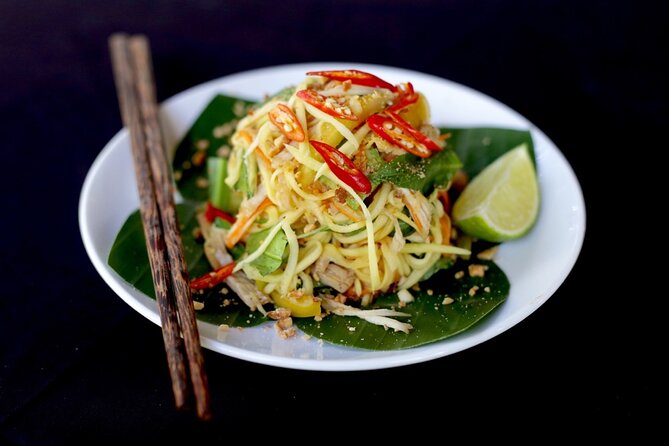
Small groups aren’t just a comfort upgrade. They change the entire experience. With up to 12 travelers, you’re more likely to get direct attention while cooking—especially if you’re new to chopping, stirring, or working with sauces.
The class flow is also easier to manage in a small group. Step-by-step cooking works best when everyone can follow along without waiting too long. It keeps the evening from turning into a queue.
Pacing is important here because it’s an evening activity. You want the class to feel like a dinner night out, not an endurance test. A 3-hour duration can work great if your group stays focused, and small size helps that happen.
Who should book this cooking class—and who might not
This is a strong fit if you like:
- practical learning you can reuse later,
- market-to-kitchen experiences,
- eating what you cook,
- a laid-back evening plan with a real local-food angle.
It’s also a good choice if you’re traveling with someone who enjoys cooking or wants something more interactive than temples and transfers.
You might reconsider if you:
- need a very long evening (this runs about 3 hours),
- want a super-flexible schedule where you can control every minute,
- dislike classes that require you to participate rather than watch.
For most people, the best approach is to treat it as your dinner plan. That way you’re not juggling timing or hoping it ends early enough to squeeze in something else.
Booking notes: what to confirm before you go
A few details help you avoid surprises. You’ll receive confirmation at the time of booking, and you get a mobile ticket. Pickup is offered, and the start time is 5:00 pm.
Service animals are allowed, which is useful to know if that affects your plans.
If you want the best chance at getting the slot that fits your itinerary, book ahead. Since it’s often reserved about 30 days in advance on average, last-minute decisions can be harder.
And if your plans change, you have flexibility to cancel for a full refund as long as you cancel at least 24 hours before the experience’s start time (local time).
Should you book this evening cooking class in Siem Reap?
Yes, if you want a real skill-based experience that ends with dinner you actually made. I like that it blends market learning, a lemongrass drink start, and guided cooking into one smooth evening. The small group size and step-by-step coaching are what make it feel personal, not generic.
Skip it only if you’re not interested in hands-on cooking or you’re already committed to a late-night schedule that can’t bend. If your priority is comfort and interaction, this is one of the easier ways to get a meaningful Siem Reap experience without spending your entire day in transit.
FAQ
What time does the cooking class start?
It starts at 5:00 pm.
How long is the evening cooking class?
The duration is about 3 hours.
What does the class cost?
The price is $35.00 per person.
Is pickup offered from my hotel?
Yes, pickup is offered.
How many dishes will I learn to cook?
You will learn to cook three Cambodian dishes.
Can I cancel for a full refund?
Yes. You can cancel up to 24 hours in advance for a full refund.
Learn Another Khmer Dish
- Khmer Cooking Class at a Local’s Home in Krong Siem Reap
★ 5.0 · 2,731 reviews - Siem Reap: Khmer Cooking Class at a Local’s Home
★ 5.0 · 1,108 reviews - Award-Winning Cooking Class Experience with Professional Teacher
★ 5.0 · 745 reviews - Cambodian Village Cooking Class
★ 5.0 · 265 reviews - Cambodian Cooking Class from Siem Reap
★ 4.9 · 190 reviews
More Tour Reviews in Siem Reap
- Angkor Wat Sunrise or Sunset Tour with Guide from Siem Reap
★ 5.0 · 12,109 reviews - Siem Reap: Angkor Wat: Small-Group Sunrise or Sunset Tour
★ 5.0 · 9,444 reviews - From Siem Reap: Kampong Phluk Floating Village Tour by Boat
★ 4.9 · 6,979 reviews - Sunset tour of Kampong Phluk stilts home village on the Tonle Sap
★ 5.0 · 4,865 reviews - Siem Reap: Angkor Wat 2-Day Tour with Sunrise and Sunset
★ 4.9 · 4,429 reviews
Cook It Yourself: Khmer Classes
- Khmer Cooking Class at a Local’s Home in Krong Siem Reap
★ 5.0 · 2,731 reviews - Siem Reap: Khmer Cooking Class at a Local’s Home
★ 5.0 · 1,108 reviews - Award-Winning Cooking Class Experience with Professional Teacher
★ 5.0 · 745 reviews - Cambodian Village Cooking Class
★ 5.0 · 265 reviews - Cambodian Cooking Class from Siem Reap
★ 4.9 · 190 reviews
Just Added: Fresh Siem Reap Tour Reviews

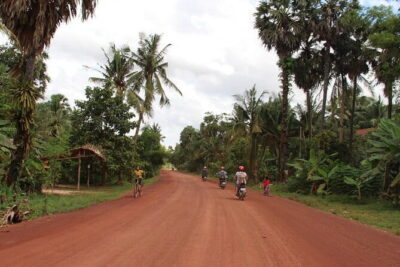

Khmer Cooking Classes, compared.
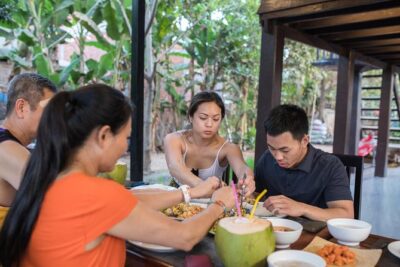 ★ 5.0Khmer Cooking Class at a Local’s Home in Krong Siem ReapFrom $272,731 reviews
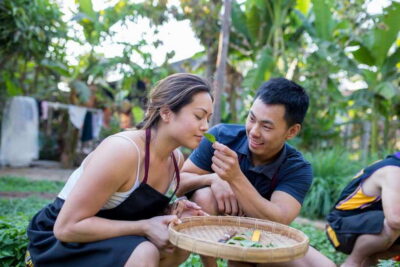 ★ 5.0Khmer Cooking Class at a Local’s HomeFrom $291,108 reviews
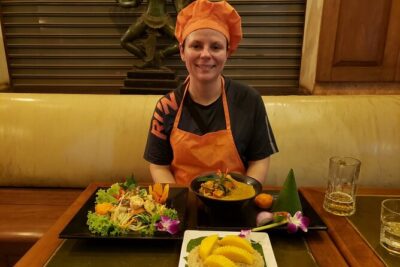 ★ 5.0Award-Winning Cooking Class Experience with Professional TeacherFrom $22745 reviews
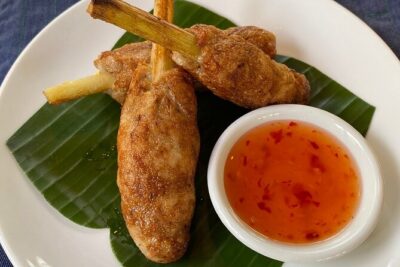 ★ 5.0Cambodian Village Cooking ClassFrom $32265 reviews
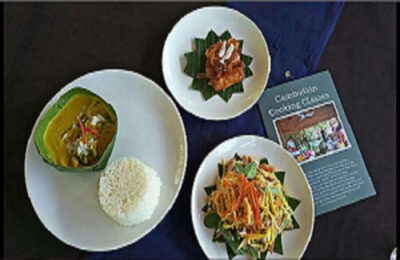 ★ 4.9Cambodian Cooking Class from Siem ReapFrom $32190 reviews
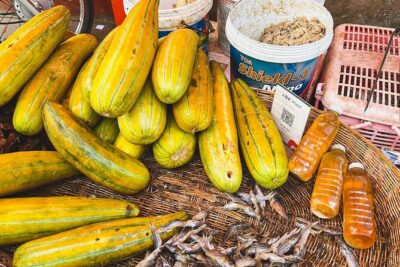 ★ 5.0Siem Reap Cooking ClassFrom $35170 reviews
 ★ 5.0Khmer Gourmet Cooking ClassFrom $21145 reviews
 ★ 5.0Khmer Cooking Class in CambodiaFrom $3536 reviews
Browse the lists this tour appears in