
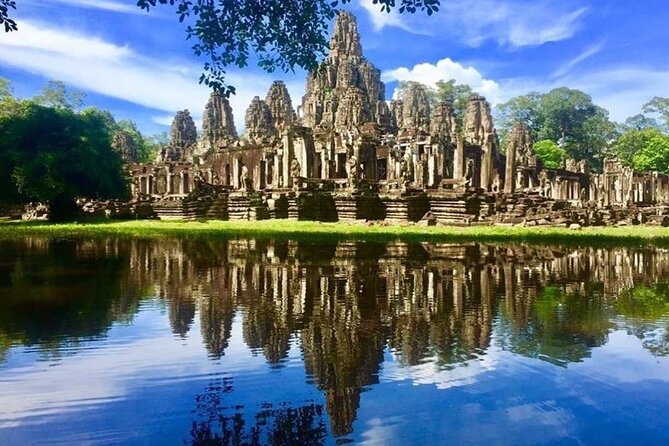
Reviewed · PRIVATE ANGKOR TOURS
“Killing Fields & Landmine Museum: Private Guided Tour
Temples are only half the story. This private day in Siem Reap goes straight into Cambodia’s modern scars, from Khmer Rouge detainment at Wat Thmey to the war’s long shadow at the Cambodia Landmine Museum.
I love the private guided pace here. You get time to ask questions and linger when something hits you. I also really like that a professional photographer is included, so you can focus on absorbing the meaning instead of chasing good angles.
One thing to consider: this is emotionally heavy history. If you want carefree sightseeing, you may find the subject matter too intense for a single afternoon.
In This Review
- Key points to know before you go
- Wat Thmey: Where Khmer Rouge brutality is marked in stone and silence
- Khmer Rouge memory meets modern reality at the Killing Fields sites
- Cambodia Landmine Museum: Why the lesson lasts long after the war
- Daily life near Banteay Srei: How survival shows up in rice fields and paths
- Private guide + luxury car: How the day stays smooth and personal
- Value check: Is $190.98 per person fair for this route?
- Temple-ready comfort: Dress code, timing, and photo reality
- Who this tour suits best
- Should you book this Killing Fields & Landmine Museum private tour?
- FAQ
- How long is the Killing Fields & Landmine Museum private guided tour in Siem Reap?
- Is this a private tour or a shared group?
- Do I get pickup in Siem Reap?
- What’s included in the tour price?
- Are entrance tickets included?
- What should I wear?
- Can I cancel for a full refund?
Key points to know before you go
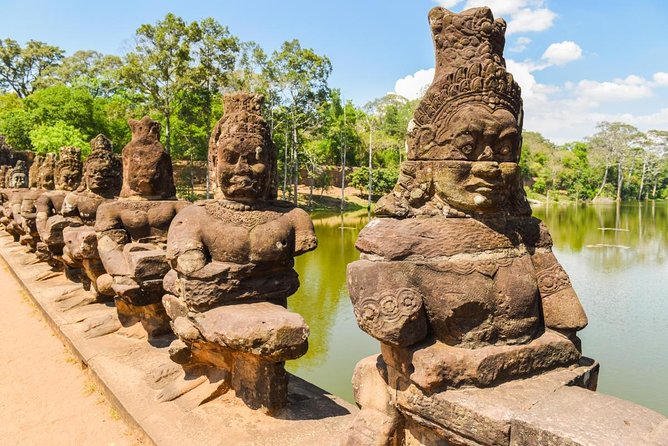
- Private, English-speaking guide so you can move at a human pace and ask follow-ups.
- Wat Thmey memorial just outside the main tourist area, focused on Khmer Rouge detainment and recovered remains.
- Cambodia Landmine Museum shows how war damage continues long after fighting stops.
- Photographer included, plus water, tissue, and fruit, so you’re not scrambling during drives.
- Admission tickets and temple pass not included, so budget for those day-of costs.
The harder history, told plainly
- Siem Reap: Elephants & Apopo Rat Demining Private Trip★ 4.6 · 46 reviews
- Siem Reap City Tour with War Museum and Killing Field★ 5.0 · 27 reviews
- War Museum, Killing Field and Floating village ( Chong Kneas) Tour★ 5.0 · 14 reviews
- Kbal Spean Trekking Tour with Banteay Srei and Landmine Museum★ 5.0 · 14 reviews
Wat Thmey: Where Khmer Rouge brutality is marked in stone and silence
The day starts in Siem Reap, then you head away from the busiest temple lanes and toward Wat Thmey, a quiet memorial site with a heavy purpose. It’s not “showy.” That’s part of why it works. You’re going to places where people once were detained and executed, and today the site serves as a reminder tied to recovered remains.
What I appreciate here is the way the memorial is handled with a calm, reverent tone. You’ll see a small memorial stupa holding skulls and bones recovered from mass graves in the area. For me, that kind of direct physical evidence cuts through vague ideas about history. It’s no longer a distant news headline; it’s right there.
The informational boards and photographs explain life under the Khmer Rouge, including forced labor, starvation, and the dismantling of culture and education. You also have a chance to hear from local monks or caretakers if you have questions. That human contact matters. It turns the visit from a checklist into a conversation.
Practical note: this stop is short (about 30 minutes), so don’t plan to see it like a slow museum. If you want to absorb everything, ask your guide to point out the most important boards first, then take your time on the parts that grab you.
Khmer Rouge memory meets modern reality at the Killing Fields sites
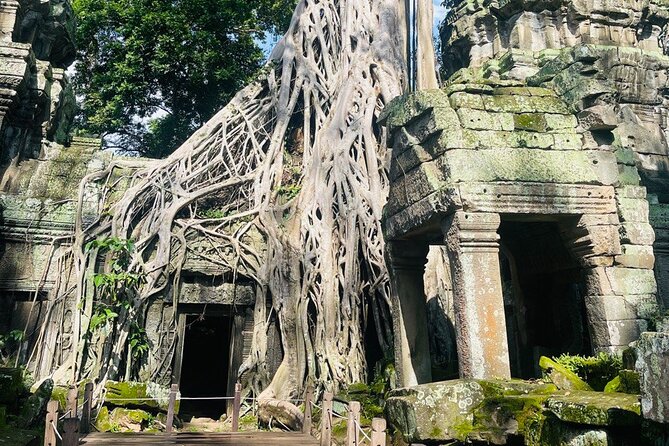
The tour’s title includes the Killing Fields of Siem Reap, and the structure of the day keeps that connection clear. After Wat Thmey, the theme shifts from Khmer Rouge imprisonment and violence to the wider landscape of harm that shaped Cambodia’s modern recovery.
Even without getting graphic, you can feel the logic of the route: the past isn’t treated like a sealed chapter. It’s treated like something that still affects how people farm, move, and rebuild. That’s what makes this tour different from a standard “temples only” outing.
If you’re the type who likes context before facts, this portion is a good match. Your guide can help connect the dots between different periods of conflict and why recovery took so long. And because this is private, you can ask for clarification without feeling like you’re holding up a group.
Tip for your mindset: expect the day to land harder than you probably plan. Keep a little extra patience for yourself. You’re not just looking; you’re learning how survival works.
Cambodia Landmine Museum: Why the lesson lasts long after the war
Then comes the Cambodia Landmine Museum, and this is where the tour stops being only about history books. The museum’s central message is simple but life-altering: even when the guns fall silent, danger can remain in ordinary places.
The museum is described as modest in size, but the impact is described as immense. That makes sense once you’re there. When something is this practical, it doesn’t need lots of rooms to be powerful. It’s more about what you’re shown and what your guide explains.
You’ll learn about the long-lasting impact of war in Cambodia and the resilience of the people living alongside that danger. The tour specifically references stories tied to Aki Ra, the former child soldier who now runs the Landmine Museum. That personal angle is important. It’s not just about tragedy; it’s also about how one person’s survival helped turn suffering into something educational and protective.
What I like about this stop is that it forces you to think beyond the dramatic moment of conflict. Landmines and unexploded ordnance change daily routines. They limit where people can walk. They affect what land can be safely farmed. They also shape safety education for generations.
This is the kind of visit that can make you quieter afterward. If you prefer tours that keep moving fast, this might feel slower than you want. But if you want real understanding, it’s worth it. The 30-minute stop is enough to grasp the core message if you stay engaged and ask questions.
Daily life near Banteay Srei: How survival shows up in rice fields and paths
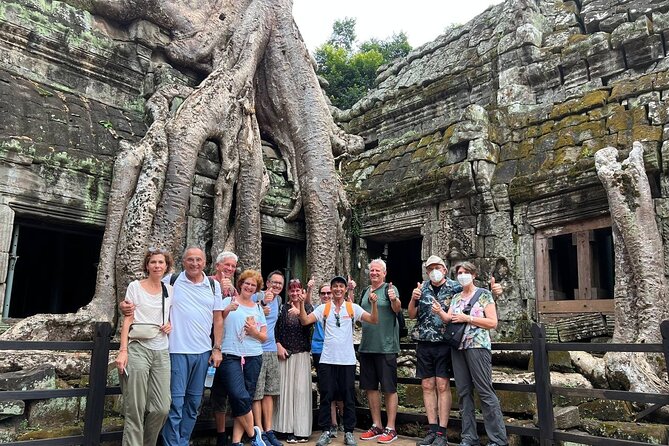
The third stop takes you toward Banteay Srei, but the theme here isn’t just a monument. The focus is on daily life on the way from landmines—survival, strength, and a nation healing step by step.
This is where the tour becomes more grounded. The day talks about how, for many people in rural Cambodia, the shadows of war are not memories. They’re still part of the landscape. Even after fighting ends, land can remain dangerous in rice fields, forests, and village paths.
On this part of the route, you get the idea that normal life takes time to restart. Agriculture becomes the heartbeat again, but it has to adapt around risk and uncertainty. Families rise early, tend to rice, and gather firewood—work that sounds routine until you remember that the ground itself can be dangerous.
In other words: this stop helps you understand Cambodia not just as a place of ancient temples, but as a place of ongoing recovery. That’s exactly why this tour fits well alongside a temple visit. You’ll understand more of what’s going on around the ruins instead of treating the ruins like the whole story.
Quick consideration: if you’re sensitive to heavy themes, this is one of the parts that can feel like a gut-check. It’s hopeful in tone, but it doesn’t pretend the danger vanished.
Just your group, at your own pace
Private guide + luxury car: How the day stays smooth and personal
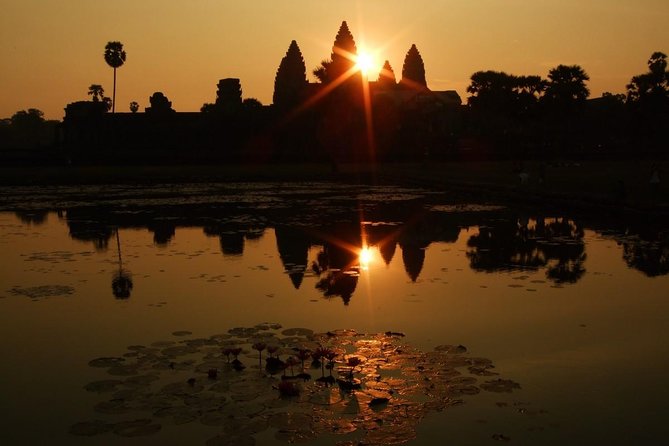
For me, the biggest practical win is the private format. You’re not sharing space with strangers on a crowded bus. You’re in a luxury private car/van with a professional English-speaking guide, and that changes everything about the flow of the day.
With a private guide, you can:
- ask for clarifications on Khmer Rouge history when something doesn’t make sense
- switch the emphasis if you care more about one theme than another
- get faster adjustments if you’re sensitive to certain content or photos
You also have a photographer on board. That sounds like a small perk until you’re standing somewhere meaningful and your brain is focused on the message. Having someone help with photos and timing means you can actually pay attention to what you’re seeing, not just what you’re capturing.
The tour also includes mineral waters and tissue on tours, plus natural fruits. That’s not glamorous, but it’s smart on a 5 to 6 hour day. Drives in Siem Reap can eat time, and hydration keeps you from turning your own tour into a struggle.
A final note from the provider’s track record: their guides have been praised for good English, friendly professionalism, and balancing seriousness with some light humor. Names like Mr Pich and Phiaron Chhoung come up in past feedback for strong history explanations and clear communication. You can reasonably expect the guide to know how to pace difficult topics.
Value check: Is $190.98 per person fair for this route?
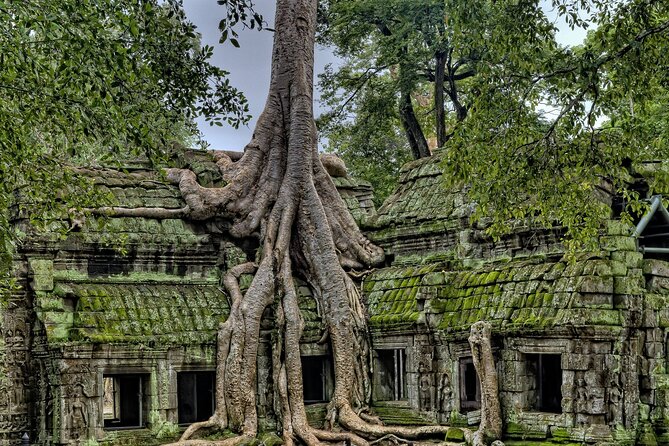
At $190.98 per person, this isn’t a budget “quick hits” tour. The value is in the combination of things you’d otherwise pay for separately or deal with awkwardly on your own.
Here’s what you’re paying for in practical terms:
- Private guide (not a shared-group format)
- Luxury private car/van for the day’s driving and movement
- Professional photographer
- Waters, tissue, and natural fruit
- Mobile ticket included for smoother access
What’s not included is important for your budget planning. Admission tickets at stops are not included, and the Angkor Temple Pass ($37 per person) is also not included. Even if you’re not visiting Angkor Wat specifically, you’ll want to confirm what you’ll need based on the sites accessed on the day. For your planning math, treat the temple pass as a likely add-on cost unless you already have one.
So is it worth it? If you’re the kind of traveler who wants more than a photo run, yes. Private + translation-ready guidance + a photographer is a hard combo to beat, especially for emotionally difficult sites where you don’t want to rush.
If you’re traveling on a strict budget or you’re okay navigating history sites on your own with limited guidance, this could feel pricier than you expect. But for many people, the guide context and the added comfort make the cost easier to justify.
Temple-ready comfort: Dress code, timing, and photo reality
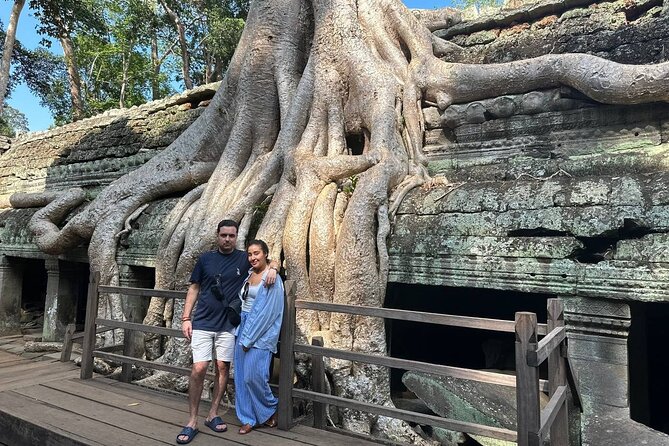
This tour includes temple-related sites and memorial spaces connected to historical detention and violence. That means you’ll want to dress appropriately. The rule given is straightforward: cover your shoulders and knees when entering the temples.
Even if one stop feels like a memorial rather than a classic temple, follow the dress code. It helps you avoid delays and keeps you respectful in places where people care about how visitors show up.
Timing-wise, you should expect a 5 to 6 hour day. Each major stop is about 30 minutes, which means the day’s real time is in the drive and the guided storytelling. If you like long museum-style pacing, you might feel slightly rushed. If you like focused visits with explanation and then time to process, the schedule fits well.
Photo tips, since the photographer is included:
- Ask your guide ahead of time what moments they think are best for photos at each stop.
- Decide whether you want formal shots or candid ones focused on the environment.
- If something feels too intense to photograph, that’s valid. You can still take in the place fully without documenting it.
And yes, plan for a day that may feel heavier than you expect. That’s not a flaw in the tour; it’s part of why the experience matters.
Who this tour suits best
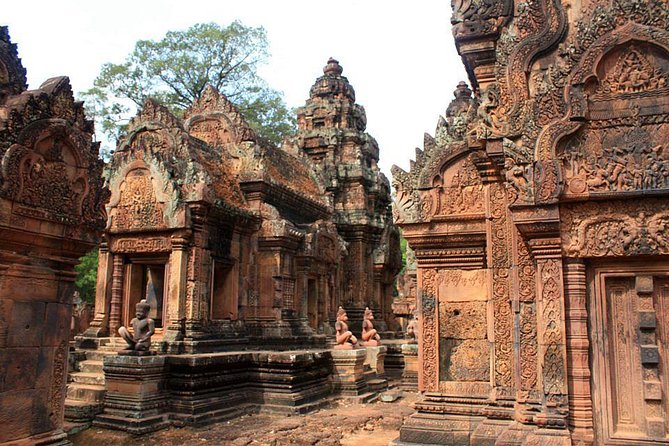
I think this tour is a great match if you want Cambodia to feel real, not just scenic. It’s ideal for travelers who:
- want to go beyond Angkor Wat and understand modern survival
- like history explained through a human lens
- value a private guide when topics are hard or complex
- appreciate having a photographer so they don’t miss the moment
It may not be the best fit if you’re looking for light entertainment or quick, casual sightseeing. The content connects to war, detainment, and the ongoing danger of landmines. You don’t need to be an expert to go. You do need to be okay with the tone.
Should you book this Killing Fields & Landmine Museum private tour?
If you want one Siem Reap day that changes how you understand Cambodia, I’d book it. The mix of Wat Thmey’s memorial and the Landmine Museum’s focus on the long aftermath is a rare combination. Add the private guide, luxury vehicle, and photographer, and the day becomes both more comfortable and more meaningful than most “temples only” alternatives.
I’d especially recommend it if you like asking questions and getting direct answers in English. And if you’re the type who tends to skip museums because they feel slow, don’t worry. This one is short at each stop, but the impact is the point.
If you want a kinder, lighter day, pair this with a more relaxed temple morning instead of expecting your whole trip to be emotionally intense.
FAQ
How long is the Killing Fields & Landmine Museum private guided tour in Siem Reap?
It runs about 5 to 6 hours.
Is this a private tour or a shared group?
It’s private. Only your group participates.
Do I get pickup in Siem Reap?
Pickup is offered, and the tour ends back at the meeting point in Krong Siem Reap.
What’s included in the tour price?
A professional English-speaking guide, a professional photographer, luxury private car/van, mineral water and tissue, and natural fruits on tours.
Are entrance tickets included?
Admission tickets are not included for the stops listed, and the Angkor Temple Pass is also not included ($37 per person).
What should I wear?
You must cover your shoulders and knees when entering the temples.
Can I cancel for a full refund?
Yes. You can cancel up to 24 hours in advance for a full refund. If you cancel less than 24 hours before the start time, the amount paid is not refunded.
More Tour Reviews in Siem Reap
- Angkor Wat Sunrise or Sunset Tour with Guide from Siem Reap
★ 5.0 · 12,109 reviews - Siem Reap: Angkor Wat: Small-Group Sunrise or Sunset Tour
★ 5.0 · 9,444 reviews - From Siem Reap: Kampong Phluk Floating Village Tour by Boat
★ 4.9 · 6,979 reviews - Sunset tour of Kampong Phluk stilts home village on the Tonle Sap
★ 5.0 · 4,865 reviews - Siem Reap: Angkor Wat 2-Day Tour with Sunrise and Sunset
★ 4.9 · 4,429 reviews
Just Your Group: Private Days
- Full-Day Angkor Wat Sunrise Private Tour with Guide from Siem Reap
★ 5.0 · 2,920 reviews - Siem Reap: Angkor Wat Private Tuk-Tuk Tour
★ 4.9 · 2,222 reviews - Angkor Wat Private Day Tour from Siem Reap
★ 5.0 · 834 reviews - Angkor Wat Private Tuk-Tuk Tour (sunrise Option) & more
★ 5.0 · 439 reviews - Private Angkor Wat Day Tour – Best of Angkor
★ 5.0 · 269 reviews
Cambodia's Recent History
- Siem Reap: Elephants & Apopo Rat Demining Private Trip
★ 4.6 · 46 reviews - Bantey Srei, Kbal Spean and Landmine museum Private Tuk-Tuk
★ 4.7 · 30 reviews - Siem Reap City Tour with War Museum and Killing Field
★ 5.0 · 27 reviews - War Museum, Killing Field and Floating village ( Chong Kneas) Tour
★ 5.0 · 14 reviews - Kbal Spean Trekking Tour with Banteay Srei and Landmine Museum
★ 5.0 · 14 reviews
Just Added: Fresh Siem Reap Tour Reviews

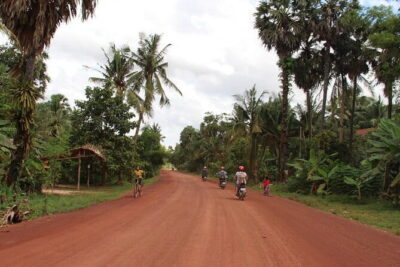
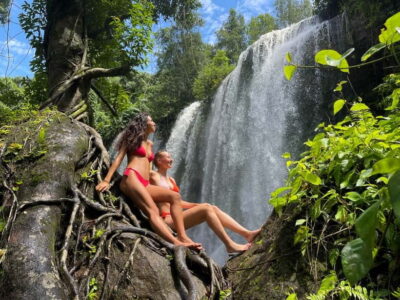
Private Angkor Tours, compared.
 ★ 5.0Full-Day Angkor Wat Sunrise Private Tour with Guide from Siem ReapFrom $602,920 reviews
 ★ 4.9Angkor Wat Private Tuk-Tuk TourFrom $202,222 reviews
 ★ 5.0Angkor Wat Private Day Tour from Siem ReapFrom $49834 reviews
 ★ 5.0Angkor Wat Private Tuk-Tuk Tour (sunrise Option) & moreFrom $25439 reviews
 ★ 5.0Private Angkor Wat Day Tour – Best of AngkorFrom $79269 reviews
Private Two-Day Tour Highlights of Angkor WatFrom $375253 reviews
★ 5.0Private Angkor Wat Day Tour – Best of AngkorFrom $79269 reviews
Private Two-Day Tour Highlights of Angkor WatFrom $375253 reviews
 ★ 5.0Angkor Sunrise Half-Day Tour with Private Vehicles & Tour GuideFrom $49247 reviews
 ★ 5.0Angkor Wat one Day Private Tour for All Highlight Angkor TemplesFrom $61199 reviews
Browse the lists this tour appears in