
Reviewed · FLOATING VILLAGES & TONLE SAP TOURS
War Museum, Killing Field and Floating village ( Chong Kneas) Tour
Two worlds in one day. The Chong Kneas floating village and War Museum Cambodia make this a standout combo: daily life on Tonlé Sap, then the Civil War-era machinery explained by your English-speaking guide. I also like that it runs on a tight schedule with round-trip hotel transfers, an AC vehicle, and bottled cold water. One thing to consider: War Museum Cambodia has had closure issues in the past, so you may want a Plan B mindset.
You’ll spend most of the day outdoors, and the tour is very much about walking and absorbing the stories of Cambodia’s recent past. Bring long clothes and sunscreen if you’ll need it, and accept that this is not a light, easy-going sightseeing day.
In This Review
- Key things I’d put on your radar
- Chong Kneas Floating Village and the lotus farm snack stop
- Exploring Tonlé Sap life on stilt houses (without the rushing)
- War Museum Cambodia: military vehicles, weapons, and guided context
- Wat Thmey Pagoda and the killing fields: Pol Pot’s reign in place
- Price and logistics of a 6–7 hour private loop
- Who this tour is best for (and who should think twice)
- Should you book the War Museum, Killing Field and Chong Kneas tour?
- FAQ
- What time does the tour start in Siem Reap?
- How long is the tour?
- Does the price include hotel pickup and drop-off?
- What’s included in the tour price?
- What extra costs should I expect for entrances?
- Is this tour private?
- Do I need to buy a separate ticket for Chong Kneas?
- What should I wear for the day?
- Can I cancel and get a refund?
- Is there a mobile ticket?
Key things I’d put on your radar
- Chong Kneas boat + entrance are included, so you can focus on the experience, not extra tickets.
- Lotus farm stop with a snack and a rice-paddy setting helps break up the day before the heavier sites.
- English-speaking guide shares firsthand context when you reach the war-related stops.
- Wat Thmey Pagoda killing-field site centers on the Khmer Rouge and Pol Pot, with time to learn and reflect.
- Private vehicle + hotel pickup keeps the day smooth and avoids awkward central meeting points.
Back out on the lake, more stilted villages
- From Siem Reap: Kampong Phluk Floating Village Tour by Boat★ 4.9 · 6,979 reviews
- Sunset tour of Kampong Phluk stilts home village on the Tonle Sap★ 5.0 · 4,865 reviews
- Kompong Phluk Floating Village Half-Day Tour ( Morning / Sunset )★ 5.0 · 1,494 reviews
- Siem Reap: Kulen Mountain, Beng Mealea and Tonle Sap Tour★ 5.0 · 1,483 reviews
Chong Kneas Floating Village and the lotus farm snack stop
Your morning starts in Siem Reap at 8:30 am, and you’ll head out toward Chong Kneas, about 30 minutes from town. Right away, the pace feels different from the bigger, more rigid tours—this is built around a private vehicle and your guide’s ability to adjust on the fly.
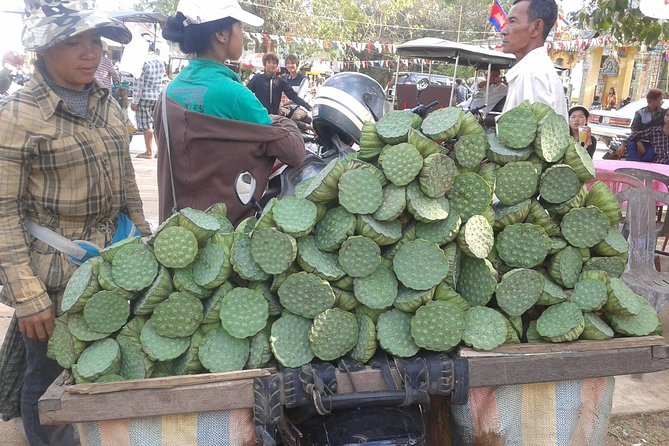
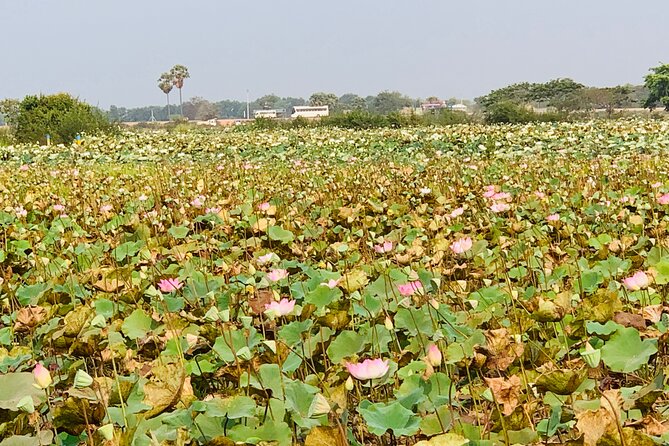
Before you reach the water village, you stop at a local lotus farm. This is where you can grab a snack in a restaurant set up with hammocks in the rice paddy area. It’s a simple break, but it matters: it gives you a chance to get oriented, cool off a bit, and shift your brain from road travel to a slower, water-based rhythm.
Exploring Tonlé Sap life on stilt houses (without the rushing)
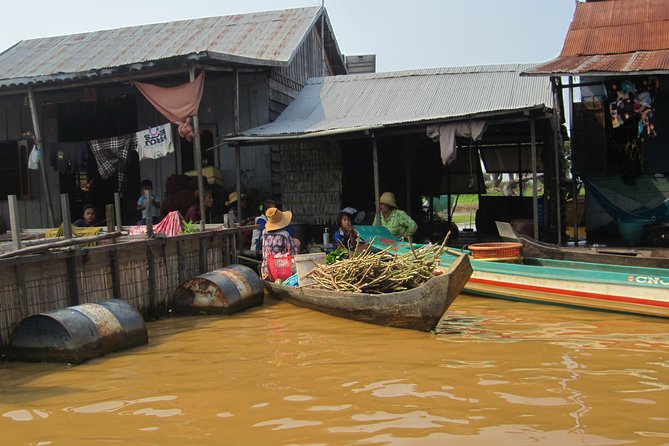
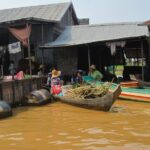
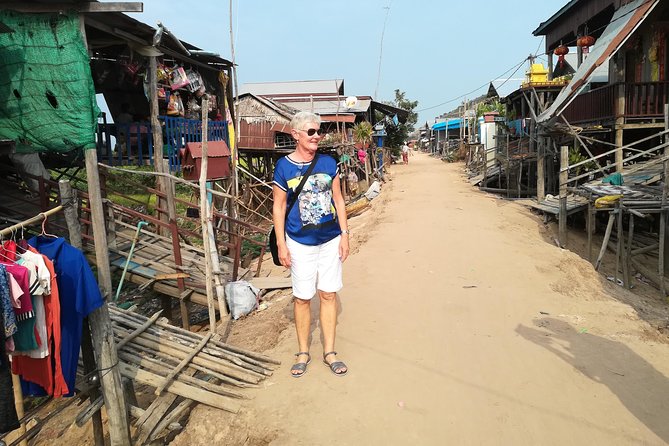
Chong Kneas is a floating village on Tonlé Sap, and the time here is long enough to do more than snap photos. You’ll explore stilt houses and quaint shops, and your private guide gives hints on what to look for and what to do once you’re there.
The biggest value of this stop is perspective. From the ground in Siem Reap, it’s easy to think of Cambodia’s waterways as scenery. Out here, you see how everyday life works with the lake—how buildings sit above the water and how commerce and community blend into the same space.
One practical note: since the tour is structured so you’re outdoors most of the day, plan for sun and walking. The tour provides bottled cold water, which is helpful, but you’ll still want to wear long clothes and use sunscreen if that’s your usual move.
War Museum Cambodia: military vehicles, weapons, and guided context
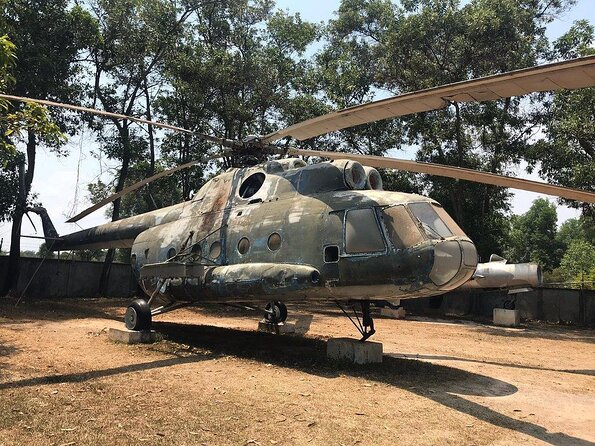
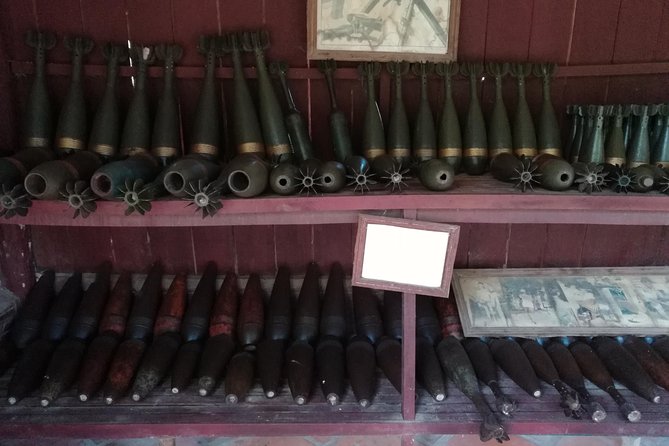
After Chong Kneas, you head to War Museum Cambodia for about two hours. This stop focuses on Civil War-era artifacts—military vehicles and weapons from that long, violent period. What makes it more than a room full of objects is that your guide shares life experience tied to the conflict.
I like this approach because it keeps the visit grounded. You’re not just reading captions; you’re hearing the human side of how a war shaped daily choices, fear, and survival. Even if you’ve studied Cambodia before, this kind of guided storytelling can help you connect dates and names to real life.
There’s one caution worth taking seriously. The War Museum has had closure issues after COVID for some time periods, so if this stop is a must for you, ask your operator about current hours before you go (or be ready for the museum portion to be unavailable).
Wat Thmey Pagoda and the killing fields: Pol Pot’s reign in place
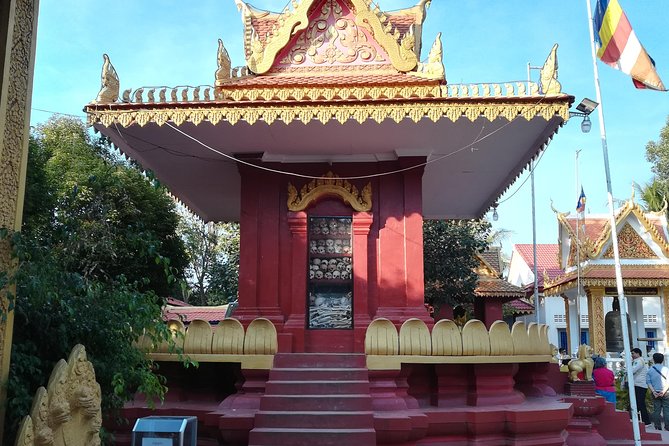
Next comes Wat Thmey Pagoda, the site connected to the Killing Fields of Siem Reap. Plan for around two hours here. The emphasis is explicit: you learn about the deadly Khmer Rouge regime under Pol Pot.
This is the emotional core of the day. The site matters because it isn’t just a museum concept—it’s a place tied to what happened. You’ll want time to absorb the information without rushing, and the tour gives you a block of hours rather than a quick photo stop.
If you prefer light, entertainment-first sightseeing, this part may feel heavy. But if you want your Siem Reap trip to make sense of Cambodia’s recent past, this is one of the clearer, more direct ways to do it within a single day.
The harder history, told plainly
Price and logistics of a 6–7 hour private loop
At $75 per person, this tour lands in the midrange for Siem Reap day trips, especially because it includes a private English-speaking guide, an AC car or minivan, and bottled cold water. You also get key inclusions that add real value: the boat fee and entrance fee for Chong Kneas are included, and you won’t need to buy a Chong Kneas ticket separately.
Two admission fees are not included:
- War Museum Cambodia: $5 per person
- Wat Thmey (Killing Fields): $3 per person
So in total, your “all-in” cost is usually the $75 tour price plus the two small entry fees. Food and drinks are also not included, though you do get a snack at the lotus farm.
The timing works for people who want dinner back in Siem Reap. The day is scheduled for 6 to 7 hours, with the promise that you’ll be back in time. Starting at 8:30 am also helps—by the time you’re at the heavier sites later, the morning crowds are usually already worked through.
This is also set up for convenience: there’s no central pickup point. Instead, you get round-trip hotel transfers, and it uses a mobile ticket. If you hate hunting for meeting points, this matters more than you might think.
Who this tour is best for (and who should think twice)
This day works best if you’re interested in Cambodia’s Civil War era and the Khmer Rouge period. One clear theme from real-world experiences is that the tour is targeted: it’s designed for people who want the Pol Pot and Cambodian genocide subject matter, not general sightseeing.
If that topic fits your interests, you’ll likely appreciate how the day connects three different angles:
- community life on Tonlé Sap at Chong Kneas
- war artifacts at War Museum Cambodia
- the Khmer Rouge killing-field context at Wat Thmey
On the other hand, if you’re mainly looking for relaxing views, markets, and casual culture stops, you might feel the day gets too heavy too fast.
Should you book the War Museum, Killing Field and Chong Kneas tour?
I’d book it if you want a structured day that combines an actual lake community with direct historical sites, and you like having a guide explain what you’re seeing. The value is strong because the private setup reduces friction, and the Chong Kneas boat + entrance are included.
I’d also book it with one smart caveat: confirm War Museum Cambodia’s current status ahead of time, since closures have happened. That way, you won’t feel blindsided if that portion doesn’t run exactly as expected.
If you do go, go with the right expectations. Chong Kneas is about daily life on the water; Wat Thmey and the War Museum are about learning what happened. Together, they make a Siem Reap day that’s both human-scale and sobering.
FAQ
What time does the tour start in Siem Reap?
The start time is 8:30 am.
How long is the tour?
The tour runs about 6 to 7 hours.
Does the price include hotel pickup and drop-off?
Yes. You get round-trip hotel transfers, and there’s no central pickup or drop-off point.
What’s included in the tour price?
Included are an English-speaking tour guide, transport in an AC car or minivan, bottled cold drinking water, and the boat fee and entrance fee to Chong Kneas (with the Chong Kneas admission ticket included).
What extra costs should I expect for entrances?
War Museum Cambodia costs $5 per person and Wat Thmey (Killing Fields) costs $3 per person. Food and drinks are also not included.
Is this tour private?
Yes. It’s described as a private tour/activity where only your group participates.
Do I need to buy a separate ticket for Chong Kneas?
No. The boat fee and entrance fee to Chong Kneas are included in the tour.
What should I wear for the day?
You’ll be outside for most of the day, so wear long clothes and bring sunscreen if needed.
Can I cancel and get a refund?
Yes. You can cancel for free up to 24 hours in advance for a full refund.
Is there a mobile ticket?
Yes. The tour includes a mobile ticket, and confirmation is received at the time of booking.
More Tour Reviews in Siem Reap
- Angkor Wat Sunrise or Sunset Tour with Guide from Siem Reap
★ 5.0 · 12,109 reviews - Siem Reap: Angkor Wat: Small-Group Sunrise or Sunset Tour
★ 5.0 · 9,444 reviews - From Siem Reap: Kampong Phluk Floating Village Tour by Boat
★ 4.9 · 6,979 reviews - Sunset tour of Kampong Phluk stilts home village on the Tonle Sap
★ 5.0 · 4,865 reviews - Siem Reap: Angkor Wat 2-Day Tour with Sunrise and Sunset
★ 4.9 · 4,429 reviews
Cambodia's Recent History
- Siem Reap: Elephants & Apopo Rat Demining Private Trip
★ 4.6 · 46 reviews - Bantey Srei, Kbal Spean and Landmine museum Private Tuk-Tuk
★ 4.7 · 30 reviews - Siem Reap City Tour with War Museum and Killing Field
★ 5.0 · 27 reviews - Kbal Spean Trekking Tour with Banteay Srei and Landmine Museum
★ 5.0 · 14 reviews - Siem Reap: War Museum included Ticket and Pickup Drop Off
★ 4.9 · 12 reviews
Out on Tonle Sap
- From Siem Reap: Kampong Phluk Floating Village Tour by Boat
★ 4.9 · 6,979 reviews - Sunset tour of Kampong Phluk stilts home village on the Tonle Sap
★ 5.0 · 4,865 reviews - Kompong Phluk Floating Village Half-Day Tour ( Morning / Sunset )
★ 5.0 · 1,494 reviews - Siem Reap: Kulen Mountain, Beng Mealea and Tonle Sap Tour
★ 5.0 · 1,483 reviews - Tonle Sap Lake & Kampong Phluk Village Half-Day Tour
★ 5.0 · 1,045 reviews
Just Added: Fresh Siem Reap Tour Reviews

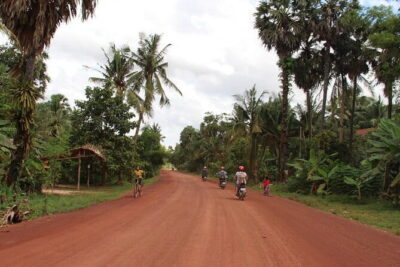
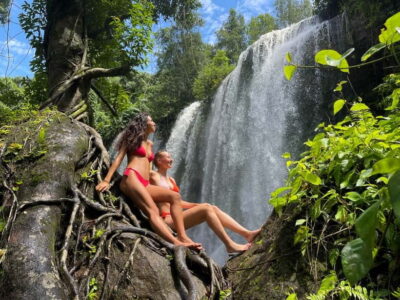
Floating Villages & Tonle Sap Tours, compared.
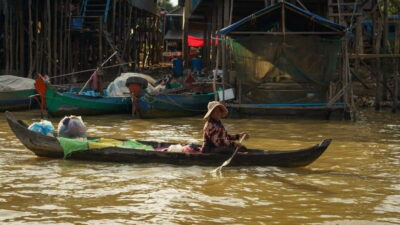 ★ 4.9From Siem Reap: Kampong Phluk Floating Village Tour by BoatFrom $206,979 reviews
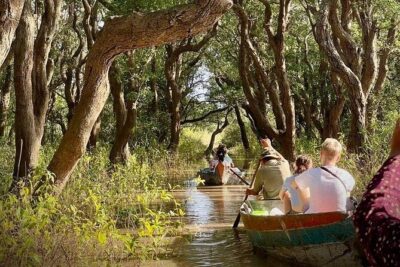 ★ 5.0Sunset tour of Kampong Phluk stilts home village on the Tonle SapFrom $214,865 reviews
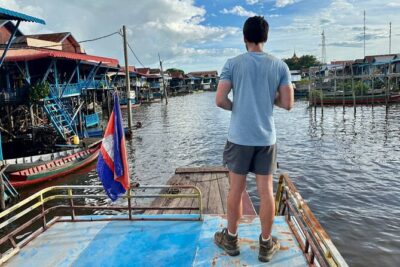 ★ 5.0Kompong Phluk Floating Village Half-Day Tour ( Morning / Sunset )From $241,494 reviews
 ★ 5.0Kulen Mountain, Beng Mealea and Tonle Sap TourFrom $481,483 reviews
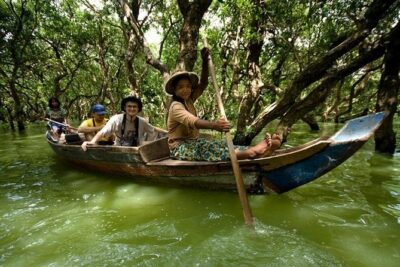 ★ 5.0Tonle Sap Lake & Kampong Phluk Village Half-Day TourFrom $491,045 reviews
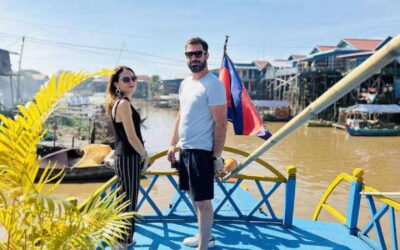 ★ 5.0Kampong Phluk Floating Village Tour by BoatFrom $201,020 reviews
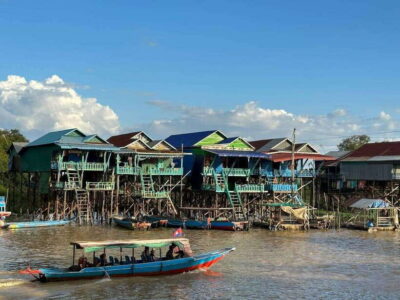 ★ 4.8Kompong Phluk Floating Village Half-Day TourFrom $24966 reviews
 ★ 5.0Kulen Mountain with Beng Mealea and Tonle Sap Small Group TourFrom $54780 reviews
Browse the lists this tour appears in