
Reviewed · BANTEAY SREI TOURS
Kulen Waterfall and Banteay Srei Off Beaten Track
Kulen feels like another chapter of Cambodia. This full-day off-the-beaten-track route from Siem Reap connects Phnom Kulen, Kbal Spean, and the Kulen waterfall to Angkor-era belief—plus plenty of small-scale countryside life along the way. I like the crowd-smart start, and I’d just plan for entrance fees and lunch because they’re not included.
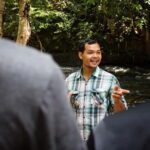
My other favorite part is the human touch: the guide, Panha, comes with excellent English and a knack for explaining what you’re actually seeing—symbols tied to the holy river, and what the waterfall landscape means in context. You also get a comfortable private-vehicle day designed for small groups, so you’re not squeezed into a big bus rhythm.
One thing to keep in mind: the tour expects moderate physical fitness. If stairs and uneven ground feel like work for you, this may not be your easiest day.
In This Review
- Key things I’d zero in on
- Phnom Kulen and Kbal Spean: why this day feels different than the usual Angkor loop
- 8:00 a.m. meet-up and the “small-group” pace that actually helps
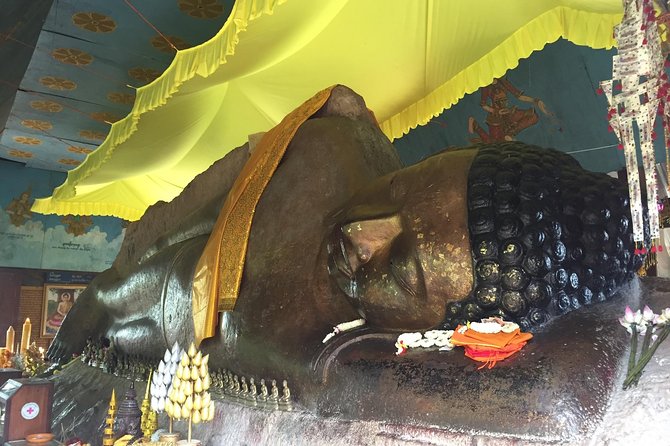
- Phnom Kulen National Park: where Jayavarman II started a new Khmer chapter
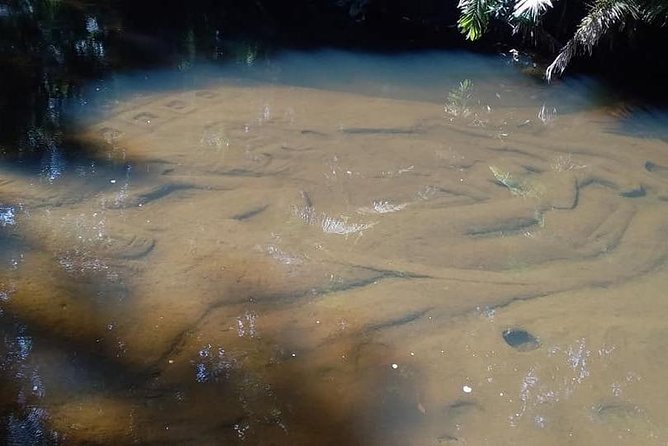
- Kbal Spean’s River of a Thousand Lingas: the sacred riverbed detail you’ll remember
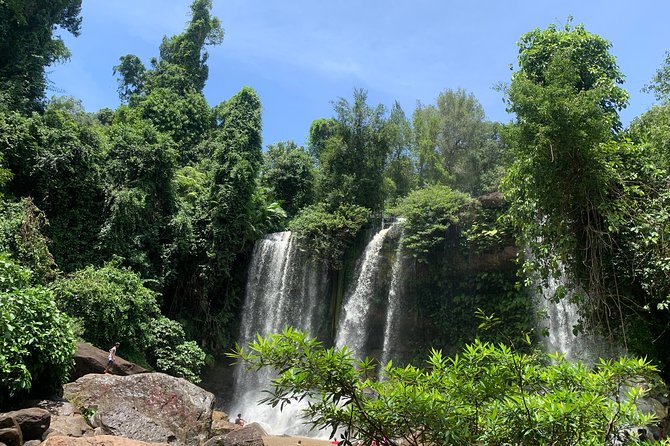
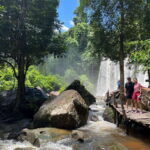
- Kulen waterfall: where the day turns from symbols to sound
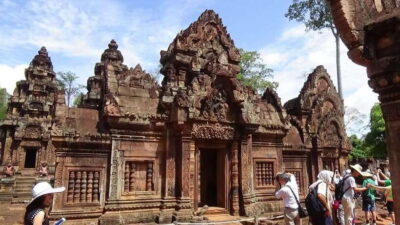
- Banteay Srei: red sandstone, fine carving, and why it’s so special
- The private-driver setup: comfort, flexibility, and a guide you can actually talk to
- Price and value: what $159 per group really buys you
- Who should book this Kulen + Banteay Srei day?
- Should you book this Kulen Waterfall and Banteay Srei off-the-beaten-track tour?
- FAQ
- Where is the meeting point, and what time does the tour start?
- How long is the tour?
- Is this a private tour?
- How many people are in a group?
- What’s included in the tour price?
- Are entrance fees and lunch included?
- Do I get a ticket on my phone?
- What fitness level is required?
- What is the free-cancellation window?
- Is the tour wheelchair-friendly or only for people who can walk?
Key things I’d zero in on
- Start early from Siem Reap to hit Phnom Kulen with fewer crowds
- Kbal Spean’s River of a Thousand Lingas carved into the riverbed
- Kulen waterfall time in the park area, with a nature-and-faith mix
- Ornate Banteay Srei: 10th-century red sandstone with fine carving details
- A guide like Panha known for clear explanations and smooth, flexible pacing
- Bottled water included to keep the day comfortable
The pink sandstone carvings, a few more runs
- Siem Reap Tour: Angkor Wat Sunrise, Bayon, Ta Prohm, Banteay Srei★ 5.0 · 931 reviews
- 2-Day Angkor Wat With Small, Big Circuit and Banteay Srei Tour★ 5.0 · 545 reviews
- From Siem Reap: Banteay Srei Temple & Grand 5 Temple Tour★ 4.8 · 262 reviews
- 3-Days Discovery Of Angkor: Waterfalls,Floating Village and Banteay Srei temple★ 5.0 · 214 reviews
Phnom Kulen and Kbal Spean: why this day feels different than the usual Angkor loop
Siem Reap is built around Angkor, and that’s the draw. But Angkor-era Cambodia wasn’t only stone cities and sunrise crowds. This day shifts you to the spiritual origins behind the Khmer Empire story—then follows that thread right into the forested world around Kulen Mountain and its sacred sites.
The best part is the mix of textures. You’re not only looking at monuments; you’re walking through meaning: a sacred riverbed, a waterfall area tied to local spiritual practice, and then back to temple architecture at Banteay Srei, famous for its intricate carvings and red sandstone.
Also, the timing matters. This plan starts with Kulen first, which is a practical move. It helps you avoid some of the worst crowd crush and gives you a calmer feel while you’re trying to understand what you’re seeing.
8:00 a.m. meet-up and the “small-group” pace that actually helps
The day begins at Prince Angkor Hotel & Spa at 8:00 am, and it returns you back there at the end. It’s a private tour, meaning it’s only your group in the vehicle, not a shared bus day.
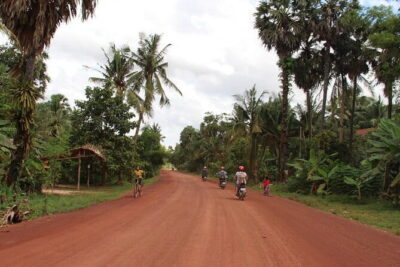
That small-group setup is a real value piece. It changes the feel of the day from frantic “move fast, look quick” to “take a breath, ask questions, then move on.” The schedule also includes travel time across local villages, and the drive itself comes with views and everyday village moments rather than only straight highways.
Your group size is kept small—priced for up to 7 people, and described as suitable for up to six in the private-tour context. Either way, you’re not competing for space with strangers. You can spread out a bit, pause for photos, and keep moving without the constant waiting that happens on larger group tours.
Phnom Kulen National Park: where Jayavarman II started a new Khmer chapter
Phnom Kulen National Park is the backbone of this day. The story here is big—so big it can get lost if you only glance at signs. The tour is designed to prevent that. You get a first-stop orientation on why Phnom Kulen matters before you scramble around for views.
The historical anchors you should know:
- Phnom Kulen is tied to the Khmer Empire’s origins—often described as a birthplace of sorts for the Khmer realm.
- King Jayavarman II proclaimed independence from Java in 802 CE.
- The Devaraja cult of the king—a linga cult—is dated to 804 CE, with Jayavarman II using this religious-political structure to legitimize power.
What I like about this stop is how it reframes the “Angkor” label. Instead of seeing Angkor as one place, you see it as an idea that began somewhere, then grew outward. Phnom Kulen becomes the origin point for the mindset behind the later temple world.
In practical terms, the tour allocates about 2 hours here, and the drive from Siem Reap is around 1.5 hours—so you’re not just passing through. You’re arriving with the context you need to make the rest of the day click.
Kbal Spean’s River of a Thousand Lingas: the sacred riverbed detail you’ll remember
After Phnom Kulen, the day moves toward Kbal Spean, where you’ll see the River of a Thousand Lingas—carvings integrated into the riverbed itself. This is the kind of site where a guide makes a difference. Without explanations, you can still admire the craft, but with the right context, the carving becomes part of a larger religious landscape rather than random stonework.
One of the most memorable elements here is how the site feels like it belongs to nature first and architecture second. You’re not only staring at statues—you’re thinking about water, faith, and the idea of sacred symbolism embedded in everyday geography.
The guide also plays a major role in your understanding. Panha is specifically mentioned for explaining the meaning of symbols connected to the holy river and the surrounding waterfall area. That matters because River of a Thousand Lingas sites can be misunderstood as just “old carvings in a river.” The better way to see it is as intentional spiritual messaging tied to the flow of water and the linga tradition.
You should also expect the site to involve some walking. The tour description mentions moderate physical fitness, and at least one recent visitor notes a climb through tropical plant life and a sense of being surrounded by living nature.
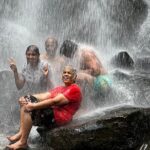
And yes, there’s a spiritual-nature moment here too: one review mentions visitors having a bath in the sacred water and feeling good afterward. If that’s something you want, treat it as a careful, respectful part of the day—check with your guide about what’s appropriate on the ground.
Up the holy mountain to the falls
Kulen waterfall: where the day turns from symbols to sound
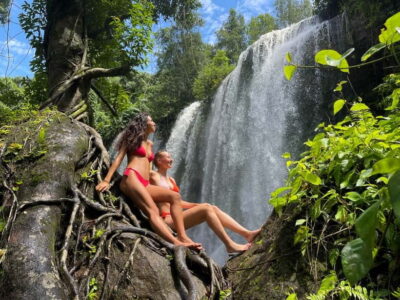
The Kulen waterfall stop is a key payoff for people who like sites that aren’t only about stone. You’re moving from a sacred river-carving concept to a more physical experience: the sights and sounds of water in the park environment.
This stop also matches what you want from an off-the-beaten-track day. It’s not just another temple box. It’s water, jungle walking, and a bit of effort—then relief.
One review highlights a “true treat” feel here, including beautiful butterflies and an experience through exotic flora. That kind of detail is exactly why this day works even if you’ve already done a couple of Angkor temples earlier in your trip: the textures are different, and the atmosphere feels more like nature-with-history than history-behind-glass.
As with the riverbed section, your guide’s explanations help connect the waterfall to the wider meaning of the day. Panha is mentioned for walking visitors through how to read the symbolism tied to this holy environment, not just where to stand for photos.
Banteay Srei: red sandstone, fine carving, and why it’s so special
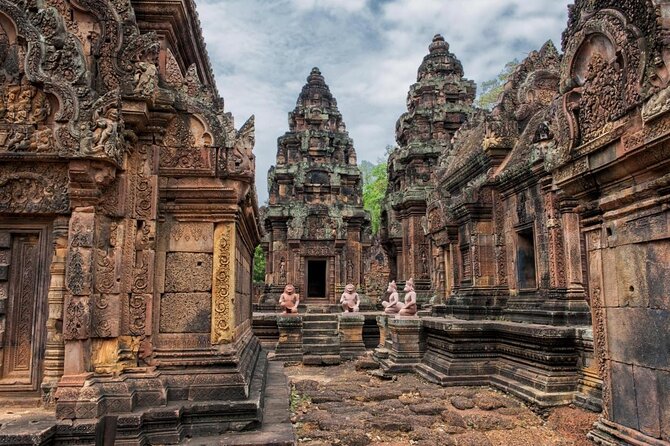
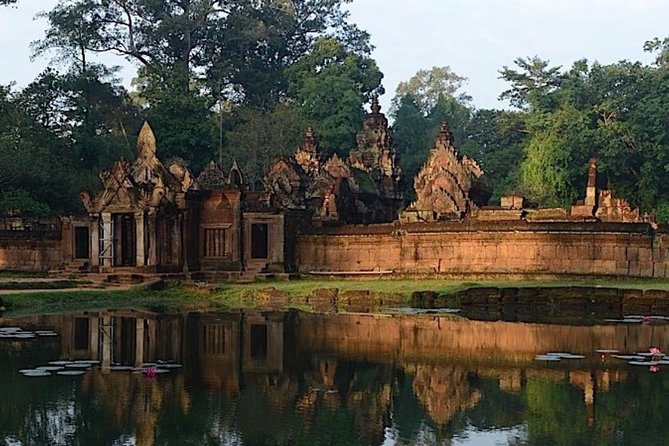
Then you swing back into temple mode at Banteay Srei, a 10th-century sandstone temple with a famous red-stone look and intricate decoration.
Here are the specific historical points that make this temple more than a pretty stop:
- It was consecrated on 22 April 967 A.D.
- It’s often described as the only major Angkor temple not built by a monarch.
- Construction is credited to courtiers Vishnukumara and Yajnavaraha, including Yajnavaraha as a counselor figure tied to Rajendravarman II.
- The foundational material credits Yajnavaraha as a scholar and philanthropist, with references to helping those suffering from illness, injustice, or poverty.
- The site originally sat within a town called Īśvarapura.
In other words: you’re not just seeing royal propaganda. You’re seeing elite religious patronage, scholarship, and social responsibility wrapped into architecture.
What you’ll likely notice on-site is how “small but detailed” the temple experience can feel. The carvings are the star. This is the kind of place where slowing down helps. If you rush, you miss the point.
The tour keeps you here for about 1 hour. That’s usually enough for a good walk, a look at the main elements, and time to absorb the style. If you’re a carving nerd (no shame), you’ll wish for more time. But for a full day that also includes Phnom Kulen and Kbal Spean, the schedule is a workable balance.
The private-driver setup: comfort, flexibility, and a guide you can actually talk to
This is a full day with multiple different environments: a national park area, a sacred riverbed site, and a carved temple. The transport and guide quality can make or break that mix.
You get a driver/guide and bottled water. Several reviews mention a comfortable car plus smooth service throughout the week, and Panha is described as friendly, open-minded, and flexible about the day.
That flexibility is useful for two reasons:
- People have different comfort levels with walking and heat.
- When you’re dealing with sites that can feel visually similar from far away, the ability to pause and refocus on what matters makes the time feel more valuable.
Panha is consistently praised for excellent English and for building meaning into what you see, not just reciting dates. That’s what turns a list of stops into a story you can remember later.
Price and value: what $159 per group really buys you
The price is $159.00 per group for up to 7 people, and the tour lasts about 8 hours. On paper, that might look like “only one car and a guide.” In reality, you’re paying for a smart routing of harder-to-reach locations plus the history and symbolism that help you understand them.
To judge value, consider what’s not included:
- Entrance fees
- Lunch
- Anything else not explicitly mentioned
So your true day cost is the base price plus entry fees and food. That’s common for Cambodian temple and park sites, but it’s still important for budgeting. If you want to keep the day smooth, set aside a buffer for tickets and lunch so you don’t end up hunting cash mid-day.
If you’re traveling as a small group, this can be good value because you’re not paying per person for a separate guide and transport unit. But if you’re solo, it might feel pricey compared with shared group formats—then again, private pacing is the point here.
Bottom line: the price makes sense when you want off-the-beaten-track time, a small-group experience, and a guide who turns history into something you can actually see.
Who should book this Kulen + Banteay Srei day?
Book it if you fit this vibe:
- You want more than Angkor’s headline temples and want the story behind them
- You enjoy walking and nature sites, not just stone monuments
- You like temples where the details matter, not only the biggest names
- You want a guide who explains symbolism and context, not only logistics
This tour also fits best for people who like mornings. Starting early helps your brain stay clear, and it makes the park-day feel more relaxed.
It’s less ideal if you:
- Don’t want any walking or uneven ground (the day calls for moderate fitness)
- Prefer lunch to be provided (it isn’t)
- Want a strict all-in-one price with no extra entry-ticket costs (entrance fees are separate)
Should you book this Kulen Waterfall and Banteay Srei off-the-beaten-track tour?
I’d book this when you’re in Siem Reap for at least a few days and you want one whole day that feels like Cambodia beyond the postcards. The combination works: Phnom Kulen gives the origin story, Kbal Spean shows sacred symbolism in the riverbed, and Banteay Srei delivers the fine carving payoff back in temple form.
If you’re going to book, my practical advice is simple:
- Budget for entrance fees and lunch so the day stays stress-free
- Wear comfortable shoes and expect a moderate fitness day
- Ask your guide questions on-site—this tour is the kind of experience where understanding what you’re looking at is half the value
If you want one day that balances history, faith, and nature without the big-tour feeling, this is a strong match.
FAQ
Where is the meeting point, and what time does the tour start?
The tour meets at Prince Angkor Hotel & Spa on Sivutha Blvd in Siem Reap. The start time is 8:00 am.
How long is the tour?
The duration is approximately 8 hours.
Is this a private tour?
Yes. It’s described as a private tour/activity, and only your group participates.
How many people are in a group?
The price is per group for up to 7 people, and the tour is also described as suitable for groups of up to six people.
What’s included in the tour price?
Included items are bottled water, the private tour, and a driver/guide.
Are entrance fees and lunch included?
No. Entrance fees and lunch are not included. Entrance fees and lunch are listed under what’s not included.
Do I get a ticket on my phone?
Yes. The tour uses a mobile ticket.
What fitness level is required?
Travelers should have a moderate physical fitness level.
What is the free-cancellation window?
You can cancel for a full refund up to 24 hours in advance of the experience’s start time.
Is the tour wheelchair-friendly or only for people who can walk?
The tour notes moderate physical fitness, and the sites involve walking. Service animals are allowed, but there isn’t specific wheelchair or accessibility information provided.
More Tour Reviews in Siem Reap
- Angkor Wat Sunrise or Sunset Tour with Guide from Siem Reap
★ 5.0 · 12,109 reviews - Siem Reap: Angkor Wat: Small-Group Sunrise or Sunset Tour
★ 5.0 · 9,444 reviews - From Siem Reap: Kampong Phluk Floating Village Tour by Boat
★ 4.9 · 6,979 reviews - Sunset tour of Kampong Phluk stilts home village on the Tonle Sap
★ 5.0 · 4,865 reviews - Siem Reap: Angkor Wat 2-Day Tour with Sunrise and Sunset
★ 4.9 · 4,429 reviews
Kulen Mountain and the Falls
- Kulen Waterfall Join-in Tour (local Picnic lunch)
★ 5.0 · 2,434 reviews - Kulen Mountain: Small-Group Tour and Picnic lunch
★ 4.9 · 1,802 reviews - Siem Reap: Kulen Mountain, Beng Mealea and Tonle Sap Tour
★ 5.0 · 1,483 reviews - Phnom Kulen Waterfall & the Sacred 1000 Lingas (with Lunch)
★ 4.8 · 974 reviews - Kulen Mountain with Beng Mealea and Tonle Sap Small Group Tour
★ 5.0 · 780 reviews
The Carvings of Banteay Srei
- Full-Day Banteay Srei & 4 Temples – Grand Tours Join-in Tour
★ 5.0 · 1,155 reviews - Siem Reap Tour: Angkor Wat Sunrise, Bayon, Ta Prohm, Banteay Srei
★ 5.0 · 931 reviews - 2-Day Angkor Wat With Small, Big Circuit and Banteay Srei Tour
★ 5.0 · 545 reviews - From Siem Reap: Banteay Srei Temple & Grand 5 Temple Tour
★ 4.8 · 262 reviews - 3-Days Discovery Of Angkor: Waterfalls,Floating Village and Banteay Srei temple
★ 5.0 · 214 reviews
Just Added: Fresh Siem Reap Tour Reviews

Banteay Srei Tours, compared.
 ★ 5.0Full-Day Banteay Srei & 4 Temples – Grand Tours Join-in TourFrom $201,155 reviews
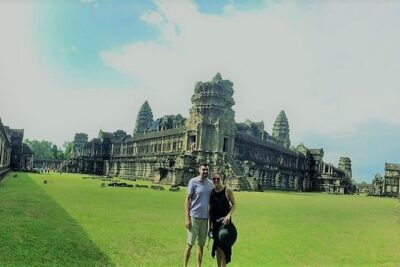 ★ 5.0Siem Reap Tour: Angkor Wat Sunrise, Bayon, Ta Prohm, Banteay SreiFrom $130931 reviews
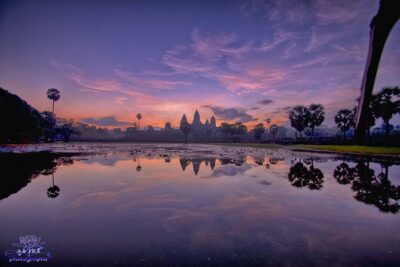 ★ 5.02-Day Angkor Wat With Small, Big Circuit and Banteay Srei TourFrom $158545 reviews
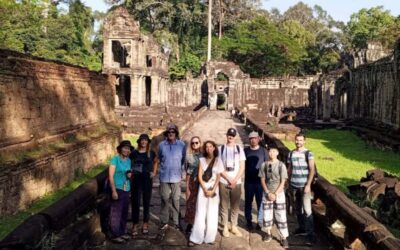 ★ 4.8From Siem Reap: Banteay Srei Temple & Grand 5 Temple TourFrom $20262 reviews
 ★ 5.03-Days Discovery Of Angkor: Waterfalls,Floating Village and Banteay Srei templeFrom $183214 reviews
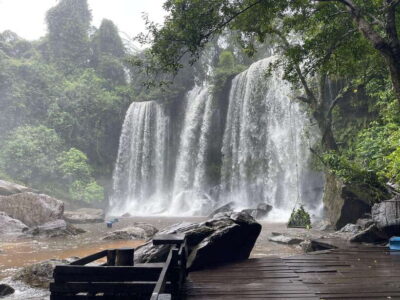 ★ 5.0Banteay Srei, Kulen Waterfall & Beng Mealea ExplorationFrom $49185 reviews
 ★ 4.9Banteay Srei and Grand Circuit Heritage TourFrom $18163 reviews
Kulen Waterfall, Banteay Srei, and Beng Mealea TourFrom $53148 reviews
★ 4.9Banteay Srei and Grand Circuit Heritage TourFrom $18163 reviews
Kulen Waterfall, Banteay Srei, and Beng Mealea TourFrom $53148 reviews
Browse the lists this tour appears in