
Reviewed · SIEM REAP COUNTRYSIDE & VILLAGE TOURS
Lotus Silk Farm: Discover Learn and Experiment the Lotus Flower
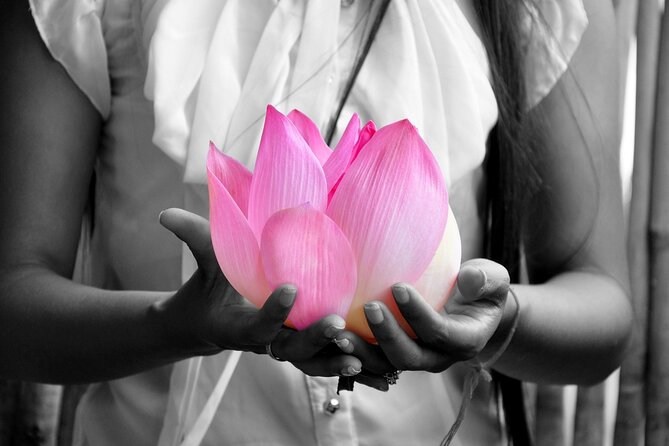
Lotus flowers end up on your wrist. This Siem Reap lotus farm workshop turns the plant into real, usable items through hands-on crafts and a relaxing boat ride through lotus fields. I love how practical it feels (seed pods, stalk fibers, petals) and how many different stations you try in one morning. One possible drawback: it depends a lot on good weather, since the experience includes time outdoors and on the water.
For $47, you get about 3 hours of small-group learning (a maximum of 15 people) and you’ll leave with multiple handmade souvenirs you can keep or gift. It’s also easy to fit in: you start at Lotus Silk Farm in Siem Reap and end back at the same place, with a mobile ticket and quick confirmation after booking.
In This Review
- Key things to know before you go
- Why this lotus farm workshop feels more real than a typical “tour”
- Meeting up at Lotus Silk Farm: simple logistics, smooth flow
- Lotus tea to start: the plant meets your senses first
- The six lotus workshops: what you’ll actually do with the plant
- Bracelet and seed pod crafts: small objects, big payoff
- Lotus silk fiber strands and yarn: hands-on, but not intimidating
- Lotus paper: making something useful from something you’d normally ignore
- Incense sticks and extra lotus creations: the sensory crafts
- Cultivation and local craft life: what you’re learning while you work
- The lotus boat ride: a serene reset after crafting
- Price and value: why $47 can make sense here
- Who should book this (and who might skip it)
- Practical tips to get the most from the morning
- Should you book Lotus Silk Farm in Siem Reap?
- FAQ
- How long is the Lotus Silk Farm experience in Siem Reap?
- How much does the Lotus Silk Farm workshop cost?
- What is included in the experience?
- How many travelers are in the group?
- Where does the tour start and end?
- Is it a mobile ticket experience?
- What if the weather is poor?
Key things to know before you go
- Six lotus-focused workshops: you work with different parts of the plant, not just petals
- Your hands make the souvenirs: items like bracelets, yarn/fiber strands, and paper come out of your own work
- A calm lotus-field boat ride: a serene break after crafting time
- Small group, max 15: you’ll get more attention and less waiting around
- Lotus tea starts the day: a simple but memorable introduction to the plant
- A good cause behind the farm: the experience supports the work and products created there
Past the rice fields, more village days
- From Siem Reap: Kampong Phluk Floating Village Tour by Boat★ 4.9 · 6,979 reviews
- Kampong Phluk Floating Village Tour by Boat★ 5.0 · 1,020 reviews
- Siem Reap Countryside Bike Tour / E-Bike or Tuk Tuk★ 5.0 · 935 reviews
- Siem Reap: Tonle Sap, Kampong Phluk & Floating Village Tour★ 4.4 · 397 reviews
Why this lotus farm workshop feels more real than a typical “tour”
Siem Reap is famous for huge, historic sights. This experience takes you somewhere quieter and more hands-on. Instead of only looking, you’re working with a plant that’s part of daily life here—fibers for weaving, seed pods for decorations, petals for tea. That means you walk away with a story you can actually explain to friends, not just a photo.
What I really like is the mix of skills. You’re not stuck doing one repeating craft. You hop between stations and experiment, so the morning stays active. Another strong point: the setting itself. The farm and lotus field feel peaceful, and that matters because the day has two moods—creative and then calm.
The only real caveat is weather. If it’s poor outside, the boat/field portions can be affected, and your timing may shift. If you’re flexible and ready for a morning outdoors, you’ll be glad you came.
Meeting up at Lotus Silk Farm: simple logistics, smooth flow
You’ll meet at Lotus Silk Farm on road 63 (Phnum Krov area), and the activity ends back at the same meeting point. That’s helpful. No tricky transfers. No last-minute scramble to find the right pickup spot later.
This is also near public transportation, which can matter if you’re not set up with a private driver. And since you have a mobile ticket, you can keep things straightforward and avoid extra paper.
Timing-wise, plan for about 3 hours total. The schedule is built around a few workshop stations plus the boat ride, so you’ll be up and moving during the “making” part. Comfortable shoes help, especially if you’re walking on uneven farm ground.
Lotus tea to start: the plant meets your senses first
The day begins with lotus tea. It’s a small detail, but it sets the right tone. Before you start making things, you’re tasting and smelling the lotus as a real ingredient, not a symbol.
Then you’ll see how that same plant can become multiple materials:
- fibers from stalks
- decorative uses from seed pods
- dried petals for tea
- and more craft outputs like paper and small personal items
I like this approach because it makes every later workshop feel connected. You’re not just learning steps—you’re understanding why each part matters.
The six lotus workshops: what you’ll actually do with the plant
The core of the experience is your hands-on practice across six handicraft workshops using different lotus parts. This is the part that turns the morning from “pleasant activity” into “I can do this.”
Here’s what you can expect the stations to cover, based on what people consistently make and learn:
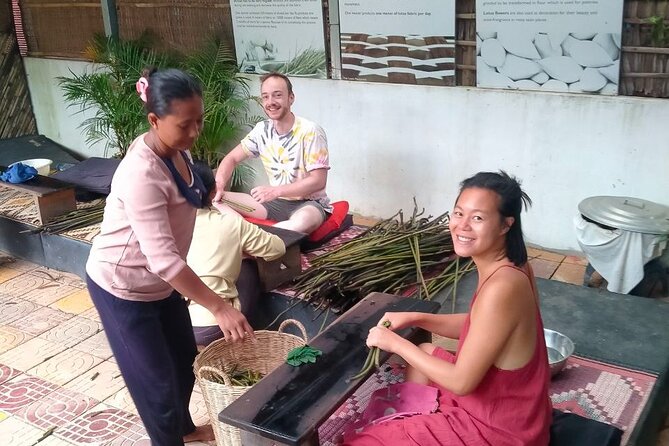
- you make a bracelet using lotus-based materials (often seed pods)
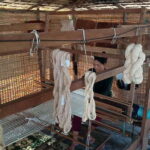
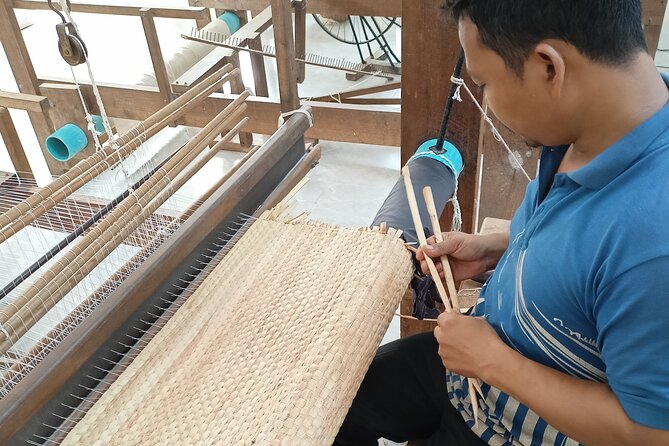
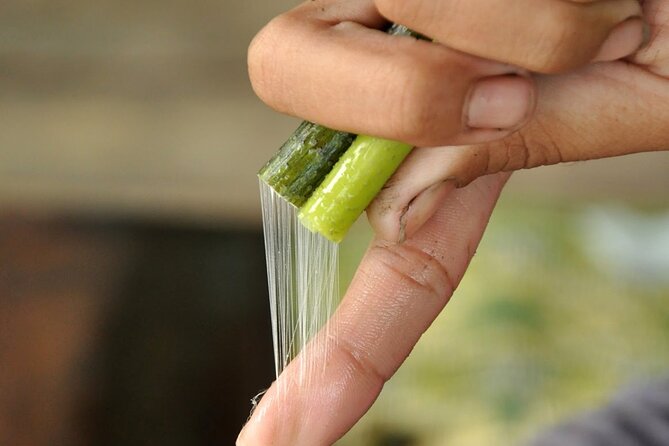
- you work with yarn or lotus silk fiber strands extracted from lotus stalks
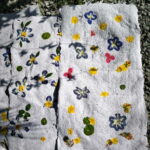
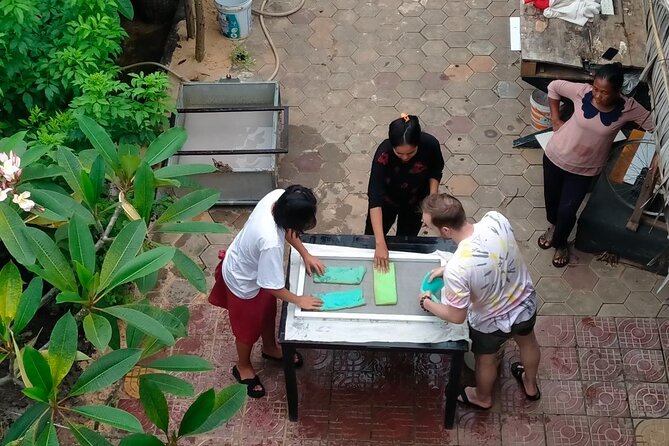
- you create paper using lotus material
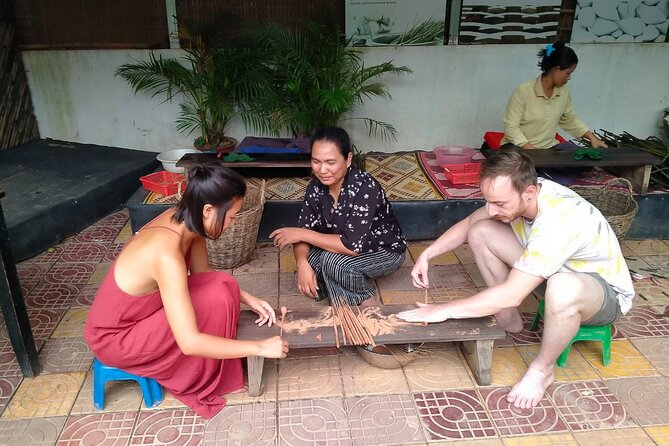
- you may also make other lotus-based items like incense sticks
- you practice additional craft steps such as folding lotus flowers for decorative pieces
- you learn how the plant is cultivated and how artisans turn raw parts into wearable or usable products
Even if you’re not naturally artsy, the workflow is designed for experimenting. You’re guided through processes that start from something simple—the raw lotus part—and end at something you can hold. That makes the time feel productive, not like a demo where you mostly watch.
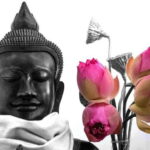
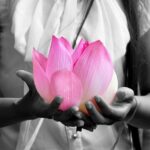
Worth a side-by-side look before you book this Siem Reap tour:
Bracelet and seed pod crafts: small objects, big payoff
One of the most satisfying outcomes is the bracelet. Seed pods can be stringed or shaped into bead-like pieces, and you get to wear your work soon after making it.
Why this matters: it’s instantly giftable. A lotus bracelet is personal, but it’s also small enough to pack and easy to explain later. If you like souvenirs that feel handmade rather than store-bought, this station does the job.
Lotus silk fiber strands and yarn: hands-on, but not intimidating
A standout skill people mention is extracting silk fiber strands from lotus stalks and turning that into yarn-style material. That’s a great example of “learning by doing.” Instead of only hearing that lotus has fibers, you handle the material and see how it transforms.
This is also where the experience leans into sustainable fashion ideas—lotus isn’t just a plant here; it’s a material system that artisans use creatively. If you like textiles and want to understand how unusual fibers become something wearable, you’ll probably enjoy this station most.
Lotus paper: making something useful from something you’d normally ignore
Lotus paper sounds like a novelty until you’re actually making it. You’re working with the plant to create sheets and craft-friendly material. It’s also a souvenir you can use later (notes, bookmarks, small art pieces), which gives it more value than a purely decorative item.
Paper-making can be a little hands-on in terms of texture and process. If you don’t love getting a bit messy, keep that in mind. But it’s usually manageable, and it’s part of why the workshop feels authentic.
Incense sticks and extra lotus creations: the sensory crafts
Some of the craft stations include making incense sticks. That adds a different sensory layer to the day—smell plus material work. It’s a good contrast to the more visual crafts like paper and jewelry.
If you’re the type who likes to bring back everyday-use items (not just decor), incense is a practical option that still feels special because it’s tied to lotus materials.
Cultivation and local craft life: what you’re learning while you work
In between steps, you’re not just following instructions. You’re gaining insight into how artisans cultivate and use the lotus plant in their local lives. The best way to think about this: the craft is the lesson, and the explanations glue it together.
The result is that you leave with context. You can tell people why lotus shows up in so many ways—tea, textiles, jewelry, paper—because you’ve seen the transformation stages.
The lotus boat ride: a serene reset after crafting
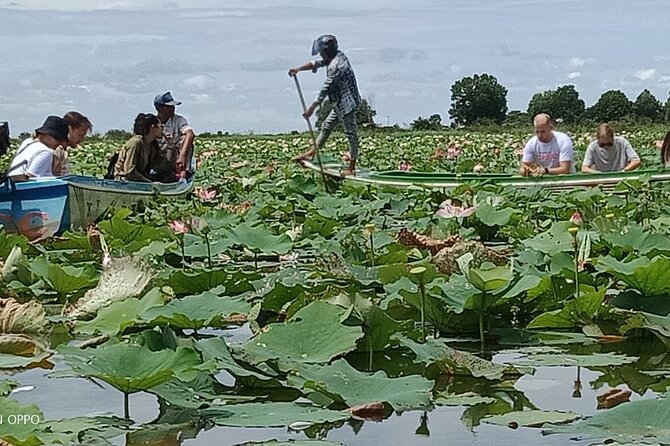
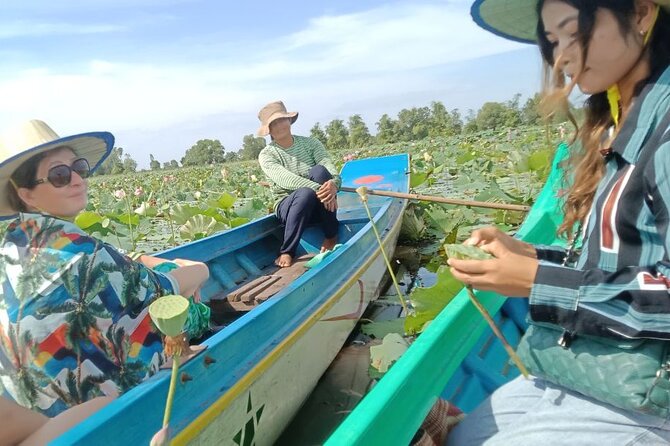
After your hands-on making, you’ll get a boat ride to the lotus field. This is the other major highlight, and it’s not just a photo stop. It’s time to slow down and take in the setting while you shift from active to calm.
People describe it as gorgeous, with lotus and water lilies filling the view. I like that pacing: you don’t end the day still buzzing from craft stations. You get a breathing space where your mind catches up.
If you’re doing this after a big sightseeing day, this portion is especially valuable. It changes your tempo. Angkor-area tours can be intense—this one balances that with quiet scenery and gentle movement on the water.
Price and value: why $47 can make sense here
At $47 for about 3 hours, this isn’t a “quick add-on snack tour.” It’s closer to a workshop-meets-experience package. You’re paying for:
- a small-group format (maximum 15)
- multiple guided craft stations (six workshops)
- lotus tea at the start
- materials and instruction to create several souvenirs
- a boat ride as part of the day
The value is strongest if you actually want handmade items and want to learn. If you’re only looking for a casual stroll and photos, you might feel the time is better spent elsewhere. But if you like the idea of taking home paper, fiber/yarn work, and lotus jewelry you made yourself, the cost feels more reasonable.
I also see value in the pace. Three hours is long enough to learn real steps, but short enough that it won’t drain an entire day from your other plans.
Who should book this (and who might skip it)
This fits best if you:
- enjoy craft activities and want something interactive, not passive
- like sustainable fashion or textile stories
- want a memorable souvenir that isn’t mass-produced
- want a calm contrast to heavier tourist days in Siem Reap
You might think twice if you:
- hate getting a bit involved with hands-on making
- are very sensitive to weather changes (because the experience requires good weather and includes outdoors/boat time)
- expect a fast, no-learning sightseeing stop
For most people, though, this is a great “morning with a purpose.” You do something with your hands, you taste lotus tea, you see the plant where it grows, and then you enjoy a quiet boat ride afterward.
Practical tips to get the most from the morning
A few small things will make your experience smoother:
- Wear comfortable shoes you don’t mind for farm paths.
- If you’re sensitive to sun, bring a hat and light sunscreen; you’ll be outside.
- Plan to take your time with your crafts. The fun is in experimenting, not rushing for speed.
- Pack a little patience for the making stations. Six workshops sounds like a checklist, but each has a process.
- If you buy souvenirs only when you’re sure they feel special, you’ll probably appreciate what you make here.
And remember: the boat ride is part of the experience, not an optional extra. If weather is shaky, be ready for schedule changes or a different date offering, depending on conditions.
Should you book Lotus Silk Farm in Siem Reap?
Yes, if you want a hands-on, plant-based craft experience with a calm ending. The strongest reasons to book are simple: you’ll learn how multiple parts of the lotus become usable products, you’ll make several items yourself (often bracelets, paper, and lotus-based materials), and you’ll finish with a peaceful boat ride through a lotus field.
If you’re short on time or you prefer purely scenic sightseeing with no crafting, you may not love the format. But if you’re the kind of traveler who enjoys skills you can bring home, this is a smart use of a morning in Siem Reap.
FAQ
How long is the Lotus Silk Farm experience in Siem Reap?
It runs for about 3 hours.
How much does the Lotus Silk Farm workshop cost?
The price is $47.
What is included in the experience?
You’ll take part in six lotus-based handicraft workshops, start with lotus tea, and finish with a serene boat ride to the lotus field. You also make items to take home.
How many travelers are in the group?
The experience has a maximum of 15 travelers.
Where does the tour start and end?
It starts at Lotus Silk Farm Siem Reap (11 road 63, Phnum Krov 17250, Cambodia) and ends back at the meeting point.
Is it a mobile ticket experience?
Yes, the tour uses a mobile ticket.
What if the weather is poor?
The experience requires good weather. If it’s canceled due to poor weather, you’ll be offered a different date or a full refund.
More Farms in Siem Reap
- Siem Reap Lotus Silk Farm Discovery tour & Lake experience
★ 4.7 · 291 reviews - Siem Reap: Lotus Silk Farm- Tour, Lake & Masterclass
★ 4.9 · 77 reviews - Angkor Silk Farm & Lotus Silk Farm: Siem Reap Discovery Tour
★ 4.8 · 68 reviews - Siem Reap: Khmer Water Blessing by Monk and Lotus Farm Visit
★ 5.0 · 15 reviews - Siem Reap: Silk Farm & Countryside Offbeat Jeep Tour
★ 4.5 · 11 reviews
More Tour Reviews in Siem Reap
- Angkor Wat Sunrise or Sunset Tour with Guide from Siem Reap
★ 5.0 · 12,109 reviews - Siem Reap: Angkor Wat: Small-Group Sunrise or Sunset Tour
★ 5.0 · 9,444 reviews - From Siem Reap: Kampong Phluk Floating Village Tour by Boat
★ 4.9 · 6,979 reviews - Sunset tour of Kampong Phluk stilts home village on the Tonle Sap
★ 5.0 · 4,865 reviews - Siem Reap: Angkor Wat 2-Day Tour with Sunrise and Sunset
★ 4.9 · 4,429 reviews
Through the Siem Reap Countryside
- From Siem Reap: Kampong Phluk Floating Village Tour by Boat
★ 4.9 · 6,979 reviews - Kampong Phluk Floating Village Tour by Boat
★ 5.0 · 1,020 reviews - Siem Reap Countryside Bike Tour / E-Bike or Tuk Tuk
★ 5.0 · 935 reviews - Siem Reap: Tonle Sap, Kampong Phluk & Floating Village Tour
★ 4.4 · 397 reviews - Siem Reap Countryside Quad Biking Tour
★ 5.0 · 322 reviews
Just Added: Fresh Siem Reap Tour Reviews



Siem Reap Countryside & Village Tours, compared.
 ★ 4.9From Siem Reap: Kampong Phluk Floating Village Tour by BoatFrom $206,979 reviews
 ★ 5.0Kampong Phluk Floating Village Tour by BoatFrom $201,020 reviews
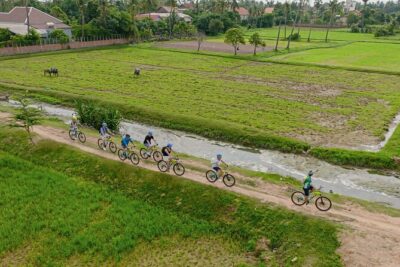 ★ 5.0Siem Reap Countryside Bike Tour / E-Bike or Tuk TukFrom $35935 reviews
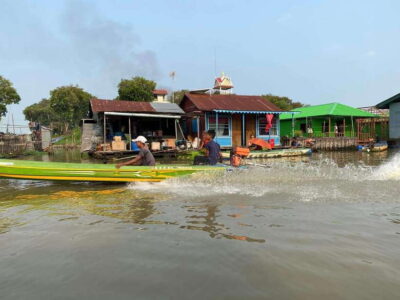 ★ 4.4Tonle Sap, Kampong Phluk & Floating Village TourFrom $17397 reviews
 ★ 5.0Siem Reap Countryside Quad Biking TourFrom $45322 reviews
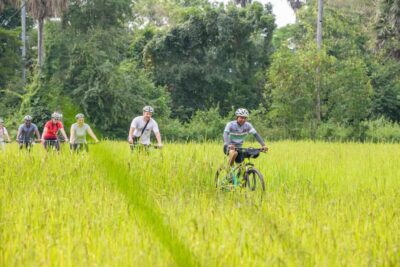 ★ 4.9Guided Countryside Bike TourFrom $35294 reviews
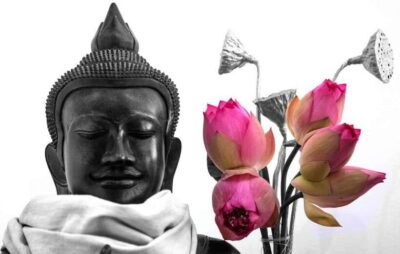 ★ 4.7Siem Reap Lotus Silk Farm Discovery tour & Lake experienceFrom $20291 reviews
 ★ 4.7Siem Reap Quad Bike Countryside TourFrom $33283 reviews
Browse the lists this tour appears in