
Reviewed · MONK BLESSING & SPIRITUAL TOURS
Monk Blessing Ceremony
A calm hour can change your day. This Buddhist monk blessing ceremony in Siem Reap is a simple, meaningful break from temple-hopping, with chants, incense, and a traditional blessing you can understand without needing a religion degree.
What I like most is how the experience is explained in plain language, so you know what you’re doing during the offering and the water blessing. I also like that you get the basics sorted for you—sarong and towel—so you can focus on the ritual instead of scrambling for clothing.
One consideration: this is weather-dependent. If the day is off, the operator may shift your date, so you’ll want a little flexibility in your schedule.
In This Review
- Key Things to Know Before You Go
- Entering the Pagoda Mood: Wat Porkrom and the Red-Thread Promise
- What Happens During the Ceremony: Chanting, Water Blessing, and Incense
- The Red Thread Moment: Prosperity, Good Fortune, and How to Participate
- Your Guide Matters: Clear Explanations and Support on the Ground
- Dress Code, Sarong, and Small Things That Keep You Comfortable
- Timing, Pickup, and Why 1–2 Hours Can Feel Longer
- Price and Value: Is $45 Worth It?
- Who Should Book This Monk Blessing Ceremony
- Weather, Rescheduling, and the Day-Of Reality
- Should You Book the Monk Blessing Ceremony in Siem Reap?
- FAQ
- Where does the monk blessing ceremony take place?
- How long is the Monk Blessing Ceremony tour?
- Is pickup from my hotel included?
- What’s included in the tour price?
- What should I expect to do during the ceremony?
- What do I receive at the end of the experience?
- Do I need special clothing?
- Is the tour suitable for most travelers?
- Is travel insurance included?
- What if the weather is bad?
- What is the cancellation policy?
Key Things to Know Before You Go
- Wat Porkrom location: the ceremony happens at a well-known pagoda in Siem Reap
- Red thread at the end: you’ll receive a thin red thread tied around your wrist for prosperity and good fortune
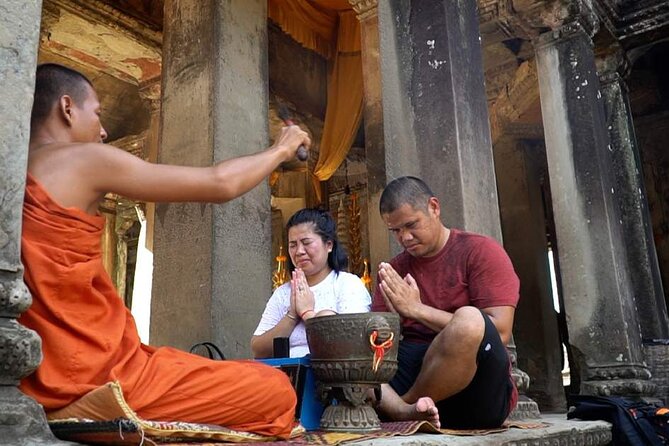
- Guided chanting and offering: you’ll get support through prayers, chanting, flower offerings, and the water blessing
- Sarong and towel provided: dressing for the pagoda part is handled for you
- English-speaking guidance with pickup: transport and interpretation make it easy for first-timers
- Good weather required: plan with some slack if the forecast turns
A quiet water blessing, other mornings
- Siem Reap: 1-Hour Cambodian Buddhist Water Blessing★ 4.9 · 68 reviews
- Monk Blessing Ceremony in Siem Reap★ 5.0 · 24 reviews
- Private Guided Angkor Wat Tour by Lady Tuk Tuk with Monk Blessing★ 5.0 · 19 reviews
- Angkor Wat & Temples: Private Spiritual Tour by Lady Tuk Tuk★ 4.9 · 18 reviews
Entering the Pagoda Mood: Wat Porkrom and the Red-Thread Promise
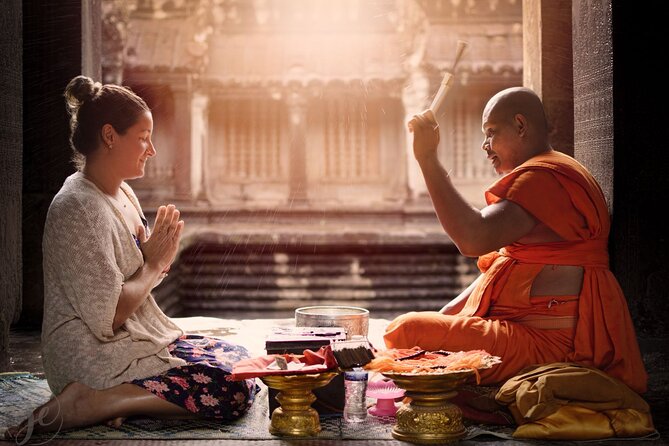
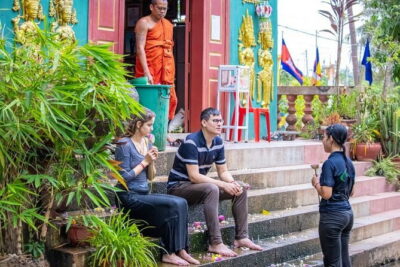
Siem Reap can feel like it’s powered by scooters and stone temples. This tour slows things down on purpose. You’ll head to a Buddhist pagoda for a monk blessing ceremony focused on prayers, chanting, and a ritual water blessing, all in a setting where incense and flower offerings are part of the atmosphere.
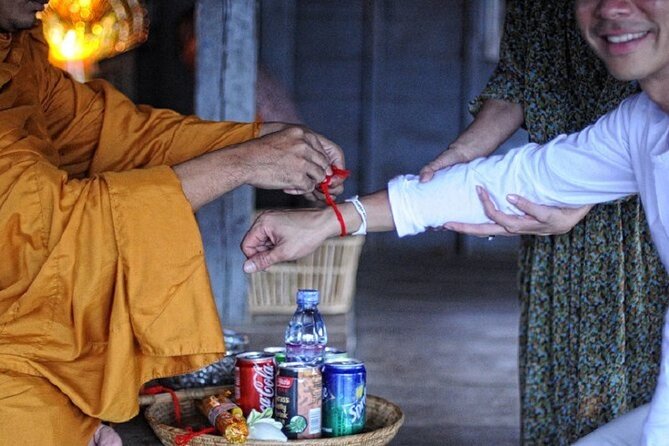
The biggest “why do I do this?” payoff is the ending: you’ll receive a thin red thread tied around your wrist. In the tour framing, it symbolizes prosperity and good fortune. Even if you’re not big on spiritual souvenirs, that thread is a handy marker of a specific moment you can carry with you after you leave Siem Reap.
I also like that the tone stays respectful and practical. Your guide explains what’s happening and what you should do, so you’re not stuck guessing. And if you’re traveling with someone who gets nervous about cultural stuff, this is often the kind of activity that helps people feel included instead of awkward.
What Happens During the Ceremony: Chanting, Water Blessing, and Incense
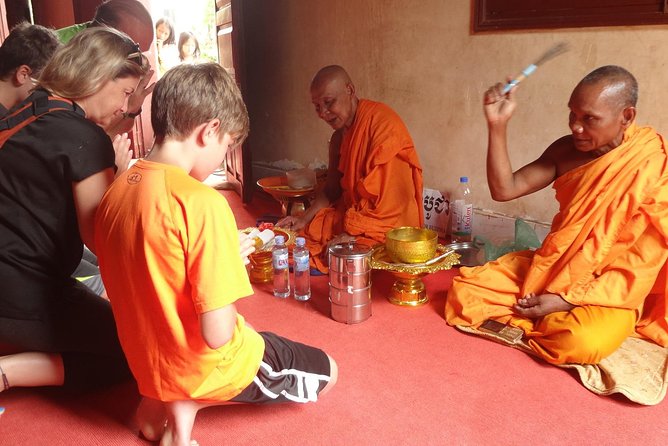
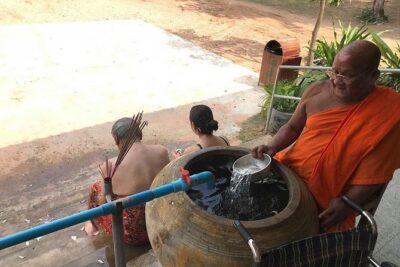
The ceremony itself is built around steps you can follow. You’ll watch monks chant and sing, and you’ll also see the water blessing process. The ritual is festive in a gentle way—more calm celebration than ceremony-as-a-performance.
A key part of making this work is the guide’s pacing. You’re not just handed a front-row seat and told to figure it out. The guide helps you understand the sequence, including the offering moment and what the monk blessing is doing in Buddhist tradition.
Here’s what you can expect during the main portion:
- Prayers and chanting from the monks
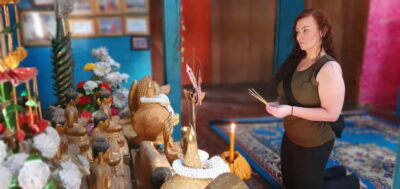
- Flower offerings and incense setting the tone
- A traditional blessing that includes the water blessing
- The end moment with the red thread tied on your wrist
If you’re hoping for a quick photo-op, you might feel a bit out of sync. The point is to be present. You’ll likely find that taking a step back and simply watching for a few minutes makes the whole thing feel more meaningful, even if you’re just along for cultural understanding.
The Red Thread Moment: Prosperity, Good Fortune, and How to Participate
That wrist thread is the signature finish. It’s not just handed to you like a ticket. It’s tied by a monk during the ceremony. Your guide will tell you what to do and when, so you can move into the right position at the right time without holding up anyone else.
In the simplest terms, the ceremony’s logic is about purification and blessing—your guide explains how these blessings are meant to cleanse karma, foster joy, and attract good fortune. You don’t need to agree with every belief to appreciate the social and cultural meaning. It’s also a great way to see how faith becomes action: words, ritual objects, and a physical symbol all tied together.
One practical tip: watch your guide first. Even if you think you understand, rituals often have small timing cues. Getting those cues right helps you feel confident, and it keeps the experience smooth for everyone.
Also, if you’re sensitive to incense or smoke, plan for it. The tour description points to incense and flower offerings, so expect a scented environment. If you need to step outside briefly, you can likely do so, but it’s best to let your guide know so they can advise on timing.
Your Guide Matters: Clear Explanations and Support on the Ground
This is one of those tours where the guide can make or break the experience. The consistent praise centers on how well the process is explained—people felt grateful after because they understood the offering and water blessing instead of just observing.
On top of that, guides can handle real-life travel chaos. One guest shared that when they arrived late because of another tour, the organizers were supportive and helped reschedule without stress. That matters because temples and pagodas don’t operate like a bus tour. If your day slips, you need someone who can adapt.
You might meet Mr. Chhun Bunleng, who was specifically mentioned by name for explaining what to do during the blessing. That kind of guidance is especially valuable if it’s your first time in a ceremony like this.
Finally, the operator Passion Indochina Travel gets credit in feedback for how they run things and for sharing a portion of proceeds with the monks. Even if you don’t track charity components as part of your decision, it’s a good sign that the tour is connected to the community rather than just extracting experiences.
Dress Code, Sarong, and Small Things That Keep You Comfortable
Pagodas in Cambodia usually have expectations about respectful clothing. The good news here: the tour includes a sarong and towel, so you’re not stuck improvising in the tuk-tuk minutes before a ceremony.
Plan for a short sit/stand experience around chanting and ritual action. Comfort helps. Bring whatever you like for personal comfort, but you don’t need to worry about having the right wrapping on day one because the tour provides what you need.
If you’re going with family, this also reduces stress. One review mentioned a parent and a 13-year-old doing the ceremony together, and the setup was educational and enjoyable. That fits the overall feel: it’s not overly technical, and the guidance makes it accessible.
One more note: you’ll be close enough to see what’s happening, but you’re also in a sacred space. Keep your phone use respectful and follow your guide’s lead on what’s appropriate.
Timing, Pickup, and Why 1–2 Hours Can Feel Longer
The tour is listed as 1 to 2 hours (approx.), with pickup offered and round-trip transportation from your hotel. In practice, travel time can stretch the total, especially if your hotel is spread out from the pagoda.
One guest described the total time as about three hours including drive time. So if you’re trying to fit this between other plans, don’t book it as a strict clock-in slot right after breakfast unless your schedule is flexible.
Group discounts can help, too. Even if you prefer private experiences, group formats often reduce the overall cost while still keeping the ceremony structured. The key is that the guide stays with you and explains the steps, not that you’re stuck in a crowd with no support.
Also, the experience is described as near public transportation. That’s useful if you decide to travel independently to save time, though pickup is part of the service package.
Price and Value: Is $45 Worth It?
At $45, you’re paying for more than the ceremony seat. You’re paying for:
- an English-speaking driver/guide
- the monk blessing ceremony
- sarong and towel
- a monk offering
- round-trip transport
In Siem Reap, that can feel like a fair deal if you want cultural access with less friction. The real value is understanding. If you walk into a ceremony without guidance, you might still see chanting and a monk tying a thread—but you’ll miss the meaning of the offering and water blessing steps.
This is also one of those low-cost, high-feel-good activities at the end of a temple-heavy day. It’s a different kind of experience: not stone and angles, but tradition, ritual, and a brief moment of intention.
If you’re on a tight budget, $45 is still manageable compared to many private tours. If you want maximum bang-for-your-buck, pick a time slot where you’re not rushing afterward.
Who Should Book This Monk Blessing Ceremony
This is a strong fit if you:
- want a meaningful cultural moment beyond sightseeing
- like guided explanations and clear steps
- want a calmer activity between temple days
- are open to participating respectfully in a Buddhist ritual
It also works well for people traveling with family, including kids, because the ceremony is educational and the support is built in.
If you’re the type who only wants hands-on activities, this might feel more watch-and-participate than do-and-build. But that’s not a flaw. It’s the nature of a blessing ceremony. The “doing” is mostly focused on the offering and participating at the right moments.
Weather, Rescheduling, and the Day-Of Reality
The operator notes that the experience requires good weather. That means you shouldn’t schedule it as your one and only outdoor plan with no backup.
On the plus side, the flexibility shows up in feedback. If something throws off timing, the organizers appear willing to adjust. If your day starts messy, it helps to know the team can handle it rather than just sticking to a rigid schedule.
If you’re traveling around religious dates, you might catch a more solemn-feeling ceremony. One guest even described a special-day blessing on January 1st, and another mentioned a full moon day. You can’t count on those dates, but it’s a reminder that the ceremony may feel extra “occasion-like” depending on the calendar.
Should You Book the Monk Blessing Ceremony in Siem Reap?
I’d book it if you want a respectful, guided way to experience a real Buddhist ritual in Cambodia. The red-thread blessing, the clear walkthrough of the offering and water blessing, and the included sarong and towel make it more than a casual cultural stop.
Skip it only if you’re short on time and need something purely visual, or if you hate situations where you have to participate quietly and follow someone else’s rhythm. Otherwise, this is one of those tours that gives you a real story and a real symbol—right there on your wrist.
FAQ
Where does the monk blessing ceremony take place?
The ceremony is held at Wat Porkrom in Siem Reap.
How long is the Monk Blessing Ceremony tour?
The duration is about 1 to 2 hours, and total time may be longer depending on drive time.
Is pickup from my hotel included?
Pickup is offered, and round-trip transportation from your hotel is included.
What’s included in the tour price?
Included items are the English-speaking driver/guide, the monk blessing ceremony, sarong and towel, and a monk offering.
What should I expect to do during the ceremony?
You’ll follow your guide through prayers, chanting, the offering process, and the water blessing, and you’ll be guided on what to do.
What do I receive at the end of the experience?
At the end, a thin red thread is tied around your wrist as a blessing tied to prosperity and good fortune.
Do I need special clothing?
You’ll be provided a sarong and towel for the ceremony, which helps you meet the basic expectations for a pagoda setting.
Is the tour suitable for most travelers?
The experience says most travelers can participate.
Is travel insurance included?
No, travel insurance is not included.
What if the weather is bad?
The experience requires good weather. If it’s canceled due to poor weather, you’ll be offered a different date or a full refund.
What is the cancellation policy?
You can cancel up to 24 hours in advance for a full refund. Cancellation timing is based on the local start time.
More Tour Reviews in Siem Reap
- Angkor Wat Sunrise or Sunset Tour with Guide from Siem Reap
★ 5.0 · 12,109 reviews - Siem Reap: Angkor Wat: Small-Group Sunrise or Sunset Tour
★ 5.0 · 9,444 reviews - From Siem Reap: Kampong Phluk Floating Village Tour by Boat
★ 4.9 · 6,979 reviews - Sunset tour of Kampong Phluk stilts home village on the Tonle Sap
★ 5.0 · 4,865 reviews - Siem Reap: Angkor Wat 2-Day Tour with Sunrise and Sunset
★ 4.9 · 4,429 reviews
A Blessing and a Quiet Morning
- Siem Reap: 1-Hour Cambodian Buddhist Water Blessing
★ 4.9 · 68 reviews - Monk Blessing Ceremony in Siem Reap
★ 5.0 · 24 reviews - Private Guided Angkor Wat Tour by Lady Tuk Tuk with Monk Blessing
★ 5.0 · 19 reviews - Angkor Wat & Temples: Private Spiritual Tour by Lady Tuk Tuk
★ 4.9 · 18 reviews - Siem Reap: Khmer Water Blessing by Monk and Lotus Farm Visit
★ 5.0 · 15 reviews
Just Added: Fresh Siem Reap Tour Reviews

Monk Blessing & Spiritual Tours, compared.
 ★ 4.91-Hour Cambodian Buddhist Water BlessingFrom $3768 reviews
 ★ 5.0Monk Blessing Ceremony in Siem ReapFrom $4524 reviews
 ★ 5.0Private Guided Angkor Wat Tour by Lady Tuk Tuk with Monk BlessingFrom $3719 reviews
 ★ 4.9Angkor Wat & Temples: Private Spiritual Tour by Lady Tuk TukFrom $5018 reviews
 ★ 5.0Khmer Water Blessing by Monk and Lotus Farm VisitFrom $5515 reviews
 ★ 5.0Siem Reap Cambodian Buddhist Water Blessing and Local MarketFrom $1913 reviews
★ 4.8Siem Reap Cambodian Buddhist Water Blessing and Local MarketFrom $5411 reviews
★ 5.0Siem Reap Cambodian Buddhist Water Blessing and Local MarketFrom $1913 reviews
★ 4.8Siem Reap Cambodian Buddhist Water Blessing and Local MarketFrom $5411 reviews
 ★ 5.0Traditional Khmer Water Blessing by Monk and Lotus Farm VisitFrom $7010 reviews
Browse the lists this tour appears in