
Reviewed · ANGKOR TEMPLE TOURS
Private Siem Reap 4 Days: Full Exploration of the Angkor Complex
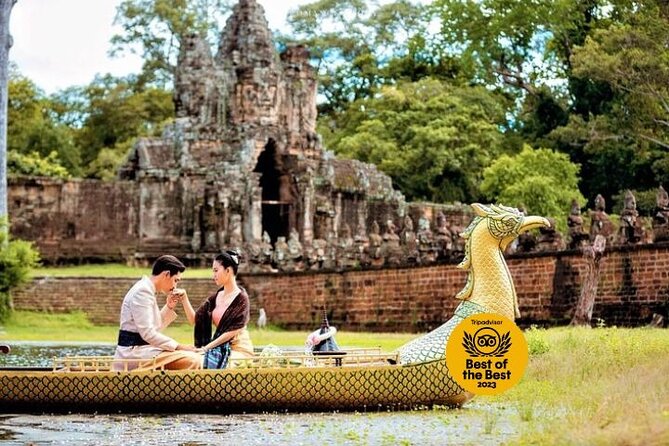
4:30am sunrise sets the tone for Angkor. This private Siem Reap tour is built around Angkor Wat sunrise and a full day of major temples, guided by a licensed English speaker who helps you make sense of what you’re seeing. I really like the private air-conditioned vehicle (so you’re not crammed into day-long chaos) and the fact that admissions and daily breakfast are handled for you. One thing to consider: this schedule is temple-heavy and starts very early, so you’ll want to pace yourself and be ready for long, active days.
What makes it feel worth it is how the temples are grouped so you’re not constantly rushing between far-off areas. Your driver and guide work as a team—show up on time, keep things organized, and answer the questions you’ll naturally have when every stone has a story. A possible drawback is that some stops are less “polished” than others (for example, sites described as not fully restored or showing signs of time), so if you’re hoping for only big, perfectly maintained monuments, you may have moments that feel quieter or rougher than expected.
In This Review
- Key highlights you’ll notice fast
- Private, licensed guide: what it changes on Angkor days
- Day 1 in Siem Reap: airport arrival and a hotel you can recover in
- Day 2 Angkor Wat sunrise to Srah Srang: the classic “big hits” day
- Angkor Wat: more than a postcard
- Angkor Thom South Gate: heads, restoration, and entry energy
- Angkor Thom, Bayon, and Baphuon: faces and meaning
- Phimeanakas and the ceremonial terraces: scale you feel
- Ta Nei and Ta Prohm: the quieter pause and the famous tree temple
- Banteay Kdei and Srah Srang: not just the big monuments
- Where you might feel tired on Day 2
- Day 3 Banteay Srei through Preah Khan: the “smaller circuit” with sunset energy
- Banteay Srei: a precious-feeling, art-forward stop
- Banteay Samre: restoration method, visible aging
- Pre Rup and Ta Som: balanced design and a quieter temple
- Neak Pean and Preah Khan: luxury-in-ruins and a bigger north reach
- Sunset at the Angkor Temples area: why Srah Srang matters again
- Day 4 Tonlé Sap and Kampong Phluk: the contrast that makes the trip complete
- Tonlé Sap Lake: the seasonal heart of Cambodia
- Kampong Phluk floating village: real routines on water
- Return to Siem Reap airport
- Price and what you truly get for $375.06 per person
- Who this tour fits best (and who should tweak expectations)
- Before you go: make the schedule work for you
- Should you book this 4-day Angkor private tour?
- FAQ
- FAQ
- Is this a private tour or a group tour?
- What’s the duration of the experience?
- Do you pick up from the airport and from my hotel?
- Are entrance tickets included for the temple sites?
- Does the tour include breakfast?
- What kind of vehicle is used?
- Are there different hotel options?
- What is the mobile ticket for?
- What’s included during the day while traveling between sites?
- What happens if I cancel?
Key highlights you’ll notice fast
- Angkor Wat sunrise with an early pickup so you can watch the complex at its best
- A licensed English guide who explains temple meaning, not just photo spots
- Grand Circuit + Small Circuit coverage so you see the big names and the lesser-visited ruins
- Private transportation with water and fresh tissue during the tour
- Sunset viewing tied to the Angkor viewpoints experience
- Tonlé Sap and Kampong Phluk to balance the Angkor days with real Cambodian life
More temple circuits, set side by side
- Angkor Wat Sunrise or Sunset Tour with Guide from Siem Reap★ 5.0 · 12,109 reviews
- Siem Reap: Angkor Wat: Small-Group Sunrise or Sunset Tour★ 5.0 · 9,444 reviews
- Siem Reap: Angkor Wat 2-Day Tour with Sunrise and Sunset★ 4.9 · 4,429 reviews
- Siem Reap: Full-Day Angkor Wat Guided Tour with Sunset★ 4.9 · 3,803 reviews
Private, licensed guide: what it changes on Angkor days
Angkor can go two ways. If you’re on your own, you end up chasing photos and trying to match carvings to explanations you read online the night before. With a licensed English guide, it’s different. The temples stop being just “cool buildings” and start becoming a system—how rulers, religion, and architecture connect across centuries.
I especially like the way the tour is set up for comfort and flow: you get hotel-to-temple transfers in a private air-conditioned vehicle, plus water and fresh tissue during the day. That sounds basic until you remember what Angkor days feel like—dust, heat, walking, and the mental effort of looking closely at detailed stonework. This setup helps you conserve energy so you can actually pay attention.
There’s also a people factor. In the guide experiences shared with this company, English is consistently praised, and named guides such as Mr Sara, Mr Sok, Dorn, Meng, and Leap are described as friendly, professional, and strong on explanations and Q&A. You may not get the same person, but the pattern matters: the tour is built for understanding, not just checklists.
Day 1 in Siem Reap: airport arrival and a hotel you can recover in
Day 1 is not about temple miles. It’s about landing, getting settled, and making sure you’re ready for the big early start that comes next.
If you arrive via Siem Reap Angkor International Airport, you’ll be met by your driver holding a welcome signboard with the company logo and your name, then transferred to your hotel. It’s a small touch, but it reduces the stress of the first evening—especially if you’re tired from travel.
Your hotel choice is part of the experience. You can select:
- Royal Crown Hotel & Spa (3-star) or similar
- Kulen Central Mall Hotel (4-star) or similar
- Angkor Paradise Hotel (5-star) or similar
All options include daily breakfast, which matters because you’ll be up early on temple days and you don’t want to hunt for food or pay extra for it. You also get double or twin sharing accommodation based on what you book.
Practical takeaway: treat Day 1 as your recovery day. If you sleep badly because you’re excited (or jet-lagged), at least you’ll have a comfortable base and an organized morning ahead.
Day 2 Angkor Wat sunrise to Srah Srang: the classic “big hits” day
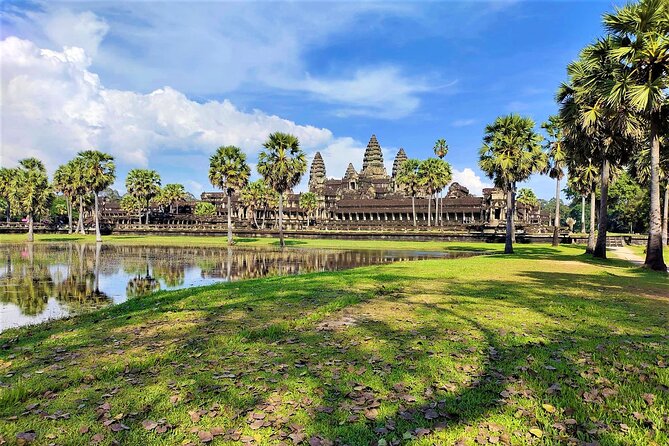
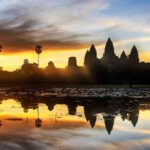
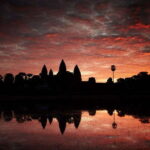
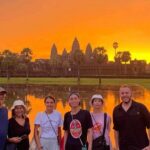
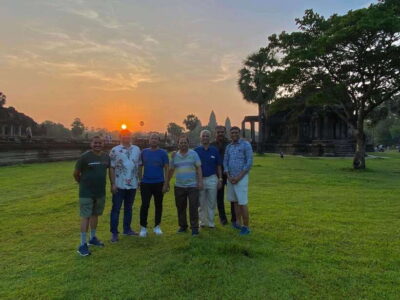
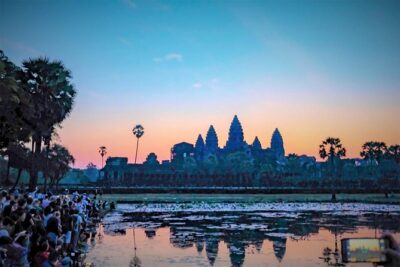
This is the day most people come for, and the early schedule is the point. You’ll be picked up around 4:30 AM to see Angkor Wat sunrise. Angkor Wat is the best-preserved monument of the Angkor group, and sunrise is the moment the whole complex feels alive—light changing the contrast on stone carvings, towers, and surrounding grounds.
You’ll then transition into the dense cluster of Angkor Thom and nearby landmarks. Here’s what each stop tends to give you, and why it fits together.
Angkor Wat: more than a postcard
Start with the obvious: it’s iconic. But the real value is the context your guide can provide while you’re standing there. Angkor Wat’s scale and preservation make it easier to “read” the design, so explanations land better than they would at more ruined sites.
Tip from the schedule: because pickup is so early, plan to eat breakfast when offered the next morning’s hotel day (or follow whatever timing your guide sets), and keep your energy steady for the rest of the day.
More time at the temples, spread over days

Angkor Thom South Gate: heads, restoration, and entry energy
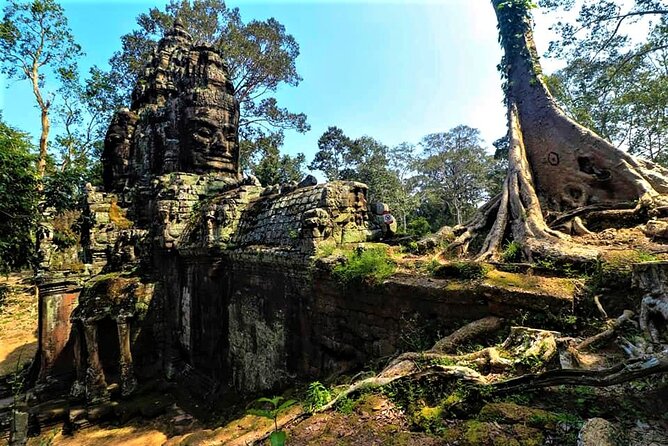
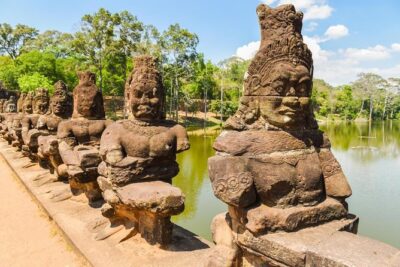
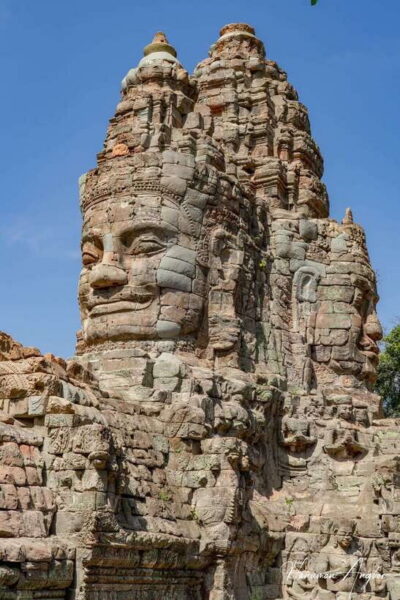
Next comes the South Gate of Angkor Thom—restored and famous for remaining stone head elements. This is the kind of location where being there matters more than photos. The gate anchors your sense of arrival: you’re moving from the outside approach into the heart of the royal city layout.
Angkor Thom, Bayon, and Baphuon: faces and meaning
After the gate, you’ll explore key Angkor Thom structures:
- Angkor Thom (the royal-city center)
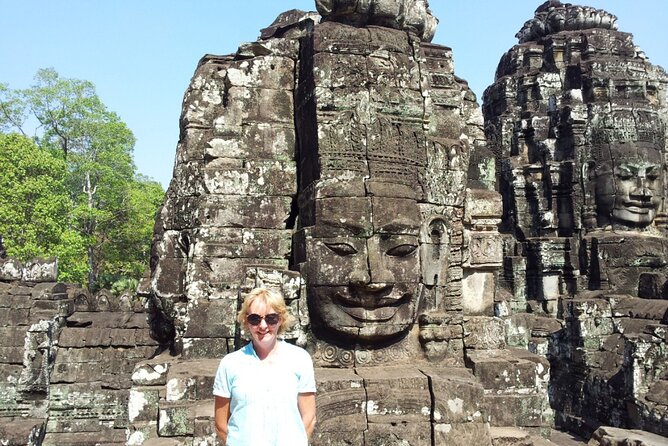
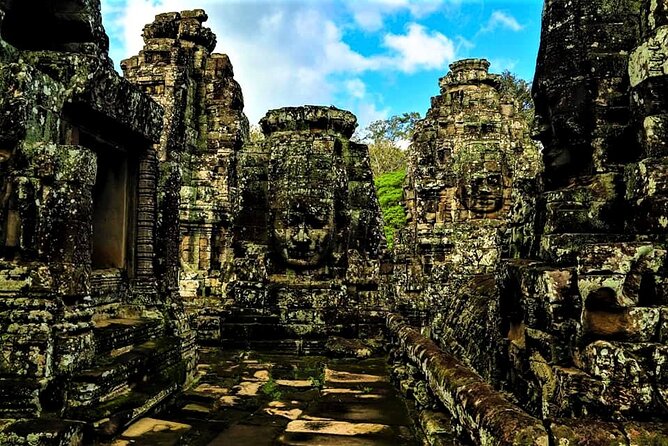
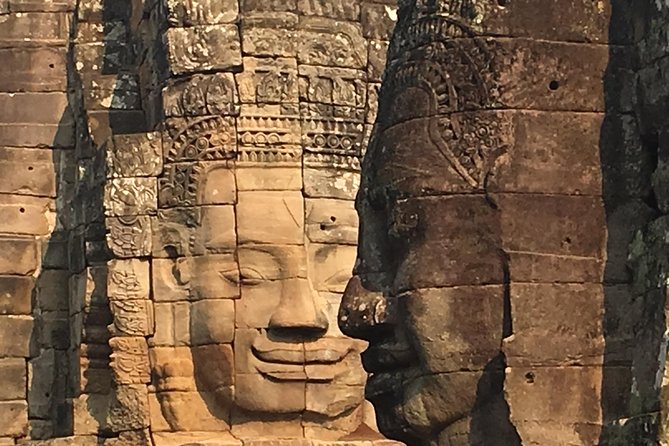
- Bayon (built nearly a century after Angkor Wat, known for its central placement in the city)
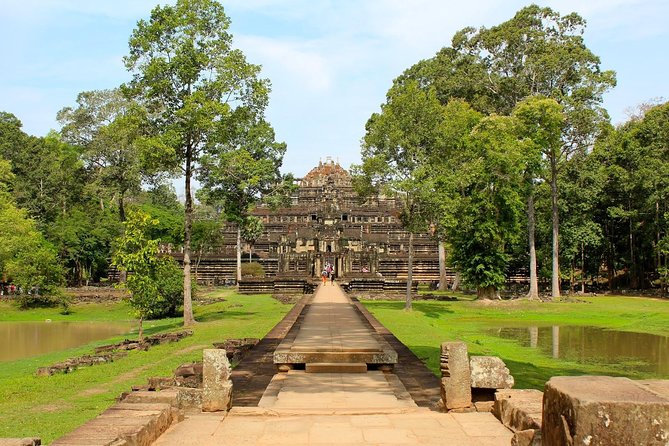
- Baphuon (with its distinct five-level rectangular base design)
Bayon and Baphuon are great examples of how Angkor isn’t one single style—it’s layers of building, changing priorities, and different rulers leaving their marks. With a good guide, you’ll understand why these temples look connected even when they aren’t identical.
Phimeanakas and the ceremonial terraces: scale you feel
You’ll also visit:
- Phimeanakas, near the Royal Palace area, described as originally crowned with a golden pinnacle in historical accounts
- Terrace of the Elephants, connected to royal movement and ceremonial procession
- Terrace of the Leper King, known for dramatic bas-reliefs
These aren’t always everyone’s “favorite” temples at first glance, but they often become the stops you remember because they show how power and ritual were displayed in everyday architecture.
The Terrace of the Elephants is tied to the idea of servants and princes moving through spaces with controlled rhythm—so look for how the stonework frames movement. The Terrace of the Leper King leans into storytelling through carvings. Your guide’s explanation can turn those panels from random figures into a coherent scene.
Ta Nei and Ta Prohm: the quieter pause and the famous tree temple
Then you shift toward two very different vibes:
- Ta Nei, a late 12th-century stone temple near the East Baray area, dedicated to the Buddha
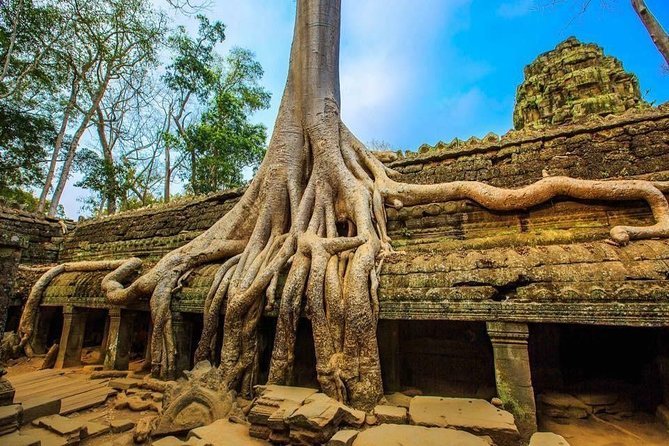
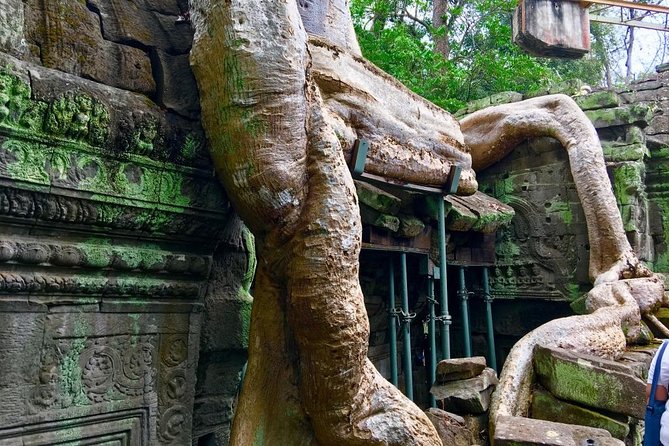
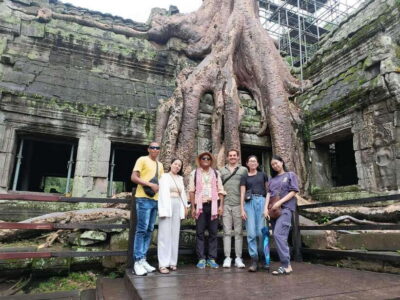
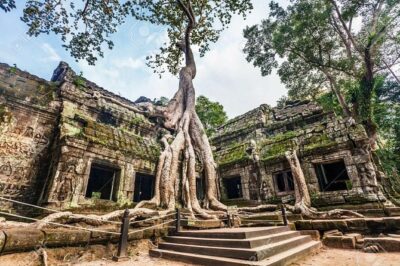
- Ta Prohm, described as the kingdom of trees, left largely untouched except for visitor paths and structural strengthening
Ta Prohm is often the “wow” stop for many people, but it’s also a helpful contrast point. You see how restoration choices and jungle growth changed the emotional feel of the site over time.
Banteay Kdei and Srah Srang: not just the big monuments
Finally in the day’s run:
- Banteay Kdei, a Buddhist monastery-style structure described as a citadel of monks’ cells
- Srah Srang, a reservoir (baray) south of the East Baray
Srah Srang helps you step back from temples as objects and think of them as part of a water-and-ritual landscape. It’s a more calming finish than another hard-surfaced monument sprint—use it to breathe, refill, and reset.
Where you might feel tired on Day 2
This day includes many major and mid-sized sites in succession. If you’re sensitive to walking or tired from jet lag, build your pace: pause longer at the stops you really love, and skim the rest without guilt. The private guide format helps you do that.
Day 3 Banteay Srei through Preah Khan: the “smaller circuit” with sunset energy
Day 3 shifts to temples that feel more intimate—still impressive, but often less frantic than the Angkor Wat-first crowd dynamic. It’s also a nice change because you’re not only chasing the most famous names.
Banteay Srei: a precious-feeling, art-forward stop
Banteay Srei is often treated as a highlight because it’s described by French archaeologists as a precious gem and a jewel of Khmer art. If you like carvings and details, this is the kind of place where you’ll want to slow down and actually look.
Banteay Samre: restoration method, visible aging
Banteay Samre is described as one of the most complete complexes due to anastylosis (reassembling parts using original elements). But it also shows that maintenance lapses can be visible. This is a good stop for setting expectations: you’ll see how time and conservation choices affect the look and feel.
Pre Rup and Ta Som: balanced design and a quieter temple
You’ll then visit:
- Pre Rup, noted for bold architectural design and strong balance and proportion
- Ta Som, described as not restored, small, and quiet
Ta Som is the type of site where, if you’re traveling for atmosphere as much as spectacle, it can be a peaceful break. If you came hoping for perfectly restored walls everywhere, it may feel more rugged.
Neak Pean and Preah Khan: luxury-in-ruins and a bigger north reach
Two more stops add variety:
- Neak Pean, described as a large square man-made pond with four smaller ponds at the corners
- Preah Khan, located north-east of Ta Prohm on the Grand Circuit, described as built in the second half of the 12th century
These are good for connecting dots. Neak Pean turns water into architecture. Preah Khan feels larger in scale and helps you see how Angkor wasn’t just one temple—it was a network.
Sunset at the Angkor Temples area: why Srah Srang matters again
Later, you’ll watch sunset at the Angkor temples area, with Srah Srang appearing again as part of the flow. Sunset is where you get to enjoy the temples without the early-morning rush and without the midday glare.
If you loved sunrise at Angkor Wat, sunset here can feel like a second chapter—same stones, different mood.
Day 4 Tonlé Sap and Kampong Phluk: the contrast that makes the trip complete
Ending Angkor with another temple day can feel repetitive. That’s why Day 4 works so well: you shift from the stone world to the living world.
Tonlé Sap Lake: the seasonal heart of Cambodia
You’ll head to Tonlé Sap Lake, described as the largest freshwater lake in Southeast Asia and one of the most productive ecosystems in the region. It belongs to the Mekong River system, and Tonlé Sap is known for its ecological importance.
This stop is valuable because it balances your brain. Angkor asks you to think in centuries. Tonlé Sap brings you back to daily human life and the environment that supports it.
Kampong Phluk floating village: real routines on water
Next is Kampong Phluk Floating Village. It’s a direct way to see how communities adapt to the water-and-season rhythms around the lake.
The big win here is contrast. After days of sculpted stone and royal city layout, you get people, homes, and movement shaped by a different kind of landscape.
Return to Siem Reap airport
After Kampong Phluk and Tonlé Sap, you’ll be transferred back to Siem Reap Angkor International Airport for your next flight. Day 4 also keeps your departure organized rather than leaving you to figure out transport at the last minute.
Price and what you truly get for $375.06 per person
At $375.06 per person for the 4-day private experience, you’re paying for more than temple tickets. You’re paying for the full package of:
- Private air-conditioned vehicle transfers
- Licensed English guide
- All admission fees for tour sights
- Breakfast (3) included
- Airport and hotel transfers, including the airport welcome sign for arrivals
If you’ve ever tried to DIY Angkor, you know the hidden cost isn’t just money—it’s time lost coordinating guides, tickets, and transport. This tour compresses that work into a schedule that already ties sunrise and major sites together.
Also worth noting: the tour offers group discounts and uses a mobile ticket. That suggests less friction on access and potentially smoother check-ins.
One caution: the tour doesn’t mention lunch in the inclusions list. So budget for meals outside the provided breakfast. If you’re hoping breakfast + all meals included, you’ll need to plan ahead.
Who this tour fits best (and who should tweak expectations)
This tour is a great fit if you want a private, guide-led Angkor experience with less stress and more context than a self-guided day. It also suits families, since the named guides you’ll be paired with are described as professional, flexible, and strong at explaining in clear English.
It may be less ideal if you want a slower, fewer-stop pace. This plan is packed with a lot of key structures across multiple areas, and it starts very early on the sunrise day. If you prefer more downtime, consider asking to soften the pace—especially on days with back-to-back temples.
If you’re picky about restoration conditions, note that some sites are described as less restored or showing visible effects of missing maintenance. That doesn’t make them less meaningful; it just changes the visual style of what you’ll see.
Before you go: make the schedule work for you
Because you’ll be up for around 4:30 AM pickup for sunrise, plan your first night for sleep. I’d rather you arrive at Angkor Wat rested than “motivated but exhausted,” because sunrise rewards patience, not stamina.
Also, lean into the guide’s role. When you’re standing at places like Bayon, the terraces, or Ta Prohm, the stone details start clicking fast once you understand what the guide is pointing out. If you’re the type who likes asking questions, this setup is designed for that.
Finally, remember Day 4 is not just a detour. Tonlé Sap and Kampong Phluk help you see Cambodia as more than one UNESCO site. It’s the part that can turn an impressive trip into a well-rounded one.
Should you book this 4-day Angkor private tour?
Yes, if you want private comfort, an English-speaking licensed guide, and a plan that hits both the big moments (like Angkor Wat sunrise) and the broader Angkor complex in a structured way. The value is in the full combination: admissions handled, transport handled, and enough temple coverage that you’re not constantly thinking about logistics.
Book with extra care if you want a slower pace or if you strongly dislike sites that aren’t fully restored. In that case, you might still love the tour, but you’ll want to go in knowing you’ll see a mix of polished and weathered ruins.
FAQ
FAQ
Is this a private tour or a group tour?
It’s listed as a private tour/activity, meaning only your group will participate.
What’s the duration of the experience?
The tour is approximately 4 days.
Do you pick up from the airport and from my hotel?
Yes. You can be picked up from Siem Reap Airport, and the tour also includes hotel pickup for the early Angkor Wat sunrise day.
Are entrance tickets included for the temple sites?
Yes. All admission fees for the tour sights are included, and the sunrise day admissions are listed as included.
Does the tour include breakfast?
Yes. Breakfast is included for 3 mornings.
What kind of vehicle is used?
Transfers are provided by an air-conditioned vehicle.
Are there different hotel options?
Yes. You can choose among Royal Crown Hotel & Spa (3-star), Kulen Central Mall Hotel (4-star), or Angkor Paradise Hotel (5-star), or similar, with breakfast included.
What is the mobile ticket for?
The tour notes that a mobile ticket is used, suggesting tickets are provided digitally.
What’s included during the day while traveling between sites?
The tour includes transfer support with water and fresh tissue during the tour.
What happens if I cancel?
You can cancel up to 6 days in advance for a full refund. For a 50% refund, cancel 2–6 full days before the experience start time. Less than 2 days before the start time is not refundable.
Just Your Group: Private Days
- Full-Day Angkor Wat Sunrise Private Tour with Guide from Siem Reap
★ 5.0 · 2,920 reviews - Siem Reap: Angkor Wat Private Tuk-Tuk Tour
★ 4.9 · 2,222 reviews - Angkor Wat Private Day Tour from Siem Reap
★ 5.0 · 834 reviews - Angkor Wat Private Tuk-Tuk Tour (sunrise Option) & more
★ 5.0 · 439 reviews - Private Angkor Wat Day Tour – Best of Angkor
★ 5.0 · 269 reviews
More Days at the Temples
- Siem Reap: Angkor Wat 2-Day Tour with Sunrise and Sunset
★ 4.9 · 4,429 reviews - Angkor 2-Day Sunset & Sunrise Small-Group Tour
★ 5.0 · 2,567 reviews - 2 Days Exclusive Temple Highlights with Sunset and Sunrise Tour
★ 5.0 · 1,157 reviews - Siem Reap: Angkor Sunrise 1- or 2-Day Guided Temples Tour
★ 4.9 · 1,132 reviews - 2 Days Guided Historical Tour in Angkor
★ 5.0 · 855 reviews
More Temple Circuits Around Siem Reap
- Angkor Wat Sunrise or Sunset Tour with Guide from Siem Reap
★ 5.0 · 12,109 reviews - Siem Reap: Angkor Wat: Small-Group Sunrise or Sunset Tour
★ 5.0 · 9,444 reviews - Siem Reap: Angkor Wat 2-Day Tour with Sunrise and Sunset
★ 4.9 · 4,429 reviews - Siem Reap: Full-Day Angkor Wat Guided Tour with Sunset
★ 4.9 · 3,803 reviews - Angkor Wat Sunrise tour with Small – Group and Guide tours
★ 5.0 · 3,655 reviews
Just Added: Fresh Siem Reap Tour Reviews

Angkor Temple Tours, compared.
 ★ 5.0Angkor Wat Sunrise or Sunset Tour with Guide from Siem ReapFrom $1812,109 reviews
 ★ 5.0Angkor Wat: Small-Group Sunrise or Sunset TourFrom $159,444 reviews
 ★ 4.9Angkor Wat 2-Day Tour with Sunrise and SunsetFrom $344,429 reviews
 ★ 4.9Full-Day Angkor Wat Guided Tour with SunsetFrom $153,803 reviews
 ★ 5.0Angkor Wat Sunrise tour with Small – Group and Guide toursFrom $143,655 reviews
 ★ 5.0Angkor Wat Highlights and Sunrise Guided Tour from Siem ReapFrom $233,213 reviews
 ★ 5.0Angkor Wat Sunset Small Group Tour with Lunch IncludedFrom $203,059 reviews
 ★ 5.0Full-Day Angkor Wat Sunrise Private Tour with Guide from Siem ReapFrom $602,920 reviews
Browse the lists this tour appears in