
Reviewed · KHMER COOKING CLASSES
Siem Reap: Cambodian Desserts Cooking Lesson with Tastings
Three Cambodian sweets, one memorable afternoon. This class in Siem Reap is built around a market-style start and hands-on dessert making, so you leave with real skills, not just photos. I also like that you cook at your own station, with clear guidance as you work.
The main thing to consider is that it’s a practical workshop: you’ll be steaming, stirring, and shaping sweets for about 3 hours. If you want a fully hands-off food experience, this may not match your style.
In This Review
- Key highlights to know before you go
- Before You Go: How the 3-Hour Flow Works in Siem Reap
- Hotel Pickup and Tuk-Tuk Transfer: The Start That Feels Easy
- The Market Moment: Where Ingredients Get Personal
- Entering the Kitchen: Spacious Stations and Clear Khmer Technique
- The Palm Sugar Lesson: The Ingredient That Explains Everything
- The Three Desserts You’ll Learn to Make (and Why Each One Works)
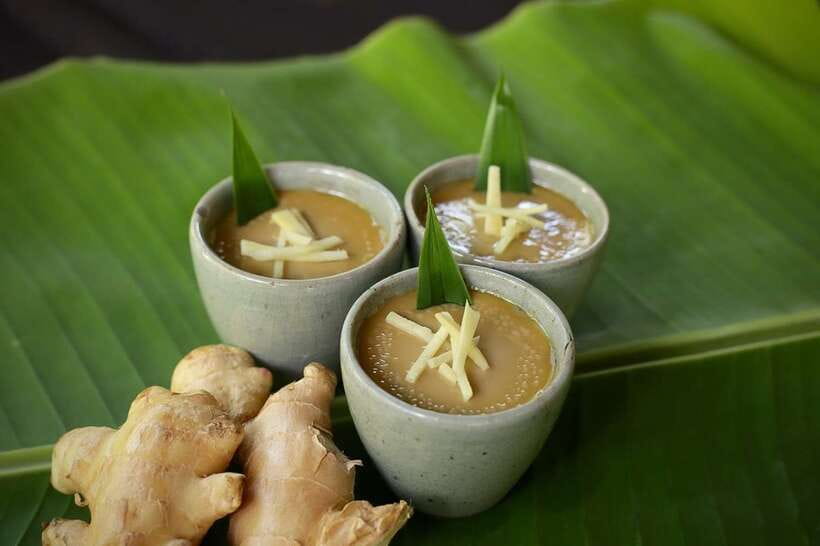
- Steamed Ginger Custard
- Palm Sugar and Coconut Bananas
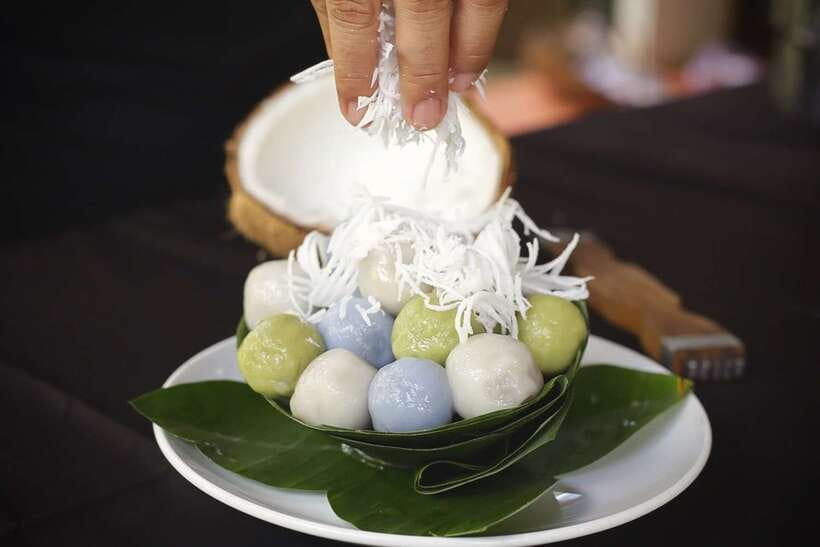
- Sweet Coconut Pancakes
- Tastings, Take-Home Boxes, and What You’ll Leave With
- English-Friendly Instruction and How to Get the Most Out of It
- Price and Value: Is $32 a Fair Deal for 3 Desserts?
- Who This Dessert Class Is Best For (and Who Might Skip It)
- A Simple Checklist for Your Day
- Should You Book This Cambodian Desserts Cooking Lesson?
- FAQ
- How long is the Cambodian desserts cooking lesson in Siem Reap?
- What desserts will I learn to make?
- Is pickup and drop-off included?
- Is the cooking instruction available in English?
- What is included in the price?
- Can I cancel for a refund?
Key highlights to know before you go
- Market snack start: A local market stop sets you up with ingredient knowledge before the kitchen work begins.
- Palm sugar taught from the source: You get the logic behind this staple, from sugar palm to finished sweetness.
- 3 desserts, not 1: You make steamed ginger custard, palm sugar and coconut banana sweets, and sweet coconut pancakes.
- Your own cooking station: You’re not just watching—you’re making the desserts.
- Take-home food and notes: Tastings are part of the class, and you get a recipe card to reproduce what you learned.
Aprons on for another Khmer kitchen
- Siem Reap: Khmer Cooking Class at a Local’s Home★ 5.0 · 1,108 reviews
- Award-Winning Cooking Class Experience with Professional Teacher★ 5.0 · 745 reviews
- Cambodian Village Cooking Class★ 5.0 · 265 reviews
- Cambodian Cooking Class from Siem Reap★ 4.9 · 190 reviews
Before You Go: How the 3-Hour Flow Works in Siem Reap
This is a 3-hour Cambodian dessert lesson focused on three specific sweets you can recreate later. You’ll be picked up from your accommodation, then brought to the workshop, where you cook and taste your way through the recipes.
The pacing is friendly. You’re not rushed from one task to the next. You get time to learn the technique behind each dessert—especially the part that makes them taste properly Cambodian.
And yes, you’ll likely take a short tuk-tuk ride between places. It’s part of the fun, and it also helps you switch gears from sightseeing to cooking.
Hotel Pickup and Tuk-Tuk Transfer: The Start That Feels Easy
Pickup is built into the experience. You just need to be in your hotel lobby about 30 minutes before the activity start time.
Then you’re transferred by tuk-tuk to the class venue. In Siem Reap, that short ride is more than transport—it’s a quick reminder you’re doing something local, not just sitting in a classroom.
One detail I appreciate from the class reports: the host and chef setup can feel organized and calm. People describe clear instruction and a steady rhythm, even when they’re the only attendee.
If you’re the type who likes to avoid stress, this direct pickup and drop-off matters. Less time figuring out logistics, more time focused on the food.
The Market Moment: Where Ingredients Get Personal
Some sessions include a visit to a local market before you start cooking. This isn’t a long detour. It’s more like ingredient orientation with a snack.
You’ll see common Khmer cooking staples in real life—things you’ll later use in your desserts. People have described the market visit as interesting, with time to ask questions and get advice on purchases related to what you’ll cook.
If you’re the cook in your group, this part is gold. You’ll learn what to look for—especially for sweetness sources like palm sugar and aromatic ingredients like ginger and lemongrass.
If you’re not a cook, don’t worry. You still get context. It helps the recipes make sense when you go from ingredient basket to steaming pot.
Entering the Kitchen: Spacious Stations and Clear Khmer Technique
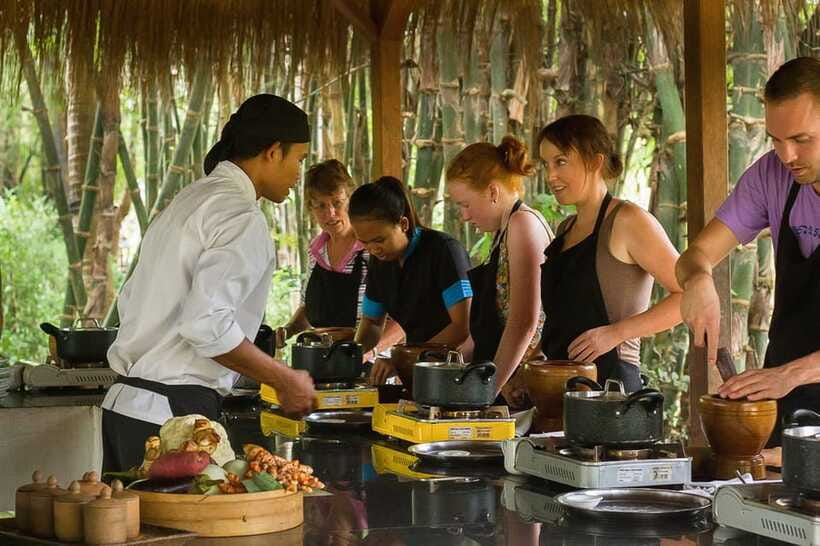
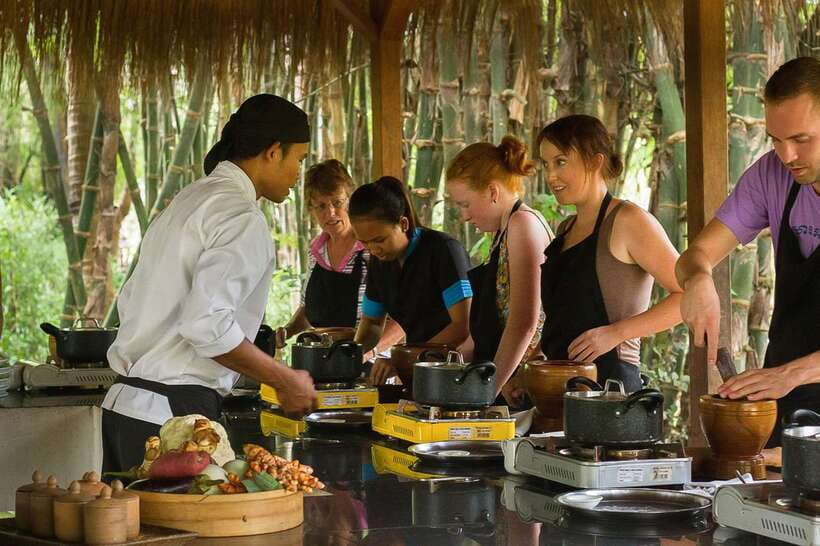
Your workshop setup includes your own cooking station and equipment. That matters, because dessert success often comes down to hands-on details: how you stir, how you portion, and when you stop cooking.
In past sessions, people describe a peaceful outdoor kitchen setting with nature around the cooking area. That kind of setting can make the whole lesson feel like time spent with friends rather than a rushed demo.
The instructors and chefs are typically English-speaking. Some classes have hosts such as Sophia, and chefs such as Prey or Bri, depending on the session. Either way, the teaching style is described as patient and step-by-step, which is exactly what you want for sweets.
A small but telling detail: one participant mentioned being offered fruit and tea when they hadn’t eaten breakfast. That kind of care shows up in how the class supports real people, not just a checklist.
Still hungry? More street stalls and night bites


The Palm Sugar Lesson: The Ingredient That Explains Everything
Palm sugar is the star across Cambodian desserts. This class gives you a close look at it, including an explanation of the path from the sugar palm tree to the finished ingredient you use in the recipes.
Why that matters: palm sugar isn’t just sweet. It carries a distinct flavor that blends with coconut milk and aromatics in a way refined white sugar can’t replicate.
You’ll hear why palm sugar works so well in these desserts. And you’ll understand how its flavor changes the final balance—especially when paired with ginger, lemongrass, and coconut.
If you’ve ever tried to copy a Southeast Asian dessert at home and it tasted off, palm sugar is often the missing piece. This class is designed to fix that problem at the source.
The Three Desserts You’ll Learn to Make (and Why Each One Works)
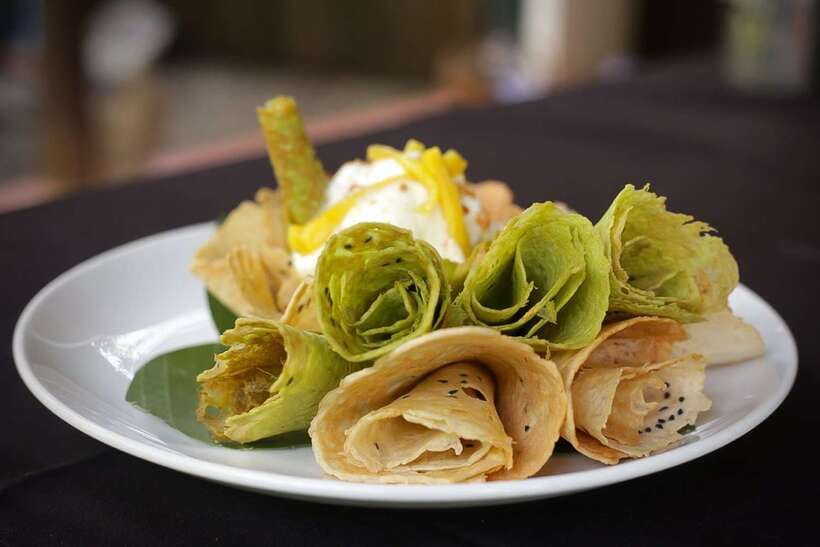
You’ll make three authentic Cambodian desserts, each with a different texture and purpose. Here’s how they fit together in the lesson.
Steamed Ginger Custard
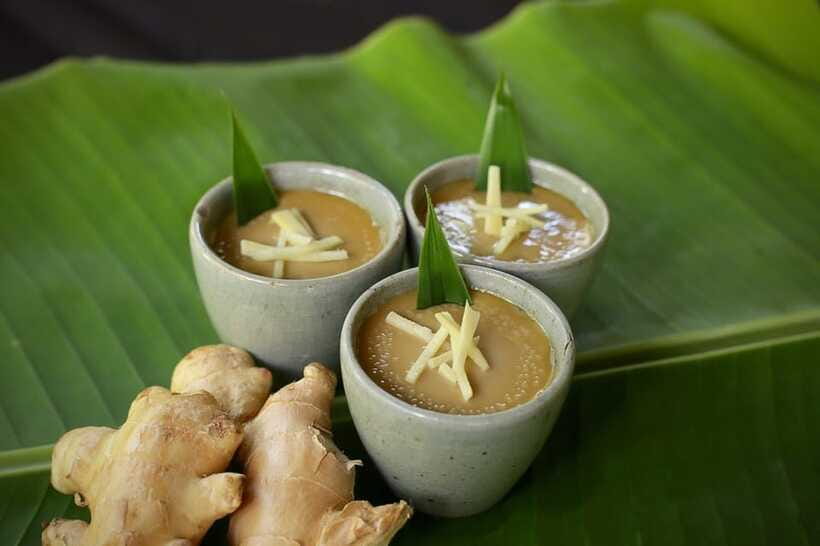
You’ll learn to create steamed ginger custard, a dessert that’s smooth and soothing, with ginger flavor instead of heavy sweetness.
Steaming matters for custard. It’s a technique you’ll practice so you can avoid grainy texture or overcooking. Ginger adds warmth and aroma, which helps the dessert taste balanced rather than just sugary.
If you love flavors that feel gentle and aromatic, this is the one to remember first.
Palm Sugar and Coconut Bananas
Next comes palm sugar and coconut bananas. This is where the class really teaches you how Cambodian sweets build complexity—sweetness first, then coconut richness, then aromatic depth.
Palm sugar clings and caramelizes in a way that makes the banana taste more fragrant and less one-note. Coconut milk brings softness and body.
This dessert also tends to be the one people take home in extra quantity, because it holds well and reheats nicely for sharing.
Sweet Coconut Pancakes
Then you’ll move to sweet coconut pancakes. Pancakes are the dessert “comfort food” option here. You get a chance to work on batter or cooking technique and see how coconut flavor shows up in a different texture than custard.
Coconut pancakes also make the class practical for home. They’re easier to repeat when you want dessert without a big timing challenge.
Across all three desserts, the ingredient set stays consistent: coconut milk, palm sugar, ginger, and lemongrass. The variety is the method and texture, not the fundamentals.
Tastings, Take-Home Boxes, and What You’ll Leave With
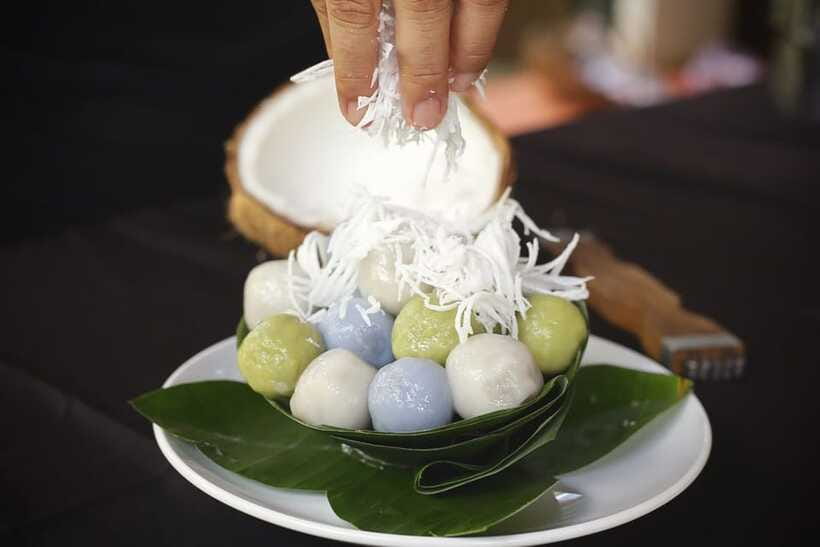
Tastings aren’t an afterthought. You’ll sample your progress as you go, so you can learn how each dessert is supposed to taste at the end of the process.
You’ll also leave with tools for repetition. The class includes a recipe card, and people have mentioned receiving a small recipe booklet or recipe book as a souvenir.
And yes, there’s often plenty of dessert. Multiple participants noted that there was so much food they couldn’t finish everything on the spot, and some desserts were boxed up to take away.
That changes the value of the class. You’re not paying only for instruction. You’re also leaving with real portions of what you make.
English-Friendly Instruction and How to Get the Most Out of It
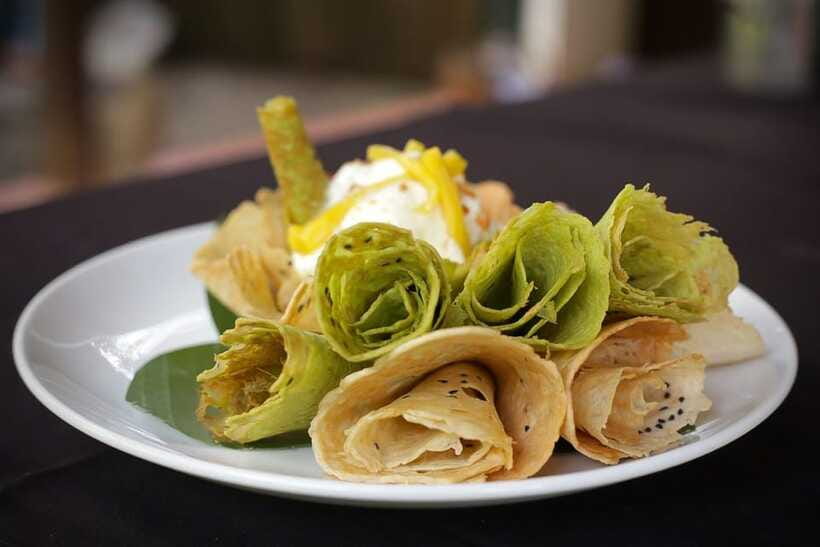
The class is taught in English, which helps a lot if you’re not familiar with Khmer cooking terms.
The best way to benefit is to treat this like a skill class, not a show. Ask questions while you’re mixing, and pay attention when the chef explains why something is done a certain way.
If you can, watch one step all the way through before you start doing it. Then follow the technique exactly for the next round. That’s the difference between repeating the recipe and actually reproducing the flavor.
Also, bring a mindset for small mess. Dessert making is sticky work—especially with coconut and palm-sugar sweetness. If you expect perfection, you’ll fight the process. If you embrace the process, you’ll come out confident.
Price and Value: Is $32 a Fair Deal for 3 Desserts?
At $32 per person for about 3 hours, this class is priced like a practical workshop with tangible output.
Here’s why it can feel like good value:
- You make three desserts with high-use ingredients like palm sugar and coconut milk.
- You get a recipe card plus tasting time.
- You have a personal station and equipment, so you’re not just observing.
- You may leave with extra dessert portions to bring home.
If you’re already in Siem Reap and planning a food-focused day, the class saves you money and time later. Instead of hunting for the exact ingredients and guessing technique, you learn what matters and why.
If you hate cooking, $32 can feel steep. But if you’re even a little curious about Khmer desserts, it becomes a skill you’ll use again.
Who This Dessert Class Is Best For (and Who Might Skip It)
This is ideal if you:
- want a hands-on food experience rather than a passive tour
- like sweets and want to understand how palm sugar changes flavor
- enjoy learning cooking techniques you can actually repeat at home
- want to add something cultural to your Siem Reap trip besides temples and markets
You might skip it if you:
- only want to sample food and don’t want to cook
- prefer long-form meals or dining experiences over short workshops
- need a fully quiet, no-stirring environment
For families and groups, it can be a good “shared activity” day because the results are immediate: you see what you made, you taste it, and you can take it with you.
A Simple Checklist for Your Day
To make the experience smoother, you’ll do well with basic practical prep:
- wear comfortable clothes you don’t mind getting a little sweet and sticky
- arrive a bit early so pickup and transfer feel calm
- plan to eat dessert, because the tasting portions add up
- bring questions, especially about palm sugar and ingredient substitutions at home
If you’re planning other activities later, keep them low-stress. You’ll leave with skill—and you’ll probably also leave with extra sweets.
Should You Book This Cambodian Desserts Cooking Lesson?
I’d book this if you want a real Khmer dessert skill set in one afternoon. The palm sugar focus, the three different desserts, and the fact that you work at your own station make it feel like learning, not just eating.
It’s also a strong choice if you appreciate ingredient context. The market-style start and the explanation from sugar palm to finished palm sugar are the kind of details that help your future homemade desserts taste right.
If you’re on the fence, ask yourself one question: do you want the story behind Khmer sweets, or do you just want something sweet to eat? If it’s the story and the technique too, this class fits nicely.
FAQ
How long is the Cambodian desserts cooking lesson in Siem Reap?
The class lasts 3 hours.
What desserts will I learn to make?
You’ll learn to make steamed ginger custard, palm sugar and coconut bananas, and sweet coconut pancakes.
Is pickup and drop-off included?
Yes. You get hotel pickup and drop-off in Siem Reap.
Is the cooking instruction available in English?
Yes. The instructor teaches in English.
What is included in the price?
The experience includes hotel pickup and drop-off, the cooking lesson, and tastings.
Can I cancel for a refund?
Free cancellation is available up to 24 hours in advance for a full refund.
More Tour Reviews in Siem Reap
- Angkor Wat Sunrise or Sunset Tour with Guide from Siem Reap
★ 5.0 · 12,109 reviews - Siem Reap: Angkor Wat: Small-Group Sunrise or Sunset Tour
★ 5.0 · 9,444 reviews - From Siem Reap: Kampong Phluk Floating Village Tour by Boat
★ 4.9 · 6,979 reviews - Sunset tour of Kampong Phluk stilts home village on the Tonle Sap
★ 5.0 · 4,865 reviews - Siem Reap: Angkor Wat 2-Day Tour with Sunrise and Sunset
★ 4.9 · 4,429 reviews
Eat Siem Reap: More Food Walks
- Siem Reap Evening Food Tour – Inclusive 5 stops Local Tastings
★ 5.0 · 325 reviews - Old Siem Reap Sunset Food Tour by Tuk-tuk
★ 5.0 · 311 reviews - Siem Reap: Street Food Experience by Tuk-Tuk
★ 4.9 · 310 reviews - Siem Reap Evening Foodie Vespa Tour / Tuk Tuk Available
★ 5.0 · 174 reviews - Siem Reap: Local Street Food Experience by Tuk-Tuk
★ 5.0 · 141 reviews
Cook It Yourself: Khmer Classes
- Khmer Cooking Class at a Local’s Home in Krong Siem Reap
★ 5.0 · 2,731 reviews - Siem Reap: Khmer Cooking Class at a Local’s Home
★ 5.0 · 1,108 reviews - Award-Winning Cooking Class Experience with Professional Teacher
★ 5.0 · 745 reviews - Cambodian Village Cooking Class
★ 5.0 · 265 reviews - Cambodian Cooking Class from Siem Reap
★ 4.9 · 190 reviews
Just Added: Fresh Siem Reap Tour Reviews


Khmer Cooking Classes, compared.
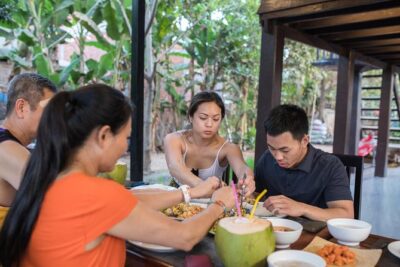 ★ 5.0Khmer Cooking Class at a Local’s Home in Krong Siem ReapFrom $272,731 reviews
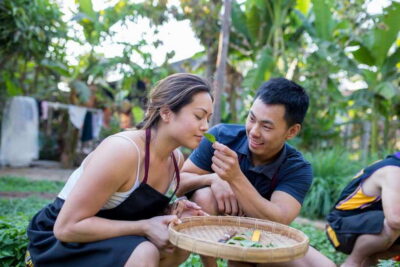 ★ 5.0Khmer Cooking Class at a Local’s HomeFrom $291,108 reviews
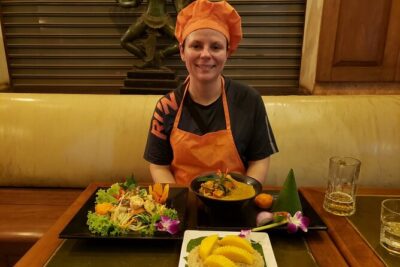 ★ 5.0Award-Winning Cooking Class Experience with Professional TeacherFrom $22745 reviews
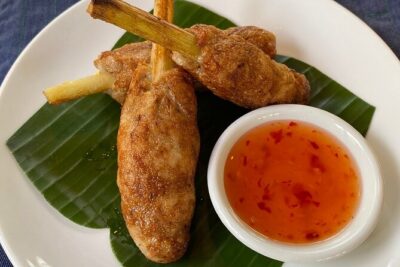 ★ 5.0Cambodian Village Cooking ClassFrom $32265 reviews
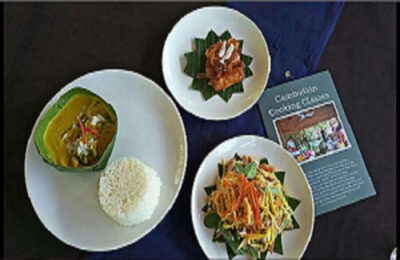 ★ 4.9Cambodian Cooking Class from Siem ReapFrom $32190 reviews
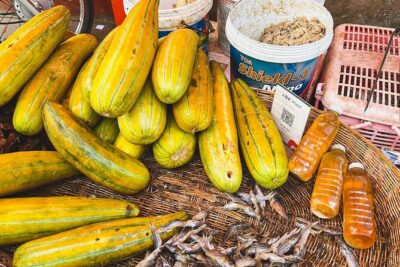 ★ 5.0Siem Reap Cooking ClassFrom $35170 reviews
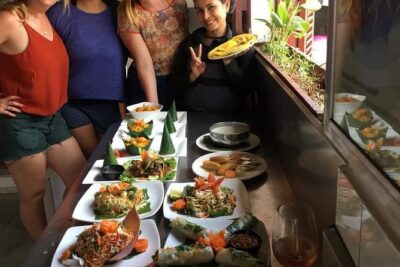 ★ 5.0Khmer Gourmet Cooking ClassFrom $21145 reviews
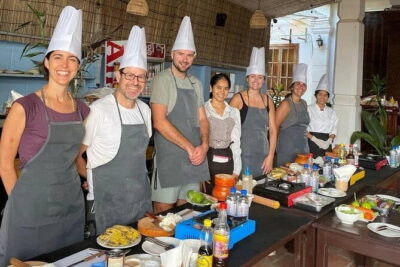 ★ 5.0Khmer Cooking Class in CambodiaFrom $3536 reviews
Browse the lists this tour appears in