
Reviewed · POTTERY & CRAFT WORKSHOPS
Siem Reap: Cambodian Pottery Class
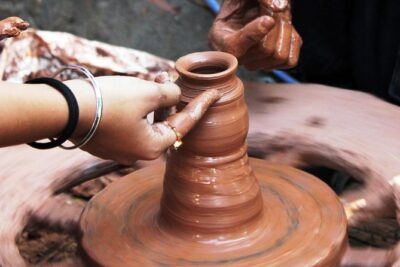
Wheel work in Siem Reap is harder than looks. This 2-hour class at Khmer Ceramics & Fine Arts Centre teaches you to shape a bowl on a manual pottery wheel and decorate it with Khmer-inspired ornamentation. I like that the instruction is practical and hands-on, and your finished piece gets fired overnight for next-day pick-up. One thing to plan for: you won’t have the final bowl in your hands right away.
You’ll start with a hotel pickup and a tuk tuk ride into town, then get settled at a real ceramic workshop where artists guide you through each step. I especially like the quality of attention you get while you’re learning, including support from staff members such as Sok Kong (a name that comes up in the workshop stories), and a teaching style that stays focused on your hands, not just lectures.
Your price covers the workshop visit, all materials, and the pottery fee, including a take-home handmade Cambodian ceramic bowl. After class, your work is fired overnight and available for pick-up at 6pm the day after. If your schedule is tight, you can also choose a shop item for less than $5 on your class day.
In This Review
- Key things I’d circle before you book
- Why Cambodian pottery still matters in Siem Reap
- The class setup: tuk tuk pickup and a real workshop
- From clay to bowl: getting control on the manual wheel
- Khmer carving and decorating: turning practice into something personal
- What you take home and when you can pick it up
- Teachers, language, and the learning style that keeps it moving
- Price and value: what $27 buys you in real studio terms
- Who this is best for (and who might want a different activity)
- Quick tips that make a difference during wheel time
- Should you book this Siem Reap pottery class?
- FAQ
- How long is the Cambodian pottery class?
- Where does the class take place?
- Is hotel pickup and drop-off included?
- What do I make during the class?
- Do I get to take my pottery home the same day?
- What’s included in the price?
- Is food included?
- Can I buy or choose something instead of waiting for pick-up?
- What languages are used during the class?
- Is the workshop wheelchair accessible?
Key things I’d circle before you book
- Manual wheel time so you learn by doing, not just watching
- Khmer carving-style decoration that turns a plain bowl into something personal
- Overnight firing with a clear pick-up time (6pm the next day)
- One included take-home bowl plus options to create extra pieces
- Patient, hands-on instruction, including instructors who work with sign-based communication
- Potter’s diploma + art-market value, since your souvenir comes from a working studio
Hands in the clay, more workshops
- Cambodian Pottery Class in Siem Reap★ 4.5 · 157 reviews
- Workshop Visit and Sombai Liqueur Tasting★ 5.0 · 90 reviews
- Sombai Siem Reap Workshop Cocktail Class★ 5.0 · 23 reviews
- Half-Day Cambodian Gemology Workshop from Siem Reap★ 4.5 · 15 reviews
Why Cambodian pottery still matters in Siem Reap
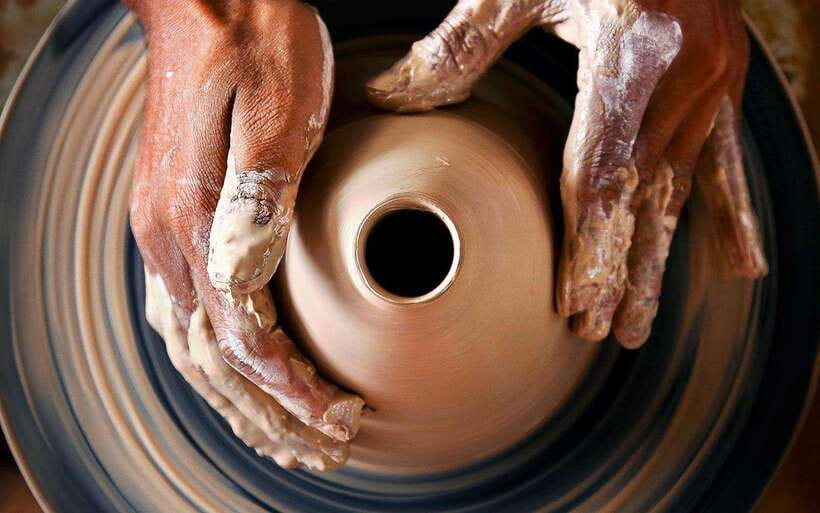
Siem Reap isn’t just a launch point for temples. It’s also one of Cambodia’s traditional hubs for ceramics, where pottery skills have been passed along for generations.
That context makes this class more than a quick craft stop. You’re not only making something pretty—you’re learning a process that local potters have refined over time, and you’ll decorate using Khmer carving-inspired motifs, not random generic designs.
The class setup: tuk tuk pickup and a real workshop
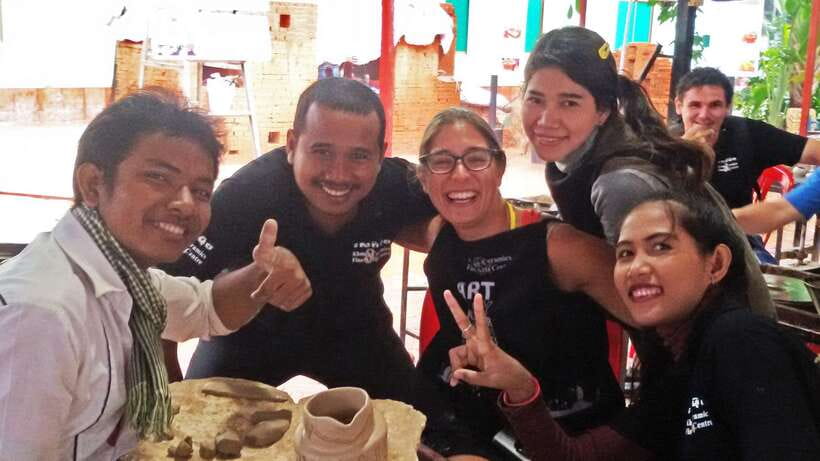
You’ll be picked up from your hotel and taken to the Khmer Ceramics & Fine Arts Centre by tuk tuk. That ride matters because it gets you out of the tourist circuit and into the studio rhythm of Siem Reap.
Once you arrive, you’ll spend time in the workshop learning how ceramics are made—what the clay does, what tools do, and how shaping and decorating connect. You also get a local English-speaking guide and teacher, plus materials and a bottle of water included in the price.
A detail I appreciate: the setup is designed for different learning styles. Some instructors in the program use deaf or mute communication, and the class still moves forward with clear demonstrations and guidance aimed at helping your hands learn the technique.
From clay to bowl: getting control on the manual wheel
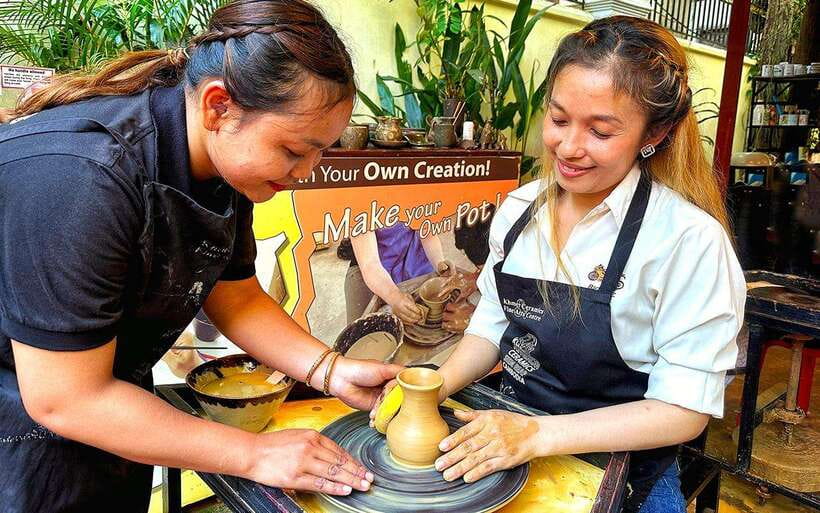
The heart of the class is wheel work, and you’ll do it on a manual pottery wheel, not a modern electric one. That’s part of why the class feels different from many pottery studios elsewhere.
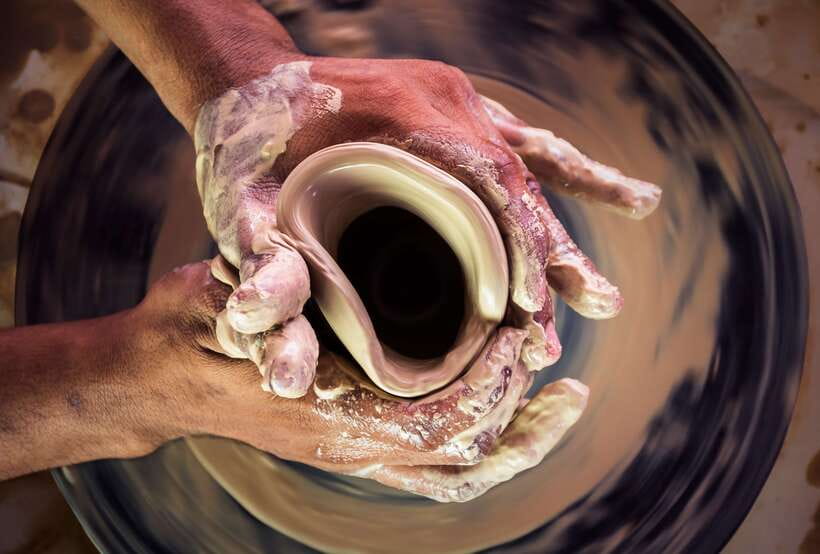
Expect a quick demo first, then guided shaping. The wheel is moved by foot, and once you get the rhythm, you’ll start learning how clay responds as it spins—how fast it moves, how thick your walls should be, and how to avoid wobble.
You’ll make a bowl shape from local Cambodian clay, and you’ll use workshop tools to help you refine it. Even if your first attempt looks like abstract sculpture, you’re in the right place: the teaching style is focused on rescuing mistakes and helping you adjust, not on judging what you produce.
One practical downside to know up front: pottery is genuinely hard. Clay dries out, shapes collapse, and beginners get clumsy fast, so you’ll want to bring patience and expect mess.
Khmer carving and decorating: turning practice into something personal
After the shaping part, you move toward decoration—where the class shifts from technical to creative. Your bowl (the one included in your class fee) gets decorated with Khmer ornamentation style.
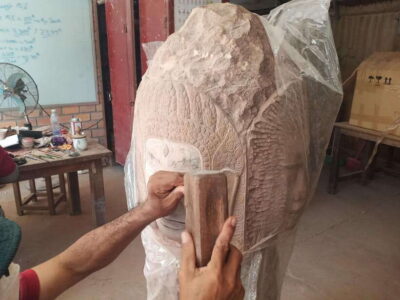
This is where you can slow down and make choices. Some people enjoy copying a teacher’s example first, then adding their own twist. Others go straight to sketching patterns and carving directly into the surface.
If you’re going to decorate, cut your nails before you go. That tip comes up again and again, because carving and detailing are way easier when your nails aren’t catching clay or smudging designs.
Also note: clay shrinks as it dries and fires. Your final size may come out slightly smaller than what you shaped, and that’s normal for ceramics in general.
Worth a side-by-side look before you book this Siem Reap tour:



What you take home and when you can pick it up

Here’s the deal for finished pieces: your pottery is fired overnight. You can pick it up at 6pm the day after the class.
That timing is a big part of the value. You’re paying for an end-to-end process—shaping, firing, and readiness for take-home—not just a hands-on session that turns into a souvenir waiting game.
Your class includes the pottery bowl handmade by you, plus extras that make it feel official: you’ll receive a Cambodian potter’s diploma along with the take-home piece. It’s a small thing, but it connects your souvenir to a studio tradition rather than a mass-produced “tour craft.”
If you can’t wait until the next day, you’re not stuck. The experience offers an option to choose a product from the shop for less than $5 on your class day.
Some people also create multiple items during the session. The included take-home is the key one tied to your paid class, and there are options to pay for extra pieces if you want more than the included bowl.
Teachers, language, and the learning style that keeps it moving
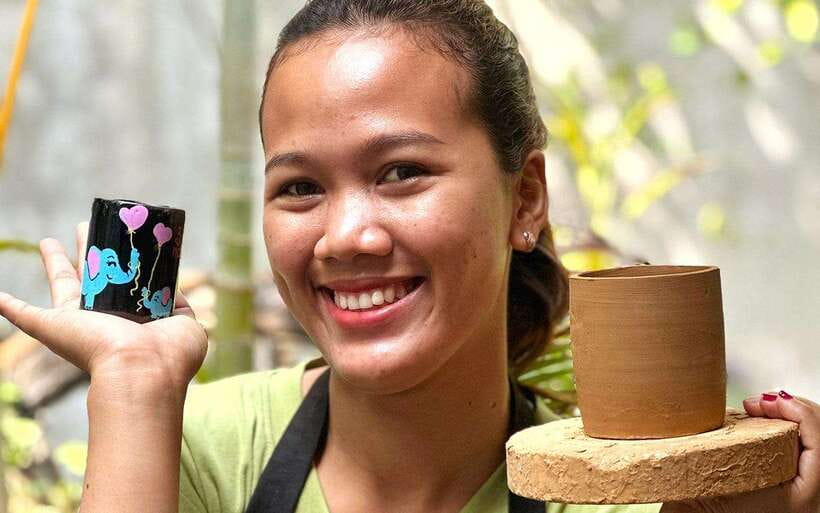
The instructors are Cambodian and English-speaking, and the teaching approach is built around demonstrations and guided help at your station. That matters because pottery is physical learning.
One thing I like from the workshop vibe is that the help is targeted. You’re not only told what to do—you’re shown, then coached as you try. If your bowl goes off track, an instructor steps in and helps you correct it, which keeps beginners from feeling stuck.
The class also stands out because some teachers are deaf or mute. That doesn’t slow things down. The communication style shifts, and the demonstrations do more of the explaining, which can make the techniques feel even more direct since you’re watching hands and movement.
If you’re nervous about language, don’t be. The process is visual, and you’ll have support while you work.
Price and value: what $27 buys you in real studio terms
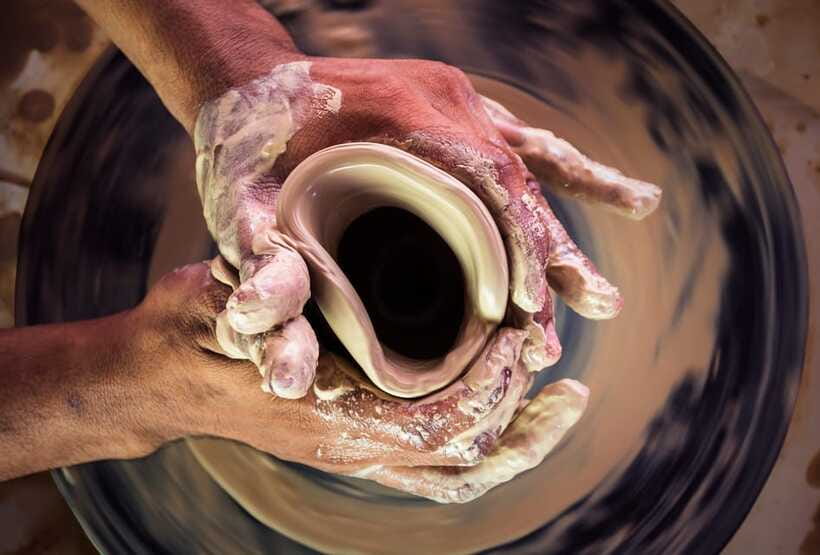
At $27 per person for a 2-hour class, you’re paying for more than a basic workshop. Hotel pickup and drop-off are included, and all materials are covered, so you’re not adding surprise costs for supplies.
You also get the kiln step indirectly built into the price: your piece is fired overnight and made available for pick-up the next evening. A lot of craft experiences stop short at wet clay, then leave you to pay later. Here, the cost structure is clearer.
There’s also real studio value in the included extras: a take-home bowl you made, a potter’s diploma, a local English-speaking guide/teacher, and a bottle of water. The class fee also includes taxes and handling.
If you want more than one piece, plan for add-ons. Extra items may cost about $5 each based on what’s been shared by past participants, and there’s also the option of choosing a shop item for under $5 if you need something sooner than the next-day firing.
So the value story is this: you’re buying instruction plus a finished, fired ceramic souvenir. That’s a strong deal for Siem Reap, especially if you want something made by hand rather than something factory-made.
Who this is best for (and who might want a different activity)
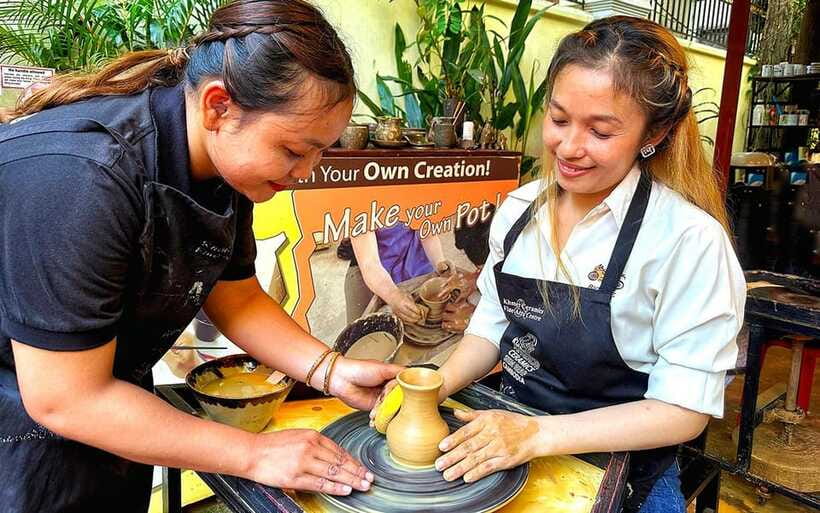
I think this class is a great fit if you want a break from temple-think for a few hours and you like doing hands-on work. It’s also ideal if you’re traveling with someone who wants a creative activity that still feels authentic.
It’s especially good for beginners, because the teaching focuses on practical technique and correction. You don’t have to arrive artistic.
If you hate being messy, you might want to reconsider. Pottery gets dusty and wet, and one common piece of advice is to wear something you don’t mind getting dirty.
If you’re very short on time, the next-day pick-up can also be a consideration. You can handle it with the under-$5 shop option, but if you need everything same-day, you’ll want to plan around the 6pm collection time.
Quick tips that make a difference during wheel time
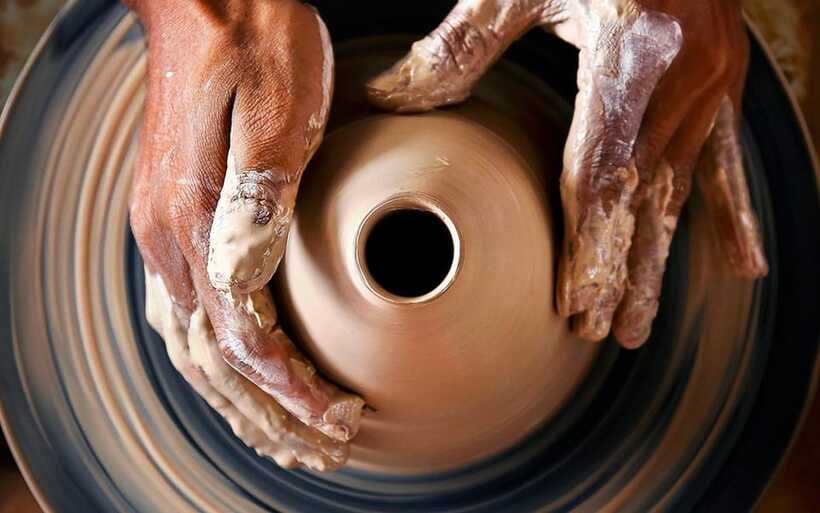
Go in ready to try, not ready to succeed instantly. Wheel-thrown pottery has a learning curve, and the manual wheel makes that curve steeper in a fun way.
Cut your nails first. That one detail can save your hands from frustration during carving and fine shaping.
Wear clothes you can stain. Clay and water can splatter, and people usually leave with at least some evidence of the session.
Give yourself permission to be slow. The teachers can help, but the best results come when you focus on wall thickness and steady pressure rather than forcing quick shapes.
Finally, ask for help early rather than waiting until something collapses. The workshop setup is built for course correction.
Should you book this Siem Reap pottery class?
I’d book it if you want a memorable souvenir with a real skill behind it. The manual wheel, the Khmer-style decorative carving, and the overnight firing turn your $27 into a genuine studio experience, not just a “paint-by-numbers” craft.
Skip it (or at least consider a backup plan) if you can’t handle the mess or you need your finished item the same day. The biggest practical constraint is timing: your piece is fired overnight and ready for pick-up at 6pm the next day.
If you’re the type who enjoys learning by doing, this is exactly that kind of class. It’s hands-on, culture-connected, and it ends with something you made that you can hold in your hands.
FAQ
How long is the Cambodian pottery class?
The class lasts about 2 hours.
Where does the class take place?
It’s in Siem Reap Province, at Khmer Ceramics & Fine Arts Centre.
Is hotel pickup and drop-off included?
Yes, pickup and drop-off are included, and you’ll be collected from your hotel.
What do I make during the class?
You create a handmade Cambodian ceramic bowl and decorate it with Khmer ornamentation.
Do I get to take my pottery home the same day?
No. Your pottery is fired overnight, and it’s available for pick-up at 6pm the day after.
What’s included in the price?
The price includes the workshop visit, pottery class fee, a local English-speaking guide/teacher, all art materials, a pottery demonstration, and the bowl you make, plus taxes/fees and a bottle of water.
Is food included?
Food and drinks are not included unless specified.
Can I buy or choose something instead of waiting for pick-up?
Yes. You can choose a product for less than $5 from the shop on your class day.
What languages are used during the class?
The class uses Cambodian and English.
Is the workshop wheelchair accessible?
Yes, the activity is listed as wheelchair accessible.
More Workshops in Siem Reap
- Khmer Cooking Class at a Local’s Home in Krong Siem Reap
★ 5.0 · 2,731 reviews - Siem Reap: Khmer Cooking Class at a Local’s Home
★ 5.0 · 1,108 reviews - Award-Winning Cooking Class Experience with Professional Teacher
★ 5.0 · 745 reviews - Cambodian Village Cooking Class
★ 5.0 · 265 reviews - Cambodian Cooking Class from Siem Reap
★ 4.9 · 190 reviews
More Tour Reviews in Siem Reap
- Angkor Wat Sunrise or Sunset Tour with Guide from Siem Reap
★ 5.0 · 12,109 reviews - Siem Reap: Angkor Wat: Small-Group Sunrise or Sunset Tour
★ 5.0 · 9,444 reviews - From Siem Reap: Kampong Phluk Floating Village Tour by Boat
★ 4.9 · 6,979 reviews - Sunset tour of Kampong Phluk stilts home village on the Tonle Sap
★ 5.0 · 4,865 reviews - Siem Reap: Angkor Wat 2-Day Tour with Sunrise and Sunset
★ 4.9 · 4,429 reviews
Made by Hand in Siem Reap
- Cambodian Pottery Class in Siem Reap
★ 4.5 · 157 reviews - Workshop Visit and Sombai Liqueur Tasting
★ 5.0 · 90 reviews - Sombai Siem Reap Workshop Cocktail Class
★ 5.0 · 23 reviews - Half-Day Cambodian Gemology Workshop from Siem Reap
★ 4.5 · 15 reviews - Siem Reap Pottery Making and Draw 3 mugs.
★ 4.5 · 10 reviews
Just Added: Fresh Siem Reap Tour Reviews



Pottery & Craft Workshops, compared.
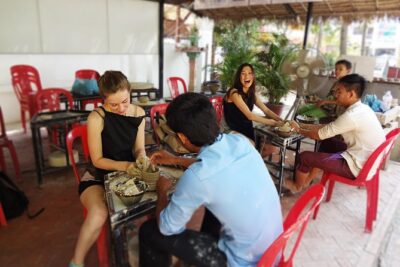 ★ 4.5Cambodian Pottery Class in Siem ReapFrom $34157 reviews
 ★ 5.0Workshop Visit and Sombai Liqueur TastingFrom $590 reviews
 ★ 5.0Sombai Siem Reap Workshop Cocktail ClassFrom $2423 reviews
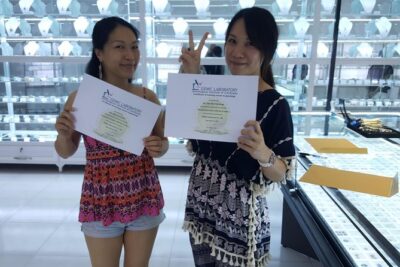 ★ 4.5Half-Day Cambodian Gemology Workshop from Siem ReapFrom $12015 reviews
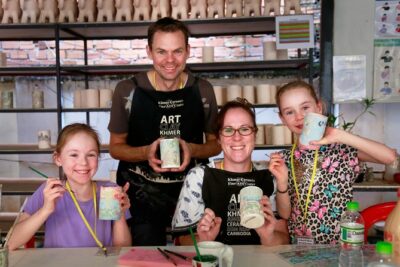 ★ 4.5Siem Reap Pottery Making and Draw 3 mugs.From $6910 reviews
 ★ 4.0Half Day War Museum Siem Reap Killing Fields and Artisans AngkorFrom $489 reviews
 ★ 4.6Half-Day: Silk Farm, Senteur Angkor, and Satcha WorkshopFrom $257 reviews
 ★ 5.04 Hours-Siem Reap Authentic Village and Homemade WhiskyFrom $856 reviews
Browse the lists this tour appears in