
Reviewed · WAR MUSEUM & KILLING FIELDS TOURS
Siem Reap: War Museum included Ticket and Pickup Drop Off
A war museum in Siem Reap can feel heavy, but this one stays calm. I like that it runs on a simple plan: hotel pickup, a walk-through on your own, then back to town without fuss.
Two things really land here. First, you get an easy tuktuk pickup and drop-off from Siem Reap Town, so you don’t burn time figuring out transport. Second, the museum is set up like a big garden where you can wander through vehicles and weapons with less stress than you’d expect. The main drawback: the place is well kept, but the vehicles aren’t restored, so some exhibits look more rough-and-real than polished.
In This Review
- Key things to know before you go
- The Siem Reap War Museum: a calm garden for difficult history
- Hotel pickup and tuktuk ride: the easiest way to reach the museum
- First stop: entering the vehicle garden and getting oriented fast
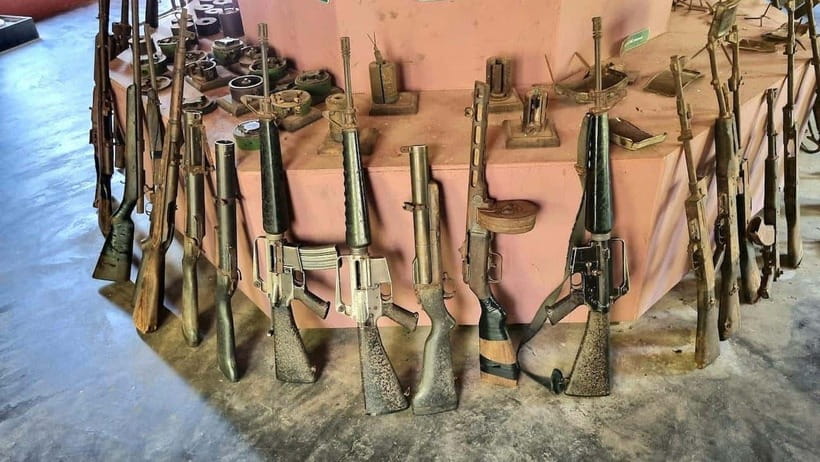
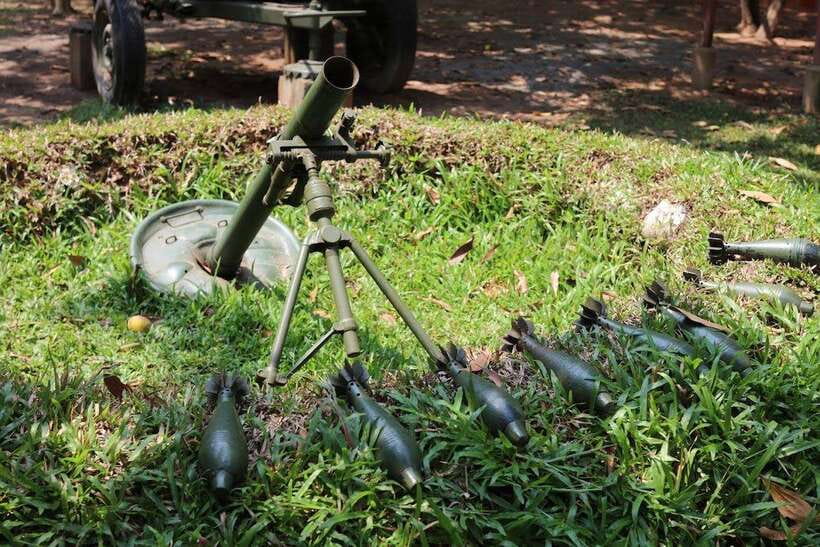
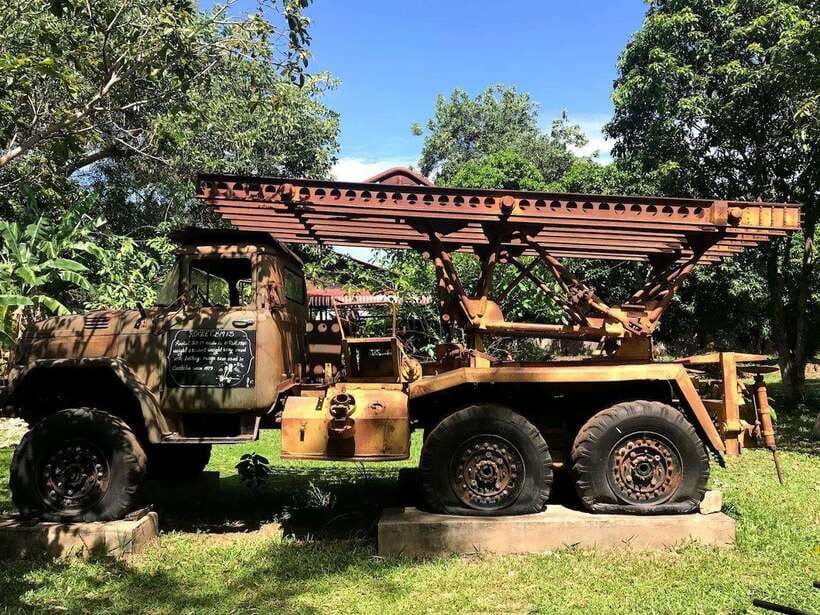
- What you’ll see: tanks, artillery, aircraft, and small artifacts
- Read the signs, then decide if you want a guide
- Timing: how long to plan for and how to pace it
- Price and value: $9 that includes transport and entry
- How respectful visiting changes the experience
- Practical tips for a smoother visit in Siem Reap
- Who this is best for (and who might want to skip)
- Should you book the War Museum ticket with pickup and drop-off?
- FAQ
- Is hotel pickup and drop-off included?
- How much does this cost?
- How long does the museum visit take?
- What’s included in the ticket price?
- Is a guide included?
- What language is the driver?
- What languages are available for the experience?
- Where does pickup happen?
- Can I cancel for a refund?
- Is there an option to reserve and pay later?
Key things to know before you go
- Pickup and drop-off included from your Siem Reap hotel in town
- A garden-style museum: walk at your own pace in a quiet setting
- Vehicles and weapons from the Khmer regime are the center of the experience
- Information boards are clear, so a guide is optional
- Vehicles aren’t restored, which can be authentic but less “photo-ready”
- You’ll likely spend about 1 hour, with some people taking 60–90 minutes
The harder history, told plainly
- Siem Reap: Elephants & Apopo Rat Demining Private Trip★ 4.6 · 46 reviews
- Siem Reap City Tour with War Museum and Killing Field★ 5.0 · 27 reviews
- War Museum, Killing Field and Floating village ( Chong Kneas) Tour★ 5.0 · 14 reviews
- Kbal Spean Trekking Tour with Banteay Srei and Landmine Museum★ 5.0 · 14 reviews
The Siem Reap War Museum: a calm garden for difficult history
If you want Cambodia history beyond temples, the Siem Reap War Museum is one of the most direct ways to do it. It’s not a hands-on, flashy museum. Instead, it’s a big outdoor garden packed with vehicles, artillery, and smaller military items placed along walkways, with boards that explain what you’re looking at.
What I appreciate most is the pacing. You can move slowly, stop when something grabs your attention, and keep your visit quiet. One guide story I’ve heard people remember involves a veteran survivor sharing a personal account (like the way Sinarth was described), which can make the museum feel more real and less like a checklist of objects.
One heads-up: because you’re walking around outdoors, this isn’t the best choice when you’re exhausted or trying to avoid heat. Even though it’s peaceful, it’s still a museum about war, and the subject matter deserves a little mental space.
Hotel pickup and tuktuk ride: the easiest way to reach the museum
The included transport is a big part of the value. Your English-speaking driver picks you up from your accommodation in Siem Reap Town and handles the museum entrance on arrival, then brings you back after your visit.
In practice, this means you’re not stuck at a gate trying to negotiate directions in a language barrier. You also avoid the common Siem Reap problem of hiring transport that feels overcomplicated for a short outing. I like that the plan is straightforward: get in the tuktuk, get there, see the museum, go back.
A couple of details from real experiences stand out. Drivers have been punctual, have offered water on hot days, and have waited patiently while visitors walked the grounds. On rainy days, someone even helped get people sorted quickly once the weather turned—so if you know rain is possible, it’s smart to bring a small umbrella or poncho.
First stop: entering the vehicle garden and getting oriented fast
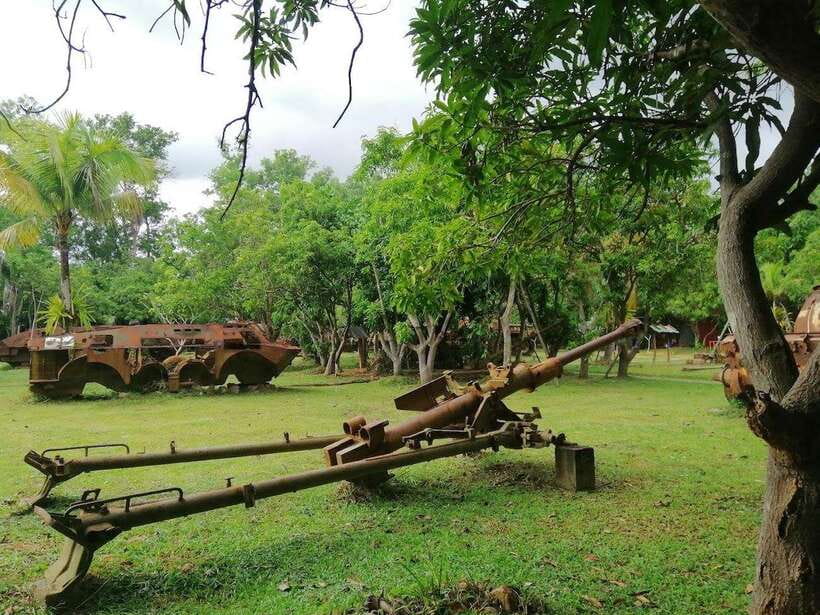
When you arrive, the museum experience starts immediately in the open air. You’re not met with a long intro room. Instead, you walk through a large garden with many vehicles displayed like an outdoor collection.
This setup changes the feel of the place. There’s no pressure to rush. You can start with what looks most interesting—tanks, weapons, artillery, and aircraft—then circle back for details on the boards. Because the museum layout is walkable and quiet, it’s easier to absorb the information without feeling pushed along.
Orientation is also simple. Along the sidewalks, you’ll see smaller items—like guns, clothes, and other military-related objects—placed near explanatory displays. The boards include photos and background information, so you can connect the objects to the wider story you’re learning.
What you’ll see: tanks, artillery, aircraft, and small artifacts
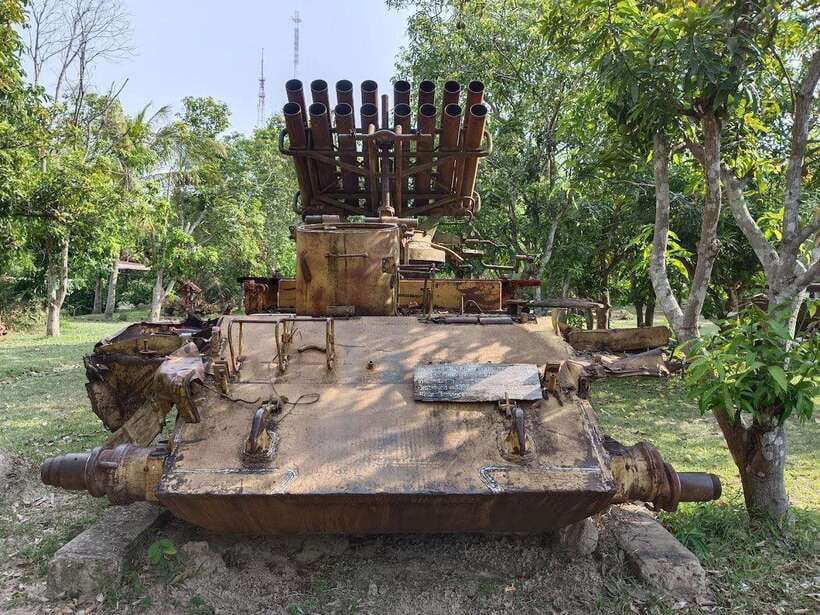
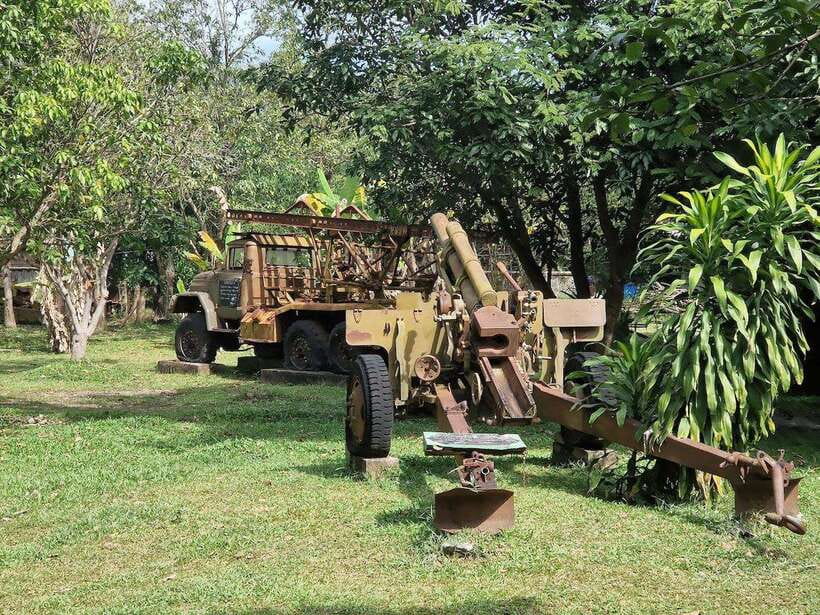
The main collection is the vehicles and military equipment used during the Khmer regime. That includes large pieces (like tanks and other heavy machinery) and also smaller items placed along the walkways. This is where the museum earns its reputation as more than a quick stop.
A key detail: the museum is described as well maintained, but the vehicles are not restored. That matters. Unrestored equipment can look more worn, and sometimes less visually “clean” than what you’d see in a heavily restored collection. But that same lack of polishing can help you understand scale and condition, instead of turning everything into a museum backdrop.
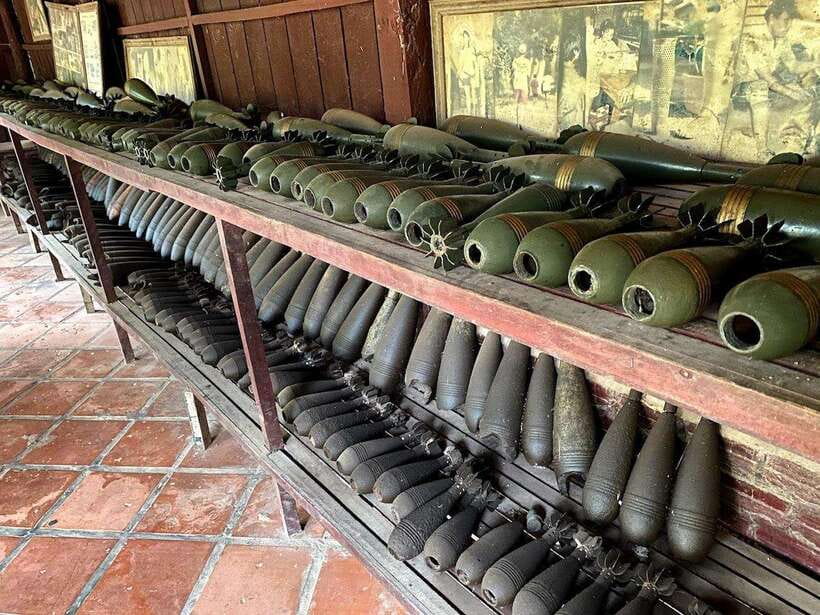
You’ll also see large boards with photos and background info, plus specific displays tied to experiences during the conflict. One exhibit people mention is focused on land mine survivors and land mines, which adds another layer beyond just weapons and vehicles. If you’re trying to understand how the war affects everyday life long after fighting stops, that’s a significant part of the visit.
For most people, the best approach is to slow down on the first pass. Look at the big equipment first, then walk back through the smaller items where the boards explain what you’re seeing.
Doors held and bags carried, more transfers




Read the signs, then decide if you want a guide
If you’re a self-guided museum person, you’ll likely appreciate how the information boards work here. People report the text is clear and gives enough background to understand the exhibits without extra help.
That said, there’s an option to add a guide for detail (listed at $10, not included). This is worth considering if you want context that goes beyond what the boards cover, or if you prefer listening to someone connect the objects to real lives.
One of the most memorable elements shared in real visits is meeting a person with a lived experience of the war. For example, guides have included veteran survivors such as Sinarth in conversations. If you do get matched with someone who can explain with personal clarity, the museum stops being just about machines. It becomes about human impact—how conflict lives on in bodies, memory, and communities.
So here’s a practical way to decide: start self-guided for the first chunk. If you find yourself wanting more detail while you’re reading, ask on the spot whether a guide can help with a deeper layer.
Timing: how long to plan for and how to pace it
This is a short day experience. Pickup happens from your accommodation, and after about an hour inside, your driver transfers you back to your hotel.
Still, I’d plan a little breathing room around that estimate. Some people report spending about 60–90 minutes, depending on how closely they read the boards and how long they stop at each vehicle. If you’re taking photos, reading every sign, or watching how different exhibits are arranged, stretching to the upper end can feel comfortable.
If the day is hot (which it often is in Cambodia), I’d pace yourself like you would at a temple complex: start strong, then take small breaks when you need them. Bring water if you can. Your driver may offer it, but it’s smart not to assume.
Price and value: $9 that includes transport and entry
At $9 per person, you’re paying for a focused experience that includes both the museum entrance fee and the convenience of pickup and drop-off. For Siem Reap, that package is the whole point.
Here’s the value logic I’d use when deciding: if you had to arrange transport separately and also buy your entry ticket, the total would likely climb fast. This tour bundles the essentials—transport + admission—so you can spend your time looking, not negotiating logistics.
What isn’t included is also clear: if you want a guide for detail, that’s an additional $10. If you’re on a tight budget, self-guided usually works well because the boards are designed to explain the exhibits clearly. If you’d like the extra context (especially personal stories), budgeting for the guide can be a good upgrade.
How respectful visiting changes the experience
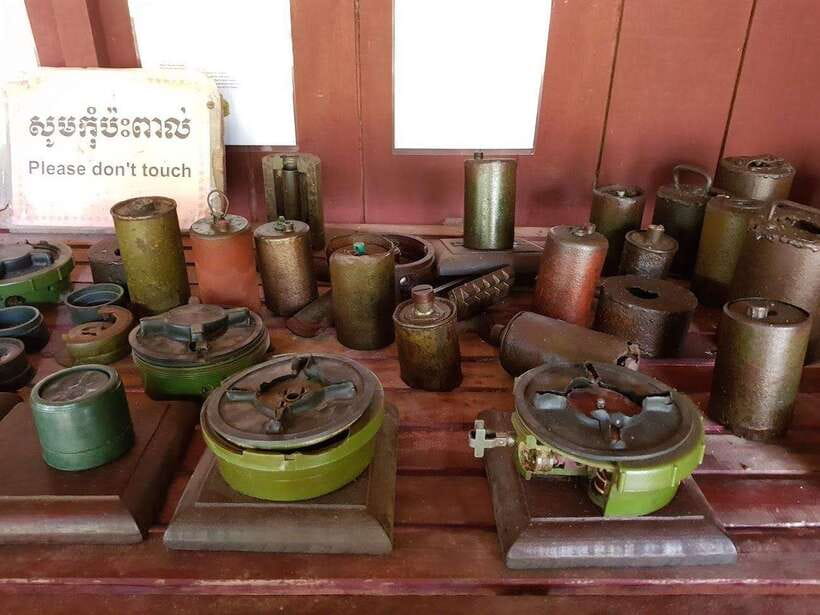
This isn’t a museum that lets you stay purely in “scenery mode.” You’ll see weapons and equipment. You’ll also encounter items and information tied to suffering, including the presence of land mines and survivors.
That’s exactly why I think the calm, garden-style setting is important. It gives you space to process what you see without crowds forcing you along. It also makes it easier to turn the volume down in your mind and focus on the story the museum is trying to tell.
If you go with family or friends, it can help to agree on pace ahead of time. Some parts will feel intense for certain people. If you can keep a gentle rhythm—stop, read, look, then walk on—it makes the overall experience more meaningful instead of overwhelming.
Practical tips for a smoother visit in Siem Reap
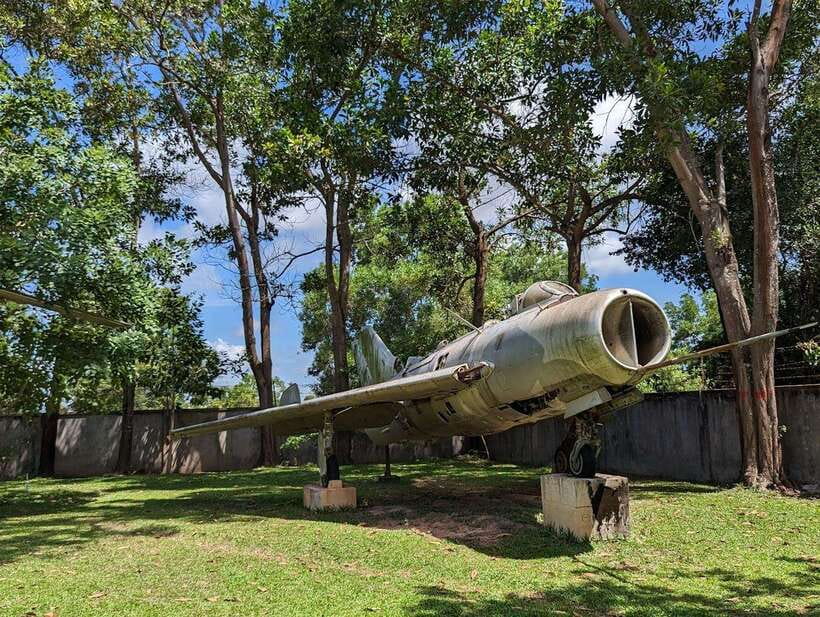
Because the museum is outdoors, you’ll want basic comfort items. One common tip: wear insect repellent. The exhibits sit in a garden environment, and you don’t want a constant battle with bugs while you’re trying to read and look closely.
Also consider the weather. Rain can happen, and while your transport is handled, you’ll still be outside walking. A lightweight rain layer or small umbrella can save your mood.
Finally, bring the right mindset. This place is not about shock for shock’s sake. It’s about looking carefully at how conflict shows up in objects, injuries, and long-term realities. Even if you only read a handful of signs during your hour, you’ll walk away with a much clearer understanding than if you skipped it.
Who this is best for (and who might want to skip)
This fits well if:
- You want a Cambodia history stop that’s not temple-based
- You prefer self-guided walking with information boards
- You’re interested specifically in Khmer regime-era vehicles and weapons
- You want hotel transport handled for you
It might be less ideal if:
- You dislike outdoor museums in heat or rain
- You’re expecting fully restored, polished exhibits
- You only have time for a very tiny stop and want something more compact than a garden walk
Because the main collection is vehicles and equipment, it also helps to be a person who enjoys looking closely at mechanical objects and how they’re displayed.
Should you book the War Museum ticket with pickup and drop-off?
I think this is a smart booking if you value convenience and a straightforward museum visit. The included pickup and drop-off removes stress, and the self-guided layout works well because the information boards are clear. At $9 with entrance included, it’s also a strong value for the time you’ll spend.
I’d book this, especially, if you want to add a deeper historical lens to your Siem Reap trip without turning it into a full-day production. The only reason I’d hesitate is if you strongly dislike unrestored displays or you’re short on patience for outdoor walking.
If you’re on the fence, a good compromise is to go self-guided first. If you feel you need more context while you read, you can choose the optional guide for detail.
FAQ
Is hotel pickup and drop-off included?
Yes. Pickup and drop-off from your hotel in Siem Reap Town are included.
How much does this cost?
The price is listed as $9 per person.
How long does the museum visit take?
The visit is described as about 1 hour, and some people plan for around 60–90 minutes.
What’s included in the ticket price?
It includes museum entrance fee and pickup and drop-off from your hotel.
Is a guide included?
A guide is not included. If you need a guide for detail, it costs $10.
What language is the driver?
The driver is listed as English.
What languages are available for the experience?
English is listed as the language for the experience.
Where does pickup happen?
Pickup is included from hotels in Siem Reap Town. You’ll be asked to share your hotel name and address to arrange pickup.
Can I cancel for a refund?
Yes. Free cancellation is available up to 24 hours in advance for a full refund.
Is there an option to reserve and pay later?
Yes. Reserve now & pay later is listed as available.
More Tour Reviews in Siem Reap
- Angkor Wat Sunrise or Sunset Tour with Guide from Siem Reap
★ 5.0 · 12,109 reviews - Siem Reap: Angkor Wat: Small-Group Sunrise or Sunset Tour
★ 5.0 · 9,444 reviews - From Siem Reap: Kampong Phluk Floating Village Tour by Boat
★ 4.9 · 6,979 reviews - Sunset tour of Kampong Phluk stilts home village on the Tonle Sap
★ 5.0 · 4,865 reviews - Siem Reap: Angkor Wat 2-Day Tour with Sunrise and Sunset
★ 4.9 · 4,429 reviews
Smooth Arrivals and Rides
- Siem Reap: Apsara Show Including Dinner & Hotel Pickup
★ 4.6 · 615 reviews - Siem Reap: Apsara Dance Show and Dinner with Hotel Pickup
★ 4.6 · 425 reviews - Siem Reap Angkor Airport Taxis (from Airport to Hotel)
★ 5.0 · 332 reviews - Siem Reap to Phnom Penh by Private Car or Minivan
★ 5.0 · 189 reviews - Siem Reap: Dinner and Traditional Show with Hotel Transfer
★ 4.1 · 172 reviews
Cambodia's Recent History
- Siem Reap: Elephants & Apopo Rat Demining Private Trip
★ 4.6 · 46 reviews - Bantey Srei, Kbal Spean and Landmine museum Private Tuk-Tuk
★ 4.7 · 30 reviews - Siem Reap City Tour with War Museum and Killing Field
★ 5.0 · 27 reviews - War Museum, Killing Field and Floating village ( Chong Kneas) Tour
★ 5.0 · 14 reviews - Kbal Spean Trekking Tour with Banteay Srei and Landmine Museum
★ 5.0 · 14 reviews
Just Added: Fresh Siem Reap Tour Reviews



War Museum & Killing Fields Tours, compared.
 ★ 4.6Elephants & Apopo Rat Demining Private TripFrom $1546 reviews
 ★ 4.7Bantey Srei, Kbal Spean and Landmine museum Private Tuk-TukFrom $4330 reviews
 ★ 5.0Siem Reap City Tour with War Museum and Killing FieldFrom $4727 reviews
 ★ 5.0Kbal Spean Trekking Tour with Banteay Srei and Landmine MuseumFrom $7114 reviews
 ★ 5.0War Museum, Killing Field and Floating village ( Chong Kneas) TourFrom $7514 reviews
 ★ 5.0Siem Reap Guided Tour & Hero RATs at APOPO Visitor CenterFrom $6711 reviews
 ★ 5.0“Killing Fields & Landmine Museum: Private Guided TourFrom $19011 reviews
 ★ 4.4Bantreay Srei , Kbal Spean and Landmine Museum with Tuk TukFrom $389 reviews
Browse the lists this tour appears in